



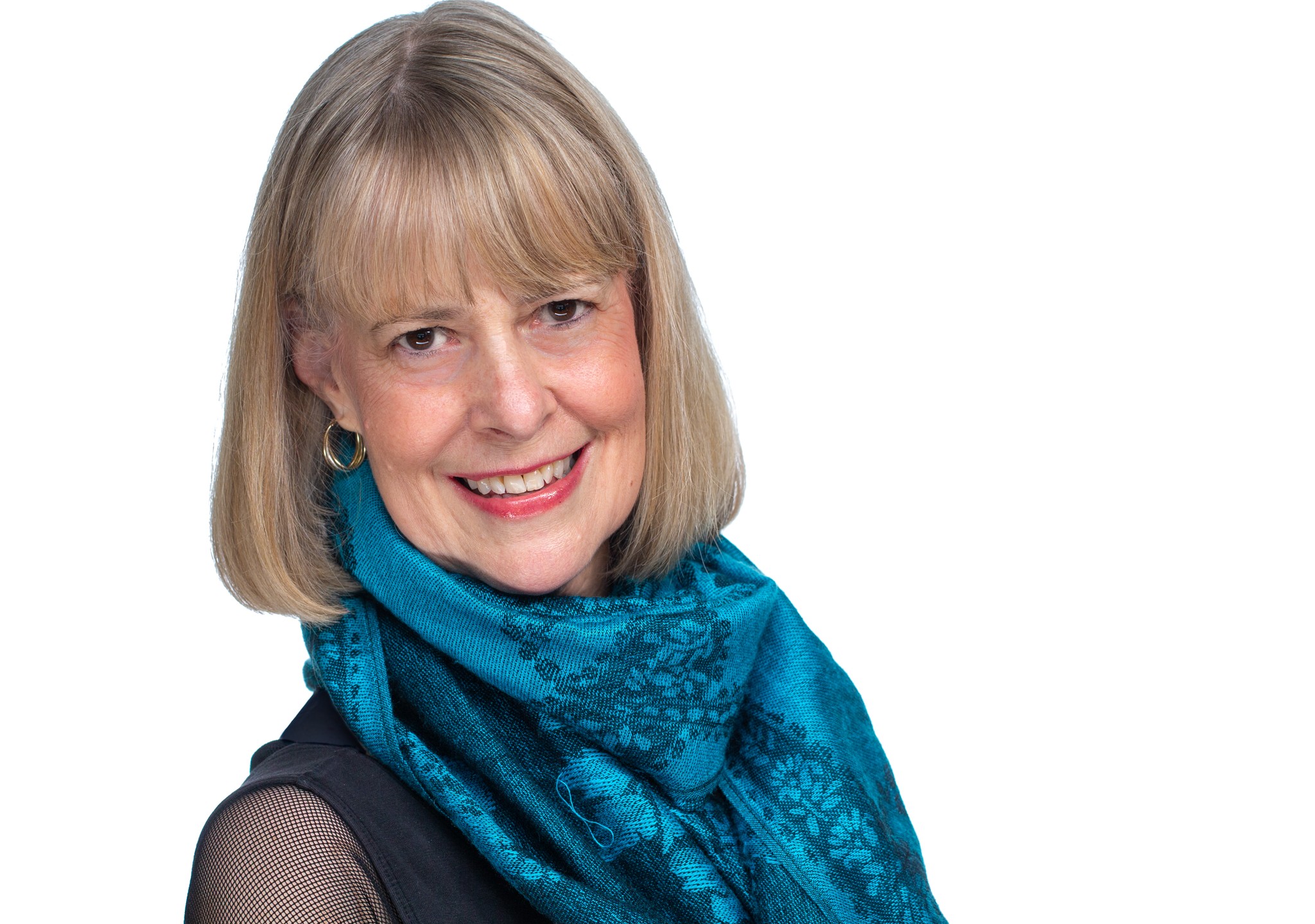
Today we’d like to introduce you to CatherineAnnette Limón.
Hi CatherineAnnette, thanks for sharing your story with us. To start, maybe you can tell our readers some of your backstory.
I thank you for the opportunity.
Discipline is a prerequisite for becoming the artist you wish to be. I grew up in a home of musicians and music educators. Playing an instrument was a requirement. You practiced your instrument an hour before school–no arguments–and attended weekly private lessons. My adoptive mother started me on piano at the age of 6. At first, I would cry at my lessons because her exacting standards seemed like criticisms. Under her tutelage, I became accomplished at the piano, and I won a competition playing the Clementi Sonatina Op. 36, No.1 from memory. I loved the piano and could practice it for hours. When I was 8 years old, I was given a ¾ -size violin to practice. Why violin? The violin that my birth mother had played was to be given to me when I was 15. My birth mother was a gifted violinist destined to become a protégé of the great teacher, Josef Gingold. Instead, her life was taken over by my father. He isolated her from her family and friends, she became pregnant, and they moved down to New Mexico. They married, but no one was invited to the wedding. When it was time for me to be born, the couple returned to Denver. On the day I was born, my mother passed away from complications of my birth. She was 22 years old. I was immediately whisked away to an incubator because I weighed only 5 pounds.
My mother’s parents raised me until I was nearly three years old. They were a source of unconditional love and support for me until their passing. My father had left me with them because he was getting his Masters Degree in Music Education from UNC in Greeley. It was fortunate that he left me with my grandparents. He was grieving his wife’s death, and he could not seem to bond with me.
My father remarried a brilliant and gifted pianist in the summer before I was three. She herself had a little daughter, and each of them adopted the other’s child. They would go on to have three boys. I was taken from my grandparents, the only parents I had ever known, without explanation. One afternoon when they visited, I packed my small suitcase to go home with them. My father yelled at me and ordered me back to my room. My grandparents’ faces were not smiling. They looked mad. They were trying mightily to avoid saying anything. They knew my father would never let them see me again. It was not until many years later, after both my grandparents had died, that I realized the impact of this incident through my eyes as a child. I had already lost my mother. I had been put in an incubator without ever being held by her. I had bonded with my grandparents, and they loved me deeply. They knew me, and I felt my home was with them. All I knew was that I must have done something terribly wrong because they looked like they were mad, and because they didn’t say anything, they did not love or want me with them anymore.
It was at this point that I disconnected from myself. I became quiet and removed. It is called “dissociation” in psychological terms. There was no one to help me, so I blamed myself for my grandparents not wanting to take me home with them. All through my childhood, I became a compliant little automaton. When my grandparents visited or I visited with them, I looked at them through what I now call a transparent wall. That wall was up between me, everyone and everything. I would do what I thought was expected of me, but inside, I could not believe anyone really wanted me. I could not take in love anymore. I could not connect with life. Losing my mother and then my grandparents would affect me profoundly throughout my life in ways that I could not understand.
When I was 12, my father ordered me to stop playing piano. I so missed the rich harmonies and resonance of the piano after that. My parents saw me becoming a music teacher, but did not deem me talented enough to be a performer on the violin.
I did not recognize it at the time, but starting at the age of 13, I began to demonstrate resilience and spirit. It started with me really owning my violin playing. When I received an Excellent rating instead of a Superior rating at the DPS Solo and Ensemble Festival, I practiced hard and won a Superior+ the following year, performing Mozart’s G Major Violin Concerto.
When I was 17, my parents sent me to the University of Colorado Music School. I had won a half scholarship in music because of my ability to play violin. As they expected, I enrolled in courses that would earn me a Bachelor of Music Education degree. Because I was sent to kindergarten when I was 4, I had always been a year behind in school. I found certain subjects difficult. I had no training in Music Theory or Ear Training. I received D’s and F’s in those subjects. After three semesters, I dropped out of Music School. My parents were livid. I had also met a young man who was my friend. For the first time since leaving home, I felt like I was home with him and his family. He has been my soul-friend ever since, and we have been married for the last 32 years. To save face with the family, my father told them that the young man had influenced me to drop out of school. It was a lie. I dropped out of school by my own volition because of the bad grades. My father hated losing control of me, but I was free. I have felt free ever since.
With my grandmother co-signing a loan, I enrolled in Business School. I loved it, especially Accounting, where you had to balance figures so they matched. I received straight A’s, and I began working as a secretary. I was making my own money for the first time, and I felt rich. I have felt rich ever since, no matter what I was doing in my career. I paid off the loan that my grandmother had helped me with. She bought a bicycle for me to get around because I did not drive. She paid for allergy shots to ease my asthma and hay fever.
I also began taking ballet classes. When I lived with my father, I was not in touch with any of my dreams. I realized after leaving home that I loved ballet and had wished to take classes since I was a child. I took enough classes in my twenties that I became a good dancer starting on pointe. If I had been able to do what I loved growing up, I would have been a ballet dancer and a pianist.
Despite these accomplishments, I think it would be hard to find a young woman with less self-esteem and self-worth than me. I had been the family scapegoat, silent and removed from everyone, just keeping still to avoid being noticed. Since I offered no resistance, family members would take out their frustrations and discontents on me.
I was to carry this inner turmoil for most of my life, despite having successes in the music world. I would win auditions for orchestras, playing brilliantly at times. Other times, I failed miserably, my bow shaking as I tried to play the music I knew so well and had practiced for hours. The inner voices of shame, ridicule, and rejection would just take over. They whispered that I was not and could never be good enough. In the professional music world, it is well-known that if you are auditioning, you have to possess the resilience to learn from your failures and not let them stop you. Unfortunately, because of my shaky background, I did not always have confidence in myself. The music world is highly competitive. I stopped auditioning for a while because of the conflict.
Now, to speak to the inspiration: For one thing, I have had a lifelong love of learning. I am always in student mode, wanting to know more. It has not ever been enough for me to be somewhat good as a violinist. When I perceived something that I needed to change or learn in my technique or interpretation, I sought out violin instructors from the professional music community or at university music schools. From each teacher, I gained valuable, priceless training in aspects of my technique. I put these aspects together and formed my own system of teaching so that anyone of any age can learn violin or viola. I adapt my teaching to accommodate a student’s physical structure, and I do not just demonstrate how to play. I give them guidance and instruction so they can learn how to do it for themselves. My own violin playing has become easier and more effortless, as well. At the age of 32, I returned to the University of Denver Lamont School of Music and received my Bachelor’s degree Magna Cum Laude in Music Education. My tuition for school was paid half by a music scholarship and half by an honors scholarship. I won the Honors Competition, performing the Saint-Saens Introduction and Rondo Capriccioso with the Lamont Symphony Orchestra. As I was earning my Masters degree, my tuition was paid and I received compensation for being the teaching assistant to the violin professor.
On an interpersonal level, I have certainly been very challenged. I think the time I spent with my grandparents where I was loved, cared for and seen was what saved me. I think my music training saved me. I also have had many years of therapy—most notably, EMDR, Brain Spotting, somatic bodywork and intensive complex PTSD sessions. It was necessary to confront my wordless traumas from childhood. The memories are not cognitive because I was too little to have a context for what was happening. Mostly, accessing the traumas stored in my brain and nervous system have been key to releasing the pain and coming home to my authentic self. The process has taken decades to accomplish.
I believe that the point is: it is not what has happened to me, but what I have done with what I have been given. That is where I have found the mastery. I call it “The Triumph of the Human Spirit”. It does require giving up the victim role. Being a victim can be a trap, but having the courage to own my experience has been a freedom. That is not to say I am responsible for what happened to me. I am only responsible for my experience of what happened to me. It also requires ownership. If I am focusing on blaming someone else for what has happened to me, I am not owning my experience. I have come to a place of compassion for my father because I now know the brutal circumstances in which he was raised. What he did was not right, but my forgiveness is in my compassion for him.
Currently, I am practicing and preparing concerts of classical and virtuoso violin repertoire with my pianist. For anyone wishing to attend a concert, I have dates and venues scheduled for this fall. I believe that my email address will be included in this interview. I am currently accepting new students at my studio in Longmont. My website is silverviolinist. com. My violin playing feels very free. Because I am home with myself, I now speak with confidence to audiences about the music before I perform it. Speaking publicly used to be impossible—I would get my words all mixed up and turn red with shame. For me, one of the keys was slowing down—speaking much slower and taking what felt like huge pauses between sentences.
I am writing a book, and I think that public speaking is also in my future. I have a story of hope and inspiration to share.
We all face challenges, but looking back would you describe it as a relatively smooth road?
I know that my challenges have shaped me into the person that I am today. I have more depth. I listen to people, and I can feel them with my heart. I see them so clearly, so kindly and so compassionately. But, I would not describe my journey to see myself and believe in myself as a smooth road.
Appreciate you sharing that. What else should we know about what you do?
At present, I am rehearsing with my pianist for concerts this fall on October 5, November 2nd, 8th, and 22nd. The concert on the 8th will be live-streamed via Zoom. We are playing classical, romantic and virtuoso violin literature. Currently, I am accepting new students in my Longmont studio. I teach
students of all levels and abilities from age 9 to adult. Over the years, I have been fortunate to study with some of the greatest violin teachers in the world. Each one has given me gems of technique and interpretation that I have used to elevate and refine my own playing. I have taken what I have learned
from them and incorporated all the elements into my teaching method so that students really learn how to play well and develop their own unique style.
I am starting to speak to groups of people where I see them, feel them in my heart and connect with them on a very deep level. This is a new endeavor for me.
Networking and finding a mentor can have such a positive impact on one’s life and career. Any advice?
Seek to find at least one person who loves, respects and supports you unconditionally. Follow your heart. It is the voice of your higher self, and it will never steer you wrong. Manifesting your dreams and aspirations involves laser-focusing on what you want your life to be and going through the doors that open. Use your intuition, and see what feels right to do and what direction to go. I have found mentors and guides in various forms for different needs that I have had. Mentors can be found readily in academic settings and in the field(s) of your aspirations. Talking to people about what you would like to do and where your are thinking you would like to be is very powerful. The information you receive in this way is often amazing. You are here for noble purposes, both for yourself and the world. Your highest dreams are your Destiny.
Contact Info:
- Website: https://www.silverviolinist.com


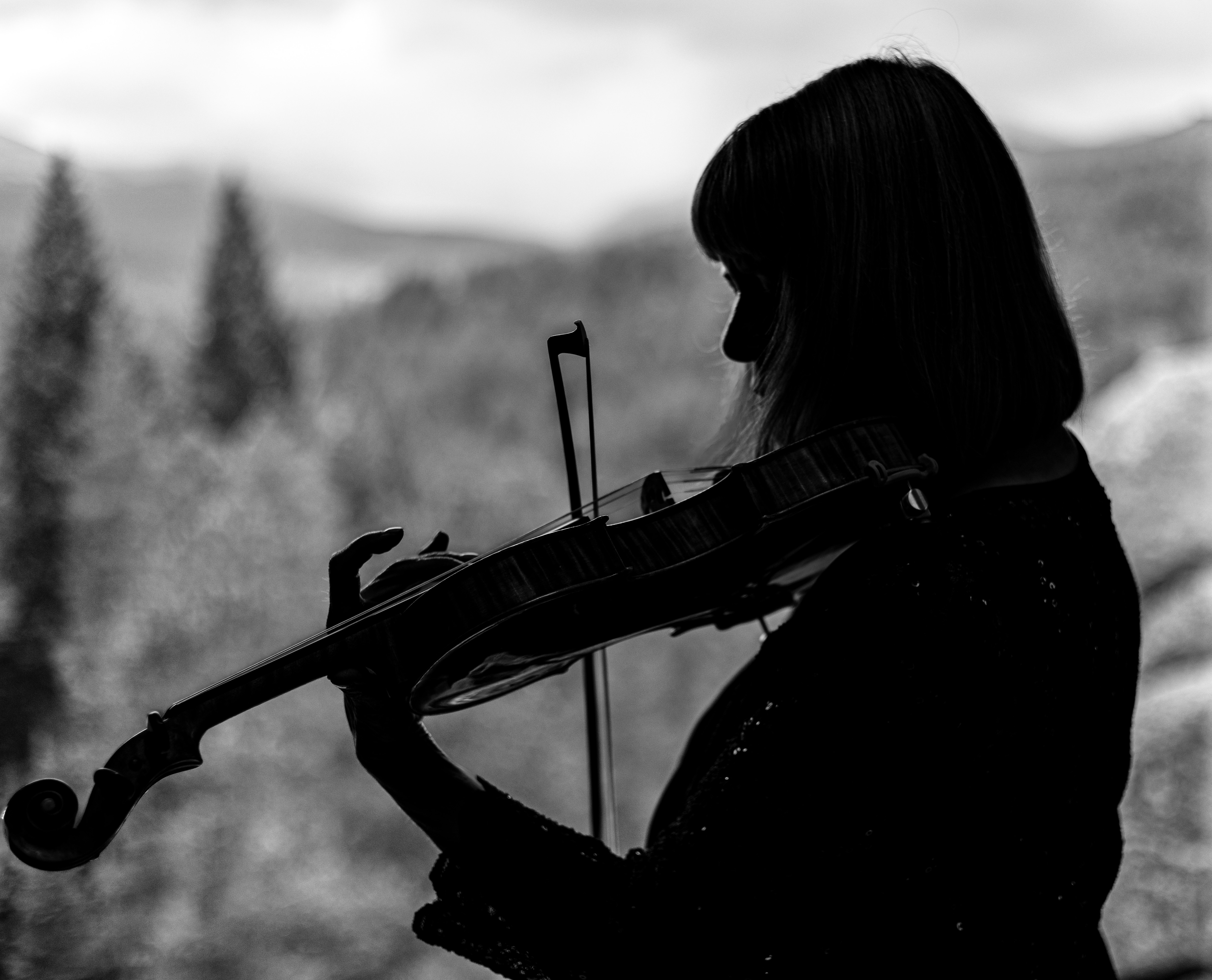

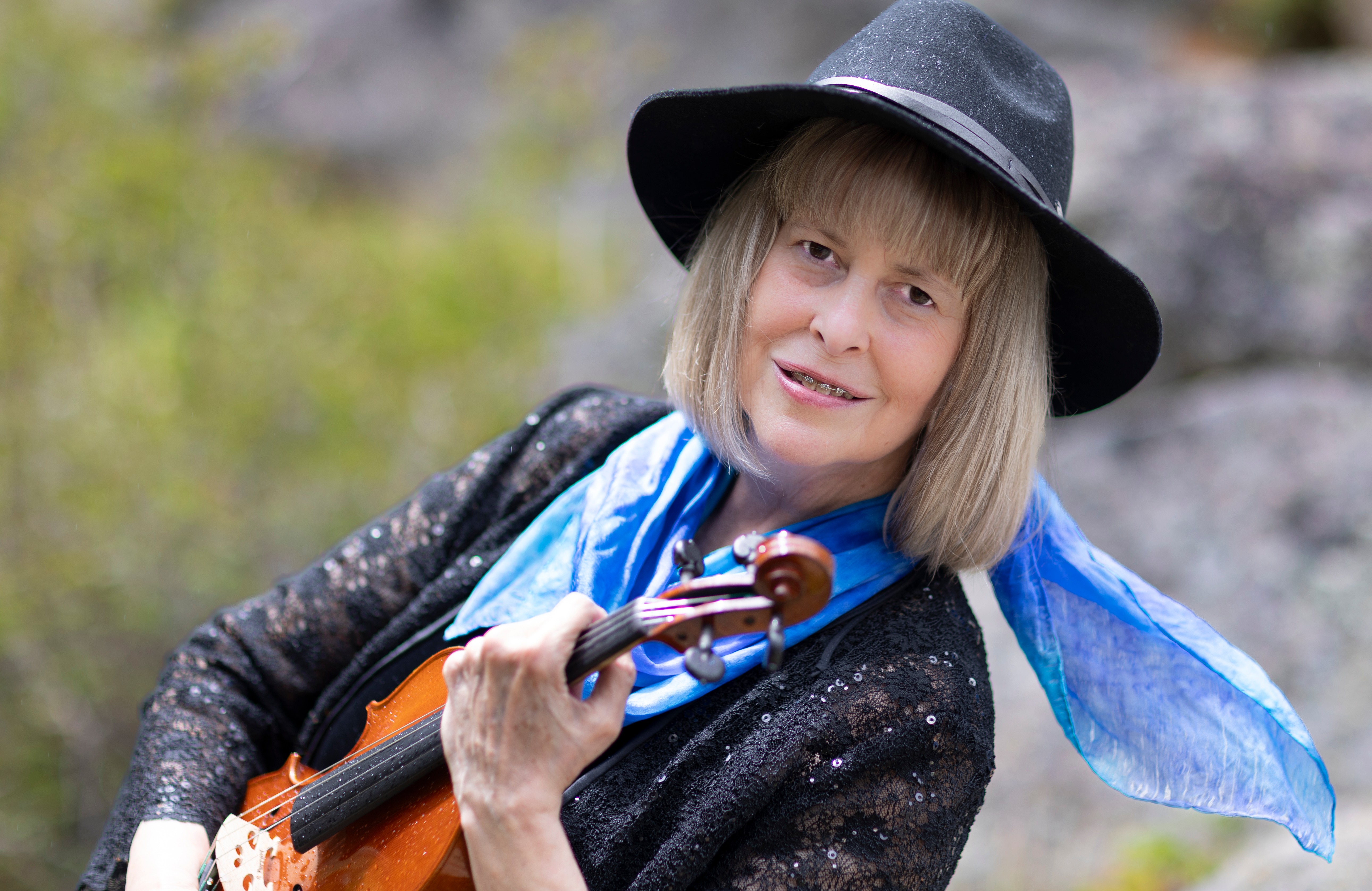
Image Credits
Sal DeVincenzo Photography
(303) 907-0499
Popular
-

The Trailblazers: Rewriting the Narrative
-

Celebrating the Spotlight: Kaytee Shashore Turns Milestones Into Momentum
-

Humanity in the Machine: Alexander Raye Pimentel’s Cyborg Recall Questions the Cost of a Data‑Driven World
-

Raemi Anderson on Courage, Caution, and Answering the Call of the Landscape
-

Hidden Gems: Local Businesses & Creatives You Should Know


