



Today we’d like to introduce you to Jodi Messenich.
Hi Jodi , it’s an honor to have you on the platform. Thanks for taking the time to share your story with us – to start maybe you can share some of your backstory with our readers?
My Story: Why I Founded Zuma’s Rescue Ranch, And Why Your Support Matters
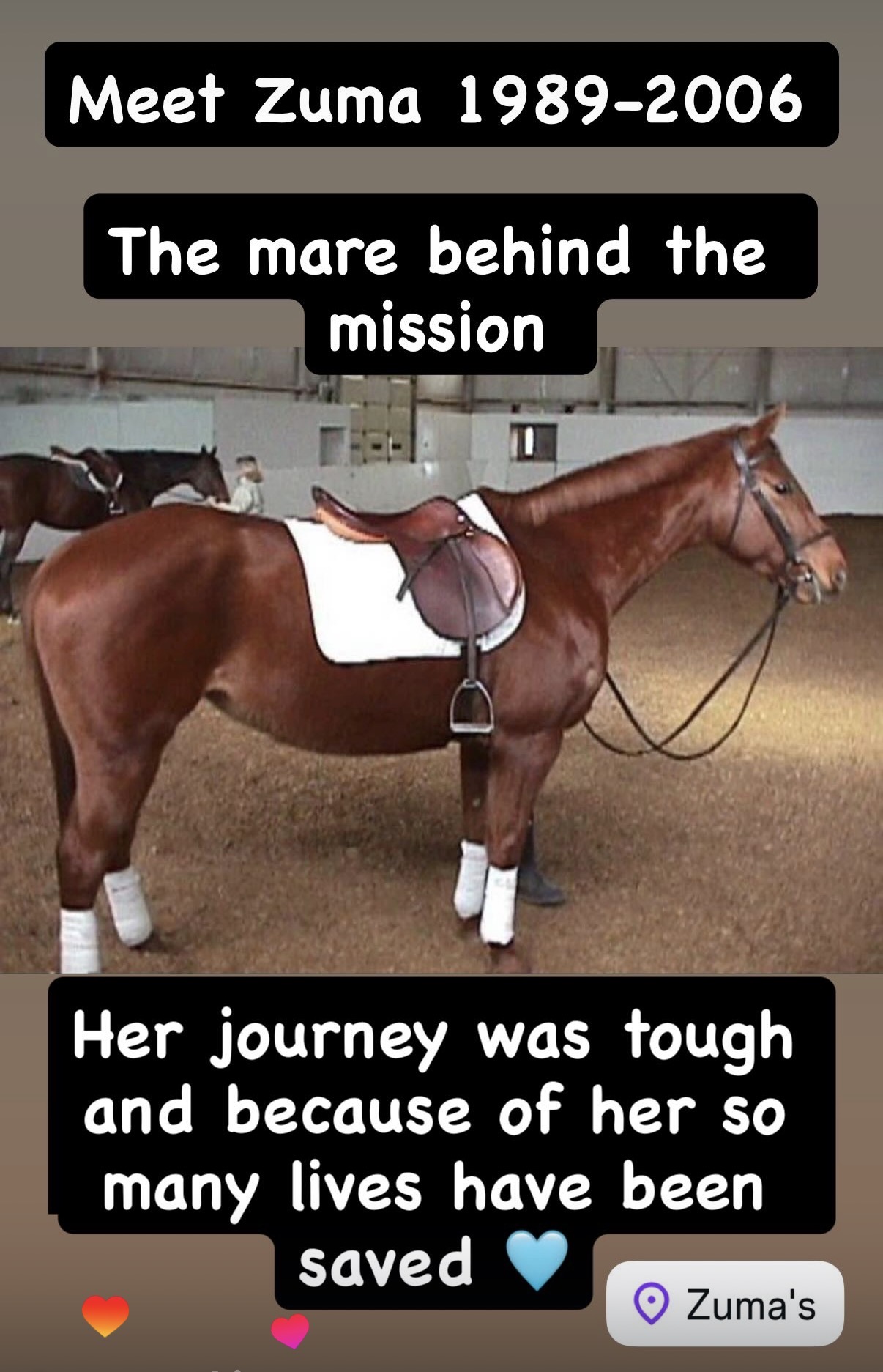
In 1997, I brought home a horse who changed everything.
Her name was Zuma, and she was supposed to be our gentle, first family horse. But what we didn’t know was that she had been drugged during our pre-purchase visits. Once the medications wore off, her terror surfaced. The sweet, quiet mare we thought we bought was actually a deeply traumatized horse fighting for her life.
She wasn’t dangerous; she was scared.
And in her fear, she broke bones, broke trust, and nearly broke my spirit.
But I couldn’t give up on her.
For months, I worked to reach her. Slowly, with patience, tears, and more setbacks than I can count, Zuma began to heal. In that process, I learned something that changed the direction of my life:
Horses don’t become “problem horses”; they become wounded horses.
And wounded horses deserve a chance to heal.
That realization opened my eyes to the truth happening all around us:
Thousands of good horses like Zuma were being discarded, shipped through kill pens, sold at auctions, or surrendered because their people didn’t know how to help them.
I made a promise to Zuma that I would never look away again.
What began with one horse quickly grew to a mission much larger than anything I ever imagined. By 2008, I officially founded Zuma’s Rescue Ranch, a sanctuary in her honor, a place where horses would never be thrown away, where healing mattered more than perfection, and where compassion came first.
And then something unexpected happened.
As our horses healed, they began healing people.
*Children in foster care…
*Veterans transitioning home…
*Families navigating crisis…
*Individuals fighting cancer…
*People battling anxiety, grief, depression, or loneliness…
The same horses who were once abandoned became mirrors, mentors, and healers.
Today, Zuma’s Rescue Ranch feeds more than 80 meals a day, trims 160 hooves every six weeks, and provides life-changing mental health sessions to children, veterans, and cancer patients, many at no cost. But we can only continue because people choose to stand with us.
This sanctuary survives on generosity.
These programs exist because someone cared.
These horses, and the people they heal, depend on the community.
If Zuma taught me anything, it’s that healing happens when someone chooses to step up.
I stepped up for her.
She changed the course of my life.
And together, we are changing the course of so many others.
Your support keeps the gates open.
Your compassion feeds the herd.
Your generosity heals both horses and humans.
Please consider giving today, for Zuma, for the horses like her, and for the people whose lives are quietly transformed because this sanctuary exists.
My Journey to Entrepreneurship
I’ve been an entrepreneur for as long as I can remember, long before I ever owned a business.
My story starts when I was 12 years old, working alongside my dad in his construction company. I didn’t realize it then, but those summers taught me the foundations of entrepreneurship: work ethic, responsibility, and the pride of building something with your own hands.
At 16, I got my first “official” job at a cemetery, plotting burial plots. From there, I worked wherever opportunity appeared — serving food in a mall food court, teaching aerobics at Bally Corp, then moving into leadership roles as Program Director and Corporate Sales at Vic Tanny in Wisconsin. Eventually, I stepped into a professional management position as Sales Director for the Milwaukee YMCA.
What all of these jobs had in common was that they pushed me to grow, to lead, to communicate, to organize, to solve problems, and to understand people. Every role, no matter how small it seemed at the time, shaped the entrepreneur I would become.
My first business was Paint Panache, an interior design studio where I dutifully employed my mom, sister, and cousin while never taking a paycheck for myself. It was the first time I experienced the thrill of creating a business from scratch, building a vision, hiring a team, and serving clients with creativity and care.
Then the horses entered my life, and everything changed.
What began as a personal passion quickly grew into American Sport Horses, a boarding and training center that allowed me to combine my love of horses with my entrepreneurial spirit. Managing horses, clients, staff, operations, and property gave me hands-on experience running a complex, service-based business, one built on trust, consistency, and compassion.
And then came the work that became my life’s calling.
In 2008, after years of rescuing, rehabilitating, and advocating for horses in need, I founded Zuma’s Rescue Ranch, a 501(c)(3) nonprofit dedicated to saving horses and using their innate healing abilities to transform human lives. Today, I continue to serve as its Executive Director, overseeing a sanctuary that gives both horses and people a chance to heal, learn, and thrive. For ten years, I served on an advisory board for the ASPCA, AWI, and HSUS, the three largest animal welfare organizations in the US. This experience pushed my desire to help horses and farm animals even more.
Looking back, every job, from construction to teaching aerobics to directing sales teams, prepared me for the work I do now. Each chapter built a skill, a mindset, or a piece of resilience that I needed to become the leader I am today.
I didn’t become an entrepreneur overnight.
I became one through years of saying “yes” to hard work, showing up, learning constantly, and following the path that kept unfolding before me, even when it looked nothing like the destination I eventually found.
And today, I’m proud to say that journey led me exactly where I was meant to be:
running a sanctuary where compassion, community, and purpose come together every single day.
Alright, so let’s dig a little deeper into the story – has it been an easy path overall and if not, what were the challenges you’ve had to overcome?
My Story: The Hard Road That Built an Entrepreneur
Nothing in my life has been smooth. But honestly, whose life is?
My journey has been shaped by hardship, responsibility, and resilience long before I ever built a business or founded a nonprofit.
I left home at 15. Two years later, my father fell gravely ill. His mind was gone, but his body remained alive in a vegetative state for eight long years. I returned home to help care for him. That was hard, emotionally, physically, and financially.
Finishing high school was hard.
Getting into college was hard.
Caring for a dying parent while trying to grow up myself was hard.
And in the middle of all of that, life handed me something beautiful: at 19, I met the love of my life. We were both in school, I was working, and I was still showing up daily to care for my dad. At 21, we welcomed our daughter, a blessing that added joy, exhaustion, purpose, and even more responsibility. Raising a child while working, going to school, and supporting an ill parent was… hard.
When my husband’s IT career took off, we had to move, leaving my mom to care for my dad alone. My older sisters offered little help. The guilt was heavy. That was hard.
Over the next four years, we moved three times, to three different states. Each time, I had to start over: new home, new support system, new school, new job, new routines for our daughter. My husband traveled constantly for work, leaving much of life’s weight on my shoulders. That was hard too.
But here’s the truth I didn’t understand then:
Every one of those hardships was preparing me for the life I was meant to build.
They taught me resilience.
They taught me leadership.
They taught me how to show up when it feels impossible.
They taught me how to build something from nothing.
Those experiences forged the entrepreneur inside me.
My first business was Paint Panache, an interior design studio I built, and I eventually employed my mom, sister, and cousin. Eventually, I gave that thriving business to my struggling older sister to support her family.
My second venture was American Sport Horses, a boarding and training center born from my deepening love for horses. I was the architect and general contractor building our equestrian center, from the stables and hay barn to miles of fencing, shelters, auto waters, and a 45,000 square foot indoor arena.
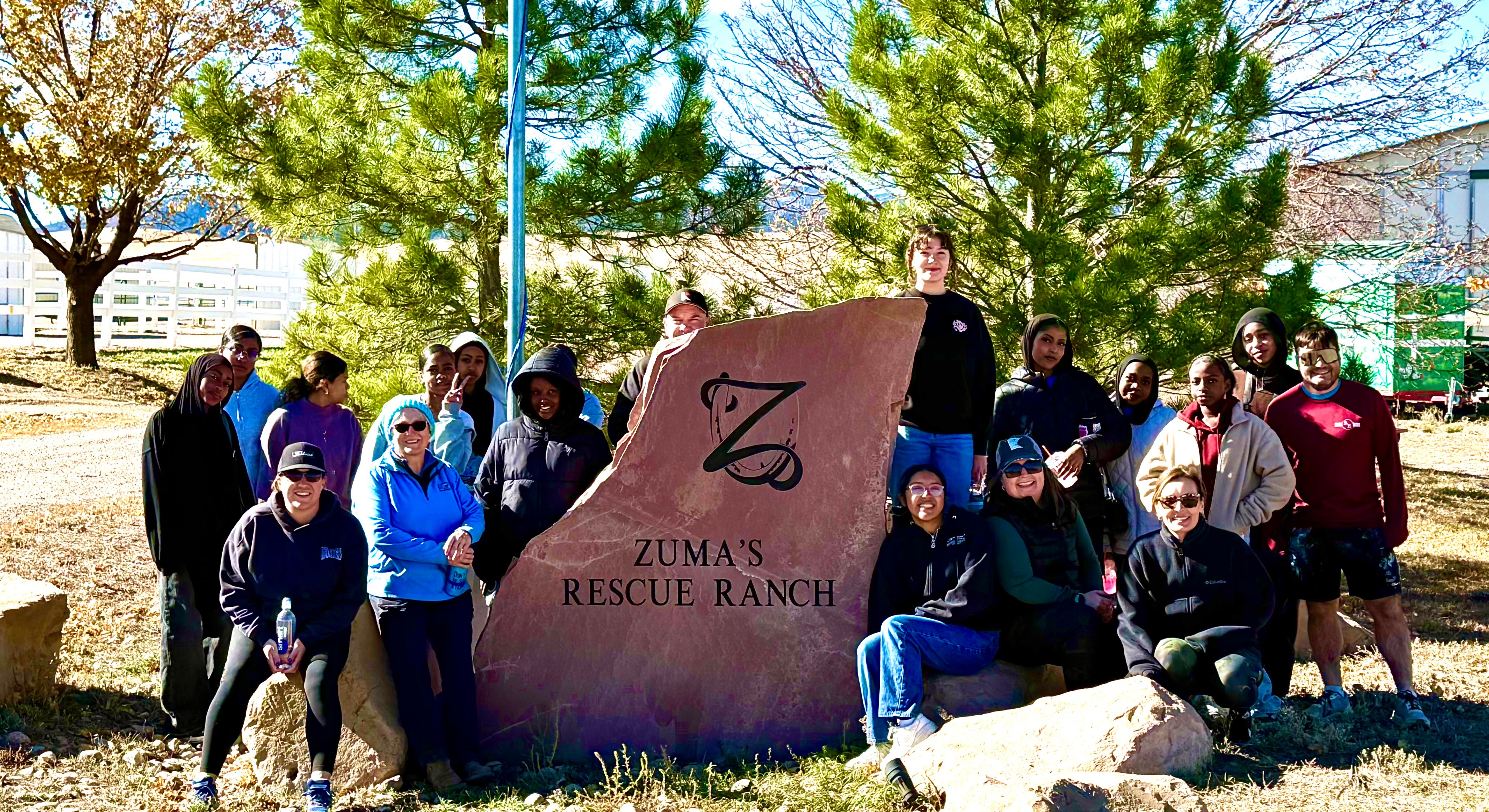
And ultimately, all of that grit and growth led me to my life’s work — Zuma’s Rescue Ranch, the 501(c)(3) nonprofit I founded in 2008 after rescuing and caring for 34 horses from 2004 – 2008 on my own, and still run today with three full time staff members, two contract licensed therapists and 2800 registered volunteers.
Nothing about my path has been easy. But every challenge prepared me for the next. Every setback shaped my determination. Every hardship strengthened the skills I would later need to run a sanctuary, lead a team, rescue traumatized horses, serve vulnerable people, and steer a mission that matters.
This is not a story of smooth roads.
It’s a story of persevering through the rough ones — and using those experiences to build something meaningful, lasting, and healing for both horses and humans.
As you know, we’re big fans of you and your work. For our readers who might not be as familiar what can you tell them about what you do?
What Zuma’s Is All About- The Drive and the Passion Behind the Mission
Zuma’s Rescue Ranch exists for one reason:
to give voice, safety, and healing to those who have been overlooked, discarded, or forgotten, both horses and humans alike.
Zuma’s is not just a ranch.
It’s not just a rescue.
It’s not just a program.
It is a sanctuary built on passion, purpose, and the unwavering belief that every life deserves a second chance.
The Drive Behind Zuma’s
Zuma’s was created out of a promise, a promise to never look away from suffering. The drive comes from seeing what happens to horses who are misunderstood, mistreated, or thrown away. It’s the understanding that a “problem horse” is simply a traumatized horse. It’s knowing that without intervention, many of these horses would end up in the slaughter pipeline.
The drive is fueled by injustice.
By compassion.
By the deep responsibility to step in where others step back.
The work is hard.
The costs are high.
But the purpose is bigger than all of it.
The Passion That Sustains Zuma’s
Passion is the lifeblood of this ranch.
It’s in every morning feed, every rehab session, every hoof trim, every shelter repair, and every moment spent earning the trust of a horse who has every reason not to trust humans.
It’s in watching a once-terrified animal finally relax.
It’s in seeing a child in foster care smile for the first time in weeks.
It’s in helping a veteran breathe easier and develop new career options through the equine and therapeutic entities.
It’s in the quiet connection between a cancer patient and the Healing Herd.
The passion comes from knowing that healing is possible, even when the world has been unkind.
Zuma’s Is About Transformation
Horses come here broken, shut down, fearful, or in pain.
Humans come here grieving, anxious, overwhelmed, traumatized, or searching.
And somehow, they help each other heal.
This ranch is about rewriting stories — for horses and for people.
It’s about taking what the world discarded and turning it into something powerful, compassionate, and life-changing.
Zuma’s Is About Community
Volunteers, donors, interns, sponsors, therapists, veterans, children, families, Zuma’s is held together by people who believe in something bigger than themselves. People who show up because they want to make a difference.
Every meal fed, every shelter built, every therapy session offered, every bale of hay purchased, all of it happens because a community believes in healing, kindness, and second chances.
At Its Core, Zuma’s Is About Love and Responsibility
Love for the animals who had no one else.
Responsibility to protect them.
Responsibility to honor their story.
Responsibility to use their healing power to help humans who need them.
It’s about choosing compassion, even when it’s hard.
Choosing service, even when it’s exhausting.
Choosing hope, even when it feels out of reach.
Networking and finding a mentor can have such a positive impact on one’s life and career. Any advice?
What Inspires the Work I Do at Zuma’s
I’ve learned that when you open your eyes to the needs in your community, you begin to see clearly what you’re meant to do. That belief has shaped everything Zuma’s has become.
My earliest mentor was my dad, a Korean War hero who survived what no human should have lived through. He was discharged after a tank explosion that killed every man except him. His foot was nearly blown off, and he spent years in hospitals and rehabilitation centers struggling to recover.
But he never let that stop him.
He rebuilt his life from the ground up.
He started his own construction company.
He worked every day with a level of grit, pride, and resilience that left a permanent mark on me.
He provided for his family admirably, despite the trauma he carried and the pain he lived with.
Watching him fight through adversity taught me one of the most important lessons of my life:
Strength isn’t about what you can avoid; it’s about what you refuse to give up on.
That mindset guided me as I began responding to the needs I saw around me. First, it was struggling horses. Then, it was children in foster care( I was a foster parent in Illinois for 2 years before moving). Then veterans. Then families in crisis. Then cancer patients. Every layer of need revealed another way that Zuma’s could serve, another place where compassion could create change.
My dad showed me what resilience looks like.
Zuma showed me what healing looks like.
And my community showed me what service should look like.
Together, those influences shaped the vision behind Zuma’s:
to stand strong in the face of hardship, to show up for those who need help, and to never look away from suffering — whether it has four legs or two.
Contact Info:
- Website: https://www.zumasrr.com
- Instagram: zumascolorado@instagram.com
- Facebook: zumas

Popular
-

The Trailblazers: Rewriting the Narrative
-

Celebrating the Spotlight: Kaytee Shashore Turns Milestones Into Momentum
-

Humanity in the Machine: Alexander Raye Pimentel’s Cyborg Recall Questions the Cost of a Data‑Driven World
-

Raemi Anderson on Courage, Caution, and Answering the Call of the Landscape
-

Hidden Gems: Local Businesses & Creatives You Should Know


