



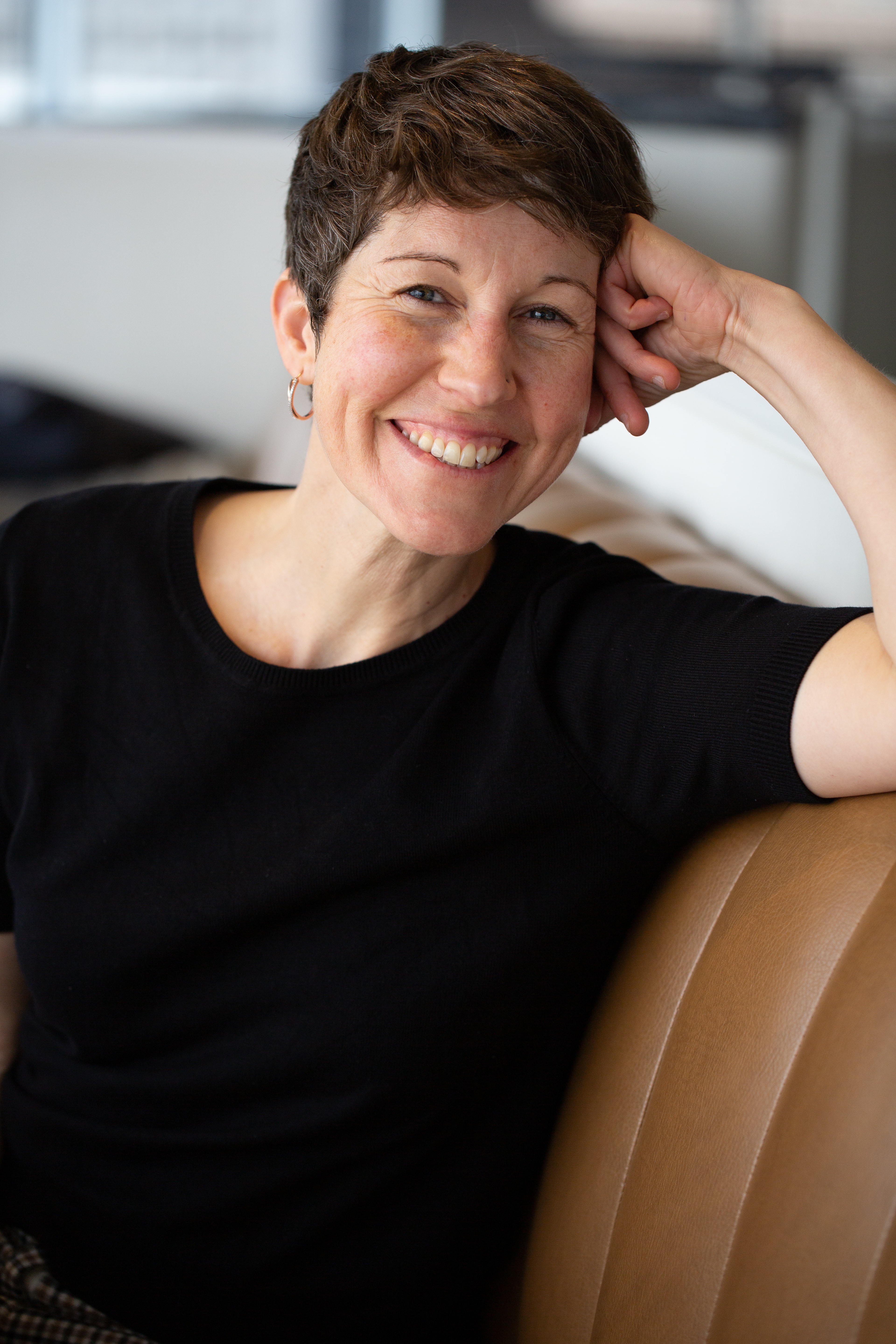
Today we’d like to introduce you to Karissa Swanson.
Hi Karissa, it’s an honor to have you on the platform. Thanks for taking the time to share your story with us – to start maybe you can share some of your backstory with our readers?
I started by lining up my Fisher-Price Little People on the edge of the bathtub and directing them to sing. I went on to record cassette tapes of myself singing along to Raffi, organize neighborhood kids into Sesame Street–inspired performances, and spend long car rides singing with my family. I shouldn’t have been surprised when, with a degree in Music Education, I really loved what I’d spent four years studying.
In her book Simply More, Cynthia Erivo suggests that we look to what we loved in childhood to discover what brings us joy as adults. I feel grateful that my parents supported my love of music and teaching and trusted me to follow it.
Midway through my teaching career, I felt an itch to expand professionally. I knew I needed something meaningful to take me away from teaching music to kids. My identity was tightly wrapped up in being a classroom teacher, and I wasn’t sure I could be good at, or interested in, anything else.
Guided by Jonathan Fields’ work and months of soul searching, I re-discovered what makes me come alive: creating and mentoring.
Around that same time, it felt as if three opportunities presented themselves.
MSU Denver asked me to supervise music student teachers.
Education Through Music–Colorado, a new nonprofit placing music teachers in under-resourced public schools, offered me the position of Instructional Supervisor.
I started a vocal group with two dear friends.
All of these roles were part-time. What made the leap possible was my side hustle as an Airbnb host, which I run with my partner and which gave me a financial cushion, along with his steady encouragement to take the risk and trust myself.
I wasn’t sure if these roles would fill my bucket the way teaching kids had. Still, I knew I loved mentoring student teachers, and from the start of my career, I had prioritized working with kids from historically marginalized communities. Singing with my friends felt like it could allow me to grow as a musician, even as my work expanded beyond the classroom.
I took the leap, and I haven’t looked back. Along the way, I’ve supervised inspiring pre-service music teachers, earned paid work as a wedding musician, and re-acquainted myself with my cello. My role with Education Through Music–Colorado has since grown to Director of Programs, where I now work on projects that give children access to the same love of music that got me started.
Can you talk to us a bit about the challenges and lessons you’ve learned along the way. Looking back would you say it’s been easy or smooth in retrospect?
Not at all. Stepping away from the classroom meant letting go of an identity I had spent years building, and that was harder than I expected. Early on, I wrestled with a lot of self-doubt. I wondered whether I was really qualified to lead outside my own classroom and whether I’d miss daily time with students more than I anticipated. The impostor syndrome that once froze me in my tracks had to loosen its grip so I could learn by doing.
There were practical challenges, too. Juggling multiple part-time roles meant planning my days with precision, thinking carefully about finances, and getting comfortable with uncertainty. It pushed me to trust myself in new ways and to accept that growth often feels uncomfortable before it feels rewarding.
What helped most was staying anchored to my values: mentoring teachers, expanding access to music education, and continuing to make music myself. I also found real joy in the variety of my days, deep satisfaction in learning and growing, and in knowing that my work helps bring music into schools where children are experiencing it for the first time.
Appreciate you sharing that. What else should we know about what you do?
I work at the intersection of music education, teacher development, and access. I hold a bachelor’s degree in Music Education and a master’s degree in Curriculum and Instruction, and I currently serve as Director of Programs at Education Through Music–Colorado. In that role, I design and oversee school-based music programs that bring high-quality music education into public schools that have historically lacked access.
A big part of my work is supporting and coaching music teachers so they can build strong, sustainable programs that truly serve their students. I specialize in general music education, teacher mentoring, and program design, and I’m especially known for helping educators translate big-picture values like equity, culturally responsive teaching, and student-centered learning into what actually happens in a classroom on a Tuesday morning.
Alongside my work at ETM–Colorado, I also supervise music student teachers at MSU Denver. That role allows me to coach future educators as they develop inclusive, equity-centered practices from the very start of their careers, particularly as they prepare to teach in diverse, under-resourced school communities.
I also learned early on that the classical training I received, while valuable, was too narrow on its own for the students I serve. That realization continues to shape how I coach teachers to expand their definition of musicianship, honor students’ cultural assets, and create music classrooms where many musical traditions and ways of knowing are valued.
What I’m most proud of is the depth and scale of the impact. Through our programs, thousands of children are experiencing music in their schools for the first time, not as a one-off enrichment, but as a consistent, joyful part of their education. I’m also proud of the teachers I’ve coached and supported along the way, including pre-service teachers who are just beginning to see themselves as confident, reflective educators.
What sets me apart is that I’ve lived this work from multiple angles. I’ve been a public school music teacher, a mentor, a supervisor, and a practicing musician. I understand the differences and overlap between strong musicianship and strong teaching, and I approach that work as a coach, supporting educators as they grow in both. At the heart of everything I do is a belief that music is not a luxury. It’s a vital, humanizing force, and everyone deserves access to it.
Can you talk to us about how you think about risk?
There are risks that are easy for me, and others that are hard.
I started my career by moving across the country to Colorado for a teaching job in a classroom I’d never seen. I repeated that pattern by moving to Morocco to teach music for two years. Those risks aligned with my goals, and I thrive on new places, new communities, and the growth that comes from being a beginner again.
The harder risks have been the quieter, internal ones. Stepping away from the classroom meant letting go of a professional identity I had spent years building. It also meant walking away from a full-time teaching job with retirement benefits and summers off. That kind of risk didn’t come with a clear map. It required trusting myself, tolerating uncertainty, and learning by doing.
Over time, I’ve learned that I’m most willing to take risks when they align with my values and create space for learning, alignment, connection, and impact. Leaving the classroom was a risk, but it was worth it to find the work and life alignment I have today. The risks that have mattered most in my life aren’t the ones that looked bold from the outside. They’re the ones that helped me grow into who I am now.
Contact Info:
- Website: https://etmcolorado.org
- LinkedIn: https://www.linkedin.com/in/karissa-swanson-34102083/

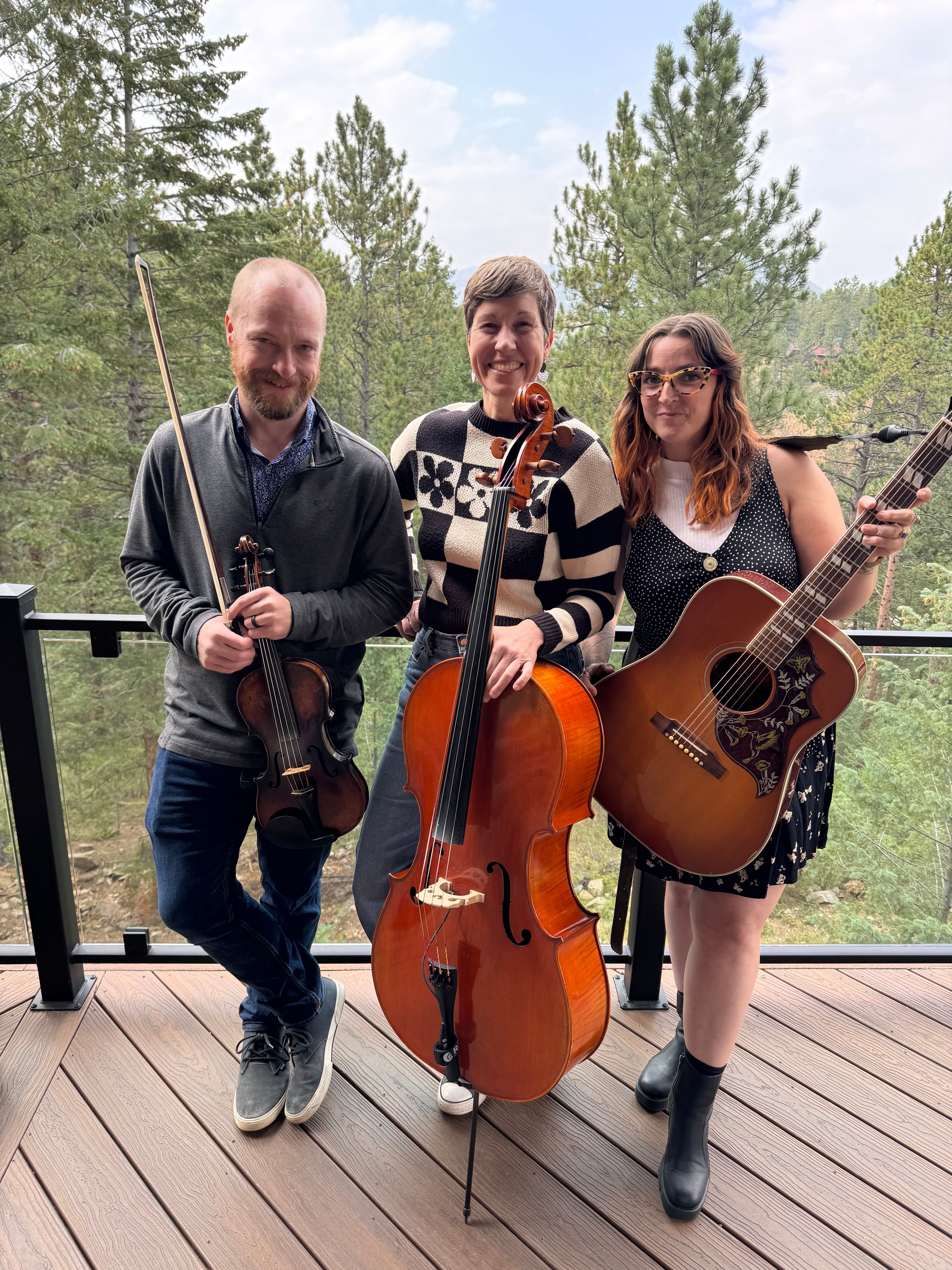


Image Credits
Glenn Ross, Alyte Katilius, Sari Singerman
Popular
-

The Trailblazers: Rewriting the Narrative
-

Celebrating the Spotlight: Kaytee Shashore Turns Milestones Into Momentum
-

Humanity in the Machine: Alexander Raye Pimentel’s Cyborg Recall Questions the Cost of a Data‑Driven World
-

Raemi Anderson on Courage, Caution, and Answering the Call of the Landscape
-

Hidden Gems: Local Businesses & Creatives You Should Know


