



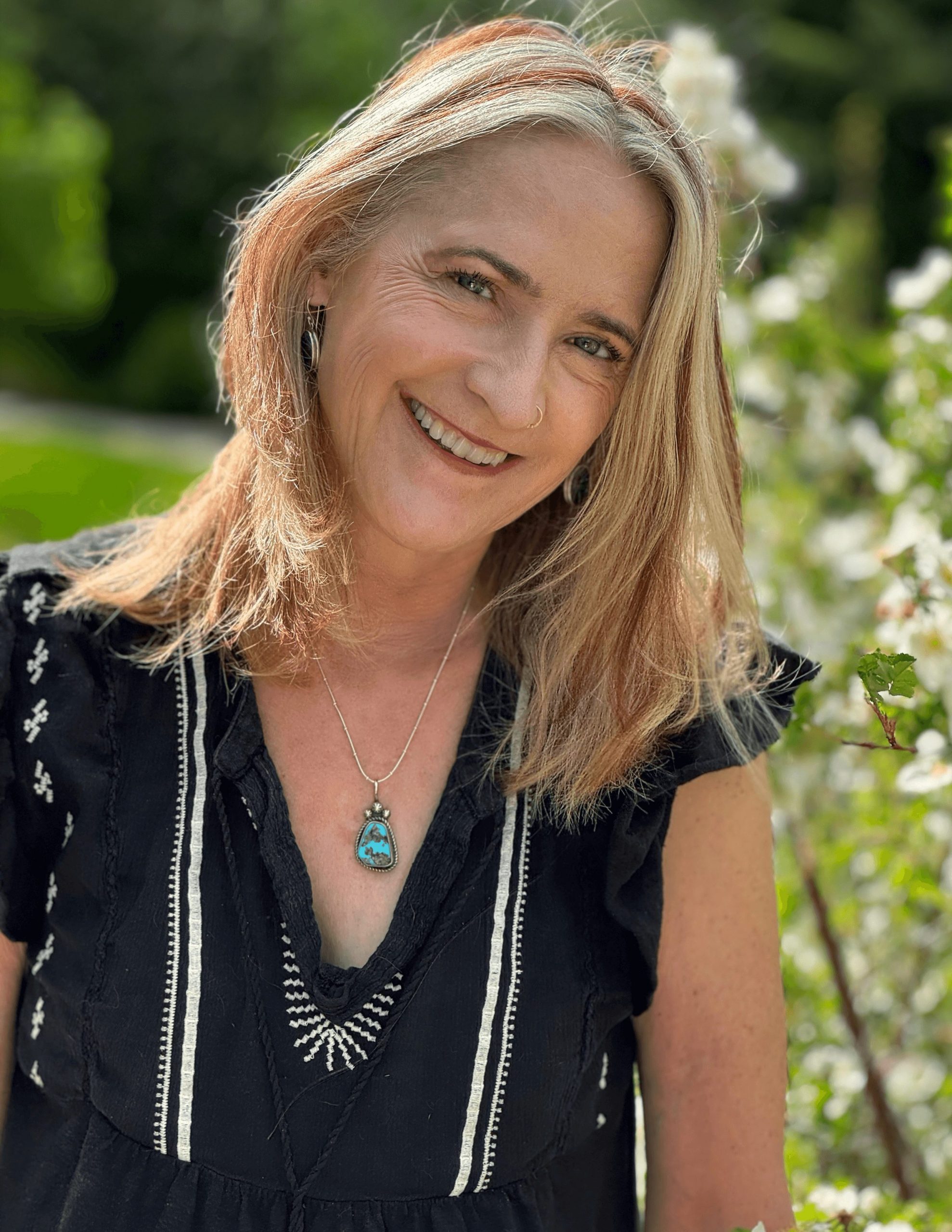
Today we’d like to introduce you to Kika Dorsey
Hi Kika, it’s an honor to have you on the platform. Thanks for taking the time to share your story with us – to start maybe you can share some of your backstory with our readers?
My story began in the Rust Belt, the city of South Bend, Indiana, where I grew up a daughter of an Austrian immigrant and a man from Memphis. I grew up in public schools situated near downtown, diverse environments. My mother was the president of The International League for Peace and Freedom and brought us to demonstrations and taught us to question the United States, her own history mired in postwar Austria, where she grew up often hungry.
In school, ironically, since it’s not the direction my career took me, I excelled in math and science. I believed I would be a zoologist, and my love of animals has continued to this day. I went to the University of Colorado, Boulder, for college, and the summer of the first year I researched orangutans with Earth Watch with the renowned Birute Galdikas in Borneo. But when I returned to the states, even though the experience was fulfilling, I knew I wanted to explore the jungle as symbol and sensory experience and not data and facts. So I became a poet.
Eventually, I received my PhD from the University of Washington in Comparative Literature, specializing in German and Italian literature. In Seattle I performed my work with musicians and in addition was a street performer with the Urban Guerillas as an activist. After finishing my degree, I moved back to Boulder where I reside now. Since my return I’ve written five books, all poetry except one novel that came out last year, and I married, had two children, and teach at the University of Colorado.
Can you talk to us a bit about the challenges and lessons you’ve learned along the way. Looking back would you say it’s been easy or smooth in retrospect?
I would never call my road smooth, or any road, for that matter. I’ve experienced much dissonance in my life, and I believe that’s why I write: to try to process it. My father was what they called at that time a paranoid schizophrenic, and my childhood was fraught with my father’s suicide attempts and irrational and at times dangerous behavior, so I’ve developed a form of complex PTSD which is hard to heal, since some of the trauma is pre-memory, and it was a day to day experience. When I left for Colorado, I was finally free to explore a world of mountains and nature, a relief after my fraught upbringing.
Another struggle was completing graduate school. Finishing my M.A. was a pleasure, but the final three years of completing my PhD were difficult. I slept little and developed health problems in Seattle, and I longed to return to Colorado. Eventually I did return and worked at a ranch in Estes Park as a wrangler, leading tourists into the mountains on horses. On my days off, I would research and write my dissertation. It was a productive and balanced time for me and taught me that I needed to live close to nature and balance my life between the mental and the physical.
Now I’ve been teaching adjunct for over thirty years. I wasn’t willing to move from Colorado and I married and had children, and somehow I never achieved the kind of academic career I’d imagined. I was also managing my mother’s care while she declined, her memories wiped out by Alzheimer’s, and for six years I struggled to raise my children, care for her, and still teach part-time. It was tough.
But all these bumpy roads have added depth to my writing and have forced me to self-reflect and work toward healing. I don’t believe I would be the person I am today without these scars.
Appreciate you sharing that. What else should we know about what you do?
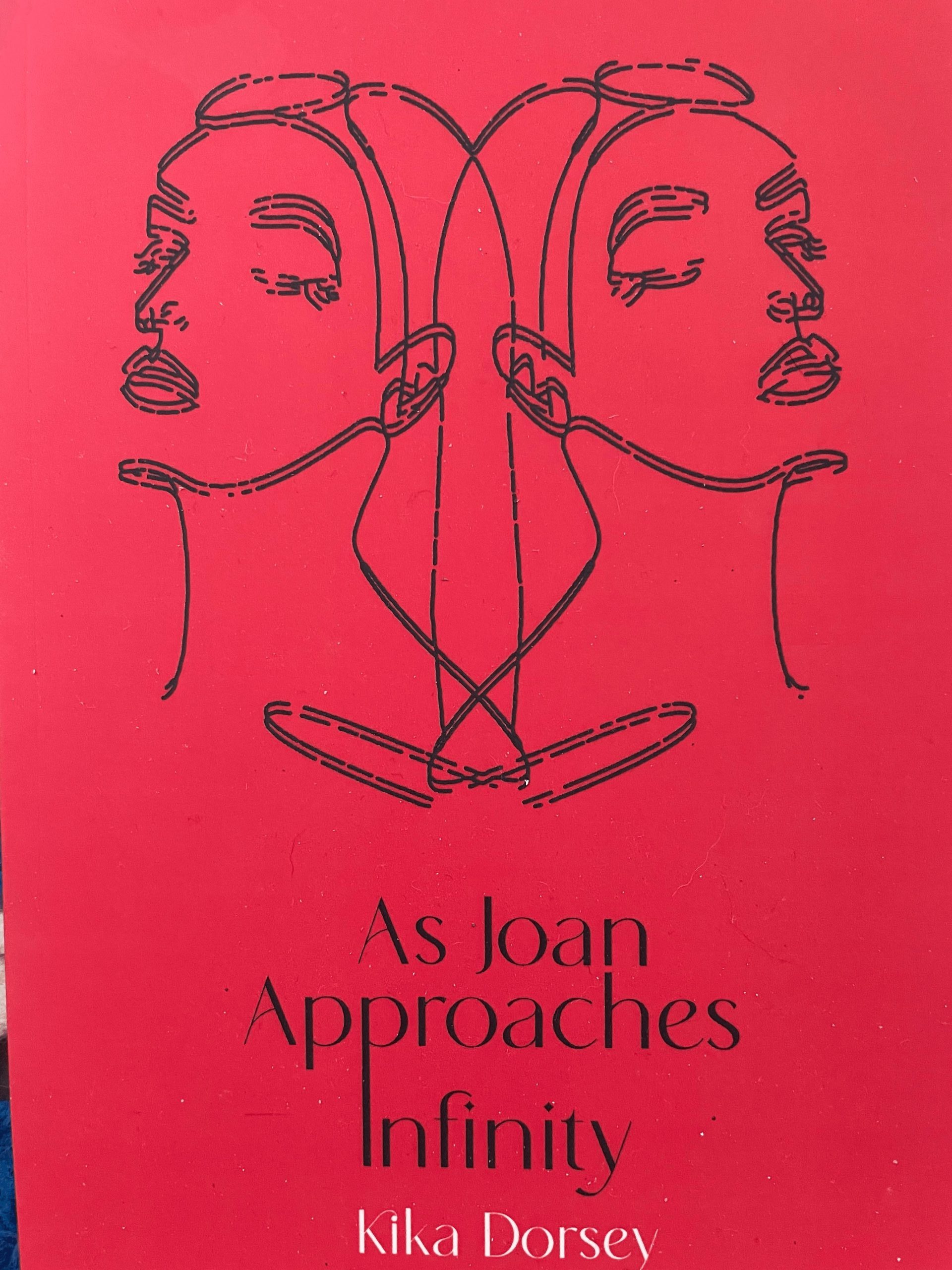
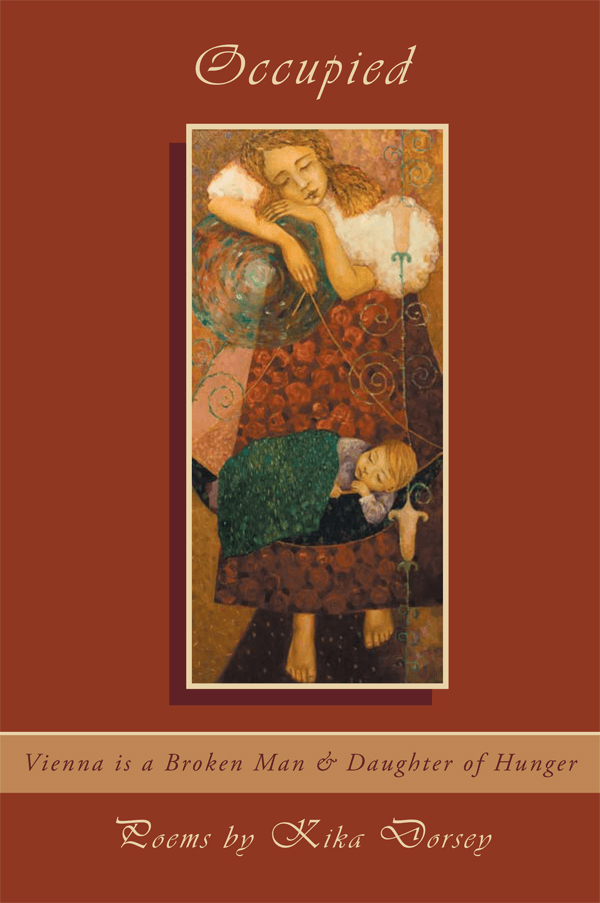
Of the five books I’ve written, I’m most proud of the last two. Occupied: Vienna is a Broken Man and Daughter of Hunger explores my mother’s memories of postwar Austria and also required a lot of research. I wrote it as a warning against what could become of this country if we veer further toward authoritarianism and are fueled by racism. I was able to bring characters to life on the page, and the project offered a way toward narrative for me, which was my next project: a novel. As Joan Approaches Infinity is my first novel. It was liberating to write. Its dark humor provided an avenue for my feminism and at times bitterness. Second-wave feminism brought us women out into the world and yet we were still expected to accomplish all the housekeeping tasks that had been our job before. This situation has overwhelmed years of my life. I created a character who is always trying to escape the impossible expectations she’s experiencing. She’s a transgressive character and extremely flawed, but lovable.
One of the things that sets me apart from many Americans is my bicultural roots. My parents, after we children left, moved to Vienna, Austria and I’ve lived in Germany and Italy. Having the perspective of living in Europe has influenced my political stance on many issues. Also, I make a killer goulash.
Any big plans?
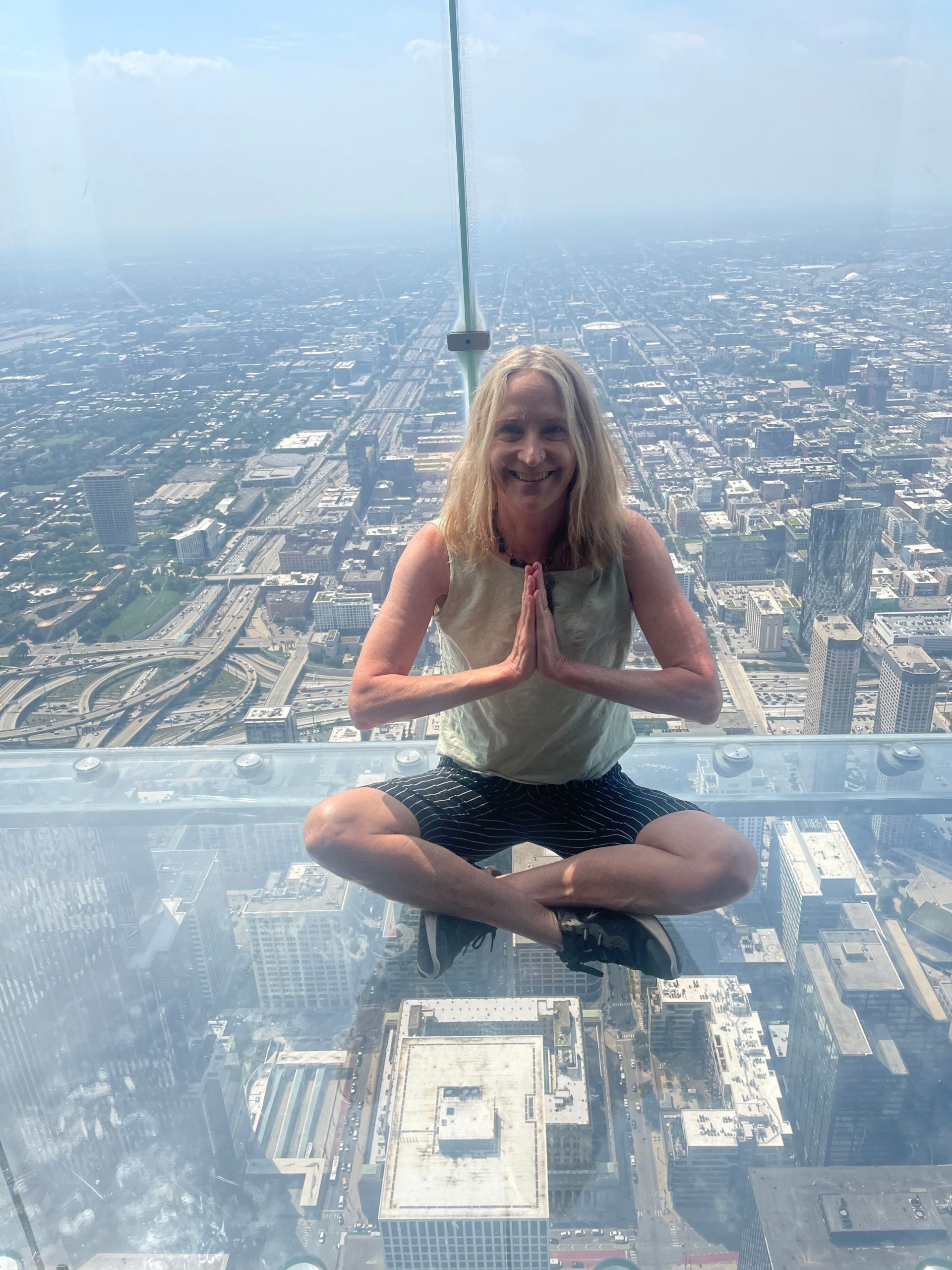
I plan to continue to write novels and books of poetry. My next collection of poetry, Good Ash, will be released in December. In it I explore feminism and the sublime. In addition, I’m writing a novel, The Ledge, that deals with an eleven-year-old growing up in Chicago in the 1970s. Her father is mentally ill and her mother an immigrant, so in that sense I am exploring what I know, though the story is not mine. The Ledge is the section of Willis Tower, formally the Sears Tower, where you are surrounded in glass. It also points to the father’s death by suicide, jumping down from a building, which is also a story from my life. My father committed suicide in Vienna by flying headfirst off the second floor of a homeless shelter after he was denied entry into a mental hospital. My book As Joan approaches Infinity deals with her father’s suicide’s aftermath, while this novel is a prequel.
I also look forward to eventually teaching less so I can write more and not depend on summers for the majority of my writing. During the academic year, I teach about three classes a semester at the University of Colorado, and many of the courses are upper-level fiction workshops, so I have a large amount of grading and reading of my students’ manuscripts. While I enjoy the work for the most part, and teaching writing actually makes me a better writer, I would like to do less of it in the long run. I just plan to write more books in my retirement and explore more deeply my love of nature, animals, and the elements that make humanity precious.
Contact Info:
- Website: https://kikadorsey.com
- Facebook: https://www.facebook.com/kika.dorsey/


Popular
-

The Trailblazers: Rewriting the Narrative
-

Celebrating the Spotlight: Kaytee Shashore Turns Milestones Into Momentum
-
Humanity in the Machine: Alexander Raye Pimentel’s Cyborg Recall Questions the Cost of a Data‑Driven World
-
Raemi Anderson on Courage, Caution, and Answering the Call of the Landscape
-

Hidden Gems: Local Businesses & Creatives You Should Know


