
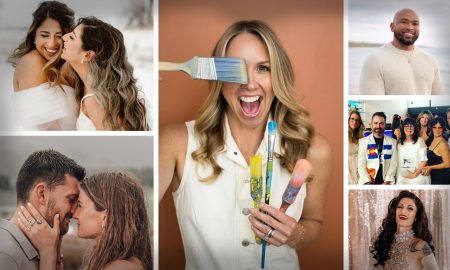


Today we’d like to introduce you to Leslie Goodwin.
Hi Leslie, thanks for sharing your story with us. To start, maybe you can tell our readers some of your backstory.
My mother was a painter so I grew up in an art studio! But it wasn’t until my mother died that I took up art restoration. A friend of hers asked me to restore one of my mother’s pastel paintings and I declined her at first. But I agreed to try it. I started to rebuild the missing areas where the painting had suffered losses in a flood.
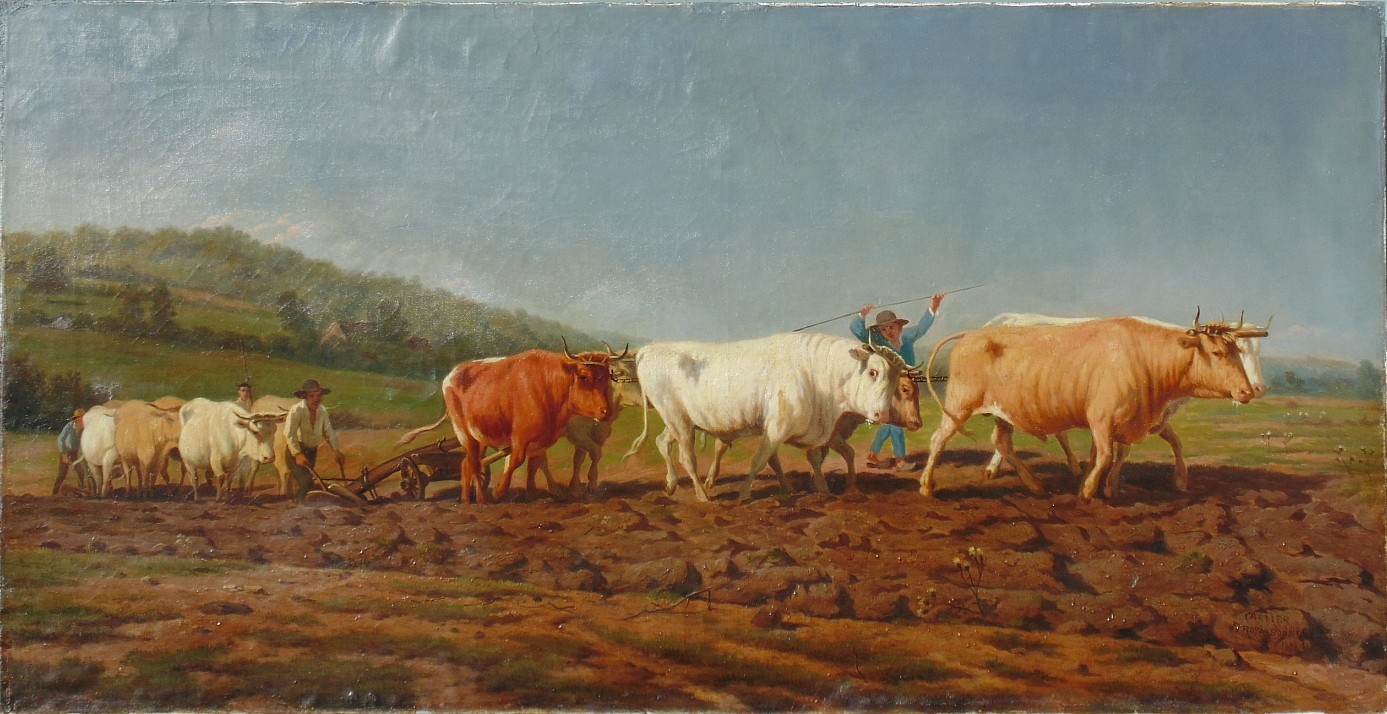
I was using my mother’s pastels. I found that my background in painting and drawing made me a natural for art restoration and after that first success, I started to study 7 hours a day….studying pigments, chemicals, procedures, and all the necessary elements of repairing antique and contemporary paintings including cleaning and relining. I started to buy oil paintings that needed work to restore and resell. I worked on 70 paintings successfully before I started to hire out to work on other’s artwork. Eventually, one of my clients insisted I repair some of their antique frames that had broken or missing plaster or chipped wood.
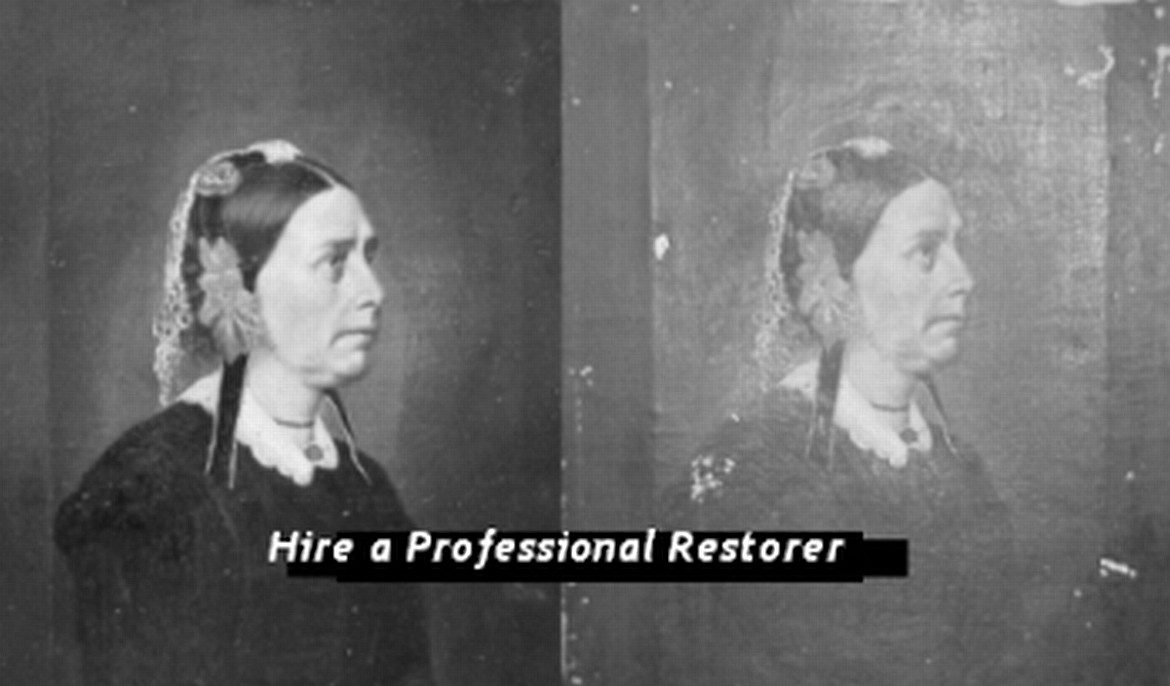
So I taught myself how to restore plaster or carved frames by making molds and then using special putties to replace broken or missing elements. I then faux finish them or gold leaf to match the original molding. I love being able to take a “hopeless case” painting and renew its original beauty. I believe in doing the least necessary to conserve the painting’s integrity and conserve it for the future against further damage. Ideally, you don’t see my work, when I’m finished, you see a painting in its natural state when it was newly painted. People may think that painting is the greatest skill but I believe that cleaning a painting showcases the greater skill.
Each piece has its unique properties, damage or staining, or oxidized varnish and each piece has to be carefully evaluated and gently handled. I work on many family heirlooms and it is especially satisfying to restore a family portrait for example so it can be hung and enjoyed by many generations to come. I feel like I was born to do this work as I honed my critical abilities in my mother’s studio long before I even thought about doing this work. I always feel excited to tackle the next challenge and I start to work soon after I take the work in.
I pride myself on my reasonable pricing and integrity. To date, I have repaired or cleaned about 600 paintings and 350 frames.
I’m sure it wasn’t obstacle-free, but would you say the journey has been fairly smooth so far?
As I said, I feel I was born to do this work. When I started, I knew that no matter how much I studied, there would be no way to learn than to put my hands on it. There is no substitute for experience. The first oil painting I restored. was a 19th-century Flemish school still life, I paid 20 dollars for it. After painting in the losses, I sold it for 420.
After doing 600 paintings, I am still surprised sometimes at the way that paintings have aged and how they have been sometimes mishandled in the past which needs to be reversed. In the beginning, I was insecure but I boldly went ahead, using the knowledge I had gained from studying and knowing that whatever I did I used archival techniques that could be reversed. I knew from the first painting that this was meant to be. I had a friend with lots of thrift store paintings for me to practice on and that was invaluable.
Even now, when I am working, I have to be hyper aware of what my hands and head are doing… I had a client who brought me an 18th-century English Chippendale mirror and a 19th-century painting of a sailing ship. He was told that no one could restore the mirror because the word was so badly warped. And the ship painting had been amateurishly relined with rubber cement and it had to be reversed. He was so delighted with my work that he drove me to Denver introduced me to all of the dealers he knew and told them to hire me!
From then on, the word spread and I have never had to advertise my services to stay busy.
Can you tell our readers more about what you do and what you think sets you apart from others?
I was trained as a writer and have worked as a professional journalist, an editor, and a freelance. I am now writing my first play. I think that the creative process both in writing and doing artwork is similar. There is this mystical thing that happens when you work…at first, say I am mixing paint to match and I may fool around a little, not getting the right pigments together.
But after about 15 minutes, I feel myself falling into a groove…a zone..maybe…when I get so absorbed in the artwork that my hands just start to work on their own and everything just starts working out perfectly. The same thing happens when I’m writing. Once I get up close and personal with a painting, I feel like I know the original artist a little bit. I start to see every little detail. It’s like I know they are happy with my work. Conversely, if I start to lose concentration and it suddenly seems hard, it’s time to stop. I have learned this from experience.
Once I was repairing a hole in a canvas the size of a 50-cent piece. I didn’t exactly know what should be in that space. I laid it in a few times and it was wrong so I rubbed it off. I started talking to the original artist: “Hey Mr. Smith. I’m trying to help you out here. I’m trying to pull your painting together! Could you help me out a little!” I sat back down and picked up a brush and it flowed in perfectly.
Are there any apps, books, podcasts, blogs, or other resources you think our readers should check out?
Hmmm…well I rely heavily on music when I’m working on paintings or writing.
I love the soundtrack to Bull Durham the songs are all about overcoming obstacles, I also love the sound track to the film Sweet and Lowdown, Ella Fitzgerald’s Live in Berlin, classical violin/ballet music, Brazilian303-772-9868 sambas even mariachi music.
Contact Info:


Popular
-

The Trailblazers: Rewriting the Narrative
-

Celebrating the Spotlight: Kaytee Shashore Turns Milestones Into Momentum
-

Humanity in the Machine: Alexander Raye Pimentel’s Cyborg Recall Questions the Cost of a Data‑Driven World
-

Raemi Anderson on Courage, Caution, and Answering the Call of the Landscape
-

Hidden Gems: Local Businesses & Creatives You Should Know


