
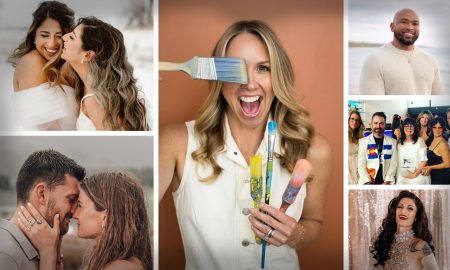


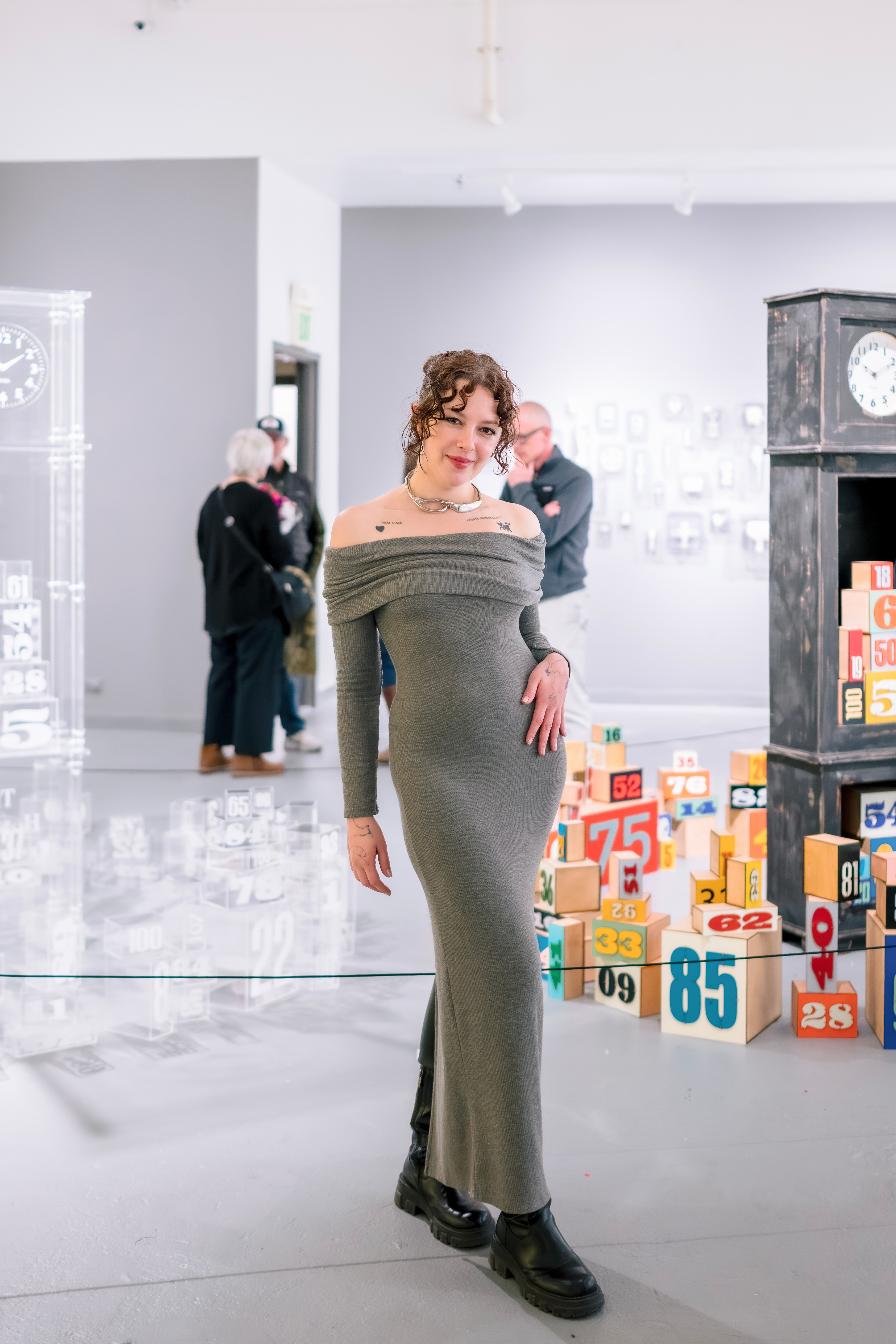
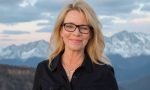
Today we’d like to introduce you to Stella Witcher.
Hi Stella, it’s an honor to have you on the platform. Thanks for taking the time to share your story with us – to start maybe you can share some of your backstory with our readers?
I was born in the US but grew up in the UK near London from age 7. I was always a creative person and studied English Literature at university. After university, I found myself gravitating toward artistic spaces in London—galleries, nightclubs, museums—and the people within them. I needed these environments to thrive like a fish needs water. I was captivated by individuals who saw the world differently and reshaped it through their creative vision, whatever the medium. To me, these are the people driving change in our world, connecting with the core of what it means to be human.
My work as a curator and producer of creative events, experiences, and exhibitions grew from a desire to immerse myself in these spaces and work with these trailblazing individuals to make their visions come to life. It felt essential—not just for me but for others from all walks of life—to have access to such expansive arts experiences.
Through a variety of roles over the years across nightlife, fashion, and film, I eventually realized that galleries and museums were where I wanted to focus and grow my career. These spaces felt like the perfect environment to channel my passion and long-term goals. That realization shaped the path to becoming the curator I am today.
Alright, so let’s dig a little deeper into the story – has it been an easy path overall and if not, what were the challenges you’ve had to overcome?
It definitely hasn’t been a smooth road — it’s been a roller coaster in the best and hardest ways.
One of the biggest struggles early on was figuring out how to turn my creative passions into a sustainable career. I knew I thrived in creative environments and was drawn to art, performance, and community-building, but I didn’t immediately see an industry that fully suited me. After studying English Literature, the more conventional paths available to me — marketing or teaching — felt misaligned, and I struggled with that sense of disillusionment and uncertainty about where I belonged.
In nightlife, I found a world that felt alive and expansive, but it also came with its own challenges. While it allowed me to explore performance, production, and world-building, it wasn’t always seen as “legitimate” or transferable work. I often felt pigeonholed, or like there was a glass ceiling when it came to certain opportunities — particularly when trying to move between nightlife, galleries, and institutional arts spaces. Learning how to translate my skills across those worlds took time, persistence, and a lot of self-advocacy.
Another major challenge was learning when to pivot. The lockdown was a moment of forced stillness, but also a turning point. With live events on pause, I had to sit with questions about sustainability, longevity, and what I truly wanted to build. That period pushed me to be more flexible and adaptable, to get curious about my own skill set, and to articulate what I actually bring to the table — not just as a performer or producer, but as a curator, collaborator, and creative strategist.
Through all of it, I’ve learned that my path doesn’t need to be linear to be valid. The through-lines have always been curiosity and people — a love of collaboration, a commitment to uplifting marginalized voices, and a belief in art as a catalyst for connection and conversation. Understanding which creative environments allow me to do that work most meaningfully has been a process, but it’s one that ultimately led me to where I am now.
As you know, we’re big fans of you and your work. For our readers who might not be as familiar what can you tell them about what you do?
I’d say I specialize in bringing together out-of-the-box creative teams and multi- and interdisciplinary artists who are actively breaking the mold of what art and creative production can be. I’m particularly drawn to people working across disciplines — not just within the arts, but across science, food, agriculture, ritual, and community knowledge, people and creative projects that are not conventionally featured in gallery and museum spaces.
In practice, that means exhibitions where a biologist might show alongside a chef, a sculptor next to a farmer. I’m interested in what happens when different ways of knowing are placed in conversation — when lived experience, technical expertise, and creative intuition are given equal weight.
I also work to center untold stories and marginalized communities, holding space for both the universal and the deeply singular aspects of human experience. Rather than presenting art as something to be passively consumed, I see it as an invitation into dialogue — a way of revealing unexpected connections between seemingly disparate worlds.
I approach curation as a form of world-building: creating environments where people can see how creativity is not confined to one discipline, but is the central nexus of human experience — shaping how we understand ourselves, each other, and the world we share.
How do you think about luck?
Luck is an interesting concept, because there is a certain magic to how and when opportunities and connections appear — but I think luck is largely about perspective and preparedness.
Some of the most meaningful moments in my life and career have come from being open, curious, and actively engaged with the world around me. When you move through spaces with intention — with a clear sense of the kind of work, community, and world you want to help create — you tend to attract people who share that energy. In that sense, “luck” often looks like alignment.
I’ve also learned that luck favors action. Being willing to show up, to experiment, to say yes before everything feels perfectly formed, and to jump on opportunities when they arise has been essential. That doesn’t mean every risk pays off — some experiences are difficult or don’t lead where you expect — but they almost always lead to learning, growth, or unexpected connections.
For me, luck isn’t passive or accidental. It’s about being in relationship with the world: bringing the energy you hope to receive, staying curious about what different people and experiences can offer, and being ready to recognize and grasp those magic moments when they appear.
Contact Info:
- Website: https://thedairy.org/
- Instagram: https://www.instagram.com/thestellawitcher/?hl=en
- LinkedIn: https://www.linkedin.com/in/stella-witcher/?originalSubdomain=uk
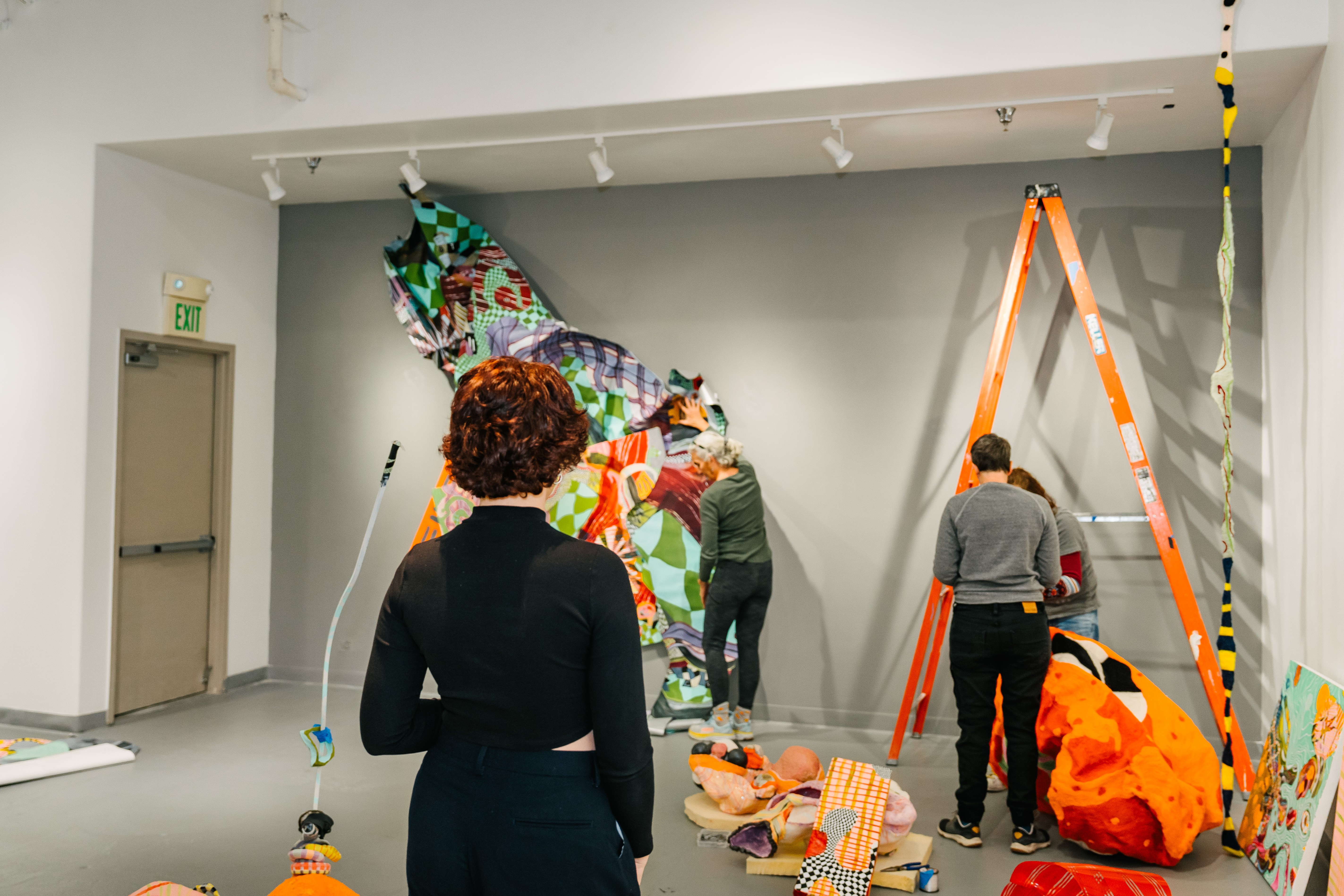
Image Credits
Alex Segall
Popular
-

The Trailblazers: Rewriting the Narrative
-

Celebrating the Spotlight: Kaytee Shashore Turns Milestones Into Momentum
-
Humanity in the Machine: Alexander Raye Pimentel’s Cyborg Recall Questions the Cost of a Data‑Driven World
-
Raemi Anderson on Courage, Caution, and Answering the Call of the Landscape
-

Hidden Gems: Local Businesses & Creatives You Should Know


