



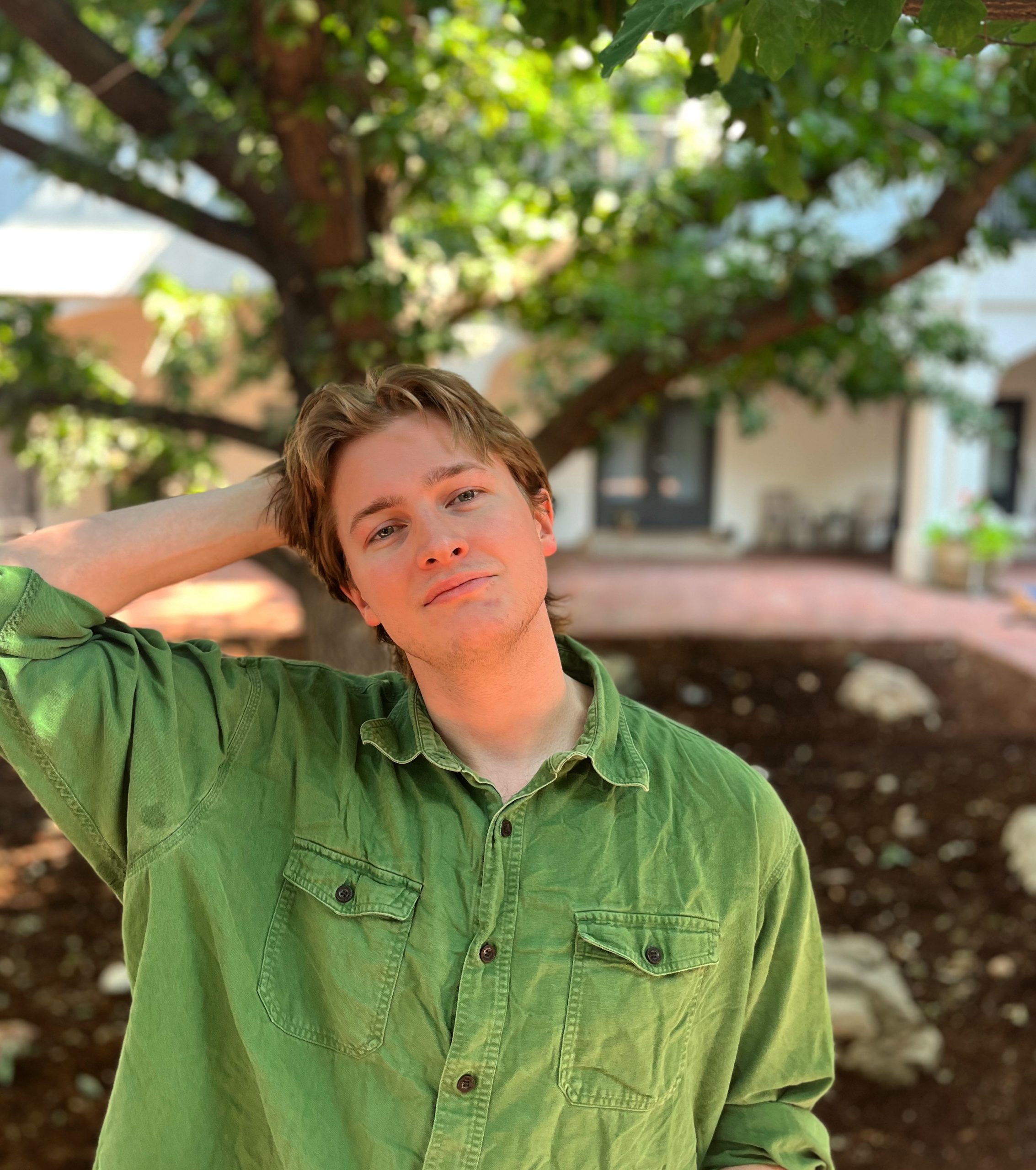
Today we’d like to introduce you to Aidan Blank
Hi Aidan, please kick things off for us with an introduction to yourself and your story.
After graduating from college in 2022 with a Theatre Arts degree, I wanted to continue my career in the theatre realm both by forwarding myself as an actor by using the skills I gained in school, but also by continuing to choreograph movement theatre (another theatrical niche I picked up in my undergrad). My main focus in theatre now that I currently live in the Denver-Metro area is performing with local theatrical companies as an actor and then using my connections in those companies to expand my movement choreography into more shows.
Would you say it’s been a smooth road, and if not what are some of the biggest challenges you’ve faced along the way?
The road out of college and into the adult workforce will be covered with potholes and broken signs for everyone, but each of us will be affected by these obstacles differently. For the most part of my career, I’ve been thankfully met with large amounts of support from those in my personal life. The main struggle that I deal with (especially as a young person just starting out in the theatre world) is bolstering my own personal opinion of myself in order to conjure the confidence needed to impress others in the same field. Despite going to a university for this degree, I still struggle with the feelings of imposter-syndrome as I seek out a place for myself in this city. I’ve always run with the mindset of “fake it ’til you make it”, but you can only fake it as much as you believe you can. I will say that the ability to “fake it” gets much easier the more you encounter other older theatrical professionals that are also “faking it” just at a much higher level and you learn from their examples.
Thanks – so what else should our readers know about your work and what you’re currently focused on?
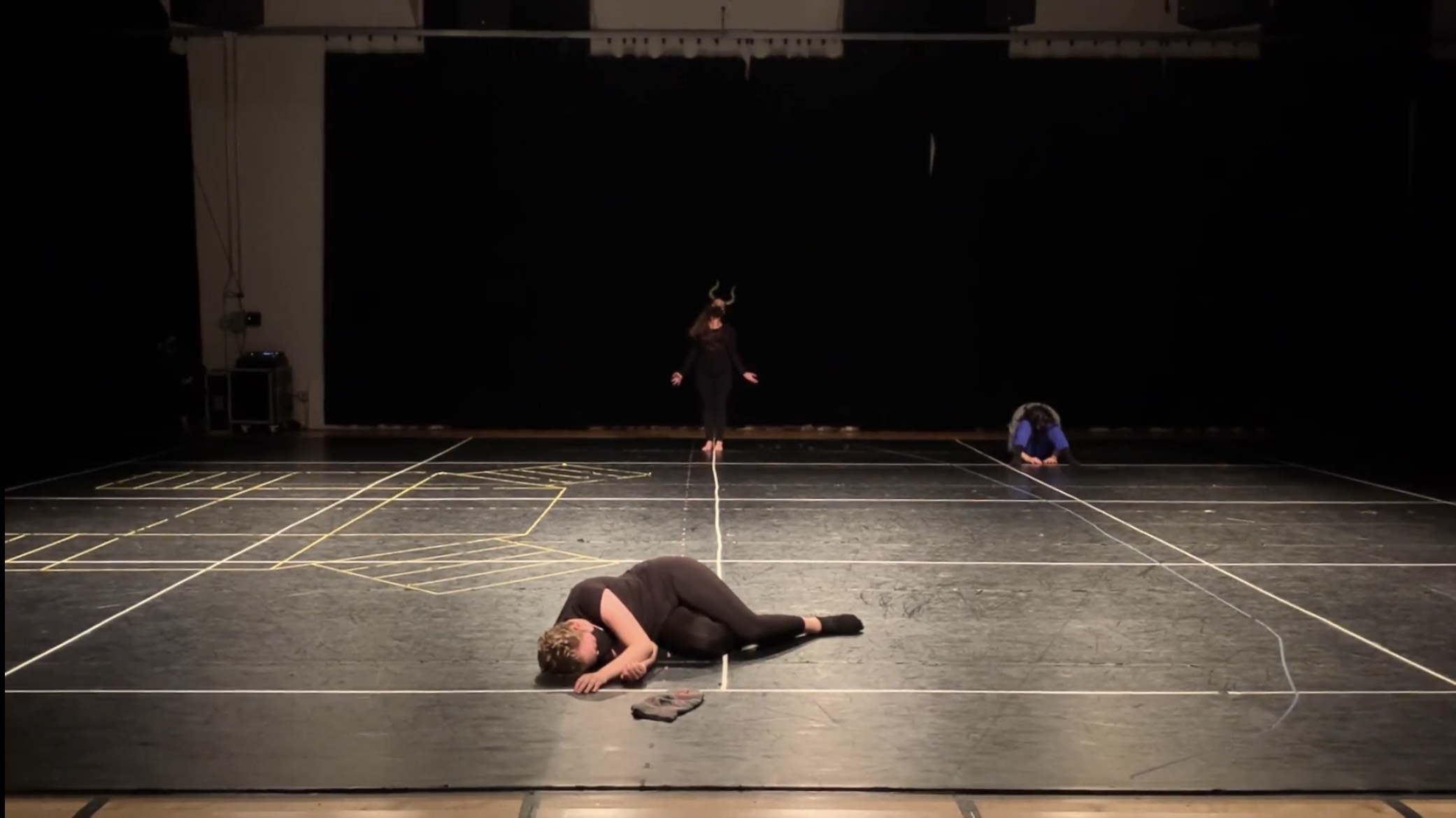
My main focus in theatre (besides working as an actor/performer) is Movement Theatre which is a highly physical style of performance that is inspired heavily by the teachings of Suzuki and based in part on the styles of Butoh, Viewpoints, and Greek theatre. Suzuki typically places a very heavy emphasis on the power and capability of the performer’s body, which is something that I’ve always been drawn to. My specific take on this style of theatre comes together into full movement performances accompanied by a jukebox style soundtrack. It isn’t dance, but it isn’t “NOT” dance. It’s a different way to express emotion to the audience through more complex physical metaphors displayed onstage. Through the choreographing of “katas” (“form” in Japanese), I string these katas together like scenes in a play in order to create a continuous theatrical dialogue even if words are not spoken by the actors. I’ve choreographed movement performances to all genres of music and it’s truly interesting how different types of music affect the elements of physical performance created by the movers. The lyrics in the song don’t necessarily have to fit the actions being depicted, and sometimes it’s even more interesting to have a sort of dissonance between the sounds the audience is hearing and the physical story being told onstage. Much like how “needle drops” in modern cinema have become a widely used concept to quickly stir emotion and add to a scene, the way I use music combined with physical theatre adds to the overall performance by stirring emotions within an audience that might not have been touched by a normal theatrical production.
What quality or characteristic do you feel is most important to your success?
One of the qualities I’ve tried my hardest to maintain throughout any of my shows being performed is the idea of “if you won’t do it, neither will they”. As a choreographer that typically directs my own work, I learned pretty early on in my first show that if you’re asking the actors to do all of this insane, high energy, physically complex movement, then it’s much easier to make it stick (and stick well) if you are able to show them what you need. Whether that shows itself as me running around the rehearsal space during a practice run, keeping the energy up in the space for the whole rehearsal or being willing to physically demonstrate what you need from the performers. As I’ve moved along with the amount of shows I’ve choreographed and directed, the ability for the actors to emulate what you’re asking gets easier and easier the more willing I am to jump over the director’s table and physically demonstrate what’s required in the moment.
Contact Info:
- Instagram: https://www.instagram.com/aidan_blank/
- Youtube: https://youtu.be/4aHlAd0rsKI
- Other: https://linktr.ee/aidan_blank



Popular
-

The Trailblazers: Rewriting the Narrative
-

Celebrating the Spotlight: Kaytee Shashore Turns Milestones Into Momentum
-

Humanity in the Machine: Alexander Raye Pimentel’s Cyborg Recall Questions the Cost of a Data‑Driven World
-

Raemi Anderson on Courage, Caution, and Answering the Call of the Landscape
-

Hidden Gems: Local Businesses & Creatives You Should Know


