



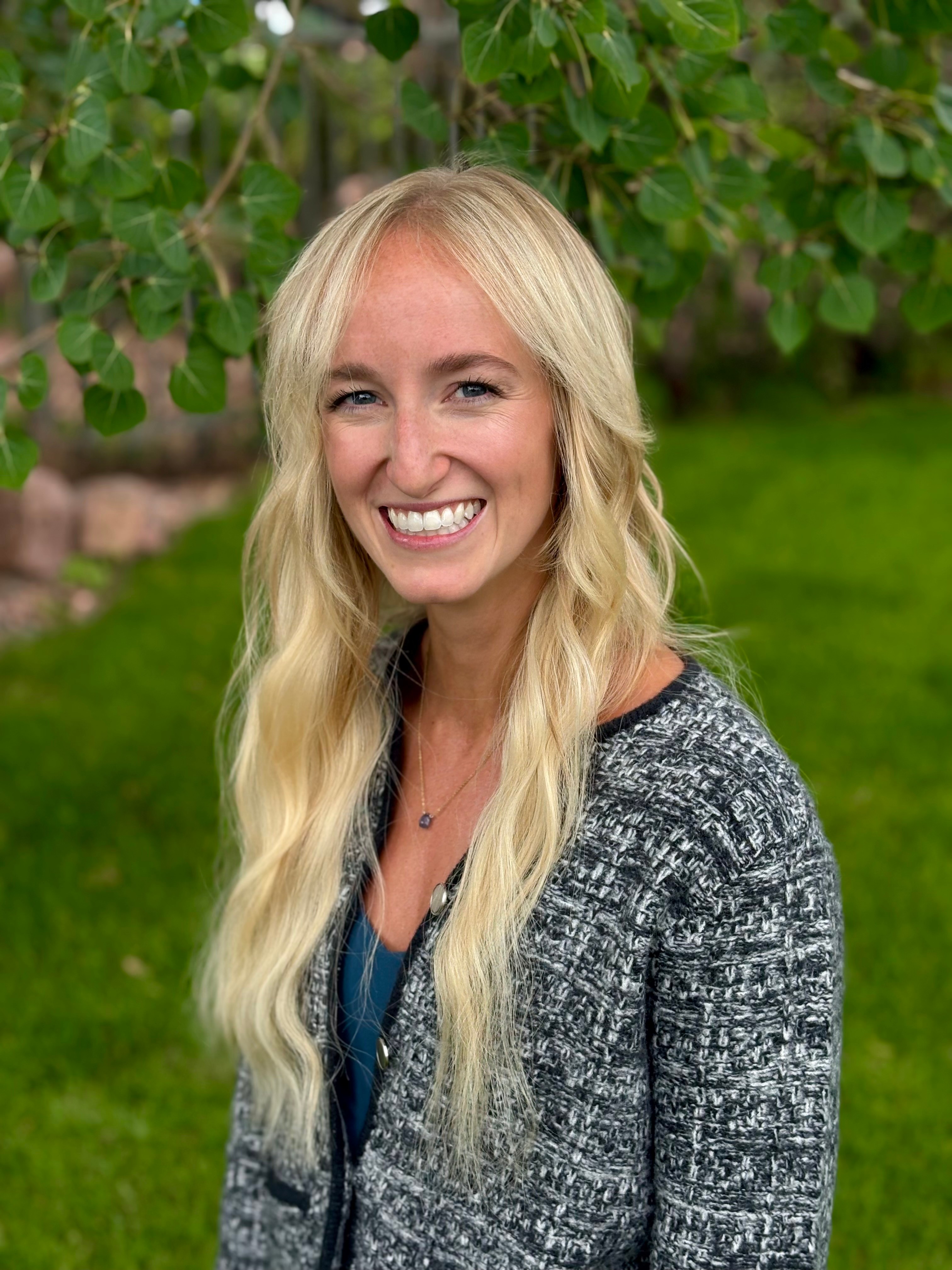
Today we’d like to introduce you to Ashton Strutz.
Hi Ashton, we’d love for you to start by introducing yourself.
The common thread throughout my life is that people have shaped me and my passions. So, I think telling my story requires me to share bits of the stories of the people who have shaped my own (using an alias for everyone).
It was a book that first gave me language for human trafficking. After reading the book, I wanted to know more about the issue so did what any good teenager would do. I googled it. The things that pop up when you search “sex trafficking” are not great, but I stumbled upon a news article about a young girl, Bella, who was experiencing sex trafficking. Her story hit me hard and this became a turning point for me, as the experience launched me into a whole life that I could have never imagined. I became so compelled by the issue that I shaped my life around this passion.
There’s a truth in psychology that once you start to pay attention to something, as simple as the number of squirrels crossing the street, you will notice it more often. When I first learned what trafficking really looks like, not the dramatized “Taken” version but the reality, I noticed it everywhere. It was in stories from classmates, in the experiences of friends, in patterns I’d never noticed before. The world hadn’t changed. My eyes had. So, I set out to be a part of the anti-trafficking movement.
After college, I found myself living in Thailand working with an international anti-trafficking organization, where I met P’ Mali. She had years of experience working alongside survivors and is one of the happiest people I know. She taught me, “joy is the breath of doing hard things.” In work that feels like chipping away at a glacier, she insisted we must still carve out space for joy. Working in anti-trafficking, sometimes people feel like they shouldn’t be joyful because they are so familiar with the fact that, in the same moment, people are enduring difficult things like trafficking. Yet, she reminded me that this work requires us to keep our joy, otherwise we will never be able to sustain the work.
Then, at the first safe home where I worked, Jabari taught me humility. He showed me that all of this cannot rest on any single person’s shoulders. The movement is a river, fed by countless tributaries. A community wound requires a community salve. I couldn’t be, shouldn’t try to be, the hero of this story. It’s far vaster and more complex than any individual narrative.
After spending a couple of years working in safe homes for teen survivors of sex trafficking, I decided to go back to school. That’s how I met Yee Ling. She had been working in the impact field for much longer than me. And yet she was constantly interrogating her own assumptions about impact. She challenged me to fall in love with working on the problem, not in love with our own perceived solution to it. Because if we more attached to our perception of the solution than we are to genuinely re-discovering what helps survivors heal, then we are missing the mark entirely. Real impact requires the courage to adapt, to let the work transform in response to what survivors actually need.
Survivors, friends, family, and strangers have been my most profound teachers. The lesson they’ve etched into me: people are resilient beyond measure. At our core, “everyone is unshakably good”. (Quote from Father Greg Boyle, founder of Homeboy Industries)
We all face challenges, but looking back would you describe it as a relatively smooth road?
The hardest part has been learning to hold hope and heartbreak in the same breath. There are days when the weight of the realities of our world can feel insurmountable. I’ve had to learn that burnout isn’t a badge of honor and that rest isn’t betrayal.
Early on, I thought passion alone would sustain me. It doesn’t. I’ve had to build structures around myself—therapy, community, boundaries—to keep doing this work without losing myself in it. I’ve learned that staying in this for the long haul means knowing when to step back, when to ask for help, when to admit I don’t have all the answers.
There’s also been the challenge of working within systems that weren’t built to support survivors—navigating bureaucracy, fighting for justice, watching policies that make the work harder instead of easier. But these struggles have taught me resilience, patience, and the art of finding creative solutions when the traditional paths are blocked.
Can you tell our readers more about what you do and what you think sets you apart from others?
I work at Sarah’s Home Corp. as the Executive Director. Sarah’s Home is currently the only safe home in Colorado specifically for minor survivors of sex trafficking. We provide a home that is striving to provide opportunities for holistic healing. We also have community programs that are aimed towards creating awareness around what trafficking looks like and how we can work together to prevent it. Lastly, we are working towards opening a home for boy survivors of sex trafficking.
What sets our approach apart is that we listen first. Every survivor’s journey is different, and cookie-cutter programs don’t work. We provide wraparound care—housing, therapy, education, life skills—but we adapt constantly based on what each young person actually needs. We are always trying to create more partnerships, so that the girls at Sarah’s Home can try different things like equine therapy, dance, and art. Having many different opportunities like these allow for survivors to start finding their true likes and dislikes. Ultimately, we want the girls to develop the ability and capacity to choose for themselves, as choice is so often manipulated within a trafficking experience.
I’m so proud of the team and the way that they have spurred Sarah’s Home on towards growth. They are willing to do the hard work to iterate on our model to make sure we develop so that we offer the best care we can to survivors. They are incredible. For me, I think we will know the true measure of my own success is in seeing if Sarah’s Home thrives long after I’m gone. If this organization continues to evolve and serve survivors decades from now—that will mean we built something real, something rooted in community rather than any individual. I think that legacy isn’t about being remembered. It’s about creating something that doesn’t need any one person to carry it forward.
Alright so before we go can you talk to us a bit about how people can work with you, collaborate with you or support you?
There are so many ways to be part of this work.
Financially, donations to Sarah’s Home directly support survivor care—everything from groceries to therapy sessions to helping a young person get their GED. You can visit sarahshome.us to contribute or learn about monthly giving.
But money isn’t the only currency that matters. We need volunteers who can offer their time and skills—whether that’s tutoring, teaching a cooking class, maintenance, or helping with operations. We need people who can show up consistently, who understand that trust is built slowly with survivors, and people who are willing to be present without expecting instant gratification.
If you work in policy, legal services, healthcare, education, or advocacy, there’s room for collaboration. We’re building networks across Colorado to better serve these young people, and we need partners who see this as shared work.
And perhaps most importantly—if you work or live with people, educate yourself. Learn the story of trafficking. Understand that it rarely looks like what you see in movies. The most likely people to intervene in a trafficking situation are people that know the person and have a relationship with them to notice patterns. Then, believe them and know where to point them for help.
This work requires all of us. There’s a place for everyone to show up because this community problem requires a community solution.
Contact Info:
- Website: https://sarahshome.us/
- Instagram: https://www.instagram.com/sarahs_home/
- Facebook: https://www.facebook.com/SarahsHome


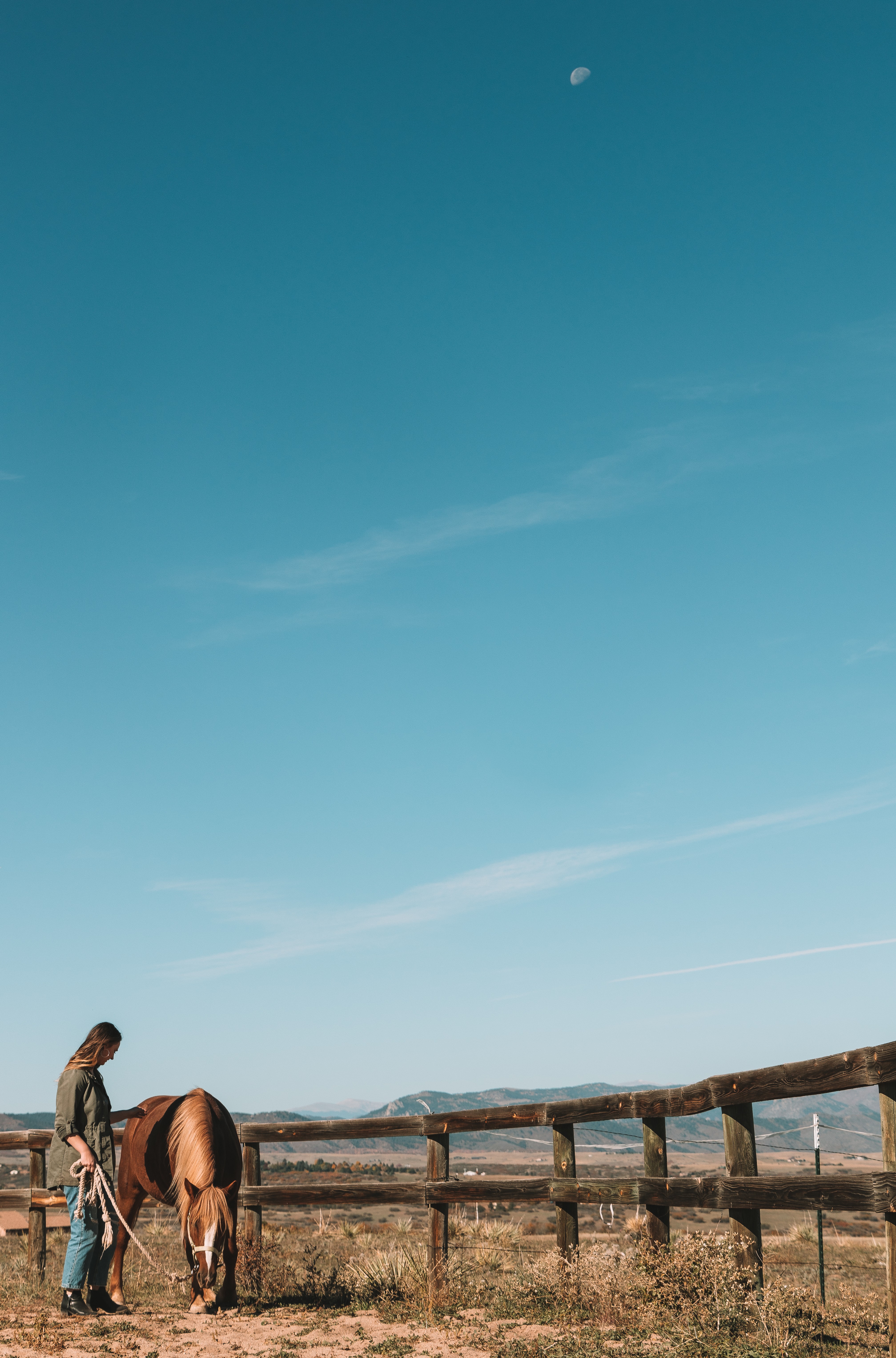

Image Credits
Kristen Privett
Popular
-

The Trailblazers: Rewriting the Narrative
-

Celebrating the Spotlight: Kaytee Shashore Turns Milestones Into Momentum
-
Humanity in the Machine: Alexander Raye Pimentel’s Cyborg Recall Questions the Cost of a Data‑Driven World
-

Raemi Anderson on Courage, Caution, and Answering the Call of the Landscape
-

Hidden Gems: Local Businesses & Creatives You Should Know


