

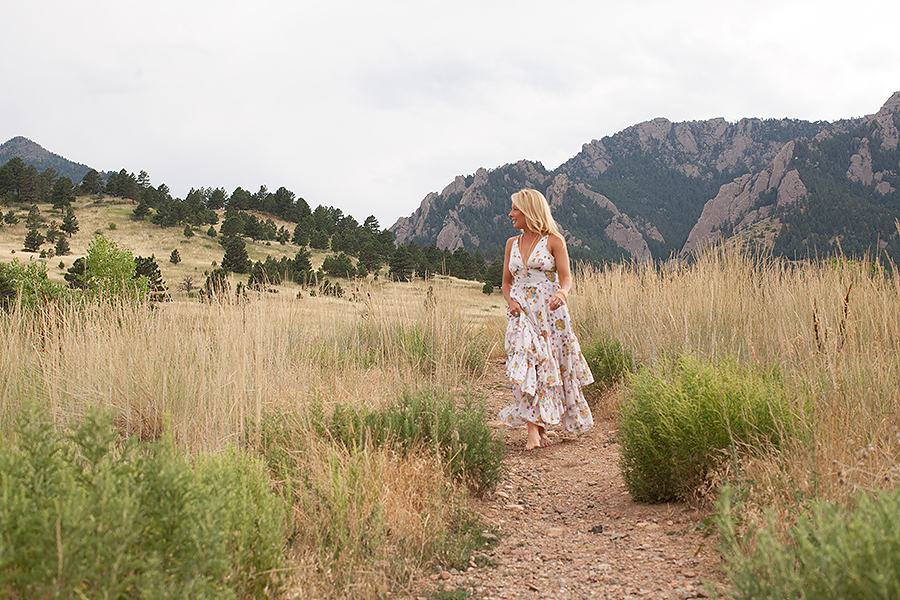
Today we’d like to introduce you to Callae Gedrose.
Hi Callae, can you start by introducing yourself? We’d love to learn more about how you got to where you are today?
My journey in gardening began more than 20 years ago with my own gardens. What started as a personal love of plants and creating beautiful spaces gradually became a deeper curiosity about how gardens function as part of a much larger ecosystem. Over the years, my gardening and design experience continued to evolve alongside my own ecological awareness. I began asking deeper questions beyond what will look good here. I started asking what belongs here, what will thrive here, and how can this garden give something back to the environment?
That shift in perspective eventually led me to start Honeywood Garden Design. As a lifelong Coloradan, I’ve always had a strong connection to this landscape, but I also have a firsthand understanding of how challenging our environment can be. We’re living with drought, water scarcity, declining biodiversity, increasing development, and the loss of habitat, often right outside our own doors. I began to see our urban and suburban gardens as an opportunity to do something meaningful about those challenges.
Honeywood was built around the idea that we can create beautiful gardens while also rebuilding some of what our development has taken away. My priority is protecting our precious ecosystems from the ground up, one garden at a time. That means focusing on healthy soil, native and water-wise plants, biodiversity, habitat, and creating landscapes that are resilient and better connected to the natural world.
Building the business has been an evolution for me, too. Over the past several years, I’ve learned what it takes to turn a passion and a philosophy into a sustainable business, while becoming much clearer about the kind of work I want to do and the impact I want to have. I’ve had the opportunity to work with wonderful clients, build gardens that have transformed their properties, educate people about regenerative gardening, and connect with others in the industry who are working toward many of the same goals.
Today, I see Honeywood as more than a garden design business. It’s a way for me to help people rethink what their landscapes can be and what they can contribute. I want to continue growing the educational and regenerative side of the business, making these ideas more accessible, and helping more people understand that even a relatively small urban garden can become part of something much bigger.
For me, it really comes back to the idea that change happens one garden at a time. We may not be able to control how quickly our cities grow or how much natural habitat is lost, but we can make intentional choices about what we do with the land we care for. That’s where I believe we have an enormous opportunity, and that’s what continues to motivate me today.
We all face challenges, but looking back would you describe it as a relatively smooth road?
Building my business has definitely not been a smooth road. I’ve had to overcome a lot of hurdles, and learning how to build and run a business while wearing so many different hats has been both challenging and incredibly rewarding. There’s a lot that happens behind the scenes that people don’t necessarily see. I’ve had to learn the business side while continuing to be a designer, gardener, educator, marketer, project manager, and everything in between. My passion for this work has been one of the biggest driving forces that has kept me moving forward when things have been difficult.
One of the biggest challenges has been educating people about why our traditional approach to landscaping needs to change. I’m asking people to think differently about lawns, water use, chemical inputs, biodiversity, and even what a beautiful landscape looks like. That isn’t always an easy conversation. I’m not a salesperson, and I don’t want to convince someone to invest in something they don’t believe in. I want people to understand why transforming their landscapes into regenerative urban habitats matters and to feel inspired to be part of that change.
There have definitely been times when I’ve felt like I’m running into brick walls. But I’m also experiencing the tide changing firsthand. Conversations that were difficult to have a few years ago are becoming much more familiar. People are beginning to understand the importance of native plants, healthy soil, water conservation, pollinators, and creating landscapes that function as habitat rather than simply taking up space around a house. Seeing that shift has been incredibly encouraging and makes the difficult parts worthwhile.
Ironically, as awareness continues to grow, another challenge has emerged with sourcing enough native and regionally adapted plants. The demand is increasing faster than the industry can keep up. Finding the right plants that are grown responsibly, adapted to Colorado, and truly support our local ecosystems can be difficult, and availability can change quickly. I would love to see the industry respond to this growing demand by making high-quality native and regionally appropriate plants much more accessible to everyone.
So no, it hasn’t been a smooth road. But I’m not sure I would want it to be. Building Honeywood has challenged me to keep learning, to rethink how I approach my own business, and to stay committed to what I believe is important. I’m seeing real change happen, and that gives me a lot of hope for where this work can go next.
Alright, so let’s switch gears a bit and talk business. What should we know about your work?
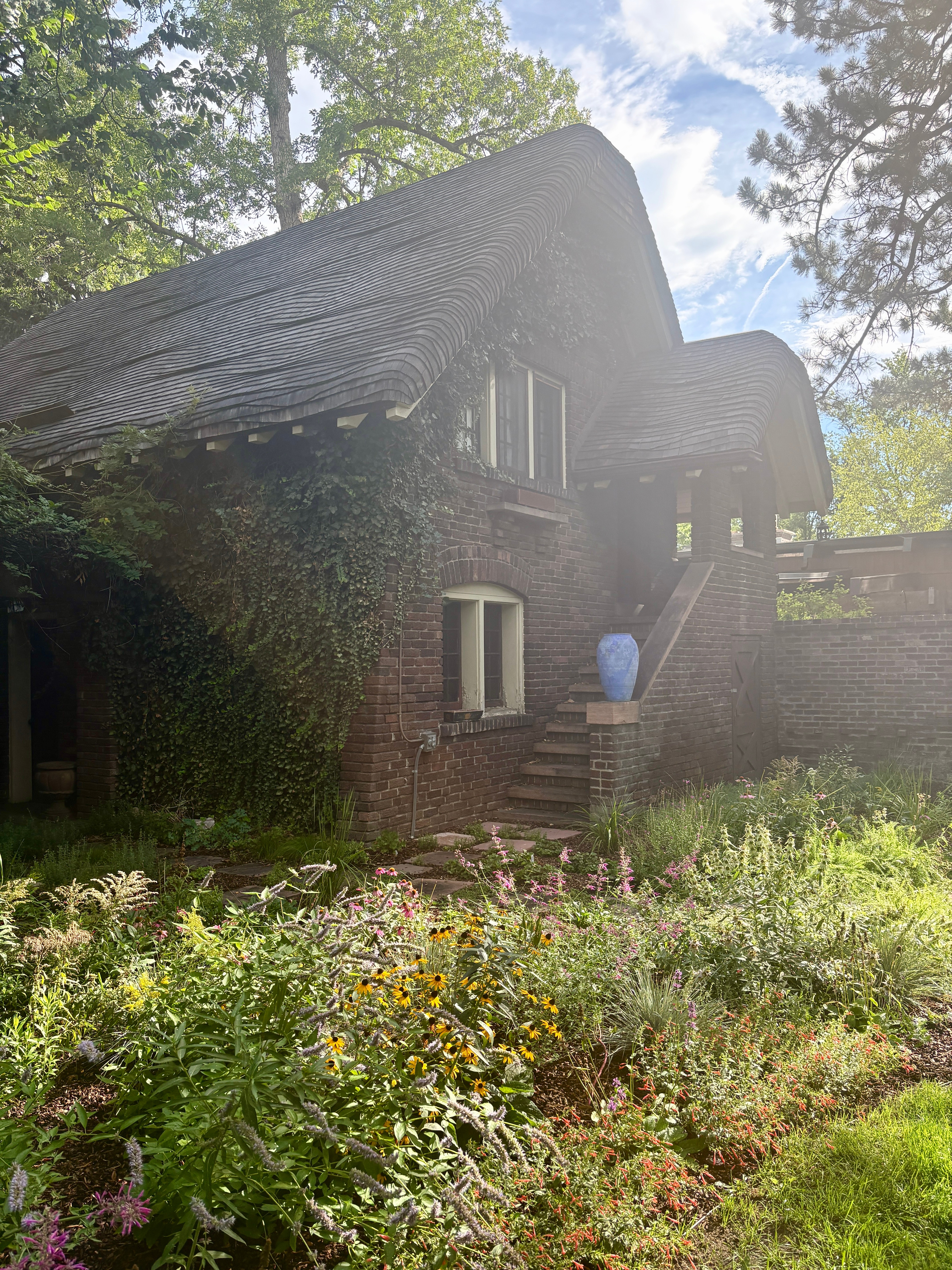
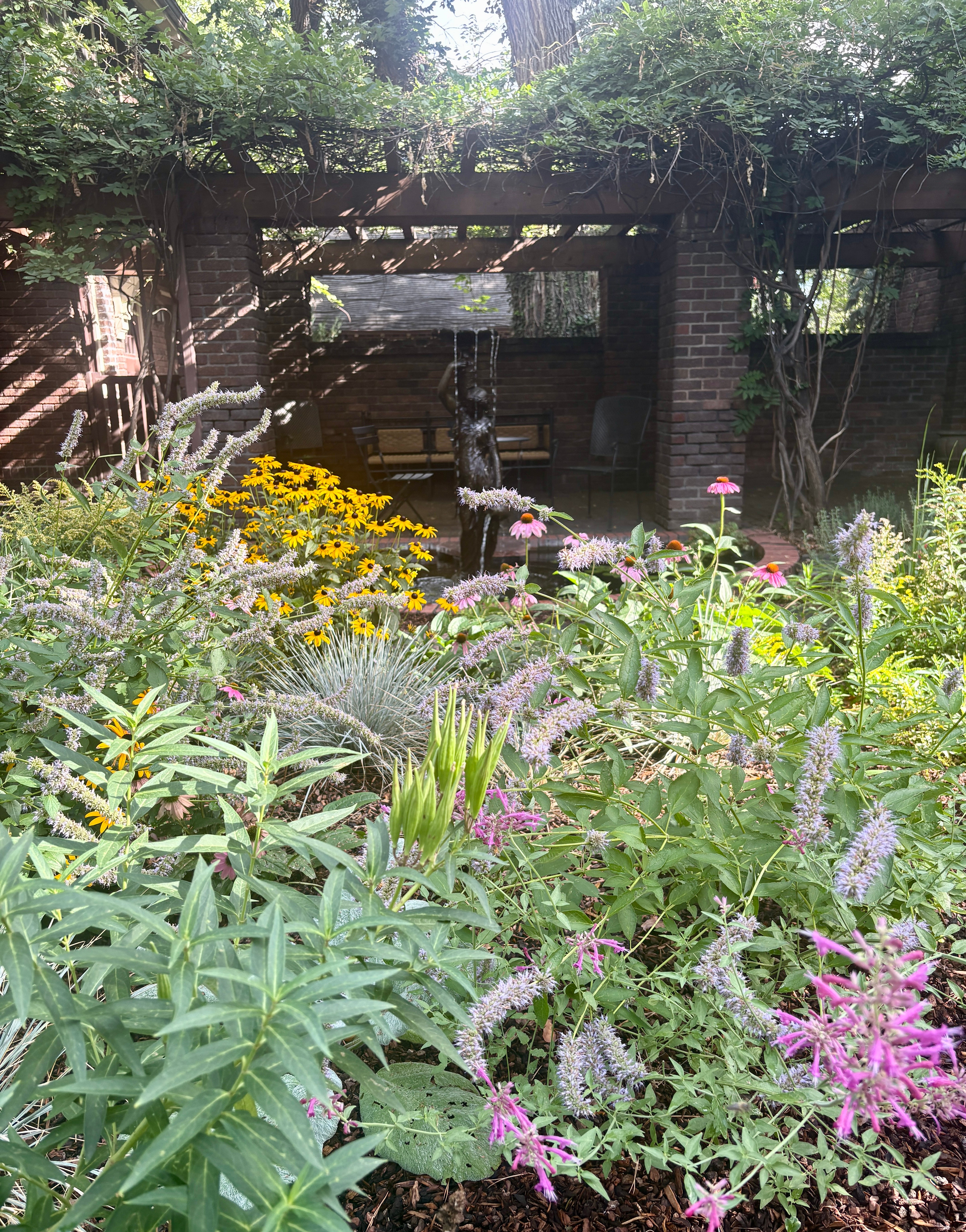
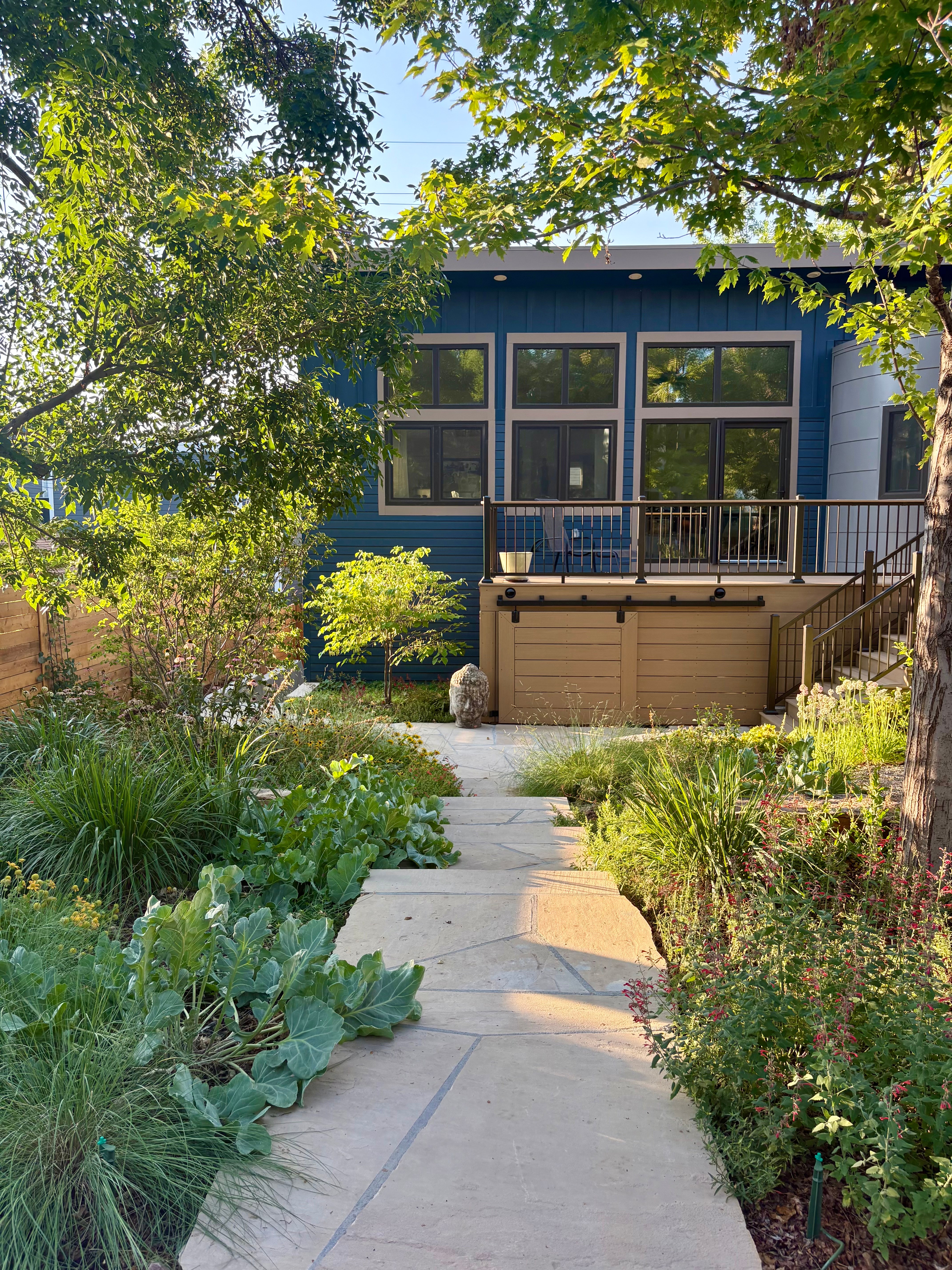
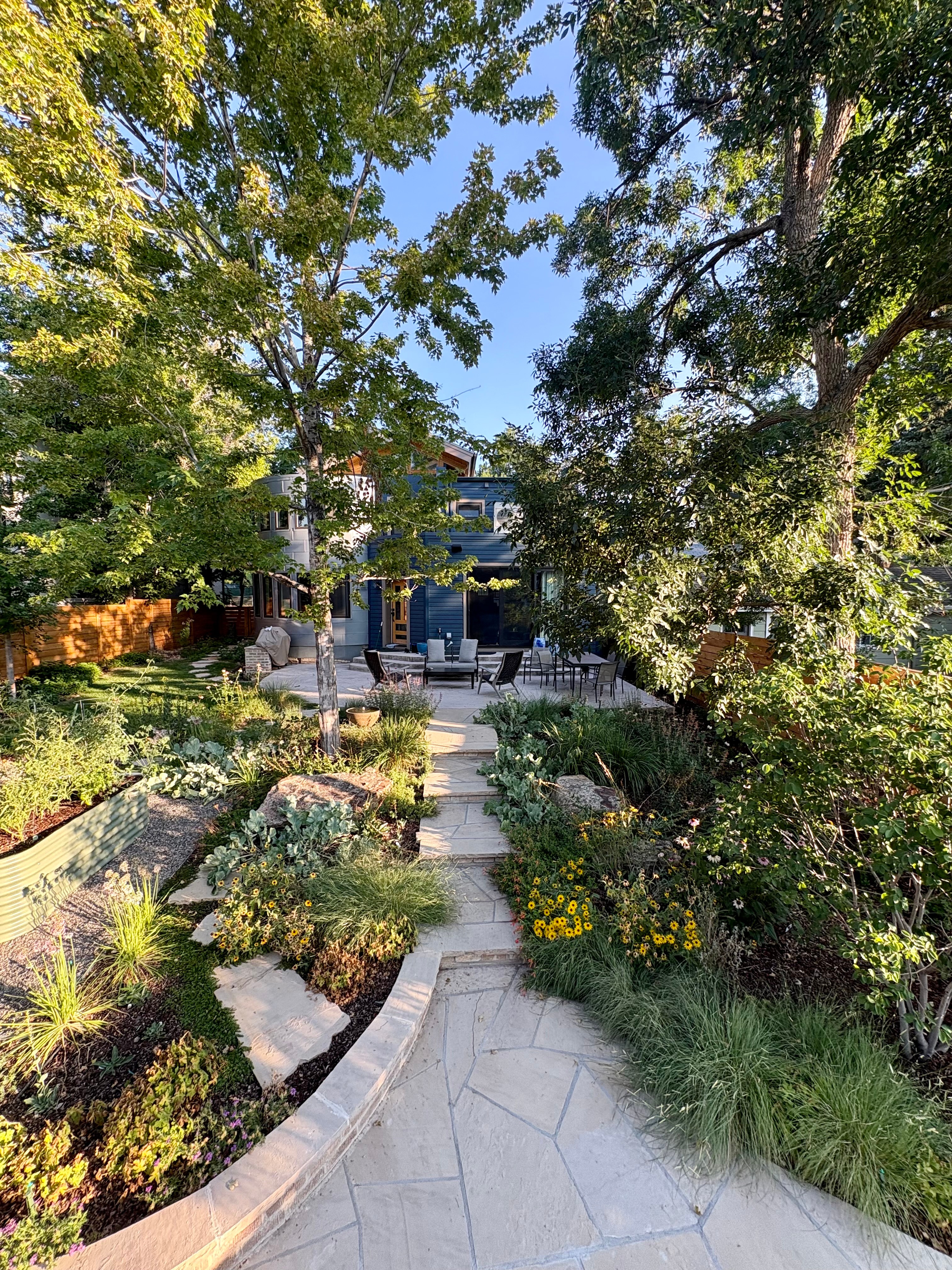
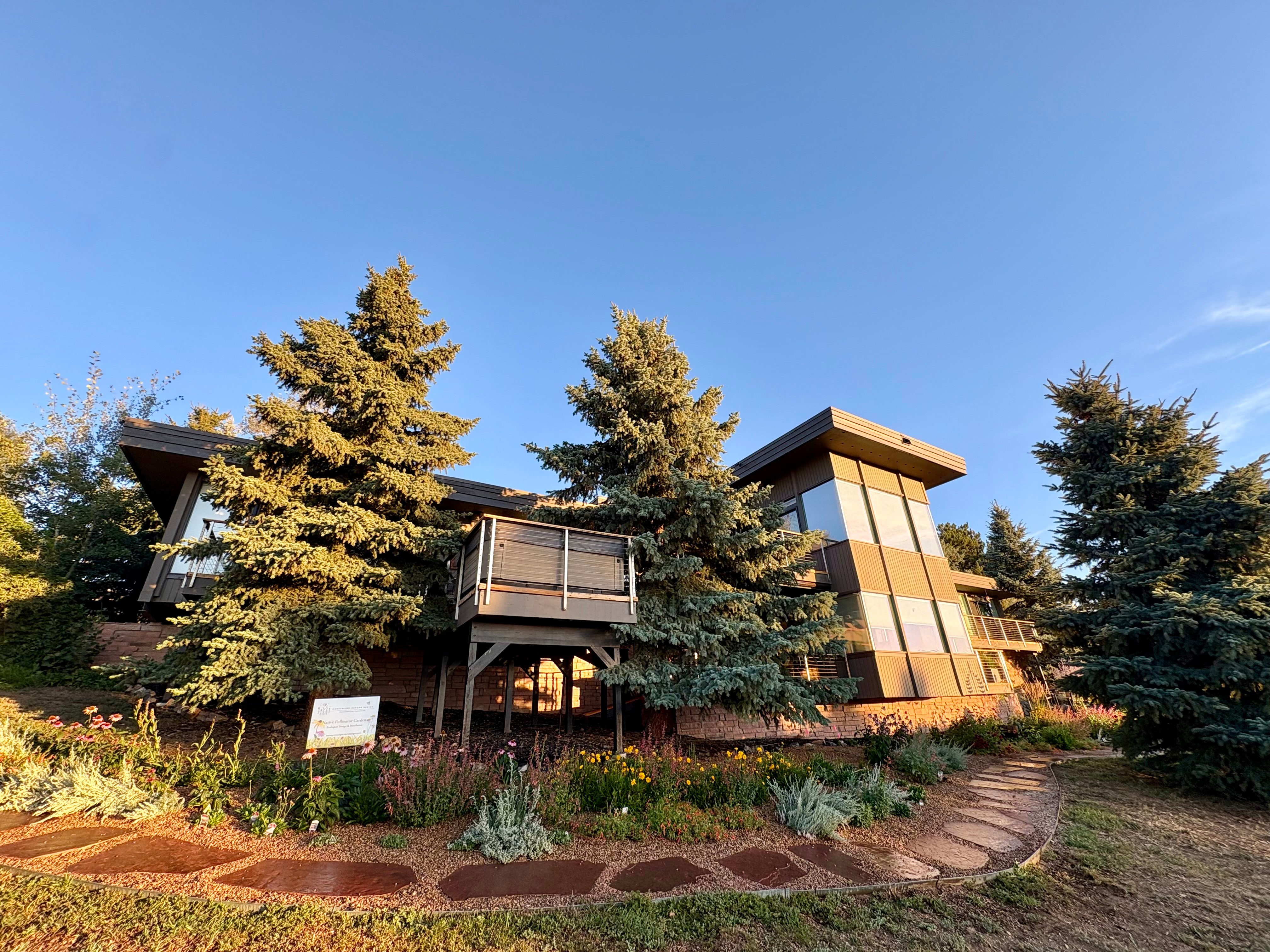
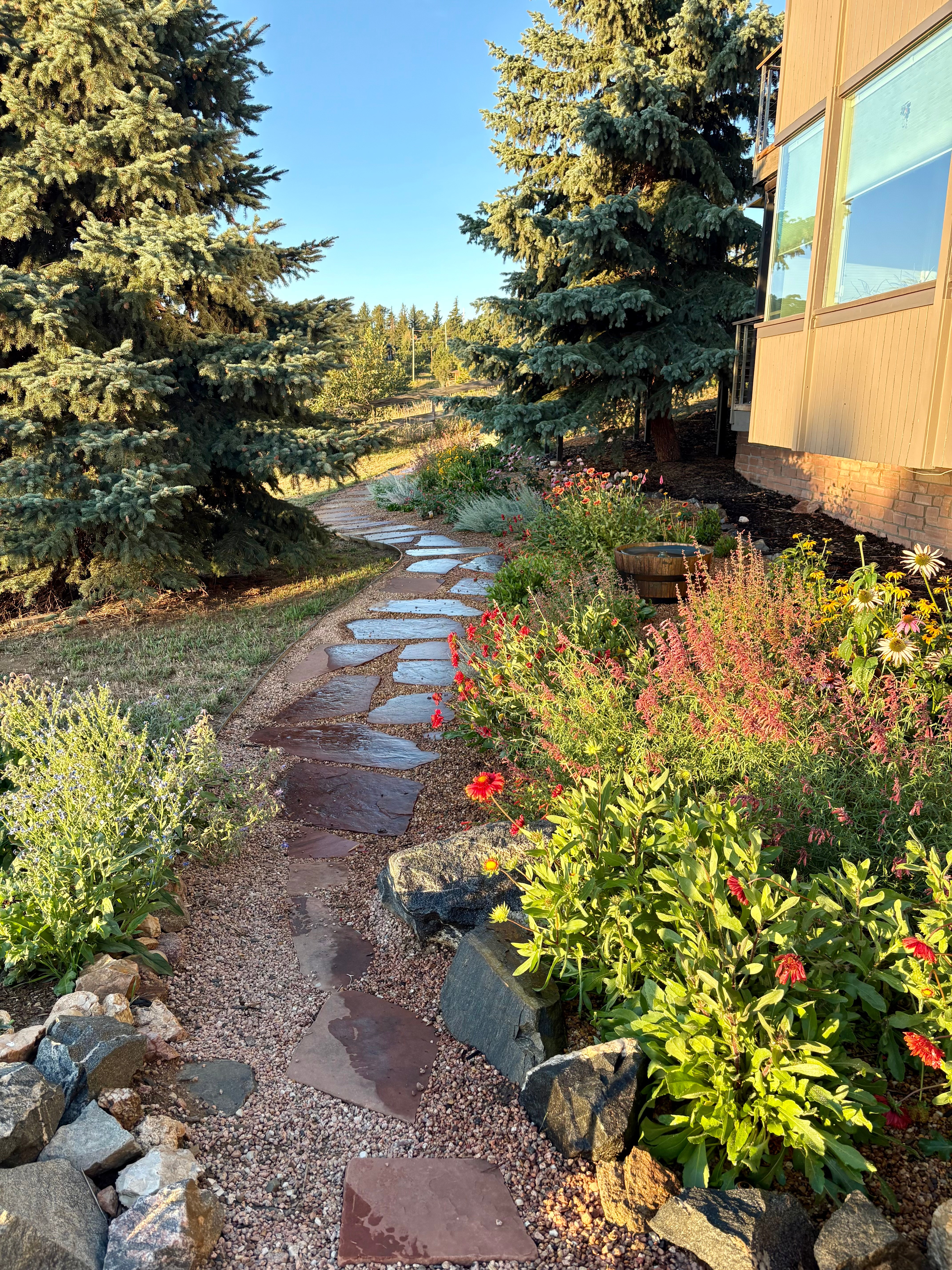
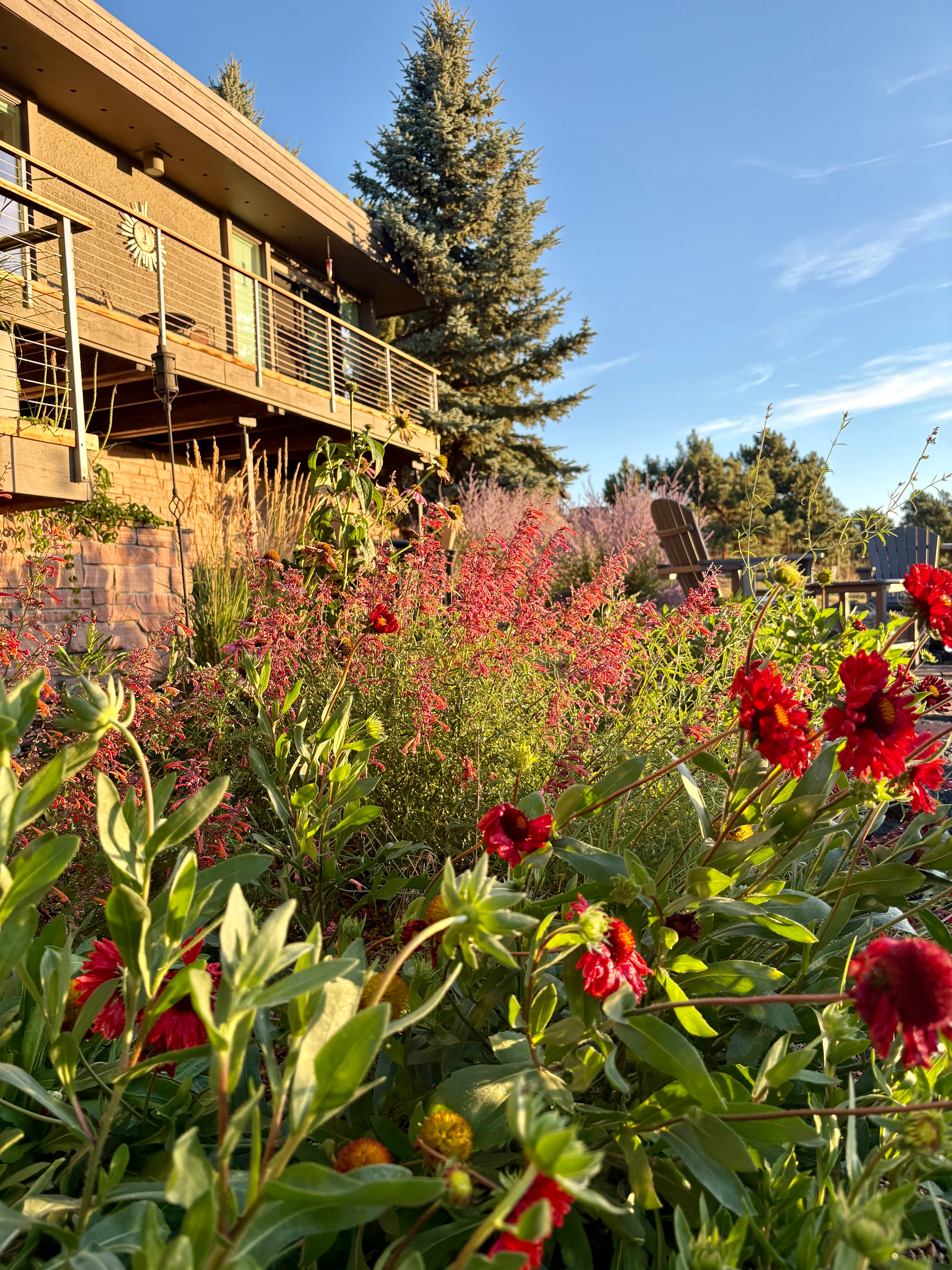
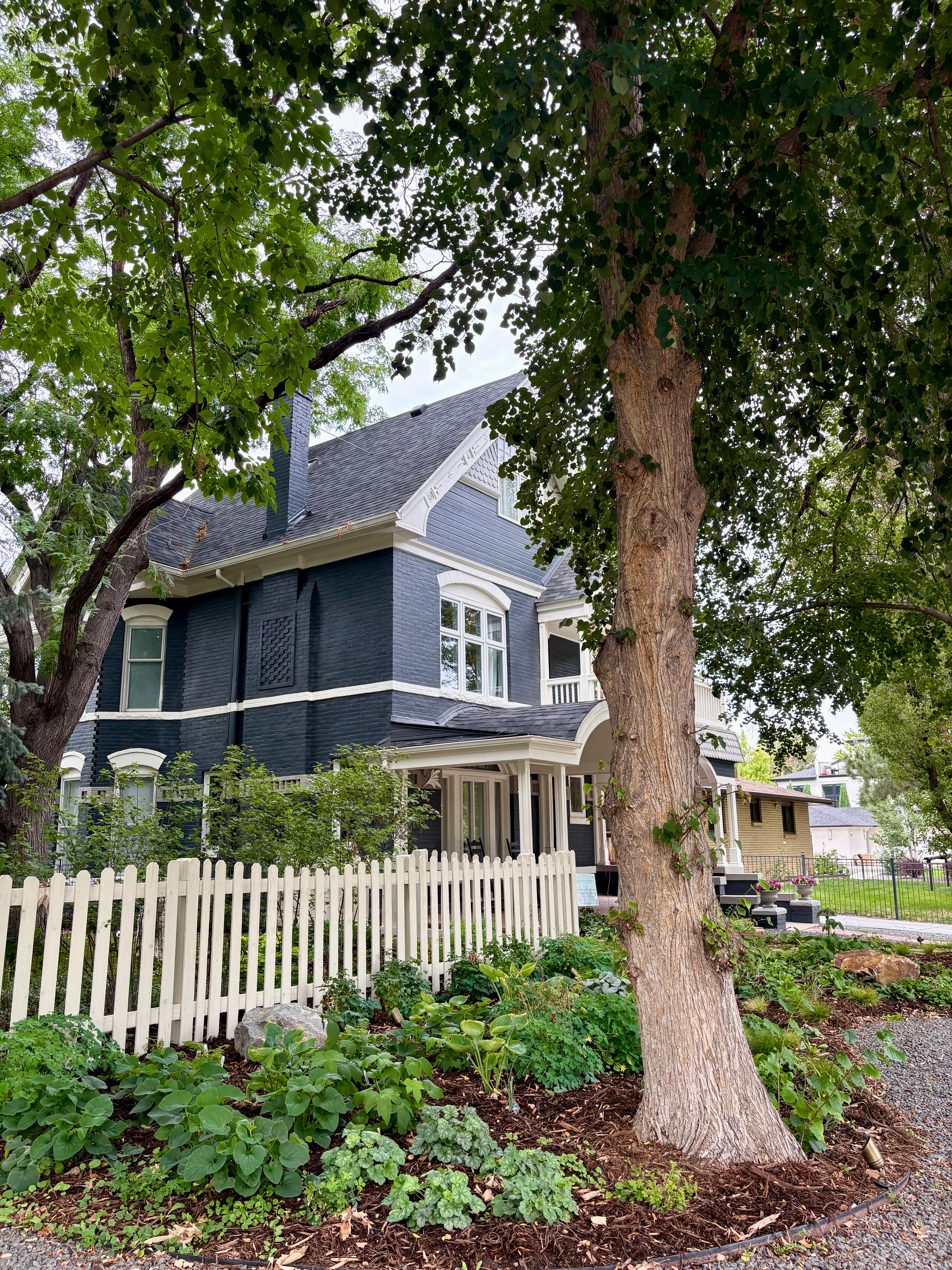
Honeywood Garden Design specializes in regenerative garden design, creating beautiful, living landscapes that support biodiversity, healthy soil, pollinators, and water conservation. I primarily work with native and regionally adapted flowers, grasses, and shrubs to create native pollinator gardens, prairie gardens, woodland shade gardens, and other urban habitat spaces. I also work with homeowners who want to remove lawn and create a more ecologically functional landscape, whether they want me to design and install it or they want to do the work themselves with my guidance.
What really sets my work apart is that I don’t look at a garden as simply something to make pretty. I look at the whole system. What is happening in the soil? What will thrive in this particular microclimate? How can we use less water and fewer inputs? What plants will provide habitat and food for pollinators and birds? How can we create beauty while also making the landscape more resilient?
I believe those things should not be separate from good design. A regenerative garden can be incredibly beautiful, personal, and inviting. In fact, I think some of the most beautiful gardens are the ones that feel alive, where you see movement, seasonal change, insects, birds, blooms, grasses, and layers of plants working together. I want people to walk into one of my gardens and feel something, but I also want them to understand that there is a lot more happening beneath the surface.
I’m proud that I’ve stayed true to that philosophy from the beginning. Honeywood isn’t a conventional landscaping company that happens to offer native plants. Regenerative gardening is the foundation of everything I do. That means rebuilding soil, increasing biodiversity, conserving water, reducing chemical inputs, and creating habitat rather than simply replacing one type of landscape with another.
I’m also proud of the relationships I’ve built with my clients. For me, a successful project isn’t just handing someone a beautiful finished garden. It’s listening to what they want, understanding how they live, educating them along the way, and giving them the knowledge and confidence to care for what we’ve created together. Some of the most meaningful feedback I receive is from clients who tell me they feel more connected to their gardens or more confident about caring for them. That tells me I’m doing more than designing a landscape. I’m helping change the way people see and interact with the land they live on.
I think my biggest point of difference is that I genuinely care about getting it right. I’m not interested in following landscape trends or creating the same garden over and over. Every property has its own conditions, challenges, history, and opportunities. I want to understand those things and create something that belongs there.
I also see my work as part of a much larger movement. One garden isn’t going to solve our ecological problems, but thousands of intentional gardens can make a meaningful difference. They can provide habitat, support pollinators, conserve water, improve soil, and create little pockets of resilience throughout our cities and suburbs.
Ultimately, what I’m most proud of is that Honeywood has become a way for me to combine the things I love most, gardening, design, education, and helping people see their own piece of land differently. I want to continue growing that vision, not just by creating more gardens, but by helping more people understand that our residential landscapes can be beautiful places for both people and nature to thrive.
What quality or characteristic do you feel is most important to your success?
I think the quality that has been most important to my success is my integrity. I genuinely care about what I do, and I care about doing it well. I want my work to reflect what I believe in, even when that isn’t necessarily the easiest path. I don’t want to sell people something just because I can. I want to create something that has value, serves a purpose, and is right for the person, the property, and the environment.
That sense of integrity has helped me stay true to my vision for Honeywood. Regenerative gardening isn’t just a marketing term for me. It’s something I believe in deeply, and it influences how I design, what plants I choose, how I work with soil, how I communicate with clients, and the kinds of projects I take on. There have been plenty of opportunities to take an easier or more conventional route, but I’ve always come back to what I know is right.
I also think connecting with people and community has been incredibly important. Gardens are personal. I’m not just designing a space. I’m stepping into someone’s home and learning how they live, what they value, and what they want their landscape to become. I genuinely enjoy those relationships. I’ve learned as much from my clients and from the gardening community as I have from my own experience. Those connections have helped shape Honeywood and continue to expand my understanding of what is possible.
I’m also naturally curious and creative. I tend to think outside the box and question why we do things a certain way simply because that’s how they’ve always been done. That has been especially important in regenerative gardening because so much of what I’m trying to do involves challenging conventional ideas about what a landscape should look like and how it should function. I’m always looking for a better way to solve a problem, whether that’s in the garden or in the business itself.
And finally, I have a lot of drive. Building Honeywood has required persistence. There have been setbacks, uncertainty, long days, and plenty of moments when I’ve had to figure things out as I went. My passion for this work keeps me moving forward. I care deeply about where our environment is headed, and I believe we have an opportunity to make meaningful changes in our own communities.
I think all of those qualities—integrity, caring deeply, connection, creativity, curiosity, and drive—work together. They’ve allowed me to build a business that feels genuinely aligned with who I am and what I believe. For me, success isn’t just about how many gardens I create. It’s about knowing that the work I’m putting into the world reflects my values and contributes, in some small way, to creating healthier and more resilient places for people and nature.
Contact Info:
- Website: https://honeywoodgardendesign.com
- Instagram: https://www.instagram.com/honeywoodgardendesign
- LinkedIn: https://www.linkedin.com/in/callaegedrose