
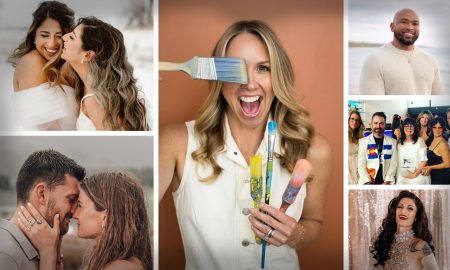


Today we’d like to introduce you to Libby Dollar.
Hi Libby, please kick things off for us with an introduction to yourself and your story.
In 2009 I was living in a little cabin in Pagosa Springs, Colorado, surrounded by the San Juan Mountains, caring for my 2 year old daughter and finishing my Sociology degree via online courses offered by CU Denver. Before I became a young mom at 21, I had been a theatre kid, a ballet dancer, and a piano major. The arts, and creativity generally, has always been a huge part of my life. When I got the chance to shoot my first wedding, I was working at a restaurant—which I loved because it just felt like hanging out with people all day. Hospitality and customer service work came very naturally to me, but I knew I wanted to work for myself and I couldn’t imagine the daily grind of owning a restaurant–so I was looking for something.
An opportunity came up to learn about photography, an art form that previously hadn’t interested me much. I had never had access to any camera other than the basic disposable film point-and-shoots that were ubiquitous at that time, and that experience of taking photos seemed more like a chore than a creative effort. When I was first introduced to a professional camera, everything changed.
Creative possibilities exploded when I learned how I could manipulate aperture, focal length, and shutter speed to flatten the four dimensional world into a two dimensional photograph. This was also right at the time that Digital cameras became good enough to be viable options for professionals, so it felt like the whole world was switching from film to digital. Digital cameras made it possible for me to learn how to get art out of my head and into the world fairly quickly. I could adjust the camera settings and see the result right there in real time, instead of waiting days or weeks to see a developed photograph like in the film days. By this time as a 24 year old, I could also see how the old styles of photography–safe poses and lighting designed to minimize mistakes while shooting film—were no longer desirable to couples in my generation.
I found my first clients surprisingly easily. I took photos I thought were interesting and posted them on an early version of Facebook. This was at the time when Facebook had just opened up to include more than just people with college email addresses, and before ads or content made by strangers. My small network of college friends was growing quickly to include friends and acquaintances from all over. A few posts photos of my toddler, my dog, and random friends pretending to be models quickly resulted in a few people I knew asking if I’d shoot their weddings.
The advice I heard at the time was “stay away from weddings” because they were widely understood to be stressful, high-pressure events and especially dangerous for new photographers. Any other kind of photoshoot can be rescheduled, but if you screwed up a wedding, that was pretty much it, and that kind of responsibility was seen as too much for most. But I was young, and hubris won out.
My first paid wedding (over 15 years ago now), I was an absolute nervous wreck. I charged $750, and spent 100% of that money (and then some) on a new telephoto lens. I went to the rehearsal to try to memorize every beat of the ceremony, I worried endlessly about what happened if a cloud blew across the sun and messed up my exposure, and I was terrified my creativity would evaporate the second anyone looked at me at all.
Somehow I pulled it off. I went home, downloaded the photos, and spent an insane number of hours editing to try to fix all the “mistakes” that were keeping the photos from being as good as they were in my head. The couple was happy, and far from being scared off, I realized through my panic and fear that there might also be something about weddings that I really liked and could be good at.
The experience reminded me of being in theatre as a kid. I loved performances, but I didn’t actually enjoy being on stage. Instead I preferred to dress in all black and help backstage. My mom was a professional stage manager at the time and I drew a lot of inspiration from watching her work. When I shoot weddings, even now, I conceptualize the couple and their wedding party and family as the actors on stage, and my job is to stay as invisible as possible and help them look amazing and enjoy themselves. I have no doubt I found the right career and I plan on being a wedding photographer for as long as I can physically keep up.
Can you talk to us a bit about the challenges and lessons you’ve learned along the way. Looking back would you say it’s been easy or smooth in retrospect?
Struggles? Yes there have been almost too many to count. I started my business in a recession, during which time I carried nearly 100% of the responsibility of caring for a young child. During my second year of shooting weddings (2010) I moved from the mountains up to Denver out of economic necessity. I worked part time in a restaurant in Cherry Creek while I learned the basics of running my business through reading a lot of books, trial and error, and what I can now lovingly recall as wild swings between delusional confidence and crippling self doubt.
The one constant that persists in my work even now–I always want people to REALLY love their photos. I wanted to spare them the experience I felt like I’d had so many times of staring at a camera—at the DMV, or getting a yearbook photo, or even at my first wedding—and feeling INTENSELY self conscious and smiling weird to the point that I didn’t even recognize myself in the resulting photo. I wanted people to know the joy of seeing their real smile. I think that vision what pulled me through the struggles. I believed in what good, emotionally connected, authentic-feeling photos could do for people. I struggled with my own insecurity about my looks, as was such a hallmark of the culture at that time.
With my camera, I could show people, other women especially, how beautiful they actually are and help them feel confident. To this day, that’s the most important thing I can do in this work—help others see themselves from a loving outside perspective that allows them to feel confident about how they exist in the world.
Along the way there have also been other economic downturns, BIG changes in what styles and services couples are looking for, and my journey from being roughly the same age as most of my clients getting married, to most of them being meaningfully younger than me—without becoming the bossy older lady I would have hated to work with at their age. I’ve had to learn all kinds of new technology, and ride the waves of change inevitable in culture and business over the course of a decade and a half. I’ve raised a child to adulthood between working late nights and weekends away at destination weddings.
Most importantly, though I’ve learned that the way I see the world is inextricably connected to the art I make. Wedding Photography is both an art form and a professional service. The client meetings, and helping couples make a list of family photos, and packing the bags with enough batteries and memory cards and extra gear to handle any emergency is all very important stuff. Just as important, however is taking the time to learn about new artists, taking it all in when I visit a new city, and contemplating the beauty of seemingly ordinary moments. The art I make for couples is bespoke, like a tailored suit or a commissioned painting. The job is simple: Take photos at a wedding. The job is also infinitely complex and personal: See these people how they want to be seen, and make photos that show it.
Can you tell our readers more about what you do and what you think sets you apart from others?
My photos are all about personality. When I photograph a new person, I’m constantly asking “who are you when you’re in your element? What faces do you only make for your friends? What do you look like when you’re really in the moment on one of the happiest days of your life?”
Capturing photos like this requires focused empathy. I ask a lot of questions and try to really get to know my clients before I aim the camera in their direction. Each of us has a little magic in us. Each new person I photograph is an opportunity to discover their totally unique magic and figure out how to translate that to a photo. It’s an absolute thrill when someone trusts you enough to actually let themselves be seen.
I photograph anything that involves people: headshots, maternity, newborn, branding photos, family photos, if there are people involved, I’m in my element. I’ve dabbled in Real Estate photography and product photography, but if there’s no human element it kind of leaves me cold, so I stick to humans.
Weddings are the vast majority of my business because they are my very favorite thing to photograph. I enjoy being part of stories that are happening. I love figuring out the most vivid way to capture what it really felt like to be there. I like the rhythm of the day with the tension that builds up to the ceremony and the release that happens when dancing starts. I like helping calm the bride’s nerves by showing her how stunning she looks on the back of my camera.
Weddings also require you to be decent at just about every type of photography and pivot between them all day—which I find to be a fun challenge. Wedding-day portraits are like a fashion shoot where I give direction and put together intentional images—even as I’m helping my subjects stay relaxed. Details photos are like still life, telling a tiny story about the personality who chose those shoes, and this perfume and these flowers. A lot of the day is just keeping my eyes open and looking for candid moments, which are the most gratifying photos to deliver to clients because it shows them a whole new way of seeing themselves and those closet to them.
Are there any important lessons you’ve learned that you can share with us?
Absolutely nobody knows the future, so don’t get too attached to how you think anything is going to go. Be prepared, but flexible. Also that I’m only really at my best when I am prepared, but also relaxed, which means I need to take good care of myself.
My husband, Caleb, who is also my second shooter, helps me feel confident and steer clear of the anxiety spirals I’m sometimes prone to. I have a tendency to work myself into a place of perfectionism paralysis, and Caleb grounds me and keeps me going at a sustainable pace. Usually he starts by making sure I’ve eaten—which is amazing for me because he’s an incredible cook. I can’t overstate how important his calm, loving presence has been essential to my success.
Pricing:
- Colorado Couples spend $7800 on average on wedding photography with Libby Dollar Photography—including full day coverage and an engagement session.
- I also offer destination wedding coverage (which includes the cost of travel for me and my team almost anywhere in the world) starting at $9600.
- I offer family photos, milestones (like newborn and maternity), branding, and headshots starting at $750.
- More detailed information is available by submitting the contact form on my website.
Contact Info:
- Website: https://libbydollar.com
- Instagram: https://www.instagram.com/libbydollarphoto/
- Facebook: https://www.facebook.com/libbydollarphoto


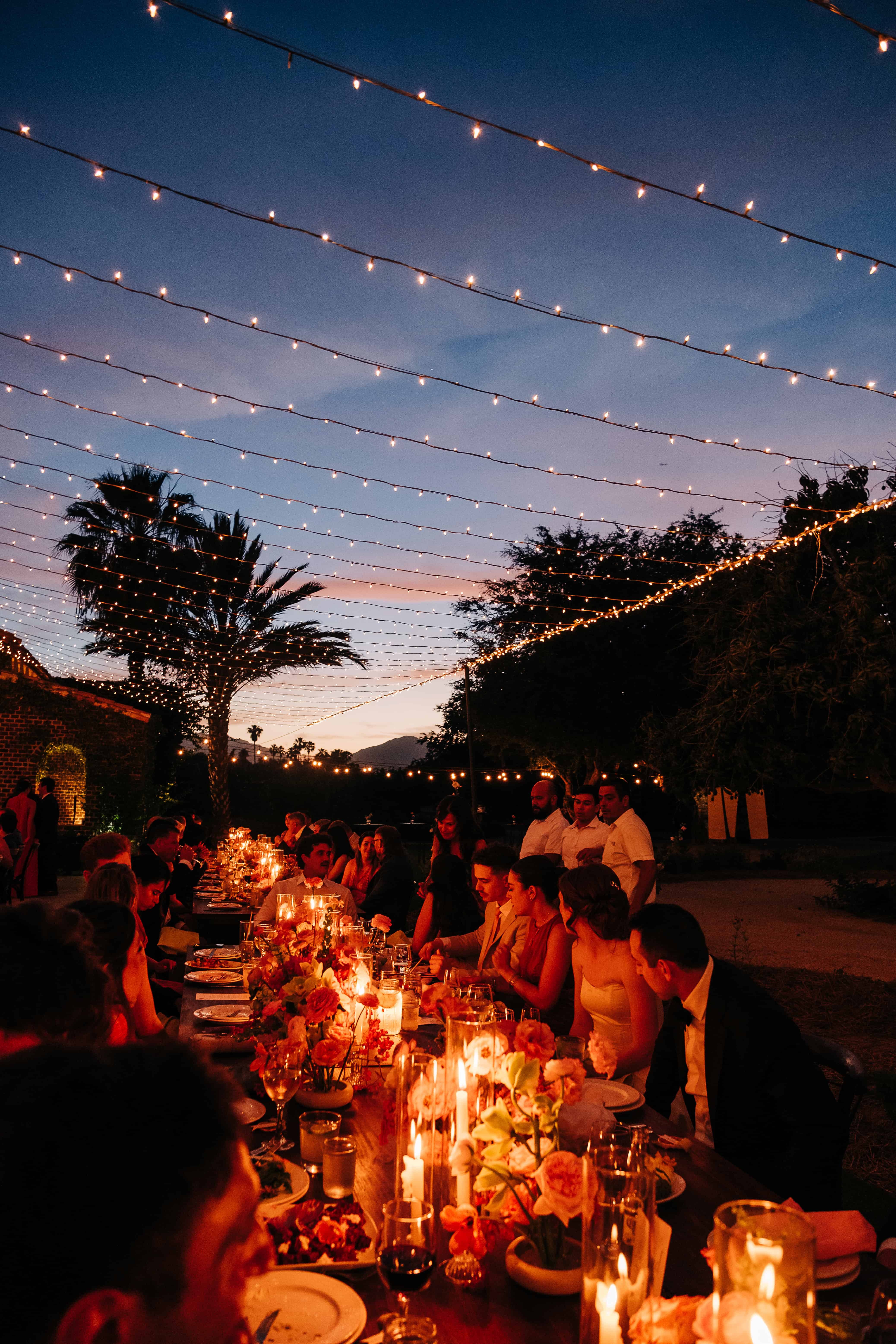


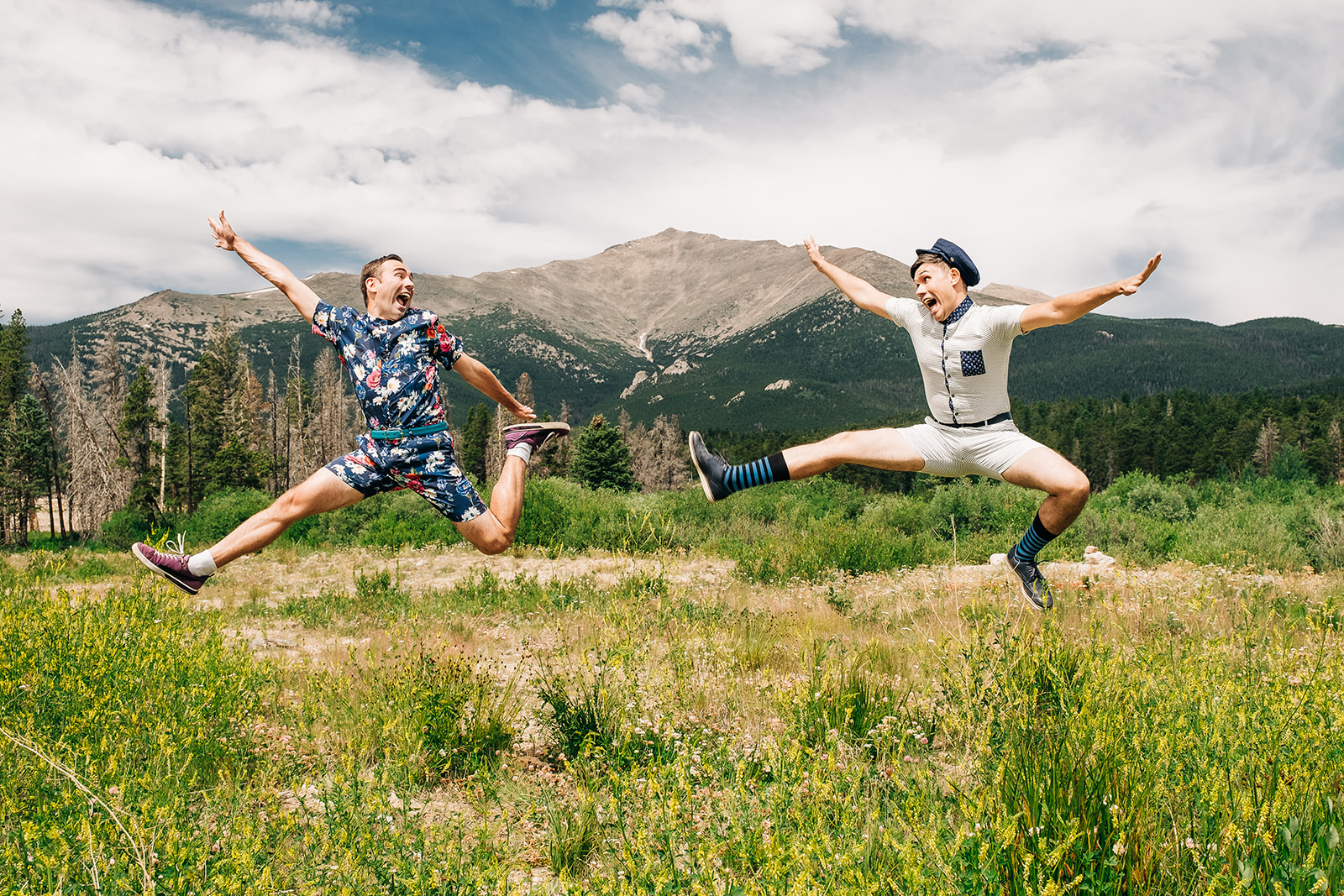


Image Credits
Photo of my face: Heather Henning
All other photos: taken by me. Copyright Libby Dollar Photography
Popular
-

The Trailblazers: Rewriting the Narrative
-

Celebrating the Spotlight: Kaytee Shashore Turns Milestones Into Momentum
-

Humanity in the Machine: Alexander Raye Pimentel’s Cyborg Recall Questions the Cost of a Data‑Driven World
-

Raemi Anderson on Courage, Caution, and Answering the Call of the Landscape
-

Hidden Gems: Local Businesses & Creatives You Should Know


