



Today we’d like to introduce you to Trent Claypool.
Hi Trent, so excited to have you on the platform. So before we get into questions about your work life, maybe you can bring our readers up to speed on your story and how you got to where you are today.
I started working at the University of Colorado Colorado Springs as a Staff Psychologist in late 2011, my first job out of residency and grad school. A significant number of my clients were dealing with the harmful effects of sexual and relationship violence. I committed myself to learning the best therapies to treat this specific type of trauma. Around 2016 I had been feeling confident in my ability to help my clients, but I was feeling really uneasy with my role.
After some thought and consultation, I realized I was feeling significant dissonance between my desire to help my clients and the intersection of my substantial racial and gender privilege and aspects of patriarchal society and rape culture. Put another way, while I was doing my part to help my clients recover, I became increasingly uncomfortable that I was not engaged in active work to create a better culture around gender-based violence, and specifically to work to end men’s violence against women.
With this growing feeling of dissonance, I walked into my executive director’s office, who happened to be the President-Elect for the American College Health Association (ACHA), and asked if she knew of any projects the ACHA had where I could contribute. From here, I served two years on the Task Force to Give Guidance on Addressing Sexual Assault of the ACHA, which included the publication of a position statement, guidelines on sexual assault prevention, and a toolkit: Addressing Sexual and Relationship Violence: A Trauma-Informed Approach. From this work, I was honored with the Ruth E. Boynton Award for Distinguished Service to the American College Health Association in 2018.
From here, I launched my own private practice where I have merged my passions of trauma work, ending sexual violence, helping victims and survivors heal, and the intersection with athletics and high-performing athletes. I have consulted at colleges and universities on trauma-informed principles for Title-IX investigations, to working with men’s athletics teams on creating cultures of sexual respect.
Alright, so let’s dig a little deeper into the story – has it been an easy path overall and if not, what were the challenges you’ve had to overcome?
Perhaps the biggest challenge in engaging in this work has been the openness and personal reflection required to do the work well. For instance, what exactly is my role in helping to dismantle patriarchal systems that perpetuate violence, and how can I show up in these spaces and honor those who are already doing the work? I believe it is essential for all men, and especially men who do this work, to start by looking within themselves and challenging their own patriarchal beliefs.
Can you tell our readers more about what you do and what you think sets you apart from others?
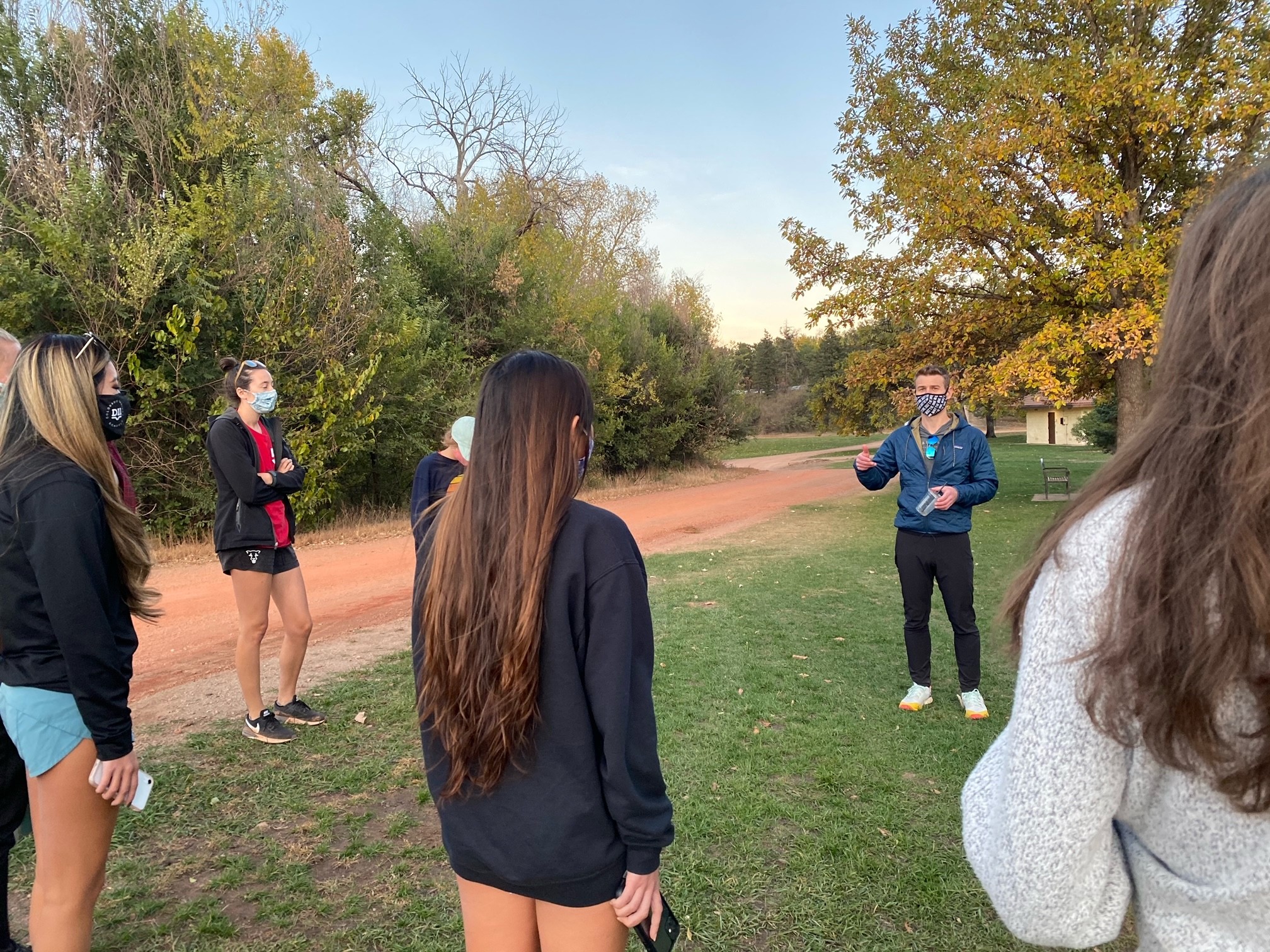
I am both a clinical and sports/performance psychologist. At this point in my career, I am known for my work in the treatment and prevention of gender-based and sexual violence, and also for my work at the intersection of athletics and mental health. I consult with organizations and colleges/universities about creating cultures of sexual respect and how to engage men in the prevention and response to sexual violence.
Do you have any advice for those looking to network or find a mentor?
My biggest piece of advice is saying “yes” to as many viable opportunities as possible. They won’t all work out or be a good fit, but stay curious and open–this will allow you to find your way into the right opportunities.
Contact Info:
- Website: www.trentclaypool.com


Popular
-

The Trailblazers: Rewriting the Narrative
-

Celebrating the Spotlight: Kaytee Shashore Turns Milestones Into Momentum
-

Humanity in the Machine: Alexander Raye Pimentel’s Cyborg Recall Questions the Cost of a Data‑Driven World
-

Raemi Anderson on Courage, Caution, and Answering the Call of the Landscape
-

Hidden Gems: Local Businesses & Creatives You Should Know


