



Today we’d like to introduce you to Whitney Cavanah, MA, LPCC.
Hi Whitney, can you start by introducing yourself? We’d love to learn more about how you got to where you are today?
I’ve always been drawn to the intersection of creativity, resilience, and human connection. Before becoming a therapist, I worked in education as a Kindergarten teacher, the performing arts as a studio owner in Denver, New Orleans, and Houston; and community service, which gave me the opportunity to witness firsthand the ways people express themselves, cope with hardship, and search for belonging. Over time, I found myself consistently pulled toward deeper conversations—ones that explored not only challenges, but also the possibilities for healing and growth. That calling led me into the field of counseling.
I earned my Master’s degree in Clinical Psychology with an emphasis in Marriage and Family Therapy and have since, built diverse experience working with at-risk youth, supporting individuals through trauma, and walking alongside families and relationships navigating complex dynamics. My volunteer work with organizations like Namaste Hospice and Special Olympics also shaped my belief that every person carries an inner capacity to evolve, and that healing happens most profoundly when people feel safe, seen, and supported.
The Refuge Marriage and Family Therapy was born from that belief. The name itself reflects what I want this practice to be—a refuge, a place of safety where individuals, couples, and families can lay down their burdens and find room to grow. Today, I specialize in working with neurodivergent individuals and couples, people carrying relational trauma, and families who are striving to better understand and support one another. My approach is trauma-informed, inclusive, and rooted in both evidence-based practices and creative interventions like mindfulness, narrative therapy, and somatic experiencing.
Getting here has been a journey of weaving together all of those experiences—my background in the arts, my research in trauma and caregiver well-being, and my commitment to providing care that is both compassionate and clinically sound. I see The Refuge as more than a therapy practice; it’s a safe harbor where people can reconnect with themselves and each other, and begin to write new, healthier chapters of their story.
Can you talk to us a bit about the challenges and lessons you’ve learned along the way. Looking back would you say it’s been easy or smooth in retrospect?
It definitely hasn’t always been a smooth road. Like many therapists who step into private practice, I had to learn how to balance two worlds at once: the clinical side of providing excellent care, and the business side of actually running a practice. That meant figuring out everything from systems and schedules to marketing and finances, which can be a steep learning curve when your heart is primarily focused on helping people.
On a personal level, there’s also been the challenge of holding space for clients’ deep pain while making sure I stay grounded in my own well-being. Compassion fatigue and burnout are very real in this field, and I’ve had to be intentional about building rhythms of rest, community, and creativity into my own life so I can show up fully for the people I serve.
Another challenge has been creating a practice that is both inclusive and specialized—especially in working with neurodivergent individuals and couples, as well as those carrying relational trauma. These are complex, layered areas that require continuous learning, humility, and advocacy, which is deeply meaningful work but also comes with its share of challenges.
That said, each struggle has ultimately shaped The Refuge into what it is today: a safe and thoughtful space that reflects not just my training, but also the lessons learned from walking through those very obstacles.
Appreciate you sharing that. What else should we know about what you do?
At The Refuge Marriage and Family Therapy, my work centers on creating a safe and compassionate space where individuals, couples, and families can explore their stories, heal from relational wounds, and discover new ways of connecting. I specialize in working with neurodivergent clients and couples, as well as those navigating trauma, attachment challenges, and disordered eating. Because many of my clients carry overlapping identities and complex experiences, my approach is holistic, creative, and deeply trauma-informed.
I’m most proud of how The Refuge has become a place where people feel genuinely seen and affirmed—especially those who may not have felt fully understood in other therapeutic settings. I believe what sets me apart is the way I integrate a variety of approaches—like Somatic Experiencing, Narrative Therapy, inner child work, and mindfulness practices—into a process that’s tailored to each person or relationship. I also see therapy as more than “just talking”—it’s about helping people understand how past experiences live in their bodies and relationships, and then finding ways to move forward with intention, healing, and hope.
What also makes The Refuge unique is our commitment to working at the intersections of mental health and lived experience. We don’t shy away from complexity—whether it’s neurodivergence, relational trauma, or the stressors of modern family life. We meet clients exactly where they are, with respect and creativity, and help them build the tools they need to thrive.
Ultimately, what I’m most proud of is watching clients begin to trust themselves again, reconnect with their loved ones, and experience moments of peace they once thought were out of reach. That transformation is the heart of what we do at The Refuge, and it’s a privilege to walk alongside it.
Do you have any advice for those just starting out?
If I could give one piece of advice to those just starting out, it would be to trust the process of becoming. It’s easy to get caught up in comparison, self-doubt, or the pressure to have everything figured out at once. But the truth is, your career—and your sense of who you are as a professional—unfolds over time. Each client, each challenge, and each success teaches you something that shapes your practice.
I wish I had known earlier that it’s okay to not have all the answers. Therapy isn’t about being perfect or knowing everything—it’s about being present, authentic, and willing to keep learning. The therapeutic relationship itself is often the most healing part of the work, and that grows when we show up as our whole selves.
I’d also say: invest in your support system. Surround yourself with mentors, colleagues, and supervisors who encourage you, challenge you, and remind you why you started. Doing this work can be deeply rewarding, but it can also be heavy at times. Having a strong community keeps you grounded and nourished.
Lastly, lean into your uniqueness. What makes you different—your story, your perspective, your approach—is what will draw the people who need your help most. You don’t have to fit into a mold; you get to create the kind of space you always wished existed.
Contact Info:
- Website: https://www.therefugemarriageandfamily.com
- Instagram: https://www.instagram.com/therefugemarriagefam/
- Facebook: https://www.facebook.com/profile.php?id=61565079807454
- LinkedIn: https://www.linkedin.com/in/whitney-cavanah-8b815877/
- Other: https://www.psychologytoday.com/profile/1195565

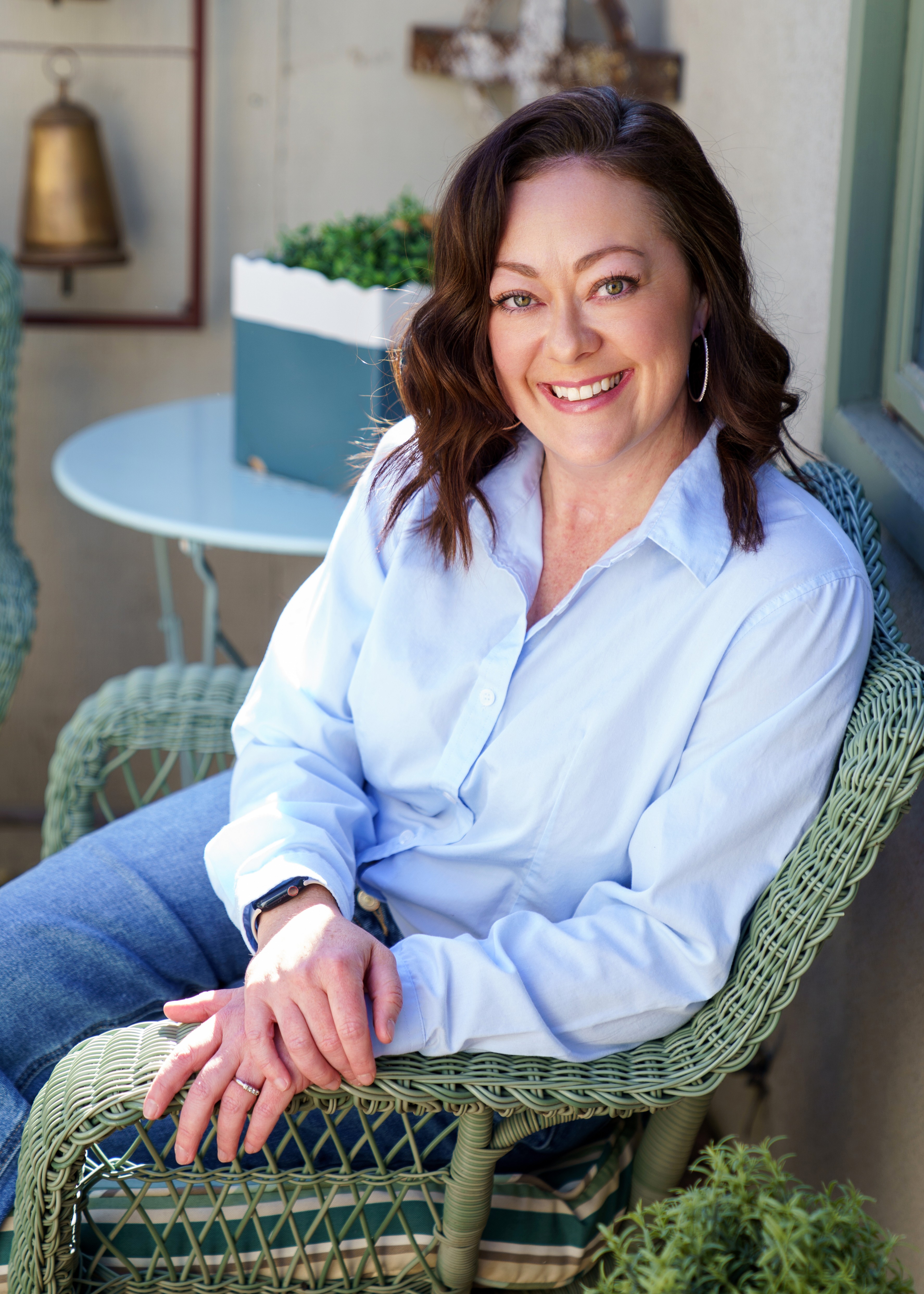
Image Credits
Whitney Cavanah
Popular
-

The Trailblazers: Rewriting the Narrative
-

Celebrating the Spotlight: Kaytee Shashore Turns Milestones Into Momentum
-

Humanity in the Machine: Alexander Raye Pimentel’s Cyborg Recall Questions the Cost of a Data‑Driven World
-

Raemi Anderson on Courage, Caution, and Answering the Call of the Landscape
-

Hidden Gems: Local Businesses & Creatives You Should Know


