



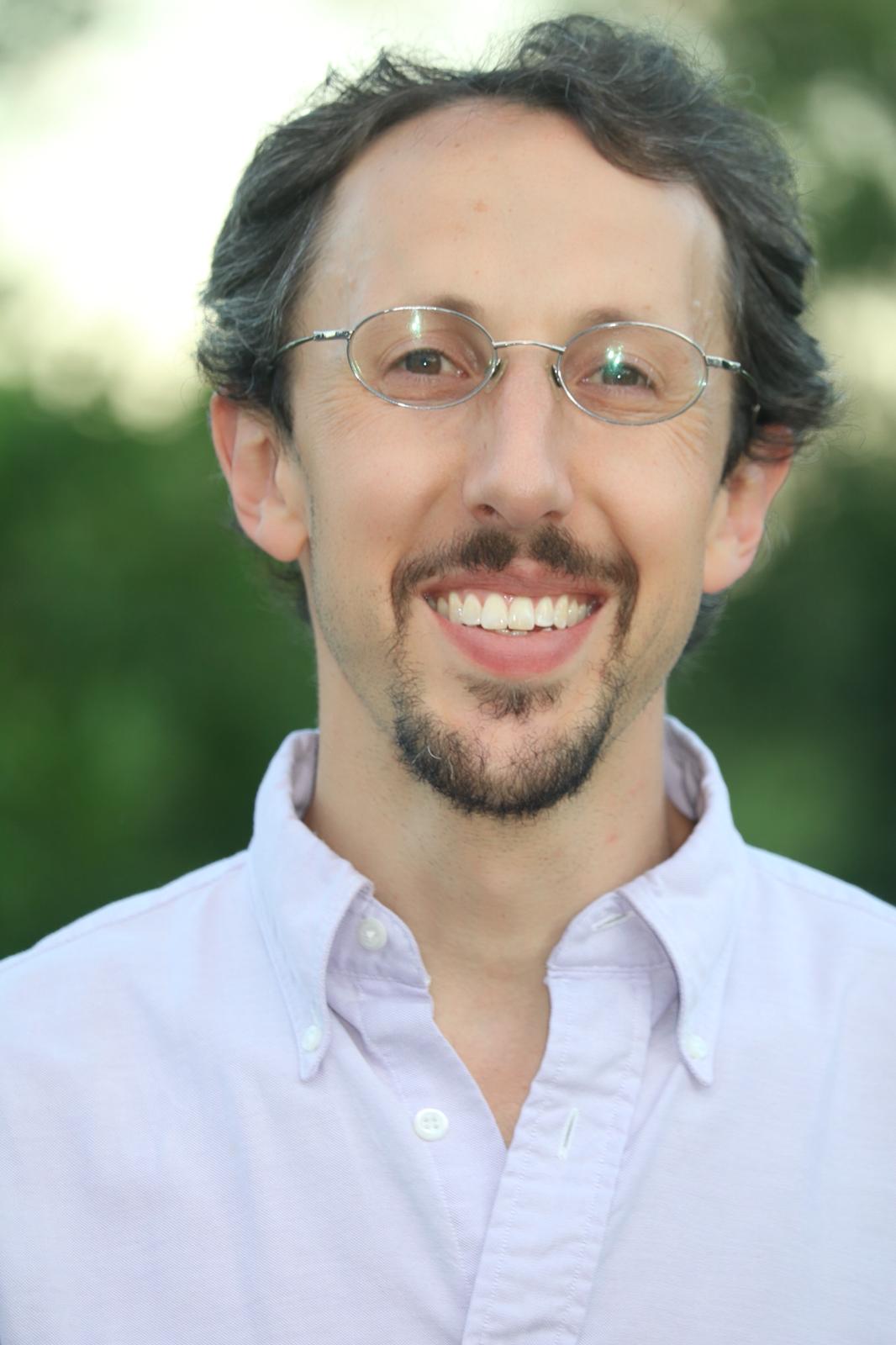
Today we’d like to introduce you to Art Ginley.
Hi Art, so excited to have you on the platform. So before we get into questions about your work-life, maybe you can bring our readers up to speed on your story and how you got to where you are today?
It’s hard to know where to start. In part my story starts with me joining the Peace Corps in a journey of self-discovery and longing for purpose, and in part it starts with growing up in family where I felt misunderstood and unseen. A lot of my earlier life was spent trying to understand myself and understand the challenges I had in dealing with the expectations of the people and the world around me. After college I joined the Peace Corps and had my worldview completely challenged. I learned a second language, worked to integrate into another culture, fell in love and learned a lot about myself. I then moved to Israel and learned a third language, connected with my cultural and ethnic heritage, and deepened my relationship with my partner. Then I returned to the US and got married and thought I would establish my life and my career. It took time, but I realized that I needed more direction in terms of a career and I needed a lot more skills and understanding of myself to maintain a stable, healthy relationship. I applied to a number of jobs with different career paths, and was on the fence between Psychotherapy and Carpenter’s Apprentice when I got the call that I was accepted at Argosy for a Master’s program in Clinical Mental health Counseling. I started seeing a therapist of my own and he challenged me a lot and I had to do a lot of growing pretty quick to get my life on track and create the foundation for my career and family. I got a job with Windhorse Community Services, a Contemplative-based home health agency, working with people dealing with psychosis and other severe and persistent mental health issues. I also started studying Gestalt therapy and overtime the Gestalt and Contemplative approaches to psychotherapy influenced my practice as a therapist and my understanding of myself and the world. I started a private practice and it took time to build my reputation and create stability between private practice, agency work, family and other hobbies. I’ve been with Windhorse now for about 10 years and I’ve had a private practice for around 7 years. I am still learning and growing as a therapist and I have seen some great accomplishments and growth in the people that I work with, and that has been the most rewarding part of the work that I do – the way I see people heal old wounds and grow in their own lives as well as the way my client’s challenge me to grow and look at the world differently.
I’m sure it wasn’t obstacle-free, but would you say the journey has been fairly smooth so far?
It has not always been a smooth road. I think the hardest part was initially just committing to a career path and following through with that path. It was also difficult to start a private practice because I am not the most outgoing and social of people, so I had to really push myself to go out and network and make connections and make referrals to others to maintain those relationships and build a presence within a community filled with a lot of therapists. Additionally, in the time that I have been and become a therapist I have also had to manage my personal life and learn how to balance family life with my professional responsibilities.
Appreciate you sharing that. What else should we know about what you do?
Relationship is an essential part of what I do as a therapist. So I bring my whole self as much as I can into my interactions with my clients. I am a martial artist and in the past was a ski patroller, Peace Corps volunteer, and more. So really what I bring is a lot of experience and a lot of openness and understanding that life is different for all of us and one of the biggest challenges is just creating intimacy and building a meaningful relationship with someone. To build relationship and work with the areas that we struggle to create intimacy and deeper connection we have to explore all aspects of ourselves: our minds, our bodies, the subtle communications we have in tone of voice, body language, etc. and we have to explore our spirituality, values and beliefs – the things that bring us meaning and purpose. This is what I focus on and where my diverse background of experiences, multiculturalism, knowing multiple languages and traditions helps a lot. Creating deep relationships and thereby deep healing and personal growth can be very challenging and we need someone who can hold space, ground and be present and loving with all parts of our sevles.
Risk taking is a topic that people have widely differing views on – we’d love to hear your thoughts.
I think risk in general is a good thing. It is through disrupting our comfort that we are able to see outside ourselves and find opportunities for growth and healing. We need to take risks within a safe container otherwise they can turn into dangerous situations that can potentially cause a lot of physical, mental, emotional harm or death. In young children they need to take risks to grow and learn that their world expands beyond their home and immediate family, and at the same time they need boundaries from their parents to have a sense of safety and know that they can explore these new frontiers and be okay and have a tether back to the comfort and safety of home. So I think a certain amount of risk is essential for us to move forward in our lives.
I have taken risks in my life and some have turned out well and some have not turned out so well. Probably the biggest risk I took was joining the Peace Corps and moving to Kazakhstan for 2.5 years. I signed up without thinking too much about how difficult the experience would be or how it might change me in ways I couldn’t predict. It was a completely different experience than anything else I’ve experienced in my life and I learned so much about myself and met my wife out there. Looking back the experience changed me as a person and was the catalyst of so many things shifting in my life and relationships – some good and some bad.
Pricing:
- $150 per hour for individuals, couples and families.
- Work with most insurances.
Contact Info:
- Website: https://integrativewellbeingboulder.com/
- Facebook: https://www.facebook.com/search/top?q=integrative%20wellbeing
- LinkedIn: https://www.linkedin.com/in/arthur-ginley-23027362/

Image Credits
Art Ginley
The Integrative Wellbeing logo – Luda Ginley.
Popular
-

The Trailblazers: Rewriting the Narrative
-

Celebrating the Spotlight: Kaytee Shashore Turns Milestones Into Momentum
-

Humanity in the Machine: Alexander Raye Pimentel’s Cyborg Recall Questions the Cost of a Data‑Driven World
-

Raemi Anderson on Courage, Caution, and Answering the Call of the Landscape
-

Hidden Gems: Local Businesses & Creatives You Should Know


