

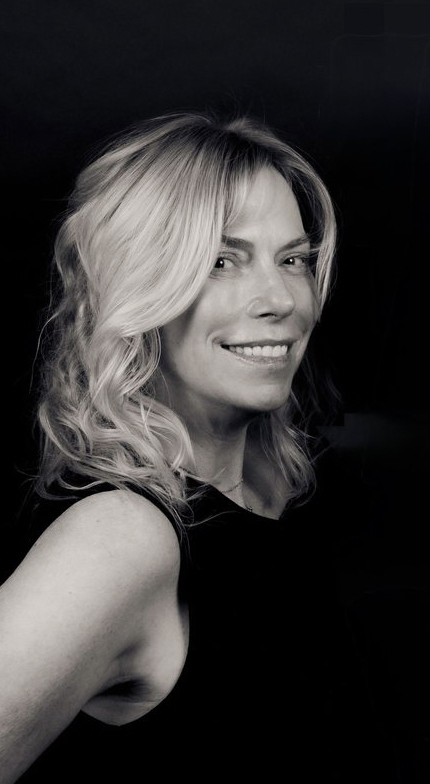
Today we’d like to introduce you to Cara Bloch.
Hi Cara, we’re thrilled to have a chance to learn your story today. So, before we get into specifics, maybe you can briefly walk us through how you got to where you are today?
I began my photography career in New York City, drawn to photography through my love of alternative music, art, and the culture surrounding it. I loved the craziness of it- the energy, the noise, the late nights, the unexpected people you’d meet- and the chaotic surprises the city held. I studied at The International Center for Photography, and after graduating, I assisted photographers during the day and photographed bands at night. After a gig, I followed up by sending images in the mail to be used as press photos for musicians, created content for local bands, sent faxes, wrote letters to editors- basically doing whatever I could to get work in front of editors while hustling to assist anyone who would hire me.
My dad’s stories about his early cold-calling and stock-selling heavily influenced me. In a full dramatic tone, he would tell me about picking up the phone, calling strangers, making a pitch, getting rejected, and then picking up the phone and doing it all over again. You have to be willing to hear no- and call again tomorrow. That became the foundation of my career.
After experiencing so much rejection, I eventually became less nervous about hearing “no.” Weirdly, rejection became freeing. The more I did it, the more fearless I became- and a lot of those risks eventually paid off. I stopped overthinking every opportunity and started having fun trying to land a job.
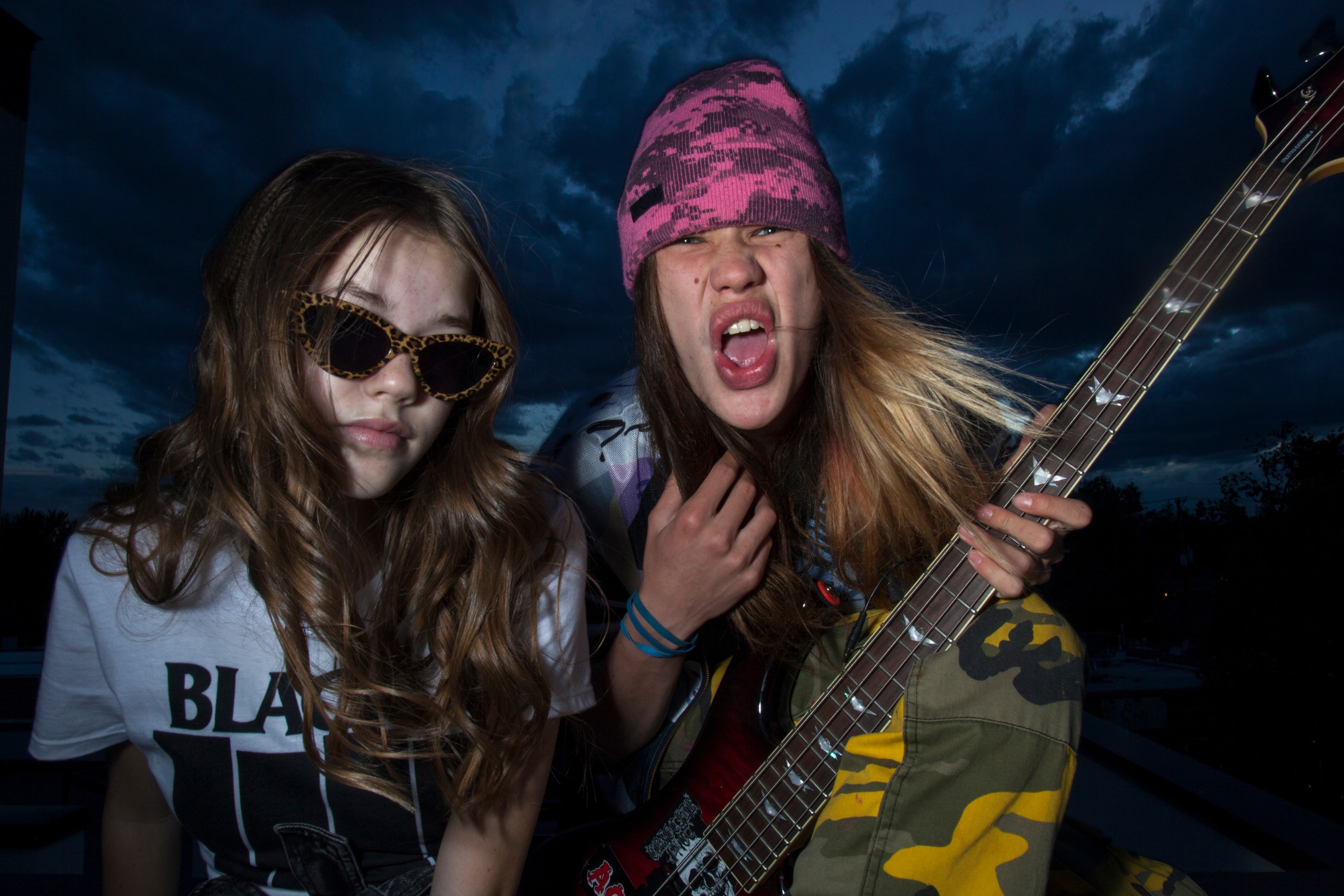
My first break came through with a magazine called Index that published the work I created for my school thesis and my local band photos. After that, small independent magazines like Punk Planet, The Fader, and Pop Smear started to send me on very low-budget assignments. A friend gave me a tip to try my luck in Europe, which worked out better than my experience in NYC. I had been showing my portfolio around in London, and somehow I attracted the attention of NME who gave me an opportunity to work as a correspondent covering all the new bands coming out of New York City at the time, and I jumped at the opportunity. Suddenly, I wasn’t just photographing bands for fun anymore- I was actually working as a rock photojournalist. One assignment led to another, opening doors to publications like Rolling Stone, Spin, The Wire, Exit, The New York Times, and more.
I’m sure it wasn’t obstacle-free, but would you say the journey has been fairly smooth so far?
There were plenty of moments when I wondered if I was completely out of my mind. Photography is not a consistent or stable career choice-you can have an incredible week and then suddenly have no idea where the next paycheck is coming from. While completing assignments for cool bands that didn’t pay, I also worked as a photographer photographing events, tourists in Central Park, created headshots, and worked photographing Bar and Bat Mitzvahs. There were assignments that fell through, people who never called back, editors who passed on my work, and plenty of periods when I was scrambling to figure out what was next. I was constantly hustling for the next job while trying to stay creative and create work that actually meant something to me.
There was also the reality of being a young photographer in New York, trying to make a name for myself in a very competitive industry. If I didn’t succeed on an assignment, there were photographers right behind me that would photograph the assignment for free. I had to learn how to negotiate, network, market myself, manage money, and somehow still create exciting work. Once I started to get more jobs on my own, people weren’t so cool and nice to me at the Darkroom I printed at, and I began working so much that I had no time for romance, and friendships started to fade.
Alright, so let’s switch gears a bit and talk business. What should we know about your work?
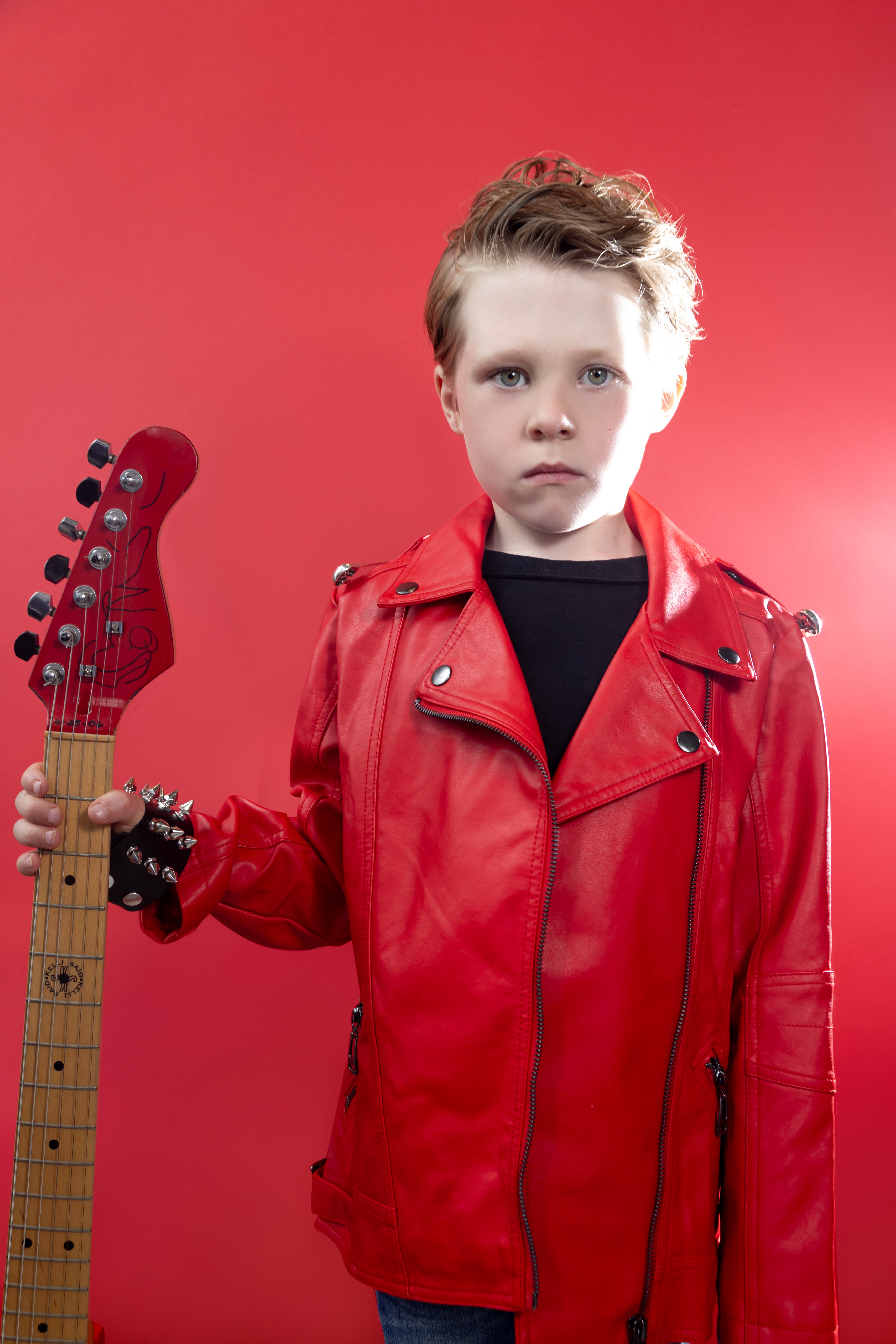
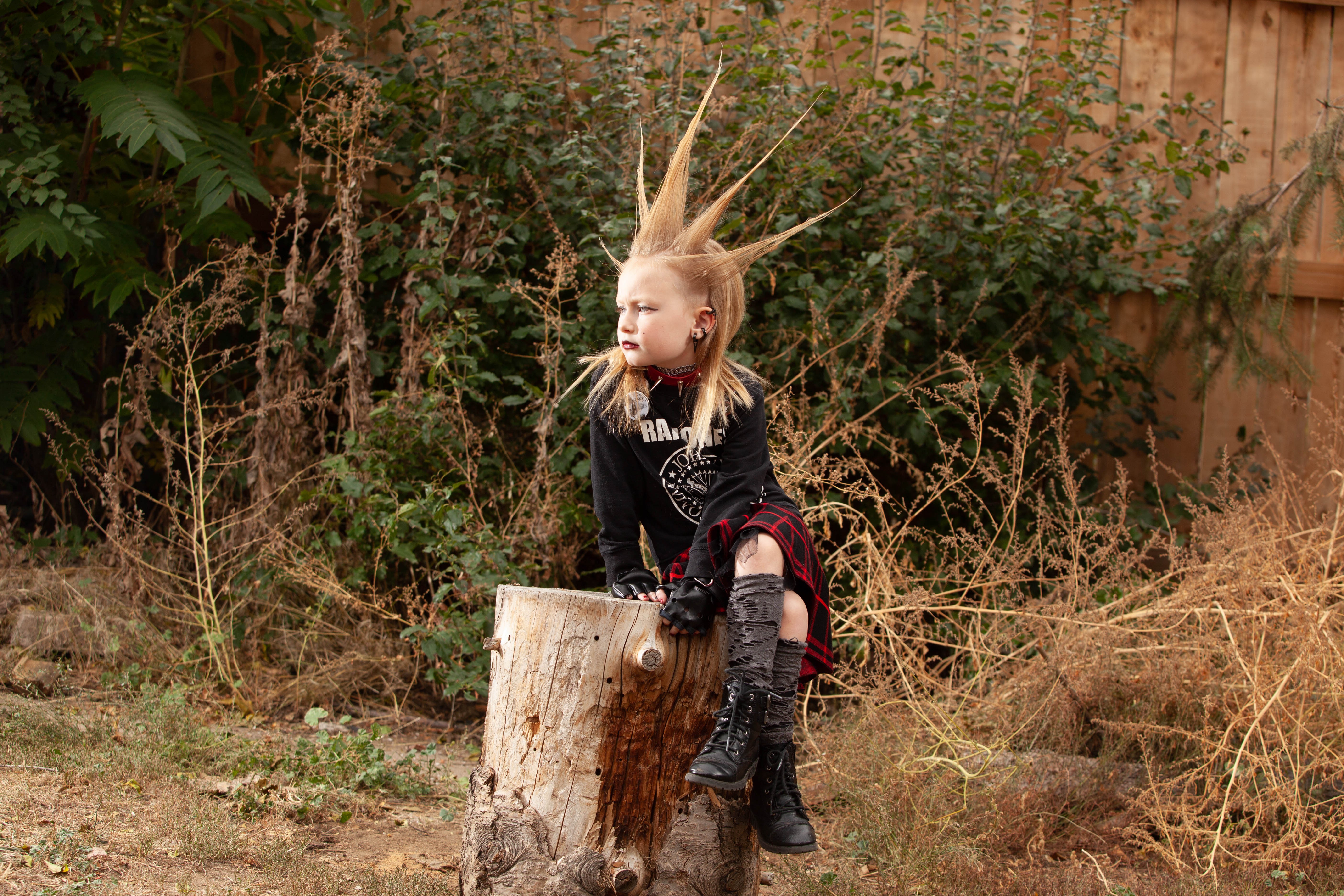
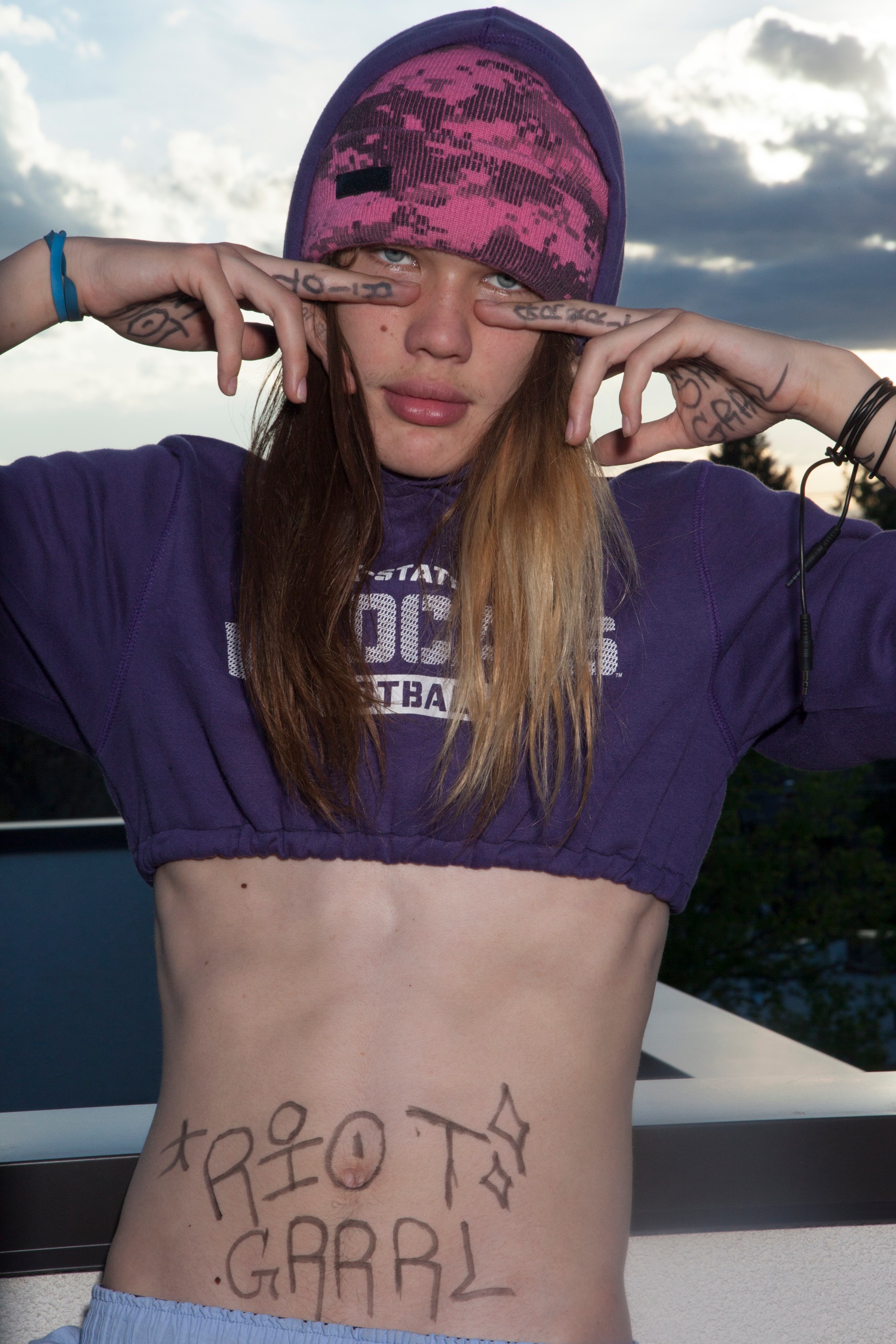
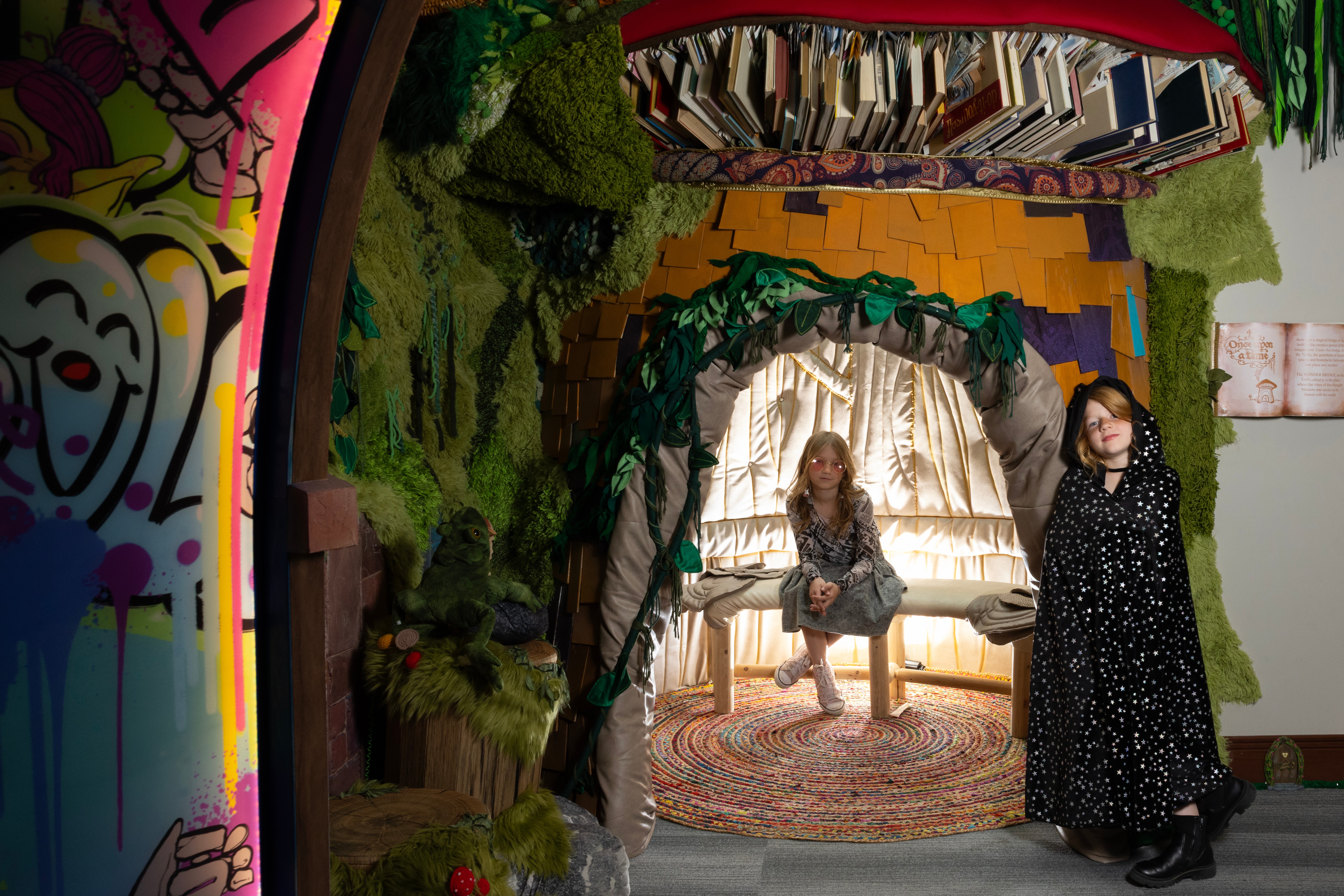
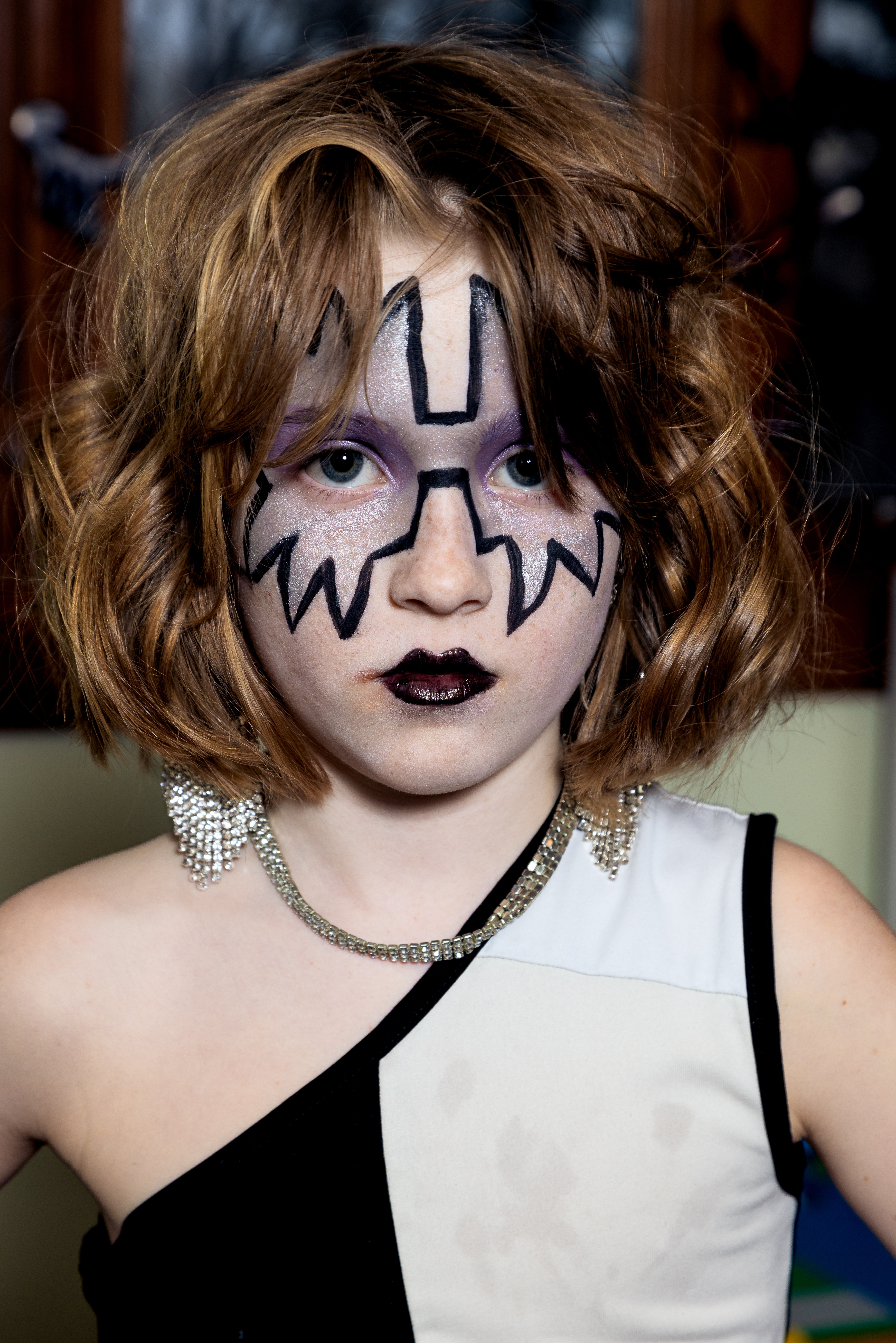
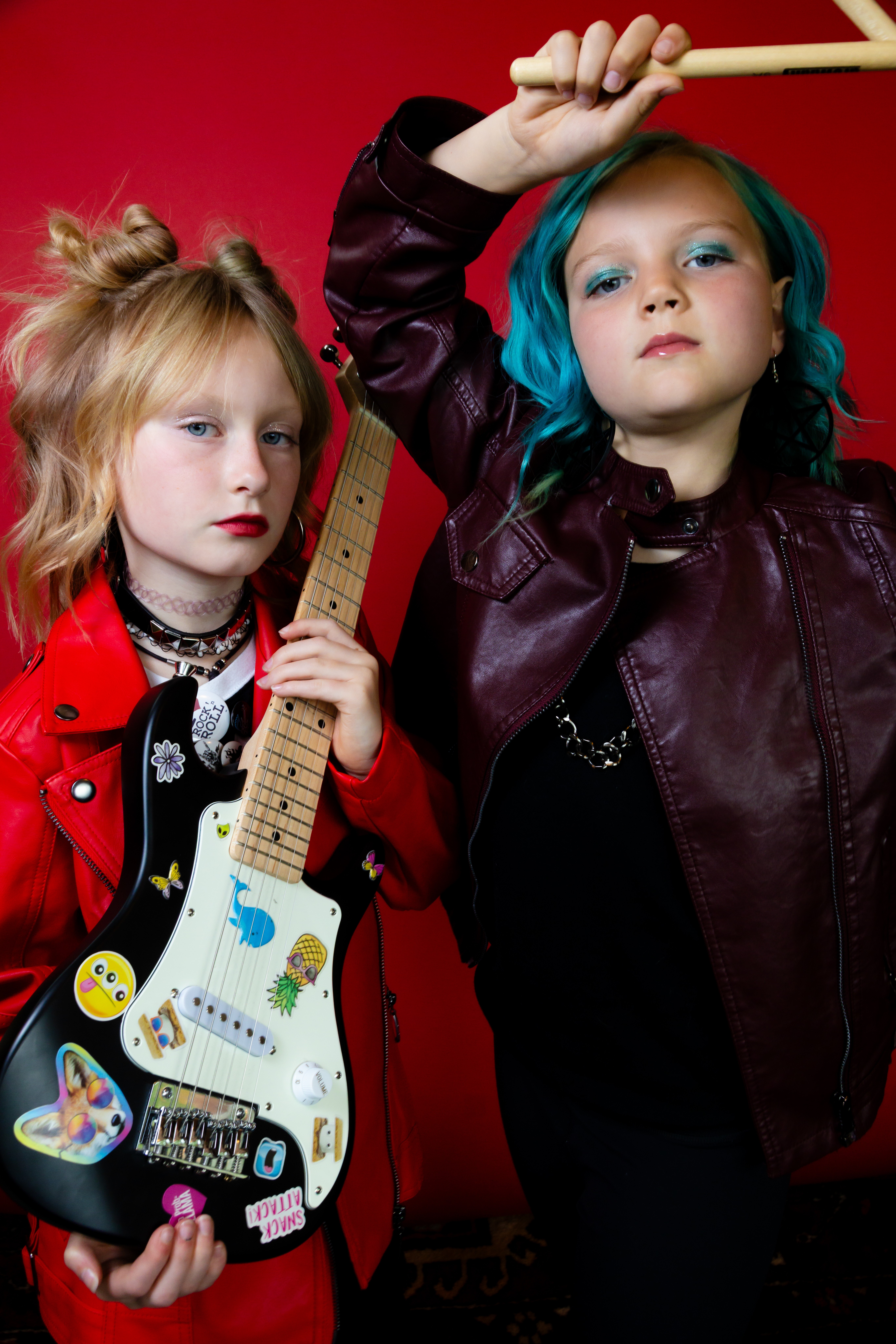
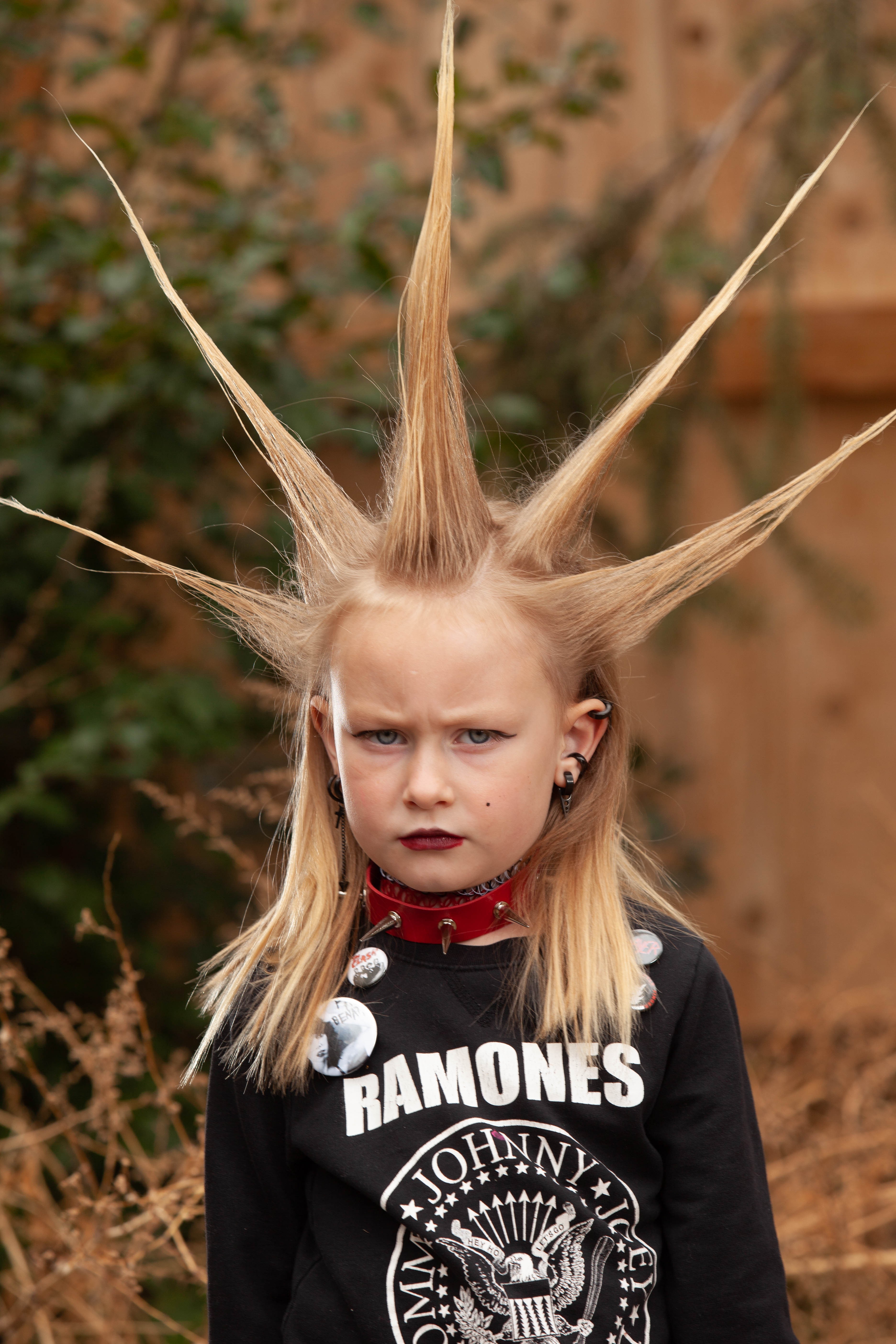
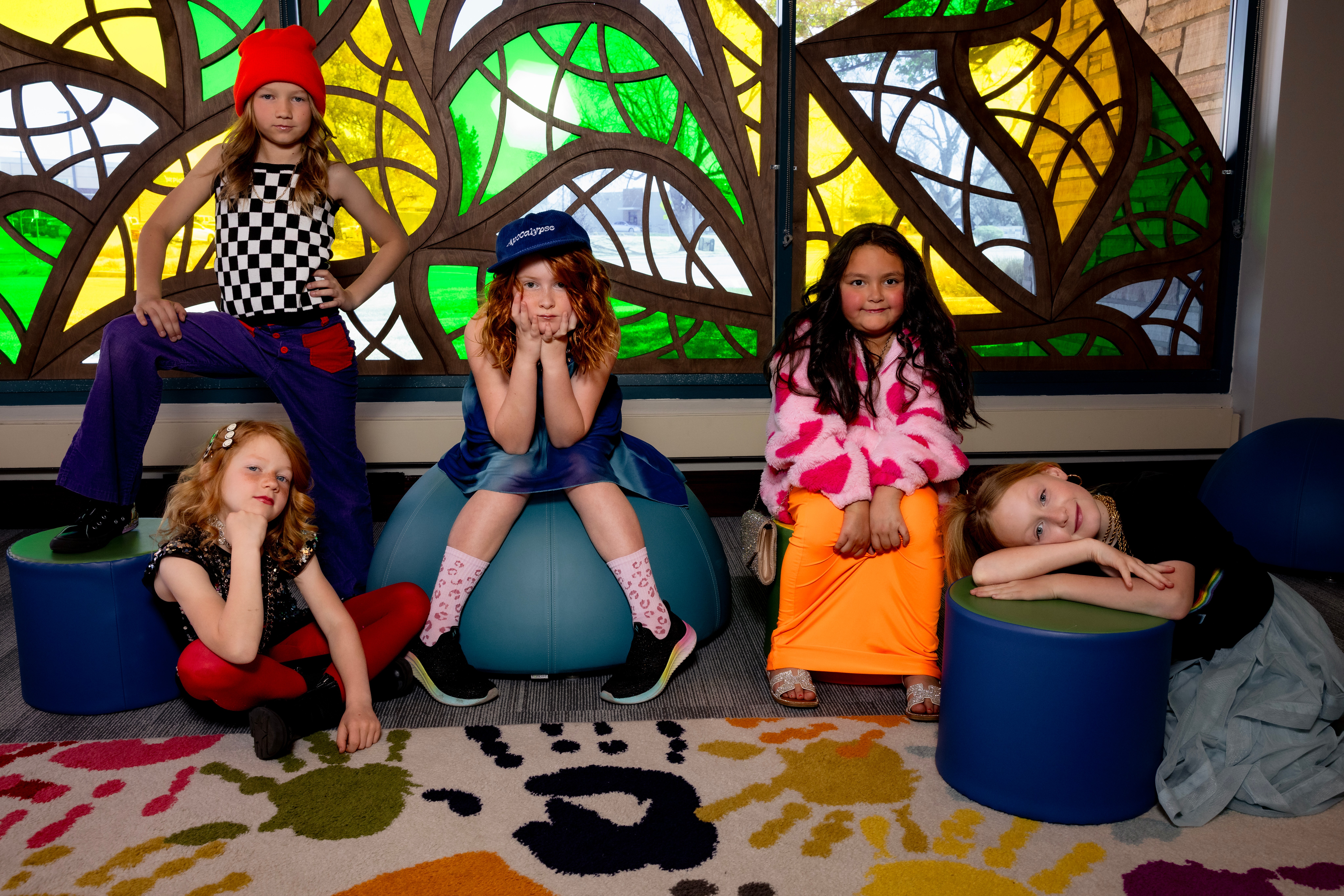
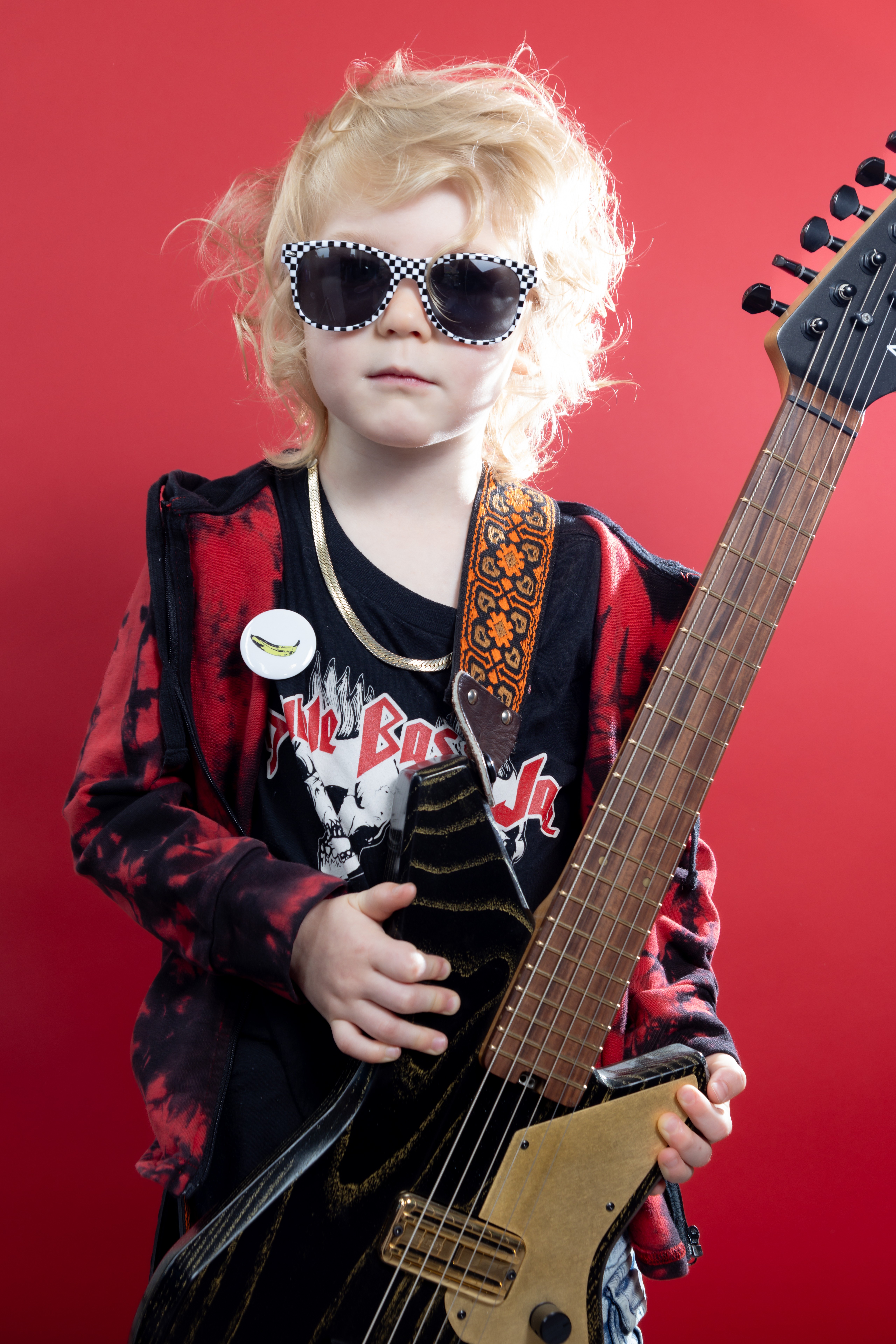
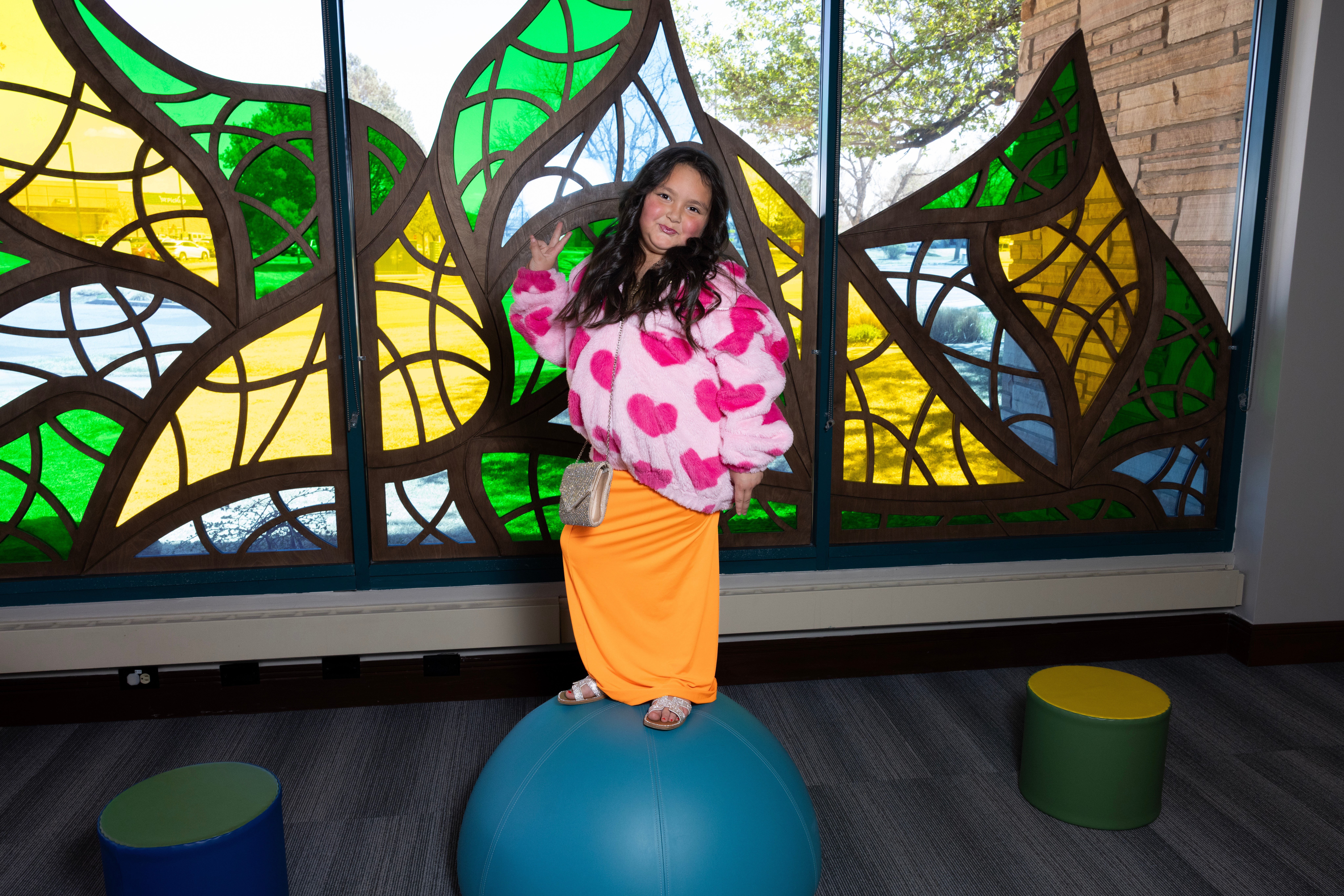
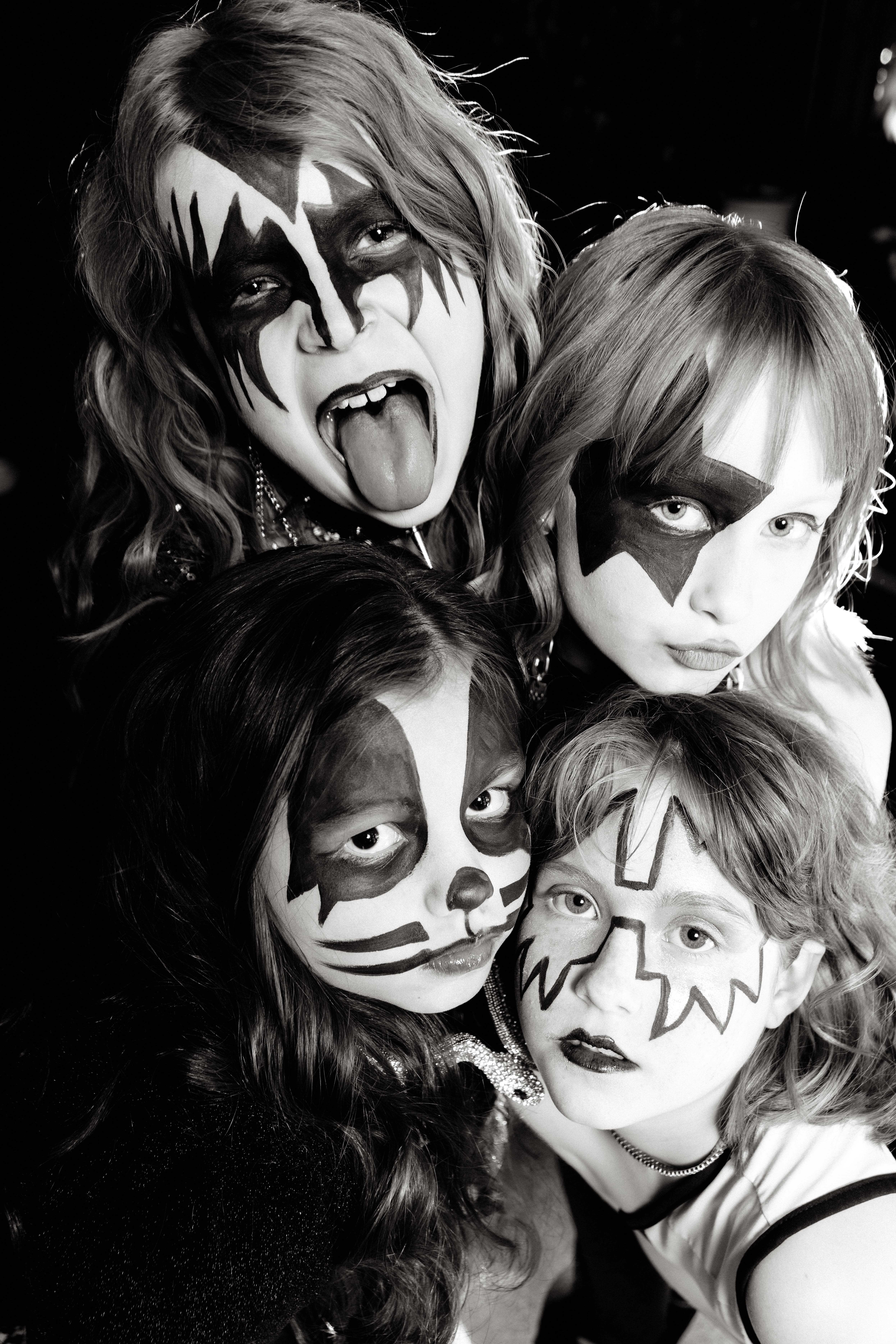
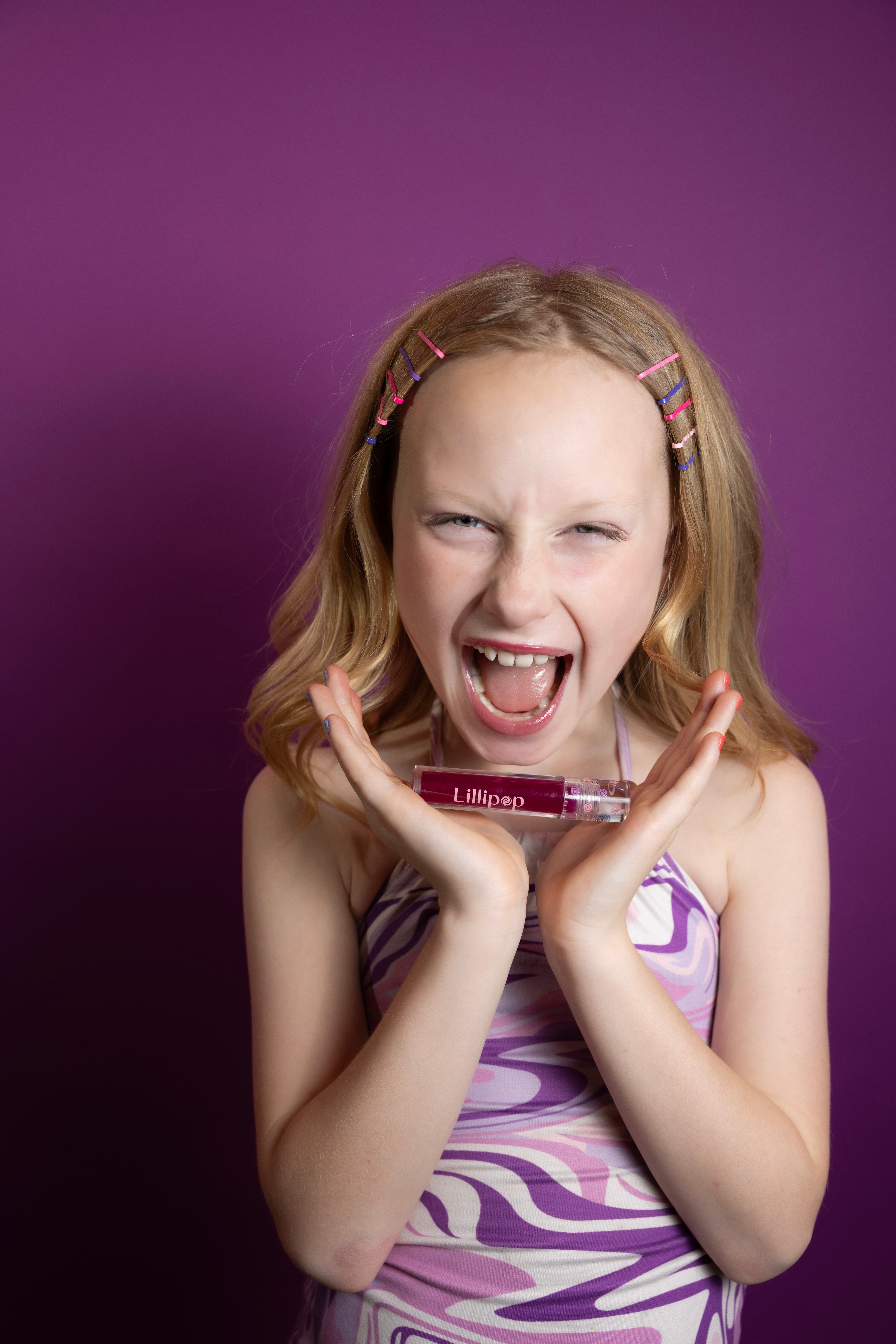
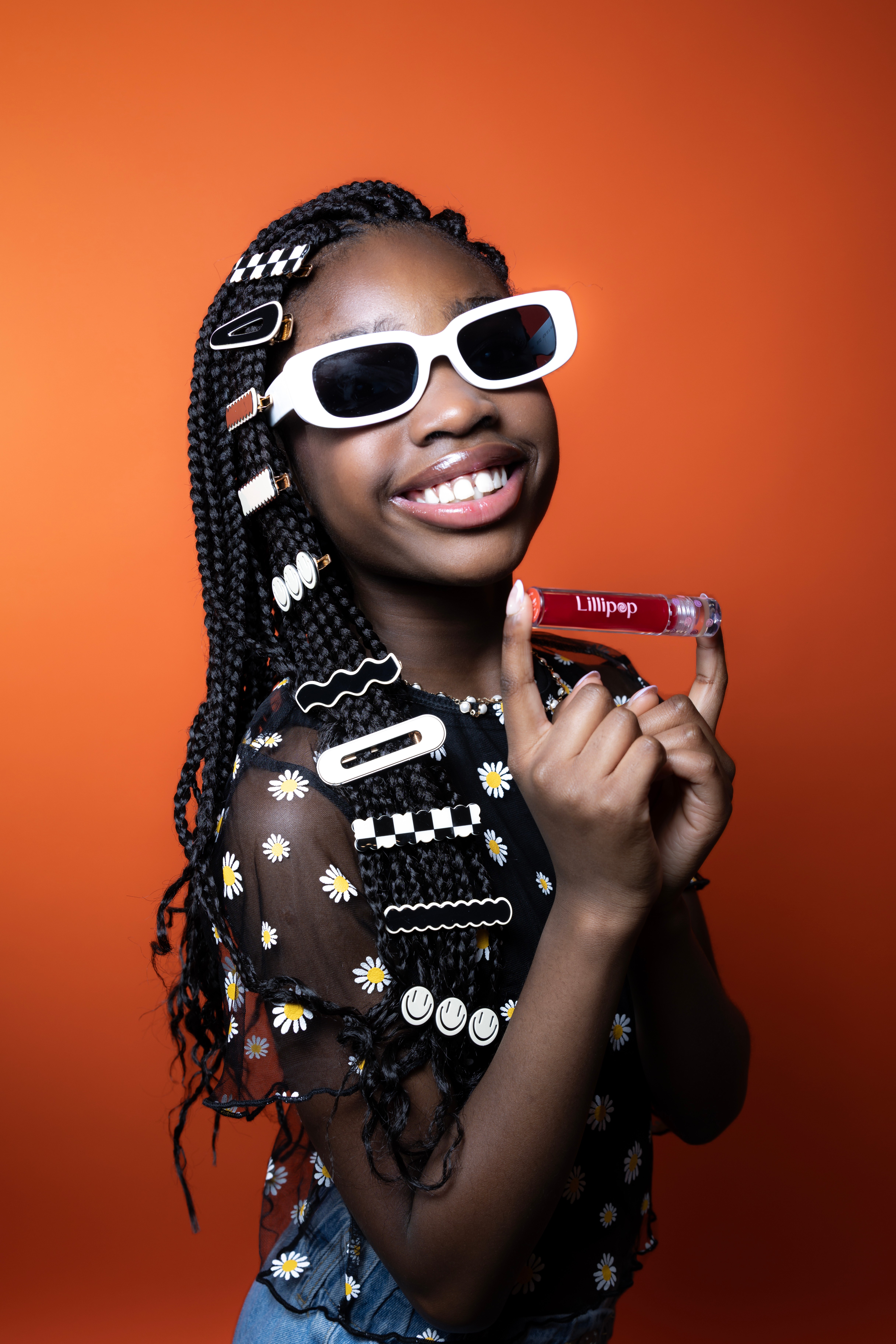
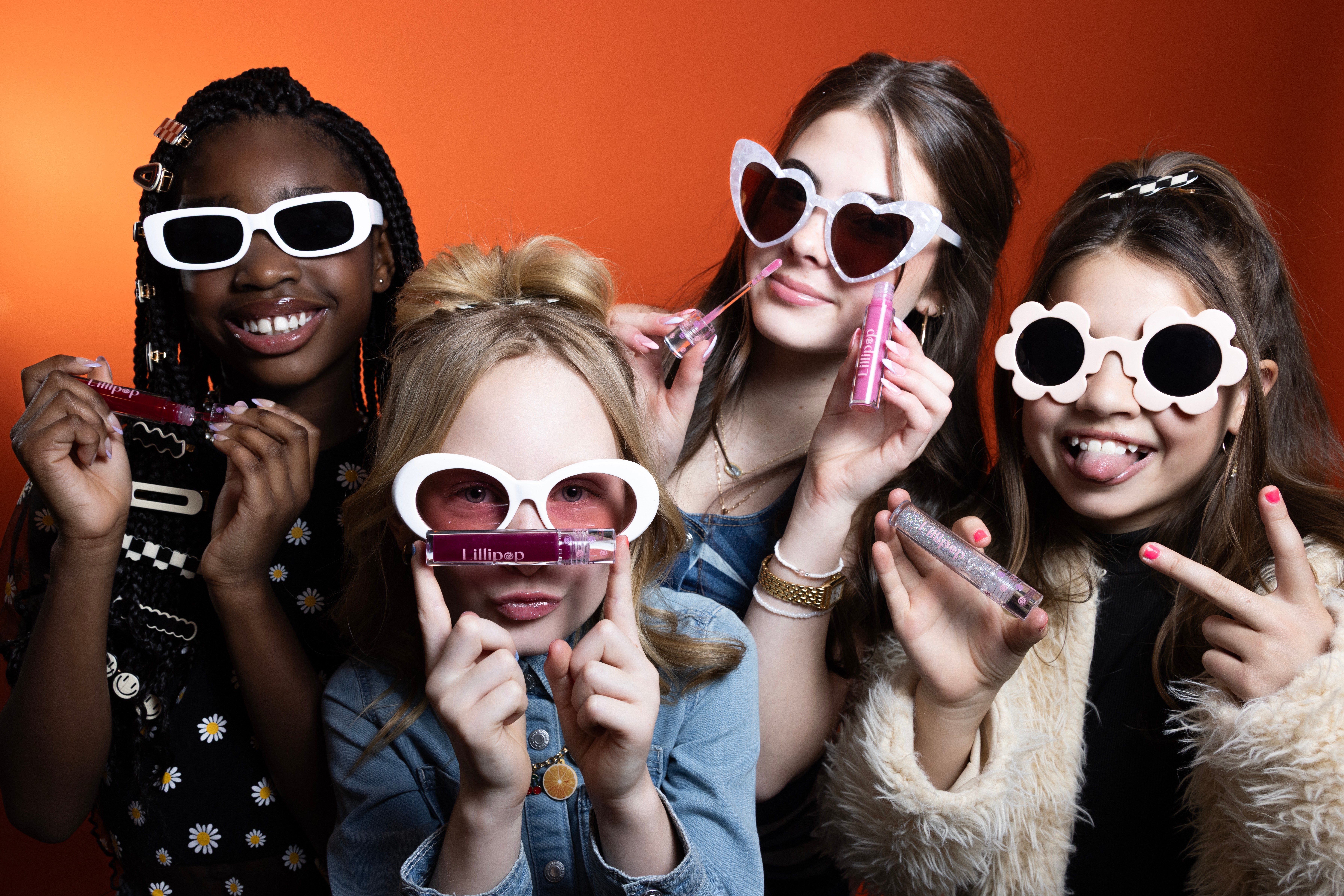
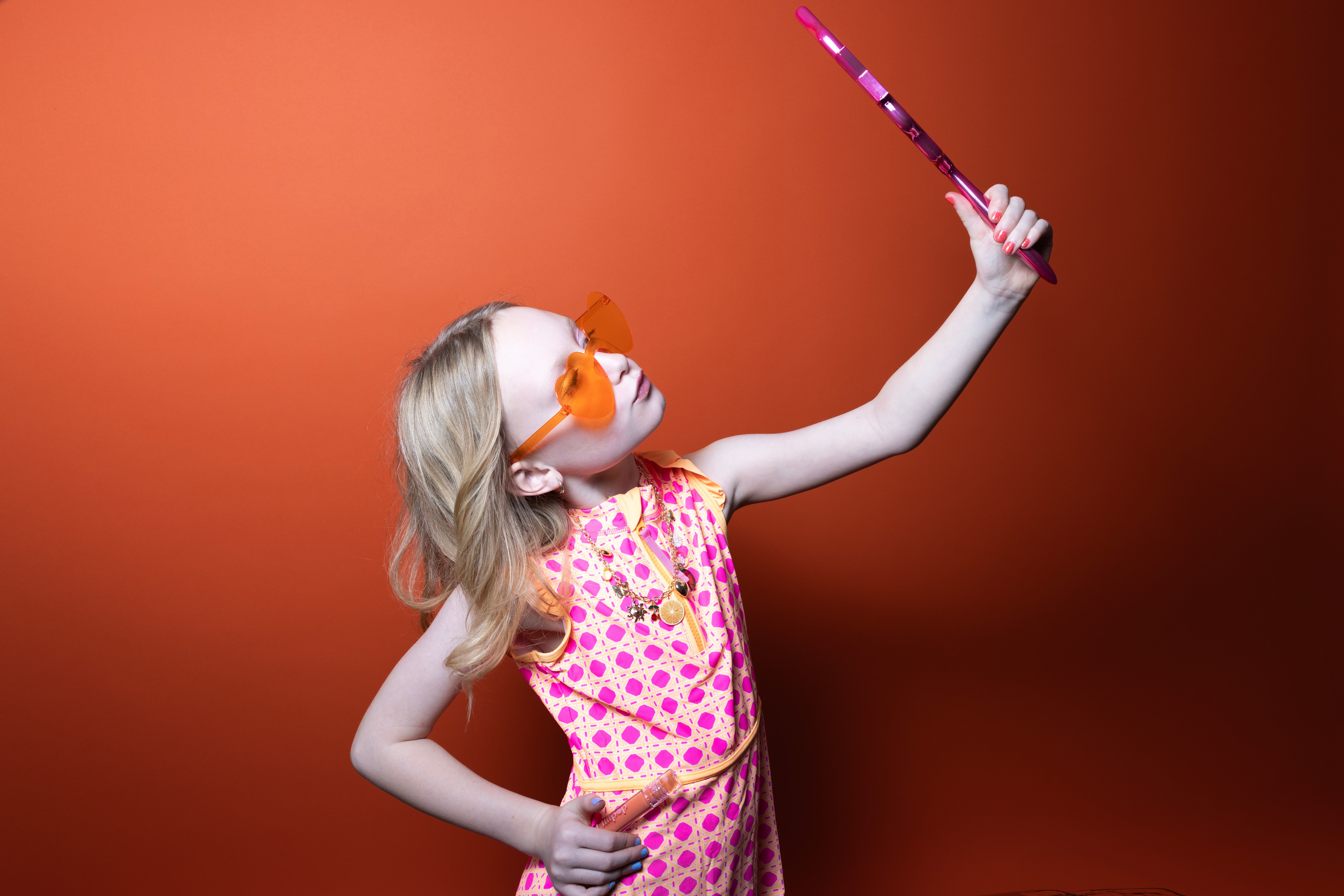
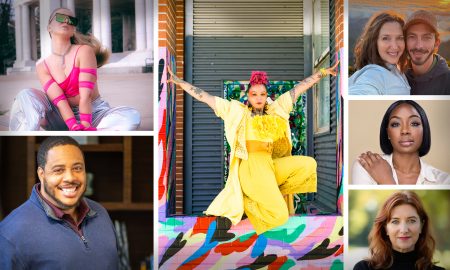
Although I started my career as a rock photojournalist, my work has grown far beyond music photography. Over time, I realized that my portraiture was developing its own aesthetic- and that aesthetic started creating opportunities for me. I’ve never been particularly interested in overly polished, stiff, traditional portraits. The images I’d create had a little edge, humor, and imperfection. I am drawn to strong personalities, interesting faces, unexpected environments, movement, and moments that feel slightly offbeat. Even when I am creating a polished portrait, I don’t want it to feel overly manufactured or generic. I think about composition, styling, light, location, and how the image will live on a page or within a larger story.
Most importantly, I want my portraits to feel like people, not poses. I am drawn to contrast: beautiful and gritty, polished and imperfect, controlled and spontaneous. I am not afraid of color, unusual locations, or any type of visual chaos when they serve the photograph. I started in film using a Mamiya RZ67, which is a large format with a large negative that produces incredible depth and richness; since the camera is large, it slows you down and really makes you look. It forces a certain level of intention and connection with the subject. You’re making a photograph rather than simply just taking one. I’m interested in creating images that reveal something unexpected- through unusual perspectives, unconventional composition, movement, gesture, and the tension between the subject and their surroundings.
I love working commercially. I love the collaboration, the energy, the problem-solving, and the challenge of taking someone else’s vision and turning it into something visually compelling. I created documentary projects for myself to balance out my commercial assignments and keep my creative side alive. These personal projects gave me the freedom to follow my curiosity, take risks, and photograph the things I was genuinely interested in- without the expectations or constraints of a client. Those projects gave me permission to experiment, take risks, and follow my curiosity without waiting for someone to hire me. They also kept me from getting too comfortable. I think that balance- making work for clients while continually making work for myself- is a big part of what has kept photography exciting for me for so many years. One project in particular was photographing fanatics in parking lots surrounding music events, sporting events, and political rallies. The project, The American Parking Lot, grew out of my fascination with the culture that exists around these events-the people, the rituals, the costumes, the anticipation, and the sense of belonging that happens before anyone even enters the venue. The project has evolved over two decades, has been published in Exit Magazine, and has been honored in American Photography several times.
Networking and finding a mentor can have such a positive impact on one’s life and career. Any advice?
If you want to find a mentor, don’t just ask someone to be your mentor. Find someone whose work genuinely blows your mind, then figure out a way to get on their radar. I got one of my most important opportunities by writing a letter to a director whose work I admired and explaining exactly why. I wasn’t afraid to say, “I want to learn from you.” That kind of genuine enthusiasm stands out. It was important to me to love going to work- not just waking up every morning and going to a job. I wanted a career that made me curious, kept me moving, and gave me a reason to be excited about what the day might bring.
Contact Info:
- Website: https://carabloch.com
- Instagram: cara.bloch
- Facebook: carabloch
- LinkedIn: CARA BLOCH