



Today we’d like to introduce you to Riley Schmelzer
Hi Riley, please kick things off for us with an introduction to yourself and your story.
I was raised in a household where music held a subtle but meaningful presence. Often, I would wander between activities, instinctively gravitating toward any instrument within reach, immersing myself in the act of exploration. It wasn’t so much that these instruments felt like extensions of my identity, but rather they offered clarity and validation to the way I interpreted the world. Through them, I found a means to navigate and create, expressing myself in the language I understood most intimately.
Can you talk to us a bit about the challenges and lessons you’ve learned along the way. Looking back would you say it’s been easy or smooth in retrospect?
Certain aspects of my journey have felt seamless, while others have been far more challenging. On the creative side, my primary struggle has consistently been navigating others’ skepticism—people, from complete strangers to trusted collaborators, insisting things should be done differently and hesitating to trust me or the process.
One of the greatest difficulties in pursuing my vision is its unprecedented nature. It hasn’t been done before—not in the way I imagine it. I’ve only encountered vague parallels, but nothing that truly aligns. This creates an undeniable drive within me to bring the vision to life, refusing to compromise or settle for anything less.
In a world where much of art feels engineered for profit and publicity, this path can be both daunting and isolating. The unfamiliarity of forging a new lane is not without its fears, yet it’s also exhilarating. Even though others and I believe deeply in its potential, obstacles arise simply by virtue of pursuing ideas that break from convention.
I haven’t yet built the platform I need to fully realize these larger ambitions, but when that foundation is in place, everything will align. The road may be difficult now and likely always will be, but that won’t deter me.
Thanks for sharing that. So, maybe next you can tell us a bit more about your work?
In No Signal, I handle vocals and guitar. For a time, I recorded everything solo, taking on all aspects myself. However, I envision this project as a band and want it to sound like one. In the studio, Nic Kubes (drums) and Jake Demarco (bass) record their parts under my guidance—though “supervision” might be a stretch, haha.
Describing what No Signal is has always been a challenge for me. There’s a lot happening now, and even more is planned for the future. At its core, we’re deeply conceptual. Our albums are part of a larger, ongoing storyline I envisioned when the band began—a narrative that will continue to unfold as long as we exist. So far, we’ve only released two full-length albums, which represent the first two chapters. However, the larger arc is already mapped out: album titles, themes, and even the overall vibe of each record are planned. A significant number of songs have already been written, and every detail—track lengths, order, titles, keys, sounds, words, visuals,—serves as a piece of this broader puzzle. It’s all interconnected and solvable for those who dive deep enough.
The EPs follow a similar conceptual vein but operate outside the main storyline. They serve as standalone narratives or puzzle pieces, existing within adjacent universes but not bound to the albums’ continuity. The EPs give us more freedom to explore without restrictions, allowing us to experiment and play around creatively.
What sets No Signal apart is this blend of intricate storytelling and a sound that is built for larger stages. Yet, none of this is deliberately engineered—it’s simply how things operate. We don’t sit down and consciously brainstorm ways to make things unique or complex. It’s more organic: the ideas, storylines, and creative decisions emerge naturally, and it’s only upon reflection that we realize how everything aligns.
In some ways, this unintentional cohesion might even be a drawback—it certainly makes marketing more challenging, haha. Still, one of my biggest hopes is to bring this kind of layered complexity into the mainstream, showing larger audiences that music can be both accessible and deeply thought-provoking, and more than just music.
If you had to, what characteristic of yours would you give the most credit to?
My thoughts on this will undoubtedly evolve over time, but at this moment, I believe persistence is crucial. While it’s not something I personally struggle to maintain, it’s a value I strongly encourage in others. I’m fortunate to have a team where everyone genuinely believes in No Signal, and that shared belief makes all the difference.
Beyond traits that can be taught, there’s an innate element to success—a natural influence that can’t be overlooked. If I had to pinpoint the most essential characteristic for achieving consistent and fulfilling success, passion stands out as fundamental.
I think there’s immense value in understanding yourself, identifying the traits that define you, and leveraging them to shape your success. It’s something I’d love to see more people embrace—this journey of self-discovery and purposeful application.
Contact Info:
- Website: https://www.nosignal.com/
- Instagram: https://www.instagram.com/4no3signal2/
- Facebook: https://www.facebook.com/NoSignal432
- Youtube: https://youtube.com/@nosignal432?si=C8zozGZ8Vt0lQ_ip
- Other: https://linktr.ee/nosignal432

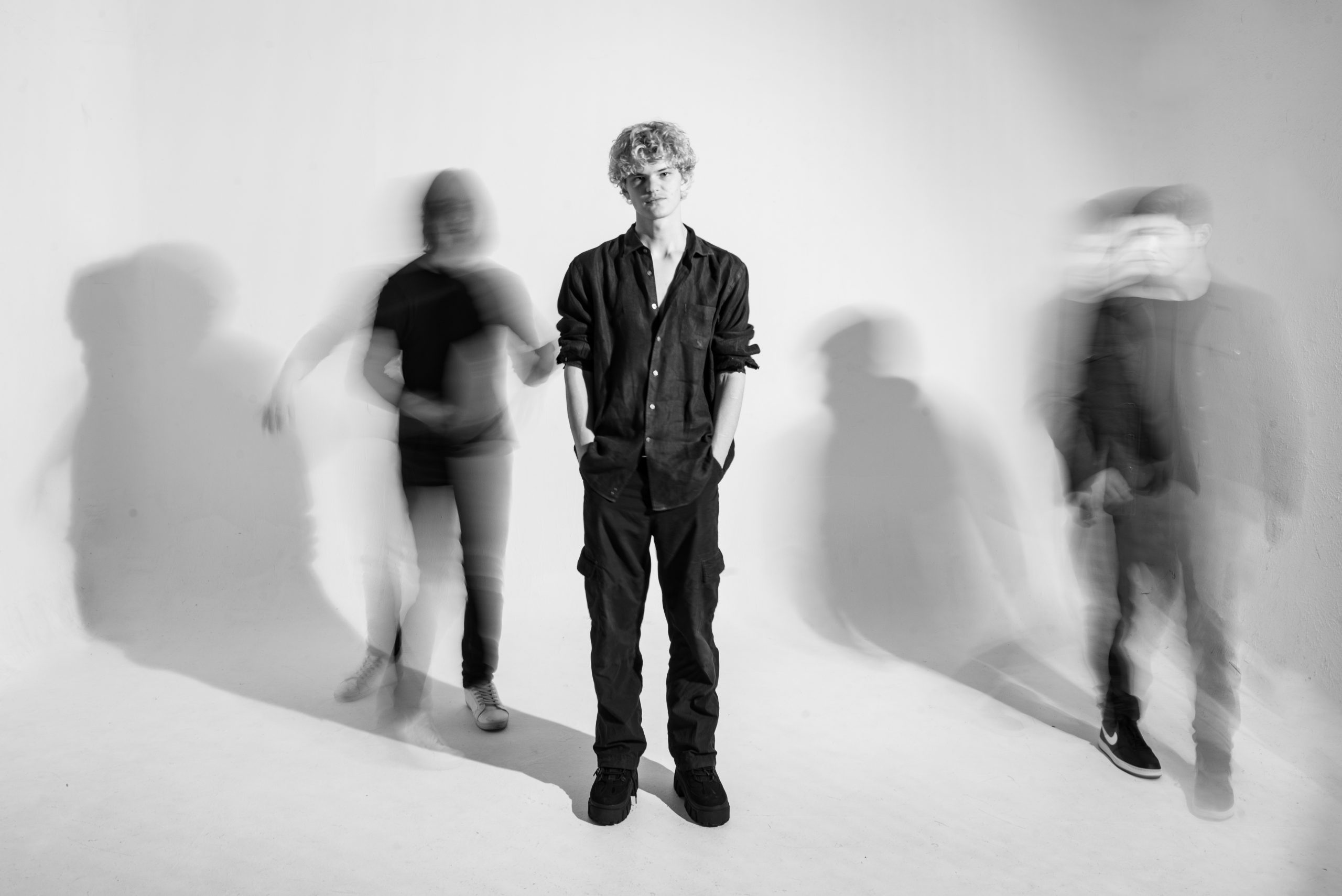
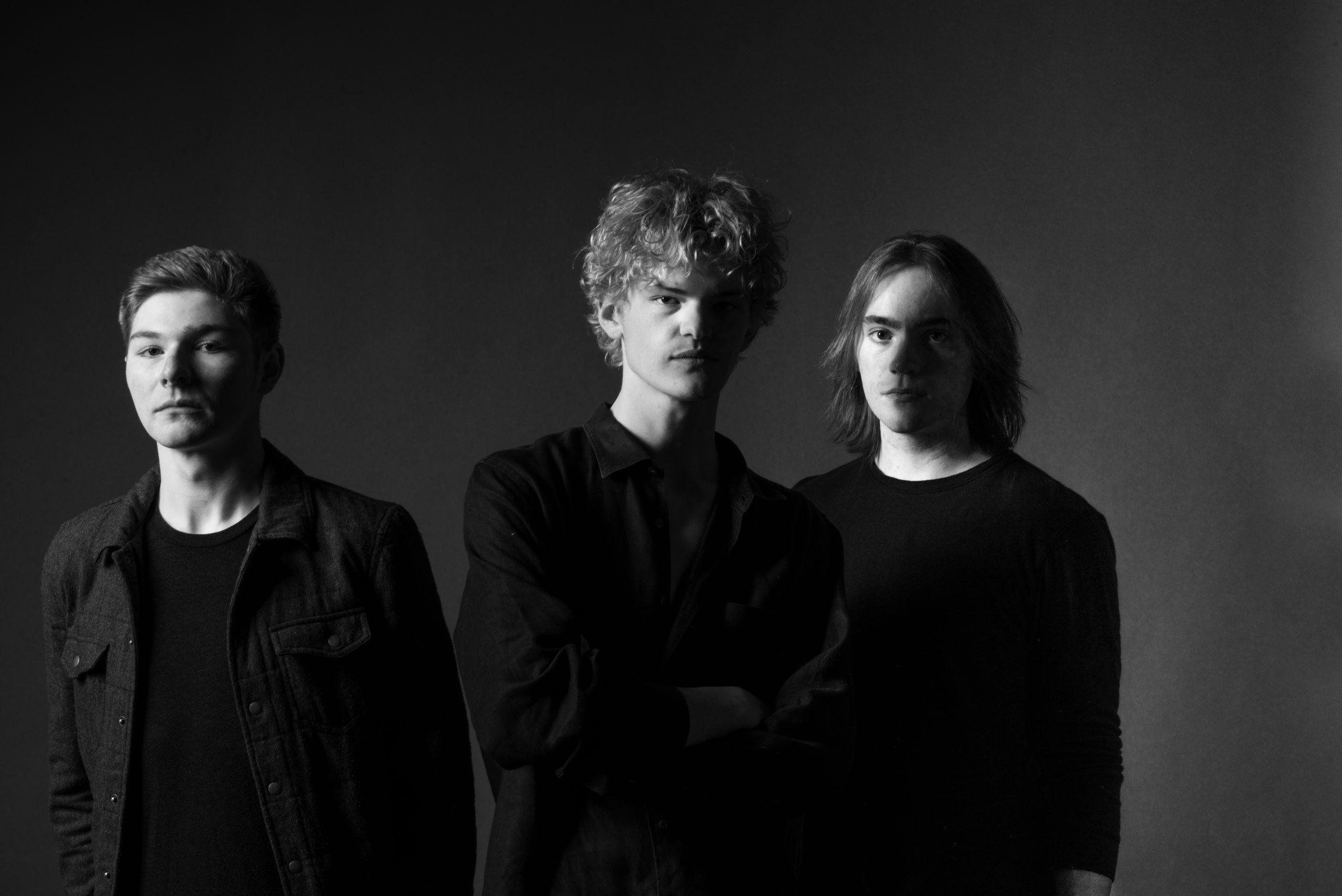

Image Credits
Richard Cummings
Popular
-

The Trailblazers: Rewriting the Narrative
-

Celebrating the Spotlight: Kaytee Shashore Turns Milestones Into Momentum
-

Humanity in the Machine: Alexander Raye Pimentel’s Cyborg Recall Questions the Cost of a Data‑Driven World
-

Raemi Anderson on Courage, Caution, and Answering the Call of the Landscape
-

Hidden Gems: Local Businesses & Creatives You Should Know


