



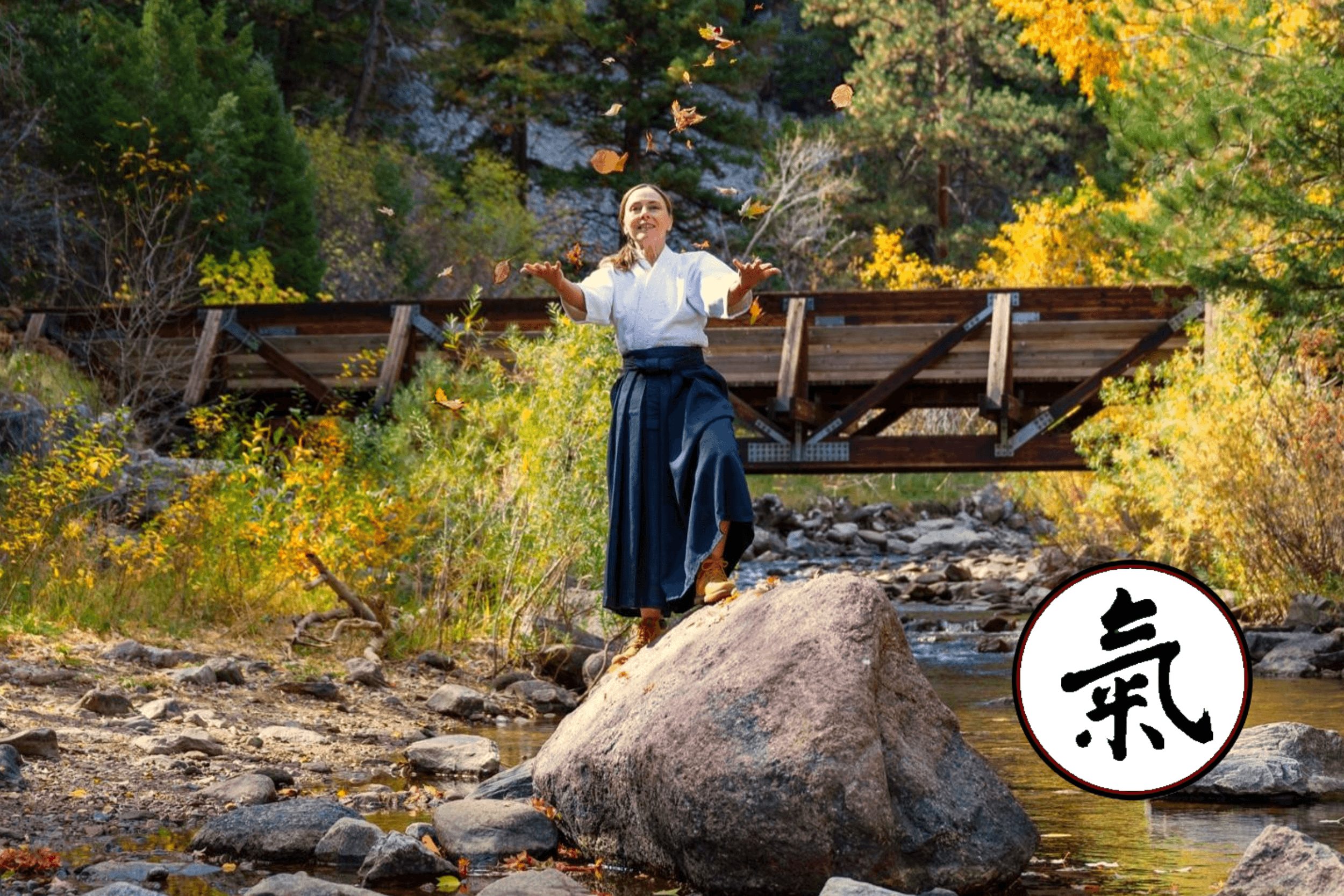
Today we’d like to introduce you to Robyn Winters
Hi Robyn, thanks for sharing your story with us. To start, maybe you can tell our readers some of your backstory.
My story begins as so many trauma stories do from my childhood. I was conceived in violence, born from two young people caught in the web of trauma that had plagued both their families for generations. My mother was still a kid, already carrying the weight of her first baby, conceived when she was just a high school girl. My father—another broken soul—had a legacy of wounds, passed down like a dark inheritance from generations before him.
My father’s side of the family doesn’t talk about the mental health issues that drove his abusive behaviors, only to say he had a “drinking problem.” Therefore, I will never really know for sure, but it is my belief he suffered from depression and bipolar disorder. Back then, people didn’t talk about such things or understand depression or mental health struggles. So, he began to drink at a young age and continued to drink until he took his own life. I was eleven years old when he died.
I was four, and my sister barely older than me by eleven months when my mother mustered the courage to escape; my father’s mental, physical, and sexual abuse had begun to turn more and more to her daughters, and she realized we had an impossible future if she stayed. She knew it was bigger than herself and must leave for her children’s sake. She would risk dying to do so. After months of careful planning, she rallied some friends and made a break for freedom. However, my father, always suspicious, sensed something was off. He came home early that day and found her in the middle of loading the truck to leave.
The shotgun came out. The friends helping, escaping from nearly being shot themselves, ran to get the sheriff. He held us hostage as he repeated the promise he had made so many times before: “By God, I will kill you and those kids before I let you ever leave me.” The sheriff showed up. He talked my father down and convinced him to hand over the gun, but this was small-town Missouri, and back then, a man’s temper with his wife and kids was “his own business.” The sheriff didn’t arrest him. Instead, he turned to my mother and said, “Get what you can carry and find a place to stay until he “cools off.”
She grabbed a few trash bags with baby clothes and pictures, and with two little girls in tow, we fled. Only this time, she wasn’t coming back. We found refuge in an old trailer parked in a field outside town. It was just a shell of a home, but it was ours and the safest place my mother could find. Every day, she worked hard to make the trailer feel like home with decorating, wallpapering, sewing curtains, and keeping food on the table — all while living in fear, taking back backroads and long detours to ensure my father couldn’t find us. He tried, for years, and bullied family members with threats and even put sugar in their gas tank to blow car engines. Once, he cut the brake lines to our car, and we almost crashed, two little girls standing in the front seat, no seatbelts, clutching the back of the bucket seat.
That was just the beginning of my trauma.
My mother, a survivor of unimaginable pain from childhood trauma that stemmed years before my father, didn’t know how to cope except to drink. As the years went by, I watched her fall into one abusive relationship after another. I made a pact with myself at a young age and swore I would never be like her. I would never let a man treat me abusively. But life has a cruel sense of irony, and the neuroscience of trauma is a strong driver of our behaviors and attractions. No one taught me this. So, despite my efforts of not being my mother, I married an abusive alcoholic when I was 23 years old. He was my college professor, an older, brilliant, and talented man—I thought he was my guru. Instead, he was an abusive alcoholic plagued by severe childhood trauma himself. I was a naive small-town girl with daddy issues, the perfect candidate to be groomed into domestic violence.
Despite my best efforts, I became my mother. However, by the grace of God, I didn’t become an alcoholic myself –alcohol and drugs made my anxiety worse, and being that out of control terrified me. I stayed for two years in the marriage. But then I gathered the strength to leave, thankfully, without children that would have forever tied me to him.
It wasn’t until I was thirty, after years of suffering debilitating depression and suicidal ideation, that I found a way to heal from it all.
Ki Aikido (a martial art) and mindfulness became my salvation, slowly helping me to manage my trauma and mental health. Only after I began caring for and loving myself could I be attracted to a healthy relationship. Before that, you could line up a hundred nice guys and one hard-to-get bad boy –I would only be attracted to the one. Eventually, I found a good, kind man to marry, and together, we built a life and family centered on love. We raised two exceptional children –our youngest just graduated high school. Despite the difficulties of raising children in our current world and this generation’s many challenges with social media and COVID-19, we are a close family. My husband and I are eager to see what the future holds for these good, kindhearted individuals as they enter adulthood.
For over twenty years, I have used the tools and knowledge I’ve gained to help others find their path to healing. I have dedicated my life to sharing what saved my life and finding purpose in helping those struggling with stress and trauma to live healthier, meaningful lives. I often think back to those dark days, praying on my knees not to see another day, and I believe every day is a gift. Although my journey has been long and arduous, it made me who I am. It gave me the strength to survive, thrive, and help others do the same. I wouldn’t change it.
We all face challenges, but looking back would you describe it as a relatively smooth road?
Working in high-trauma communities has come with immense challenges, especially in the realms of youth suicide prevention, working with adolescents in homeless shelters, and individuals in addiction recovery. Balancing the emotional toll of my work with the responsibilities of family life has often felt overwhelming. As a mother, navigating the daily logistics of school drop-offs, sports practices, dance, theater, Girl Scouts, and household chores while holding a demanding job was sometimes a mind-blowing and seemingly impossible balancing act.
Yet, despite the chaos, I prioritized trying to create space for family connection. I instituted a sit-down dinner most evenings –free from phones, where everyone shared one good thing that happened to them. It became such a tradition that my son’s friends often joined us. Some days, we had five or six extra kiddos at the table, declaring that this meal was the “best thing” that had happened to them that day. Although I loved these moments, I had to set boundaries around the extras showing up, which wasn’t always easy.
Setting personal or professional limits has been a difficult but necessary lesson for me. I’m great at teaching others the importance of self-care, but if I am not mindful, I can find myself at the bottom of the priority list, after the kids, husband, work, friends, pets, and even plants. Thankfully, my mindfulness practice and the principles of Ki continue to help restore balance, though it remains a work in progress. But that’s the beauty of it—each day is an opportunity to grow, learn, and recalibrate.
This year has been a test of my practice as our family has faced a year of the tragic loss of our son’s best friend. My husband was undergoing significant changes in his career when we found out he had a brain tumor. It was a complicated surgery, and he came home in a wheelchair. The doctors were unsure if he would walk again. I lost three close women friends to cancer and my mother-in-law to Parkinson’s as my mother has moved to the fifth stage of Parkinson’s herself. –You just can’t make this s**t up.
However, I try to remain focused on the good in my life, even the littlest of things on the bad days, and take solace in the fact that my husband’s tumor was not cancer, and through months of perseverance, he is walking again. Life is good.
Appreciate you sharing that. What else should we know about what you do?
I am the Director of Development at the Stout Street Foundation (SSF), a two-year residential Substance Use Disorder (SUD) recovery program. I am honored to represent this family foundation, which has led the charge of peer-led recovery treatment in Colorado for over 48 years. What inspires me the most about my job is that I get to share the many stories of the men and women who complete the program to become stable, productive citizens.–individuals who go from prison to getting a good job and their children and families back into their lives, children who get their parents back, and the parents who get their son or daughter back. It is incredibly rewarding to know that individuals with severe cases of SUD can move past their addiction and not let their past define or limit their success and happiness. Recovery is possible.
I am the founder of the Cognitive Learning Center (CLC) and continue to sit on the board and assist their remarkable, dedicated team in program development. Teaching and working with individuals, particularly young people and women, brings me joy. I love working with interns and especially enjoyed working with MSU Denver Psychology Early Education students this year to complete CLC’s Children Program, “The Elephant’s Gift,” based on the award-winning children’s book by Amira Valle. Working with these altruistic, passionate young people was a pleasure, and I am proud that the program was selected as a presenter at the 2024 Colorado Department of Education Landscape Conference.
This year, CLC also partnered with Hard Beauty to complete a Relationship Violence Course for Adolescents. This is a critical issue as we see increased cases among young people. I am in awe of the strong, passionate, intelligent individuals at Heart Beauty who are dedicated to championing Peer Coaching support to help individuals in severe trauma and SUD. Words cannot express my gratitude to Laura Bates, Tiffany Kuhwede, and Jose Luna for your wisdom and talent in creating an essential curriculum to help teens understand the warning signs of unhealthy relationships and what defines healthy relationships.
Although I enjoy my work in Development (fundraising, events, research, and programs), one of my biggest strengths is Coalition Development. I am at my best when connecting with communities, passionate individuals, and leaders that come together to make a difference. We are stronger when we work together! I love connecting with the vocational partners of SSF, like the Food Bank of the Rockies (one of nine partners,) who make futures possible for our residents by giving them employment during the program and careers in their recovery.
This year, I was honored to spearhead a blowout event for SSF to celebrate National Recovery with mental health leaders and the Denver Art Community, which included artists, musicians, performing artists, poets, and culinary chefs. It was incredible to see the outpour of passionate individuals and leaders in the art community, such as Meow Wolf and Boulder Ballet, come together for this vital initiative.
Aside from my work, I enjoy being an Ambassador of the Denver Metro Chamber and connecting with businesses, legislators, and leaders who make our Colorado communities thrive. I am honored to have served on the Adams County Opioid Abatement Advisory Committee this year and to continue being involved with critical mental health issues facing Colorado in a time like no other with the opioid/fentanyl epidemic and increased alcoholism.
I have had countless strong women leaders who influenced my journey. However, Lt. Governor Dianne Primavera is one friend and leader I have looked up to, learned from, and admired for many years. Dianne is a compassionate leader who has dedicated much of her life to fighting for better mental health for all Coloradans. She is a loving mother and grandmother who is always devoted to her family, friends, and community. Her endless commitment to fighting for many vital issues in Colorado and beyond amazes me. I am grateful for her years of advice and encouragement to help others.
Additionally, Melissa Etheridge is a woman I admire and had the honor of meeting with this year when I attended her “I’m Not Broken” Tour, releasing her new album (Live from the Topeka Correctional Facility.) My heart goes out to her and her recent loss of her son to an opioid overdose. Her “I’m Not Broken” Documentary is heroic in telling women’s experiences in prison, helping to take the stigma out of trauma and addiction to understand how women end up in prison. This is how we change their stories. Redemption and recovery are possible. They are not broken.
We love surprises, fun facts and unexpected stories. Is there something you can share that might surprise us?
This may or may not be surprising, but I sometimes wonder if my determination and years of dedication to help others was/is worth it. Would life have been easier if I had just stayed in a career in commercial interior design? I wonder if I would have been able to find purpose and passion and less trauma, drama, and stress if I had made that choice. It probably would have been easier on my family. However, I didn’t make that choice.
Working in nonprofit high-trauma work can be seemingly insufferable sometimes, but I remain grateful for and focus on the positive things that outweigh the bad. I look for opportunities to learn and grow from my mistakes. I take solace in the stories of those whose lives my work has helped –Especially the young people I’ve helped manage stress, self-harm, and suicidal ideation. I am honored to have assisted women who escaped relationship violence and addiction and are now living productive, thriving lives -killin’ it as moms and inspirational women helping others. I am forever grateful for my students, who have taught me more than I will ever teach you. It is worth it!
Pricing:
- The holidays are hard for people that need recovery treatment.$25- $100 goes a long way. WWW.StoutStreet.org/doneate
- CLC’s Childrens Program is now available starting at $250. Donate or purchase at www.CL-Center.org/childrens-program-prek-2nd
- CLC’s Adolescent Relationship Violence Course is available now starting at $250. Donate or purchase at www.cl-center.org/adolescent-program
Contact Info:
- Website: https://www.StoutStreet.org
- Instagram: https://www.instagram.com/stoutstreetfoundation
- Facebook: https://www.facebook.com/StoutStreetFoundation
- Other: https://www.CL-Center.org
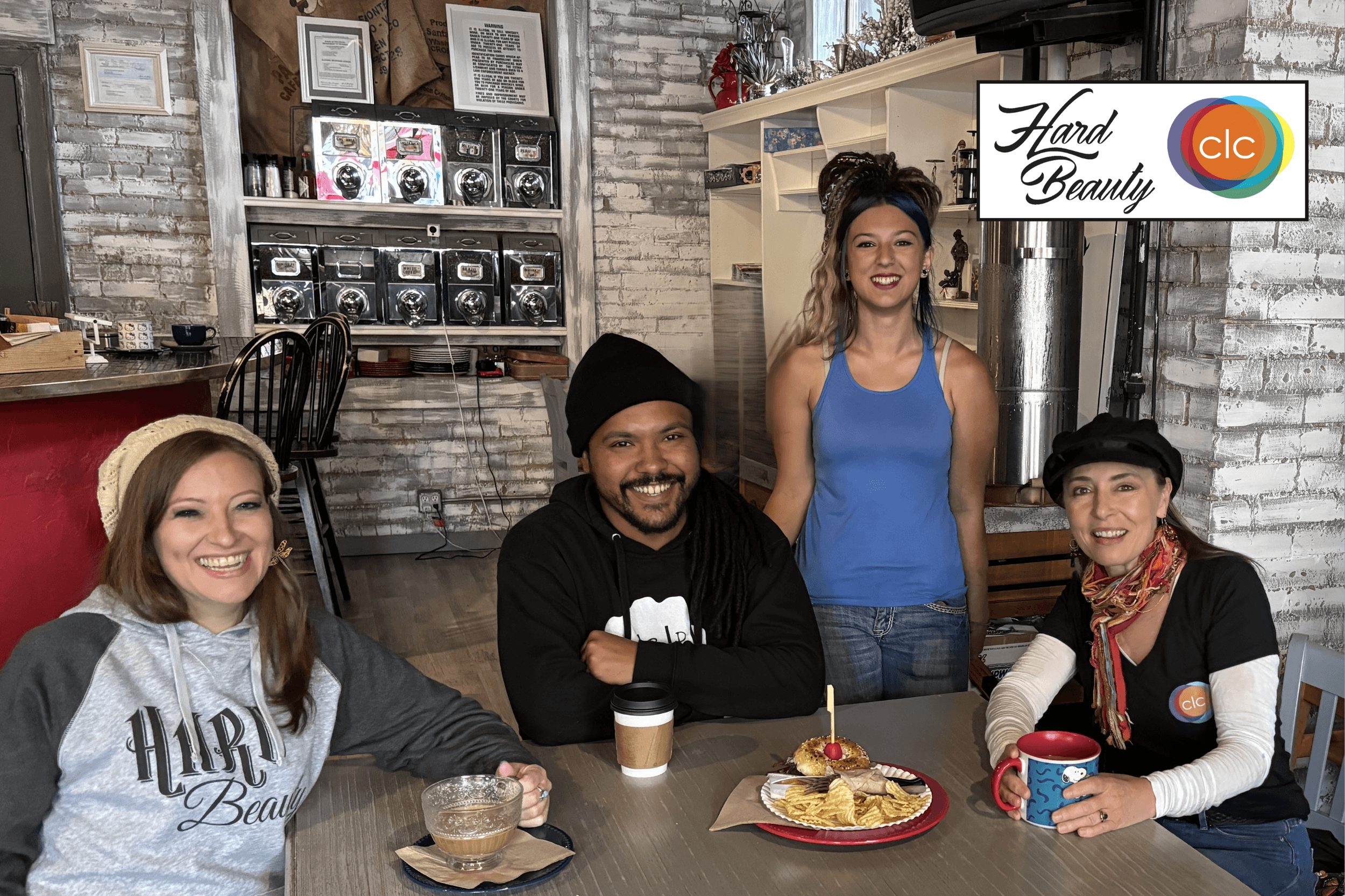
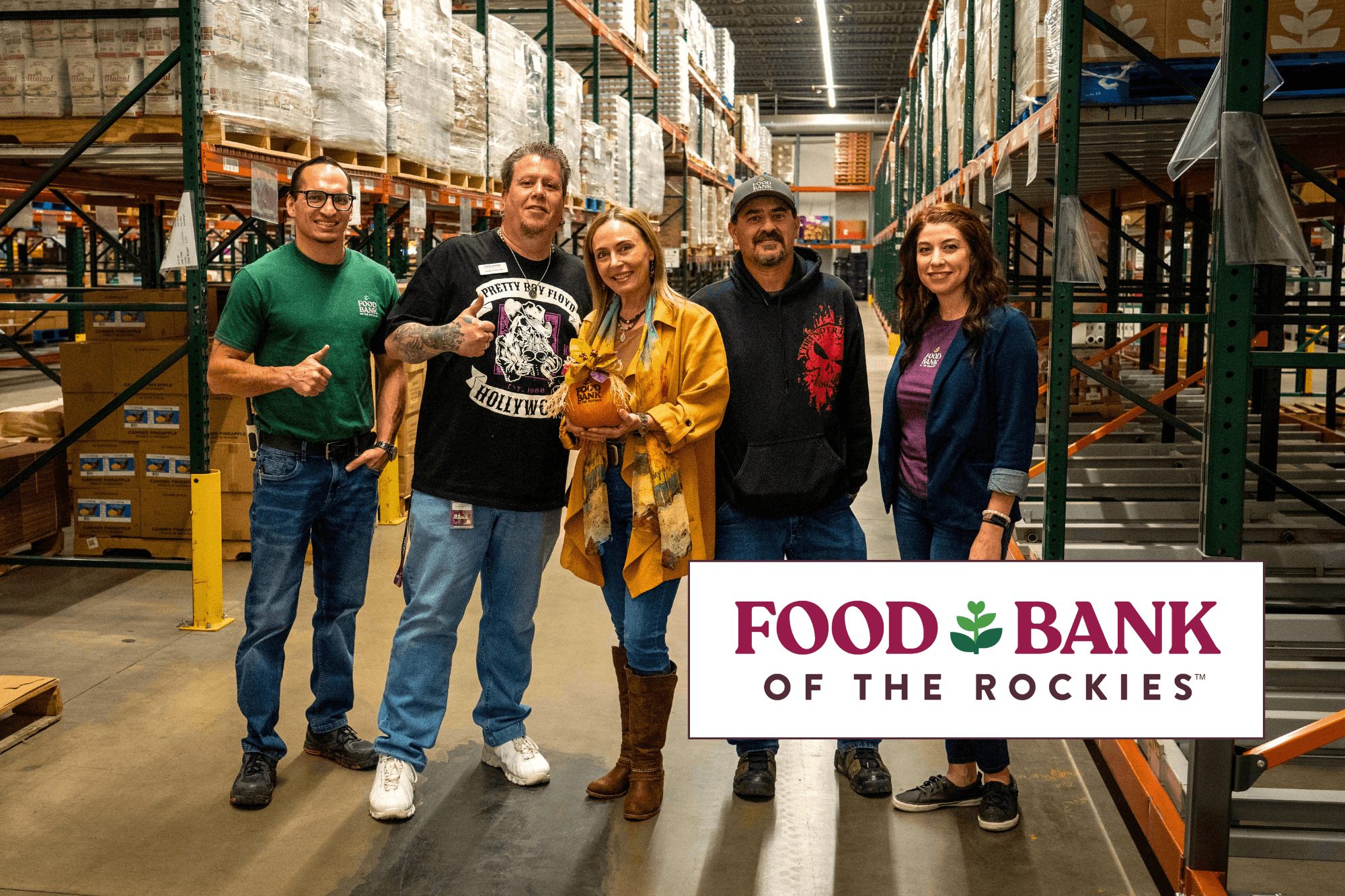


Image Credits
Image 1: Meeting with the Hard Beauty Team at Jives Coffe Lounge, Colorado Springs. Left to right (Tiffany Kuhwede, Jose Luna, River K., and Robyn Winters.)
Image 2: Picture with Food Bank Employees, some of them graduates of Stout Street Foundation now stable and thriving with a good job.
Image 3: CLC Team (including MSU Denver interns) at the 2024 Colorado Department of Education Conference.
Image 4: Meeting Melissa Etheridge at her 2024 “I’m Not Broken” Tour in Kansas City, MO.
Popular
-

The Trailblazers: Rewriting the Narrative
-

Celebrating the Spotlight: Kaytee Shashore Turns Milestones Into Momentum
-
Humanity in the Machine: Alexander Raye Pimentel’s Cyborg Recall Questions the Cost of a Data‑Driven World
-

Raemi Anderson on Courage, Caution, and Answering the Call of the Landscape
-

Hidden Gems: Local Businesses & Creatives You Should Know


