


Today we’d like to introduce you to Sophia Reamsnyder.
Hi Sophia, so excited to have you on the platform. So before we get into questions about your work-life, maybe you can bring our readers up to speed on your story and how you got to where you are today?
I didn’t begin my career in storytelling. I started in the legal field, working in anti money laundering and paralegal roles where accuracy, documentation, and attention to detail were critical. That experience trained me to observe closely and ask careful questions, but it was far removed from creativity.
Everything shifted in 2019 during a season when life slowed down and priorities changed. One afternoon, while my husband Chris was building a bed for our daughters, he noticed how naturally I gravitated toward documenting the process. I was photographing details without thinking about it, framing moments intuitively. Seeing that, he surprised me with a camera, believing in a potential I had not yet recognized in myself.
Photography became my entry point, but writing had always been there quietly. As I began telling visual stories, I found myself drawn to words as a way to deepen meaning, to process what I was witnessing, and to give context to the images. Writing allowed me to explore vulnerability, fear, and transformation in ways that visuals alone could not. Over time, it became an essential part of my creative voice, informing my filmmaking, essays, and longer narrative work.
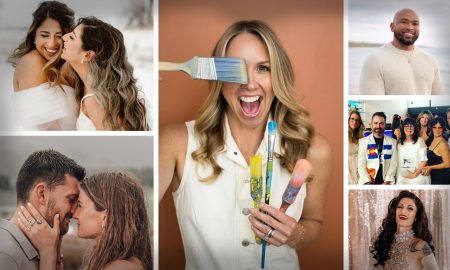
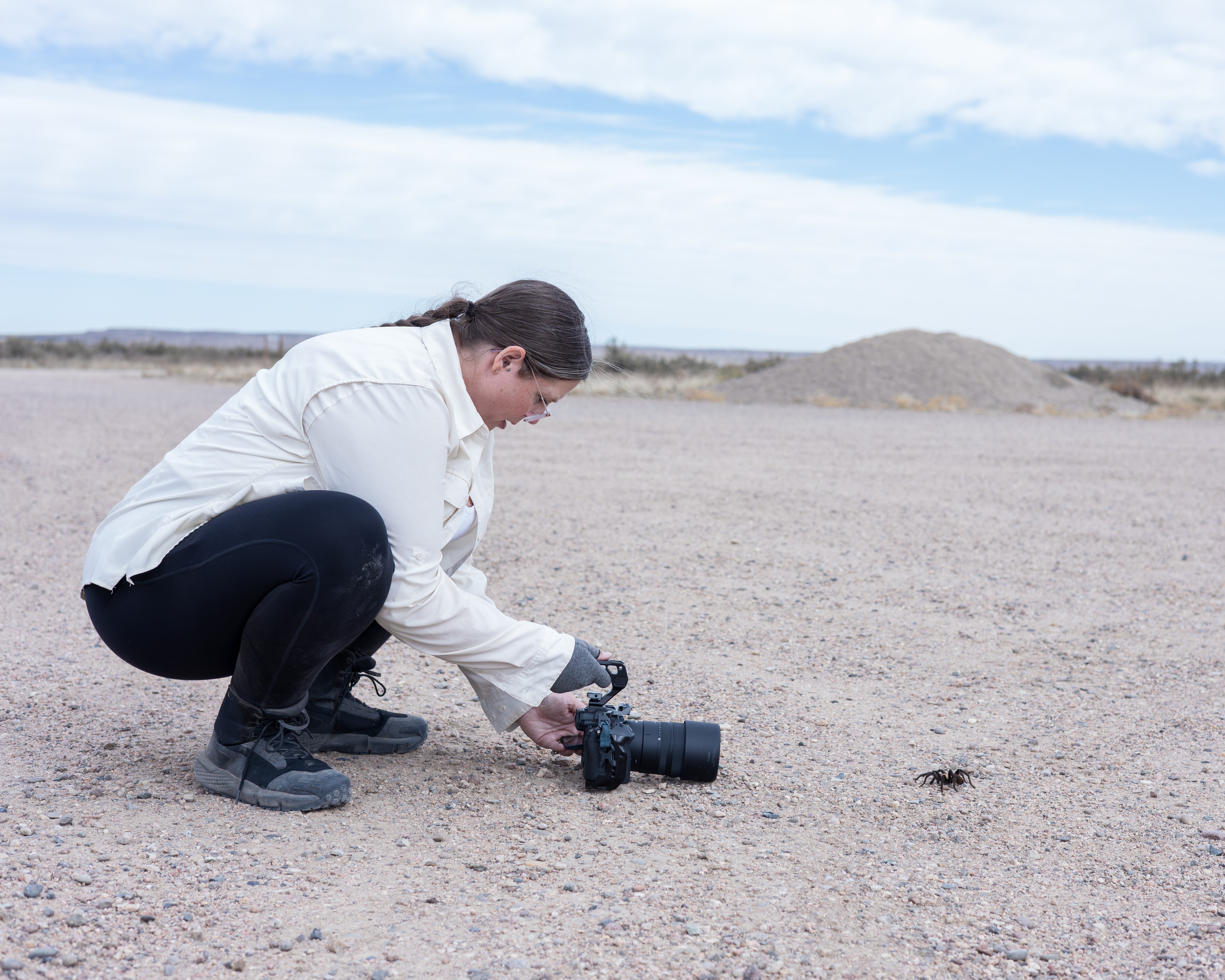
That evolution led to the creation of Reamsnyder Media, where we collaborate with small businesses, nonprofits, and mission driven organizations to tell honest, human centered stories. My work has since expanded into long form documentary filmmaking and narrative writing focused on conservation, women’s health, and social justice. Projects like Spineless Wonders and Stages of Justice grew out of curiosity, empathy, and a willingness to step into uncomfortable spaces. In many cases, I am learning alongside the audience, allowing the stories to reshape my own perspective.
My path has not been linear. I am a wife, mother, grandmother, a writer, a filmmaker, and someone who has navigated significant health challenges and creative reinvention. Those experiences shape how I approach every project. I am drawn to stories of quiet resilience, to people doing meaningful work without asking for recognition, and to moments that reveal shared humanity.
Today, my work lives at the intersection of storytelling and impact. Whether through film, photography, or the written word, my goal remains the same. To create work that feels honest, invites reflection, and reminds us that even the smallest stories can carry profound meaning.
Would you say it’s been a smooth road, and if not what are some of the biggest challenges you’ve faced along the way?
It hasn’t been a smooth road. In many ways, the uncertainty and the challenges have shaped the work just as much as the successes.
I stepped into this path while navigating serious health issues that forced me to slow down and reassess everything. There were periods when my body simply would not cooperate, when recovery and survival took precedence over ambition. Learning to build a creative career while managing unpredictable health was both humbling and frustrating, especially while raising a family and teaching myself entirely new skills without a roadmap.
There were also emotional and financial struggles. Shifting from a stable legal career into creative work meant letting go of certainty and learning to live with risk. Self doubt was constant, as was the fear of not being taken seriously in a space that often rewards speed and visibility over depth and care.
The work itself carries weight. Documenting conservation efforts, women’s health, and social justice means sitting with difficult stories and real consequences. Learning how to hold those stories responsibly while protecting my own mental and emotional well being has been an ongoing process.
Perhaps the hardest part was learning to trust my voice. Coming from a legal background, I was trained to follow rules and structure. Creative storytelling, especially writing, requires vulnerability and intuition. That shift was uncomfortable and at times frightening.
What ultimately sustained me was a redefinition of success. Progress became about alignment rather than momentum, integrity rather than scale. The road has not been smooth, but it has been deeply meaningful. The challenges sharpened my sense of purpose and reinforced why telling careful, human stories matters to me.
As you know, we’re big fans of you and your work. For our readers who might not be as familiar what can you tell them about what you do?
I work as a storyteller across film, photography, and writing, with a focus on documenting people and work that often live outside the spotlight. Through Reamsnyder Media, I collaborate with nonprofits, small businesses, and mission-driven organizations to create honest, human-centered stories that reflect who they are rather than who they think they should be.
I specialize in long-form documentary and narrative storytelling, particularly in areas like conservation, women’s health, and social justice. My work often sits at the intersection of education and emotion. I’m drawn to stories that unfold slowly, that allow complexity, and that invite the audience to listen rather than react. Whether I’m filming scientists in the field, women reclaiming their voices, or communities using art as a form of healing, my approach is grounded in trust and observation.
Writing is also a central part of my creative practice. Alongside my documentary work, I am a co-author on a forthcoming book, I am developing a fiction series set in a post-apocalyptic world, and I am writing a memoir rooted in health, identity, and resilience. Each form of writing allows me to explore different truths, from imagined survival to lived experience, and all of it informs how I approach visual storytelling.
What I’m most proud of is the depth of the relationships behind the work. Many of my projects require people to open their lives, their fears, and their hopes to the camera or the page. Being entrusted with those stories is something I take seriously. Projects like Spineless Wonders and Stages of Justice are not just films to me. They represent years of listening, learning, and mutual respect.
What sets my work apart is that I’m not chasing spectacle. I often enter stories as a learner, not an expert, and I allow that curiosity and vulnerability to remain visible in the final piece. My background in law gives me structure and discipline, while my lived experiences, including health challenges and motherhood, have taught me patience and empathy. Writing plays a critical role in my process, shaping how stories are framed and giving space to nuance that visuals alone cannot hold.
At the core of everything I do is a belief that storytelling can be a form of care. I’m most proud of creating work that feels grounded, ethical, and lasting, stories that don’t just inform, but stay with people long after they’ve watched or read them.
We’d love to hear about how you think about risk taking?
I don’t think of myself as a traditional risk-taker. I’m cautious by nature, shaped by years in the legal field where accuracy and foresight mattered. For a long time, stability felt like responsibility. But life has a way of reframing what risk actually means.
The biggest risks I’ve taken were not impulsive. Leaving the predictability of legal work to build a creative career without guarantees was a significant one. Choosing to invest time, energy, and resources into long-form documentary projects that may take years to complete, with no promise of financial return, was another. Writing openly about health, fear, and identity, especially in a memoir, has also felt risky in a very personal way.
Health changed how I think about risk. When your body forces you to slow down or change course, you realize that avoiding risk does not equal safety. For me, the greater risk became staying in a life that no longer fit simply because it felt secure on paper.
I think about risk now in terms of alignment. I ask whether a choice moves me closer to work that feels honest and sustainable, or farther away from myself. Some risks look large from the outside, but feel necessary internally. Others, like staying silent or playing small, feel far more dangerous.
I’ve learned that meaningful work often requires stepping into uncertainty with intention. Not recklessly, but thoughtfully. Risk, for me, is not about chasing exposure or success. It is about choosing depth over comfort and trusting that doing work with integrity is worth the unknowns that come with it.
Contact Info:
- Website: https://www.reamsnydermedia.com
- Instagram: https://www.instagram.com/reamsnydermedia?igsh=ZHFyYWpnd3o5emV6
- Facebook: https://www.facebook.com/share/1EqLCGZQMa/
- Youtube: https://youtube.com/@reamsnydermedia?si=m9yCzsQ78NoA81pc
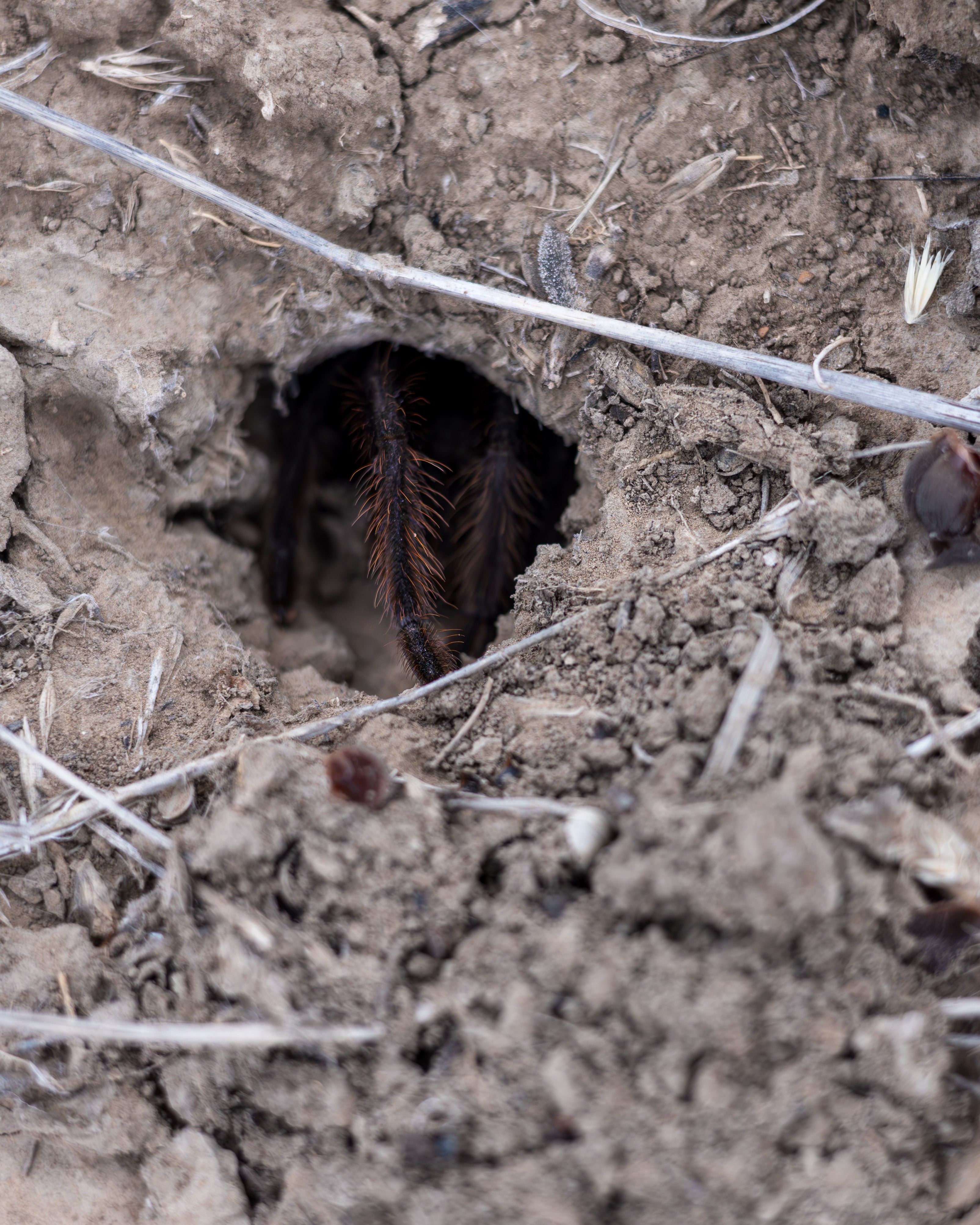
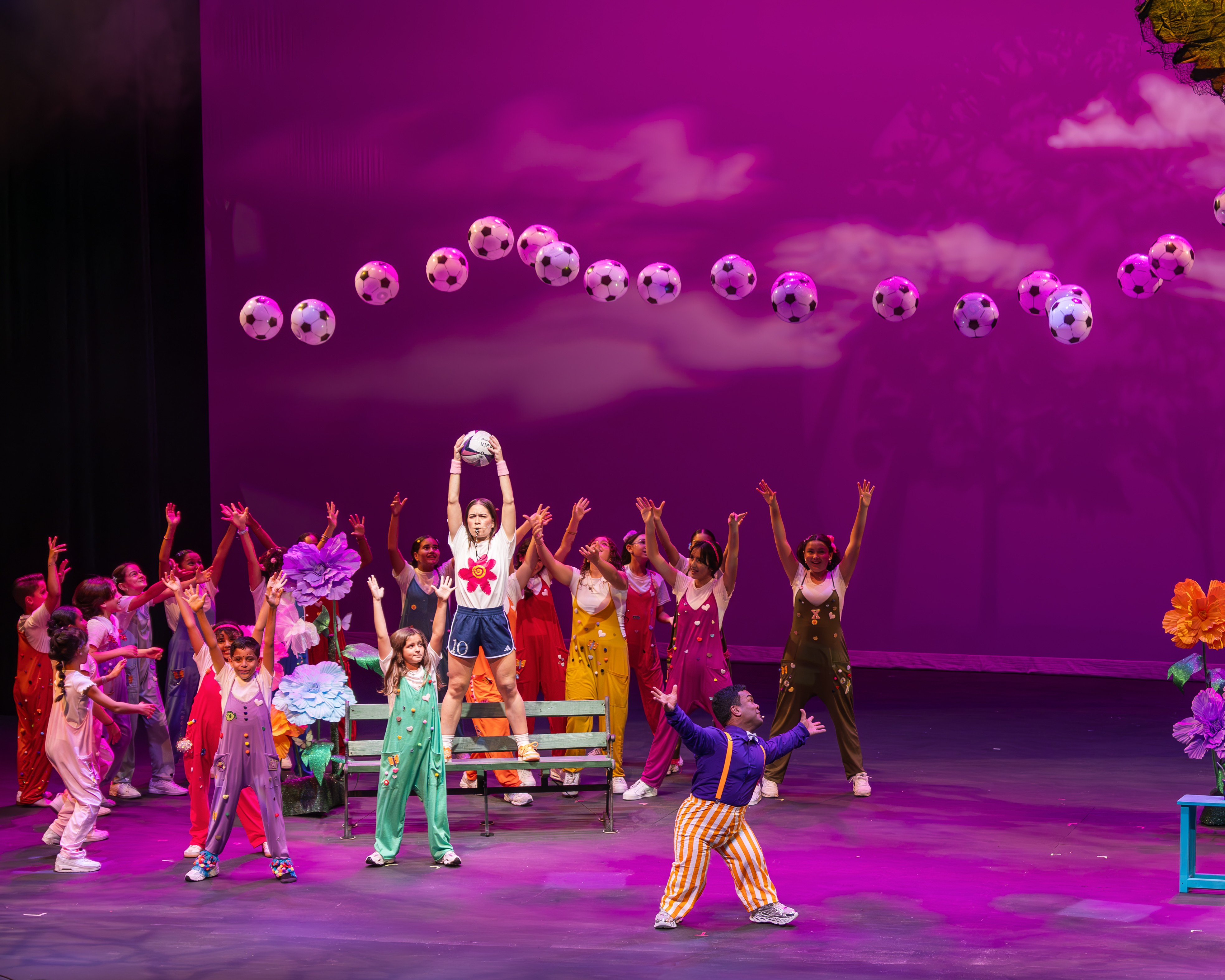
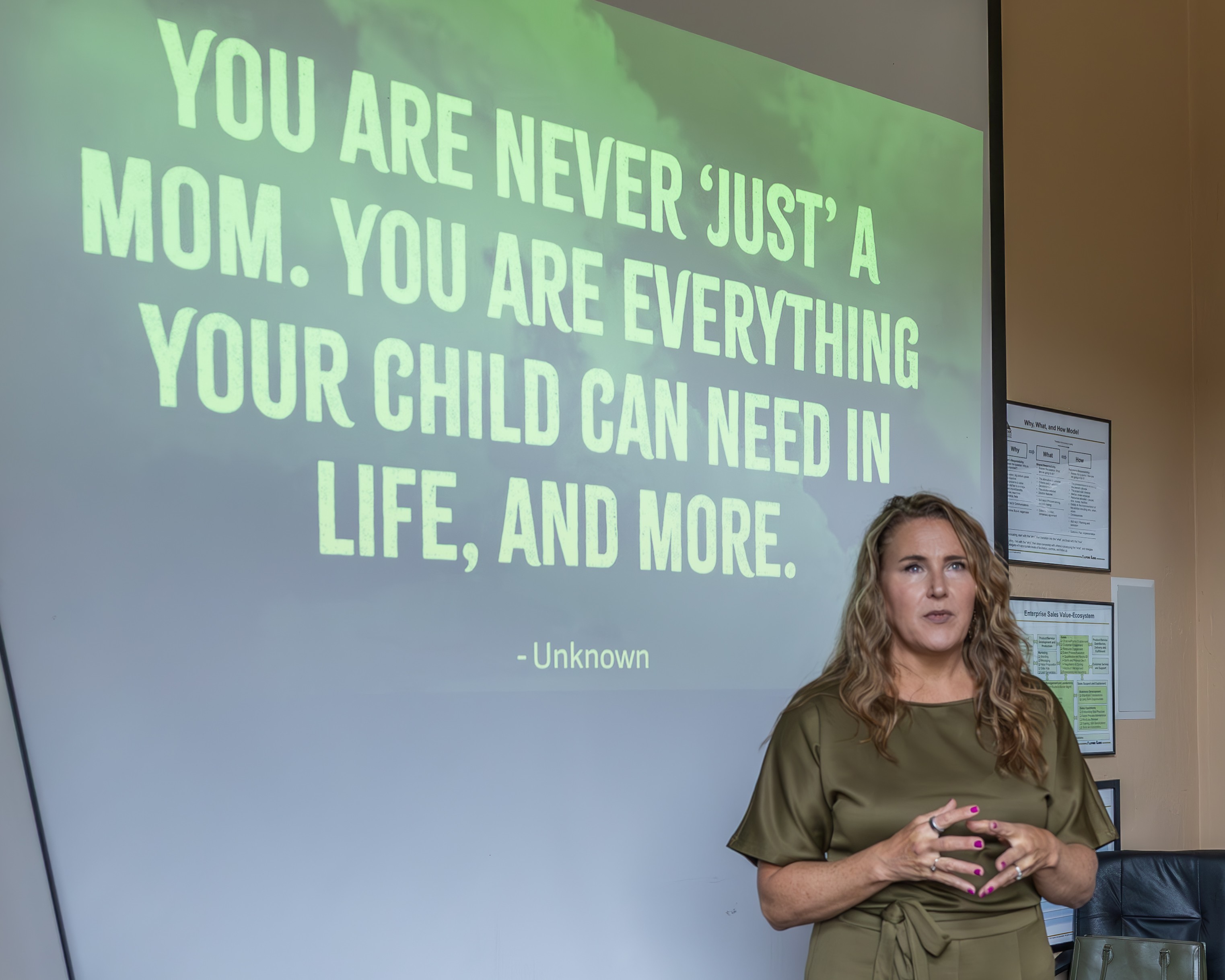

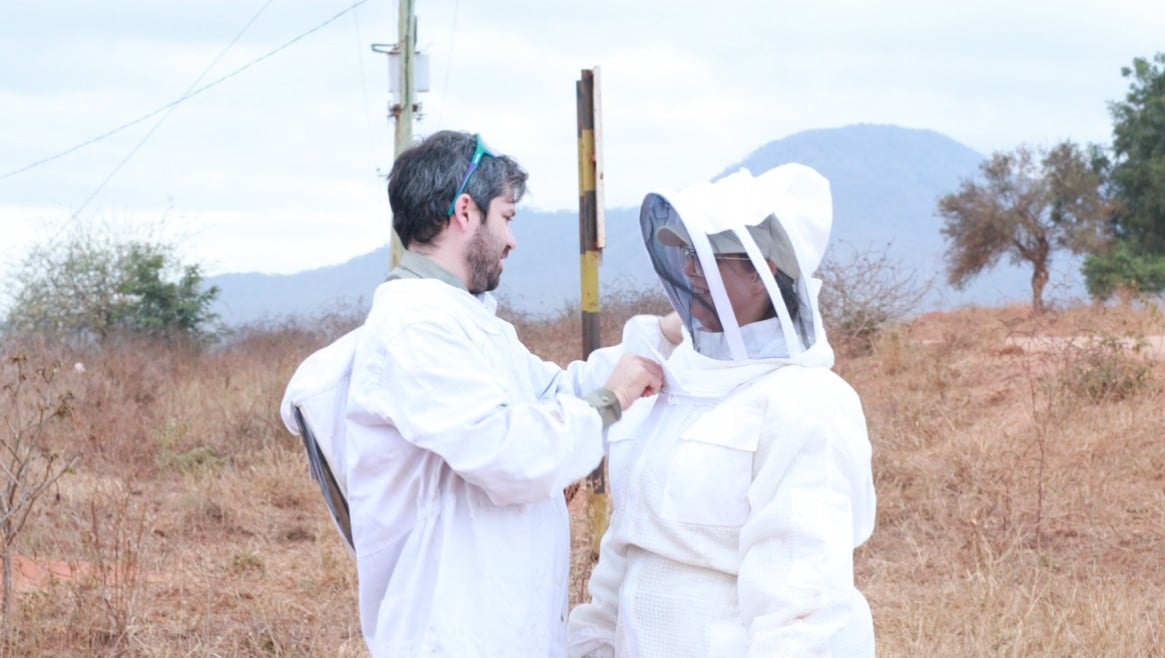
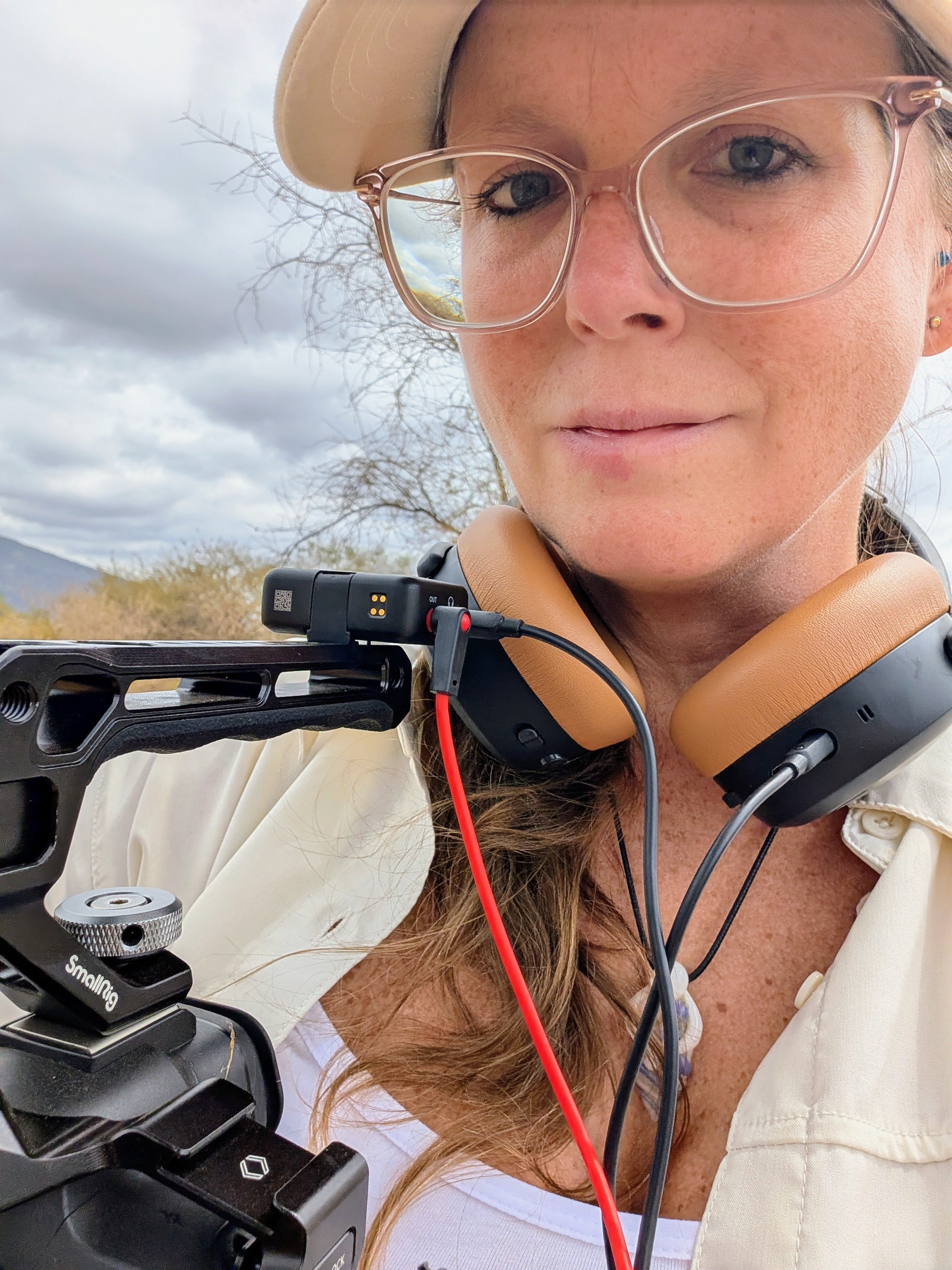
Image Credits
Sophia Reamsnyder of Reamsnyder Media
Popular
-

The Trailblazers: Rewriting the Narrative
-

Celebrating the Spotlight: Kaytee Shashore Turns Milestones Into Momentum
-

Humanity in the Machine: Alexander Raye Pimentel’s Cyborg Recall Questions the Cost of a Data‑Driven World
-

Raemi Anderson on Courage, Caution, and Answering the Call of the Landscape
-

Hidden Gems: Local Businesses & Creatives You Should Know


