

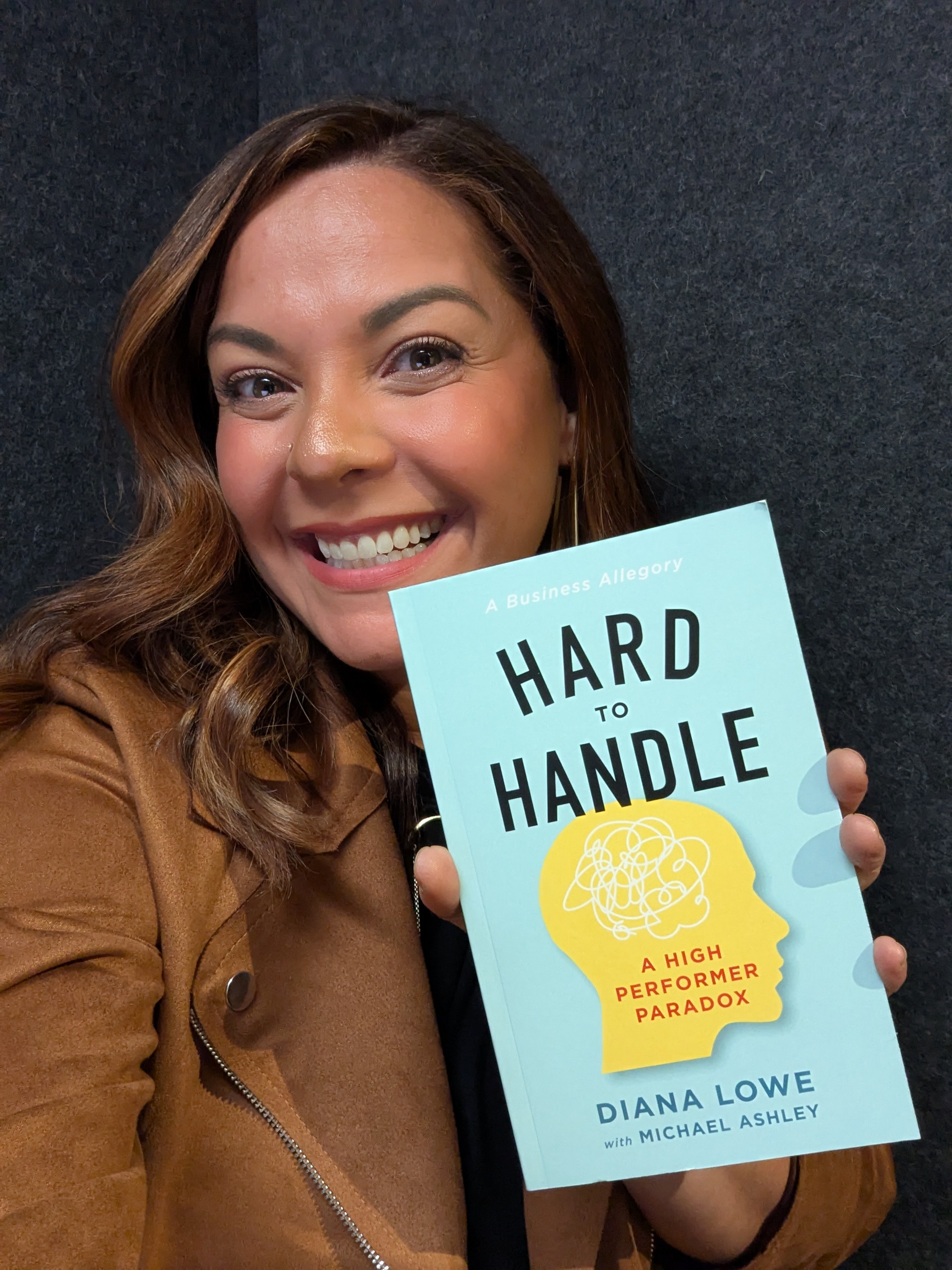
Diana Lowe shared their story and experiences with us recently and you can find our conversation below.
Diana , a huge thanks to you for investing the time to share your wisdom with those who are seeking it. We think it’s so important for us to share stories with our neighbors, friends and community because knowledge multiples when we share with each other. Let’s jump in: What do you think is misunderstood about your business?
Thank you for interviewing me! I agree it’s important to share what we know may be able to help someone else.
Thanks for the question. When I tell people that I specialize in coaching leaders who are “hard to handle” at work — the ones who create tension, low morale, or disengagement (whether unknowingly or on purpose) — the reaction is almost always the same.
Their eyes widen. They say things like, “Oof… I bet they’re awful. How do you even deal with people like that?” And then they launch into stories about the “jerks,” “bullies,” and “abrasive personalities” in their own workplaces. But that’s exactly where the misunderstanding begins. Those labels — jerk, bully, abrasive, tough — are judgments. They’re stories we tell about someone’s behavior without understanding the complexity underneath it. What most people don’t realize is that my job is not to judge these leaders or put them “in their place.” That’s not coaching.
My job is to be a neutral, safe place for them. A mirror. A pause in the chaos. A place where they can be fully human — the parts that are polished and the parts that are cracking. Because every “hard to handle” leader has something deeper going on. They’re grieving. They’re overwhelmed. They’re scared of failing. They’re carrying trauma. They’re drowning in responsibility. They’re working without the skills they need to navigate complex human dynamics. They feel pressure from every direction — their teams, their families, their organizations, their own expectations. And when humans are under stress, their behavior can become protective, harsh, urgent, or defensive.
But underneath that? They are dedicated. They care deeply. They’re trying — sometimes in the only way they know how. What’s misunderstood about what I do is simple: I don’t see them as “hard to handle.” I see them as people in pain, pressure, transition, lack of awareness or a missing skill.
My role is to help them slow down, see themselves clearly, and build the emotional and relational skills they were never taught. I hold space for the version of them that wants to do better but doesn’t know how yet. So yes — I work with leaders others find difficult, and leaders that feel like they are working with difficult people. But I don’t see them as difficult. I see them as human beings in a brutal storm, searching for solid ground. And I help them find it.
Can you briefly introduce yourself and share what makes you or your brand unique?
Absolutely — I’m Diana Lowe, Founder & CEO of Blue Light Leadership, where our mission is simple and bold: we help brilliant technical leaders become brilliant people leaders. My background is in Positive Psychology and Executive Coaching, and for more than 15 years I’ve been working with companies that are wrestling with the hidden cost of disengagement, low morale, and “hard to handle” high performers.
What makes Blue Light Leadership unique is our evidence-based approach to elevating workplace culture from the inside out. We don’t just coach individuals — we transform the way leaders understand themselves, communicate with their teams, and create environments where people actually thrive. We combine Positive Psychology, Emotional Intelligence, DISC, and behavior-change science to help organizations keep their top talent and stop the slow leak of culture rot.
This past year, I released my book Hard to Handle: A High Performer Paradox, co-authored with former Disney story consultant Michael Ashley. To my delight, it quickly became an Amazon Best Seller. The book uses a story-driven approach to help readers understand why difficult behavior shows up at work — and more importantly, how to change it. It’s been incredible to see how deeply people resonate with the characters and the message.
The next few years are all about amplifying that message. I’m focused on expanding our speaking engagements, developing new workshops and tools for HR leaders, growing our coaching team, and continuing to shine a light on the emotional realities leaders face but rarely talk about.
At its heart, my work is about giving people hope — and giving organizations a path forward that’s humane, practical, and transformative. I’m excited to keep spreading that message far and wide.
Amazing, so let’s take a moment to go back in time. What breaks the bonds between people—and what restores them?
What breaks the bonds between people at work is rarely one dramatic moment — it’s the slow erosion that happens when stress rises, communication falters, and people stop feeling seen or valued.
Coaching leaders everyday and working with organizations, I see this alot. Bonds fracture when leaders are overwhelmed and operating in survival mode, when assumptions replace conversations, when appreciation is missing, and when people don’t feel psychologically safe enough to be honest about what they need. And yet, what restores connection is beautifully human: empathy, curiosity, emotional intelligence, and the willingness to slow down long enough to truly understand one another. I feel like that is the heart of my work.
We coach leaders to bring out these human qualities that already exist within them so they can show up differently. How to listen beneath the noise, how to regulate their own emotional states, and how to create conditions where every generation can thrive. Because each generation experiences connection differently. Gen Z needs psychological safety, transparency, and mentorship to rebuild trust. Millennials need fairness, consistent communication, and recognition to feel reconnected. Gen X needs autonomy, respect for their experience, and efficient leadership to stay engaged. Baby Boomers need inclusion, clear expectations, and meaningful opportunities to share their wisdom.
While the specifics differ, the truth underneath is the same: people want to feel valued, understood, and supported. When leaders develop the emotional intelligence to offer that — when they shift from reacting to relating — everything changes. Engagement rises, communication improves, and the culture begins to heal from the inside out.
This is why Blue Light Leadership exists and why our work matters. Restoring human connection isn’t just a “nice to have” — it’s the foundation of retention, performance, and trust. And in the coming years, my mission is to bring that message forward even more boldly, equipping leaders across generations with the skills to reconnect and lead with humanity.
What did suffering teach you that success never could?
Suffering taught me the truth about humanity — mine and everyone else’s — in a way success never could. In the darkest chapters of my early career, when I was humiliated publicly, dismissed privately, and pushed so far emotionally that I broke down for three days straight, I learned something I could never have learned from praise or achievement: pain produces purpose. Those experiences of toxic leadership — the bosses who belittled me, excluded me, and made me feel small — revealed something profound. They showed me the impact a single unaware leader can have on a person’s mental health, confidence, and sense of self-worth. They also showed me what happens when organizations tolerate emotionally disconnected leadership because “results look good on paper.”
What suffering gave me was perspective. It taught me compassion. It taught me that every “difficult” person is a work in progress. It taught me that people who harm others at work are often hurting too. And ultimately, it taught me that my story — the very one people once told me no one would want to hear — could become a doorway to healing for others.
Success could never have given me that. Only suffering could have shaped my mission so sharply that I vowed to help stop bad bosses from ruining people’s lives. Only suffering could have led me to build Blue Light Leadership — an organization dedicated to elevating emotional intelligence, self-awareness, and human-centered leadership. And only suffering could have given me the courage to write Hard to Handle, now an Amazon bestseller, so that others would feel seen, validated, and empowered to change their workplace for the better.
Suffering taught me this: purpose is born in the places we once thought we’d never survive. And now, that purpose is the foundation of everything I do.
Alright, so if you are open to it, let’s explore some philosophical questions that touch on your values and worldview. Whose ideas do you rely on most that aren’t your own?
Without question, the ideas I rely on most come from Daisaku Ikeda — the prolific Buddhist philosopher and author whose work has shaped my understanding of resilience, courage, and the human spirit. Ikeda has written hundreds of books, earned more than 300 honorary doctorates, and spent his life in dialogue with world leaders across continents and cultures. His writings have left an indelible mark on how I see people and what I believe they’re capable of becoming.
Even though everything we do at Blue Light Leadership is deeply evidence-based — grounded in Positive Psychology, emotional intelligence, and behavioral science — Ikeda’s work provides a philosophical anchor that reminds me why this work matters on a human level. He writes about the courage required to face our own difficulties, the compassion demanded to support others through theirs, and the profound capacity every person has to transform suffering into strength.
What I draw from him isn’t doctrine — it’s insight. It’s the steady reminder that beneath every “hard to handle” leader is a human being striving, struggling, and hoping for happiness. Ikeda captures the truth of what I witness in coaching every day: people want to grow, they want to contribute, and they want to feel whole. Sometimes they just need someone to believe they can.
His ideas help me hold space for leaders who feel lost, overwhelmed, or hardened by their environment. They remind me that transformation is always possible — not just through strategy, but through courage, connection, and a belief in the resilience of the human spirit.
Ikeda’s wisdom helps me do my work with more humanity. And that, more than anything, is why I return to his ideas again and again.
Thank you so much for all of your openness so far. Maybe we can close with a future oriented question. Are you doing what you were born to do—or what you were told to do?
It’s such an interesting question, because I’ve always admired people who seemed to know, from the time they were five years old, exactly what they wanted to become. That kind of clarity is rare. Most people I meet — even in their 50s, 60s, and 70s — are still discovering who they want to be and what their life’s work truly is. We evolve. We experience. We change. And our sense of purpose usually changes with us.
I was definitely raised to follow the traditional script: go to school, get a good job, be a great employee, keep your head down, work hard. And I tried. I genuinely tried to be that person. But the workplaces I found myself in — the lack of mentorship, the toxic behavior, the emotional neglect, the power dynamics — made it clear very early on that I wasn’t wired to simply “fit into” a system that didn’t care for the humans inside it. I never felt fully supported, and in many cases, I didn’t feel safe. Some of that was about the environments I chose, yes — but much of it reflected a broader truth about how organizations treat people and how leaders show up.
So no, I am not doing what I was told to do.
I’m doing what I was born to do.
My purpose grew out of pain — the very pain I refuse to let others carry alone. The suffering I experienced at work became the compass that pointed me toward the mission I now lead at Blue Light Leadership: helping people be better with people. Because when leaders understand themselves and treat others with emotional intelligence, workplaces become healthier, families benefit, and society improves.
This is the problem I want to spend my life solving. It’s the same question I often ask my coaching clients when they feel lost: If there were one problem you could devote your life to solving, what would it be? For me, the answer is clear. I am here to reduce needless suffering at work and to help leaders grow into the people their teams deserve.
And that feels like the work I was truly born to do.
Contact Info:
- Website: https://www.bluelightleadership.com/
- Linkedin: https://www.linkedin.com/in/dianaelowe/
- Youtube: @YourCoachDianaLowe
- Other: https://www.amazon.com/stores/Diana-Lowe/author/B0FW79J2TH?ref=ap_rdr&shoppingPortalEnabled=true&ccs_id=e312374b-2d3b-4fe4-a349-29ca91b101bc

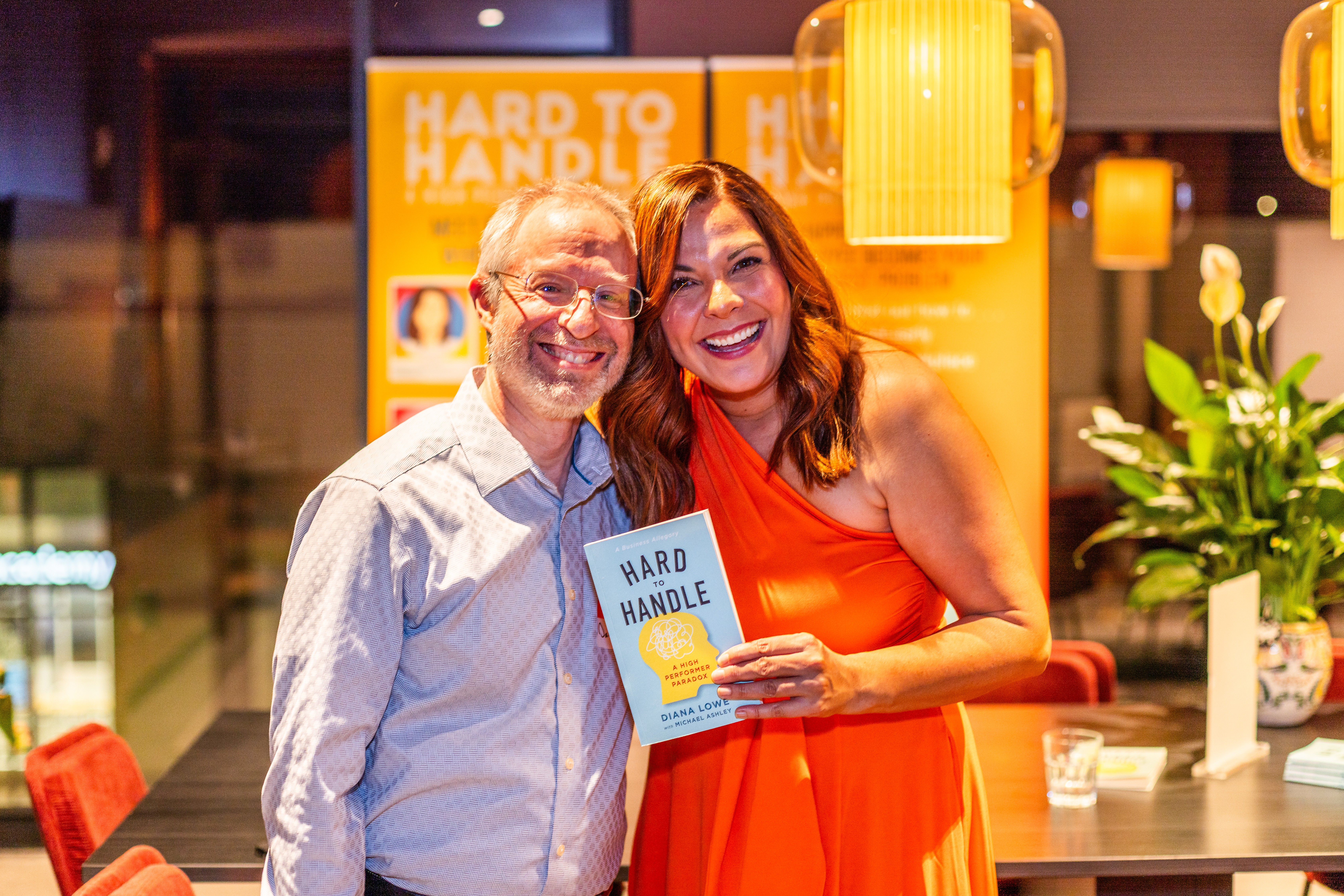
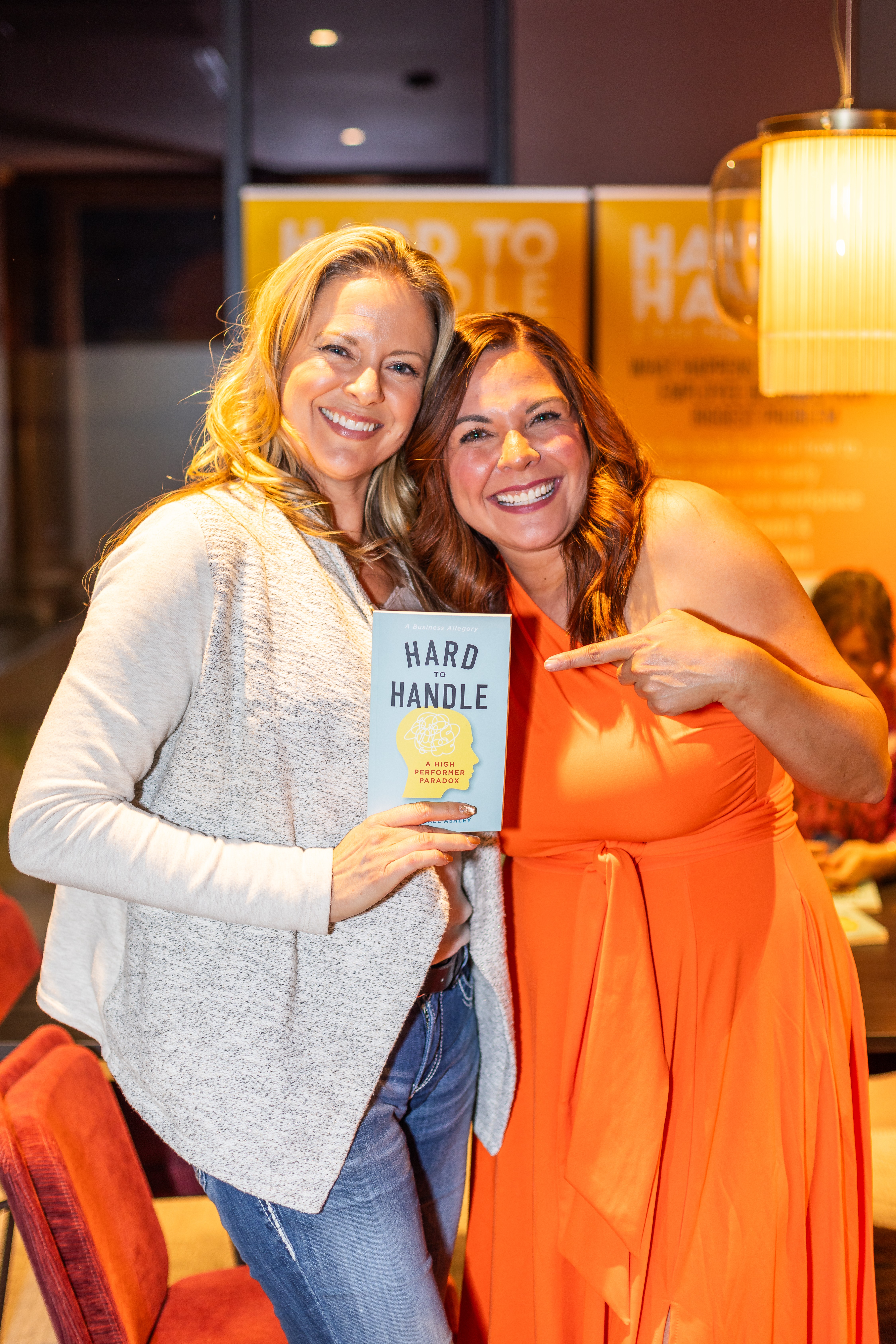
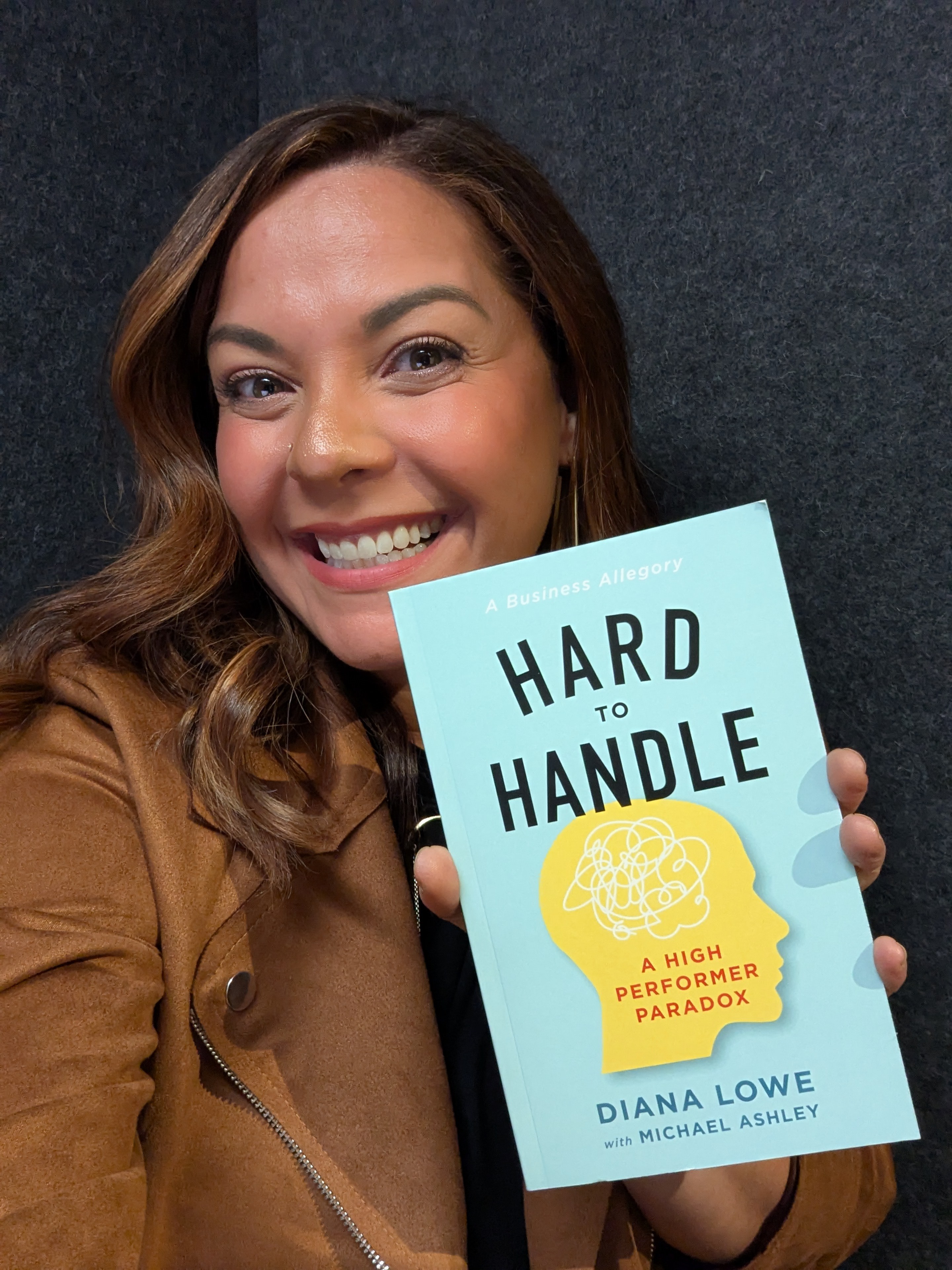
Image Credits
CoxSocial