



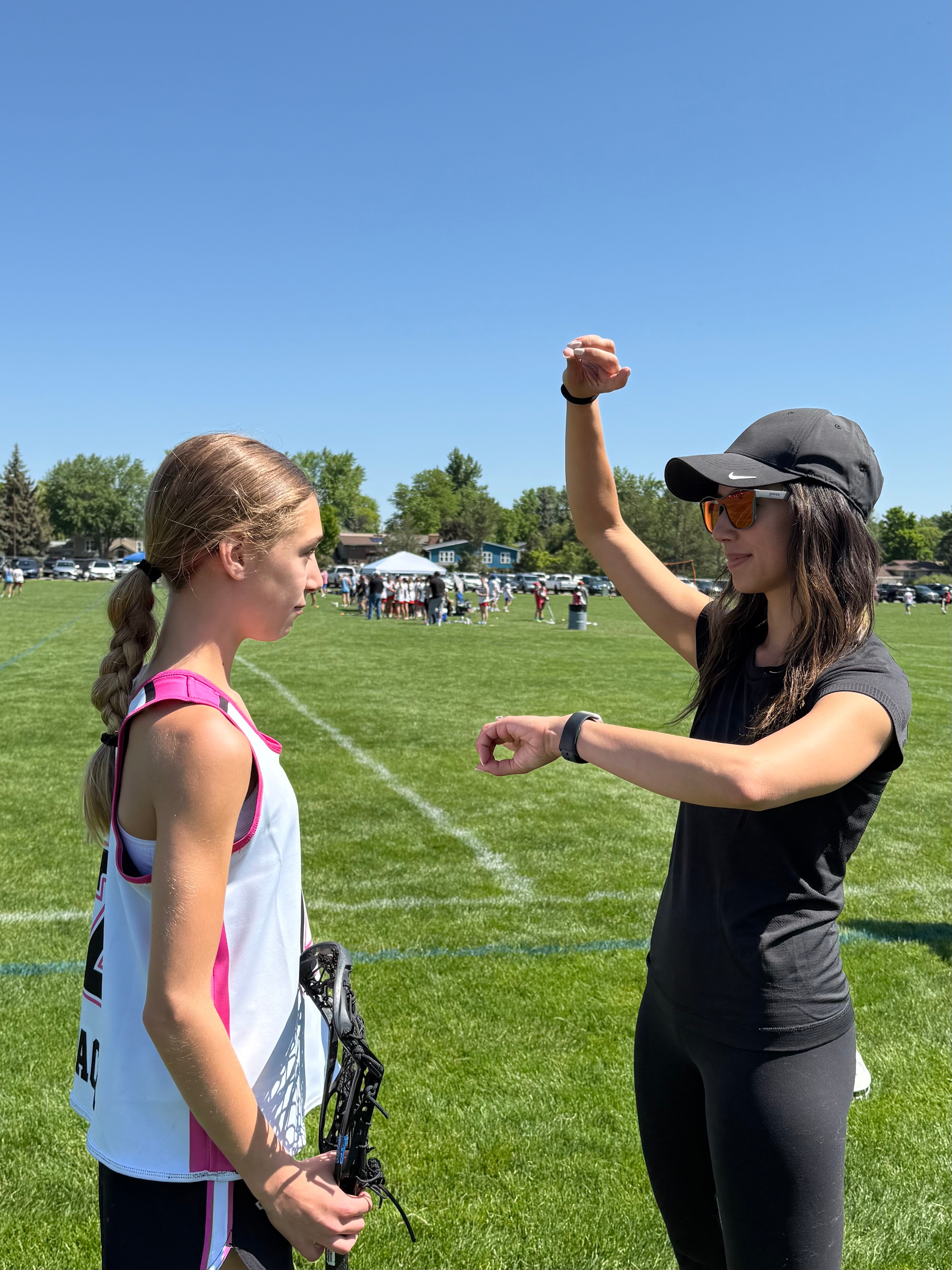
Today we’d like to introduce you to Alison Datoc.
Hi Alison, so excited to have you on the platform. So before we get into questions about your work-life, maybe you can bring our readers up to speed on your story and how you got to where you are today?
Ever since high school, I’ve been captivated by the brain’s complexity, resilience, and vulnerability. That fascination became deeply personal when a loved one of mine sustained multiple concussions. I witnessed firsthand how even mild brain injuries could alter someone’s cognitive abilities, emotional regulation, and behavior.
During that time, I had the opportunity to meet a sports neuropsychologist. Learning more about their background as an expert in the brain and behavior within the context of concussions and athlete culture was intriguing. As a competitive figure skater myself, I was no stranger to injuries, including concussions. I understood the emotional toll of being held-out from your sport and the urgency athletes feel to return to sport in both a safe and timely manner. That personal connection deepened my appreciation for the importance of specialized care that supports the athlete’s recovery and identity. It was the first time I saw how science and empathy could intersect in such a meaningful way, and it gave me a clear vision of what I wanted to do for the rest of my life.
I dedicated my education to my goal of becoming a sports neuropsychologist and never looked back. I pursued a bachelor’s degree in psychology and immersed myself in research, which laid the foundation for graduate studies. I went on to complete both master’s and doctoral degrees in clinical psychology, with a focus in neuropsychology. My training continued with a predoctoral internship at the Rocky Mountain Regional VA Medical Center, where I worked with veterans recovering from brain injuries. I then completed my postdoctoral training in lifespan sports neuropsychology at the University of Texas Southwestern Medical Center and Children’s Health Andrews Institute, where I had the opportunity to work with athletes at all levels of play, from youth through professional. I also published peer-reviewed studies on concussion recovery and long term brain health in athletes, which deepened my knowledge and skill in treating this injury clinically.
Over the years, I’ve had the privilege of working with thousands of patients, assessing athletes on the sidelines immediately after injury to guiding individuals of all ages through concussion management in the clinic. Through this work, I recognized a critical gap in access to specialized, acute concussion care, particularly care led by experts in brain and behavior. That realization inspired me to establish a concussion clinic serving the Denver metro area and Boulder, Colorado, as well as the entire state through virtual evaluations. People can and do recover from concussions- especially when they receive timely, specialized care, and receive the right education from the start. My goal has always been to create a space where individuals can access expert-level care informed by the latest research to not only help individuals return to their daily lives, but also to the activities and sports that are a part of who they are.
I’m sure it wasn’t obstacle-free, but would you say the journey has been fairly smooth so far?
The road to becoming a sports neuropsychologist and building a concussion clinic hasn’t necessarily been the easiest road, but it’s been a meaningful one. The training to become a sports neuropsychologist is long and demanding in itself. It began with four years of undergraduate education in psychology, followed by five years of doctoral training in clinical neuropsychology, and two additional years of postdoctoral specialization in sports neuropsychology. That’s over a decade of rigorous academic and clinical training, filled with perseverance, late nights, excessive coffee consumption, and an unwavering commitment to the field.
One of the most persistent challenges has been raising awareness about the importance of specialized care after a concussion. There are many misconceptions and myths surrounding this injury: what it is, how it affects people, and what recovery looks like. As a sports neuropsychologist, I have made it a priority to bridge that gap through community education, providing talks to parents, athletes, schools, athletic trainers, physicians, and other professionals. I see it as my responsibility to ensure people receive accurate, evidence-based information. Despite the obstacles, I’ve never lost sight of why I started. Every patient I work with reminds me that this work matters, and that recovery is possible when people have access to the right care and education.
As you know, we’re big fans of Horizon Neuropsychological Services. For our readers who might not be as familiar what can you tell them about the brand?
At Horizon Neuropsychological Services, we are dedicated to providing comprehensive neuropsychological care to individuals across the lifespan. Our practice offers evaluations for a wide range of conditions, including neurodevelopmental, neurologic, psychiatric, medically complex, and neurodegenerative. Whether we’re working with a child navigating learning challenges or an older adult facing cognitive changes, we provide comprehensive evaluations that guide meaningful care.
In the fall of 2024, we expanded our services with the launch of our specialized concussion clinic. What sets this clinic apart is our commitment to early access to expert care. Research consistently shows that timely intervention leads to better recovery outcomes after concussion, and I have built our clinic model around that principle. Our clinic serves the Denver metro area and Boulder in person, and we proudly offer virtual concussion evaluations to individuals across the entire state of Colorado. We are also proud of our commitment to increasing access to care as we accept several commercial insurance plans. We recognize that neuropsychological services can be costly out of pocket, and we are committed to making high-quality care more accessible to the communities we serve.
What truly distinguishes Horizon is our team. I am proud to work alongside experts who are not only skilled in the field but also deeply compassionate providers. Our care is informed by the latest research, and we are relentless in our pursuit of providing the highest quality care.
Before we let you go, we’ve got to ask if you have any advice for those who are just starting out?
My biggest piece of advice for anyone starting out is to seek out mentorship early and often. Training under the right mentors was invaluable to my growth in terms of clinical knowledge, but also in shaping how I approach patient care, leadership, and the field as a whole. The guidance, wisdom, and support I received from leaders in my field helped me navigate the road of becoming a concussion specialist.
An additional piece of advice that I learned early on is to never underestimate the power of connection. A successful practice at its core is all about relationships. Whether it’s with patients, colleagues, mentors, or community partners, the ability to build trust and show up for others is everything. You never know where a conversation or collaboration might lead.
Pricing:
- For comprehensive neuropsychological evaluations, people can learn more about our pricing here: https://horizonneuro.com/evaluation-models/
- For our concussion clinic, those covered by insurance pay any copay, coinsurance, or deductible. For private pay, the total cost for a concussion evaluation (initial visit + follow-up visit) is $350.
Contact Info:
- Website: https://horizonneuro.com/concussion-clinic/
- Instagram: https://www.instagram.com/horizonneuro
- Facebook: https://www.facebook.com/horizonneuro
- LinkedIn: https://www.linkedin.com/in/alisondatoc/
- Other: https://horizonneuro.com/blog/


Popular
-

The Trailblazers: Rewriting the Narrative
-

Celebrating the Spotlight: Kaytee Shashore Turns Milestones Into Momentum
-
Humanity in the Machine: Alexander Raye Pimentel’s Cyborg Recall Questions the Cost of a Data‑Driven World
-

Raemi Anderson on Courage, Caution, and Answering the Call of the Landscape
-

Hidden Gems: Local Businesses & Creatives You Should Know


