



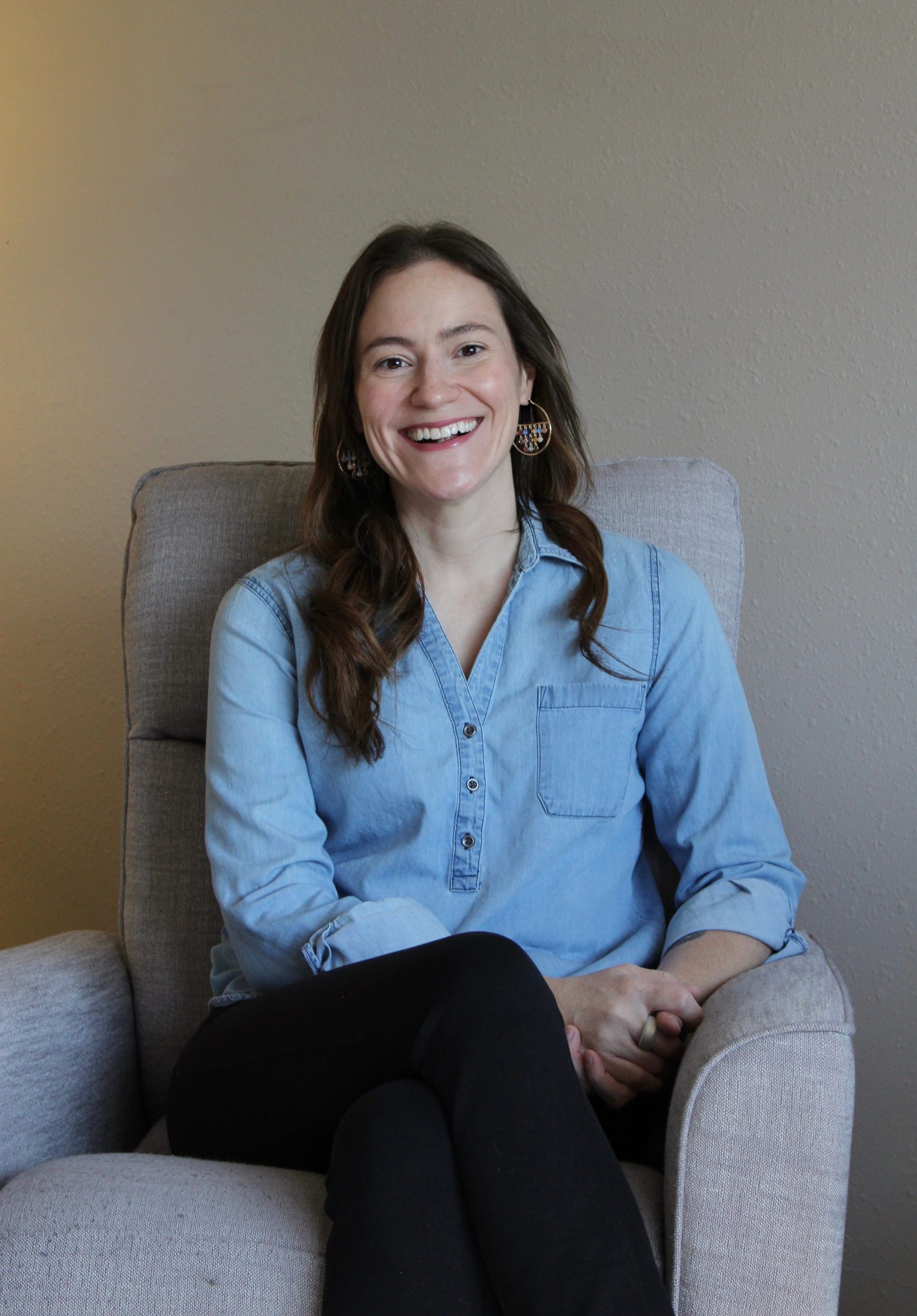
Today we’d like to introduce you to Bernadette Pivarunas, PhD
Hi Bernadette, it’s an honor to have you on the platform. Thanks for taking the time to share your story with us – to start maybe you can share some of your backstory with our readers?
JR(1). That’s how it all started. I was in the final year of my PhD program; I had spent about 10 hours building rapport with an adolescent girl, JR, performing her comprehensive diagnostic assessment. When it came time to provide referrals, she was emphatic that she would only see me for therapy. While I tried to express gratitude and understanding for the trust she had built with me and the difficulty of beginning anew with another provider, she would not have any of it. “Give me a few days,” I told her. In those few days I created an LLC, Radical Healing, to see JR for weekly psychotherapy. She paid $5 per session, what she could afford on a high schooler’s budget. I thought that would be the extent of this thing called Radical Healing. Almost 8 years later, Radical Healing has grown to employee eight other mental health clinicians across two locations. We are open seven days a week and see approximately 200 appointments per week, supporting individuals, couples and families. Our growth has been fueled by, more than anything, word-of-mouth recommendations and referrals.
Mr. Rogers told America’s youth, “look for the helpers.” I knew I could help JR. All these years later, I’m still driven by the opportunities to help and Colorado’s dire need for helpers. (Colorado the last several years has consistently ranked in the bottom 10 states for mental health, according to Forbes, Mental Health America, and others.)
(1.) Not the patient’s actual initials, to respect confidentiality.
I’m sure it wasn’t obstacle-free, but would you say the journey has been fairly smooth so far?
There’s nothing about small business ownership that’s easy! Particularly running a mental health practice within a for-profit healthcare system that devalues mental health. Albeit a controversial opinion, I don’t think there’s accessibility in self-pay models. What most people don’t realize are the difficulties associated with accepting insurance, especially for a small practice. Insurance reimburses less than the going rate for any given healthcare service; insurance, on average, takes 3-4 weeks to process and pay a claim, and not 100% of claims are paid. As a practice owner, I am paying my team before the business has been reimbursed by insurance companies and my team gets paid, in full, for all services they deliver, irrespective of whether insurance actually ever pays for the service.
Earlier this year a cyberattack on Change Healthcare affected more than 100 million Americans. For nearly three months insurance claims, which are filed, processed, and paid electronically, were in limbo. Our cash flow plummeted about 75%. And there was no good solution. Sure, we could have paused appointments and that would have meant keeping folks from the care they needed. We could have required patients pay upfront, in cash, for services and reimbursed them once the cyberattack and its fallout was resolved, except most of our clients couldn’t afford that. And/or I could have stopped paying my team. I wasn’t satisfied with any of those ‘solutions’ so I went without pay for the duration of that storm.
I can’t change our entire healthcare system. I can buffer my team and our clients from the shortcomings and inequities of the system. To that end, I hold myself accountable to know enough about each individual, couple, and family we see (about 200 per week) such that I can step in given an emergency situation. Behind the scenes I’m working around the clock to ensure every person we see receives the mental healthcare I would want for myself, my loved ones. That means I provide clinical support to each of our therapists and it also means I invest fully and unconditionally in my team(2) as people, fellow humans, above all else because supported therapists are the most appropriately positioned to support clients.
Carl Jung wrote, “know all the theories, master all the techniques, but as you touch a human soul be just another human soul.” That premise guides me. While I have been relentless in my pursuit of academic knowledge and clinical training, I strive to be as persistent in doing my own work such that I can show up for Radical Healing, our team and our clients, as the best version of myself. There is certainly a loneliness in taking so much on, in sacrificing in ways no one will ever see (I like to think of it as servant leadership), and I live very intentionally such that I can look back on my life with certainty that I used every opportunity, privilege, and gifting in service of others. My last appointment today, a 60-something year old woman, uttered on her way out of my office, “you’ve touched a lot of lives, dear.” I’ll navigate any challenge that comes my way with the goal of touching more lives.
(2.) In the world of mental health, the majority of therapists are treated by clinics, companies, and corporations as contractors; they are not eligible for benefits. Many in our field believe this is a reflection of how culture under-values emotional labor and particularly the work of women, as there are far more women psychotherapists than men. I am proud to say I am shifting that. All of our team are employees with full benefits, one small yet critical step in supporting the work of mental health clinicians and preventing burnout.
Thanks – so what else should our readers know about Radical Healing?
With offices in Fort Collins and Denver, Radical Healing offers state of the art, empirically-based mental health services for individuals (ages 5 and older), couples, and families. We specialize in three areas:
1. Disordered eating. We believe if you’ve spent any considerable time in the U.S., you’ve been exposed to – and maybe even immersed in – diet culture. Rigid rules rooted in pseudoscience and fatphobia result in internalized body dissatisfaction and shame, and often a lifetime of yo-yo dieting (restricting, bingeing, and compensatory behaviors). When in reality, health and well-being are far more comprehensive than someone’s BMI; that’s right, there’s compelling data that show more than half of overweight and obese folks are actually metabolically healthy, yet our country is obsessed with waging a ‘war’ on obesity. We believe health (and well-being) are possible at every size. Utilizing modalities including Cognitive and Dialectical Behavioral Therapies, Intuitive Eating, body positivity, and Feminist Theory, we support folks in unearthing the roots of their disordered eating, confronting painful sociocultural and familial messages, returning to their bodies and their appetites, and cultivating a life that honors their identities and values.
2. Trauma. In our experience, there’s a significant misunderstanding in our culture around what trauma really is. Trauma is any event, incidence, or context that overwhelms someone’s ability to cope. And, when unaddressed, trauma is associated with a slew of adverse outcomes, like anxiety and depression, substance abuse, suicidality, heart disease, cancer, and even early death. And talking about our traumas doesn’t really help, oftentimes talking makes it worse! Our team has advanced training in body-based modalities for the treatment of trauma including sensorimotor and somatic psychotherapies, EMDR, imaginal nurturing, Internal Family Systems, and psychedelic (ketamine and psilocybin) assisted psychotherapy. We’ve supported folks in healing from every kind of trauma imaginable: sexual assault, abuse, and trafficking; military service, school shootings and terrorism; intergenerational and developmental trauma; traumatic and disenfranchised grief (including pet loss); medical trauma; domestic and intimate partner violence…the list is, sadly, endless.
3. Relationships. Our neurobiology as social mammals evolved for connection; we are truly wired for connection. As Sarah McCormick, one of our therapists, puts it: our “mission at Radical Healing is to help individuals restore their courage to be seen and revive their belief in the beauty of reciprocal loving relationships.” We support relationships using Emotionally Focused Therapy, the Gottman Method, and the Psychobiological Approach to Couple Therapy. One of our therapists even specializes in s*x therapy.
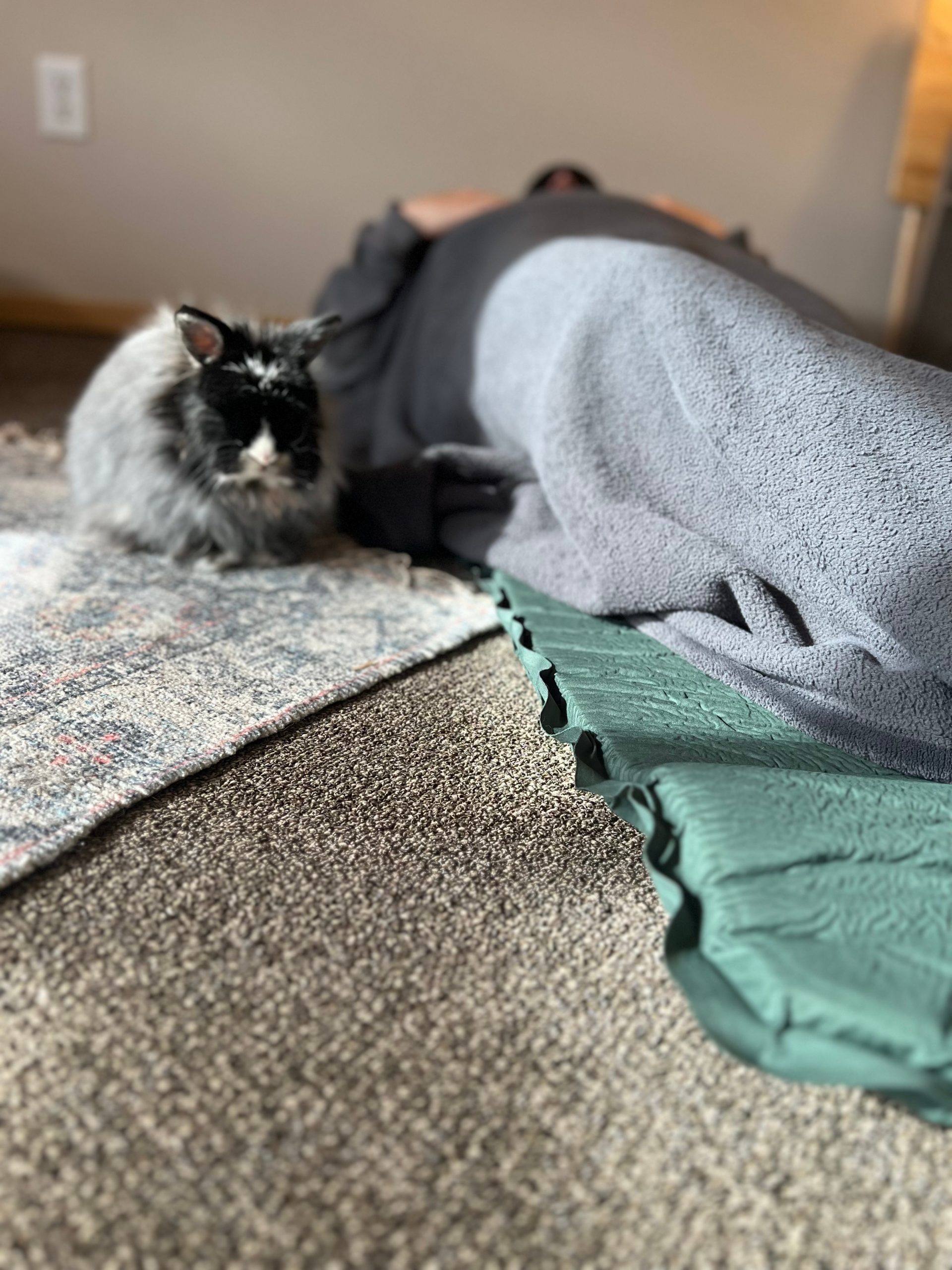
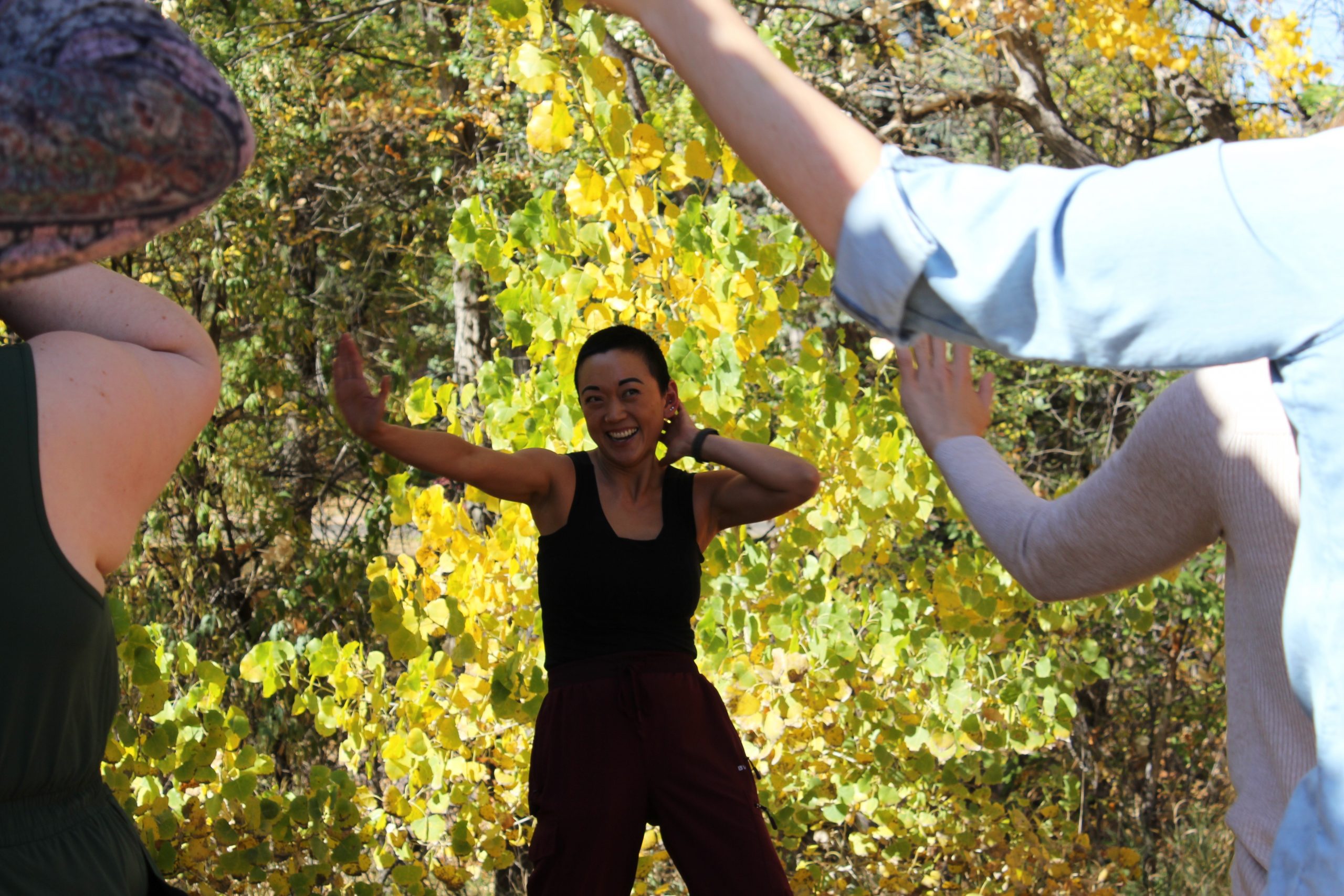
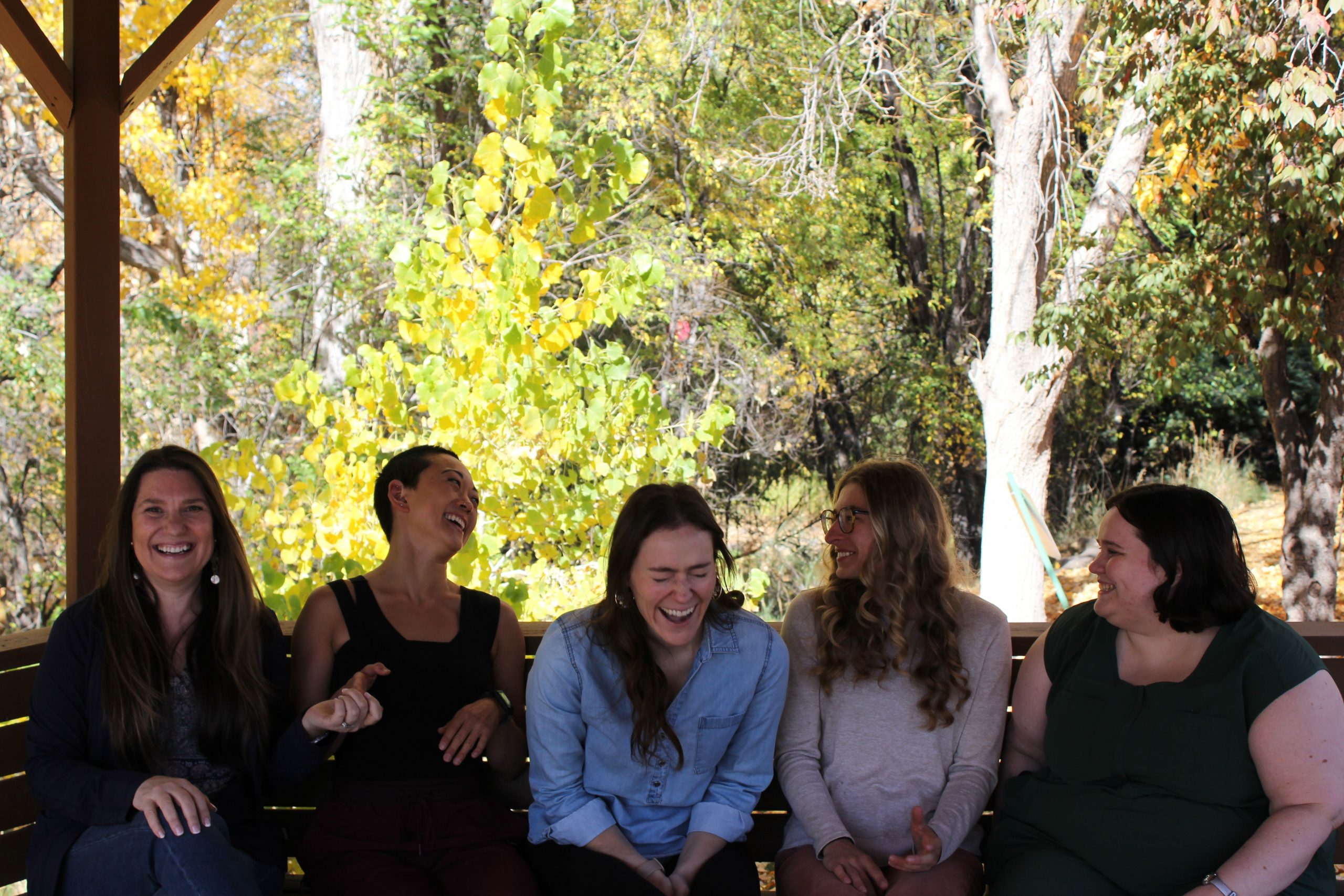
Midnite Townsend, a dance movement therapist on our team reflected, “at the heart of our work is a passion for helping those who are underprivileged, underserved, or feeling isolated…we believe that everyone deserves access to healing spaces where they can be truly seen, heard, and valued.” And while that sounds good in theory, I think we are doing a pretty stellar job of making that happen. We are decolonizing therapy – deconstructing the socioeconomic, cultural, and racial barriers that have kept therapy inaccessible. Decolonizing therapy means thinking outside-the-box and valuing “creative interventions,” as Lia Wolfe on our team likes to say; she leads body liberation and rock climbing therapy groups. In January (2025) we’ll be starting support groups for transracial adoptees, led by Midnite Townsend and Grace Clark, both of whom themselves are transracial adoptees. We’ve had the opportunity to deliver psychedelic (ketamine and psilocybin) assisted psychotherapy to more than 3 dozen first responders and serve folks from more than 50% of the counties in Colorado. Decolonizing therapy also means deconstructing financial barriers; we accept all insurance (including Medicaid) and we have actually never once turned someone away based on their ability (or inability) to pay. We see our patients through job and subsequent insurance loss. We work with individuals and families who are undocumented and therefore ineligible for benefits. And finally, decolonizing therapy means deconstructing what therapists and therapeutic spaces look like. Marginalized identities (LGBTQ, chronically ill, fat), BIPOC, neurodivergent, tattooed – we’ve got real humans on our team. Both of our offices offer evening and weekend appointments. We have a resident therapy rabbit, Penelope, and many clients bring their own pets into session. Most of our team walks around the office without shoes, which is a precedent I set. If we are asking people to come home to their bodies and themselves, we too must show up authentically in our bodies, as ourselves.
What we do at Radical Healing is often described as a labor of love; if it will benefit an individual, couple, or family we support, we are going to make it happen, even if it costs us (if it costs me – physically, emotionally, financially, logistically). I am humbled to say that our clients feel that; we’ve grown through word-of-mouth referrals and, in fact, we have never spent even $1 on marketing or advertising.
Alright so before we go can you talk to us a bit about how people can work with you, collaborate with you or support you?
For folks interested in therapy, they can connect with us by phone, text, email, or our website: www.radicalhealingllc.com. We honor the courage it takes to reach out and cannot wait to learn more about you and how we can be of support.
For folks interested in training opportunities, mentorship, or consultation, they can reach us via the same channels.
I can be reached directly at Dr.Pivarunas@RadicalHealingLLC.com. I promise to respond as soon as I’m able.
Contact Info:
- Website: https://www.radicalhealingllc.com
- Instagram: https://www.instagram.com/radical_healing_colorado/


Popular
-

The Trailblazers: Rewriting the Narrative
-

Celebrating the Spotlight: Kaytee Shashore Turns Milestones Into Momentum
-

Humanity in the Machine: Alexander Raye Pimentel’s Cyborg Recall Questions the Cost of a Data‑Driven World
-

Raemi Anderson on Courage, Caution, and Answering the Call of the Landscape
-

Hidden Gems: Local Businesses & Creatives You Should Know


