



Today, we’d like to introduce you to Crystal Seeley.
Hi Crystal, so excited to have you on the platform. So before we get into questions about your work life, maybe you can bring our readers up to speed on your story and how you got to where you are today.
Our story is a fun one because Frank started things, and together, we have had a buzzing business!
Frank started beekeeping over 35 years ago for his son Matthew. At four years old, Matthew suffered from asthma and allergies. Frank was determined to keep his son off of pills that could do more harm than good. Frank had been told that raw honey was the best way to fight these issues and that he should find a local beekeeper.
Learning about bees was intriguing to Frank, and he learned how to take care of bees and help his son at the same time! Slowly but surely, Matthew got better, but he still had a few issues with asthma. Frank started digging even more into how everyday things can cause asthma issues. The biggest one was fragrances in shampoos, soaps, and cleaning products. Frank started dabbling to make his own soap with essential oils.
Fast forward to 2003, and Frank’s incredible hobby helped me with my allergic reactions to soap and gave me a product I could use every day. What makes our journey even more incredible are the bees. Suffering from allergies myself for many years, Frank had me start on bee pollen. The raw honey was helpful, but I needed a boost to really fight them. Bee pollen is another product made by bees that has more protein than beef!
I was not getting enough nutrition from the foods I was eating at the time and bee pollen really aided in getting good nutrients back in my body. The more I learned about beekeeping and bees the more obsessed I have become with how bees work and how they help us every day. Now, to see how soap, honey, pollen, and bees help our daughters grow makes this a beautiful story!
Would you say it’s been a smooth road, and if not, what are some of the biggest challenges you’ve faced along the way?
I like to laugh at this question because many people think that owning a business is a smooth road. It has been AMAZING fun, but it has had its bumps and potholes. A great example is that I took several courses in college on how a business should be run.
However, not all of what I learned has applied to the specific business that I am in. Small businesses are not a cookie-cutter type model. It has taken us many years to learn how to care for customers. It has taken a lot of learning about how our specific business functions and works well. You can do everything right and still have things happen. Some honey may not be produced that year, or certain bottles will no longer be available for bottling. There are even times when prices have gone up that were not expected.
We have even had days where we expected sales to be one-way, and they were completely different. All the computer technology in the world cannot predict some of the ways a small business is run. Another thing we have noticed is the way that people advertise has not always worked for our business. There are many things that pop up, but the longer you are in business, the more you are better able to adapt to how you run it.
As you know, we’re big fans of The Honey Cottage. What can you tell our readers who might not be as familiar with the brand?
Our job is to help people find raw honey that they will enjoy and love to eat every day. One of my favorite parts about The Honey Cottage is doing taste samples for customers. We have learned over the many years that we have been selling raw honey and that one honey does not work for all customers. Everyone has different taste buds, uses honey in different ways, prefers different honey for different recipes, and nobody does it the same way.
One of my favorite lessons about honey was during 2020 when I had a customer come in and insist that they have local honey for their allergies. So, I had them try a sample, explained that they needed to take a Tablespoon or two each day, and helped them get a good size for a month’s use. They came back in and said it did not work. I asked how often they were using the honey, and they looked away and said well, a couple of times a week. I explained that they were to use it every single day to lessen their allergies.
They then opened up and said they did not like the taste of the local honey; they found it to be too sweet for them. I then had them try two other honeys, found the one they preferred, and picked a smaller size this time to make sure they would use it every day. I am so happy to say they came back in for a bigger size and were super happy with their new routine. Moments like this make our job way more exciting!
So maybe we end by discussing what matters most to you and why.
Education. We have been learning that people do not know or understand bees as much as we would like them to. There are many people rushing into beekeeping after taking a class, and they are struggling to keep the bees alive. We need flowers to be planted. We need more people getting involved with gardening. We need more people planting flowers so the bees do have something to eat. Our ecosystem cannot handle the overload of beekeepers in the areas where people are putting bee hives.
There is also a concern for the native bees that are dying out because there are more bees than the flowers can support. Native bees only take enough nectar for themselves because they are solitary bees. Many of these bees pollinate certain plants that honey bees cannot. For example, bumble bees do what is called buzz pollinating. That means the bumble bee bites down on the anther, shakes the flower to get the pollen out, and goes to the next flower to pollinate.
Our message is simple; we need to fight for the bees together by planting more flowers, stop pesticide usage that harms the bees, and stop overpopulating the ecosystem with honey bees. As my husband says to customers, if you want to help the bees, take a bee to lunch, plant some flowers so they have a meal.
Pricing:
- Most honey are anywhere from – $10.95-$31.95 depending on size and kind of honey
- Honey sticks and honey candies – $1-$13.95 depending on type and size
- Honey mustard, syrups, and sauces – $11.95
- Jam and whipped honey – $11.95
- Lip balms, Soap, and Lotions – $4.25-$17.99
Contact Info:
- Website: www.thehoneycottage.com
- Instagram: beequeen60
- Facebook: https://www.facebook.com/TheHoneyCottage/
- Twitter: Bee Queen @TheHoneyCottage

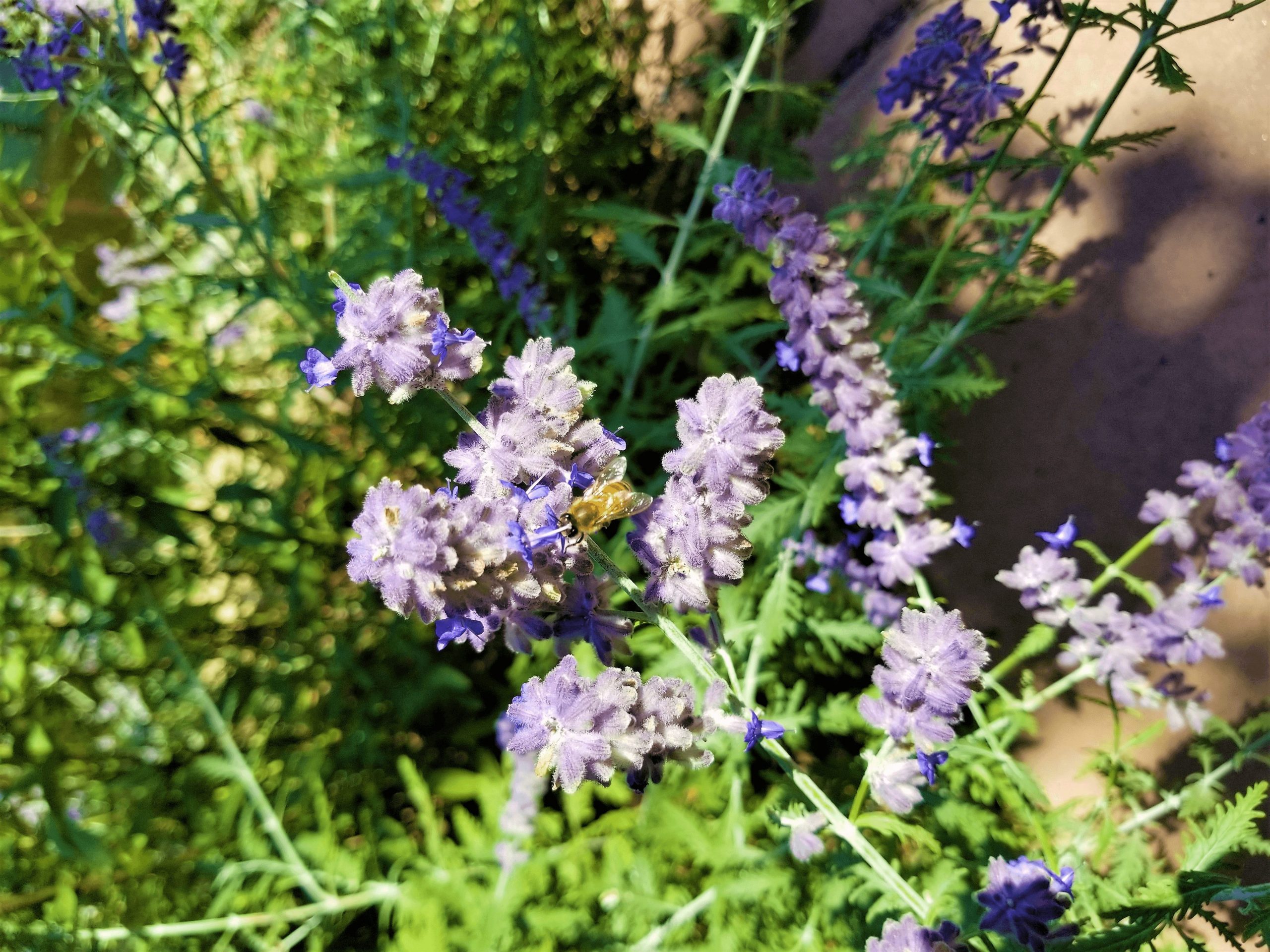


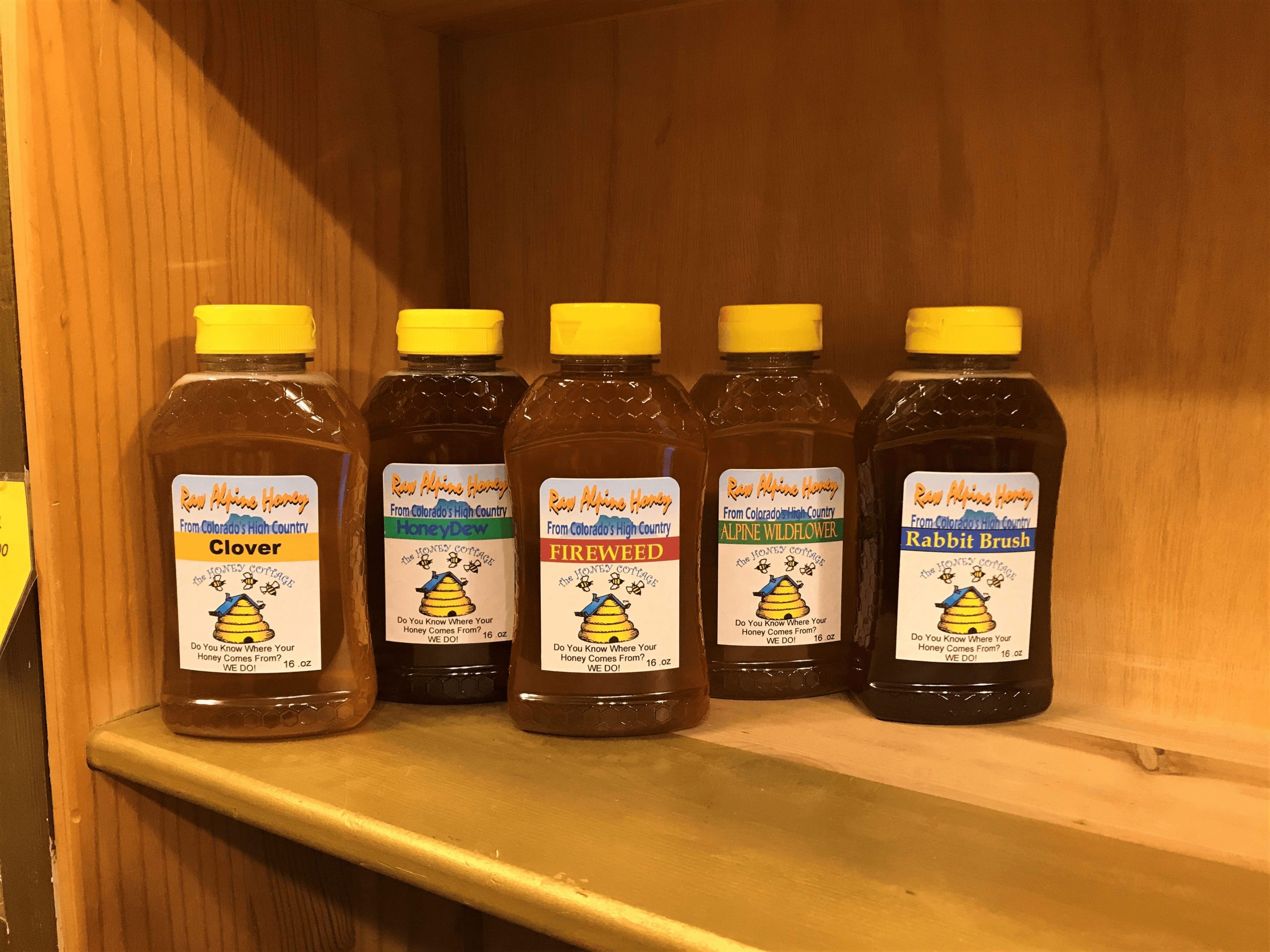 Image Credits
Frank and Crystal Seeley
Popular
-

The Trailblazers: Rewriting the Narrative
-

Celebrating the Spotlight: Kaytee Shashore Turns Milestones Into Momentum
-

Humanity in the Machine: Alexander Raye Pimentel’s Cyborg Recall Questions the Cost of a Data‑Driven World
-

Raemi Anderson on Courage, Caution, and Answering the Call of the Landscape
-

Hidden Gems: Local Businesses & Creatives You Should Know


