



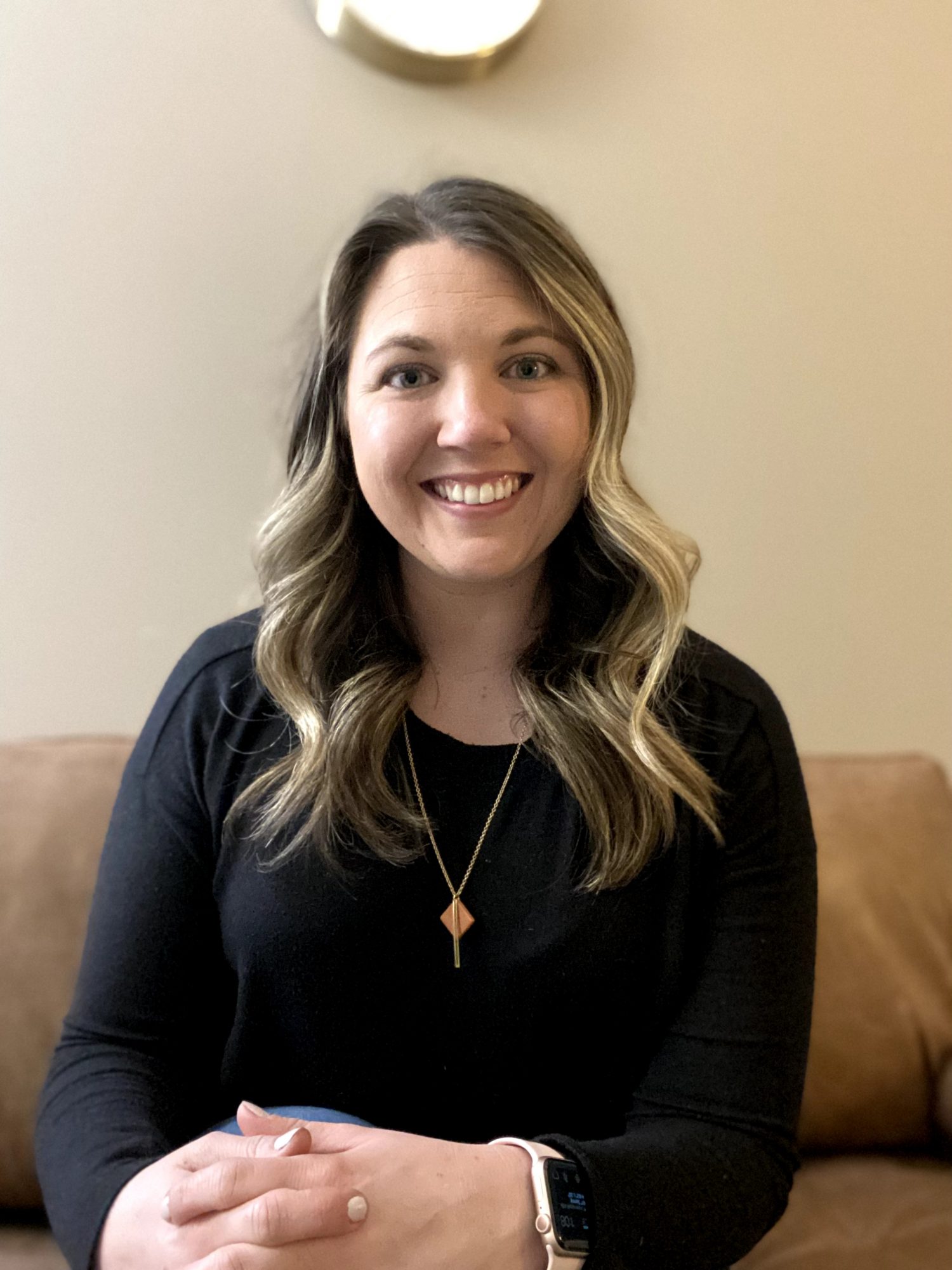
Today we’d like to introduce you to Emily Schleich.
Alright, so thank you so much for sharing your story and insight with our readers. To kick things off, can you tell us a bit about how you got started?
My path into this work began unexpectedly during my undergraduate years at the University of New Mexico. A friend of mine encouraged me to volunteer as a counselor at a summer camp for autistic children because they needed additional support staff. I had little experience with neurodivergent individuals and didn’t know what to expect from a weeklong overnight camp — but that week changed everything. On the final day, when families arrived to pick up their children, I was deeply moved by their stories and the ways neurodiversity shaped their lives. In that moment, I knew I wanted to support neurodivergent individuals and their families in a meaningful, long-term way.
That experience led me to pursue graduate training at Oklahoma State University, where I completed a Master’s in Marriage and Family Therapy with an emphasis on intellectual and developmental disabilities. During this time, I was able to combine my passion for mental health with neurodiversity-affirming work through research, clinical training, and facilitating therapy groups for individuals and families. My lens quickly shifted from a deficit-based model to one that centers identity, strengths, and authentic support.
After graduate school, I moved to Denver to be closer to family. The process of becoming fully licensed and building professional relationships took time, and I spent several years working in community mental health. While that work was meaningful, I consistently saw how families needed more individualized, neurovidergent and identity-affirming support than traditional systems were able to provide.
In 2020, I launched my private practice with the goal of creating a space that truly honors neurodivergent identities. Today, I lead a thriving group practice where clinicians practice through a neurodiversity- and identity-affirming lens, and we remain deeply connected to the community through events, partnerships, and ongoing advocacy. What began as a single unexpected opportunity has grown into work that continues to feel purposeful — supporting individuals and families in ways that respect who they are, not who systems expect them to be.
I’m sure it wasn’t obstacle-free, but would you say the journey has been fairly smooth so far?
It definitely hasn’t been a smooth road. Starting a business is challenging under any circumstances, but launching a private practice in 2020 meant building something entirely new in the middle of a transition toward telehealth. Much of my work is with neurodivergent children, and expecting young kids — who naturally learn and connect through play and movement — to sit in front of a screen was incredibly difficult. It required constant creativity, flexibility, and patience from both myself and the families.
Another challenge has been advocacy. Five years ago, there was far less understanding of the mental health needs of neurodivergent individuals, particularly the ways anxiety, depression, trauma, and identity development can co-occur alongside autism and other neurodivergent profiles. Much of my early work involved helping systems, schools, and even families understand that neurodivergent individuals deserve mental health support that is affirming — not focused on changing who they are. That meant educating and challenging outdated frameworks.
Over time, that landscape has grown and shifted. There is much more awareness now around co-occurring diagnoses, identity-affirming care, and the importance of supporting the whole person rather than a single label. The road has included uncertainty, long hours, and learning as I went, but those obstacles ultimately strengthened the vision behind my practice and deepened my commitment to advocacy, community connection, and accessible care.
Alright, so let’s switch gears a bit and talk business. What should we know?
My practice was built around a simple idea: neurodivergent individuals and their families deserve mental health care that is affirming, collaborative, and effective in meeting their goals. We provide therapy for children, teens, adults, couples, and families, with a strong focus on neurodiversity, identity development, and the intersection of mental health with learning differences, autism, ADHD, and sensory needs. In addition to individual therapy, we support caregivers through parent coaching, offer relationship and family work, and stay actively involved in community education and partnerships.
What we are most known for is our neurodiversity- and identity-affirming approach. Rather than trying to “fix” behaviors, we focus on understanding underlying needs, building self-advocacy skills, supporting emotional regulation, and helping families create environments where individuals can thrive as they are. Our clinicians share this lens and bring specialized training in play therapy, trauma-informed care, executive functioning, and co-occurring mental health conditions that often go overlooked in neurodivergent populations.
What sets us apart is how intentionally we integrate therapy with everyday life. We prioritize collaboration with schools, other providers, and caregivers so progress extends beyond the therapy room. We also create tangible resources — visual supports, play-based tools, handouts, and structured guidance — so families feel supported between sessions. That practical, systems-aware approach is something many families tell us they struggled to find elsewhere.
What I want readers to know is that our work goes beyond therapy sessions. We are committed to advocacy, education, and expanding access to affirming mental health care. Whether someone is newly exploring a diagnosis, navigating school challenges, supporting a child, or unpacking their own identity as an adult, our goal is to provide care that is validating, practical, and sustainable — care that helps people build lives that work for them, not the other way around.
How can people work with you, collaborate with you or support you?
People can work with us in several ways depending on their needs. Individuals and families can connect directly for therapy services, including child, teen, adult, couple, and parent support. We aim to make the intake process approachable and collaborative so families feel clear on fit, goals, and what care will look like from the start.
Professionals and organizations often collaborate with us through consultation, trainings, and community partnerships. We work with schools, medical providers, therapists, and community groups to provide education on neurodiversity-affirming care, co-occurring mental health needs, and practical strategies for supporting neurodivergent individuals in everyday settings. This might look like workshops, case consultation, resource development, or ongoing partnership around student and family support.
We also collaborate with clinicians who are building or growing practices. This can include clinical consultation, business strategy conversations, and resource sharing for therapists who want to provide identity-affirming care while creating sustainable careers. Supporting other providers ultimately expands access for the families we care about.
The best way to connect is to reach out through our website or contact form with what you’re looking for — therapy, consultation, training, or partnership. We’re always open to conversations to explore fit, identify shared goals, and find meaningful ways to work together in the community.
Pricing:
- $150-175/session
- Insurance Accepted
Contact Info:
- Website: https://allmindscounseling.com/
- Instagram: all.minds.counseling



Popular
-

The Trailblazers: Rewriting the Narrative
-

Celebrating the Spotlight: Kaytee Shashore Turns Milestones Into Momentum
-

Humanity in the Machine: Alexander Raye Pimentel’s Cyborg Recall Questions the Cost of a Data‑Driven World
-

Raemi Anderson on Courage, Caution, and Answering the Call of the Landscape
-

Hidden Gems: Local Businesses & Creatives You Should Know


