



Today we’d like to introduce you to Hope Day.
Hi Hope, so excited to have you on the platform. So before we get into questions about your work-life, maybe you can bring our readers up to speed on your story and how you got to where you are today?
I never set out to build a business. Hopeful Ink was born because I was trying to find my way back to myself.
My story is rooted in grief, healing, and the belief that even after life breaks you down, something meaningful can still grow from what remains.
Over the years, I experienced several devastating losses, including the deaths of my best friend, my father, and my little brother. Each loss affected me differently, but together they changed the entire landscape of my life. Grief hit me in ways I didn’t expect, nor did I understand. It affected my mental health, my relationships, my sense of identity, and the way I moved through the world. There were periods when I felt as though I had lost not only the people I loved, but myself as well.
At the same time, life kept asking things of me. I was working as an educator, becoming a mother and soon raising two kids under two, managing everyday responsibilities, and trying to hold everything together while carrying pain that was often invisible to the people around me. Like so many others, I became very good at functioning while still feeling deeply disconnected inside.
My healing journey eventually led me toward therapy, self-reflection, nervous system regulation, somatic awareness, and psychedelic healing and integration. Desperate for relief, I explored different avenues of psychedelic healing and had the most profound breakthroughs. My thoughts, my perspectives—it was all shifting.
But what I quickly realized was that having a powerful experience did not automatically heal me or create lasting change.
The experience could open a door. It could show me something I hadn’t been able to see before, bring buried emotions to the surface, or allow me to look at my life from an entirely different perspective. But I still had to figure out what to do with what came up.
The real work often happened afterward—in the quiet moments when I was trying to understand what surfaced, reconnect with my body, recognize old patterns, and figure out how to carry those new insights into my everyday life.
Journaling became one of the most important tools in that process.
Writing gave me somewhere to place the thoughts and emotions that felt too complicated to explain out loud. It helped me slow down, make connections, recognize patterns, and turn abstract realizations into something I could actually understand and work with.
As an educator and writer, creating structure around that process came naturally to me. I began developing guided reflection prompts and exercises for myself. I wanted more support than a blank notebook could provide, but I didn’t want something overly clinical, impersonal, or rigid either. I wanted guidance without being told what my healing was supposed to look like—something that still left room for honesty, creativity, grief, curiosity, discomfort, and all of the deeply personal pieces of transformation.
Eventually, I realized I couldn’t be the only person searching for that kind of support.
That realization became Hopeful Ink.
Hopeful Ink is a guided journal and wellness brand centered around psychedelic healing and integration, microdosing, ketamine-assisted healing, trauma recovery, emotional wellness, relationships, self-reflection, and personal growth. More than anything, I wanted to create the kind of resources I had been looking for myself—something that could genuinely support people through their own process without trying to define that process for them.
I began creating structured psychedelic integration journals and educational wellness resources designed to support people before, during, and especially after meaningful healing experiences. The intention behind every journal is to help people feel a little less lost in their healing process and a little more connected to what their experiences, emotions, patterns, and even their bodies may be trying to show them.
One of my most recognized journals, Minding My Microdose, is a nine-week guided microdosing and integration journal that goes far beyond simply tracking whether someone microdosed that day. It guides readers through intentions, emotional patterns, somatic awareness, integration practices, trauma and shadow work, parts work, values, inner-child reflection, and other exercises designed to help them actually work with what they are learning about themselves.
I have also created ketamine integration journals, psychedelic experience journals, couples’ pass-back-and-forth journals designed to strengthen communication and connection, and other guided healing resources. While the topics vary, the purpose is similar: helping people move beyond simply having an experience and giving them tools to explore what it brought to the surface and how they might carry what they learned into their lives.
I also wanted these resources to feel beautiful and inviting because healing materials don’t have to feel sterile or intimidating to be meaningful. They can be colorful, creative, soulful, a little trippy, and deeply human while still being thoughtful, intentional, structured, and educational.
Hopeful Ink lives somewhere at the intersection of journaling, psychedelic wellness, education, reflection, creativity, emotional healing, and personal transformation.
Building the business has not been a simple or easy journey. I have grown Hopeful Ink while working full-time, raising two very young children, continuing to navigate my own grief and healing, and teaching myself nearly every part of entrepreneurship as I went. Much of it has been created late at night after my children are asleep, on weekends, and in whatever small pockets of time I could protect.
There have been plenty of moments of excitement, self-doubt, exhaustion, fear, and uncertainty.
But then someone tells me that one of my journals helped them recognize something about themselves they had never understood before. Someone shares that it helped them process a difficult experience, communicate more honestly with their partner, make sense of something that surfaced during psychedelic therapy, or simply feel less alone in what they were going through.
Those moments remind me exactly why I continue.
Somewhere along the way, I realized I had found something I genuinely love doing. I found a way to combine so many pieces of who I am—writing, education, creativity, psychology, self-reflection, design, and helping others—into work that feels meaningful to me.
Psychedelic healing holds an especially important place in that work because of the profound role it has played in my own journey. But I am equally passionate about the part that receives far less attention: what happens afterward.
An experience may create an opening, but integration—what we do with it—is what creates lasting change.
Today, Hopeful Ink has grown into a collection of structured psychedelic integration journals, microdosing resources, ketamine therapy journals, relationship tools, and emotional wellness resources. I am also expanding into custom journals, workbooks, and resources for professionals and organizations.
My larger vision is in the work I am doing partnering with ketamine clinics, psychedelic-assisted therapy providers, therapists, coaches, retreat facilitators, and other healing-centered professionals who want to give their clients meaningful support beyond the treatment room, therapy session, retreat, or psychedelic experience itself. I want reflection and integration to feel like an essential part of healing rather than an afterthought.
I am also developing the ROOTED Integration Framework™, a six-stage psychedelic integration and personal growth framework designed to offer a structured but flexible way to reflect on an experience, reconnect with yourself, recognize patterns, explore what surfaced, and ultimately translate insight into grounded, sustainable change in everyday life.
At its heart, though, Hopeful Ink is not about pretending healing is easy or that every painful experience happens for a reason. I don’t believe we have to romanticize suffering in order to create something meaningful from it.
Some things simply hurt. Some losses change us forever.
But I do believe we can acknowledge how deeply life has hurt us while still choosing to build, love, create, heal, and hope.
The name Hopeful Ink represents that choice.
To me, it means believing that our stories are still being written. That grief and hope can exist on the same page. That healing doesn’t mean erasing what happened or becoming the person we were before it happened, but learning how to carry it differently as we move forward.
And sometimes, the thing we create while trying to find our own way through the darkness becomes something that helps another person find their way, too.
I am still growing Hopeful Ink, and in many ways, I am still growing alongside it. I certainly don’t have everything figured out. But where I am today is somewhere I once couldn’t imagine being: turning some of the most painful chapters of my life into something meaningful, creative, and hopeful—and creating tools that can help other people feel seen, supported, and a little less alone as they write whatever comes next in their own story.
Alright, so let’s dig a little deeper into the story – has it been an easy path overall and if not, what were the challenges you’ve had to overcome?
It definitely has not been a smooth road.
One of the biggest struggles I’ve faced is learning how to build something meaningful without destroying yourself in the process.
Time has been the biggest culprit, in that regard. Having such limited time has posed major challenges for me throughout this process, as I have been building Hopeful Ink while working full-time, raising two very young children, helping provide for my family, and managing all of the responsibilities that come with everyday life. There are only so many hours in a day, and for a long time I felt like the only way to keep everything moving was to borrow those hours from sleep.
There were many nights when I stayed up working until the early morning, slept only a few hours, and then got up and went to work. I would push myself because I cared so much about what I was creating and because I felt this constant pressure to keep going, make progress, and build something that could eventually create more freedom for my family.
But eventually, that pace caught up with me.
I reached points where I felt completely burned out and like I had run myself into the ground. What made it even more difficult was that I could be very hard on myself when I wasn’t as productive as I thought I should be. Even if I was exhausted, overwhelmed, working full-time, and raising two little kids, there was still a part of me saying I should be doing more.
Ironically, building a business centered around healing has forced me to practice some of the same lessons I hope Hopeful Ink encourages in others.
I have had to learn to listen to my body instead of treating exhaustion like something I simply needed to push through. I have learned that rest is not the opposite of productivity. Sometimes rest is what makes meaningful, sustainable work possible.
Now, if I am too tired to keep working past my usual time, I let myself stop without the guilt I used to carry. I remind myself that staying up for several more hours when I am depleted usually does not produce my best work anyway. Rest allows me to come back with more clarity, creativity, patience, and energy.
There have also been plenty of moments where I have felt defeated—when progress seemed too slow, when I questioned whether I was doing enough, or when the sheer amount of work felt overwhelming. Entrepreneurship can be incredibly exciting, but it can also be lonely and uncertain, especially when you are learning as you go and wearing nearly every hat yourself.
What I have learned is that persistence does not always mean pushing harder.
Sometimes persistence looks like continuing after a disappointing day. Sometimes it means changing your approach. Sometimes it means accepting that progress may be slower during certain seasons of life. And sometimes it means closing the laptop, getting some sleep, and trusting that the work will still be there tomorrow.
I am still ambitious, and I still have moments when I want everything to happen faster. But I have become much more intentional about building Hopeful Ink in a way that is sustainable for me and for my family.
I think that has been one of the most valuable lessons of this entire journey: you can be deeply committed to what you are building without sacrificing yourself to build it.
As you know, we’re big fans of Hopeful Ink. For our readers who might not be as familiar what can you tell them about the brand?
Hopeful Ink creates guided journals, integration resources, and custom healing-centered materials designed to help people turn reflection and insight into something they can actually carry into their everyday lives.
While much of my work is centered around psychedelic healing and integration—including microdosing, ketamine-assisted therapy, and other psychedelic experiences—the larger thread running through everything I create is intentional self-reflection. I am especially interested in what happens after an insight, breakthrough, treatment, or meaningful experience: How do we make sense of what came up? What patterns are we noticing? What is our body communicating? What do we want to do differently moving forward? And how do we turn something we understood intellectually or experienced emotionally into meaningful, sustainable change?
That is really where Hopeful Ink lives.
One of the things that sets the brand apart is the depth and structure of the journals. I never wanted to create products that were essentially blank notebooks with a few inspirational prompts scattered throughout them. At the same time, I did not want them to feel rigid, clinical, or like there was one “correct” way to heal.
My background as an educator has influenced the way I approach everything I create. I naturally think about how people process information, how ideas can be broken into manageable pieces, how reflection can be scaffolded, and how someone can move from simply receiving information to actually applying it. I bring that same mindset into Hopeful Ink.
The result is a structured-but-flexible approach. The journals offer enough guidance to help someone know where to begin and where they might go next, while still leaving space for the individual nature of healing. Depending on the resource, readers may encounter guided reflection, intention setting, pattern recognition, somatic awareness, values work, parts work, shadow and inner-child reflection, relationship exercises, integration practices, creative activities, and opportunities to translate what they are discovering into everyday action.
One of the products I am especially proud of is “Minding My Microdose,” my nine-week guided microdosing and integration journal. Rather than functioning only as a microdose tracker, it combines ongoing reflection with deeper integration work and gives readers multiple ways to explore what they may be noticing about themselves over time.
I have also created journals specifically for ketamine-assisted healing and psychedelic experiences, as well as relationship journals designed to be passed back and forth between partners to encourage deeper communication, curiosity, and connection. Although the topics may look different on the surface, they all come back to the same idea: giving people a meaningful structure for slowing down, reflecting, connecting, and understanding themselves more deeply.
Another part of Hopeful Ink that is very important to me is the visual experience.
I believe healing resources can be thoughtful and substantial without looking sterile. Hopeful Ink has always been intentionally colorful, creative, soulful, and sometimes a little trippy. I want someone to open one of my journals and actually want to engage with it. The design is not separate from the experience—it is part of creating something that feels approachable, personal, and human.
I think that balance is a major part of what makes Hopeful Ink different: structured without being rigid, meaningful without feeling clinical, and visually creative without sacrificing depth.
I am also increasingly expanding Hopeful Ink beyond direct-to-consumer journals and into resources for professionals and organizations. I work toward creating custom, co-branded, and specialized journals and client materials for ketamine clinics, psychedelic-assisted therapy practices, therapists, integration professionals, retreat and facilitation businesses, and other healing-centered organizations.
That side of the business is especially exciting to me because there is often an enormous amount of care put into the treatment, session, or experience itself, while the days and weeks afterward can feel much less structured. I want to help professionals extend the support they provide beyond the room by giving their clients thoughtful tools they can continue engaging with afterward.
I am also developing the ROOTED Integration Framework™, a six-stage framework for psychedelic integration and personal growth. It is being designed around something I believe very strongly: integration should have structure, but it also needs enough flexibility to honor the fact that no two people, experiences, or healing journeys are exactly alike.
Brand-wise, I think what I am most proud of is that Hopeful Ink has developed a genuine identity.
It does not feel like a company I created because I identified a trendy market and decided to build products for it. It grew organically out of things I care deeply about—writing, education, creativity, healing, psychology, human connection, and the question of how people actually create change in their lives.
I am proud that I have been able to bring those pieces together in a way that still feels like me.
But the moments I am proudest of are much smaller and more personal. They are the messages and reviews from people who tell me that something in a journal helped them recognize a pattern, understand something about themselves, process an experience, have a conversation they needed to have, or feel less alone.
Those moments mean more to me than almost anything else because they remind me that there is a real person on the other side of everything I create.
Ultimately, I want people to know that Hopeful Ink is not about telling anyone what their healing is supposed to look like. It is about giving people thoughtfully designed tools to become more curious about themselves, engage more intentionally with their experiences, and have somewhere to put all of the thoughts, feelings, questions, and insights that can arise along the way.
And as the brand grows, that is something I never want to lose.
How do you define success?
Success, to me, is not just about revenue, growth, or how many products I sell. Of course, I want Hopeful Ink to grow into a financially sustainable business, and I would love for it to create more freedom and security for my family. But I do not think I would feel successful if I achieved those things at the expense of the life I was trying to build in the first place.
I think my definition of success has changed a lot over time.
There was a period when I measured success almost entirely by productivity—how much I accomplished, how quickly I was moving, how many things I could check off a list, and whether I was doing “enough.” Building Hopeful Ink while working full-time and raising two toddlers has challenged that mindset.
Now, I think success looks much more like alignment.
It means creating work I genuinely believe in and being able to look at something I made and know that I did not put it into the world simply because it could sell. It means building something that reflects my values, uses my creativity, and has the potential to genuinely help another person.
Success is receiving a message from someone saying that a journal helped them recognize a pattern they had never noticed before or work through feelings they didn’t know how to get past. It is hearing that a couple had a conversation they may not have had otherwise, or that someone felt more supported while navigating a difficult healing experience. Those moments remind me that there is a real human being on the other side of the work, and that matters tremendously to me.
At the same time, I have learned that success also has to be sustainable.
I do not want to build a business that requires me to constantly run myself into the ground. I want to be ambitious without being absent from my own life. I want to grow Hopeful Ink while still being present with my children, taking care of myself, having space to create, and allowing myself to rest when I need it.
I used to think that slowing down meant I was falling behind. Now I understand that creating a life I do not constantly need to recover from is part of success, too.
Long-term, I would love for Hopeful Ink to grow far beyond where it is today—to reach more people, partner with more clinics and healing professionals, expand the resources I create, and become a trusted name in psychedelic integration and intentional self-reflection. I want the business to provide meaningful financial freedom that allows me to transition from my current nine-to-five career to working on Hopeful Ink full time, thus allowing me to spend more of my time doing work I love and am deeply passionate about.
But I do not think success is one final destination where I will someday arrive and decide I have finally “made it.”
For me, success is being able to look at the life and work I am building and recognize myself in it.
It is having purpose without losing myself to productivity, ambition without sacrificing what matters most, and growth that still leaves room for a life I actually get to enjoy.
If I can build something that supports my family, fulfills me creatively, helps other people, and allows me to be present for the life happening around me, I will consider that a very successful life.
Pricing:
- • Guided journals are available individually through Amazon or our website; pricing varies by title and edition.
- • Bulk, custom, co-branded, white-label, and other professional projects are priced based on project scope and quantity.
Contact Info:
- Website: https://www.hopefulink.net
- Instagram: https://www.instagram.com/hopeful_ink_/
- Facebook: https://www.facebook.com/Hopefulink
- Other: https://www.pinterest.com/hopefulink
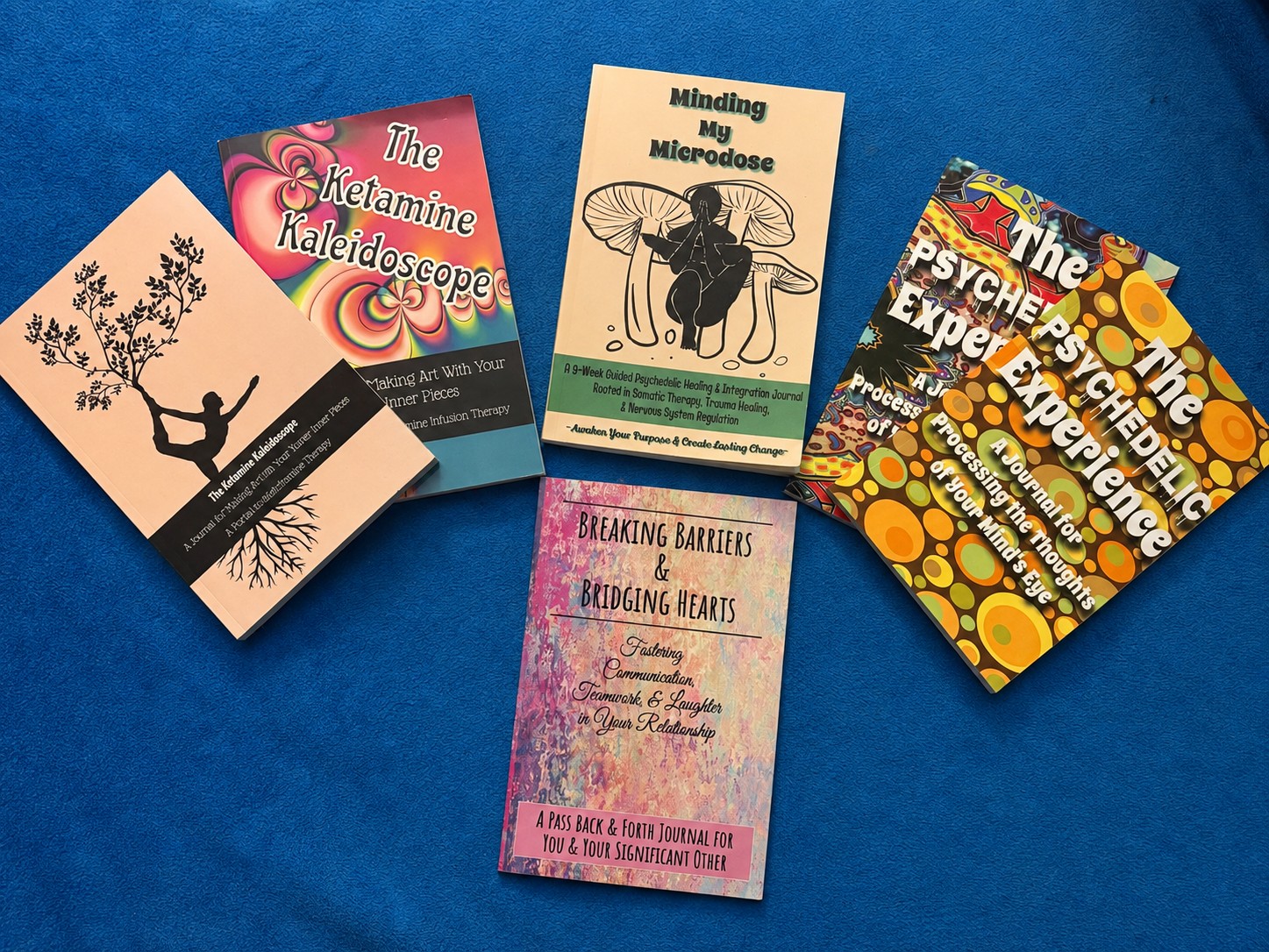
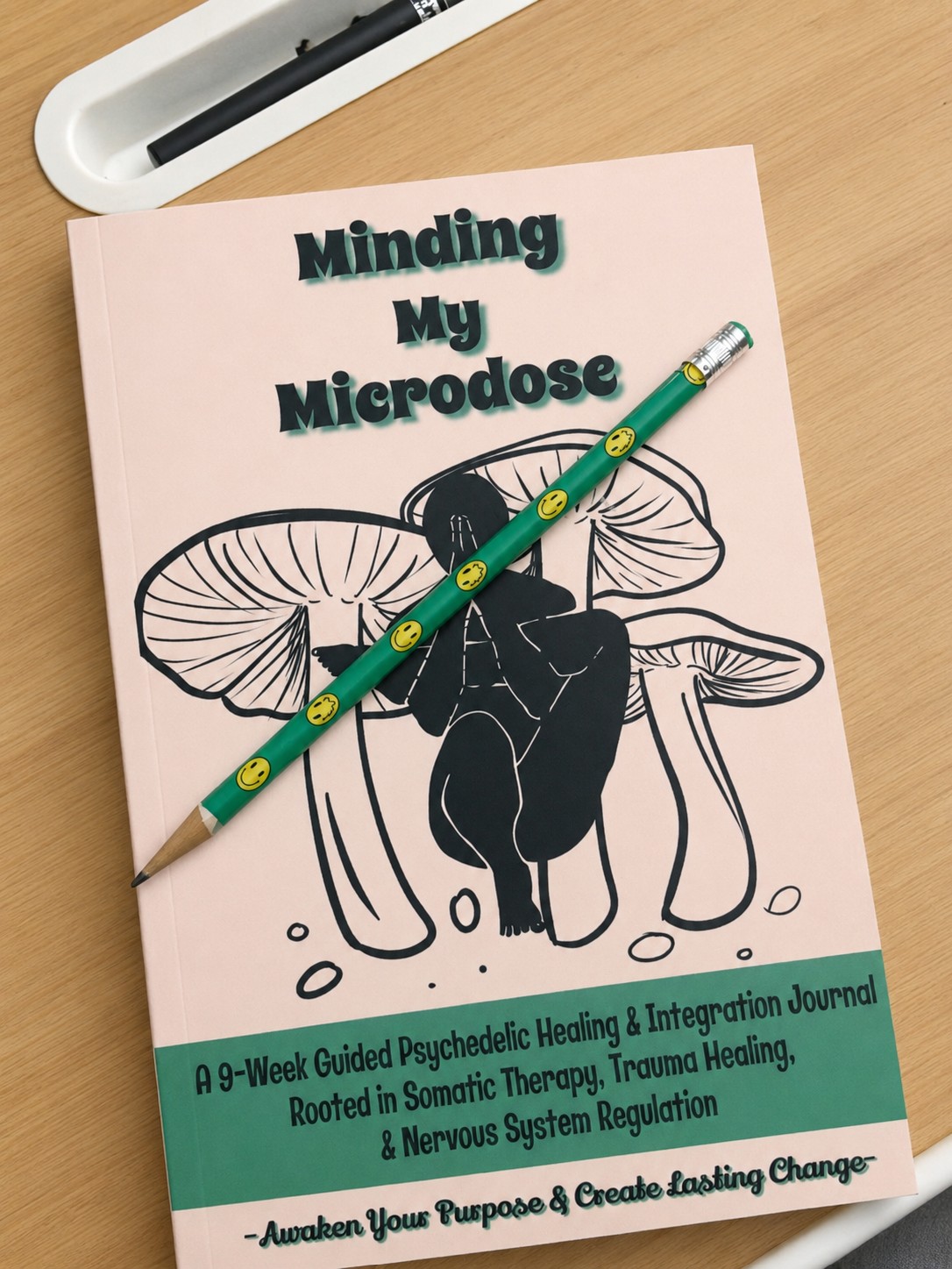
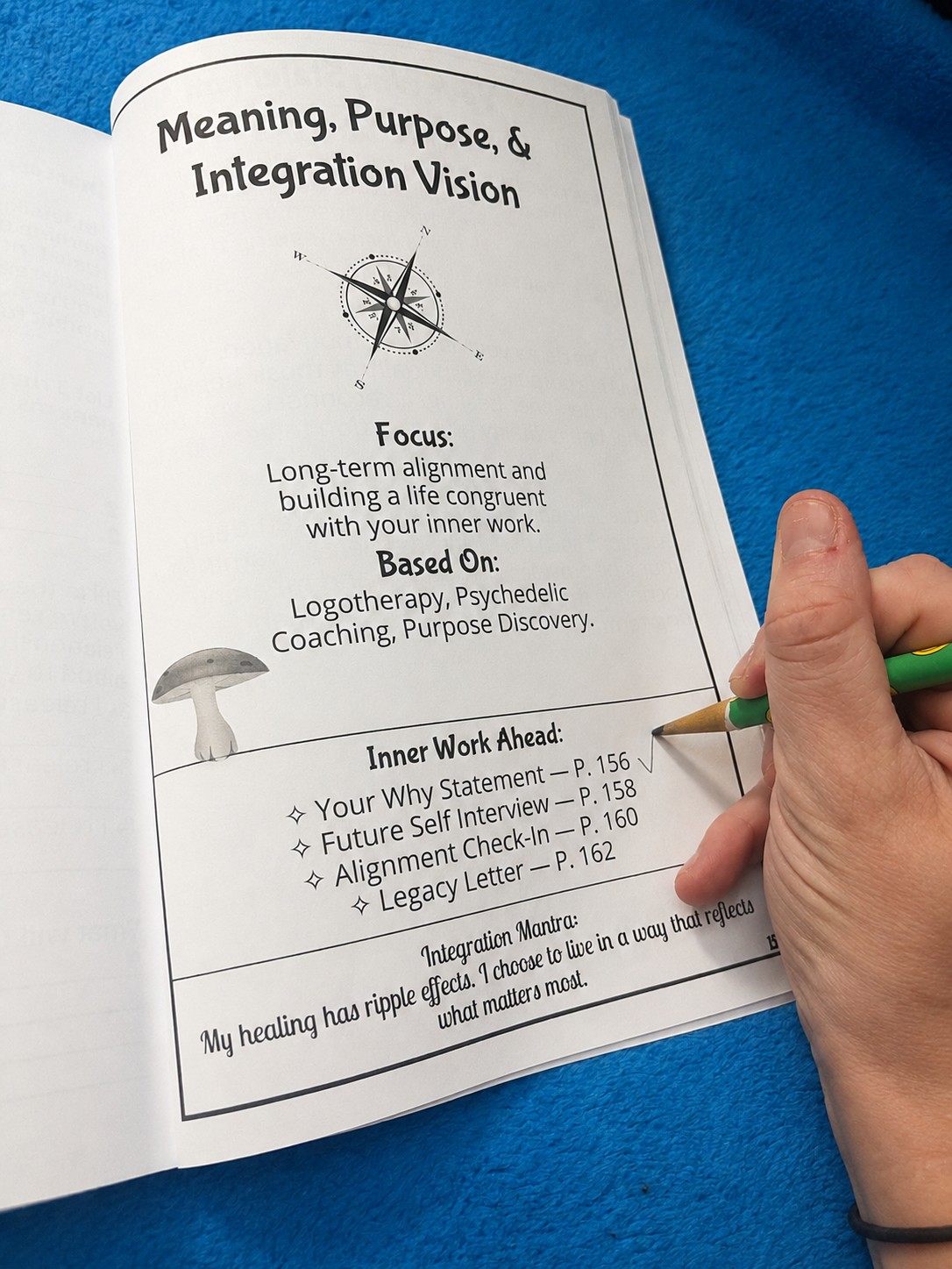
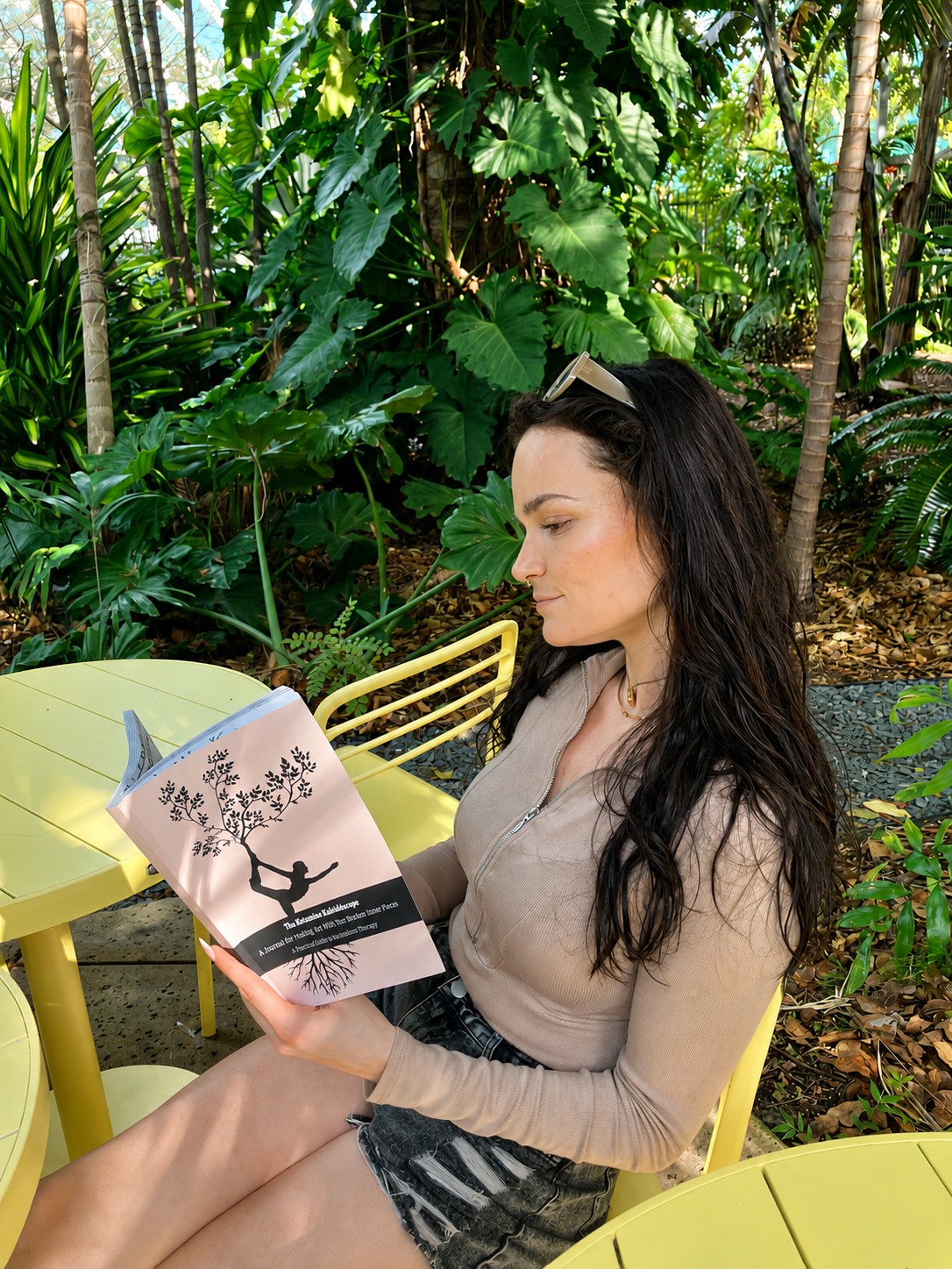
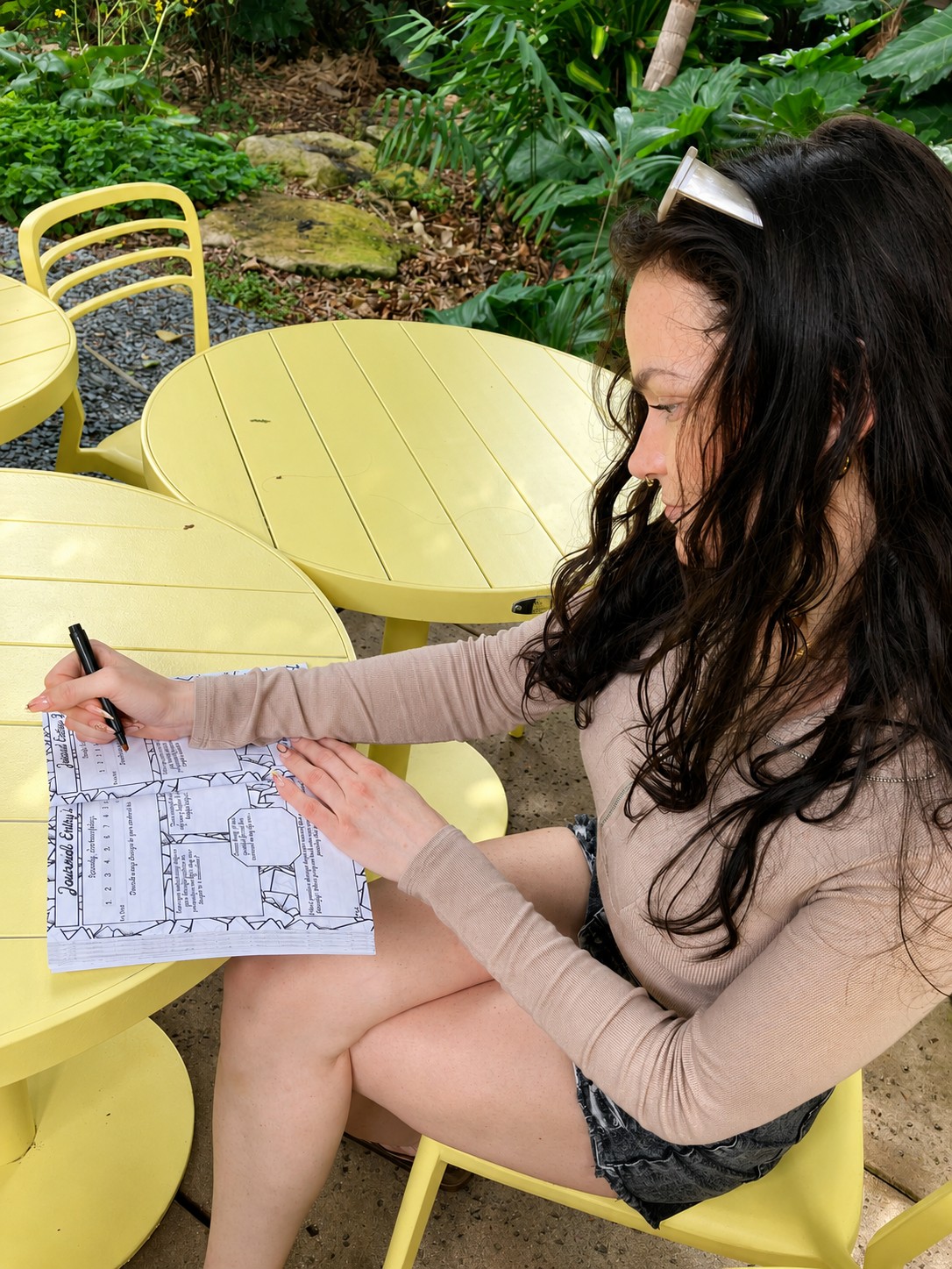
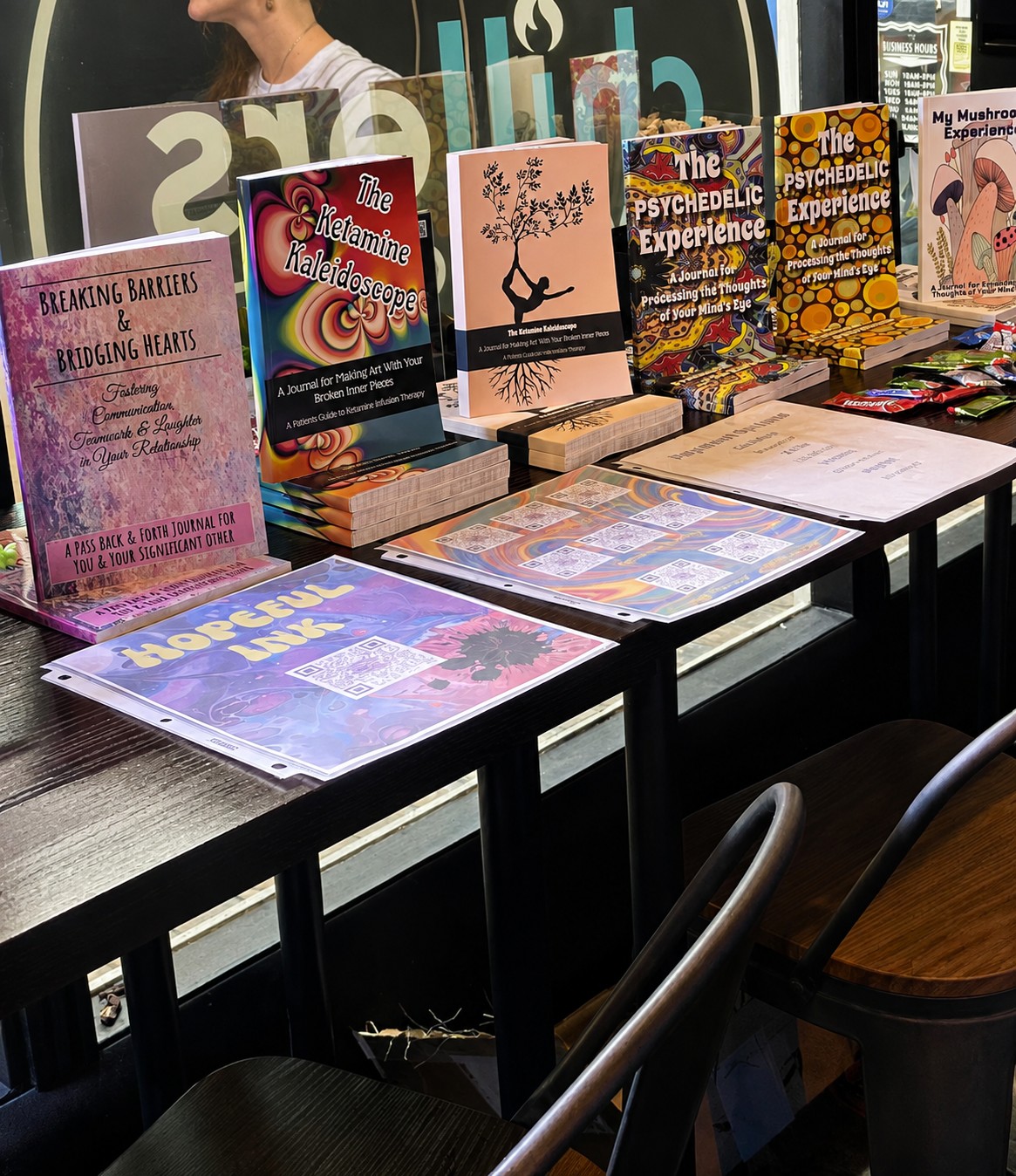
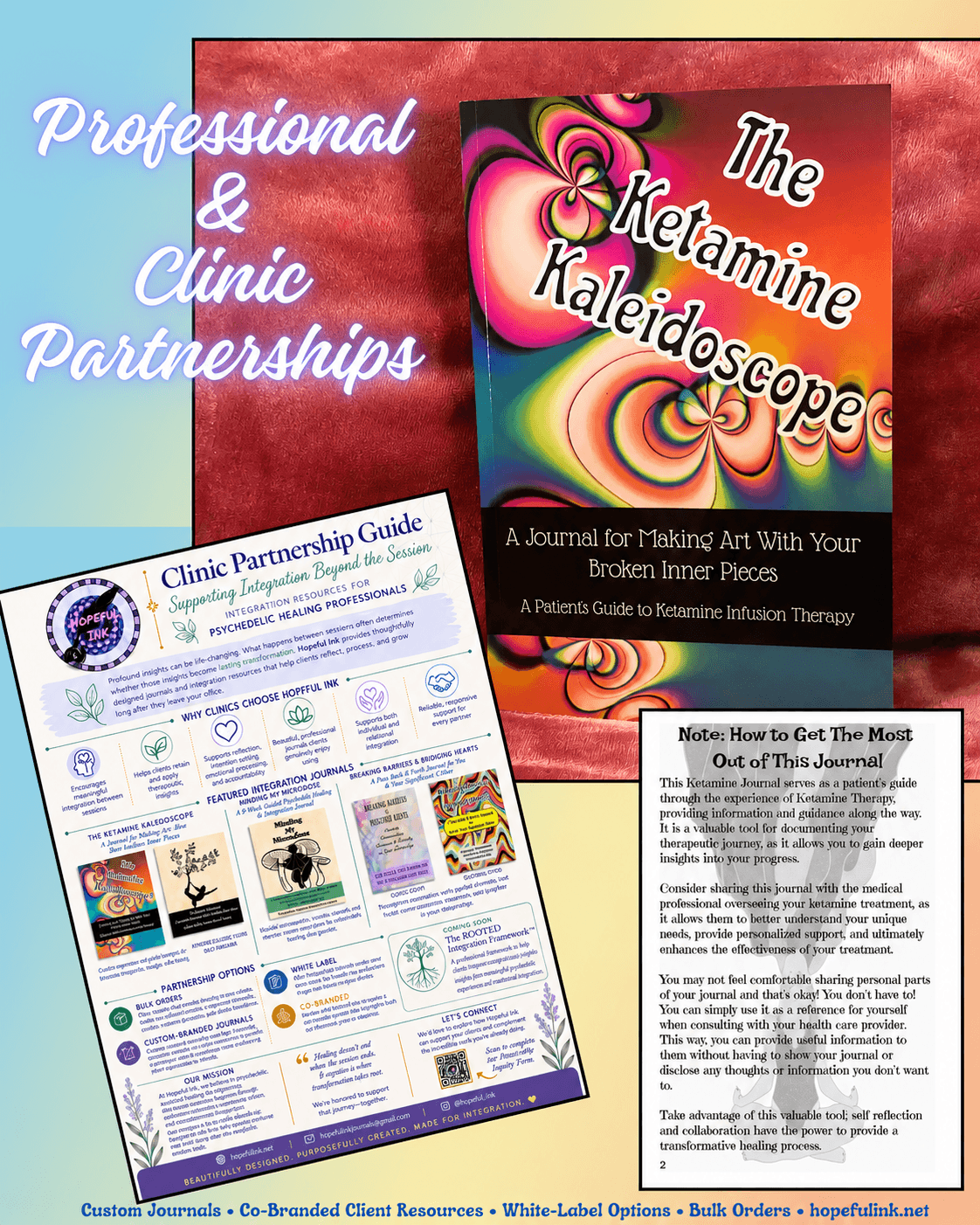
Image Credits
Hope Day