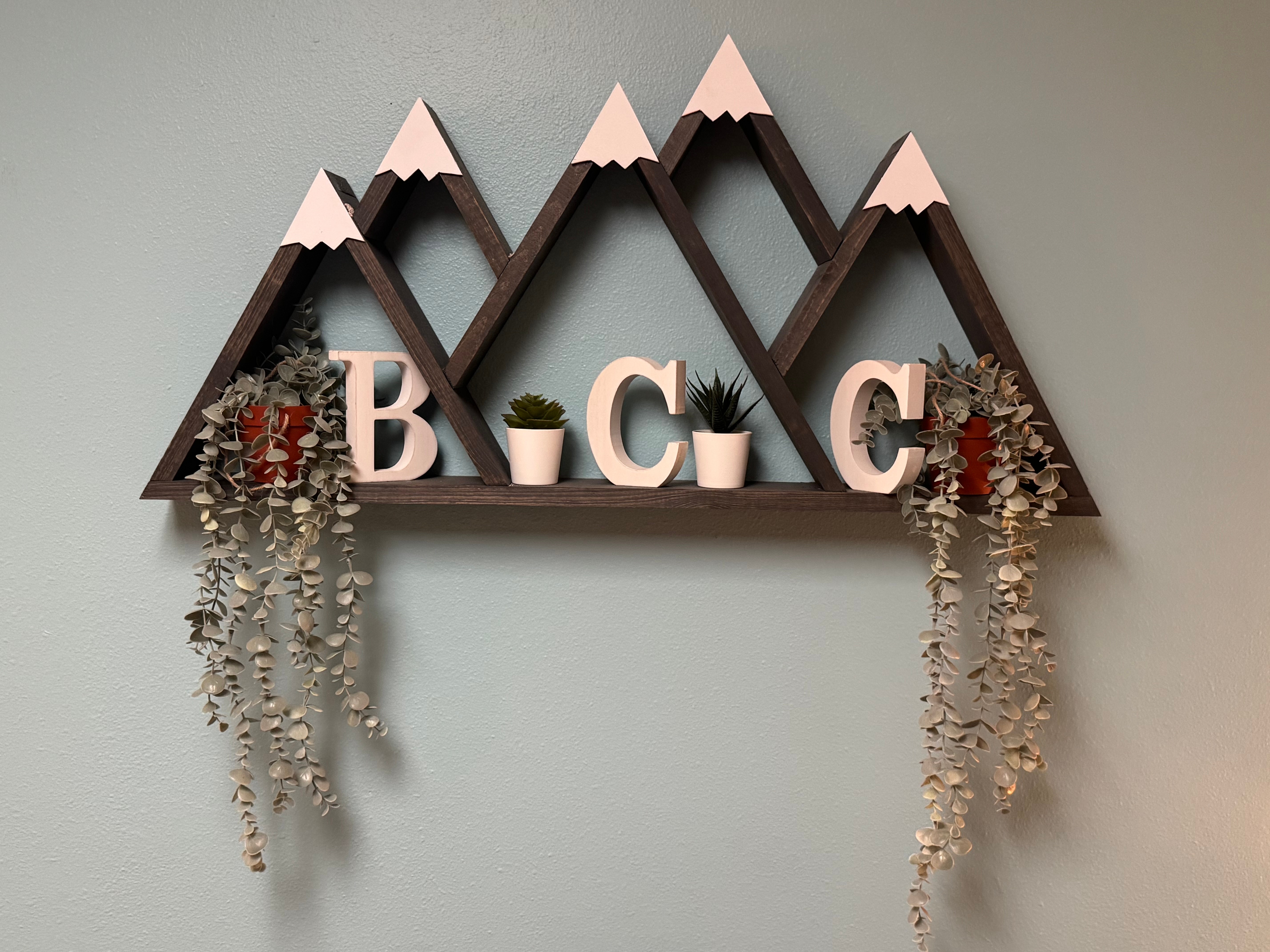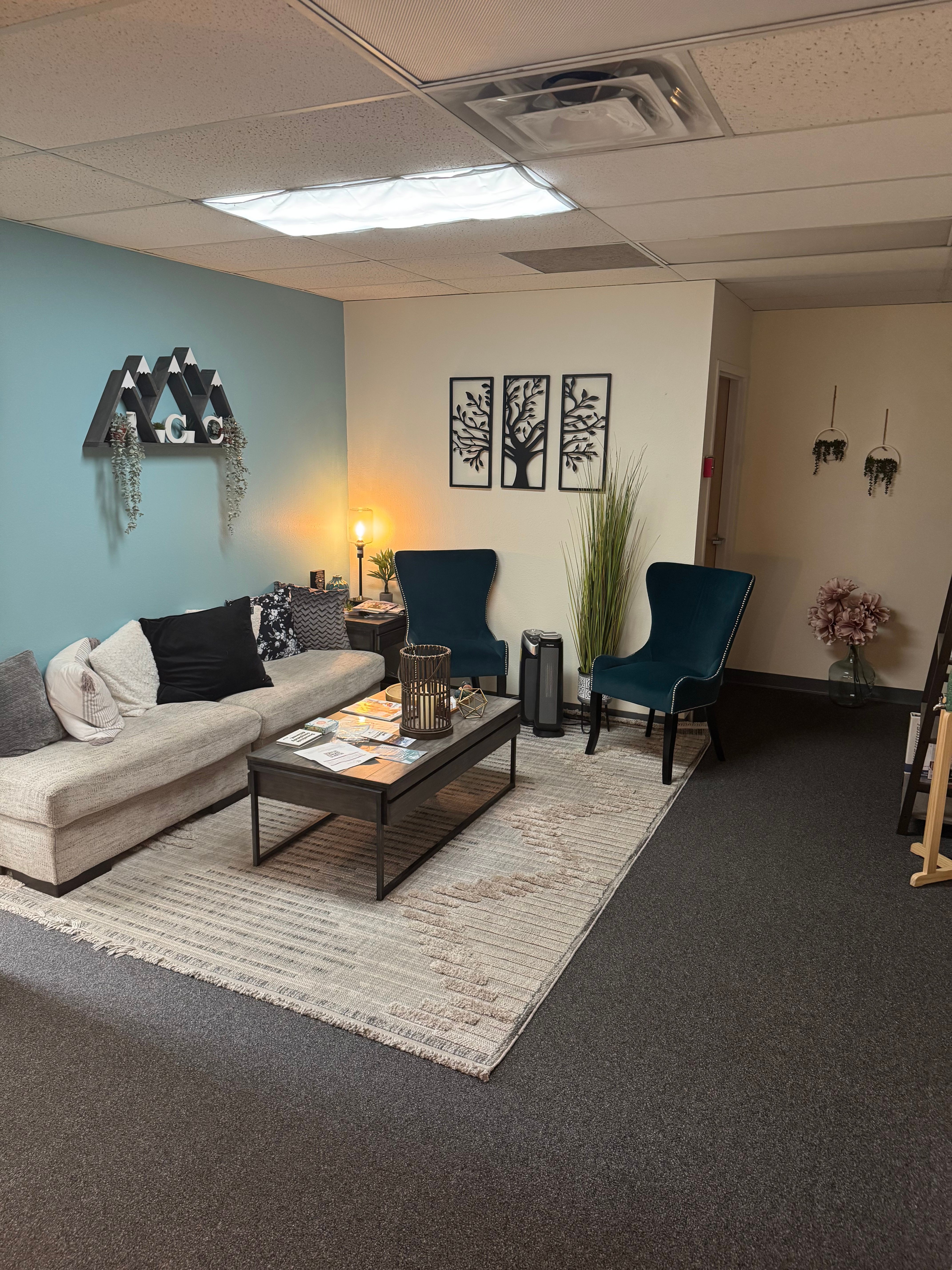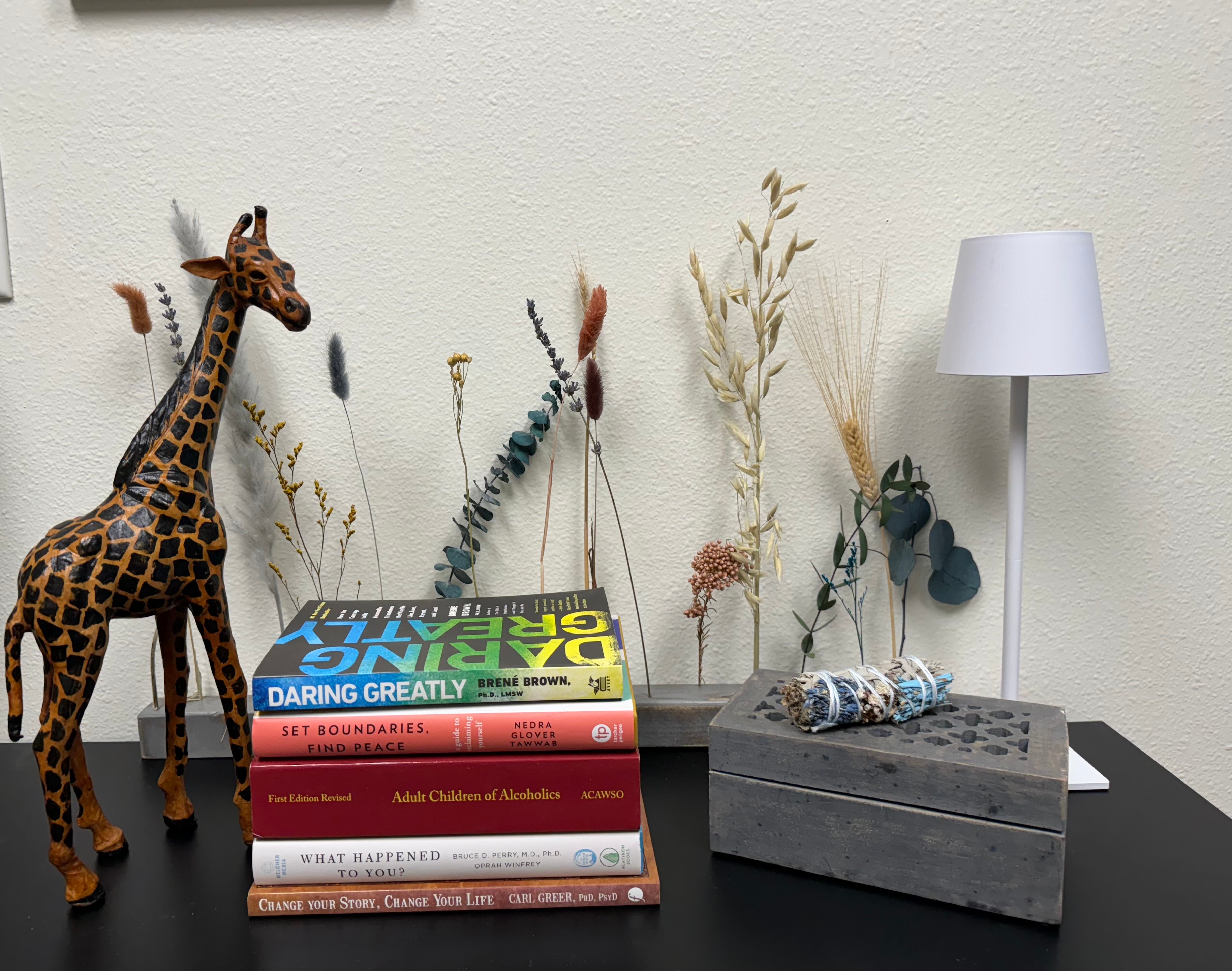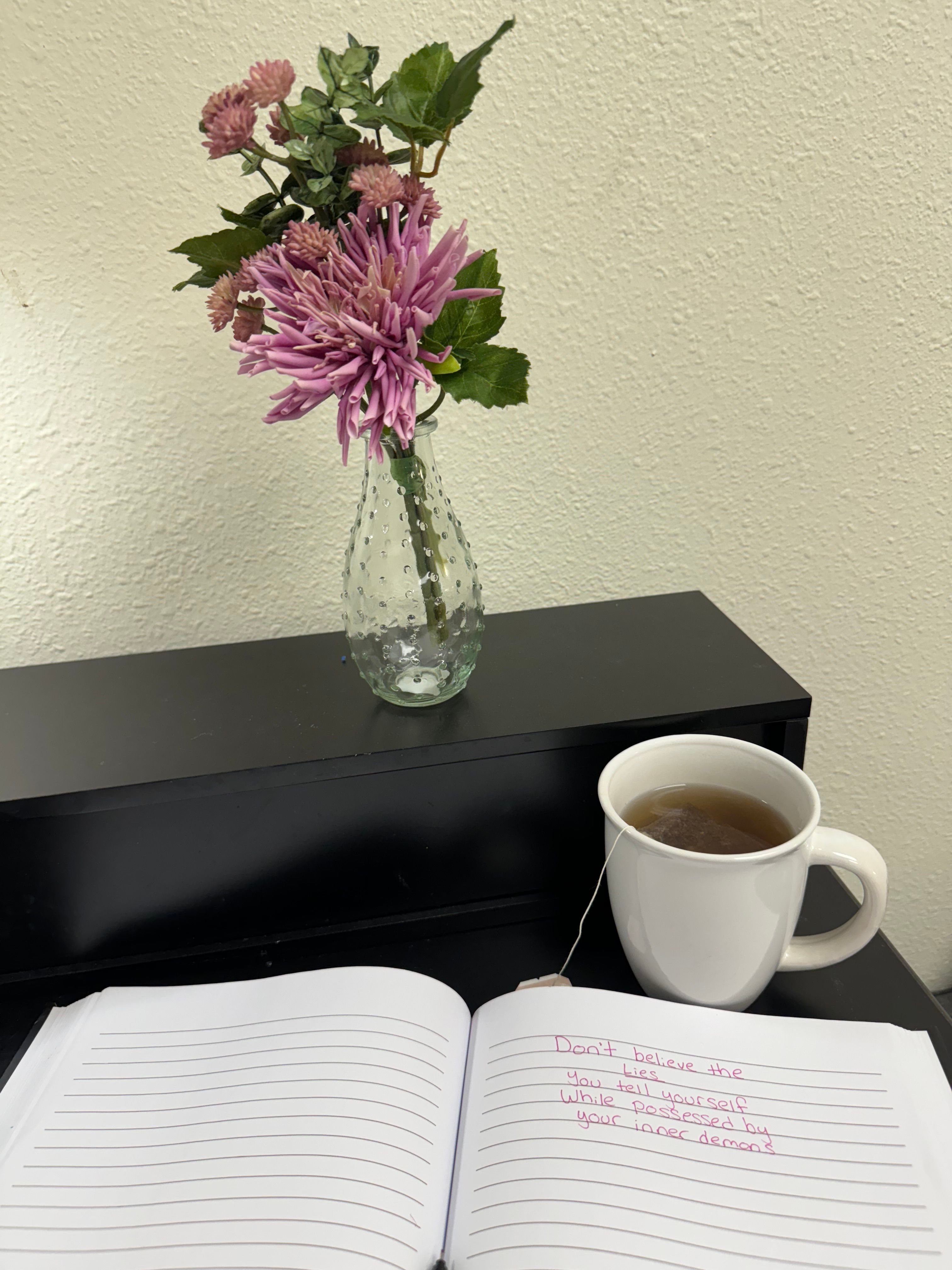


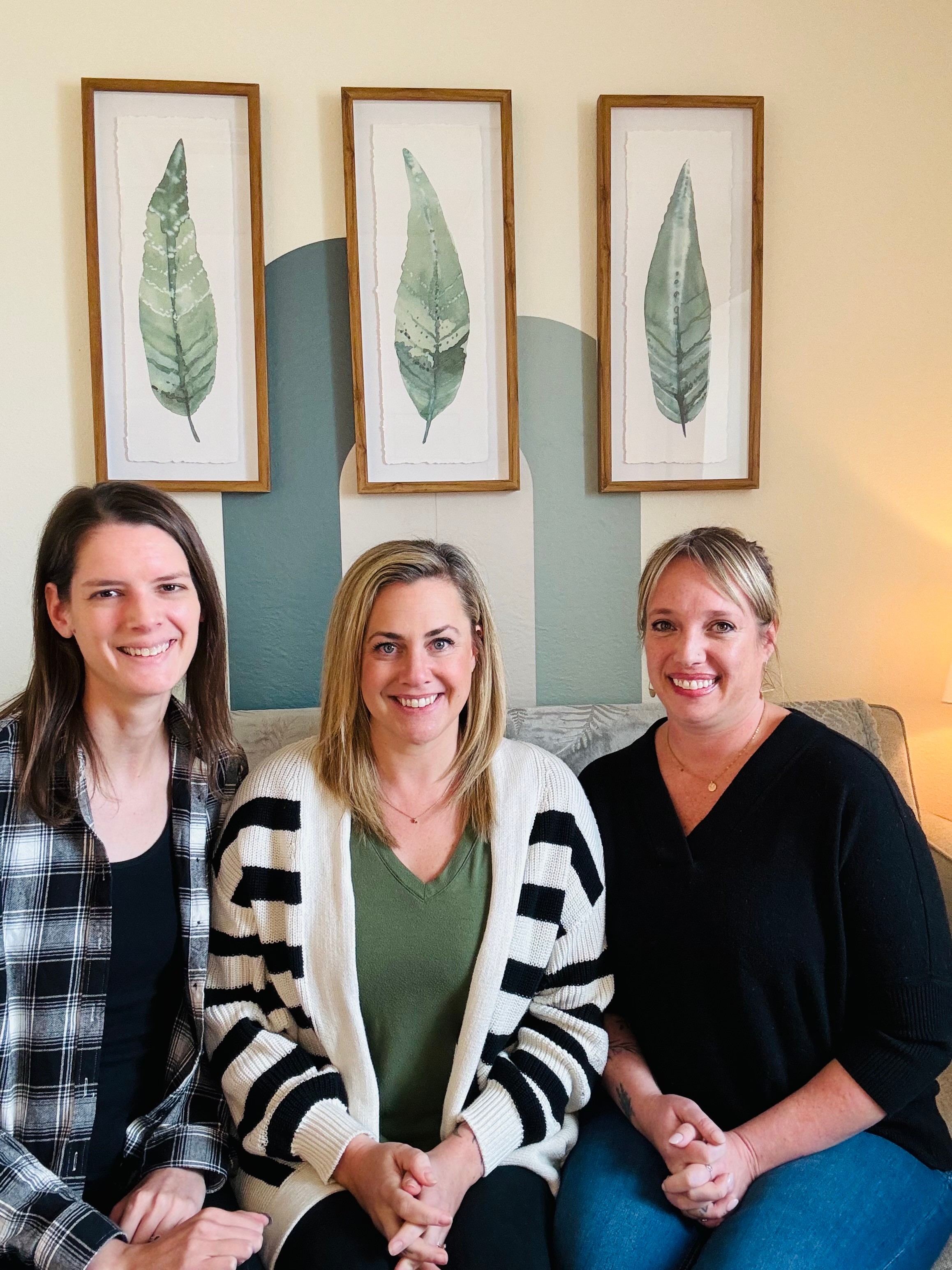
We’re looking forward to introducing you to Lauren Voorhees & Cait Duncan & Lindsay Windels. Check out our conversation below.
Lauren & Cait & Lindsay, so good to connect and we’re excited to share your story and insights with our audience. There’s a ton to learn from your story, but let’s start with a warm up before we get into the heart of the interview. What are you most proud of building — that nobody sees?
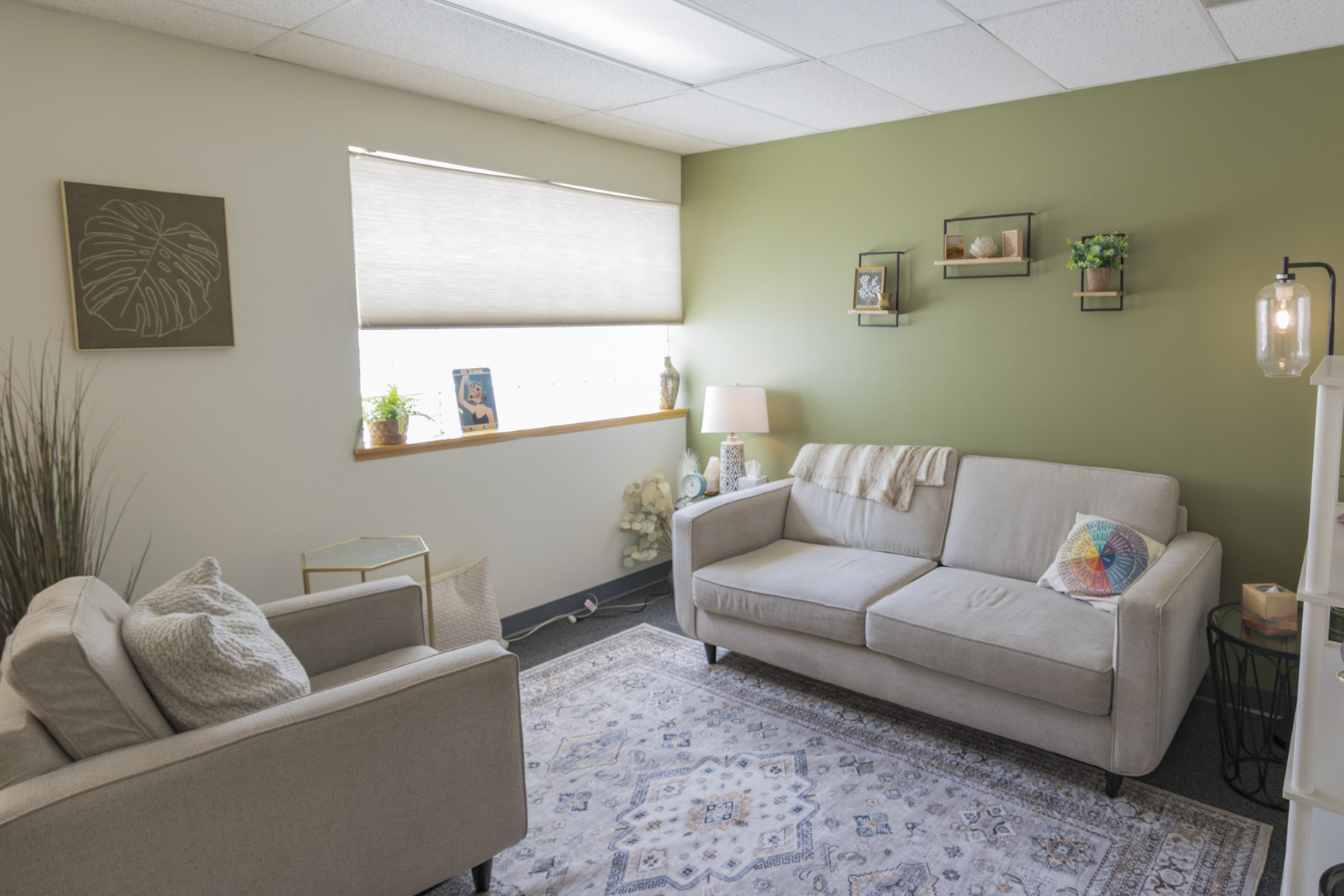
When we started Banyan Counseling Collective, our goal was to build a work culture we could truly be proud of. We wanted it to be rooted in authenticity, support, and intention. We wanted our therapists to feel safe showing up as their full selves, knowing they’re valued not just for what they do, but for who they are.
We regularly carve out space to reflect on how we’re showing up, for ourselves, for each other, and for our clients. We want to ensure we continue to honor our mission of authenticity. While we’re always evolving, we believe we’ve created something special: a workplace where people genuinely want to be.
Though much of this happens behind the scenes, we’re confident it’s felt by our clients too. A healthy team culture doesn’t just benefit therapists, it enhances the care, connection, and warmth that clients experience from the moment they walk through our doors.
Can you briefly introduce yourself and share what makes you or your brand unique?
At our core, we’re a group of mental health therapists who believe that healing happens in spaces where people can show up as their full, authentic selves. Our team is made up of passionate, skilled therapists who specialize in trauma-integrated care, and we work with individuals navigating everything from complex trauma and shame to burnout, identity exploration, and emotional overwhelm.
What makes us unique isn’t just what we treat, but how we treat it. We don’t believe in one-size-fits-all therapy. Instead, we approach each client with curiosity, compassion, and a deep understanding that the ways we’ve learned to survive deserve to be honored even as we grow beyond them. Our therapists integrate evidence-based practices like EMDR, Somatic Experiencing, DBT, and attachment work within a collaborative and human-centered framework.
Our team spends a lot of time behind the scenes reflecting on how to keep our practice aligned with our values. Authenticity isn’t just something we encourage in session, it’s something we model in our work culture. We believe that when therapists are supported and empowered to show up as themselves, our clients will feel that and feel more comfortable to do the same.
Thanks for sharing that. Would love to go back in time and hear about how your past might have impacted who you are today. What breaks the bonds between people—and what restores them?
As therapists we have a lot of insight into this question! In our work, we see that what most often breaks bonds is emotional injury without repair. This can stem from betrayal, chronic misattunement, neglect, lack of communication, or the invalidation of one’s needs. Over time, when people feel unheard, invalidated, or unsafe, the connection erodes, even if both people still care deeply. In more severe cases, abuse, whether emotional, physical, sexual, or psychological, can profoundly sever connection and trust. Sometimes this creates long-term trauma that reshapes how a person relates to others and themselves.
Restoring bonds requires intentional repair. This starts with acknowledging the hurt without defensiveness, taking accountability, and creating space for vulnerability. It also means building (or rebuilding) trust through consistent, attuned actions over time. Empathy, curiosity, and a willingness to sit with discomfort are essential. When abuse has occurred, the priority becomes safety and healing. In those cases, restoration doesn’t have to mean returning to the relationship; it means restoring a person’s relationship with themselves by identifying their boundaries, voice, and sense of worth.
In therapy, we often help people slow down, listen differently, and reconnect not just through words but through presence, reliability, and care. Healing relationships with self or others isn’t built on perfection. They’re built on our ability to repair when rupture happens.
Was there ever a time you almost gave up?
There have definitely been moments. Especially in recent years having to navigate a global pandemic, collective grief and trauma, increasing disconnection, and a world that feels more divided and uncertain than ever. We had to quickly learn how to adapt to the emotional weight of supporting others while having our own parallel experiences. We’ve all questioned how do we keep going in this field, especially when we are constantly having to navigate around undetected landmines. The answer has been to come together, adapt and reconnect to why we do this work. It has also reminded us that healing doesn’t mean being unaffected, it means finding ways to stay rooted when everything around you feels unsteady. We carry that with us into every session, especially now, in a world that still holds so much uncertainty.
Next, maybe we can discuss some of your foundational philosophies and views? What are the biggest lies your industry tells itself?
One lie is that therapists need to be neutral and detached to be effective. The challenge with this is that healing doesn’t happen in emotional distance. In fact one of the most important aspects to growth and healing for clients is the therapeutic relationship. While therapists aren’t there to share their life story or blur boundaries, we do show up as real people. Our presence, attunement, and ability to empathize are powerful parts of the healing process. Clients often need to experience a different kind of relationship, one built on trust, consistency, and emotional safety. That can’t happen if we’re emotionally absent behind a clinical mask.
Next, the term “Trauma-informed” is everywhere now but the truth is, not all therapists who use the term practice in a way that truly embodies it. Being trauma-informed isn’t just about language or having a few training’s under your belt. It’s about deeply understanding how trauma lives in the body, shapes perception, and impacts a person’s ability to connect, regulate, and trust. It means creating safety, inviting choice, pacing the work carefully, and recognizing the dynamics happening in the room. It also involves being in tune with our own nervous systems in order to limit reacting from our own survival strategies, which can include avoiding discomfort, trying to fix or shutting down.
Thank you so much for all of your openness so far. Maybe we can close with a future oriented question. What do you understand deeply that most people don’t?
That healing is not linear and there’s no quick fix.
In a world that often values speed, productivity, and clear outcomes, it’s easy to want emotional healing to follow a straight path. But real healing doesn’t work that way. It revisits old wounds and examines current stressors. It includes progress, setbacks, pauses, and plateaus. It often feels like you’re going backward just before a breakthrough.
As therapists, we’ve come to understand that meaningful change takes time. It takes safety, consistency, and deep internal work. And sometimes, the most powerful shifts are the ones that aren’t visible right away. People often expect growth to come from a dramatic breakthrough or a single “aha” moment. But in reality, it’s the small, consistent steps that create the deepest change. It is the moment someone sets a boundary, feels their emotions instead of shutting down, or offers themselves compassion for the first time.
Healing isn’t about fixing “what’s broken.” It’s about finding new ways to cope. It’s about reclaiming what’s been lost, buried, or forgotten. That process is slow, important, and anything but linear.
Contact Info:
- Website: https://banyancounselingco.com
- Instagram: banyan_counseling
- Facebook: Banyan Counseling Collective
- Other: TikTok – @banyancounselingco