



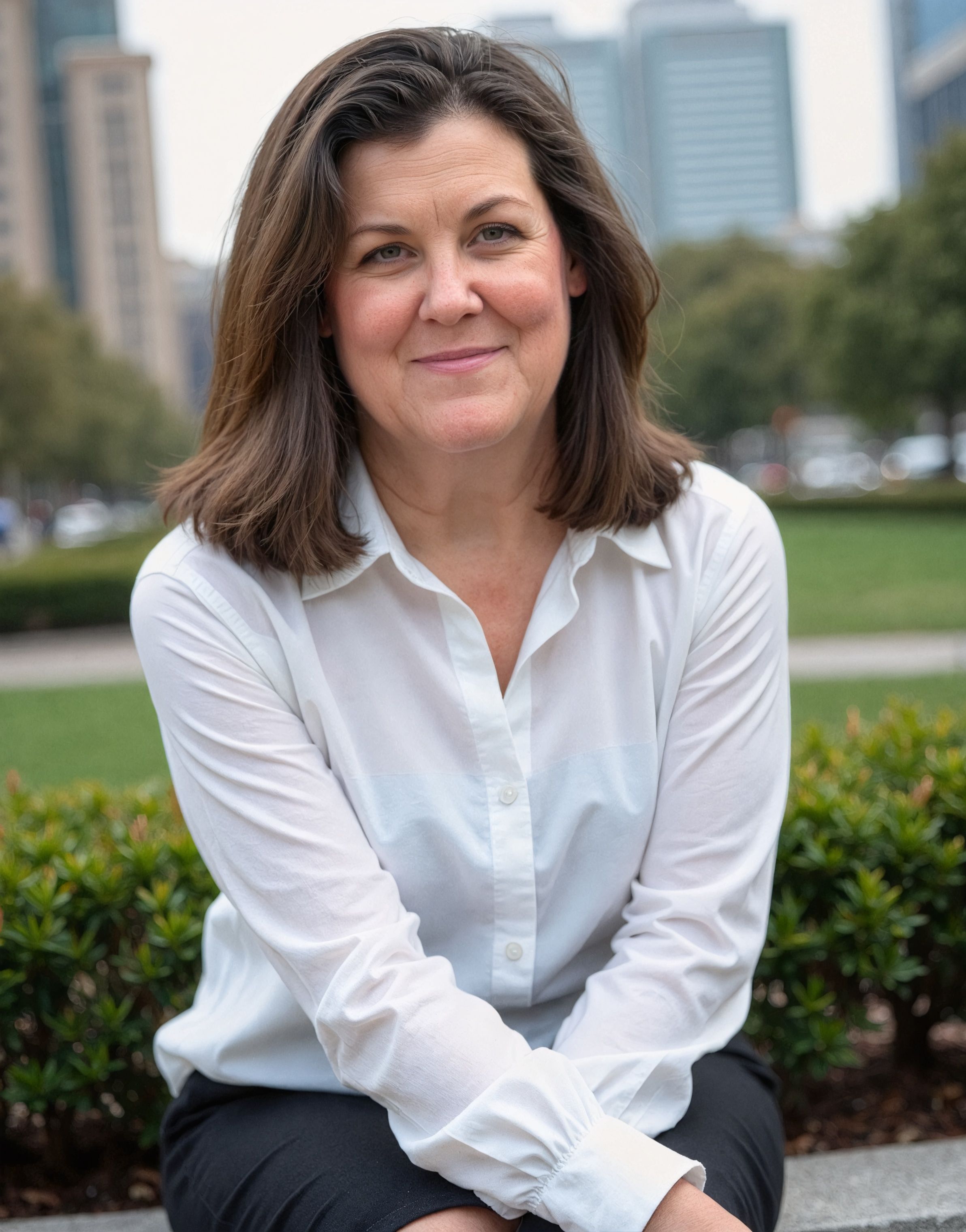
Today we’d like to introduce you to Cathy Wilson.
Alright, so thank you so much for sharing your story and insight with our readers. To kick things off, can you tell us a bit about how you got started?
My path into working with fraud victims wasn’t something I planned when I began my career in mental health. I started out as a Licensed Professional Counselor, doing what many therapists do—working with people navigating trauma, loss, and major life disruptions. About twelve years ago, I began working with a few clients who had been victims of romance scams, and I noticed something I didn’t expect.
These clients weren’t just dealing with financial loss; they were carrying intense shame, confusion, grief, and a deep sense of betrayal that often went unrecognized or misunderstood. As I worked more closely with those first few scam-impacted clients, I was stunned to realize there were virtually no resources to help them understand the psychological impact of what had happened or to navigate the emotional rollercoaster that followed.
Many were not even recognized as crime victims and had none of the services typically available to people harmed by other types of crimes. In some cases, law enforcement wouldn’t even take a report. I began to see how often well-intentioned systems—mental health, financial institutions, even support networks—were unintentionally causing additional harm. Survivors were dismissed, blamed, rushed, or treated as if the issue were simply poor judgment rather than psychological manipulation. That realization fundamentally changed the direction of my work.
Today, my work sits at the intersection of counseling, education, and advocacy. I continue to work directly with clients, while also spending a significant amount of time training colleagues and helping organizations understand how to protect people not just from fraud itself, but from the harm that can follow when responses aren’t informed, coordinated, or compassionate. In many ways, the work has grown outward—but it remains grounded in the same goal that brought me here in the first place: helping people feel understood and supported at one of the most vulnerable moments of their lives.
Alright, so let’s dig a little deeper into the story – has it been an easy path overall and if not, what were the challenges you’ve had to overcome?
It definitely hasn’t been a smooth road. One of the biggest and most persistent challenges has been the widespread belief that supporting victims of scams and fraud doesn’t require specialized knowledge. That misconception existed when I first began this work, and it continues today. Many professionals assume this is a rare issue or that it’s primarily about financial loss, when in reality it involves sophisticated psychological manipulation with long-term emotional and relational consequences. Changing that understanding has been—and remains—central to my work.
Another major challenge is that when I started working with scam-impacted clients, there were no established guidelines, trainings, or evidence-informed models in the mental health field to follow. There was simply no roadmap. In response, much of my work over the years has focused on developing that missing guidance—drawing from direct clinical experience, careful listening to survivors, and collaboration across disciplines to create practical, ethical frameworks that others could use. Many of the resources and trainings now available in this area grew directly out of that need.
There has also been resistance along the way, particularly when this work asks systems or professionals to slow down and examine how well-intentioned responses can unintentionally cause harm. That kind of reflection can be uncomfortable, especially in fields that value efficiency, certainty, or quick solutions.
At the same time, those challenges have reinforced why this work matters. Each obstacle has clarified the need for education, collaboration, and ethical care—not only for clients, but for the professionals who support them. While the path hasn’t been easy, it has been deeply purposeful, and it continues to shape how I approach both clinical work and the training I provide today.
Appreciate you sharing that. What should we know about LifePaths Counseling Center?
In recent years, my work has expanded beyond individual counseling into building a more coordinated response to fraud victimization. In addition to supporting clients directly, I’m involved in developing best practices, training professionals, and convening cross-sector conversations to reduce fragmentation in how victims are served. The goal is simple but ambitious: to prevent secondary harm by aligning standards, strengthening education, and improving collaboration across the systems that respond after a scam.
My work focuses on a part of fraud and scam recovery that often gets overlooked: what happens after the scam. While I’m based in the Denver metro area, my work is global, and I’ve supported clients and professionals across many countries. What I specialize in is helping people—and the systems meant to support them—understand the psychological impact of deception and how additional harm can so easily occur when responses aren’t informed or coordinated.
I work directly with individuals who have been impacted by scams, but a significant part of my work is devoted to education and training. That work has taken many forms, including writing “The Emotional Impact of Being Scammed and How to Recover,” which grew out of the same need I saw in therapy rooms—people trying to make sense of what had happened to them with very little guidance. I develop evidence-informed resources for therapists, financial therapists, advocates, and other professionals so they can recognize scam-related trauma, respond more effectively, and avoid unintentionally reinforcing shame or self-blame. Many people don’t realize this training is necessary because they assume scam victims are rare or that financial exploitation doesn’t show up in therapy—but in reality, nearly every clinician already works with clients who have been affected by scams, whether they know it or not.
What sets my work apart is that it’s centered on prevention as much as recovery—specifically, preventing secondary harm. That means helping professionals slow down, ask better questions, and understand the psychological manipulation involved in fraud, rather than focusing only on financial outcomes or surface-level advice. It also means bridging gaps between disciplines that don’t often speak the same language, like mental health, financial services, and victim advocacy.
Brand-wise, what I’m most proud of is building something that is both deeply compassionate and ethically grounded. Everything I offer—whether it’s counseling, training, or consultation—is designed to protect clients at their most vulnerable moments and to equip professionals with the insight they need to do no further harm. What I want readers to know is that this work isn’t about specialization for its own sake; it’s about raising the standard of care for people who have experienced profound betrayal and loss, and ensuring they are met with understanding rather than judgment.
Do you have any advice for those just starting out?
One thing I wish I had understood earlier is how much meaningful work happens in spaces that aren’t clearly defined yet. When you’re starting out, it’s tempting to look for established paths, clear specialties, or external validation before trusting what you’re noticing. In my experience, paying attention to patterns that don’t quite fit—and staying curious about them—can be far more important than having a perfectly mapped plan.
I’d also encourage people to take the time to really listen to the individuals they’re trying to help, especially when their experiences challenge existing assumptions. If something keeps showing up in your work and there aren’t good answers for it yet, that doesn’t mean the issue isn’t real. It often means the field hasn’t caught up.
My hope is that this work encourages more thoughtful and collaborative responses to people who have experienced deception—no matter what role we play in supporting them. Although I work in the Denver metro area, supporting victims is a global effort, and it depends on professionals across mental health and many other industries being willing to pause, learn, and adapt how they respond when deception and manipulation are part of the story.
Finally, don’t underestimate the importance of slowing down and thinking ethically about impact—not just intent. Good intentions don’t guarantee good outcomes, especially in work involving vulnerability, crisis, or trauma. Pausing to consider how responses are experienced—not just why they’re offered—can make the difference between support and harm.
Every person impacted by fraud deserves to be met with understanding rather than judgment. Through the United Against Deception Symposium and professional training and certification in Fraud Psychology, I’m inviting those in supportive roles to help raise the standard of care. If you work with individuals affected by deception, I hope you’ll consider being part of this growing effort.
Contact Info:
- Website: https://www.lifepathscounseling.com
- Instagram: https://www.instagram.com/createlifepaths
- Facebook: https://www.facebook.com/profile.php?id=61585838045317
- LinkedIn: https://www.linkedin.com/in/cathy-wilson-lpc-acs-pfvc-05012b/
- Youtube: https://www.youtube.com/@fraudpsychology
- Fraud Psychology Training: https://lifepaths-school-7a8b.thinkific.com


Image Credits
Cathy Wilson, LPC, ACS, PFVC
Popular
-

The Trailblazers: Rewriting the Narrative
-

Celebrating the Spotlight: Kaytee Shashore Turns Milestones Into Momentum
-

Humanity in the Machine: Alexander Raye Pimentel’s Cyborg Recall Questions the Cost of a Data‑Driven World
-

Raemi Anderson on Courage, Caution, and Answering the Call of the Landscape
-

Hidden Gems: Local Businesses & Creatives You Should Know


