


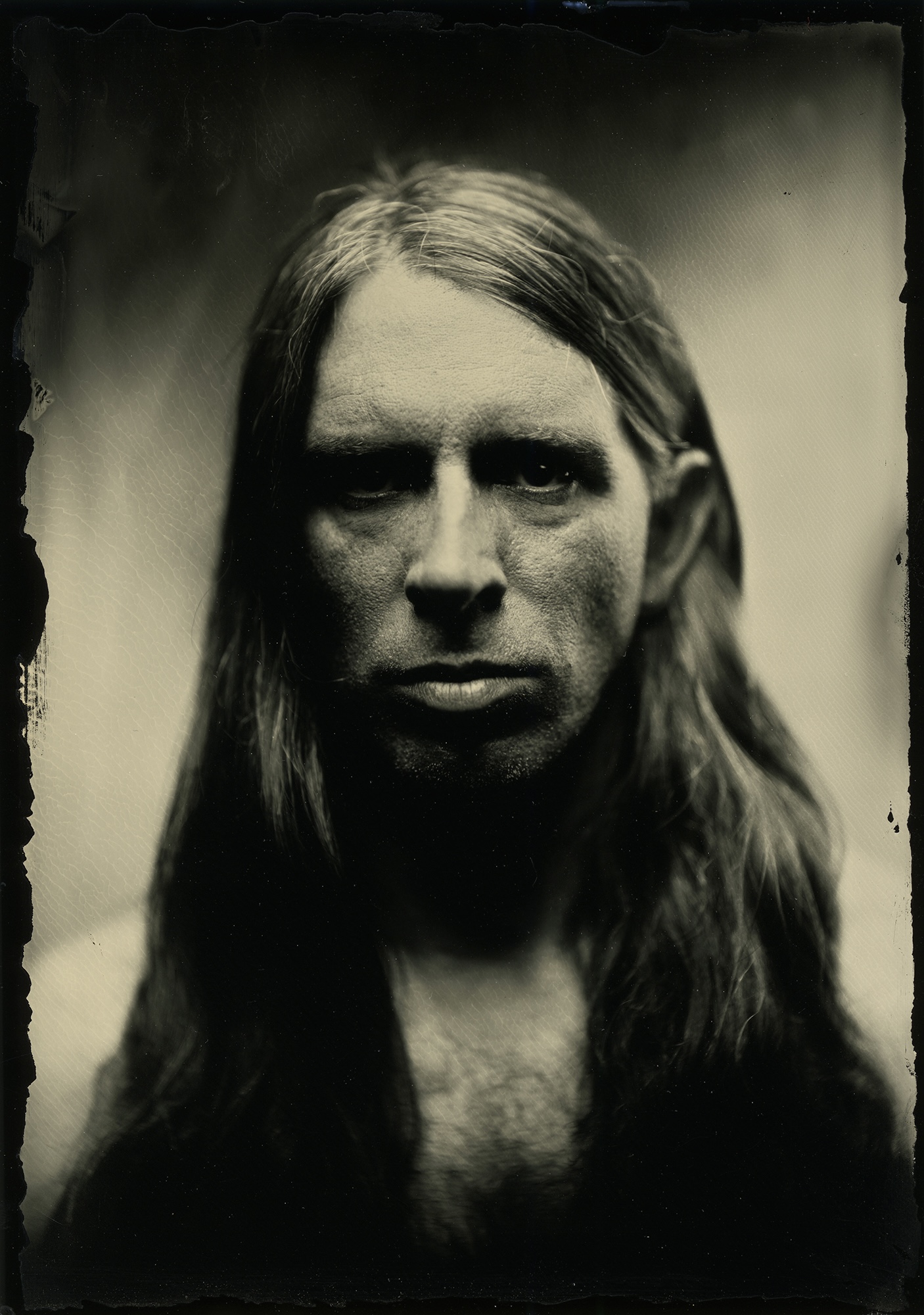
We recently had the chance to connect with Colt Maule and have shared our conversation below.
Good morning Colt, we’re so happy to have you here with us and we’d love to explore your story and how you think about life and legacy and so much more. So let’s start with a question we often ask: What makes you lose track of time—and find yourself again?
For me, losing track of time is an occupational hazard of “around the corner-itus”—that persistent, driving need to see what lies beyond the next ridge-line or bend in the meandering river. Whether I am traveling through new landscapes or submerged in the familiar silence of the wild, my mind eventually ceases its internal chatter and synchronizes with the environment. I am home there and in those moments, time isn’t a sequence of minutes; it’s a physical space I inhabit.
The camera has been my constant companion since my youth, serving as a tool for study and a witness to the sublime. But there is a distinct evolution in how I find myself again. Often, I choose not to click the shutter. I’ve learned that some moments are meant to be felt rather than captured—moments where I simply witness, remember, and let the experience settle into my bones.
I truly “find myself” when I return from that isolation to my studio. I lose track of time again, but this time it is in the labor of translation. I am no longer just a witness; I am a practitioner trying to rebuild that fleeting feeling using wood, pigment, and grit. Photography captures what was there, but my art is an attempt to duplicate the experience of being there. It is a slow, transformative process of turning a memory of the wild into something tangible that someone else can experience.
Can you briefly introduce yourself and share what makes you or your brand unique?
My name is Colt Maule and I am the founder of Terrible Mountain. My artwork is an ongoing dialogue with the landscape—a commitment to translating the raw, unburdened freedom of the wilderness into a tangible experience for others. I believe that the wild is the ultimate expression of liberty, and through my art, I aim to be a steward of that message, preserving the spirit of untamed places through art and education.
The Terrible Mountain Gallery is a creative anchor based in the high country of Pitkin, Colorado. This gallery serves as more than just a showroom; it is a bridge between the vast, silent peaks and the community I call home. I want to offer a viewpoint that challenges others to see the earth as a living, breathing system that requires our respect and protection. Whether through my topographical carvings, mixed-media pieces or photography, my goal is always to inspire a deeper connection to the land—to encourage a way of seeing that values the wild for its own sake.
I am particularly proud of the growth of Headwaters Studio, our educational branch. This summer, we are deepening our commitment to the next generation by offering free kids’ art classes. It is an opportunity to pass on the values of stewardship and creativity, teaching children to see the world not just as something to inhabit, but as something to witness and cherish.
By bringing this perspective to our small mountain town, I hope to foster a community that recognizes that when we keep the wild free, we keep ourselves free as well.
Amazing, so let’s take a moment to go back in time. What’s a moment that really shaped how you see the world?
The defining shift in my perspective occurred when I was seventeen, as I watched my mother battle cancer for a year before her passing. To confront death so intimately at such a pivotal age is to have the world stripped of its casual pretenses. I realized then—sharply and permanently—that our time is a finite resource.
That experience became the foundation of my resolve. I vowed to live the most fulfilling life possible, to chase my dreams with a sense of urgency, and to seek wisdom and happiness as a matter of principle. But more than that, it forged my bond with the wild. During my mother’s treatments, the forest became my sanctuary and art became my language. I would wander among the trees and get lost in my work; it was the only place where the pain could be processed and transformed into something else.
The grief of losing her didn’t break me; it made me determined. It gave me the strength to choose an unconventional path—from the front lines of emergency medicine to a nomadic life on the road, and finally off-grid in the high country of Colorado. My art is a direct result of that vow. I create because I understand that we never know when our time is up. Every piece I make is a bread crumb I have left behind, and every moment I spend in the wild, is an act of living as much life as I can.
It is my way of honoring the fragility of our existence by celebrating the enduring, unburdened freedom of the earth.
What did suffering teach you that success never could?
Success is a deceptive teacher; it often convinced me that I was the sole architect of my fate. But suffering, in its stark and uncompromising reality, taught me humility.
I learned this first when my mother died. That loss was my first true encounter with a force I could not influence or outrun. Later, I saw this lesson reinforced in the back of an ambulance and on the fire line. In those roles, I was constantly reminded that despite my training and my strength, there are biological and elemental forces far greater than I am. I realized quickly that I am not the master of the chaos; I am a participant in it. That realization didn’t diminish my resolve; it refined it. It forced me to operate with a quiet, steady precision because I respected the gravity of the stakes.
I feel that same humility today when I stand in the high country or work with timber. The wilderness doesn’t care about my accolades or my past. It simply is. It requires me to show up with an open heart and a suppressed ego. Suffering taught me that true strength isn’t found in dominating a moment, but in having the humility to witness it, to learn from it, and to be transformed by it.
This is the perspective I bring to my artwork and my gallery. I don’t see myself as a creator who has “conquered” a medium, but as a steward who is humbled by the materials I use and the landscapes I represent.
Alright, so if you are open to it, let’s explore some philosophical questions that touch on your values and worldview. What’s a belief or project you’re committed to, no matter how long it takes?
I am committed to the long-term growth and impact of Headwaters Studio. While the gallery is a space to showcase the finished dialogue between myself and the landscape, the studio is where I invest in the future of that conversation.
This project is rooted in my belief that stewardship is not an innate trait, but a learned perspective. I am dedicated to offering free art classes for the kids in our community because I want to provide them with the tools I found so vital during my own life—the ability to look at the wild not as a resource to be consumed, but as a sanctuary to be understood. I want to teach them that art is a way to witness the world with both precision and reverence.
Building a culture of stewardship in a small mountain town is not a goal that is reached in a single season. It is a slow, generational process of planting seeds. I am committed to this no matter how long it takes, because I believe that if we can teach the next generation to cherish the freedom of the wild, we are securing the future of the land itself. For me, this isn’t just a project; it is a way to ensure that the values of respect, preservation, and creativity continue to pulse through this community for years to come.
Before we go, we’d love to hear your thoughts on some longer-run, legacy type questions. What is the story you hope people tell about you when you’re gone?
When I am gone, I hope the story told about me isn’t one of individual achievement, but of a life lived in service to the wild. I want to be remembered as a man who didn’t just pass through the world, but who truly witnessed it and fought to keep it intact.
I hope people say that I used my hands to bridge the gap between our modern noise and the profound silence of the high country. I want them to remember Terrible Mountain not just as a gallery, but as a place where people were reminded that they are part of a larger, living system—one that is both fragile and remarkably free. I hope the pieces I’ve created remain in homes and spaces as quiet reminders that the earth is not a backdrop, but a vital force that demands our respect.
More than anything, I hope the story continues through the kids who passed through Headwaters Studio. I want the legacy to be found in the way they look at a forest or a ridgeline with a sense of stewardship and wonder. If the next generation in this town grows up with a deeper connection to the land because of the time they spent in the studio, then I have succeeded. I want to be remembered as someone who lived fully and intentionally, and who left the wild places—and the community that surrounds them—a little more understood and a lot more cherished.
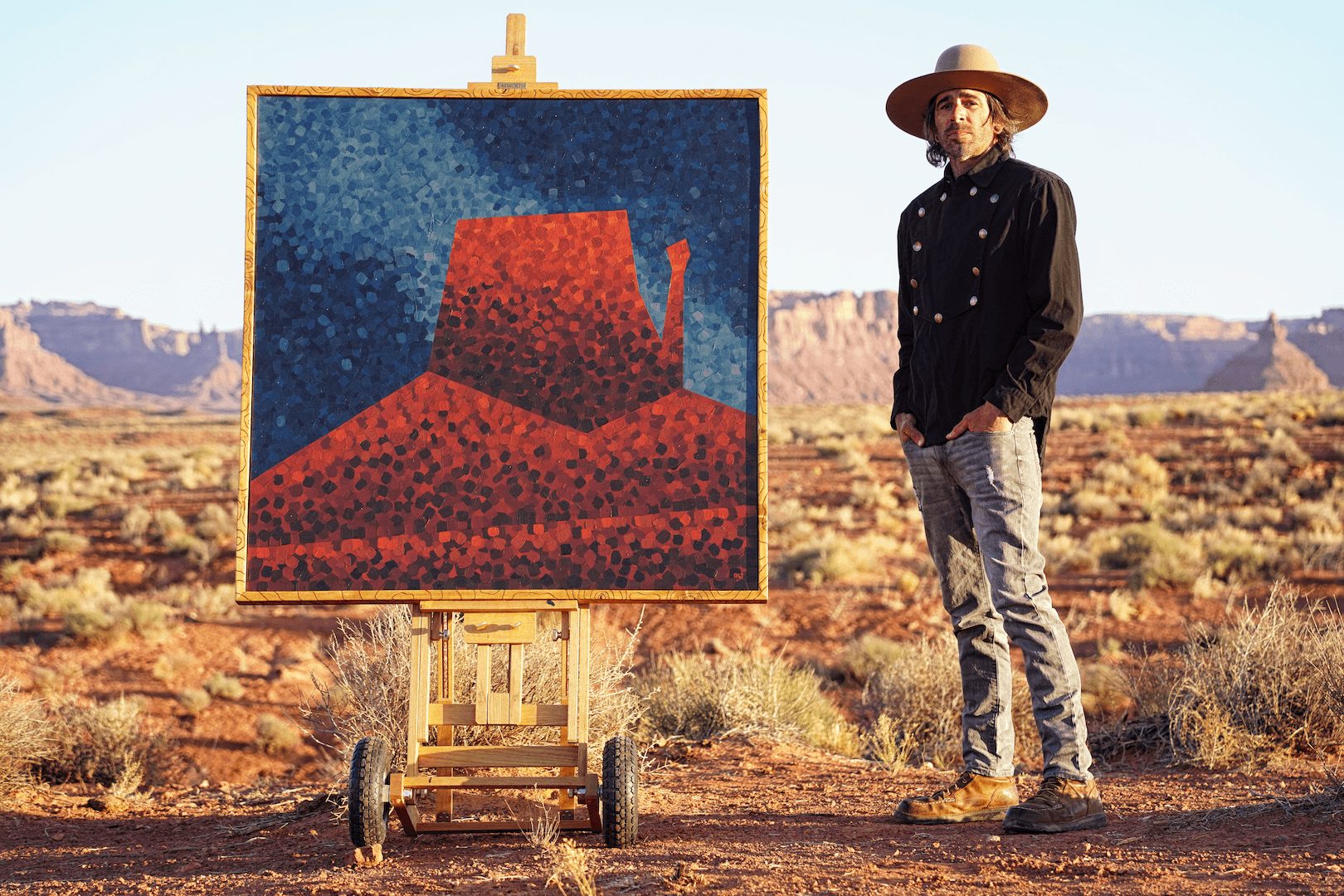
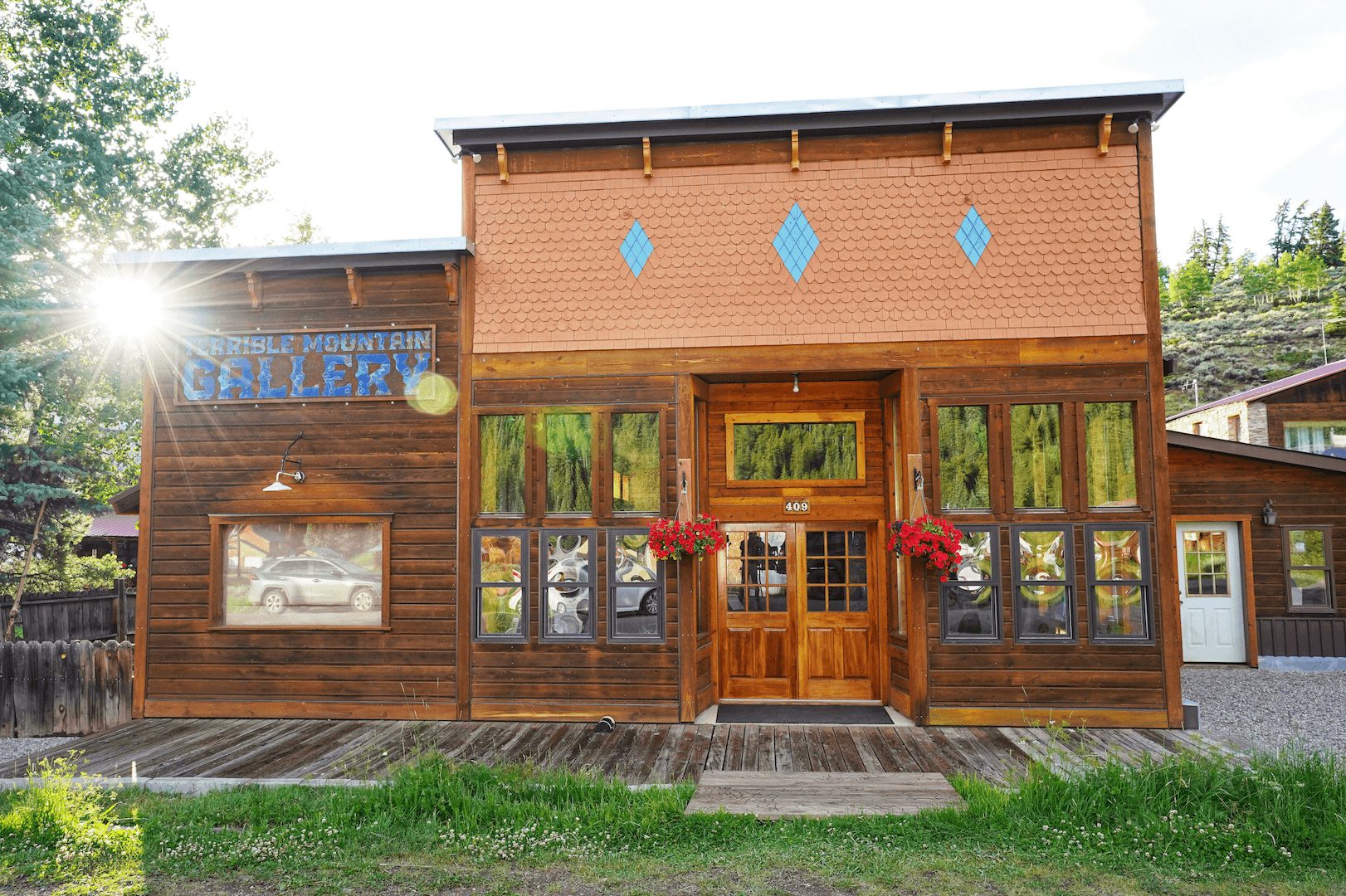
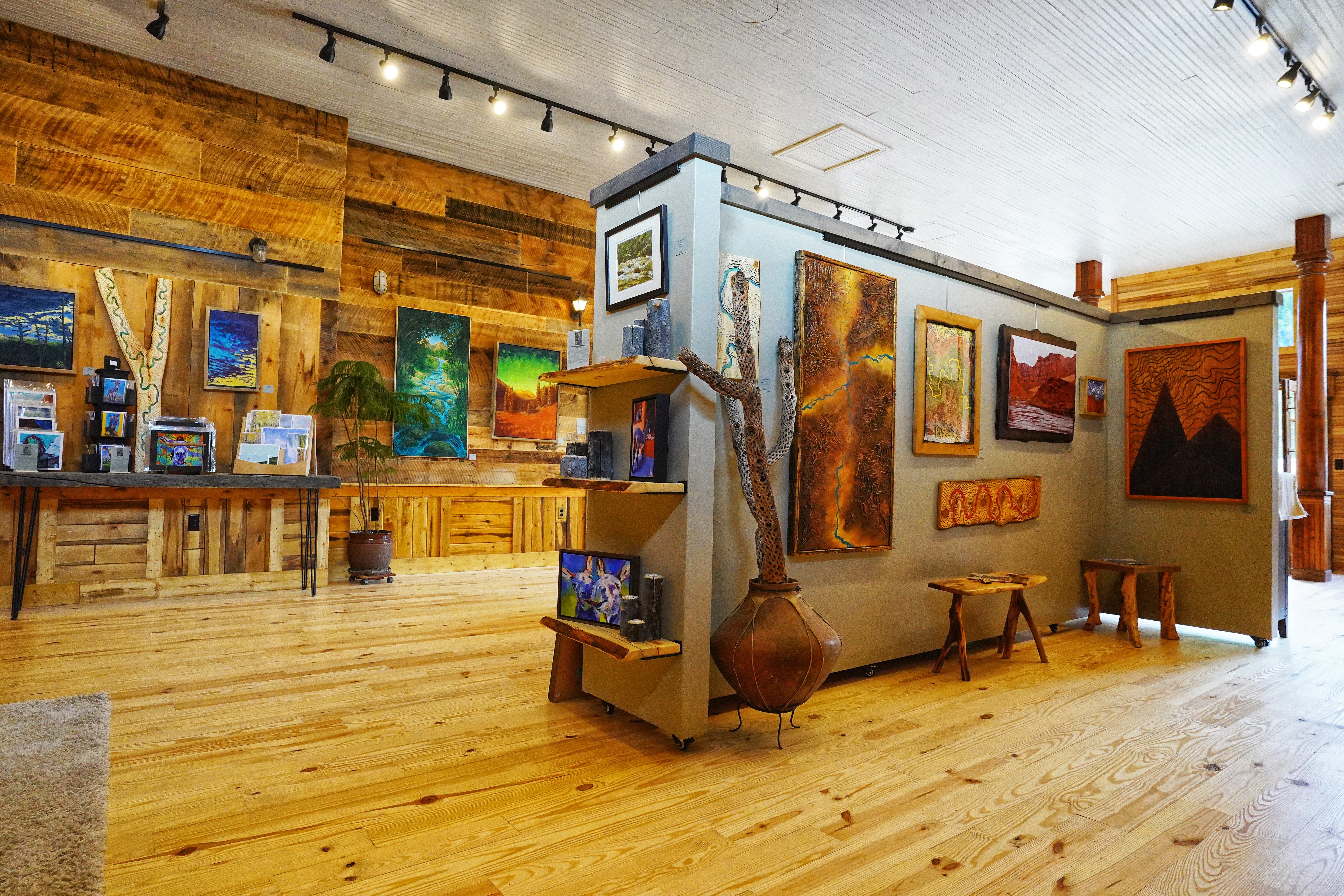
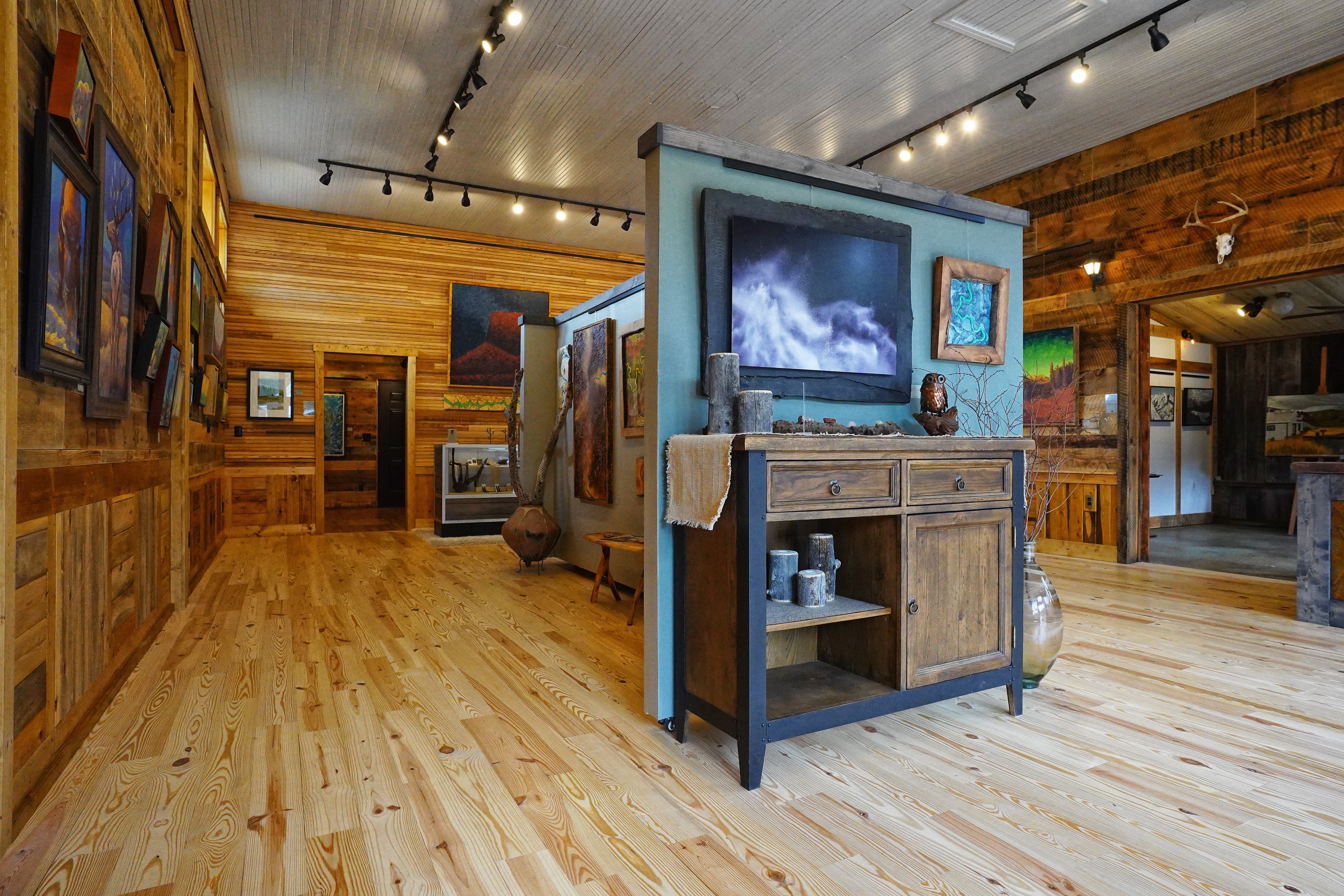
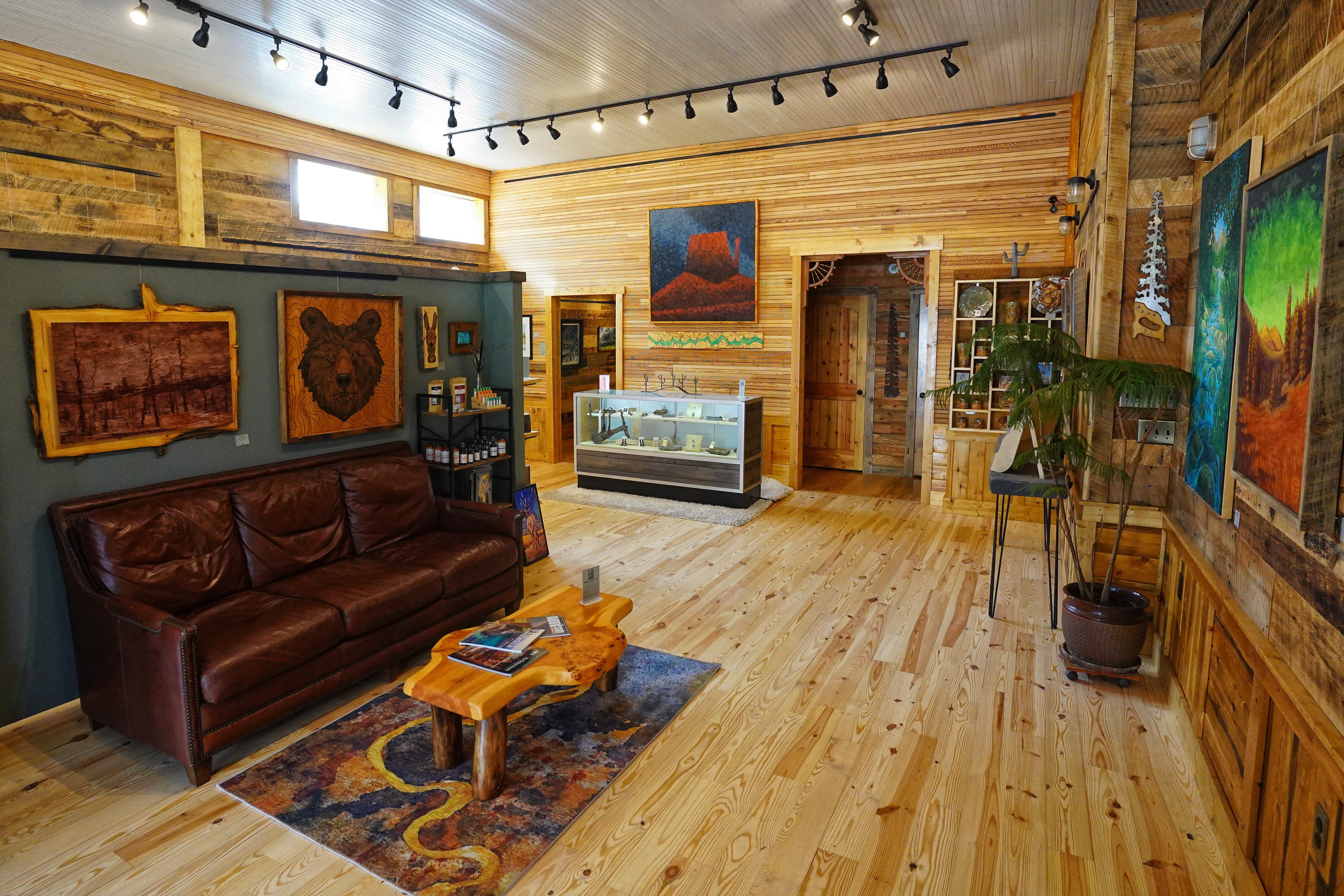
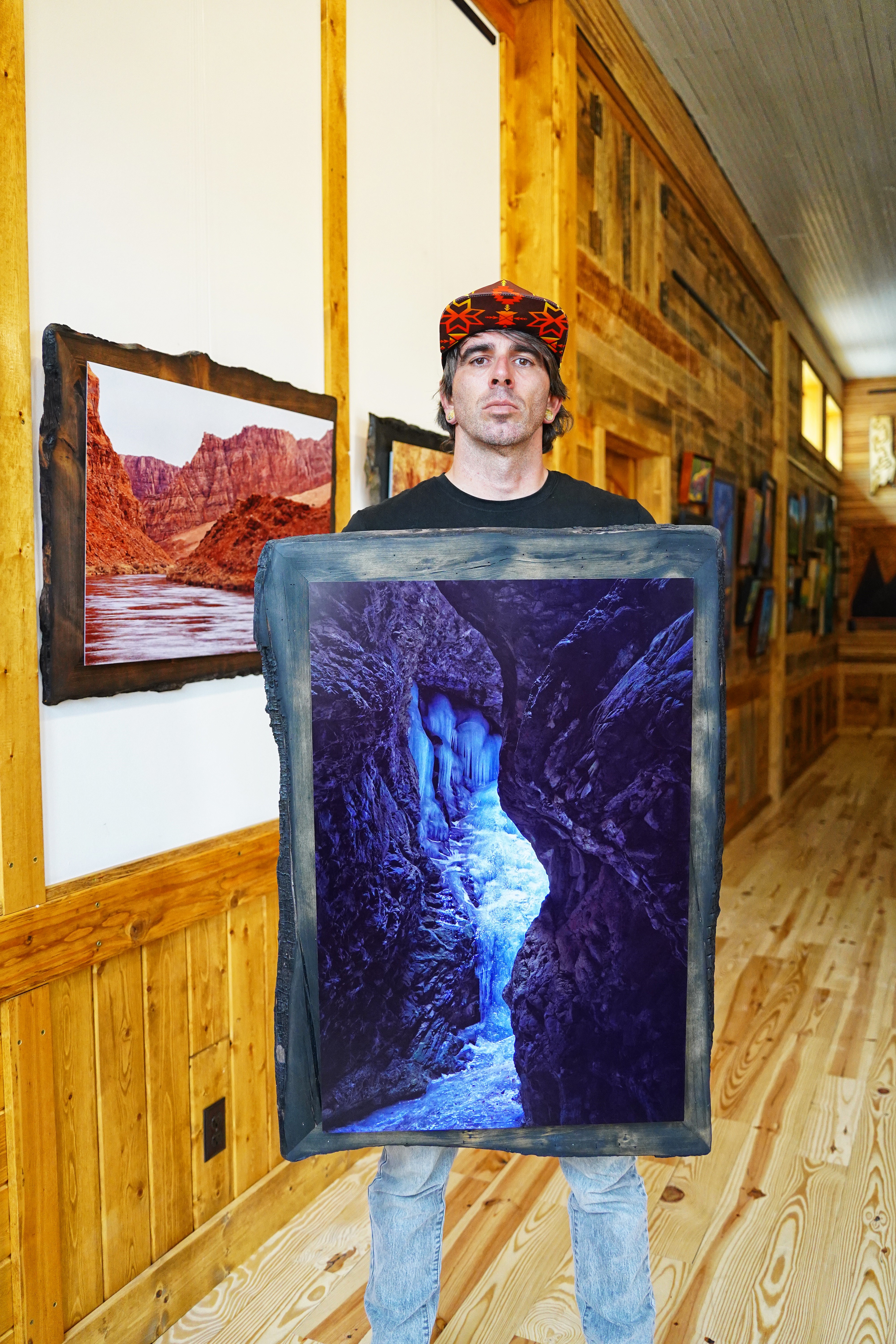
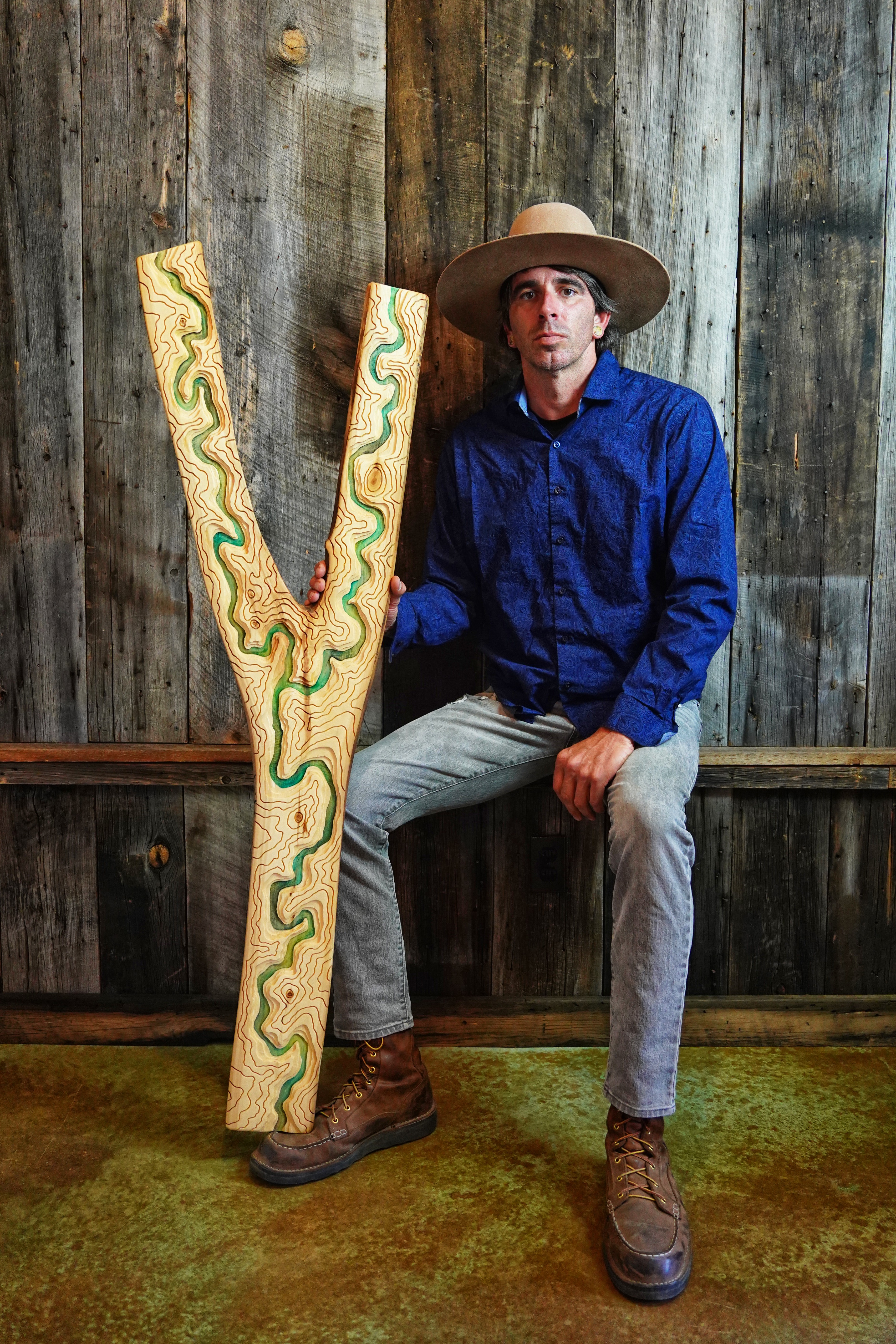
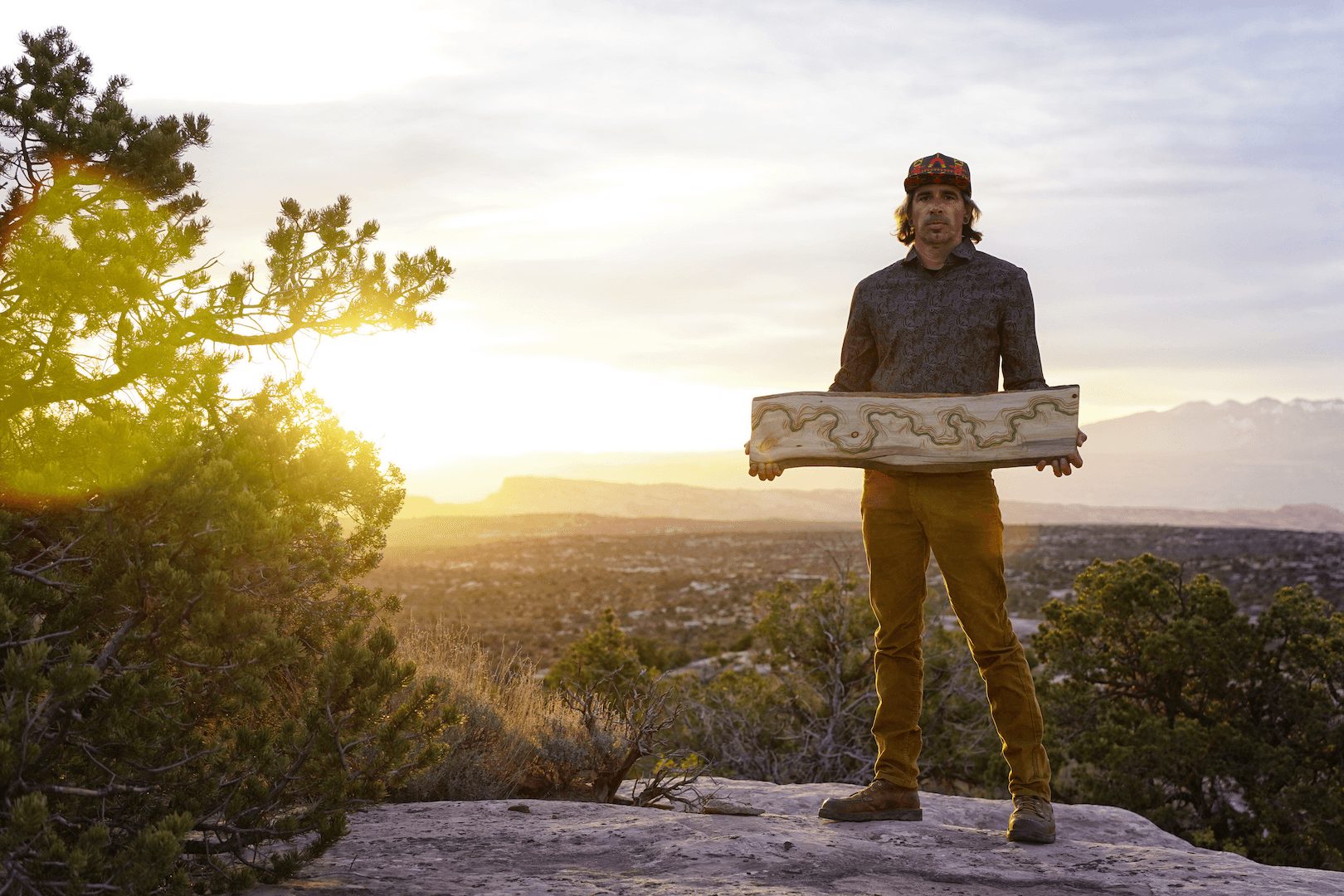
Image Credits
Artist Portrait: Tim Brown Photographer
All other photos: Colt Maule