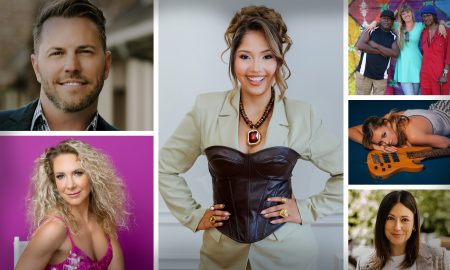


We recently had the chance to connect with Meghan Landry and have shared our conversation below.
Meghan, a huge thanks to you for investing the time to share your wisdom with those who are seeking it. We think it’s so important for us to share stories with our neighbors, friends and community because knowledge multiples when we share with each other. Let’s jump in: What do you think is misunderstood about your business?
Vision 88 is a Denver-based art collective redefining what public art can be. Often mistaken for just a mural group, Vision 88 is actually a full creative studio specializing in modular portable walls, graphic design, mural design, event curation, and artist consultation. Our work is rooted in community impact: we create accessible art experiences for all ages, backgrounds, and abilities while using visual storytelling to educate on pressing social issues. By bringing art directly to the people (through installations, workshops, and interactive events) we aim to inspire, provoke thought, and spark meaningful dialogue. As we grow, we’re expanding into online merchandise to share our mission, amplify the voices we serve, and make art more accessible than ever. Vision 88 isn’t misunderstood because we’re unclear. We’re misunderstood because what we do is bigger than what people expect. We’re not just creating art. We’re creating access, connection, and cultural impact.
Can you briefly introduce yourself and share what makes you or your brand unique?
I’m excited to introduce you to Art For Eyes’ newest collaboration with Vision 88! Vision 88 is a creative community focused collective reimagining how art, events, and community intersect. Vision 88 specializes in designing and building portable mural walls: modular canvases that can turn any environment into a vibrant, interactive art space. Paired with these dynamic structures, we offer full-spectrum event planning, design, and creative support to help brands, artists, and organizations bring their ideas to life in ways that are accessible, meaningful, and visually unforgettable.
We are art that moves in more ways than one. Our custom-built 8×8 (and larger) portable walls are lightweight, durable, and highly mobile—perfect for festivals, markets, galleries, pop-ups, schools, or branded activations. We take art off the static wall and bring it directly to the people.
We work side-by-side with artists, businesses, and curators to design impactful visual experiences. This includes everything from mural design to multimedia production and digital artwork, ensuring each activation feels intentional and alive.
From concept to execution, our team provides seamless planning, production, and creative support for cultural, commercial, or community-centered events. Whether for adults, kids, people with disabilities, or multigenerational audiences, we aim to build spaces where creativity is shared, celebrated, and accessible.
Our vision is to connect with communities and create something powerful; art that travels, inspires, and leaves an impact.
Okay, so here’s a deep one: What’s a moment that really shaped how you see the world?
A moment that changed how I see the world is placing my nonverbal autistic and visually impaired daughter (age 6) in a public Title I school in a MIA classroom. MIA classrooms are part of the public-school system, offering a structured, supportive environment tailored to meet the learning, social, and therapeutic needs of autistic students. This business and my daughter are examples that art is a nonverbal language. It is a way to express feelings, ideas, fears, and dreams safely and confidently.
We design and build large-scale, mobile mural panels that allow us to bring high-quality arts education directly into communities that have historically lacked resources or exposure to creative opportunities. Many Colorado schools, particularly Title I and MIA campuses, face limited funding for visual arts, resulting in inequitable access to creative learning. This gap disproportionately affects historically marginalized youth who benefit deeply from identity-affirming arts environments, mentorship, and opportunities for creative self-expression.
A branch of the business model for Vision 88 is focused on education. Our youth community projects at Vision 88 values the importance of these programs that provide expanding access to free arts programming in under-resourced communities through grants and sponsorships. Providing hands-on learning alongside professional muralists who reflect the diversity of the youth we serve. We are creating culturally responsive, inclusive environments where young people can explore identity, storytelling, and community pride. We are supporting social emotional learning through reflection circles designed to build confidence, teamwork, and emotional awareness.
What I have learned from working with Art For Eyes and Vision 88 is that I believe art is not a luxury; it is a powerful tool for communication, healing, and belonging. A common goal is to ensure that all children, especially those with disabilities or limited financial resources, are given a platform to create, imagine, and feel seen. Both our missions reflect that art is accessible, empowering, and transformative for every child, regardless of ability, income, or background.
What’s something you changed your mind about after failing hard?
One of the biggest failures I had early on as an art entrepreneur was believing that my passion and hard work alone would carry everything. Even with the amount of work I would put into all of the projects, the business, the collaborations, the events… I thought if the idea and art was good enough, the opportunities would naturally come.
But then I realized, I can only wear so many hats with so many hours in the day. I could not carry my vision alone. I needed to open up and trust like-minded people would help create my world into a piece of their own. When I started missing deadlines it showed me, I had unclear expectations, not for myself, but the business. I felt like I had crashed hard. It wasn’t the idea that failed, it was the structure around it. I needed help from people (which asking for help isn’t my best work) to join the vision to help it grow.
That moment changed everything for me.
I needed to be open to sharing the work with other people. I needed systems. I needed boundaries. I needed contracts, timelines, budgets, communication frameworks, and a plan that honored both the creative and the operational sides of the work. It taught me that professionalism is not the opposite of creativity, it’s what protects it. The building process doesn’t make the art less authentic; it actually gives it room to grow.
That failure also forced me to shift my mindset about collaboration. Instead of assuming people “just get it,” I learned to over-communicate, align expectations early, check in often, and make sure everyone has clarity on deliverables and responsibilities. It saved future partnerships and made them stronger, more seamless, and more equitable.
Without my partner @grhrimmx Vision 88 would still be in our heads. His bold visual language blends personal symbolism with emotional depth, often exploring themes of identity, resilience, and healing. His talent can carry him through the world but how he showcases the most vulnerable parts of himself with the world is a gift we all can enjoy. We both focus on giving back to our communities in this collective, and it started with us giving ourselves to each other in these roles first.
Most importantly, it taught me that success in art entrepreneurship isn’t about avoiding failure, it’s about learning how to build a structure strong enough to carry the vision. That realization is what ultimately shaped how I run things now: with purpose, clarity, boundaries, empathy, and the belief that creativity thrives when the foundation beneath it is solid.
Sure, so let’s go deeper into your values and how you think. What are the biggest lies your industry tells itself?
People love to use the phrase “art for all” because it sounds inclusive. But from what I have seen firsthand behind the slogan, art is often still gated by money, location, privilege, ability, or who feels “welcome” in the space.
Art for all too often really means; art for those who can afford the classes, art for those who live near museums, art for those who feel comfortable in creative spaces, art for those without disabilities or barriers, art for those who already see themselves reflected in the room. It’s a feel-good phrase that ignores how many kids and adults never get the chance to create because they don’t have supplies, time, transportation, emotional safety, or someone telling them, “You belong here.”
The truth is this if you’re not actively designing art experiences for people with the least access, then it isn’t art for all… it’s art for some. “Art for all” should be a responsibility. It means meeting people where they are in schools, shelters, parks, community centers, low-income neighborhoods, disability-support classrooms, and everywhere art is usually absent.
At Vision 88 and Art For Eyes, accessibility is not a secondary consideration. It is the core of our mission. The reality is that many children and families still face significant barriers to creative expression, whether due to disability, income, geography, or lack of supportive environments. Our work is grounded in the belief that true accessibility requires more than open doors; it requires intentional design, targeted outreach, and programs built specifically for those with the least access.
Through portable mural walls, inclusive workshops, sensory-considerate art spaces, and low-barrier community events, we bring art directly to children who are often overlooked by conventional arts programming. Our approach ensures that every participant, regardless of ability or circumstance, can create safely, confidently, and authentically. Accessibility isn’t a promise. It is a practice.
Okay, so let’s keep going with one more question that means a lot to us: What will you regret not doing?
My biggest regret would be not doing everything in my power to make art more inclusive. Not just for my daughter with special needs, but for every child and community member who deserves to feel seen, valued, and welcomed in creative spaces is my life’s work. I’ve learned firsthand how easily people with disabilities, sensory needs, or limited resources can be pushed to the margins of the arts. If I didn’t use my role at Art For Eyes and Vision 88 to change that, I would feel like I failed both her and the broader community.
Art For Eyes and Vision 88 isn’t just a creative venture to me; it’s a commitment to building the kind of world I want my daughter to grow up in. A world where art meets people where they are, where adaptive tools are normal, where every child has access to expression, and where inclusion is intentional, not an afterthought. My regret would be standing by and allowing the arts to remain inaccessible when I have the platform, the passion, and the responsibility to help transform it.
That’s why accessibility and inclusion are woven into the foundation of Art For Eyes and Vision 88. This work is deeply personal, and I am determined that our impact reflects that.
Contact Info:
- Website: https://www.vision88co.com/
- Instagram: @vision88co
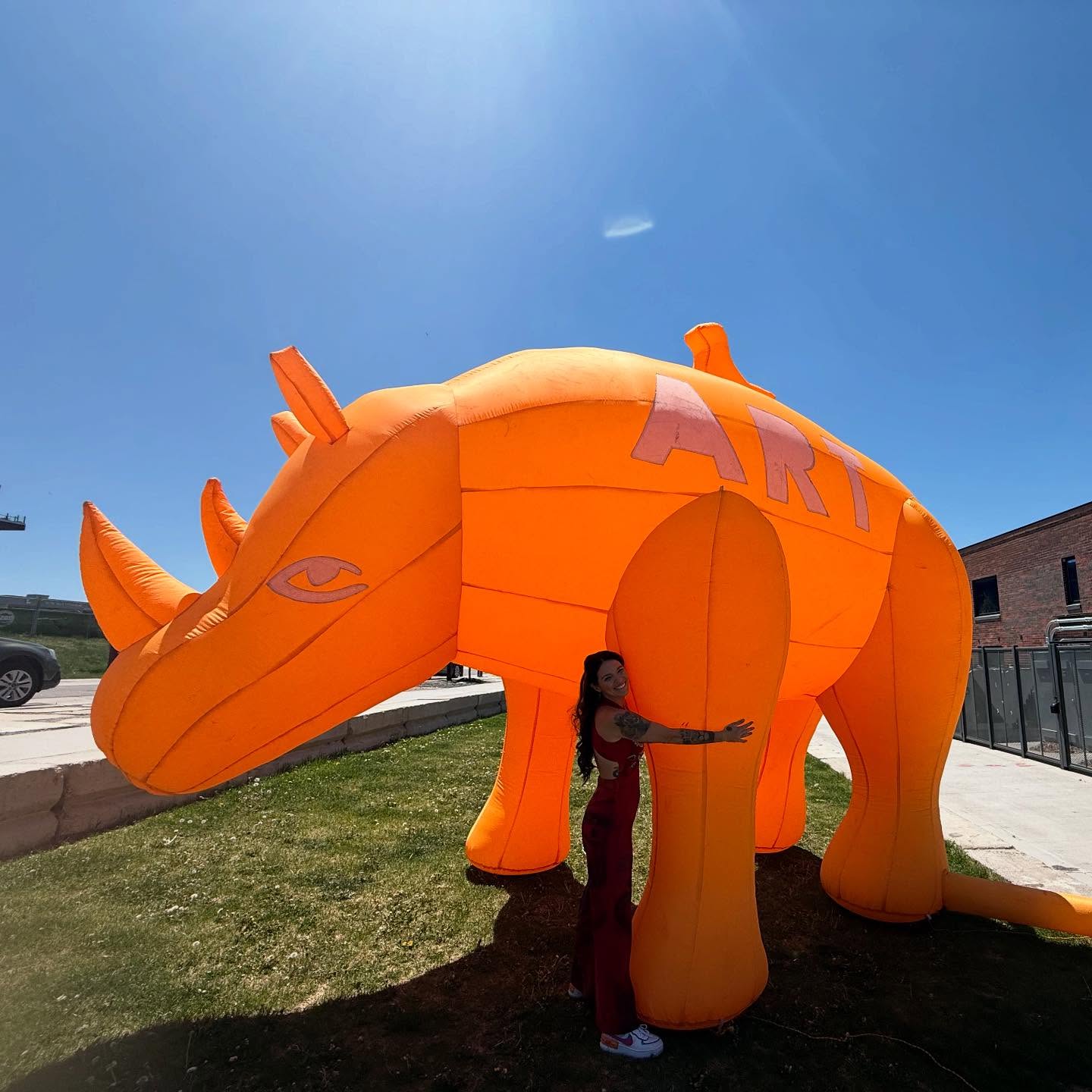
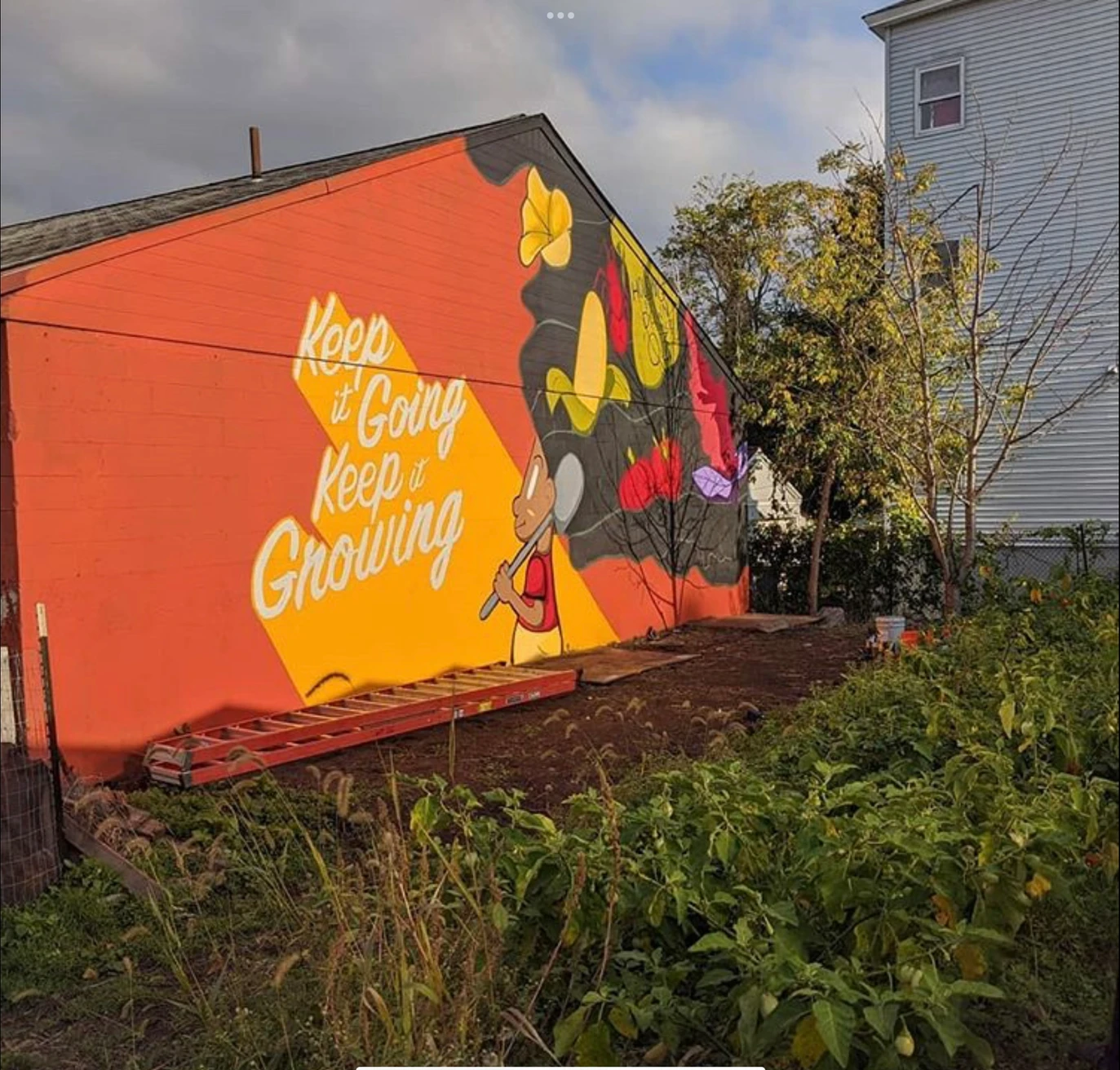
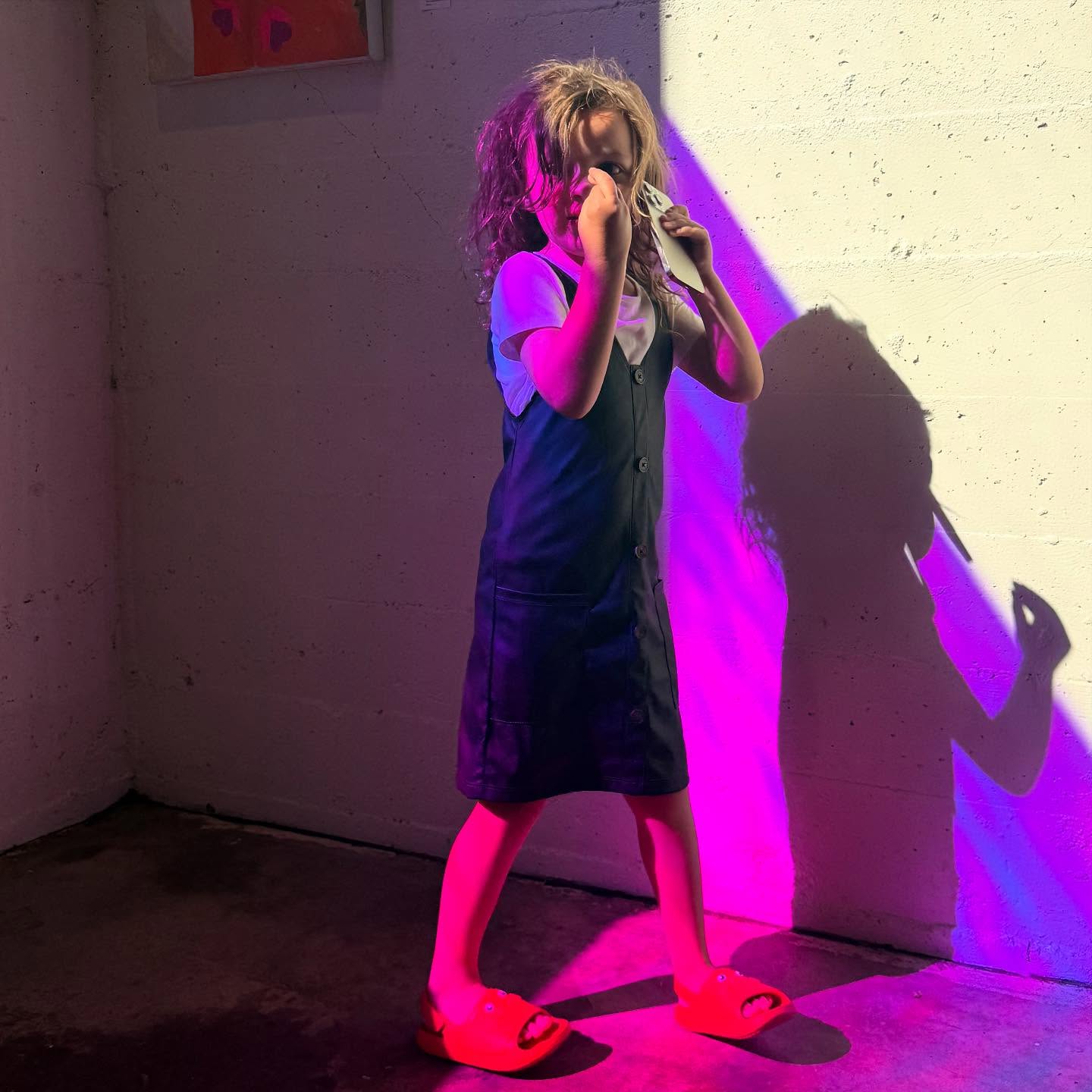
Image Credits
@grhrimmx mural