

We recently had the chance to connect with Mercedes Fuentes and have shared our conversation below.
Mercedes, we’re thrilled to have you with us today. Before we jump into your intro and the heart of the interview, let’s start with a bit of an ice breaker: What do you think is misunderstood about your business?
In the ECLT model, homeowners own their homes while leasing the land beneath them from the trust, usually through a renewable 99-year ground lease. This separation between land and homeownership significantly reduces the purchase price and helps maintain affordability for future buyers.
Despite these benefits, several persistent myths about Community Land Trusts continue to deter many qualified individuals from pursuing homeownership.
That’s why I encourage renters to take a closer look at this opportunity; it offers a path to stable housing for their families, a chance to build generational wealth, and a way to improve overall quality of life.
Some of the most common misconceptions include
“It’s just like renting”
The reality is that ECLT homeowners own their homes and enjoy full rights and responsibilities, like making improvements, paying property taxes, and passing the home to heirs. The ground lease fee (often around $100/month) is not rent but a stewardship tool to maintain affordability and community oversight.
“It’s too complicated to qualify.”
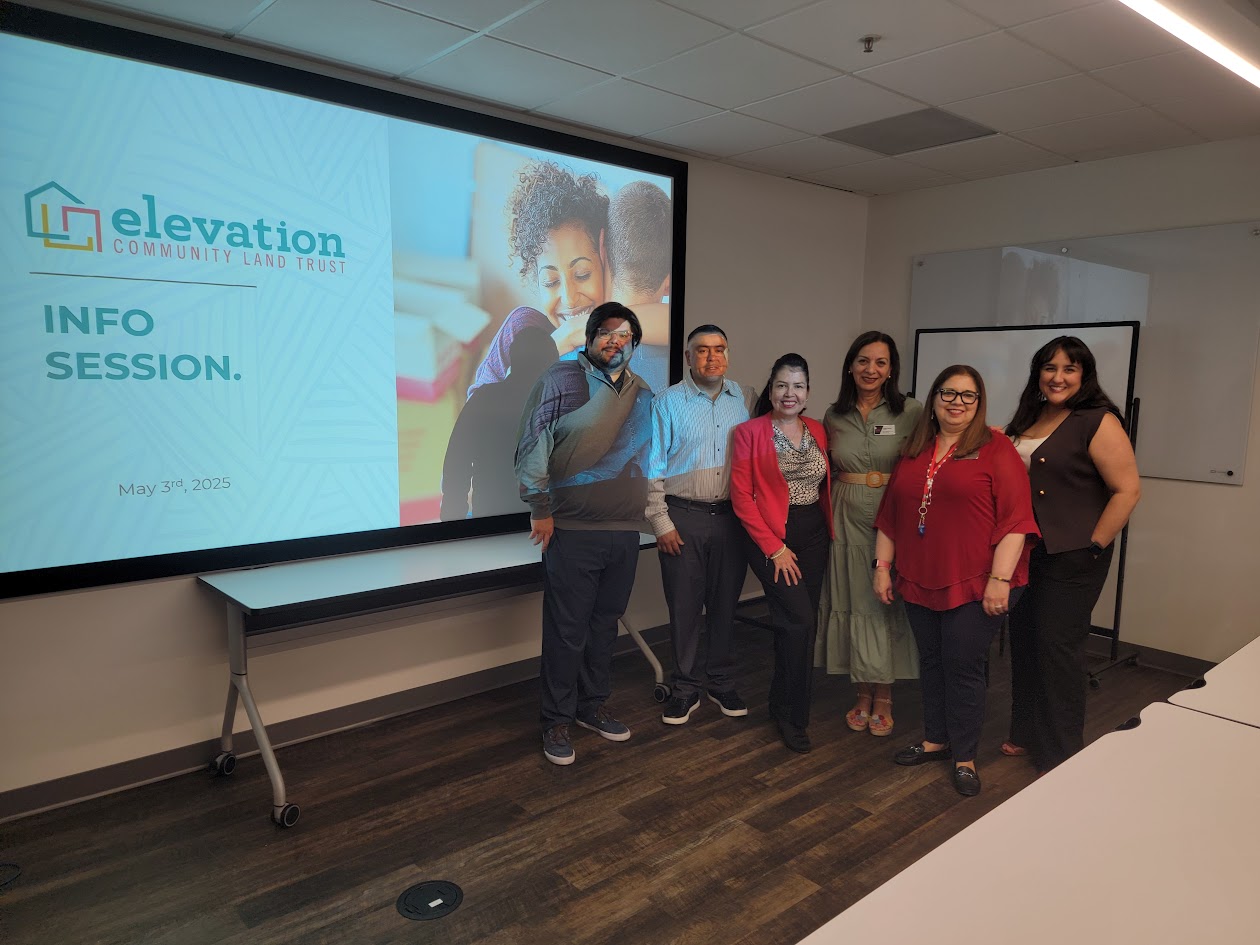
While there are eligibility steps, ECLT offers free orientation sessions, clear documentation, and staff support to guide applicants through the process. For example, I had helped many prospective homeowners understand the program and navigate requirements.
“You can’t build equity.”
Homeowners do build equity, just not unlimited market-rate equity. The resale formula allows for modest appreciation and return on investment, balancing personal financial growth with community affordability.
“You can’t sell the home.”
ECLT homes come with resale restrictions. Homeowners agree to a limited resale formula that caps how much profit they can make when selling. This ensures the home remains affordable for the next buyer and supports long-term community stability.
Can you briefly introduce yourself and share what makes you or your brand unique?
My name is Mercedes Fuentes, and I serve as the Director of Homeownership Programs at Elevation Community Land Trust (ECLT). I focus on expanding access to affordable homeownership through a model rooted in community stewardship, long-term affordability, and opportunities for families across Colorado to build equity.
What sets ECLT apart is our Community Land Trust model, which separates ownership of the home from the land beneath it. This innovative structure enables families to purchase homes at significantly reduced prices while preserving affordability for future generations. It’s more than just buying a house; it is about fostering lasting stability, strengthening community ties, and creating generational impact.
I am proud to be part of a team guided by values of courage, authenticity, innovation, and collective power, principles that shape both our internal culture and our outreach to prospective homeowners. Whether I’m leading orientation sessions, offering bilingual consultations, or collaborating with colleagues, my mission is to make the path to homeownership more accessible, transparent, and empowering.
Currently, I am focused on expanding outreach to underserved communities, enhancing our consultation process to better support Spanish-speaking applicants and other minority groups, and helping staff lead the application journey with clarity and compassion. I also work closely with current homeowners to support their post-purchase needs. Every day, I’m inspired by the families building their futures through ECLT, and I’m honored to walk alongside them on that journey.
Thanks for sharing that. Would love to go back in time and hear about how your past might have impacted who you are today. What breaks the bonds between people—and what restores them?
In every community, whether among neighbors, colleagues, or families, relationships are the threads that hold us together. But sometimes, those threads fray.
What breaks the bond between people?
Often, it’s not one dramatic event but a slow erosion: miscommunication, unmet expectations, emotional withdrawal, or the sting of betrayal. Even in our work at Elevation Community Land Trust, we have seen how misunderstandings or delays can strain trust between partners, applicants, and teams.
But here’s the hopeful truth: bonds can be repaired.
Restoration begins with acknowledging the rupture. It grows through empathy, honest dialogue, and consistent care. Whether it’s a heartfelt apology, a renewed commitment, or simply showing up differently, repair is possible. And when it happens, the relationship often emerges stronger, deeper, and more resilient.
At ECLT, we believe in the power of community repair. We see it in families rebuilding trust, in teams learning to listen better, and in neighbors coming together after conflict. These moments remind us that healing is not just personal, it’s collective.
What have been the defining wounds of your life—and how have you healed them?
Working in affordable homeownership is profoundly meaningful, yet it comes with its share of wounds. Walking alongside families as they navigate complex systems has taught me that healing doesn’t begin and end with the keys to a new home; it unfolds throughout the entire journey.
One of the most heartbreaking moments I have experienced involved a family who, after dedicating immense effort to the homebuying process, was unable to close as planned due to a sudden spike in their loan’s interest rate. The increase pushed them beyond qualifying limits, placing them at risk of homelessness. I immediately stepped in, advocating with the lender, who ultimately adjusted the terms and made the purchase possible. That moment underscored the importance of vigilance, responsiveness, and advocacy.
This work also carries a heavy emotional toll. I have seen applicants walk away, overwhelmed by their life circumstances. I have had to explain to families earning just above 80% of the Area Median Income why they didn’t qualify due to rigid thresholds. I have watched households struggle with financial realities that systems don’t always reflect. These moments weigh deeply, not only on the families but on those of us striving to make the process more humane.
Some of the most painful experiences come when single parents are unable to qualify for a loan, leaving them without a home to offer their children, not today, but hopefully someday soon.
And then there are the quiet wounds, the ones that never make it into reports. For me, that includes the profound personal loss of my mother, three sisters, and brother, all within three years, while continuing to stay focused on the mission. These experiences have taught me how fragile trust can be, and how vital it is to build systems that honor dignity and humanity. During these challenging times, I am also reminded of how vital family support truly is. My own family has been by my side every step of the way, my three beautiful daughters and my wonderful husband, who has always stood behind me, encouraging every dream and goal I have pursued in life.
Yet wounds are not just reminders of pain; they are invitations to grow. Each challenge has pushed me to advocate for clearer policies, stronger training, and more compassionate communication. They’ve taught me that leadership isn’t about being flawless, it’s about showing up with accountability, humility, and the courage to repair.
I carry these wounds with pride. Not because they define me, but because they’ve shaped the way I lead, with empathy, clarity, and an unwavering commitment to justice.
.
Healing and Resilience: Grace, Values, and Community
• Leading with Values I close every email with the words Courage, Innovation, Authenticity, Collective Power, values that are not just aspirational, but foundational to how I lead and heal. They serve as a compass, guiding me through both challenges and triumphs.
• Giving Myself Grace This is a reminder that healing often begins with self-compassion. It’s a mantra that reflects our approach to leadership: grounded, human, and forgiving.
• Building Community Through Service My role is more than administrative; it is deeply restorative. I walk alongside families as they navigate emotionally charged transitions, from selling a home to managing construction delays or recovering from financial hardship. My work is rooted in service and solidarity.
• Showing Up Despite Challenges. Even when facing challenges or overwhelming demands, I continue to show up for my team and the families. I have a steady presence, willingness to take ownership, and commitment to progress, even in difficult moments, which speak volumes about my resilience and character.
Next, maybe we can discuss some of your foundational philosophies and views? What’s a cultural value you protect at all costs?
I do not just lead programs; I lead with purpose and fairness. As Director of Homeownership Programs at Elevation Community Land Trust (ECLT), I am known for my unwavering commitment to cultural values that shape not only my work but the lives of the families and communities I serve.
At the heart of my leadership are four guiding principles: Courage, Innovation, Authenticity, and Collective Power. These values aren’t just words on a page; they are the foundation of how I show up every day. Whether I am guiding a first-time homebuyer through the complexities of a land lease, or a homeowner with their post-purchase needs, or mentoring staff on inclusive outreach strategies, I bring clarity, compassion, and conviction to every interaction.
I am also a fierce protector of diversity, equity, and inclusion. I advocate for policies that dismantle systemic barriers and create pathways to homeownership for low- and moderate-income families, especially those historically excluded from housing opportunities. My work reflects a deep respect for cultural identity, community history, and the stories that make each neighborhood unique.
I embody the belief that housing is more than a transaction; it’s a tool for justice, belonging, and generational change.
Okay, so let’s keep going with one more question that means a lot to us: What is the story you hope people tell about you when you’re gone?
In my communications, I invite homeowners to share their journeys, not just for marketing, but to build a collective narrative of resilience and hope. I believe that every story matters, and that storytelling itself is a form of empowerment.
I advocate for policies that protect vulnerable buyers, simplify complex processes, and center the human experience. My work on community land trusts and my contributions to affordable homeownership demonstrate my commitment to global justice as well as local impact.
Ultimately, I hope the story people tell about me is one of transformation, not just of homes, but of lives. That helped build a system where families could thrive. I showed up with courage when it was hard. That made equity feel possible. I made housing feel human. I did not protect policies; I protect people. I lead with heart, and I never stopped fighting for fairness. I believe in stories, and I helped Homeowners to tell their own.
Contact Info:
- Website: https://elevationclt.org/
- Linkedin: https://www.linkedin.com/in/mercedes-fuentes-76258041/
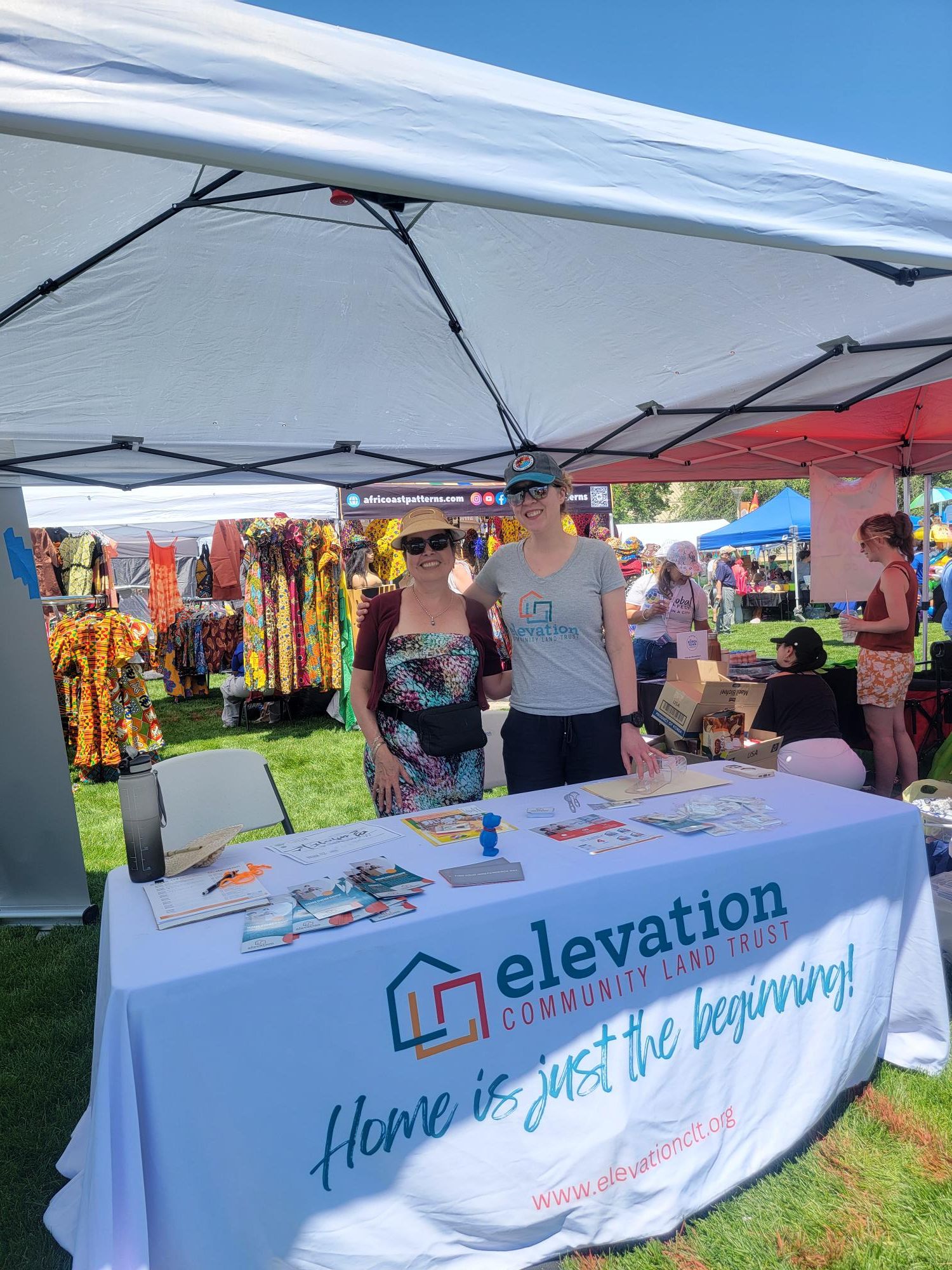
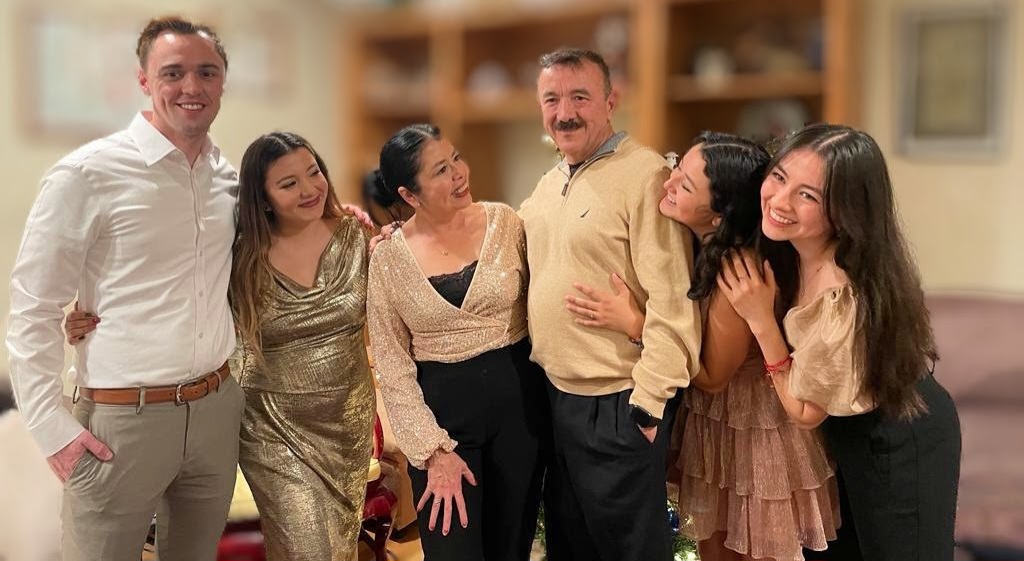
Image Credits
All Photos by Mercedes Fuentes