


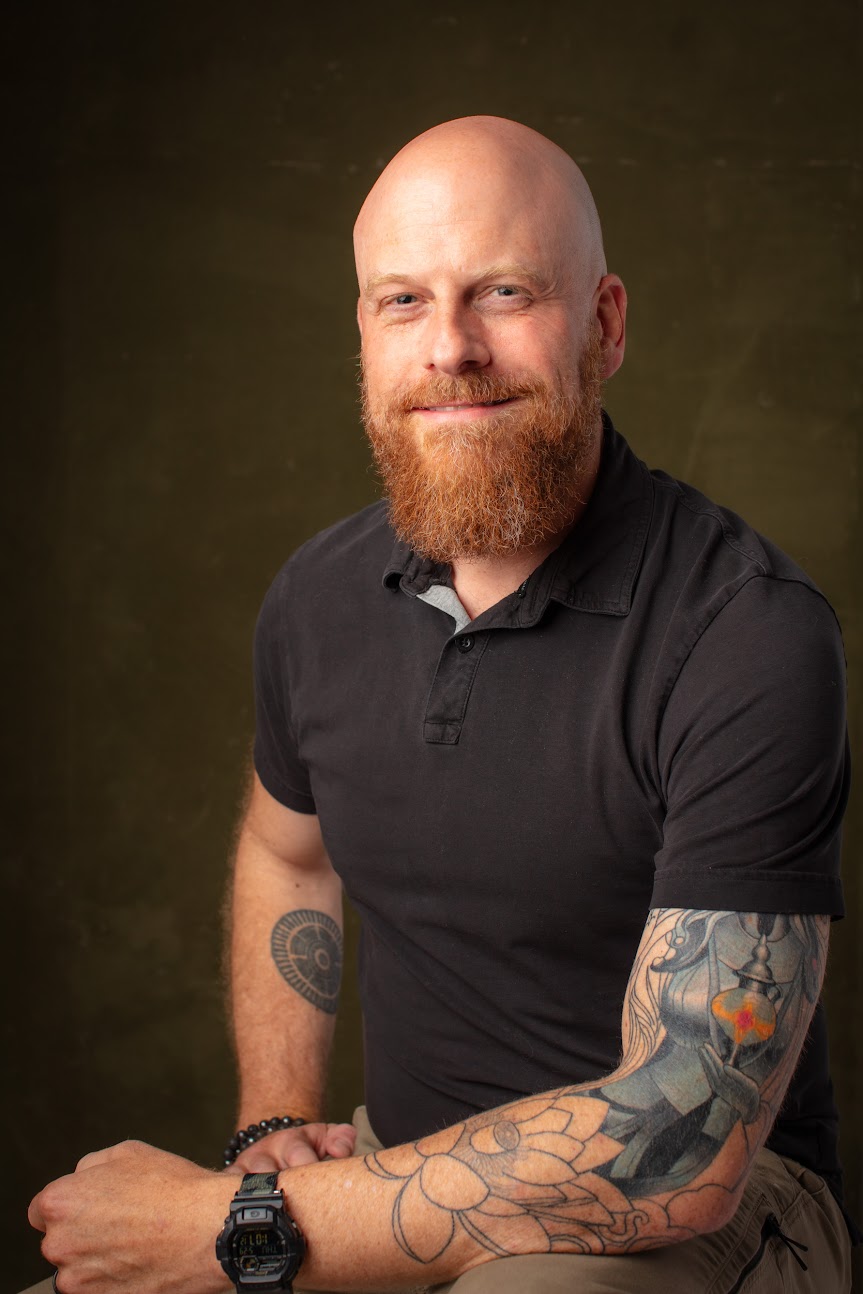
Nicholas Whitaker shared their story and experiences with us recently and you can find our conversation below.
Nicholas, so good to connect and we’re excited to share your story and insights with our audience. There’s a ton to learn from your story, but let’s start with a warm up before we get into the heart of the interview. What do the first 90 minutes of your day look like?
The first 90mins of my day are sacred time. I wake up just about every morning without and alarm around 630, take care of my personal hygiene and feed the cats. I sit outside if the weather is decent or sit inside by a window and practice some meditation for 20-30mins. Make some coffee, journal, read or do some light stretching before going for a walk. Some days I’ll get into some creative writing if the mood strikes me, but generally that first 90mins of the day is designed to help me be at my best for the rest of the day. I definitely notice when I don’t prioritize that time.
Can you briefly introduce yourself and share what makes you or your brand unique?
I’m Nicholas Whitaker. I work with high-performing leaders and tech professionals who have done everything they were supposed to do, but are starting to feel the quiet cost of maintaining it all.
On paper, their lives work. The resume is solid. The calendar is full. Output is high. But underneath, there’s a steady erosion of energy, clarity, and a sense of self. What used to work no longer does. The systems they’re operating inside extract more than they restore, and their habits have optimized for things that now feel hollow.
Burnout, disillusionment, disengagement, and existential uncertainty are common symptoms. Most people assume this is a personal failure. I don’t. I see it as a rational response to the conditions we’re living and working in. Continuous distraction. Performance pressure. Ongoing layoffs and AI hype-driven instability. A culture that rewards over-functioning and calls it resilience.
I call my 1:1 work Quiet Rebellion. Instead of optimization or reinvention theater, we help people recognize how systems and habits shape their lives, then consciously reclaim their time, energy, and attention from default modes of living and working.
I bring thirteen years of experience inside big tech, more than a decade as an entrepreneur, and deep training in mindfulness, leadership, and trauma-informed coaching. I’ve lived volatility from the inside. Reorgs, layoffs, pressure to perform, and the long aftermath of staying disconnected from myself longer than was sustainable.
Alongside 1:1 work, I’m launching the Rebellion Collective Community in January 2026. It’s a curated community of practice for high performers who don’t need motivation or fixing, but do need a place to think clearly, speak honestly, and stay oriented during periods of transition and volatility.
I also lead Wild Rebellion Retreats, bringing people into nature, and helping them literally touch grass. Using nature as a teacher and guide. The work is less about escape and more about restoring nervous system capacity, perspective, and a felt sense of what’s real.
In parallel, I continue to steward Changing Work, a nonprofit I founded to support healthier, more conscious ways of working inside organizations.
Today, my work spans individual coaching, community spaces, writing, and immersive retreats. At its core, the work asks simple but demanding questions. Who am I now? What actually matters? How do I want to feel and be as I move through uncertainty with courage?
At this stage of my life and work, I’m less interested in helping people get ahead and more interested in helping them come back to themselves, with enough clarity and steadiness to choose what’s next on their own terms.
Thanks for sharing that. Would love to go back in time and hear about how your past might have impacted who you are today. What’s a moment that really shaped how you see the world?
Being laid off after thirteen years at Google was a moment that fundamentally reshaped how I see the world.
I had built a long career inside a high-performing system. I adapted through reorgs, shifting strategies, and constant pressure to stay relevant. From the outside, I looked successful and stable. Inside, much of my identity and nervous system had quietly organized around performance and belonging.
By the time I was laid off, I had already begun questioning that way of living. I was in therapy. I had hired coaches. I was deepening my mindfulness practice and facilitating wellbeing programs inside the company. On some level, I knew the cost of staying misaligned, even if I wasn’t fully ready to act on it yet.
When that chapter ended, what stayed with me was the toll a decade of self-abandonment had taken. I had carried so much pressure and anxiety about losing an opportunity I believed might never come again that I couldn’t see past the event horizon of the moment to what might be possible afterward.
I wasn’t new to volatility. Earlier in my life, I had already learned what it means to live without certainty or safety. But this moment clarified something essential. The issue wasn’t personal failure. It was the cost of navigating systems that quietly erode clarity, capacity, self-respect, and humanity over time.
That experience became a turning point. It crystallized how I relate to work, identity, and success, and it continues to shape how I work with others navigating transition without losing themselves in the process.
What’s something you changed your mind about after failing hard?
For a long time, I believed that if I was struggling, it meant I was failing.
That belief really took hold in the last years before I was laid off. I was on a toxic team, dealing with retaliation and scapegoating, while the company itself was in constant motion. Reorgs. Layoffs. Shifting priorities. All of it unfolding during the pandemic, when there was very little margin anywhere.
My mental health deteriorated during that period. Anxiety, hypervigilance, exhaustion. I didn’t see it as a warning sign. I saw it as a personal weakness. Something I needed to manage better, hide better, push through more quietly.
I kept telling myself that if I could just endure a little longer, things would stabilize. Instead, they cracked.
What I changed my mind about was the idea that breakdown equals failure. It doesn’t. It’s a signal . Sometimes it’s what happens when a nervous system has been under sustained pressure with no real support or recourse.
That experience shifted how I understand mental health, work, and responsibility. Not as individual toughness problems, but as signals about environments, power dynamics, and the cost of staying silent too long.
Sure, so let’s go deeper into your values and how you think. Is the public version of you the real you?
I’m open about my life and my struggles, and I don’t try to present myself as finished or figured out. I’m still messy. I still have doubts. I’m still growing.
At the same time, I try to teach and share from scars, not wounds. That matters to me. I don’t believe trauma dumping is helpful, and I don’t think working things out in public is the same as being vulnerable or honest.
I’m thoughtful about how and why I share what I share, especially when it comes to leadership and mental health. Part of integrity, for me, is discernment. Knowing what’s mine to process privately and what’s actually useful to offer others. So yes, the public version of me is real. It’s just shaped with care.
Okay, so before we go, let’s tackle one more area. What do you understand deeply that most people don’t?
Most people think their lives are shaped by big decisions. Jobs taken. Relationships chosen. Risks avoided or embraced. What I’ve seen, over and over, is that people are more often governed by quiet, unexamined commitments they made years ago.
Commitments about who they need to be to belong.
About what they’re allowed to want.
About what’s “reasonable” to risk or question.
These commitments don’t feel like choices. They feel like their reality. And because they’re invisible, people organize their lives around them without ever consenting to them. Once you learn to see them, things begin to shift. Not all at once. But enough to create room. Enough to notice where you’ve been living by default. That’s something I understand deeply because I’ve taken the time to slow down and pay attention. Most people don’t take that time, because it feels like a luxury. I understand that it’s a critical part of being successful in life.
Contact Info:
- Linkedin: https://www.linkedin.com/in/nicholaswhitaker/
- Other: https://changingwork.org
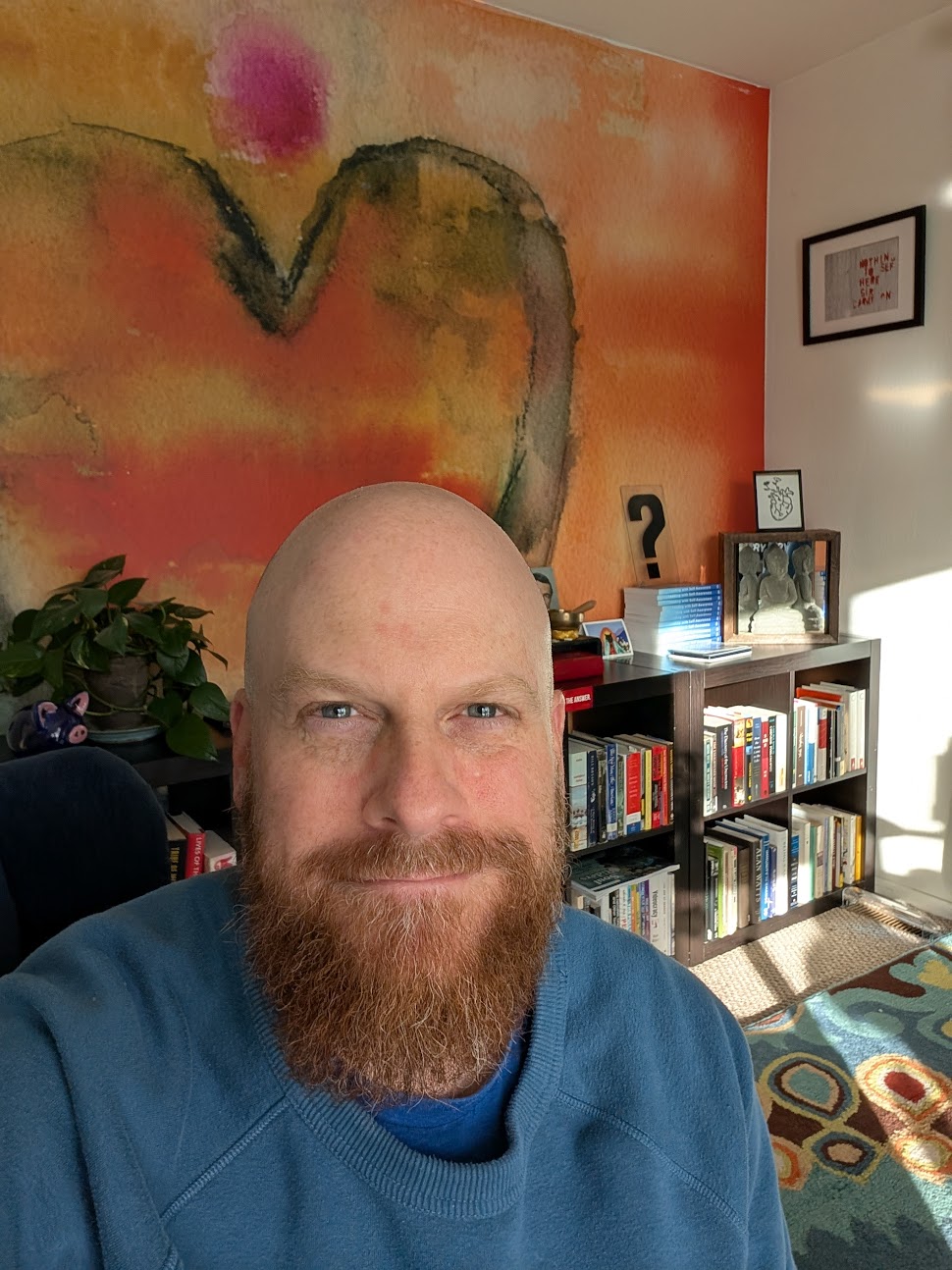
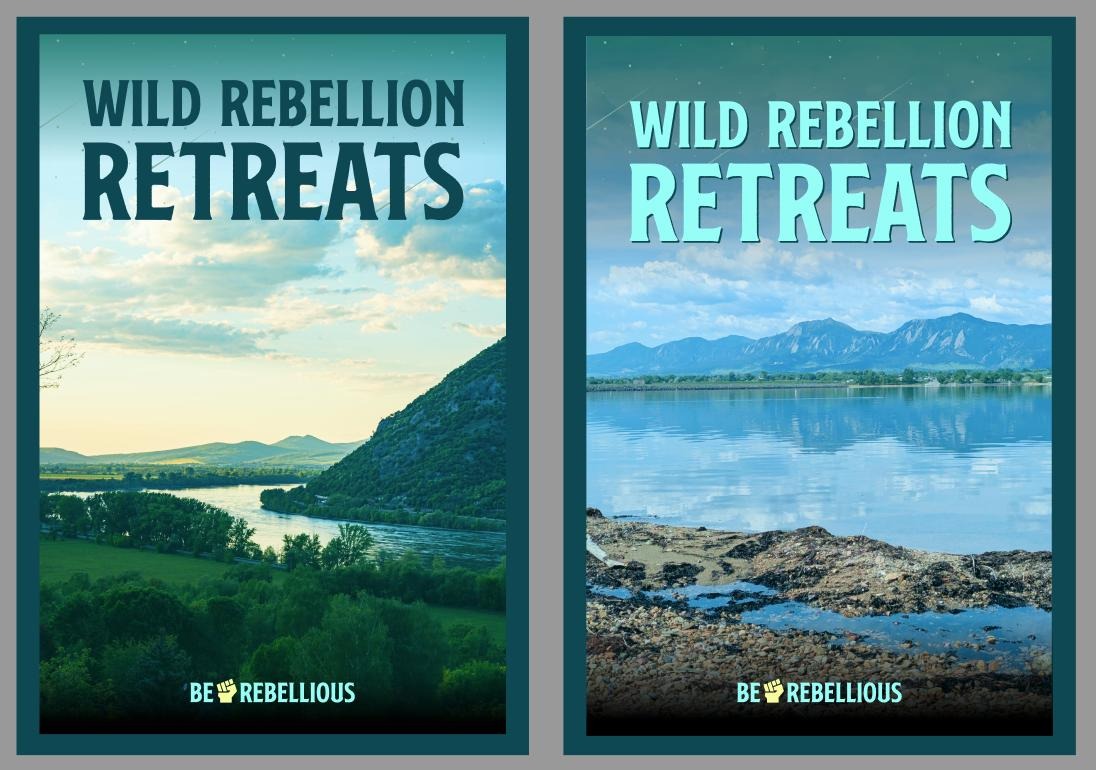
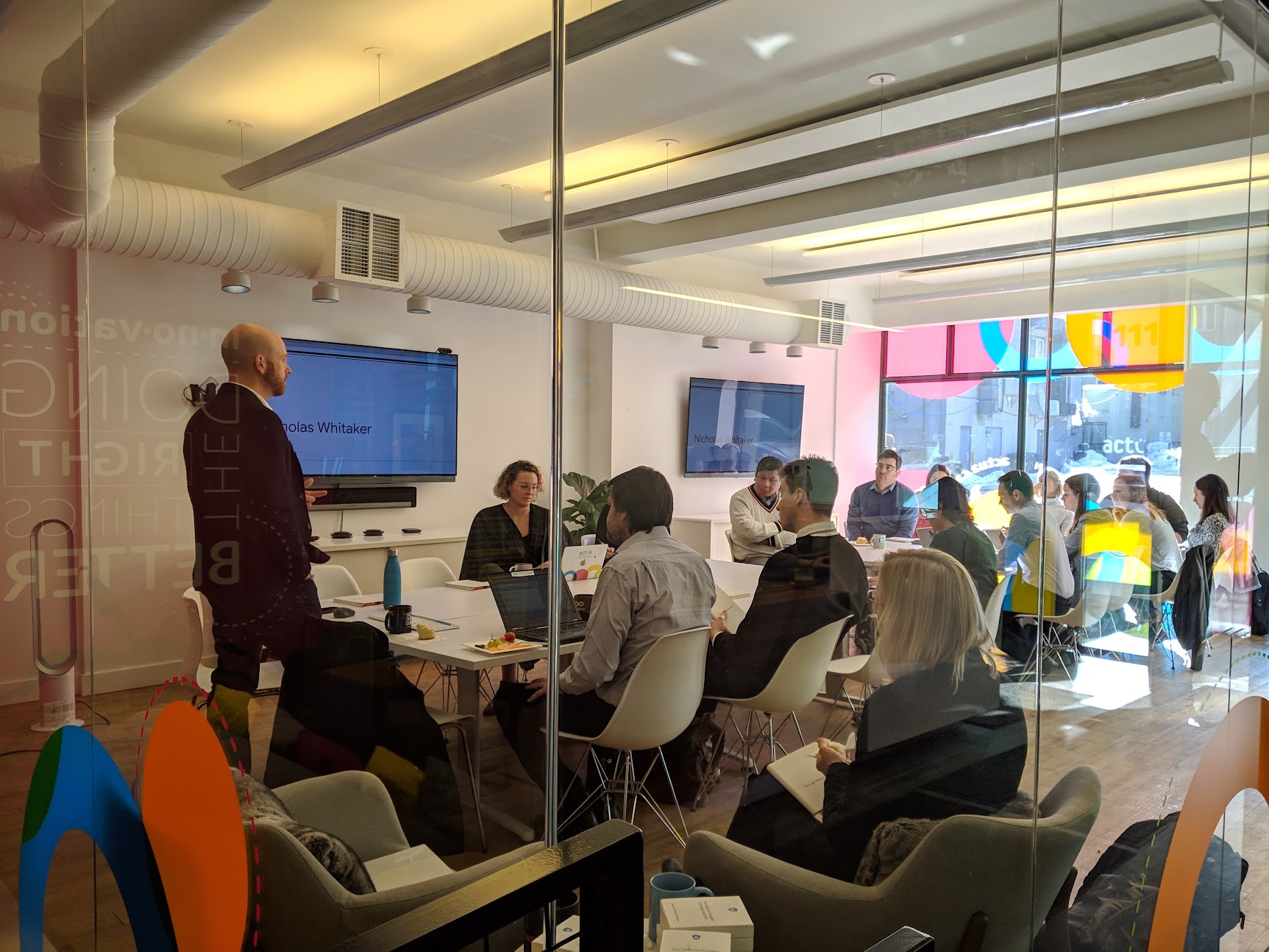
Image Credits
Dan Petty, Nicholas Whitaker, Joe Valley