



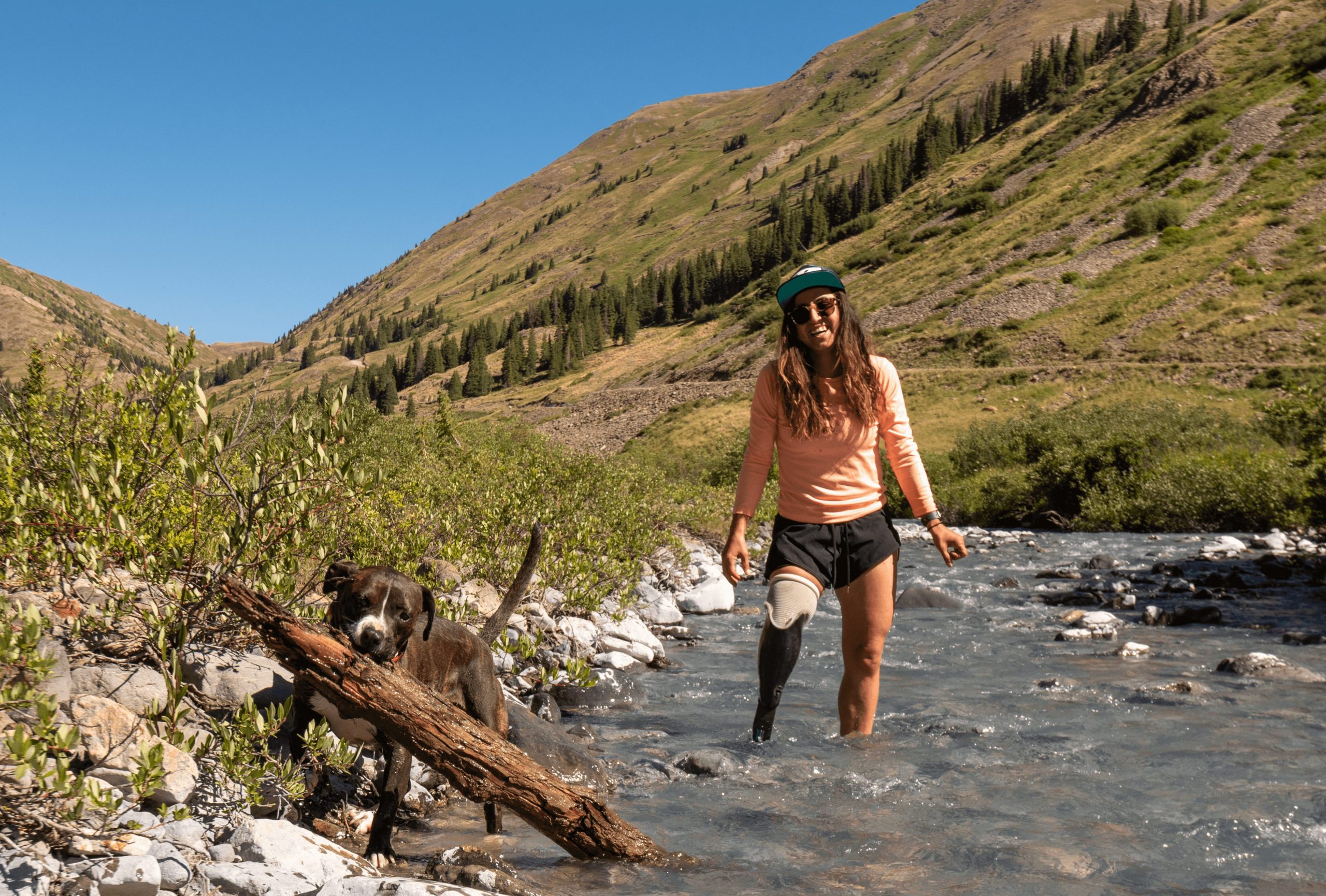
Today we’d like to introduce you to Angelina Martinson.
Hi Angelina, thanks for sharing your story with us. To start, maybe you can tell our readers some of your backstory.
I was born with clubfoot and Tibial hemimelia and spent the first years of my life in a Russian orphanage. After being adopted and coming to the U.S., I underwent an amputation as a toddler. Growing up, I had to navigate a world that wasn’t built for people like me, but I was fortunate to have a family that never treated me as fragile. I was encouraged to be active, independent, and resourceful—values that have shaped how I approach life and my work today.
As I got older, I realized there was a huge gap in accessible information for amputees. I had to learn so much through trial and error—everything from prosthetic maintenance to handling public reactions. I started sharing my experiences online, hoping to make life easier for others facing similar challenges. What began as a way to document my own journey evolved into a platform that empowers adaptive individuals to take control of their lives, whether that’s through fitness, practical tips, or just knowing they’re not alone.
Now, with 30 years of experience as an amputee and a background in prosthetic research and design, I create content that’s both educational and entertaining. My goal is to show that limb loss isn’t the end of an active, fulfilling life—it’s just a different path forward. Denver has been the perfect place to pursue this mission, with its vibrant adaptive sports community and endless opportunities for adventure.
We all face challenges, but looking back would you describe it as a relatively smooth road?
It definitely hasn’t been a smooth road. Growing up, I dealt with my fair share of bullying—kids can be ruthless when you look different. I got the stares, the questions, and sometimes the outright cruel comments. But as tough as that was, my biggest critic wasn’t them—it was me. I spent years feeling like I had to prove I was just as capable, just as ‘normal’ as everyone else. I’d hide my prosthetic, downplay my struggles, and let self-doubt take up way too much space in my head.
The turning point was realizing that confidence isn’t about fitting in—it’s about owning who you are. Once I stopped seeing my amputation as something to apologize for and started embracing it as part of what makes me me, everything shifted. I carried myself differently, and in turn, people responded differently. The more I showed up confidently, the less room there was for others to make me feel small.
On top of that, my health has been a constant wildcard. I have comorbidities that have caused major setbacks throughout my life—times when I’ve had to completely rebuild, not just physically but mentally. Progress hasn’t been a straight line for me. There have been moments when I was at my strongest, only to be knocked back down again. But if there’s one thing I’ve learned, it’s that resilience isn’t about never falling—it’s about always getting back up. That mindset has carried me through every challenge, and it’s what I try to share with others who are facing their own battles.
Thanks – so what else should our readers know about your work and what you’re currently focused on?
By day, I work in electrophysiology, but my true passion lies in empowering and advocating for amputees. As an engineer, I’ve worked in prosthetic research and patient care, bridging the gap between technology and real-world needs. Having been an amputee for 30 years, I bring a unique perspective—one that combines lived experience with technical expertise.
I create content that helps amputees navigate everything from prosthetic choices to self-advocacy in healthcare. Too often, people feel like they’re at the mercy of a system that doesn’t always prioritize their needs, so I make it my mission to educate and empower them to take control of their own journey.
What sets me apart is that I don’t just talk about the challenges—I actively live them. I know firsthand how frustrating it is when a socket doesn’t fit right, how exhausting it can be to fight insurance for the technology you need, and how isolating it can feel when no one around you truly understands what you’re going through. My content isn’t just informational; it’s relatable, honest, and, most importantly, solutions-driven.
One of the things I’m most proud of is seeing the impact of my work—when someone reaches out and says my content helped them feel confident enough to ask for a better prosthetic fit, push through a tough rehab day, or even just feel less alone. Those moments remind me why I do what I do.
Ultimately, my goal is simple: to help amputees live boldly, knowing that limb loss doesn’t define them—it’s just one part of their story.
How do you define success?
I define success as making a meaningful impact while staying true to who I am. It’s not about numbers, titles, or outward achievements—it’s about knowing that what I do genuinely helps others. If my work empowers even one amputee to advocate for themselves, regain confidence, or push past a challenge they thought was impossible, that’s success to me.
On a personal level, success is also about resilience. Life has thrown a lot my way—setbacks, health challenges, moments where I’ve had to start over. But every time I get back up, adapt, and keep going, I see that as a win. Success isn’t a finish line; it’s the ability to keep moving forward, no matter what.
Contact Info:
- Website: https://www.adaptiveamputees.com/
- Instagram: https://www.instagram.com/adaptiveamputees/
- Facebook: https://www.facebook.com/AdaptiveAmputees/
- Linkedin: https://www.linkedin.com/company/adaptiveamputees/
- Youtube: https://youtube.com/@adaptiveamputees
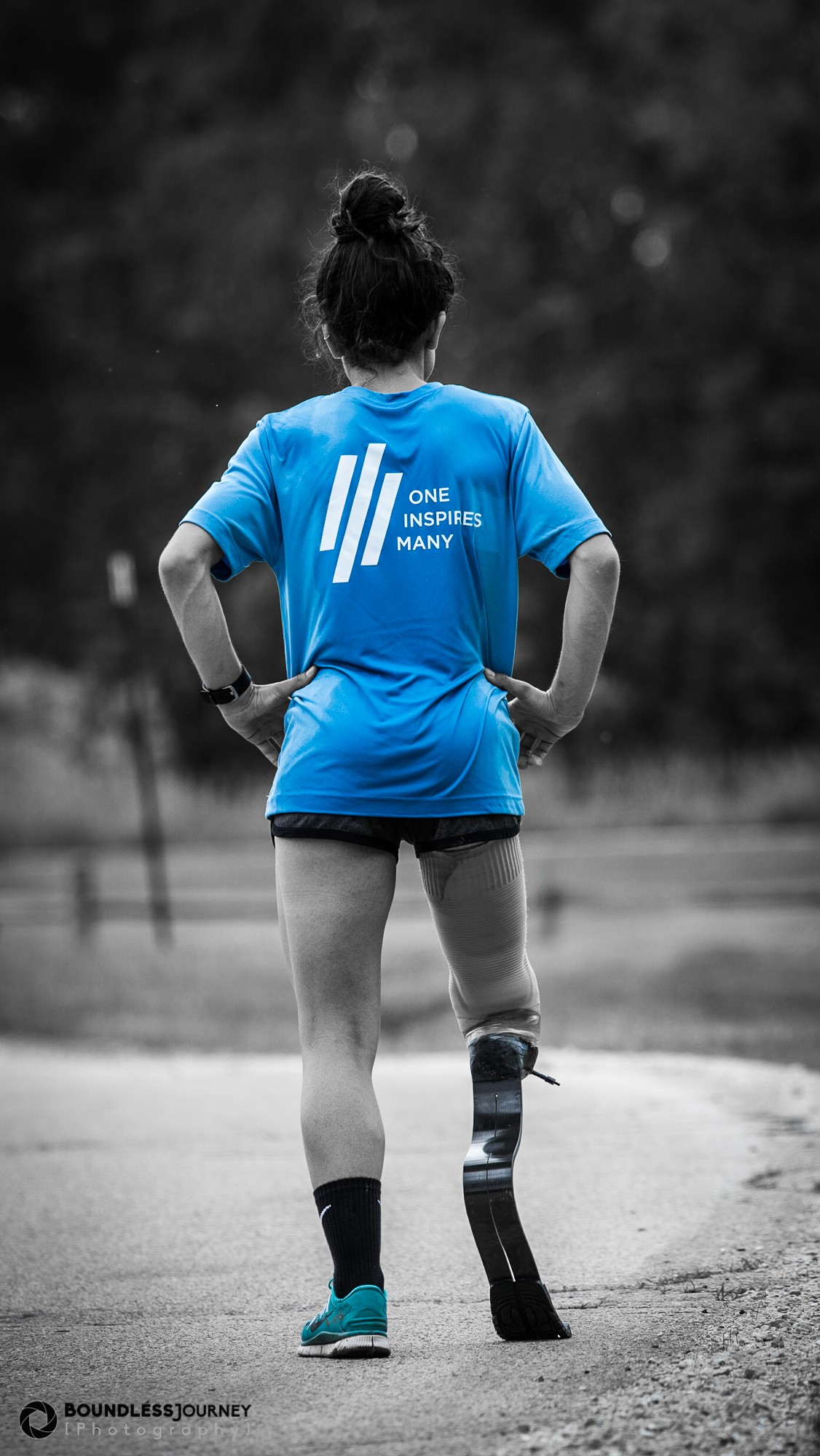
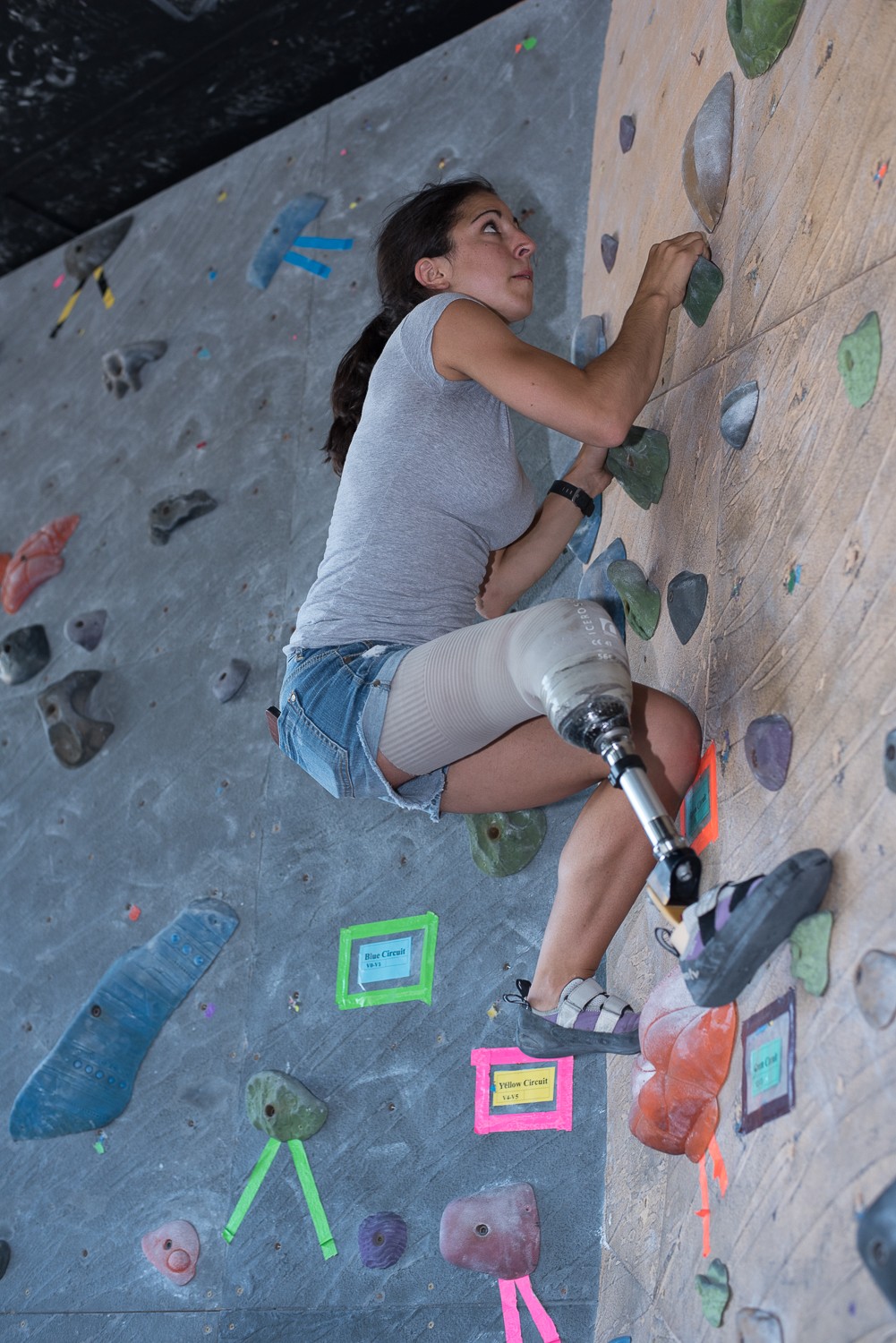
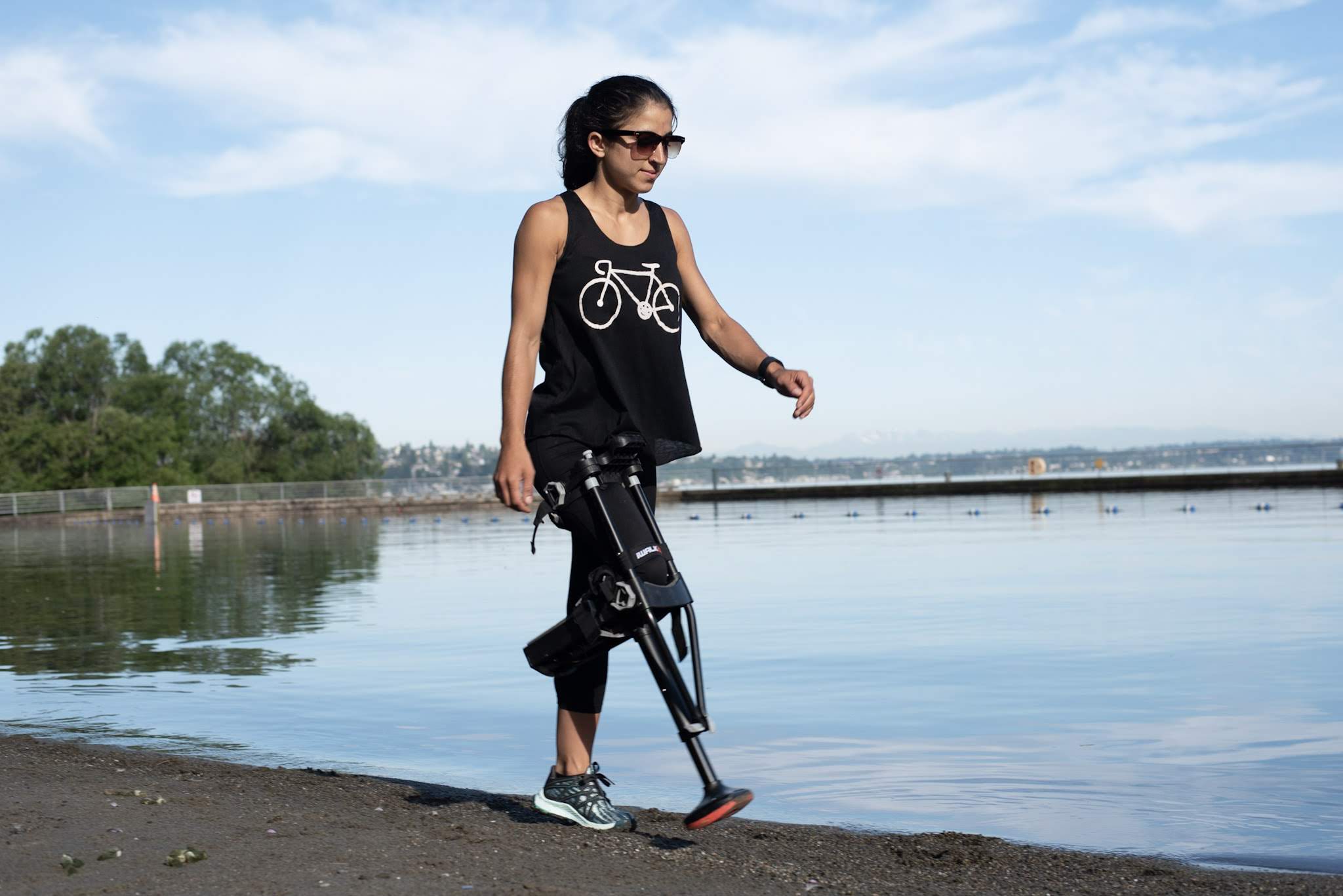


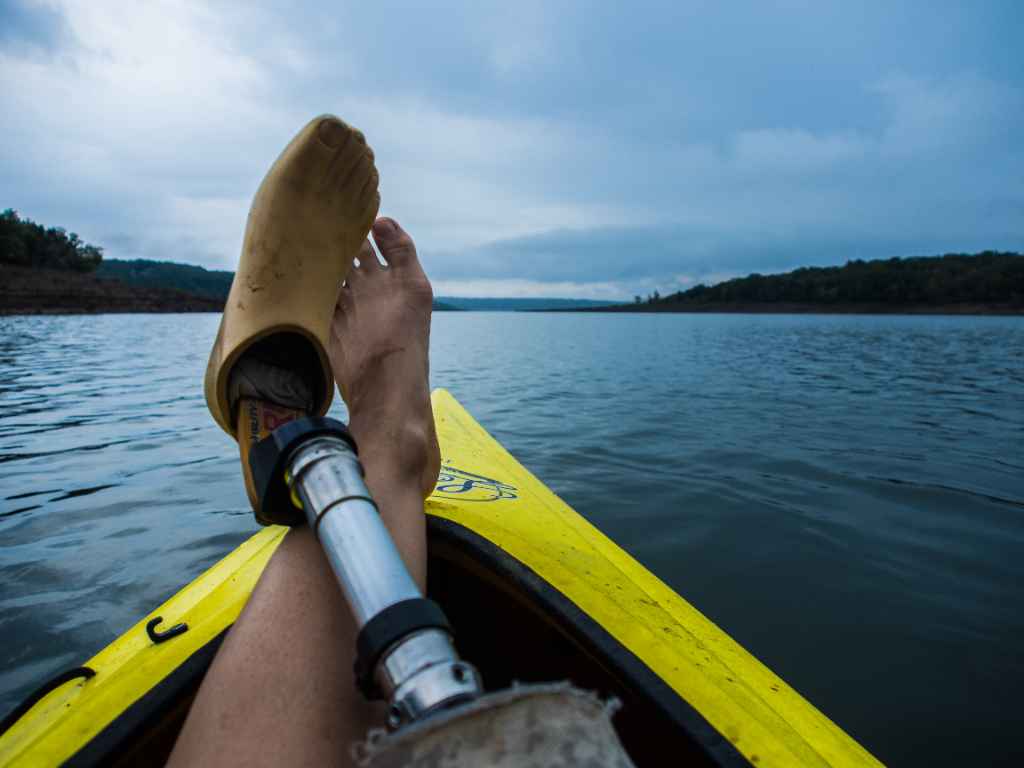
Image Credits
These images were taken by husband (hobby photographer)
Popular
-

The Trailblazers: Rewriting the Narrative
-

Celebrating the Spotlight: Kaytee Shashore Turns Milestones Into Momentum
-
Humanity in the Machine: Alexander Raye Pimentel’s Cyborg Recall Questions the Cost of a Data‑Driven World
-

Raemi Anderson on Courage, Caution, and Answering the Call of the Landscape
-

Hidden Gems: Local Businesses & Creatives You Should Know


