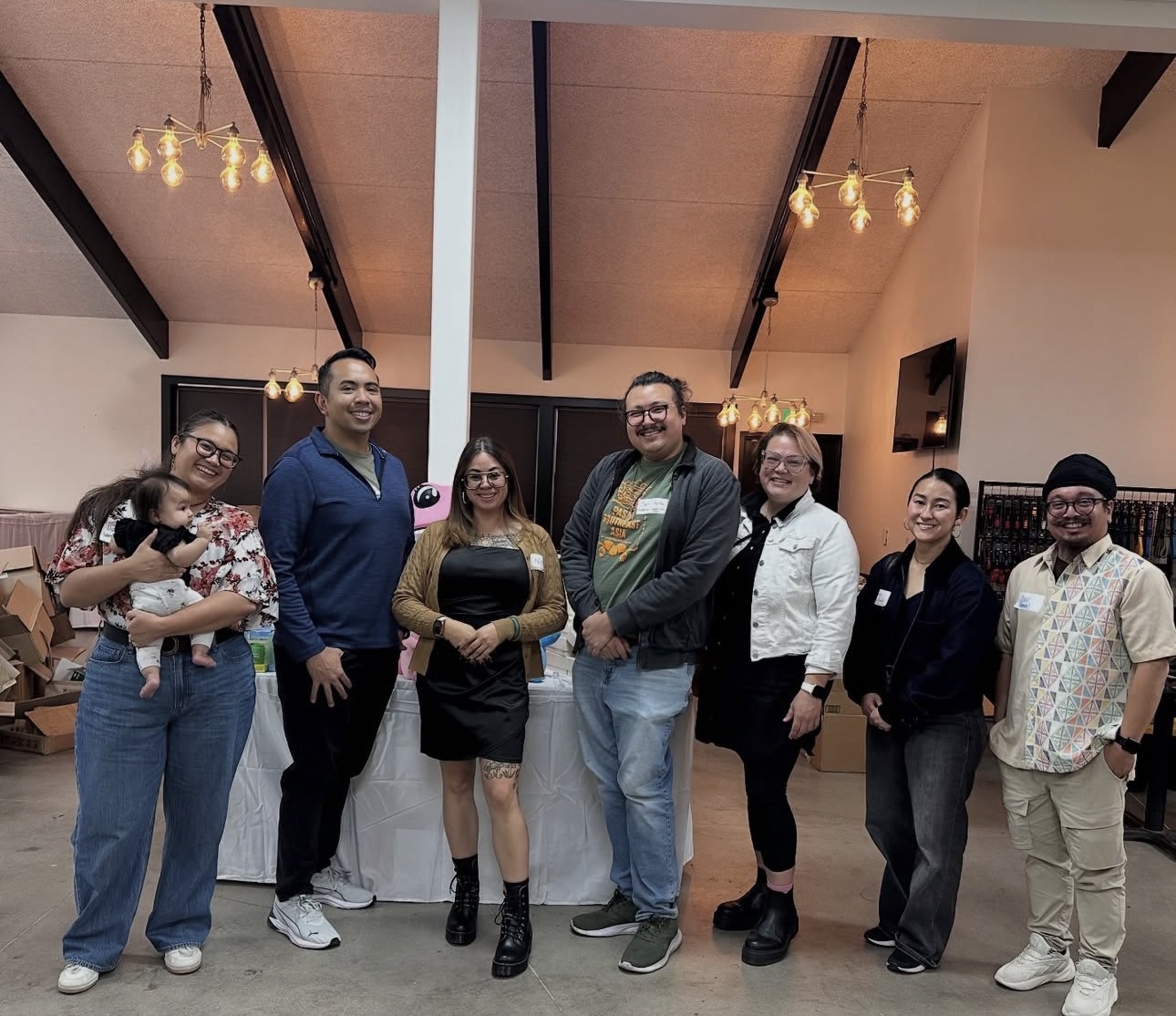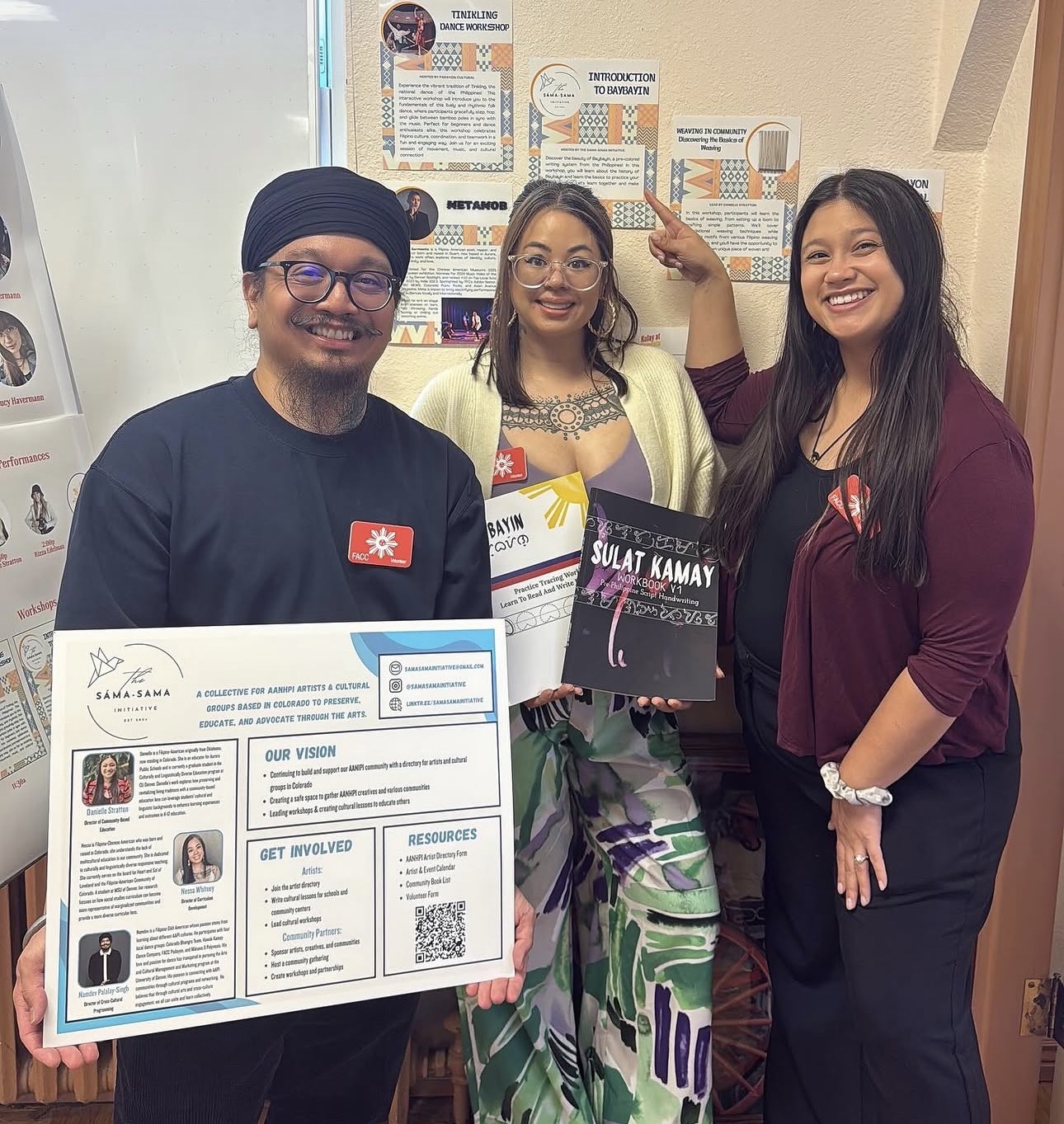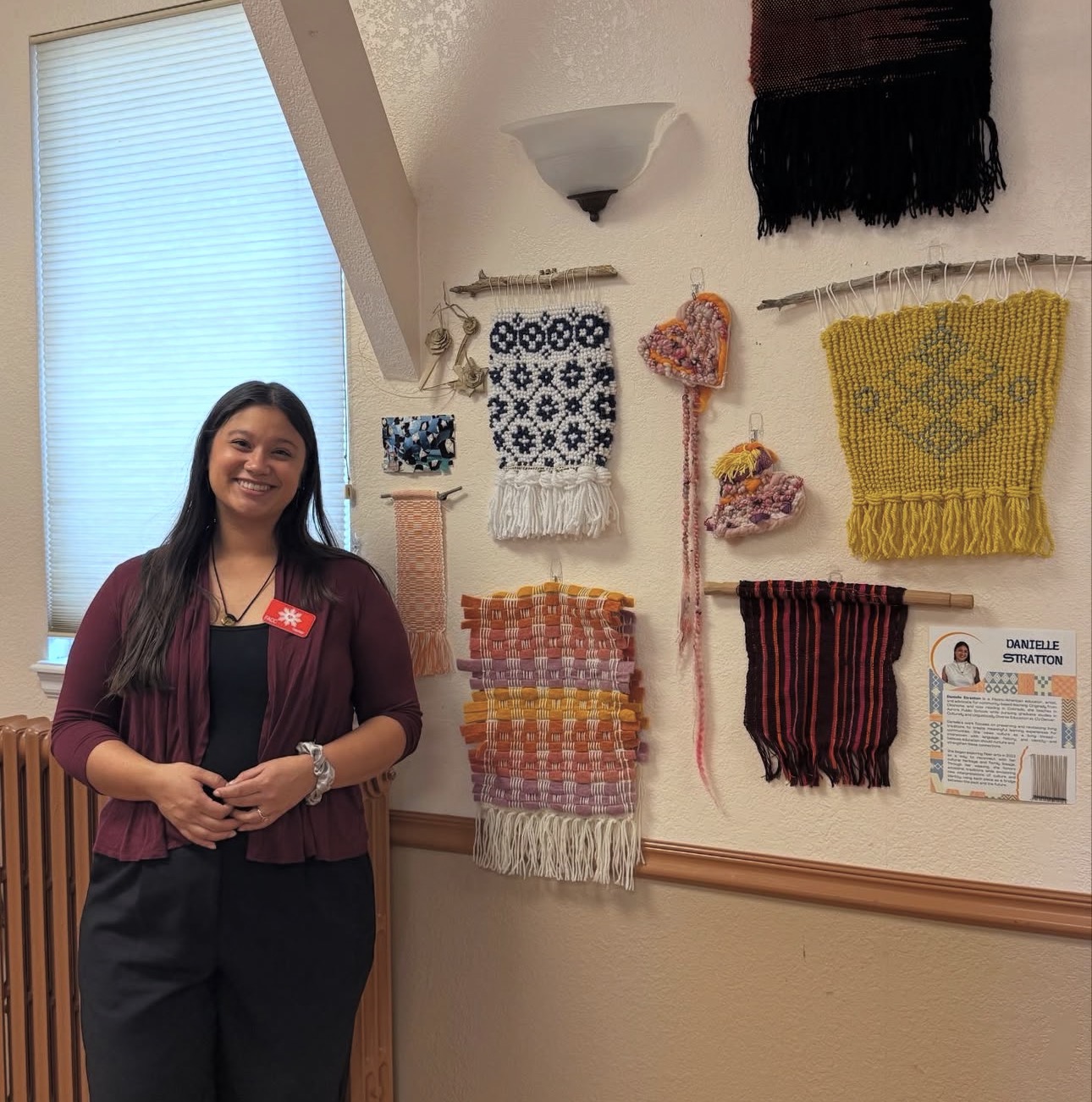


Today we’d like to introduce you to Nessa Whitney, Namdev Palalay Singh, And Danielle Stratton.
Hi Nessa Whitney, Namdev Palalay Singh, and , thanks for joining us today. We’d love for you to start by introducing yourself.
The Sáma-Sama Initiative began with a simple conversation about a much bigger dream. Danielle and Nessa were together at dance practice at the Filipino American Community of Colorado at dance (FACC) when we decided we would go hiking and collect plants and flowers. However, after stopping at REI, we ended up at Babes Tea Room, where we sat down with our journals and began writing about our goals, hopes, and visions for the future.
As we talked, one thing became clear: there was a need for greater connection across the diverse AANHPI communities in Colorado. We wanted to create opportunities to learn from one another, preserve the traditions and stories that make our communities unique, and advocate for greater representation and understanding.
We also knew we couldn’t do it alone. One of the first people we knew we needed to bring into the conversation was our friend Namdev, who was also part of FACC. That conversation became the beginning of something much bigger than we initially imagined. And that is how the Sáma-Sama Initiative was formed.
The name Sáma-Sama reflects the heart of what we envisioned: coming together. Our mission is centered around three core pillars: Educate, Preserve, and Advocate, with the goal of exploring the connections within Colorado’s AANHPI community and responding to its needs.
.
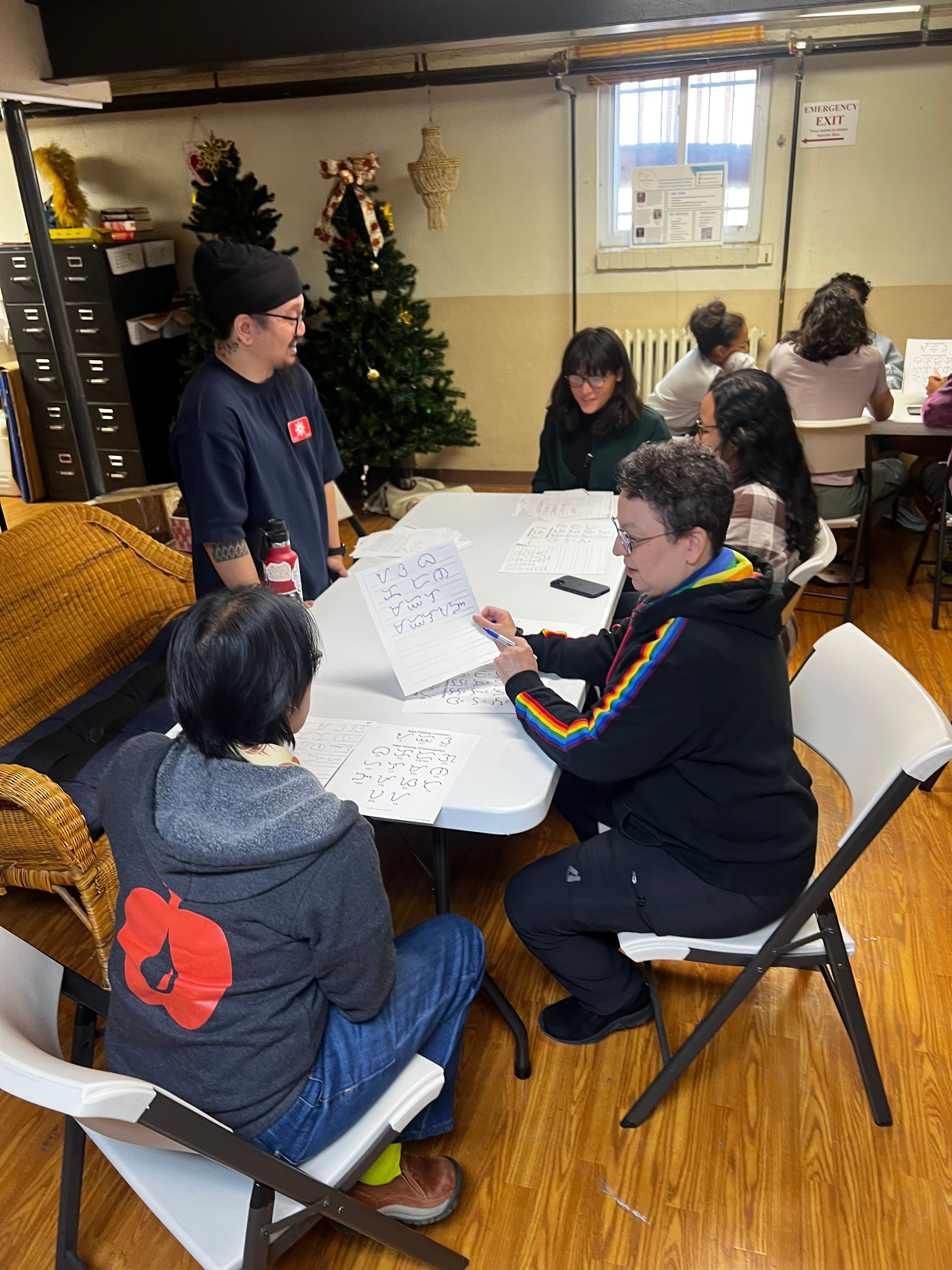
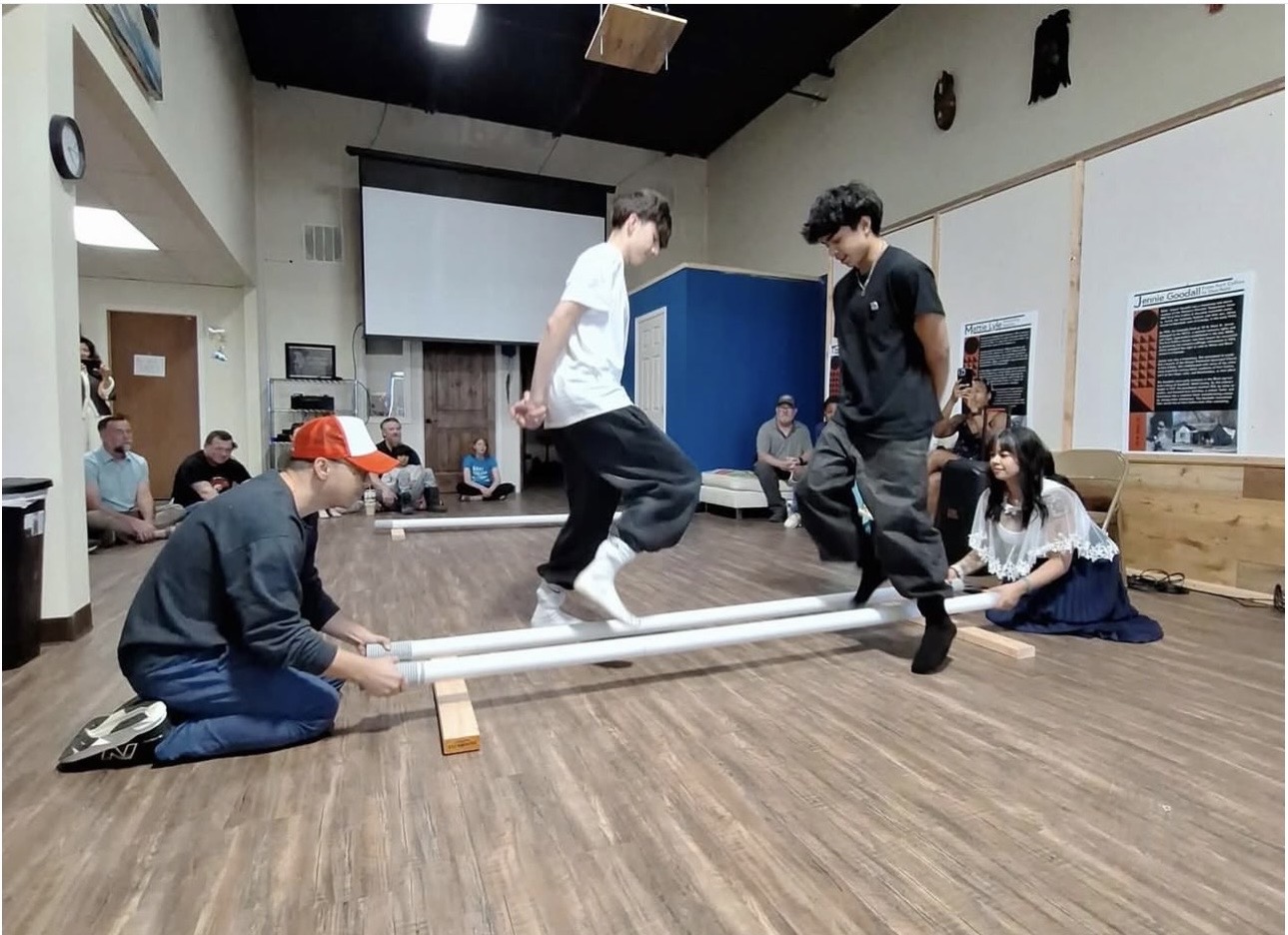
Since we started one year ago, we have held several free workshops across Colorado for our community.
Would you say it’s been a smooth road, and if not what are some of the biggest challenges you’ve faced along the way?
Building Sáma-Sama Initiative has not been without its challenges. Because our work is entirely volunteer-driven, each of us balances the initiative alongside our careers, families, and other community commitments. We also live in different parts of Colorado, which can make it difficult to meet consistently and coordinate programming across three different communities. Finding a sustainable balance between our individual locations, responsibilities, and the needs of the organization has been an ongoing learning experience.
Another challenge has been building a network of AANHPI artists, creatives, and community members. In Northern Colorado, the AANHPI community represents less than 1% of the population, which can make it more difficult to identify artists, educators, cultural practitioners, and other individuals who are interested in becoming involved. At the same time, the AANHPI artistic community is incredibly diverse, encompassing a wide range of cultures, traditions, artistic disciplines, and experiences. Finding the right people and creating opportunities for them to share their talents has required intentional relationship-building.
Access to resources has also been a challenge. We are continually looking for affordable or donated venues where we can provide programming that remains free and accessible to the community, while also seeking funding to cover materials, supplies, and other program expenses.
Our curriculum work presents another unique challenge. School districts often have established curriculum frameworks and required lesson plans that educators must follow, leaving limited flexibility to incorporate AANHPI history and cultural education. When these topics are included, there is often a lack of resources that present AANHPI history through a diverse, inclusive, and historically accurate perspective. This has reinforced our commitment to developing educational resources that help fill those gaps and provide students with opportunities to learn about the richness and diversity of AANHPI communities.
Appreciate you sharing that. What else should we know about what you do?
Through curriculum development, living traditions programming, and cross-cultural community building, we strive to create inclusive and culturally relevant educational experiences that celebrate AANHPI heritage. We bring together community members, artists, educators, organizations, and cultural practitioners to share knowledge and create opportunities for meaningful connection.
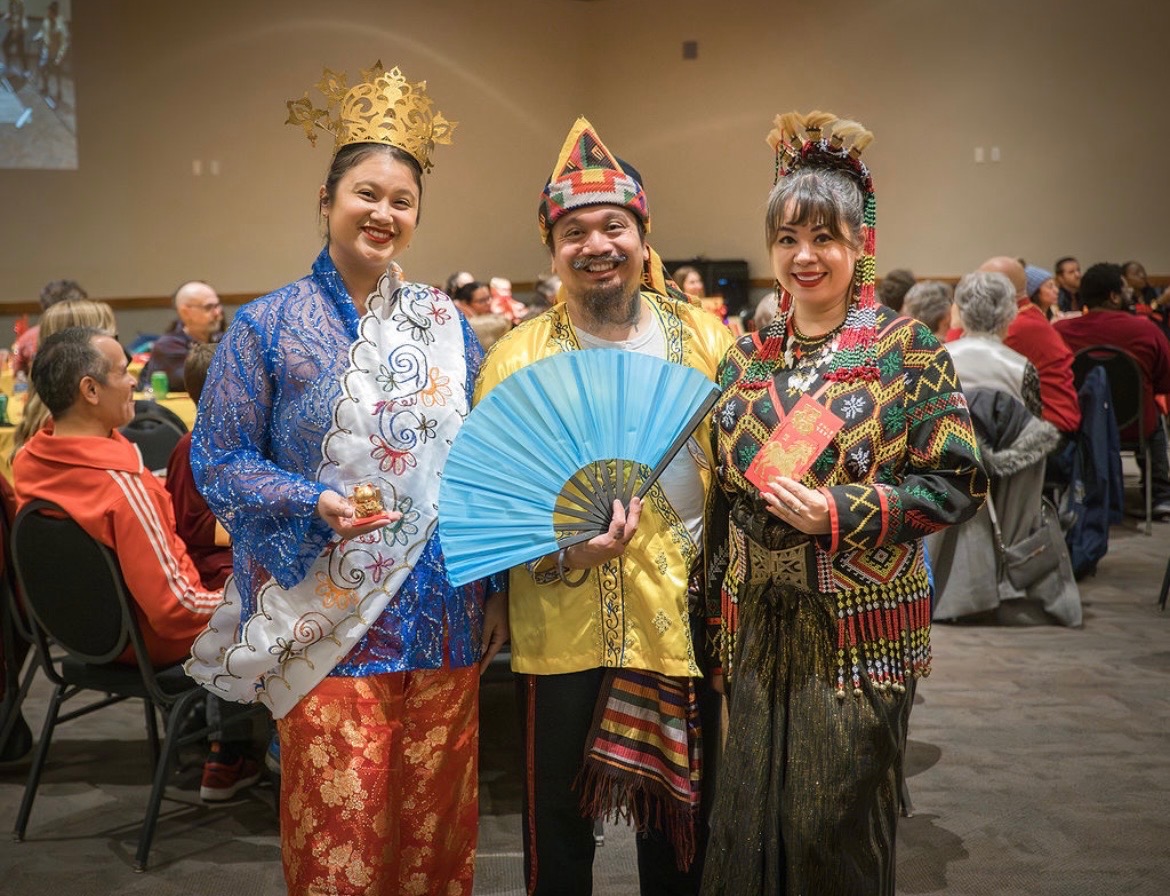
At its core, Sáma-Sama is about recognizing that while our AANHPI communities come from many different cultures, languages, histories, and traditions, there is strength in coming together. By collaborating across communities, we can preserve the traditions that connect us to our past, create opportunities for the present, and ensure that these living traditions continue to thrive for future generations
Can you talk to us about how you think about risk?
As a collective, I think the biggest risk we’ve taken was getting past our imposter syndrome. Telling ourselves we’re able to do something or follow through a dream or passion but not knowing our worth as a creative at first. It’s getting past that self-doubt and being able to finally share what makes us passionate to the world. I think that’s the biggest risk is being vulnerable and open in our art or forms of art. At first I wouldn’t consider a risk taker but in reality when we finally do something that makes us question our ability or in this case our purpose, we are considered risk takers.
Contact Info:
- Website: https://samasamainitiative.my.canva.site/
- Instagram: @samasamainitiative
- Facebook: https://www.facebook.com/share/1EzSHNnyKg/?mibextid=wwXIfr