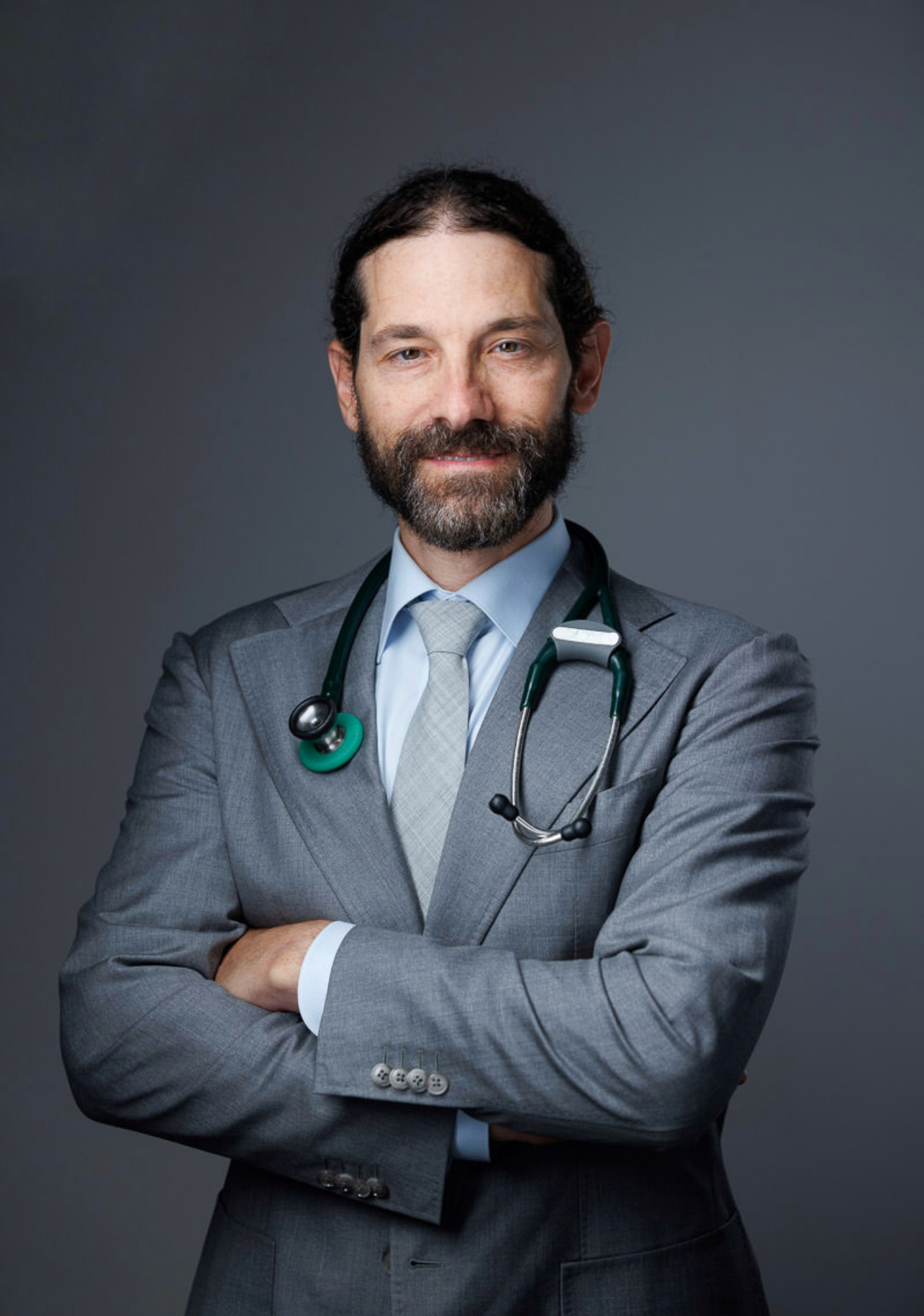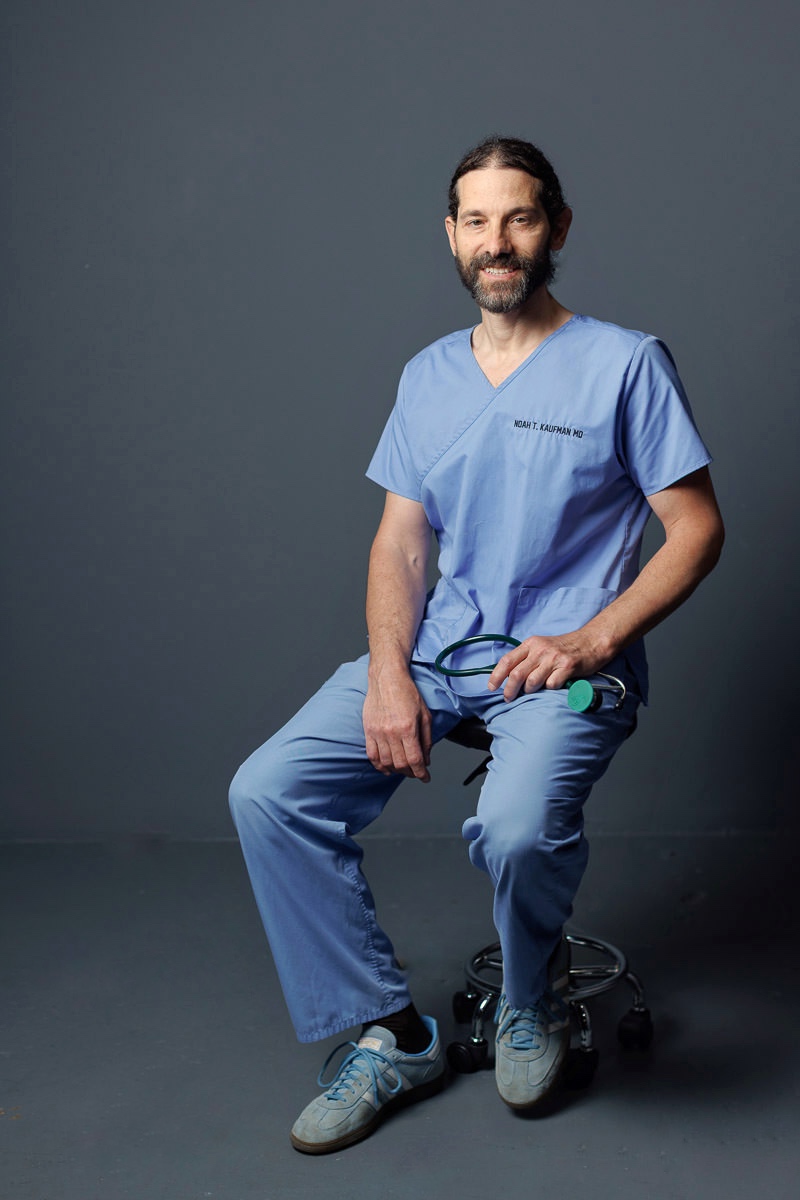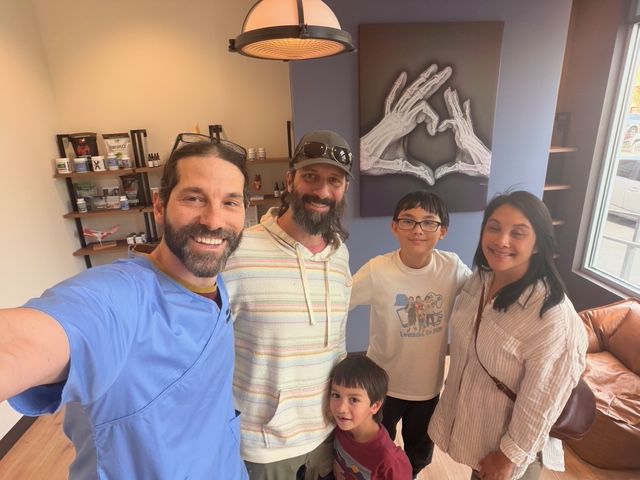


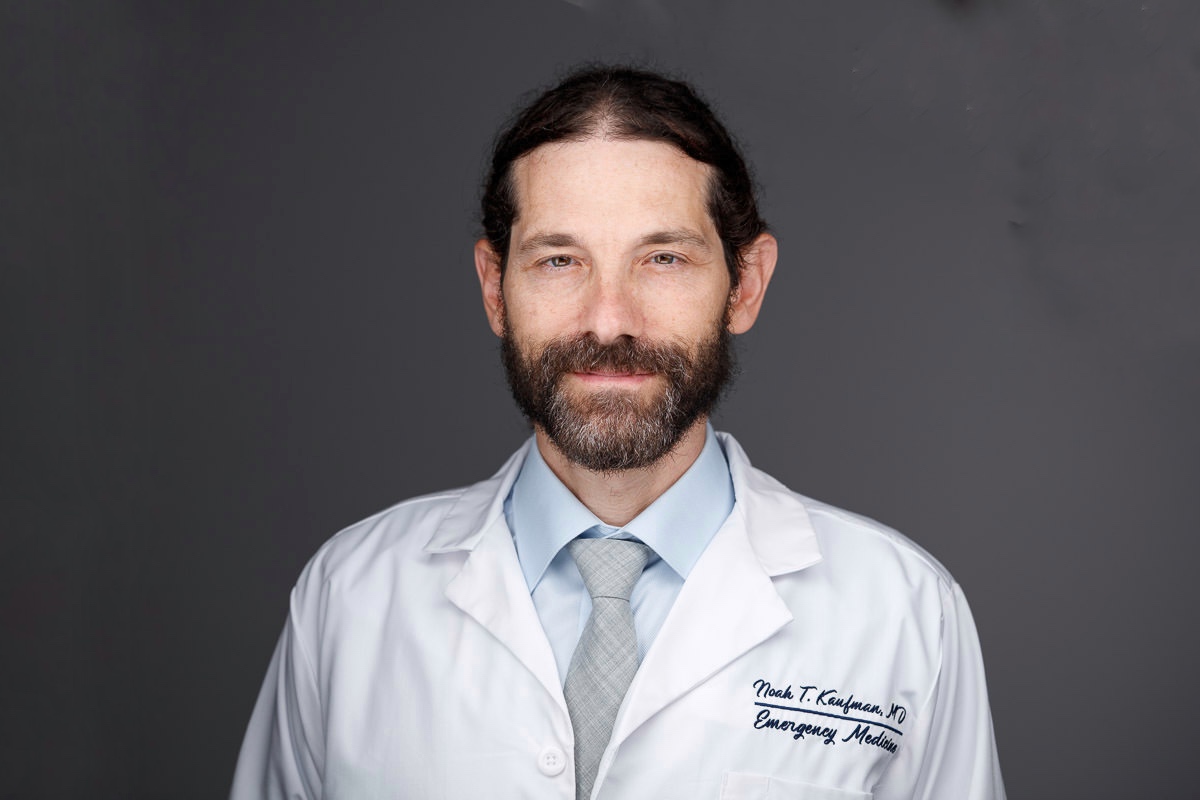
Today we’d like to introduce you to Noah Kaufman, MD.
Hi Noah, thanks for sharing your story with us. To start, maybe you can tell our readers some of your backstory.
I spent more than 20 years as a board-certified emergency physician. I went into emergency medicine because I loved being able to help people on what might be the worst day of their lives. I loved the problem-solving, the procedures, and the responsibility of making difficult decisions when the answer was not always obvious.
Over time, though, I became increasingly uncomfortable with the system around the medicine. I watched patients with urgent but manageable problems face hours of waiting and enormous, unpredictable emergency department bills. Many were too complex for a typical urgent care, but did not necessarily need a hospital. Physicians were also being asked to move faster, document more, order defensively, and spend less meaningful time with each patient. I never stopped loving medicine, but I began to feel that the way we were delivering it was no longer designed around patients.
My own health eventually forced an inflection point. Progressive lumbar spine problems made it difficult for me to safely perform some of the most physically demanding parts of emergency medicine. After seeing multiple surgeons and facing the possibility of a lumbar fusion, I also found myself experiencing healthcare from the patient’s side. That period clarified something important: I still wanted to care for people, but I wanted to build a better environment in which to do it.
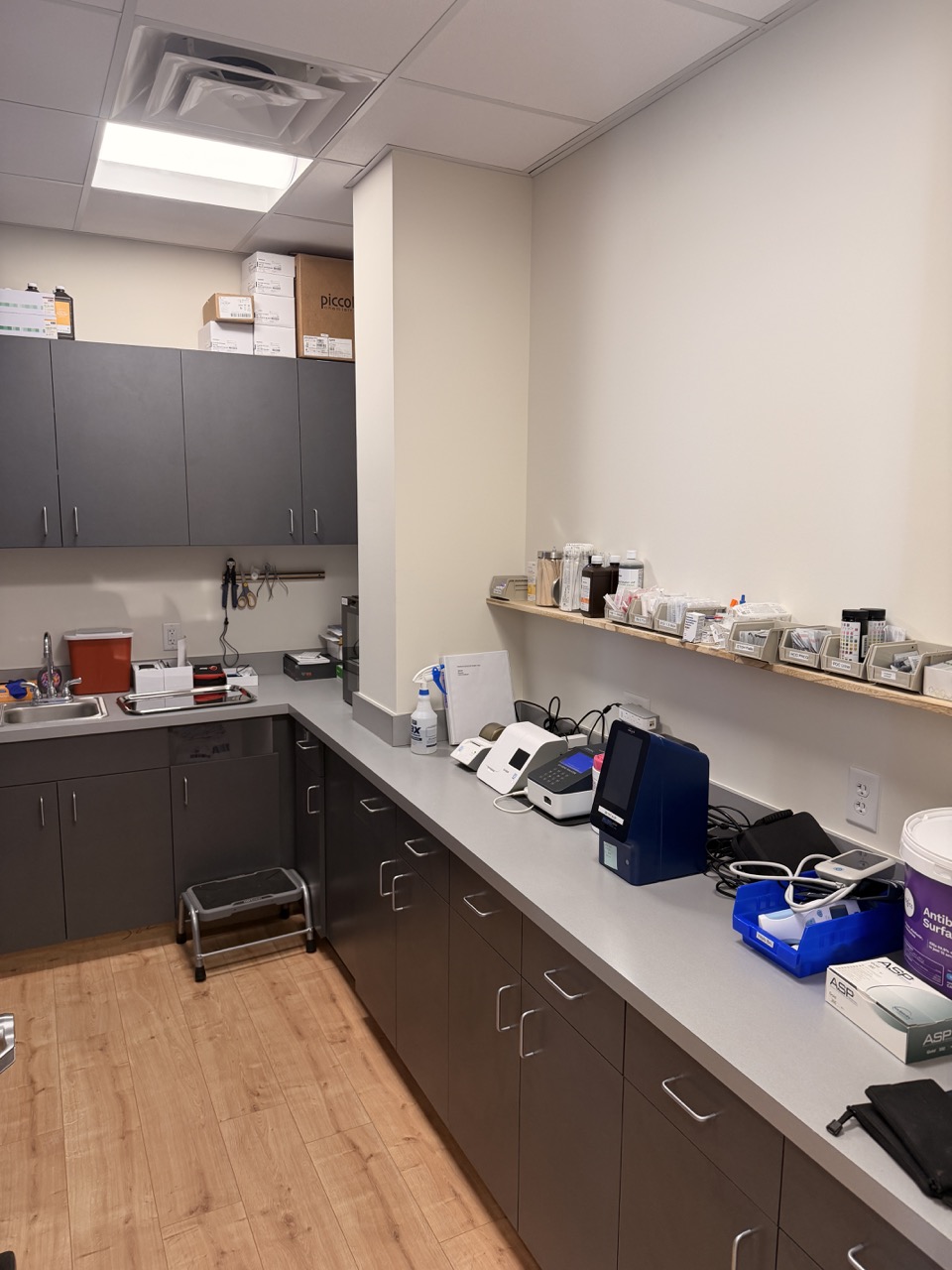
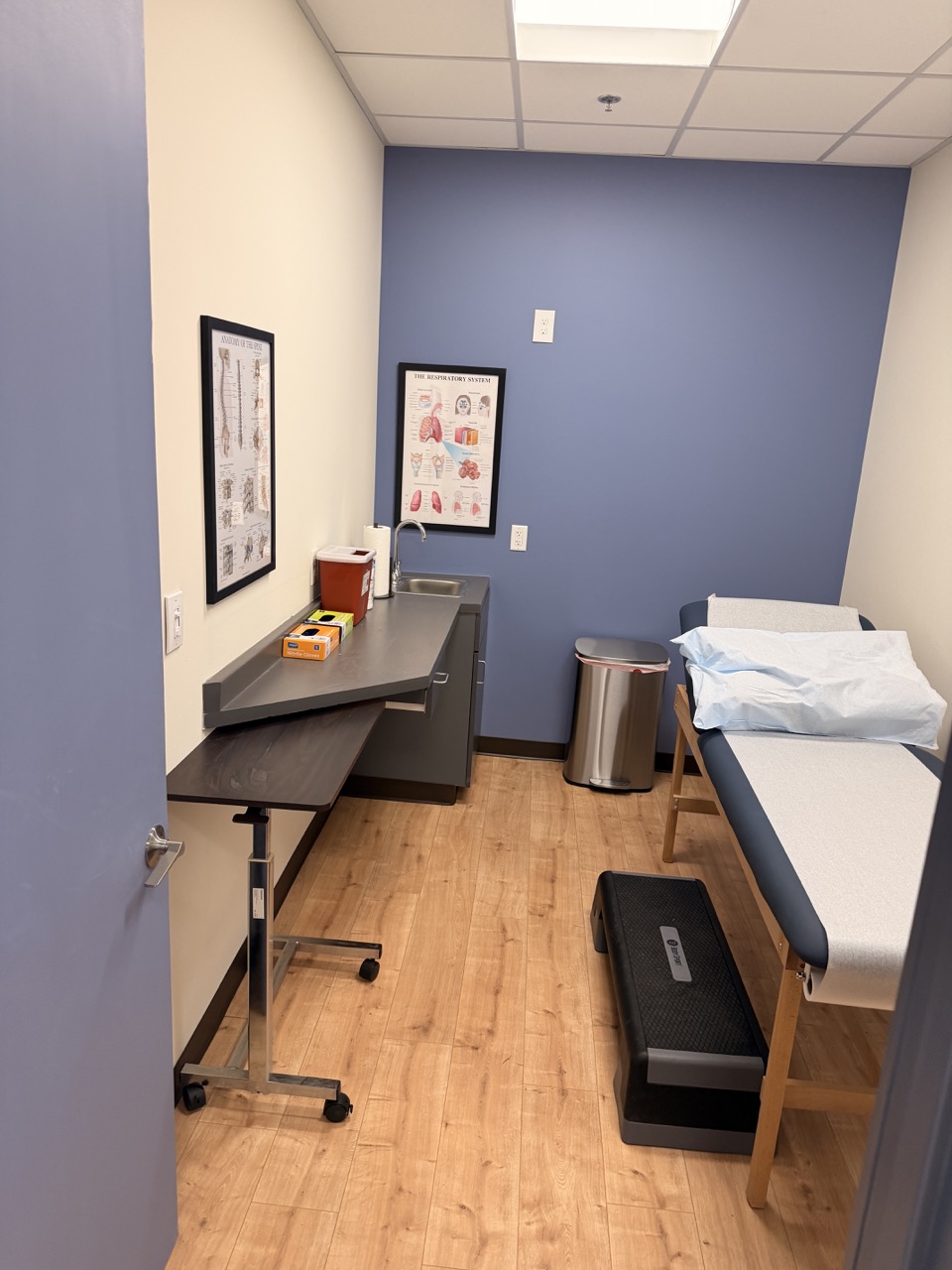
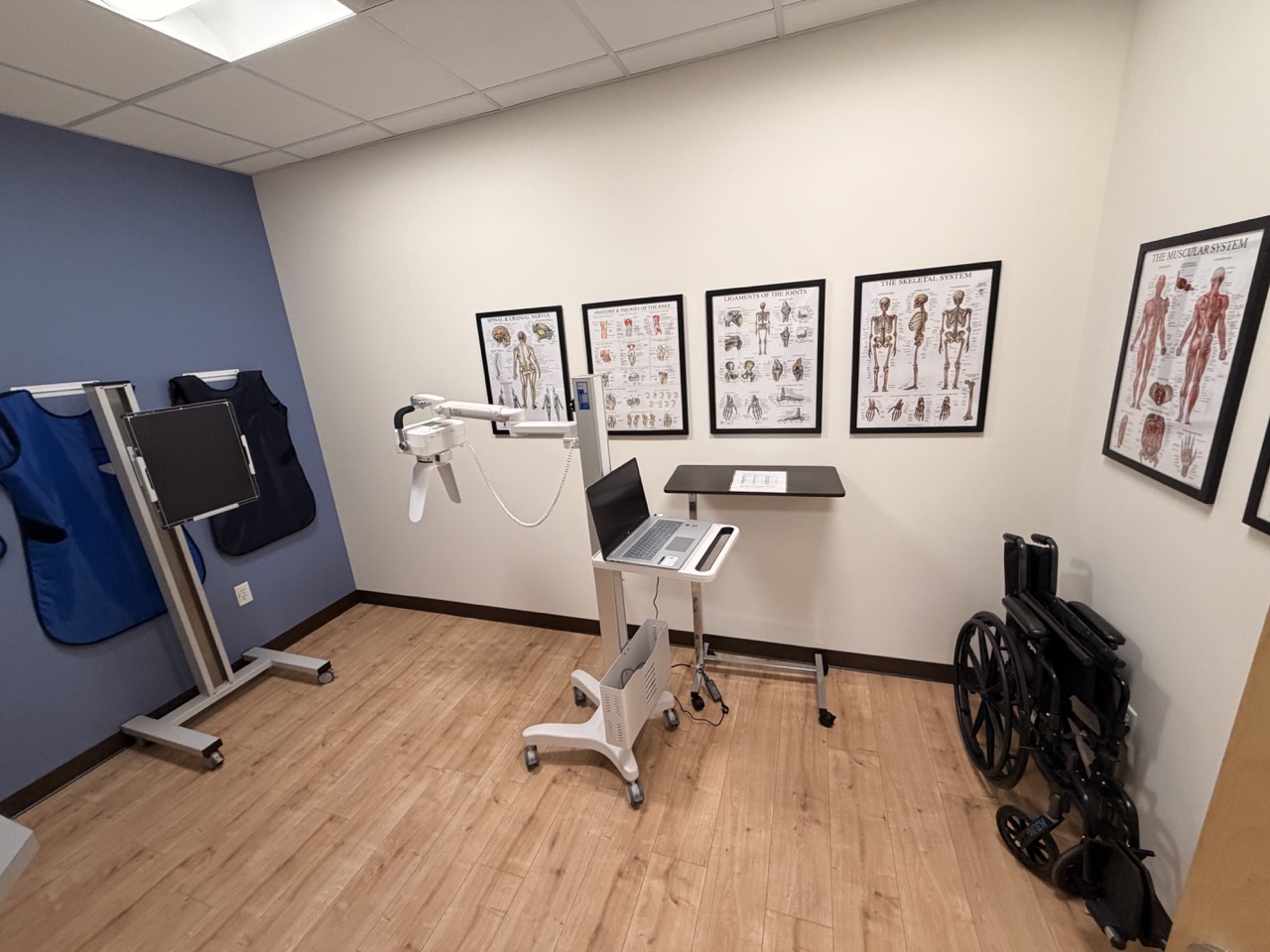
That became KaufCare Advanced Urgent Care, which I opened in Denver’s Highland neighborhood in April 2026. KaufCare is designed to fill the missing space between conventional urgent care and the emergency department. We provide X-rays, EKGs, ultrasound, laboratory testing, IV treatment, medication dispensing, fracture care, laceration repair, abscess drainage, selected reductions, and other advanced procedures. We are direct-pay, publish our pricing, and do not surprise patients with a bill weeks later. When someone truly needs hospital-level care, we recognize that quickly and help them get there safely.
I built KaufCare from the ground up without institutional capital. That has meant developing the clinical model, pricing, technology, protocols, brand, and patient experience while also caring for patients. It has been one of the hardest and most meaningful things I have ever done.
We are still early, but the response has reinforced my belief that people want something different: expert medical judgment, more time with their physician, transparent prices, and care that respects both their health and their financial well-being. My long-term goal is to prove that this model can extend beyond one clinic and become a physician-led alternative for communities across the country.
Would you say it’s been a smooth road, and if not what are some of the biggest challenges you’ve faced along the way?
It has definitely not been a smooth road. KaufCare grew out of both professional frustration and a difficult personal transition. After more than 20 years in emergency medicine, progressive spine problems made it unsafe for me to continue performing some of the most physically demanding aspects of hospital-based emergency care. Walking away from that role was emotionally difficult. Emergency medicine had been a major part of my identity, and I had to figure out how to keep using my experience in a meaningful way while building something entirely new.
I opened KaufCare without institutional capital, so nearly every part of the clinic had to be created from the ground up: the clinical model, pricing, protocols, technology, staffing, equipment, marketing, and patient experience. As a founder, you quickly discover that you are simultaneously the physician, CEO, operations manager, recruiter, marketer, and problem-solver. There are days when a single complex patient demonstrates exactly why KaufCare needs to exist, followed by days when the clinic is quiet and you question whether the public will discover and understand what you have built.
One of the biggest challenges has been creating a category that does not fit neatly into the existing healthcare system. We are more capable than a conventional urgent care but intentionally not a hospital emergency department. We accept direct payment rather than billing insurance, yet our prices are often dramatically lower than a patient’s deductible or emergency department bill. Explaining that distinction and earning trust before people have experienced the care for themselves takes time.
There is also an important clinical challenge: knowing which patients can be treated safely and effectively in our setting and which patients truly need hospital-level care. That requires experience, judgment, humility, and carefully designed systems. The goal is never to keep every patient out of the emergency department. It is to prevent people from being sent there unnecessarily while recognizing genuine emergencies quickly.
The financial uncertainty of building a healthcare startup has been very real. We invested heavily before knowing whether patients would embrace the model, and every decision matters when you are bootstrapping. Still, the response from our patients; their reviews, referrals, gratitude, and relief when they see a transparent bill, has made the struggle worthwhile.
The road remains challenging, but I have learned that difficulty does not necessarily mean you are on the wrong path. Sometimes it means you are building something that did not exist before.
Thanks – so what else should our readers know about your work and what you’re currently focused on?
I am a board-certified emergency physician and the founder and CEO of KaufCare Advanced Urgent Care in Denver. After more than 20 years in emergency medicine, I created KaufCare to care for patients who may be too complex for a conventional urgent care but do not necessarily need the expense or resources of a hospital emergency department.
We specialize in advanced, same-day acute care. In addition to treating common illnesses and injuries, we provide X-rays, EKGs, bedside ultrasound, laboratory testing, IV treatment, medication dispensing, fracture care, laceration repair, abscess drainage, and other procedures that many urgent care clinics routinely refer to the ER. We operate on a transparent, direct-pay model, so patients know what their care will cost before receiving a surprise bill weeks later.
I am probably best known for clinical problem-solving and procedural medicine. Emergency medicine taught me how to remain calm when the situation is uncertain, identify what is truly dangerous, and create a practical plan around the individual patient. Protocols and technology are valuable, but medicine still requires judgment. Every patient brings different medical, financial, and personal circumstances, and good care means understanding all three.
What sets KaufCare apart is that we combine experienced emergency-medicine judgment with time, transparency, and respect for the patient. We are not trying to replace emergency departments; they are essential for true emergencies. We are trying to prevent people from being sent there unnecessarily when their problem can be safely and definitively treated in a more personal and affordable setting.
I am most proud that we built KaufCare from the ground up without institutional capital and that patients immediately understood why it needed to exist. The most meaningful moments are often when someone arrives frightened, in pain, or worried about the cost of care and leaves feeling better, knowing what happened and what they paid for. Their reviews, referrals, and trust mean more to me than any business metric.
Ultimately, I want KaufCare to demonstrate that excellent acute care can be both clinically sophisticated and financially humane. If we can prove that model in Denver and eventually bring it to other communities, that will be the most important work of my career.
Are there any books, apps, podcasts or blogs that help you do your best?
My interests are eclectic, but they are connected by a fascination with what makes life meaningful and how we can build a better world.
Two books I have always loved are Jitterbug Perfume by Tom Robbins and Where the Red Fern Grows by Wilson Rawls. I am also deeply influenced by Henry David Thoreau, Robert Frost, and especially Frost’s “The Road Not Taken,” which has shaped how I think about independence, courage, and choosing an unconventional life.
Helen Keller is one of my greatest heroes. Her courage, intellect, optimism, and refusal to let circumstances define the boundaries of her life continue to inspire me.
Burning Man has also profoundly shaped who I am. I have attended every year for the past 12 years. To me, it is much more than an event; it is a living experiment in what becomes possible when people choose authenticity, participation, radical self-expression, generosity, communal effort, civic responsibility, and leaving no trace. It continually renews my belief that we can create a more connected and humane world. I try to carry those principles beyond the playa and into how I practice medicine, build KaufCare, and live my life.
Above everything else, I try to follow the Golden Rule in every moment: treating each person with the same kindness, dignity, honesty, and consideration I would hope to receive. That principle guides how I care for patients, lead my team, and make difficult decisions.
I also spend a great deal of time exploring technology, astrophysics, quantum physics, simulation theory, and ideas that challenge our assumptions about consciousness and reality. Professionally, I am deeply involved in the modern independent-medicine movement. I listen to the Doctors Lounge podcast and follow physicians and entrepreneurs working to restore autonomy, transparency, and genuine patient-centered care.
I recently started my own podcast, The KaufCare Revolution, where I interview leaders creating new models of direct and independent healthcare. I also have a strong social media presence across the major platforms at @KaufCare, where we share our work and contribute to the growing conversation about how healthcare can be rebuilt around physicians and patients.
Pricing:
- Stitches – $650
- Ultrasound – $395
- X-rays – $195
- Abscess Drainage – $525
- Cyst Removal – $550
Contact Info:
- Website: https://kaufcare.com
- Instagram: https://www.instagram.com/kaufcare
- Facebook: https://www.facebook.com/KaufCare
- LinkedIn: https://www.linkedin.com/company/kaufcare/
- Twitter: https://x.com/kaufcare
- Youtube: https://youtube.com/@kaufcare
- Yelp: https://www.yelp.com/biz/kaufcare-denver-3
- Other: https://kaufcare.com/media