

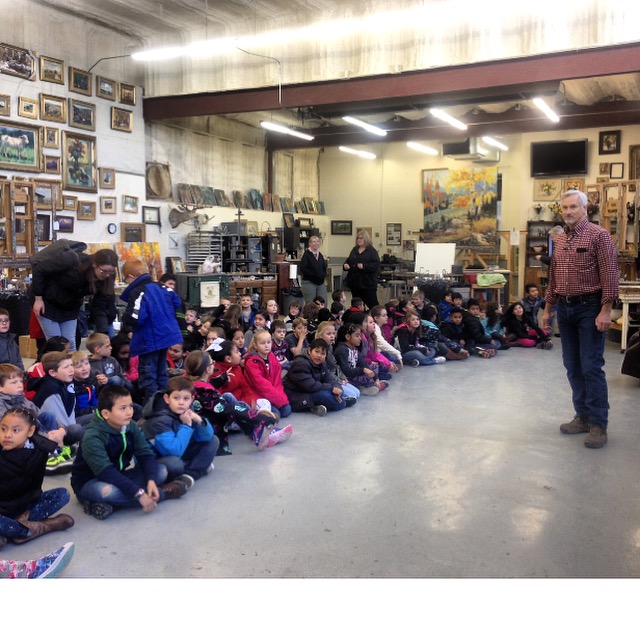
Today we’d like to introduce you to Robert Moore.
Hi Robert , please kick things off for us with an introduction to yourself and your story.
I grew up on a farm in Idaho and would draw to get attention from my older siblings and parents. After getting a degree and teaching one year of high school art I decided to go back to school. I graduated with honors from ArtCenter College of Design in Pasadena, California. From there I provided for my family through various galleries throughout the west.
Can you talk to us a bit about the challenges and lessons you’ve learned along the way. Looking back would you say it’s been easy or smooth in retrospect?
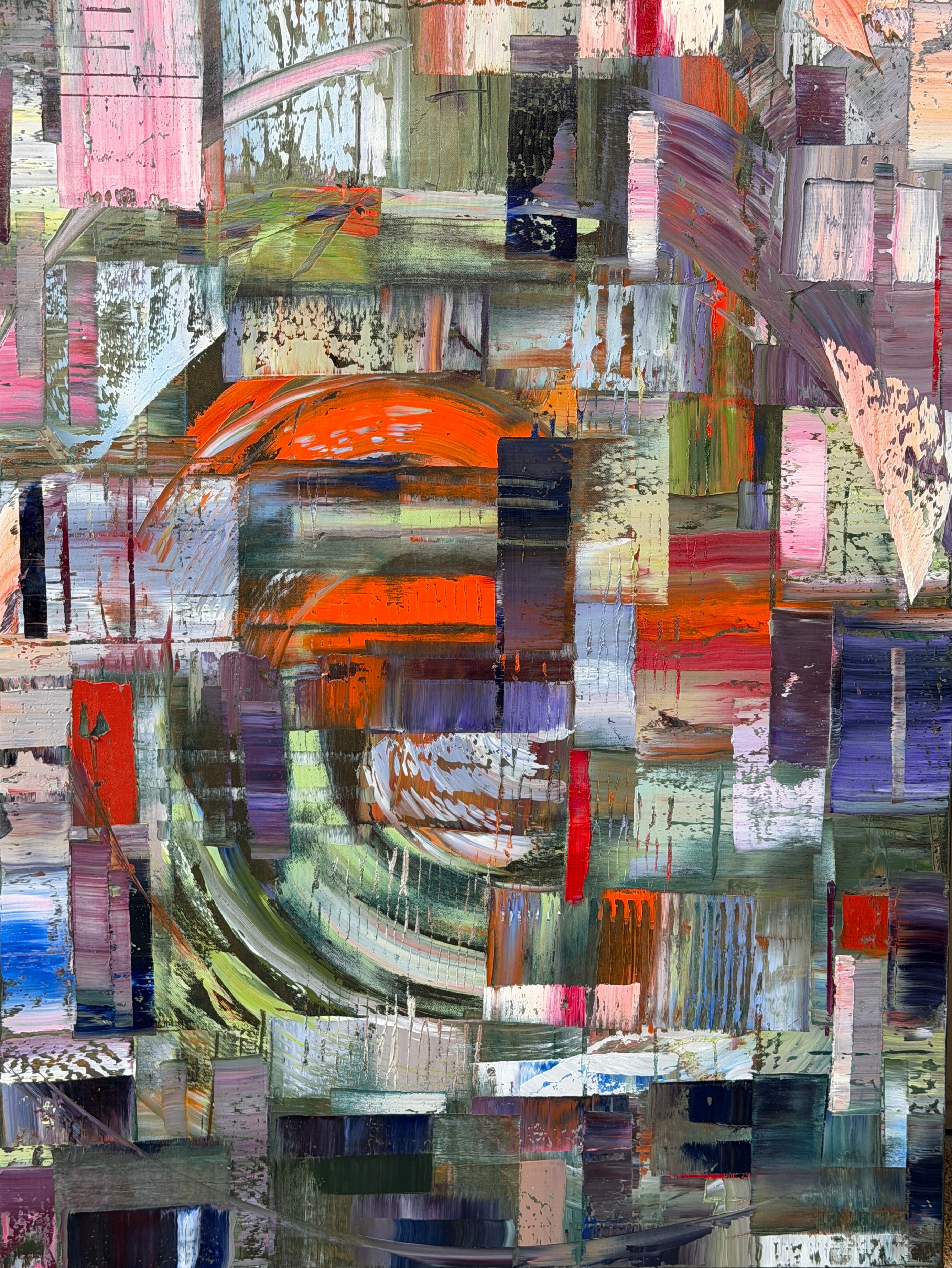
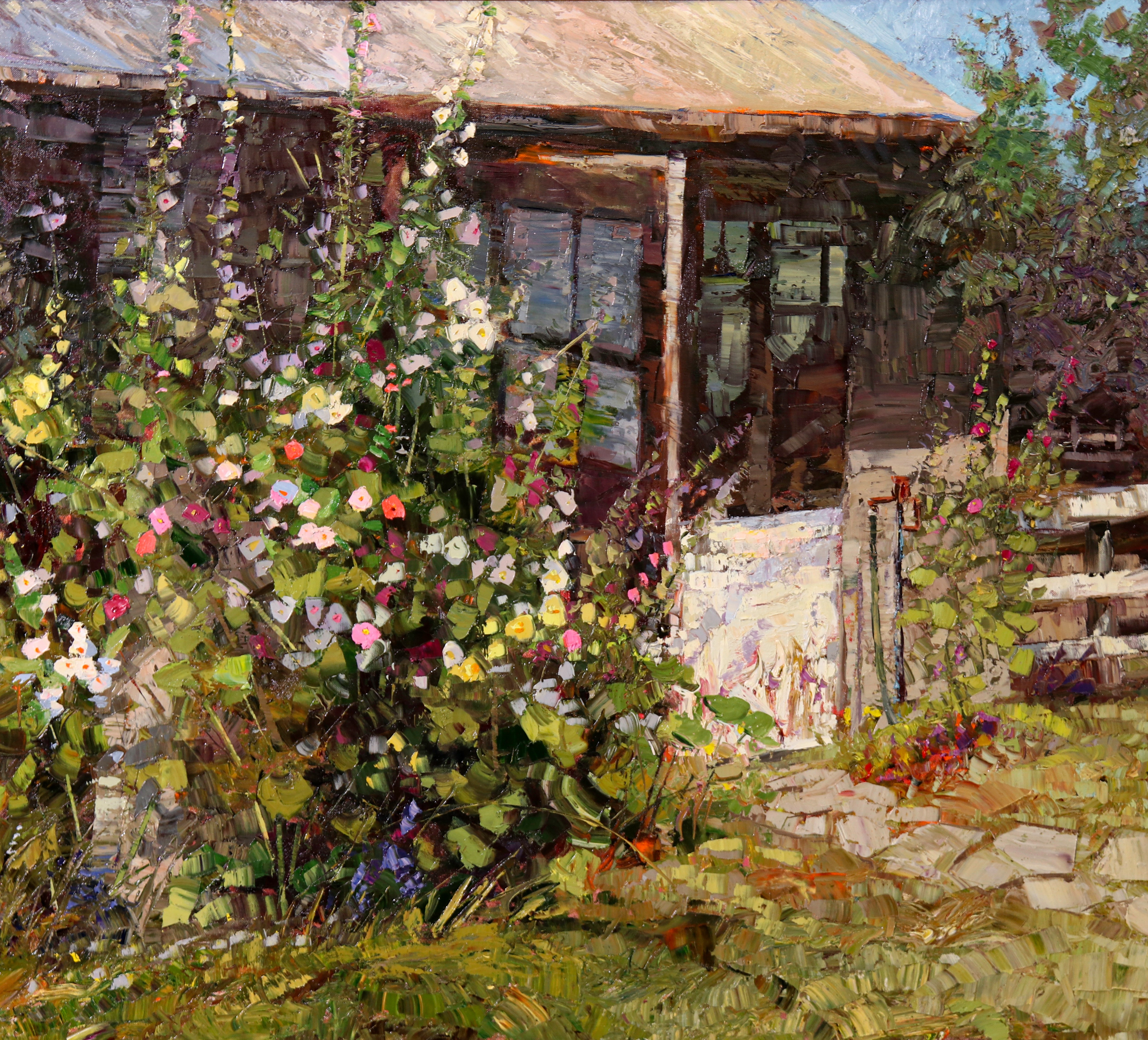
Art has been a difficult, frustrating, yet fulfilling process. Being colorblind has been a challenge that has resulted in a painting style and technique that is unique.
I broke my wrist before having a show when I was in my 20s and had to learn how to use my right hand. This handicap developed into a strength leading me to painting with both hands simultaneously.
Can you tell our readers more about what you do and what you think sets you apart from others?
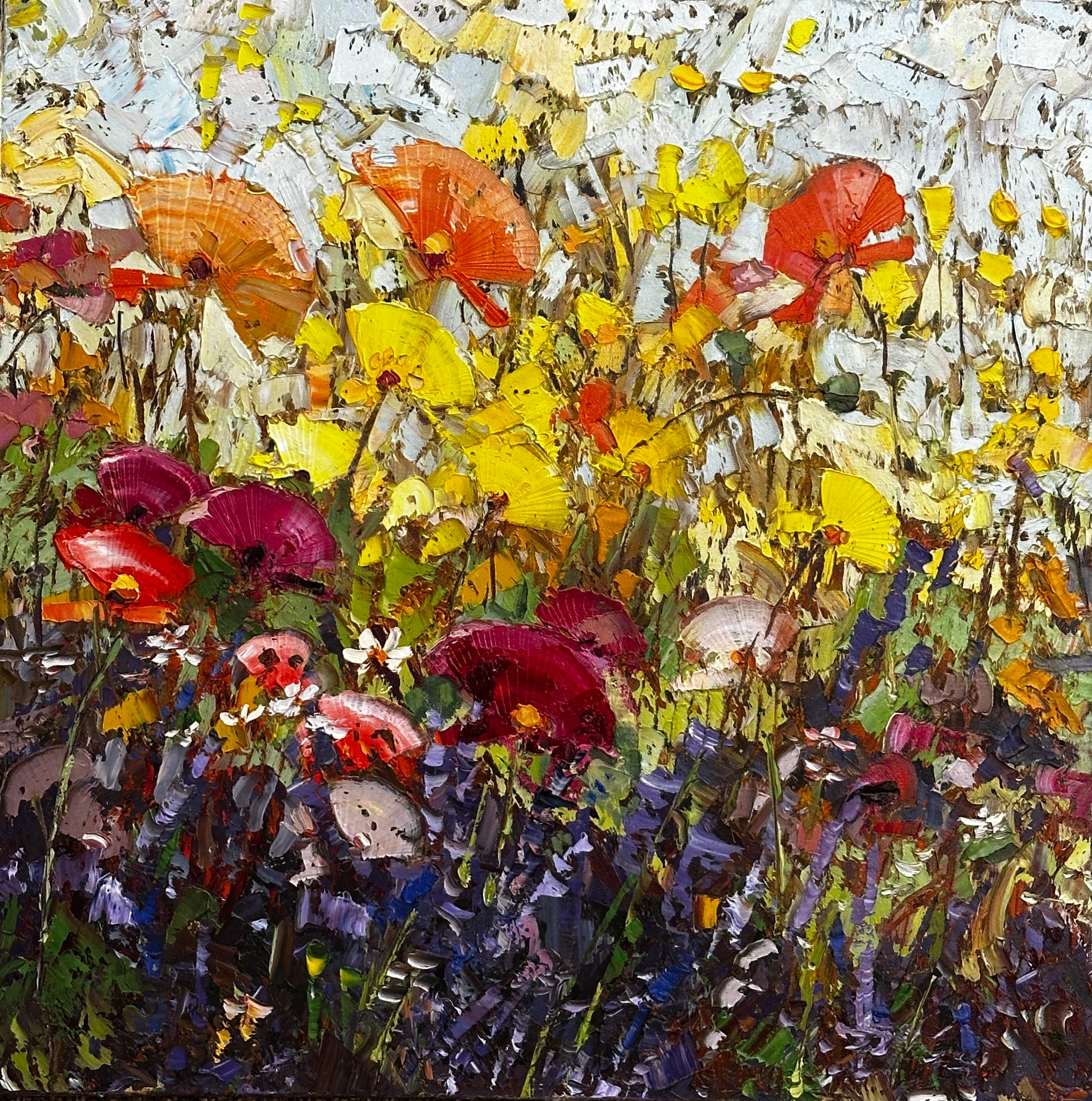
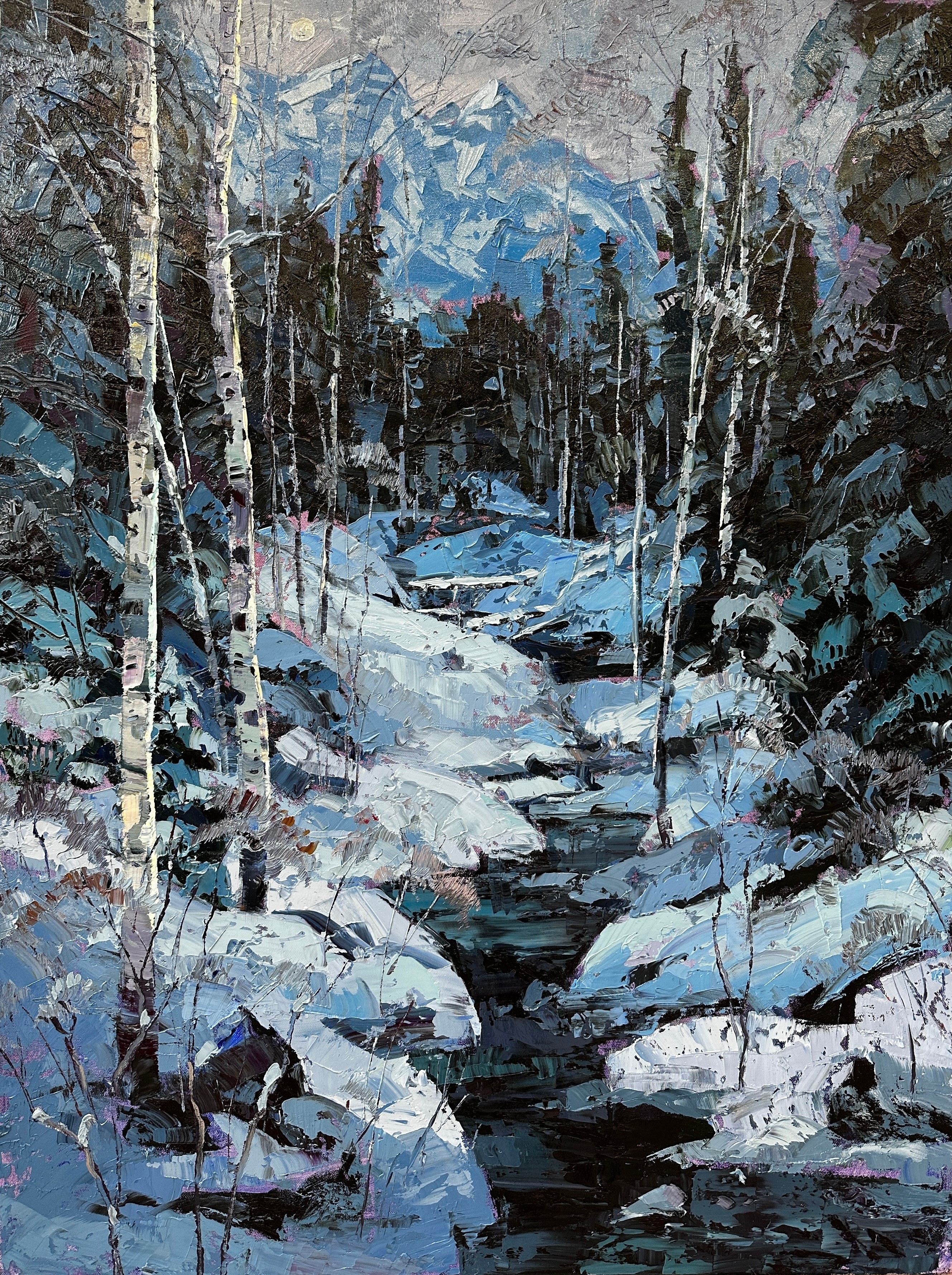
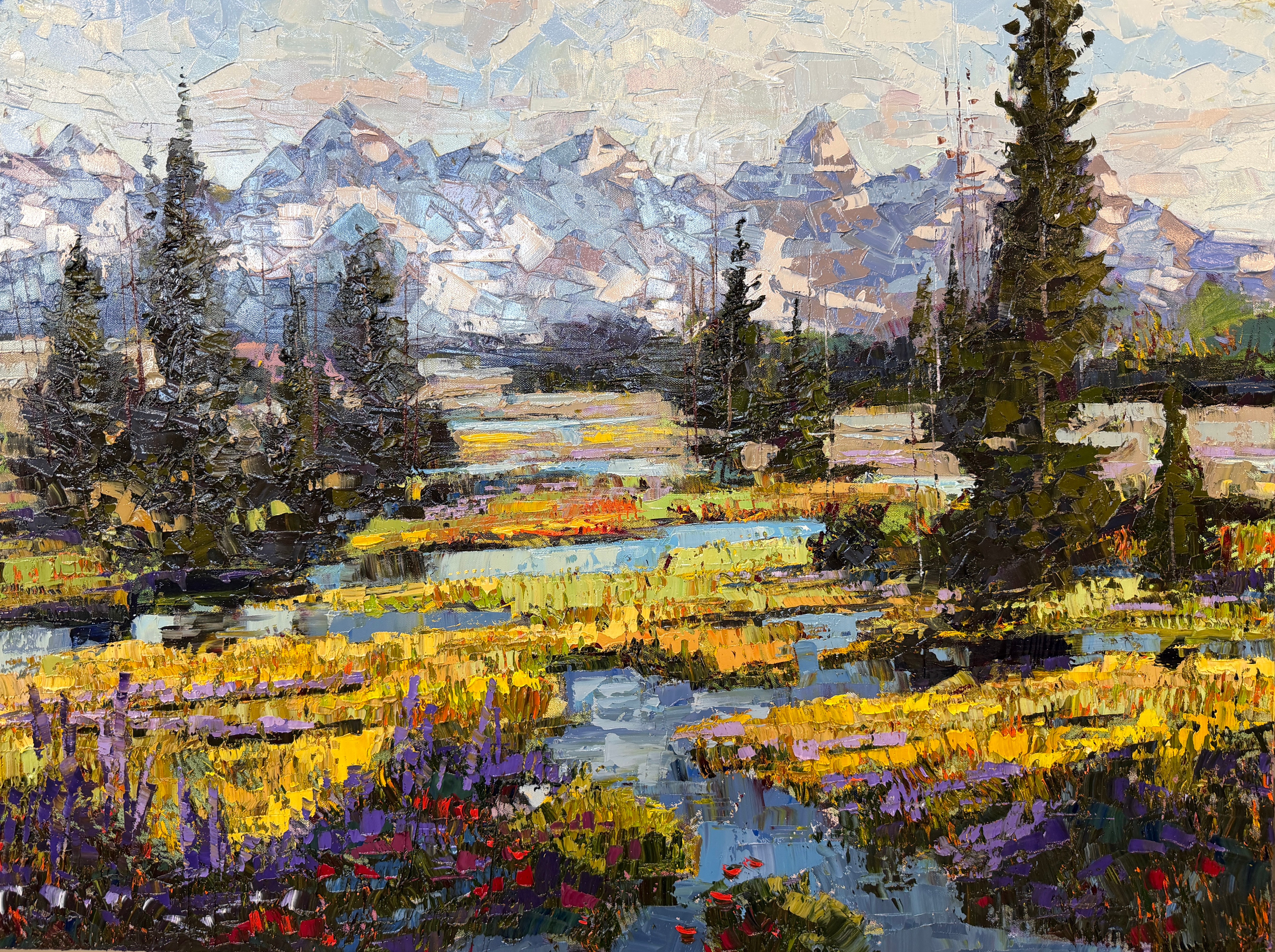
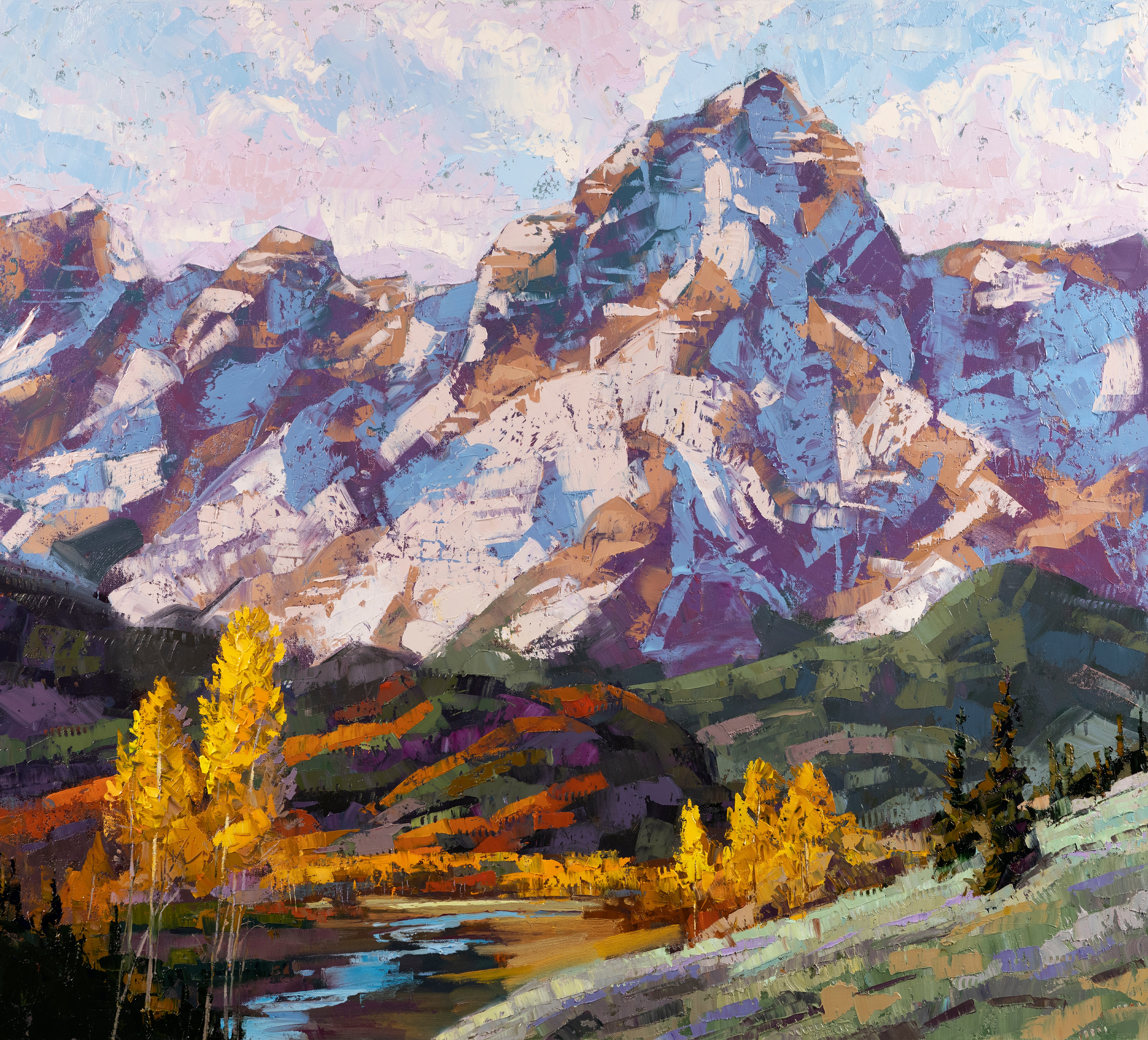
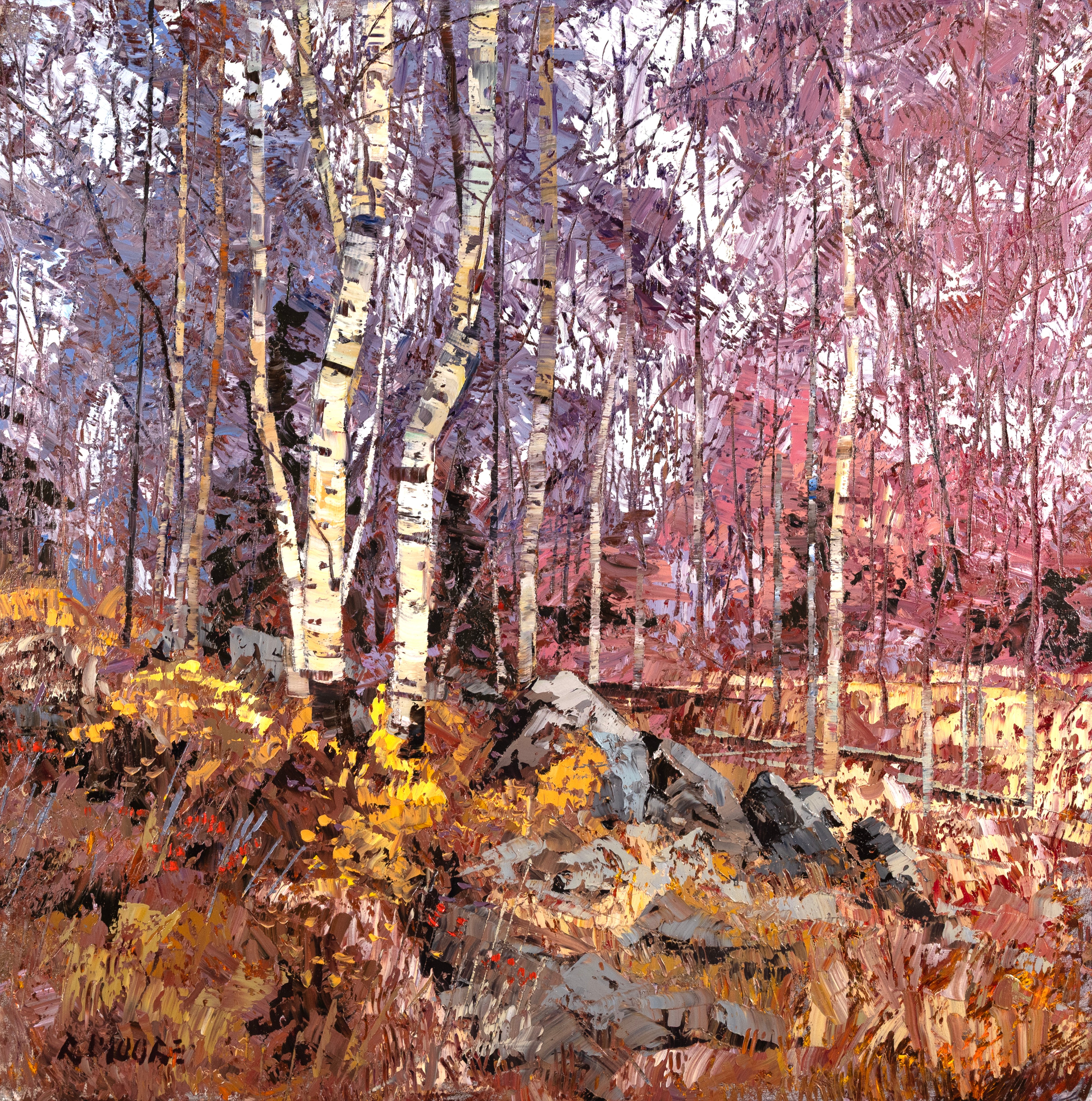
When I see a rainbow, I see yellow and blue. Being colorblind has played a major part in my direction as artist. I tend to focus on the design of values (that is the dark and light passages.) and upon the shapes of those passages.
I am best known for painting white subject matter such as snow and aspen trunks. This is because I can push any hue into the white and it will feel natural if it is related to the other colors.
Is there any advice you’d like to share with our readers who might just be starting out?
My advice to an artist starting out is to nurture your passion.
When observing nature constantly ask “why and how “.
Why is something pleasing or displeasing.?
Why is it confusing or what makes it clear?
How does my brain decipher the visual cues to be able to understand form or navigate the physical realm with only shapes provided through my eyes?
How do I know that a tree trunk is round without going up and hugging it?
How does my brain know that this foliage is in front of another tree without touching it?
Understanding these things will give you the tools to be able to communicate on a two dimensional canvas an image that is clear to the viewer.
Also surround yourself with beautiful art and beautiful people that have similar passions.
Contact Info:
- Website: https://rmoorefineart.com
- Instagram: rmoorefineart