

Today we’d like to introduce you to Susan Faust.
Hi Susan, thanks for sharing your story with us. To start, maybe you can tell our readers some of your backstory.
Hello, and thankyou for this opportunity to chat. Well, my journey as an artist has been a lifetime of following some crazy winding path that seemed to pulse along on its own. Making things was just always a part of what I needed to do. From an early age I drew things, I put together things, I built things and I was always driven by some unnamed urge. I have spent over 40 years as a full time artist. It’s been a profession, a passion, a burden and ultimately the glue that holds my life and my inner sense of myself together. It has been the one constant, that time alone in the studio and the life that goes along with it.
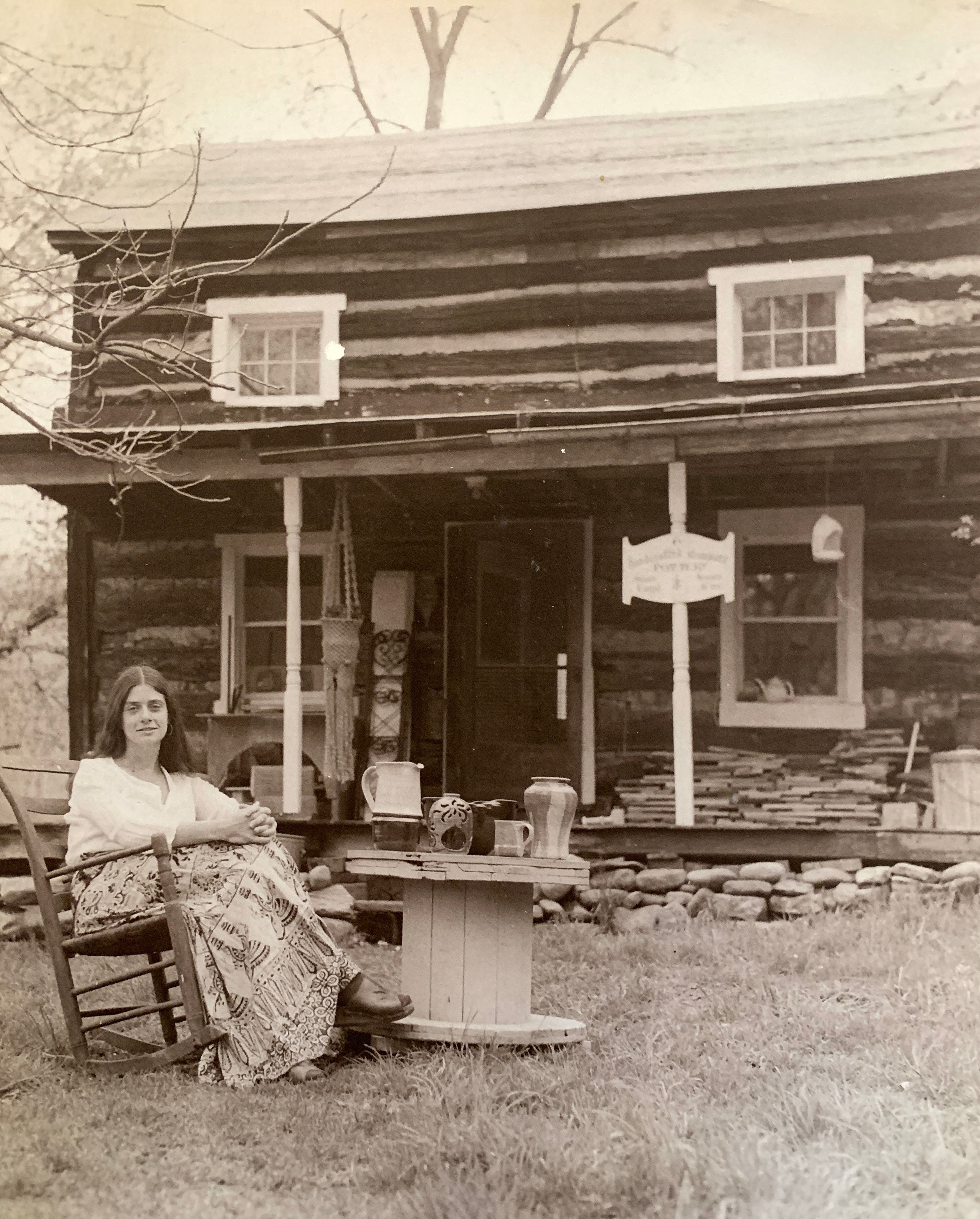
I began my professional life after graduating from a tiny, church affiliated liberal arts college in West Virginia. I grew up in Wilmington Delaware and my very conservative parents forbid me going to art school. In their suburban world normal people did not go to art school, or, God forbid, become artists! In that little school with 4 art majors it turns out that my professor had studied ceramics in Japan, and, because it was basically the only interesting class I dove in. Upon graduation I had some money from winning a little art completion so I made a potters wheel, found a chicken coup and set up a pottery studio. I didn’t have money for graduate school and I knew I could make a living of sorts as a potter.” Everyone buys a mug” was my mantra. The 1970’s was an exciting time that saw the resurgence of Appalachian Crafts and I found myself in the middle of it. I became a production potter, and traveled all over the southeast to participate in Arts Festivals. Those experiences were rich. It was a time of meeting authentic Appalachian craftsmen – dulcimer makers , third generation basket makers, weavers, furniture makers and of corse there was a lot of great bluegrass music. I soon received a grant from the National Endowment of the arts and became the Artist in Residence for the state of West Virginia. My husband at the time and I found a wonderful old log cabin for a studio and a small house on a little piece of land on the Potomac river. I grew our own food and made pots! Thousands of pots!
But, burn out is common among production potters. After 10 years I wanted to follow a dream to paint and to go west. My life was very challenging on many levels during that time and finally I needed to move on. I walked out of my studio one day and drove to Sedona Arizona, at the time a little town full of artists. The beauty and power of the land there was astonishing. I became the director of the ceramics department at the Sedona Art Center and taught all the pottery classes while I studied painting with every good painter that I could find. I started with wildlife art, doing tight carefully rendered watercolor paintings then moved to pastel and then studied landscape painting which I ultimately concentrated on for about 30 years. It was a challenging time and a time of odd jobs to make ends meet and trying to understand how one navigates the world as an “Artist”. I worked part time in galleries, and also had a gig as the first female jeep driver for the local scenic jeep tour company. I’m quite proud of that! I have since then finally come to understand that art is how one lives one’s life, not just the stuff one makes. I wasn’t really aware of how my life really is an exploration. It has been and continues to be an exploration of different ways of approaching an authentic expression of my life. That is what the goal has always been for me. To see myself in my art and my life as an expression of who I am , to know myself though the practice and struggle is what it has been about. That has taken many years to understand and on it goes with my present practice.
But, moving on—- After Sedona I moved to Portland, Oregon, then on to Port Townsend WA to paint green and water. I worked “en plein aire” (on location) for ten years. I went into nature to paint everyday. I went to the mountains, the river and the sea. It was glorious. By that time I was also teaching workshops nationally and abroad and my landscape paintings were represented in some excellent west coast galleries. But, life happens and after a failed marriage I felt that I needed the sun and light and space of the southwest again. Although I had a very successful career in the Northwest as a painter the muse that calls one demands attention. I found myself rambling through Mexico and Costa Rica for a while then a few months in New Zealand visiting a dear artist friend. I was lost and trying to find my center again. By that time Sedona as I knew it was gone, replaced as a crazy, tourist infested sort of Disneyland. My artist friends were gone so I found myself exploring possibilities and finally settling in Santa Fe. I believe that my year of wandering fundamentally altered my art. I found that I no longer wanted to describe what I saw but to express what I had seen and felt painting on location as well as what I was experiencing as I was finding my new life.. And, I wasn’t the same person. My life had turned upside down and righting the ship was about really finding myself through my work. This has been the most difficult and challenging part of my creative journey. It was time for trusting all that I had learned and assimilated from all the work that I had done. Trusting my self, and my process. I continue on that incredibly rich path and still revel ( and despair) in the challenges.
I see this journey as really a search for myself through the vocation that I had to follow, creating. Looking back, after 50 years of making art I see that it wasn’t a choice, it just was what my life had to be about. I am astonished to see my focus and dedication as an artist when I contemplate the other difficulties and challenges of my life. Now, in my 70’s the journey goes on. I show my work, sell in galleries and struggle with the whole difficult business of marketing. I continue to give everything to my work, to struggle and accept and most importantly just show up at the easel. Yes, that is still a challenge, but I’m grateful daily for living such an incredible life.
Can you talk to us a bit about the challenges and lessons you’ve learned along the way. Looking back would you say it’s been easy or smooth in retrospect?
Being a woman artist in the mostly male world of art is a challenge for sure. I see it changing and hopefully more young artists will get the success they deserve. Just living as an artist is a challenging path. Supporting yourself financially is always challenging. I live very modestly. And, the profession isn’t just about going happily into the studio to paint, it’s all the marketing and business part that tends to make you crazy.
Another obstacle has been my lack of an MFA. Although honestly I am so glad I didn’t go that way. I learned so much by being out in the world and finding my own path. But, that made it more difficult in terms of acceptance in the early part of my career.
Alright, so let’s switch gears a bit and talk business. What should we know about your work?
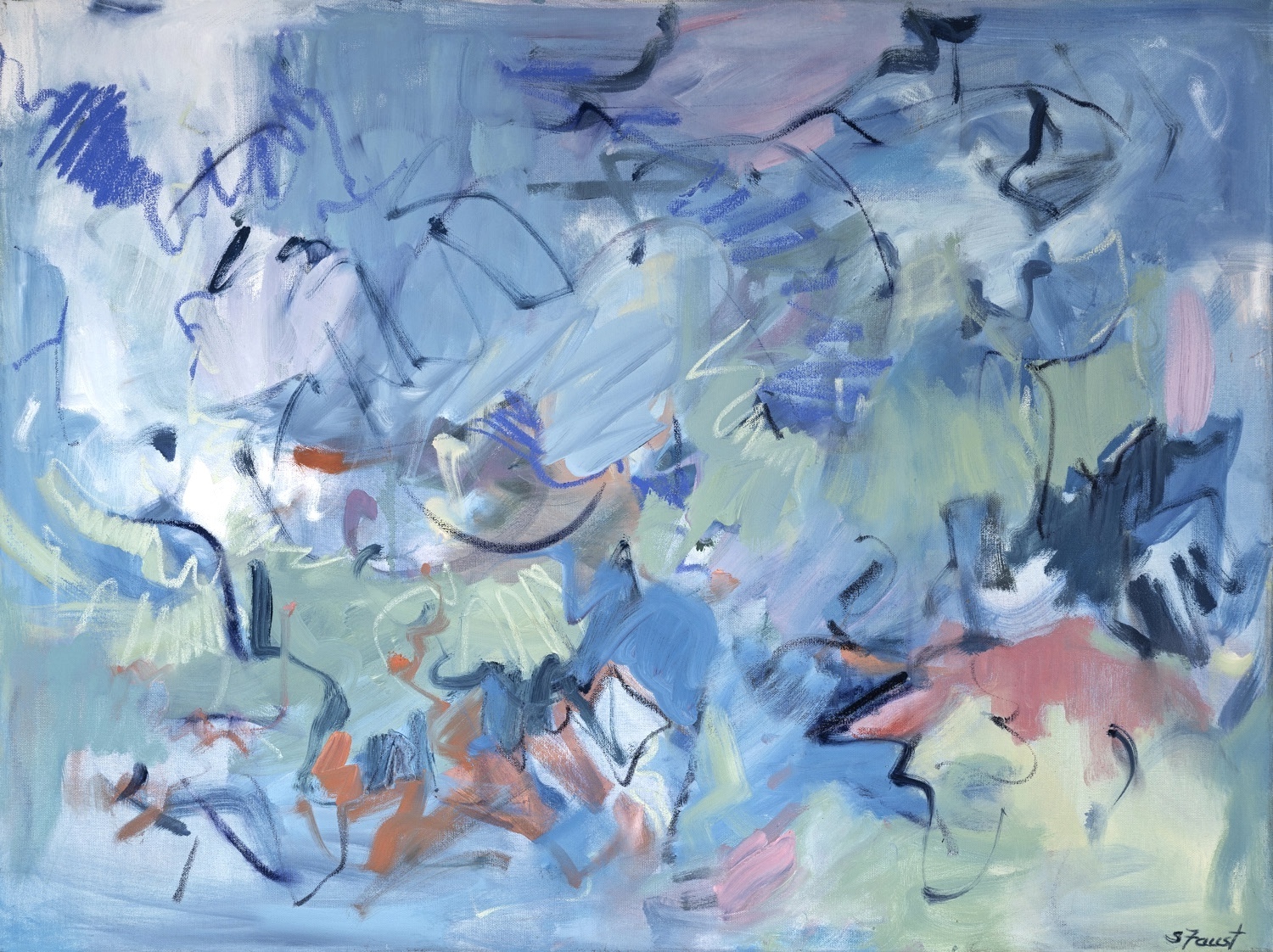
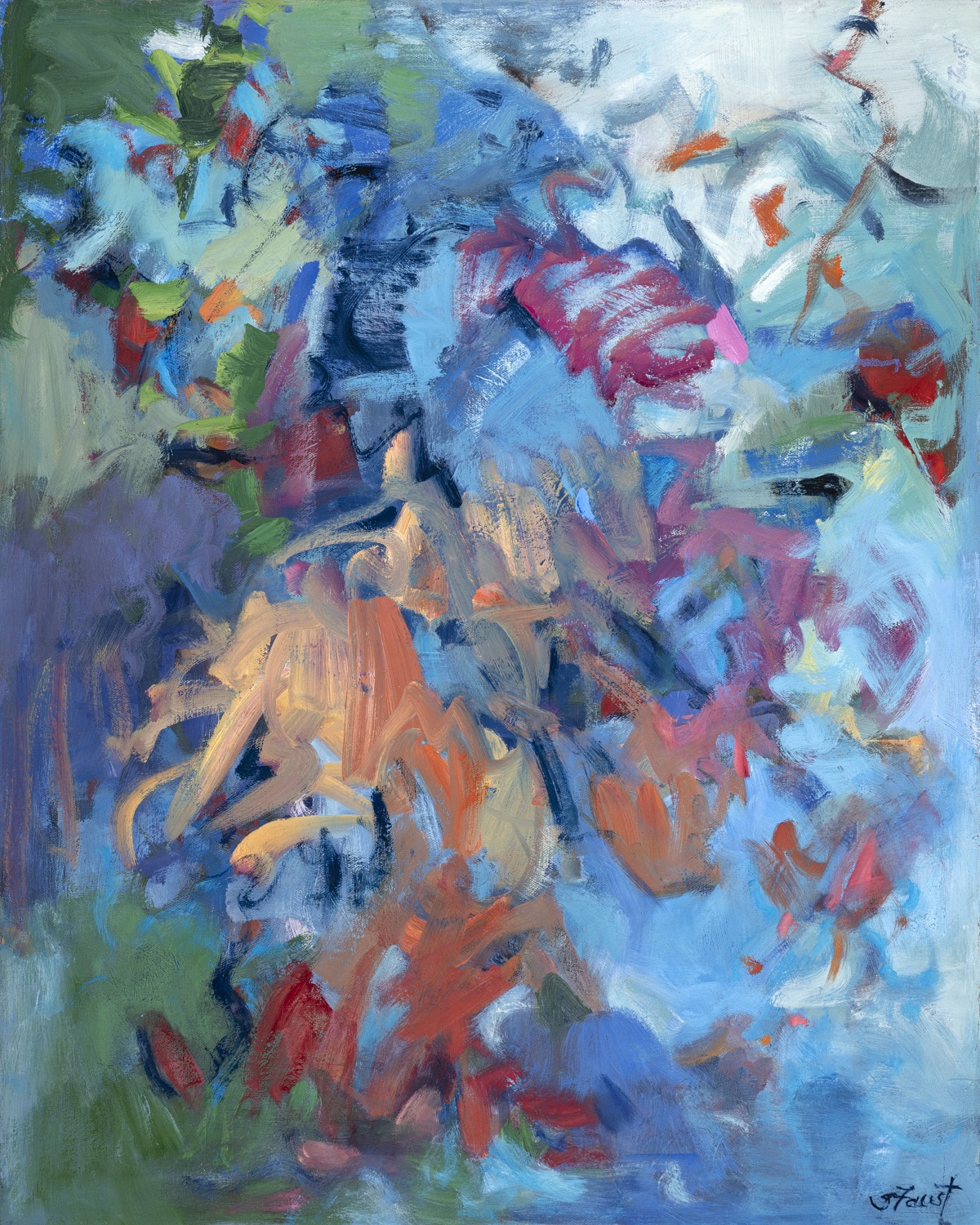
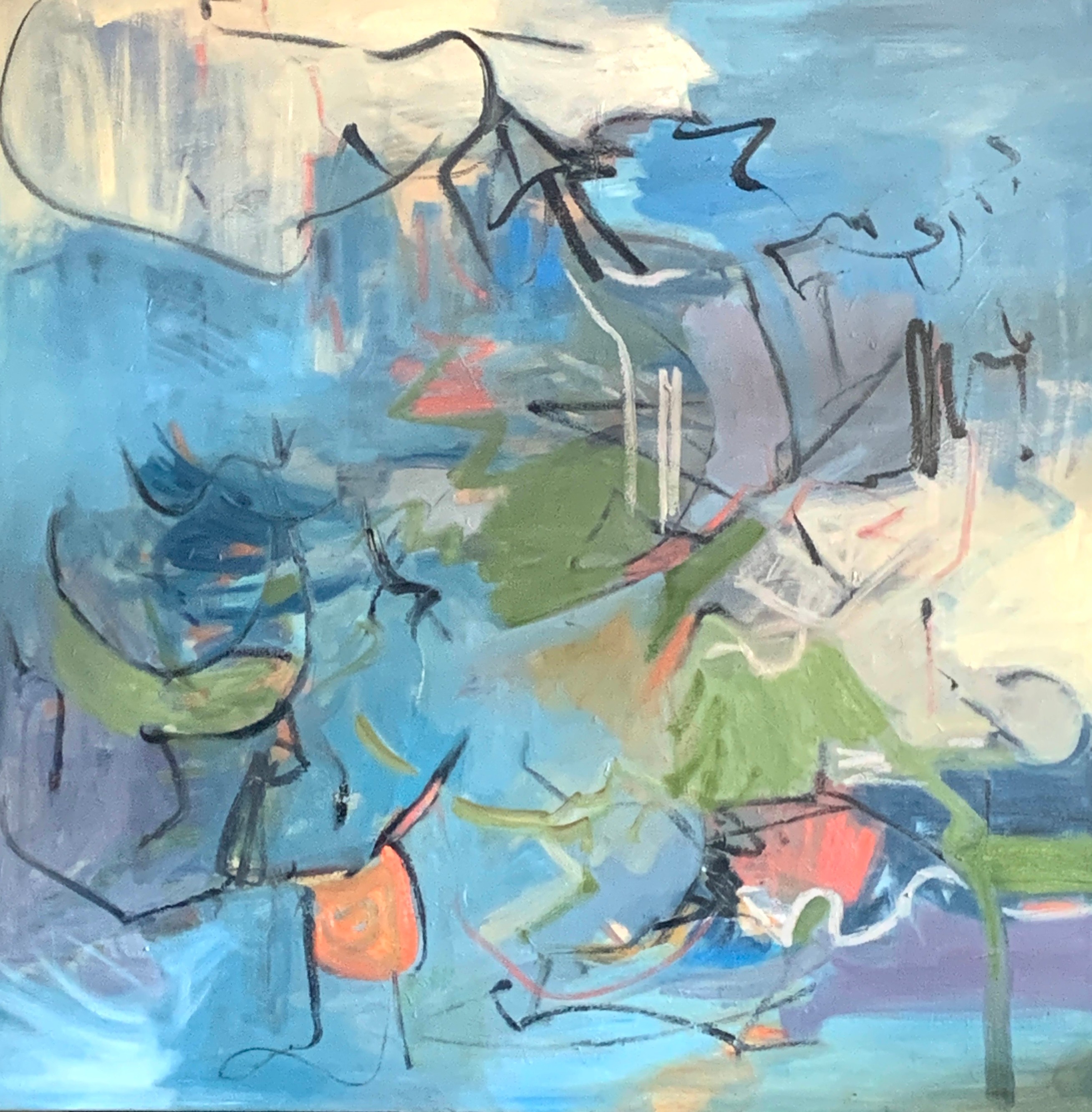
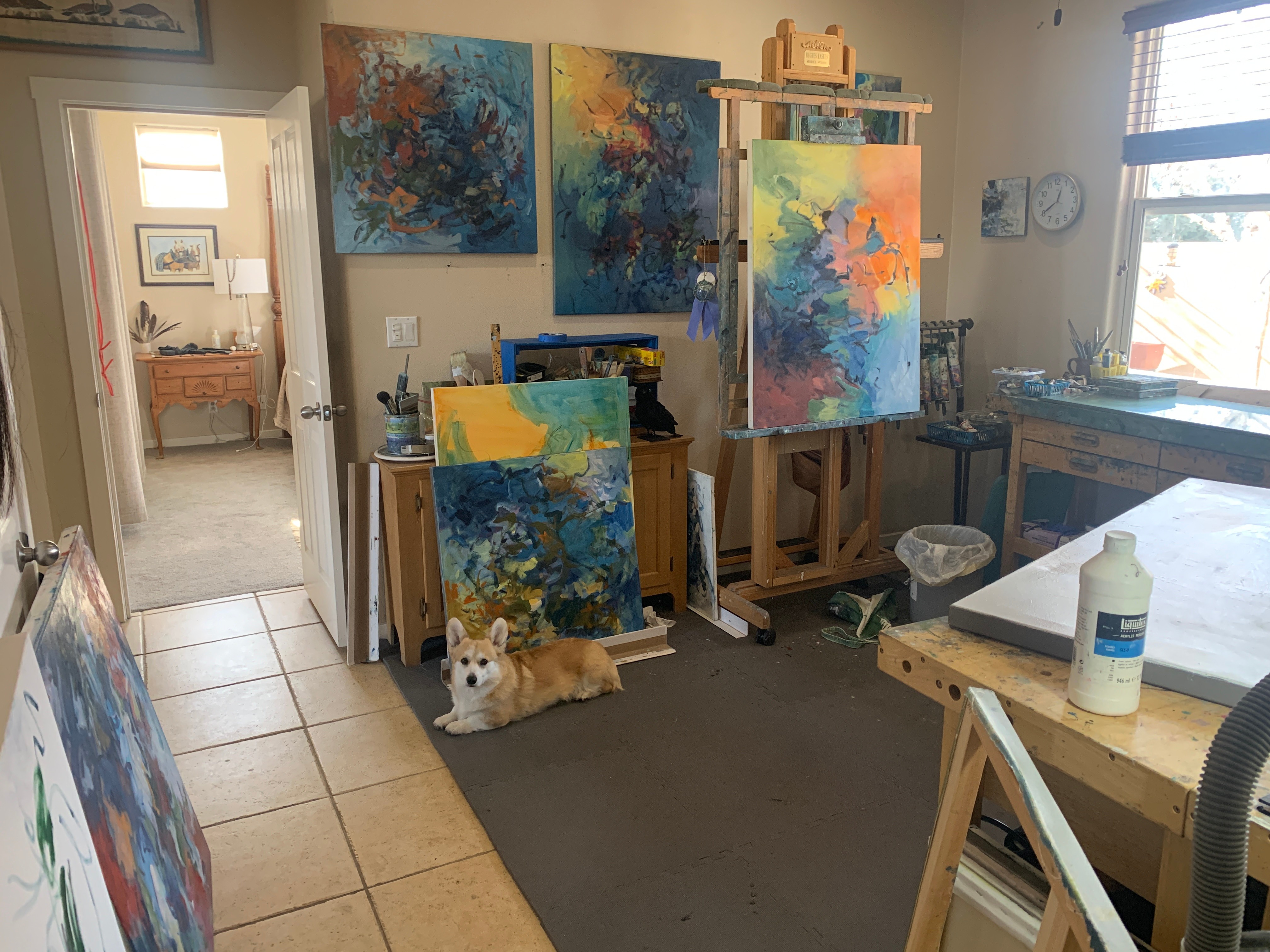
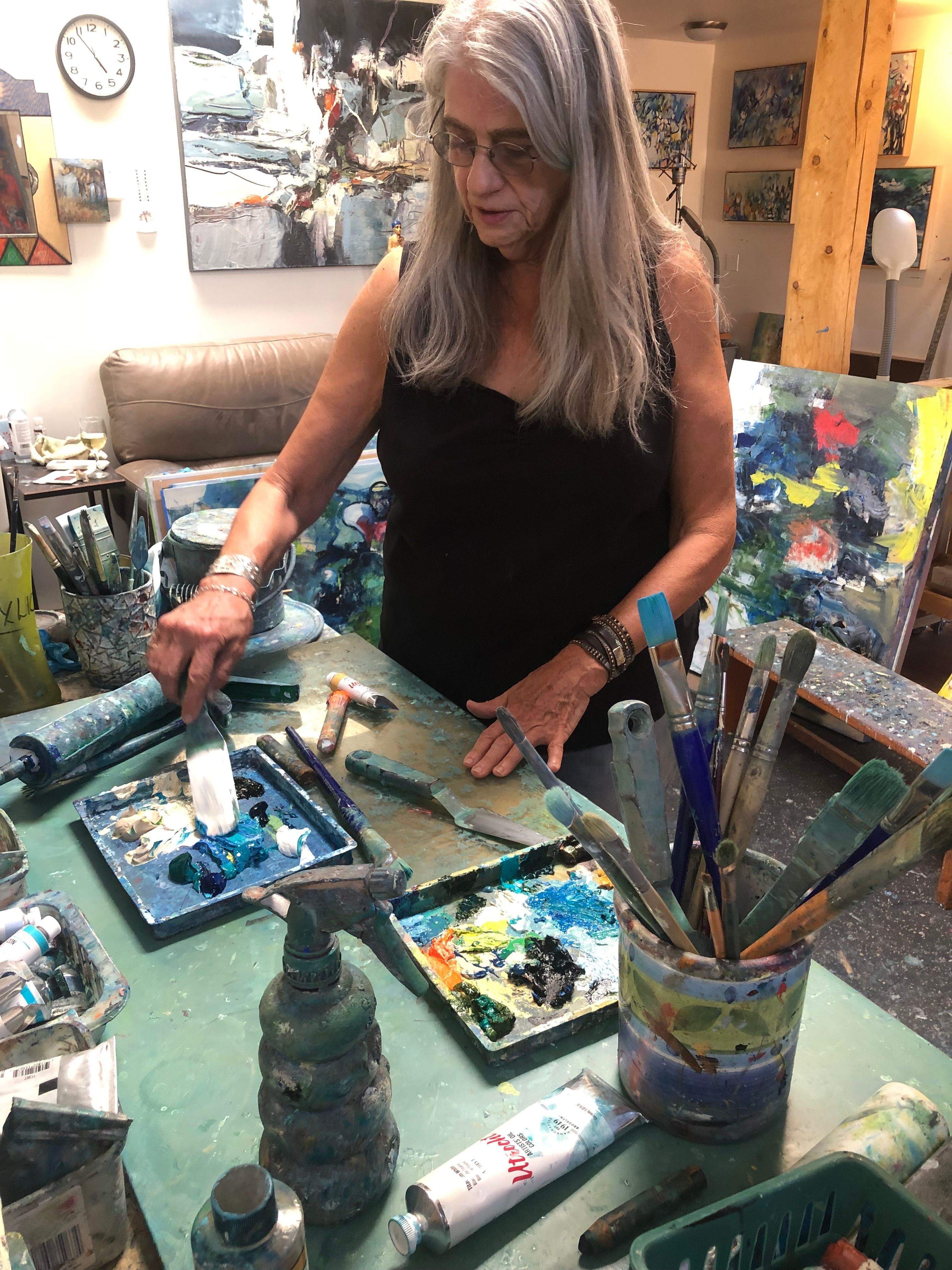
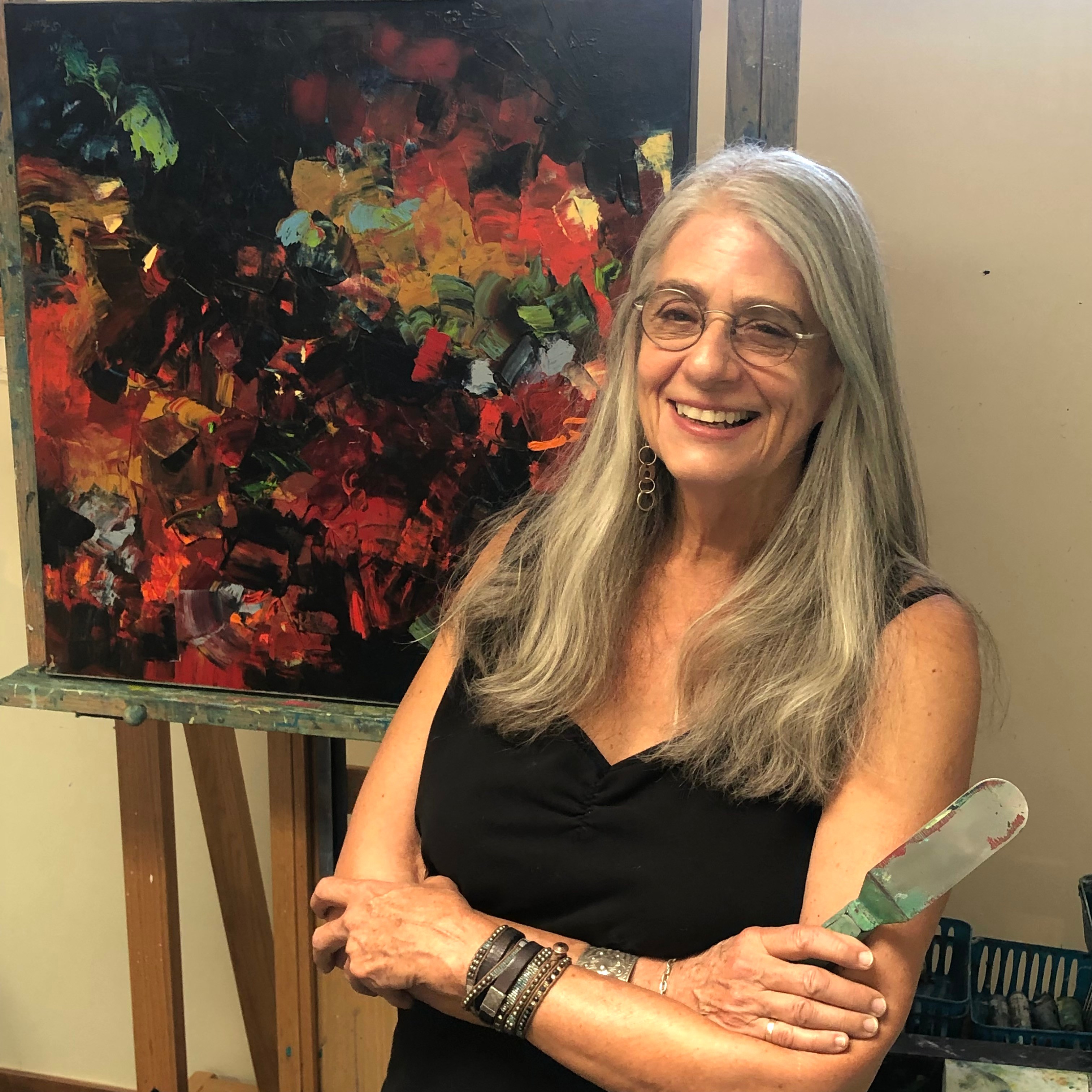
I label myself as an abstract expressionist painter only because everyone seems to need to label everyone these days. I have been very influenced by and feel a kinship with the Abstract Expressionist painters of the 50’s. The paintings, although non representational have elements of landscape in them. From painting the lanscape for so many years I feel that movement and rhythm were always the elements that I responded to. Now, my work is all about movement and rhythm. My process is a very physical one. I always play music, move and dance with the paint. It’s very personal and very visceral to me.
My present work is oil painting on canvas. I have worked in many mediums including watercolor, pastel, oil and sculpture in bronze. But, I love oil paint. It is sensuous and buttery and rich. The colors are gorgeous!
I think what sets me apart is that I’ve made a living as an artist my whole adult life. It isn’t something I came to late in life. I’ve lived it deeply, gleaned so much knowledge about process and figuring out ways to make things work. I’m very self sufficient and love my life!
I think I am most proud of the fact that I was never was diverted from my path. This wasn’t conscious really. I fought for my freedom to find my authentic voice and to live an authentic life, my life.
Susan is the recipient of numerous awards in American and International exhibitions and is a featured plein air pastel artist in the PBS television series, “The Artist’s Workshop”. She has had numerous solo shows. She was a featured artist in the June, 2000 issue of Pastel Artist International Magazine. Susan has taught classes and workshops throughout the country and in Europe and has taught as an invited international instructor in Australia. She was a juror for the International Art Prize from 2015- 2017 and is a member of Oil Painters of America, The Pastel Society of America ,The Northwest Pastel Society, the Taos Abstract Artists Collective and The National Museum of Women in the Arts.
What matters most to you?
What matters most to me at this point in my life is really just seeing that being truly authentic in my life and work has been a great achievement. Everyday I work to be in my life creatively regardless of what society or culture tells us we should be or what we should have.
What matters most in my work is for me to see something beautiful and authentic. I feel when I can recognize myself in what I paint I have been successful.. I still work to be the best painter I can be and to allow myself to create without self judgment or to paint for others. That said , abstract art is more difficult for people to warm up to and it matters to me if people can be moved or feel a connection to the paintings. It’s a balancing act of wanting people to love your work and being authentic. Its lovely when it comes together.
Contact Info:
- Website: https://www.susanfaust.com
- Instagram: susan_faust