

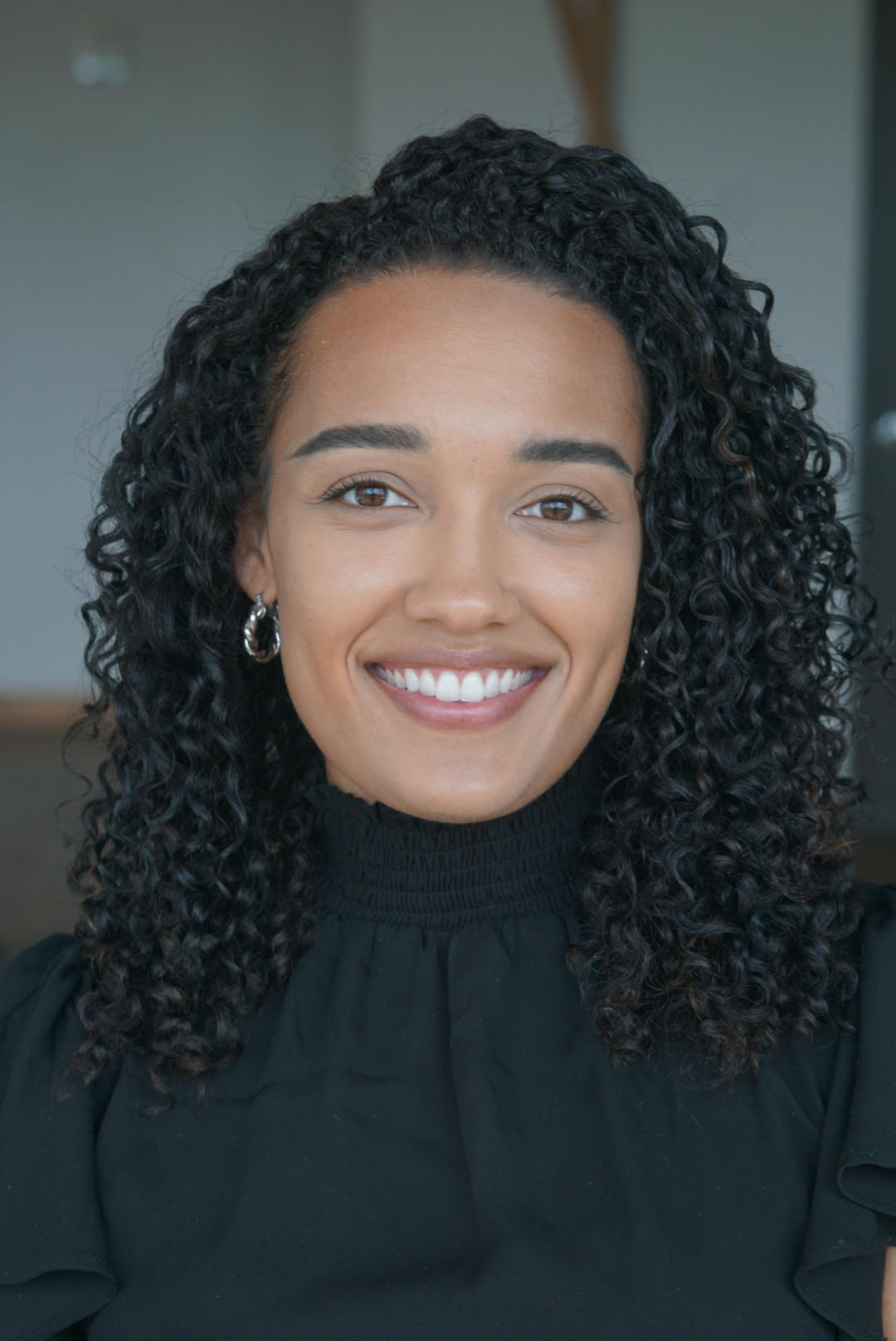
We’re looking forward to introducing you to Marie DeCosse. Check out our conversation below.
Hi Marie, thank you so much for joining us today. We’re thrilled to learn more about your journey, values and what you are currently working on. Let’s start with an ice breaker: What do you think is misunderstood about your business?
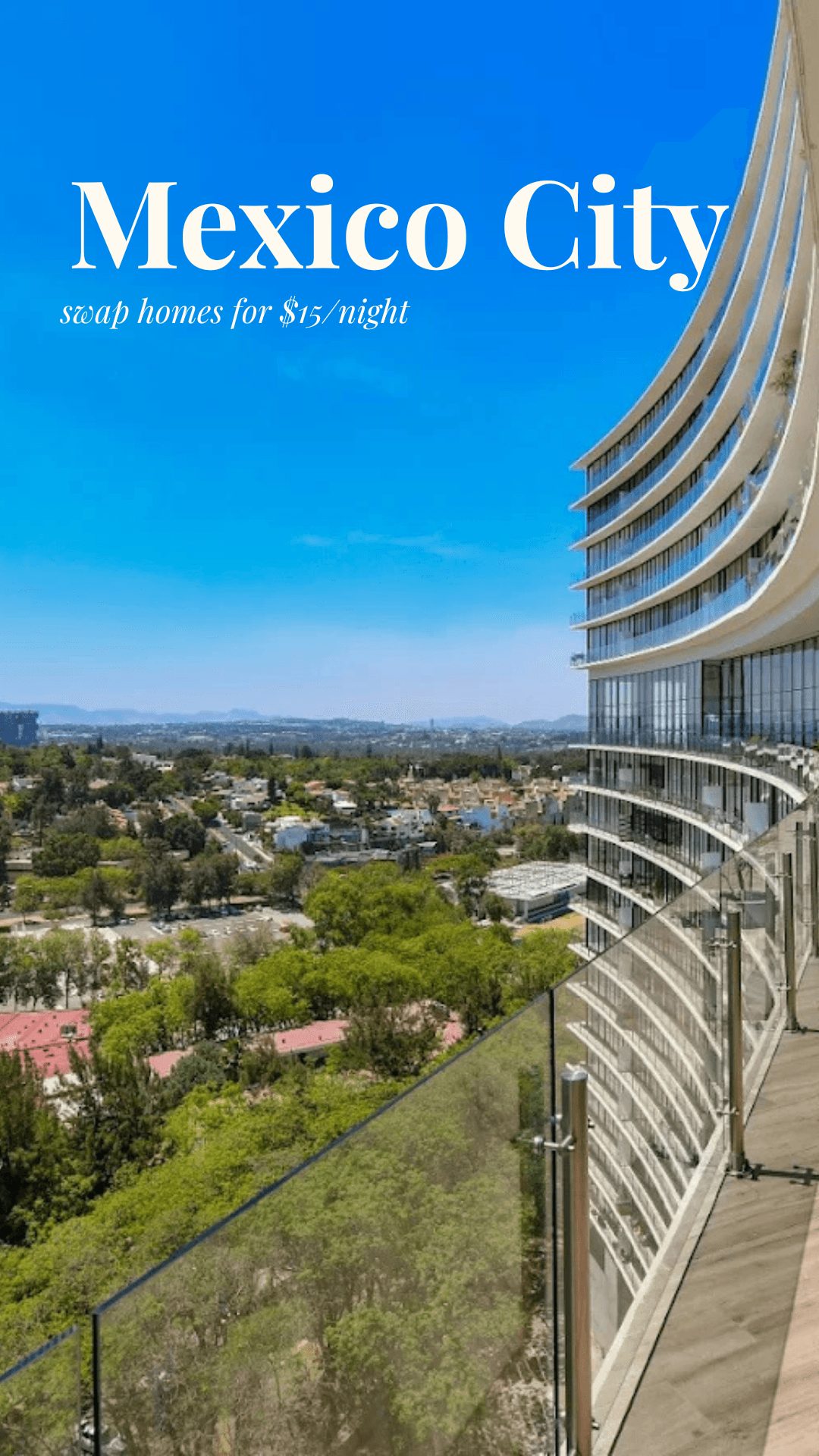
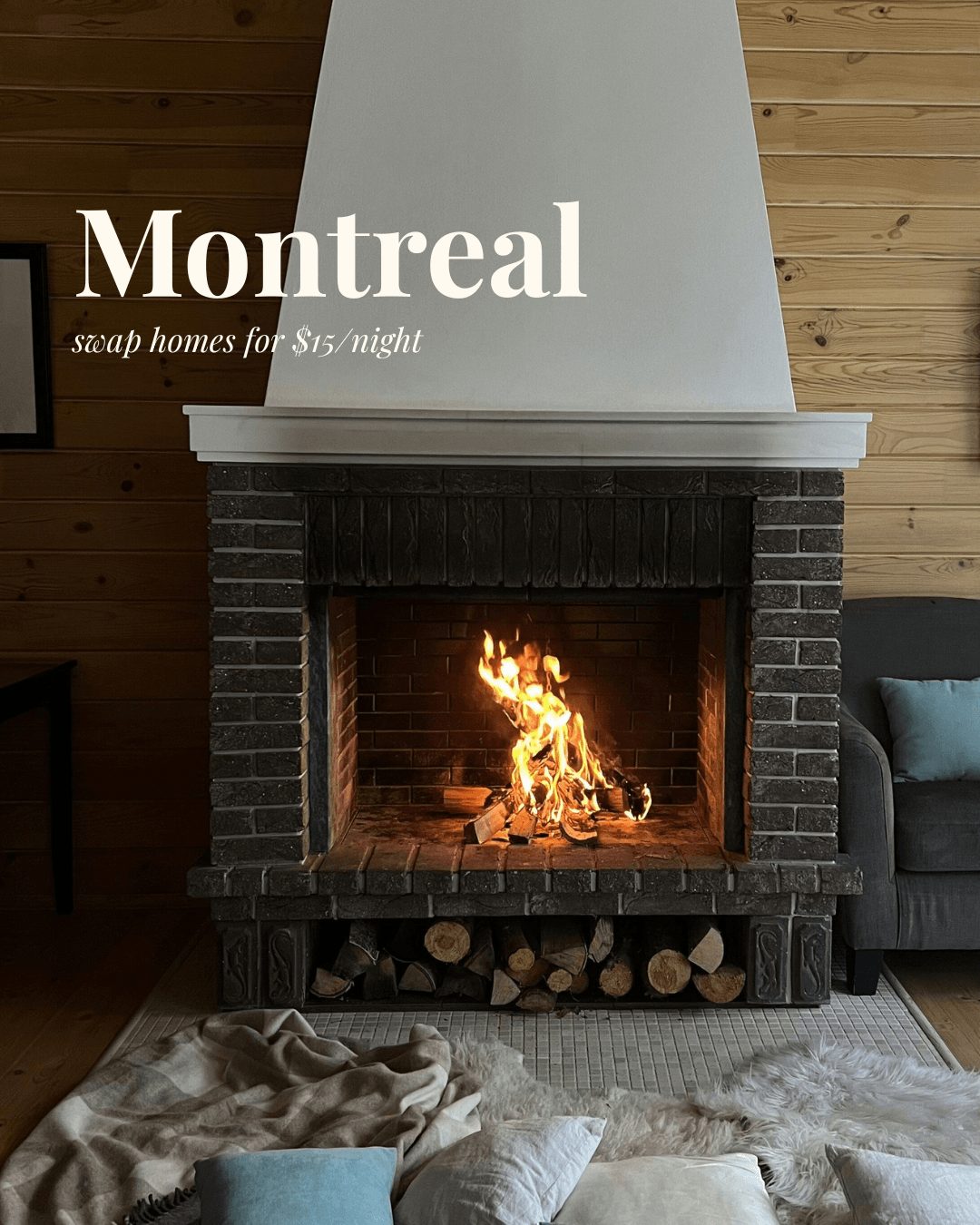
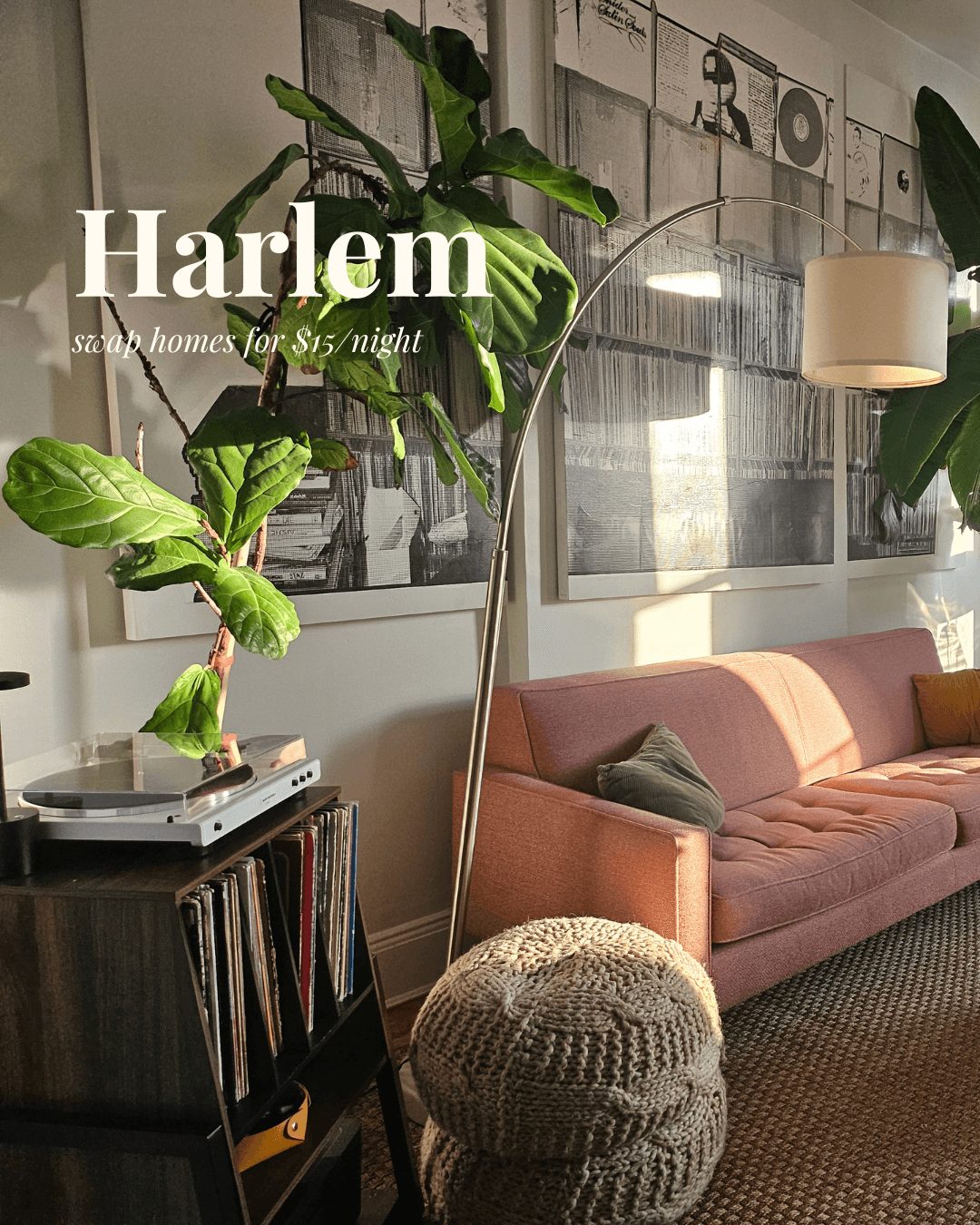
Home exchange remains a relatively unfamiliar concept in the U.S., despite its long-standing presence and popularity in parts of Europe. Many travelers still default to hotels or short-term rentals without realizing that home swapping can offer a more affordable, sustainable, and community-friendly alternative.
At NOMAD Travel Groups, we invest heavily in user education to help people understand the value of home exchange—not just as a cost-saving option, but as a model that avoids the negative externalities of short-term rentals, such as gentrification, rent inflation, and housing displacement. Our $15/night pricing, security screenings, and curated matchmaking engine rooted in AI are designed to make travel radically accessible while preserving local housing ecosystems.
We’re on a mission to make frequent travel the norm—not a privilege—and we’re deeply committed to building a platform that fosters trust, affordability, and social responsibility at scale.
Can you briefly introduce yourself and share what makes you or your brand unique?
I’m Marie DeCosse, and I’m building NOMAD Travel Groups to challenge the idea that travel has to be expensive, exclusive, or extractive. I’ve spent years working in global tax and finance, and I’ve seen firsthand how systems scale—sometimes at the expense of people and communities. NOMAD is my answer to that.
We’re creating a platform where $15/night home exchanges aren’t just possible—they’re the norm. Powered by AI and built around trust, NOMAD helps travelers swap homes safely and affordably. It’s travel that respects local ecosystems and empowers people to explore more often, not less.
What makes NOMAD special isn’t just the tech—it’s the values baked into every decision. We’re building for budget-conscious travelers, remote workers, and long-stay explorers who’ve been priced out of the current system. And we’re doing it with intention: no shortcuts, no extractive models, just a smarter, fairer way to move through the world.
Amazing, so let’s take a moment to go back in time. What was your earliest memory of feeling powerful?
After moving back to the U.S. from Bangladesh and entering sixth grade, I struggled to assimilate into the American school system and culture. That first year was isolating—I found it hard to make friends, felt out of place, and rarely spoke up. But I had always loved to sing, and something in me said to sign up for the school talent show, even though performing in public was terrifying.
I spent weeks preparing, battling nerves and self-doubt. On the day of the show, I walked into school with a pit in my stomach and shaky hands. I sang “Take a Bow” by Rihanna in front of my classmates, teachers, and family. When I finished and heard the applause, I felt something shift. I was proud—not just of the performance, but of the courage it took to get on that stage.
Looking back, I admire that little girl who stepped into fear and chose growth. That moment taught me the power of doing the uncomfortable thing when you know it will serve you. It’s a principle I carry into my work today—whether it’s pitching investors, launching a new product, or leading a team through uncertainty. Courage compounds.
What did suffering teach you that success never could?
Suffering taught me the power of resilience and the unwavering belief you must have in yourself—and in your faith—that everything will unfold as it’s meant to. It showed me how to sit with discomfort, how to keep moving when clarity is absent, and how to trust the process even when the outcome feels uncertain. Success often celebrates the finish line, but suffering teaches you how to run without knowing where it ends. It builds character in the shadows, sharpens your intuition, and reminds you that strength isn’t loud—it’s quiet persistence. That lesson stays with me: discomfort is not a detour, it’s part of the path.
I think our readers would appreciate hearing more about your values and what you think matters in life and career, etc. So our next question is along those lines. Is the public version of you the real you?
At times, but mostly no. In the business world—especially as a woman founder—I’m acutely aware of the roles we’re expected to play to be heard, respected, and taken seriously. It’s not that my personality doesn’t naturally command attention, but I’ve learned that presence alone isn’t enough. You have to be attuned to what investors respond to: how they speak, what they value, what signals credibility. I study this closely. I adapt my language, my tone, even my energy to ensure NOMAD is positioned for success.
It’s a form of strategic code-switching. I know how to lead with warmth and conviction, but I also know when to lean into data, when to sharpen my delivery, and when to hold back emotion to maintain authority. It’s not inauthentic—it’s intentional. It’s the version of me that protects the mission and earns the trust needed to move it forward.
With my friends and family, I’m fully myself. There’s no filter, no performance. But in business, I adapt because I understand the stakes. I’m not just representing myself—I’m representing a company, a team, and a vision that deserves to be taken seriously. And if that means shaping how I show up in certain rooms, I do it with clarity and purpose. That’s not compromise—it’s leadership.
Thank you so much for all of your openness so far. Maybe we can close with a future oriented question. Are you doing what you were born to do—or what you were told to do?
I’ve always felt I was meant to do something impactful—something that challenged norms and created space for others to thrive. But for a long time, I followed the path I was told would lead to success: international tax, corporate structure, the kind of work that looks impressive on paper. And while I excelled in that world, there was a quiet dread that followed me. I knew deep down it wasn’t my passion. It wasn’t the thing I was born to build.
That feeling—the disconnect between competence and calling—was hard to ignore. I started asking harder questions: What would I create if I weren’t afraid? What problem would I solve if I trusted my instincts? That’s when NOMAD began to take shape—not just as a business, but as a response to everything I’d learned about systems, equity, and access.
Leaving a stable career to build something from scratch wasn’t easy. But I’d rather try and fail at something meaningful than succeed at something that never felt like mine. I’m not just doing what I was born to do—I’m proving to myself that I was right to believe I could.
Contact Info:
- Website: https://www.wetravelnomad.com/
- Instagram: https://www.instagram.com/wetravelnomad/?hl=en
- Facebook: https://www.facebook.com/nomadtravelgroups/
- Other: https://www.tiktok.com/@wetravelnomad