

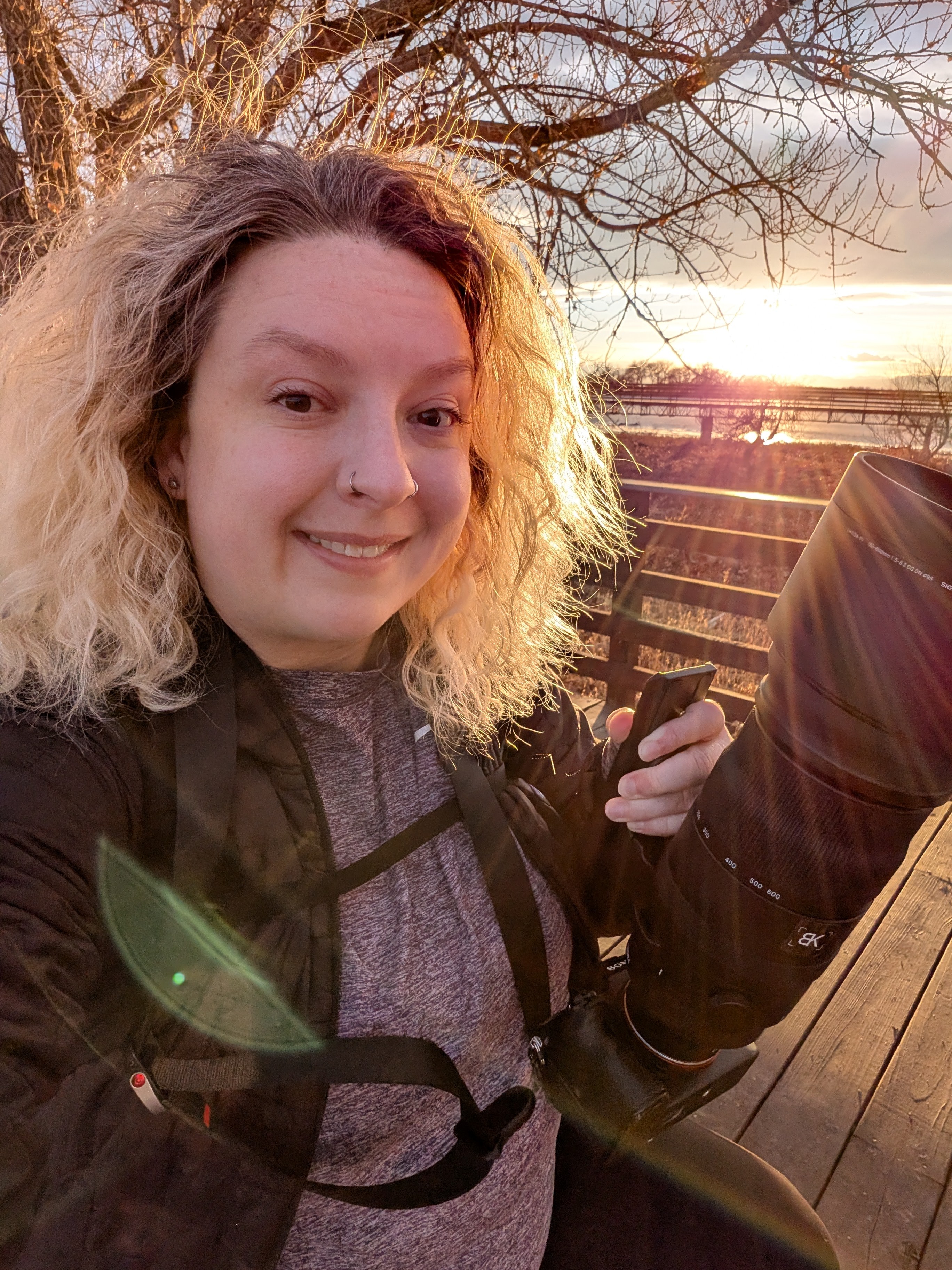
Today we’d like to introduce you to Brittany Kruebbe.
Hi Brittany, we’re thrilled to have a chance to learn your story today. So, before we get into specifics, maybe you can briefly walk us through how you got to where you are today?
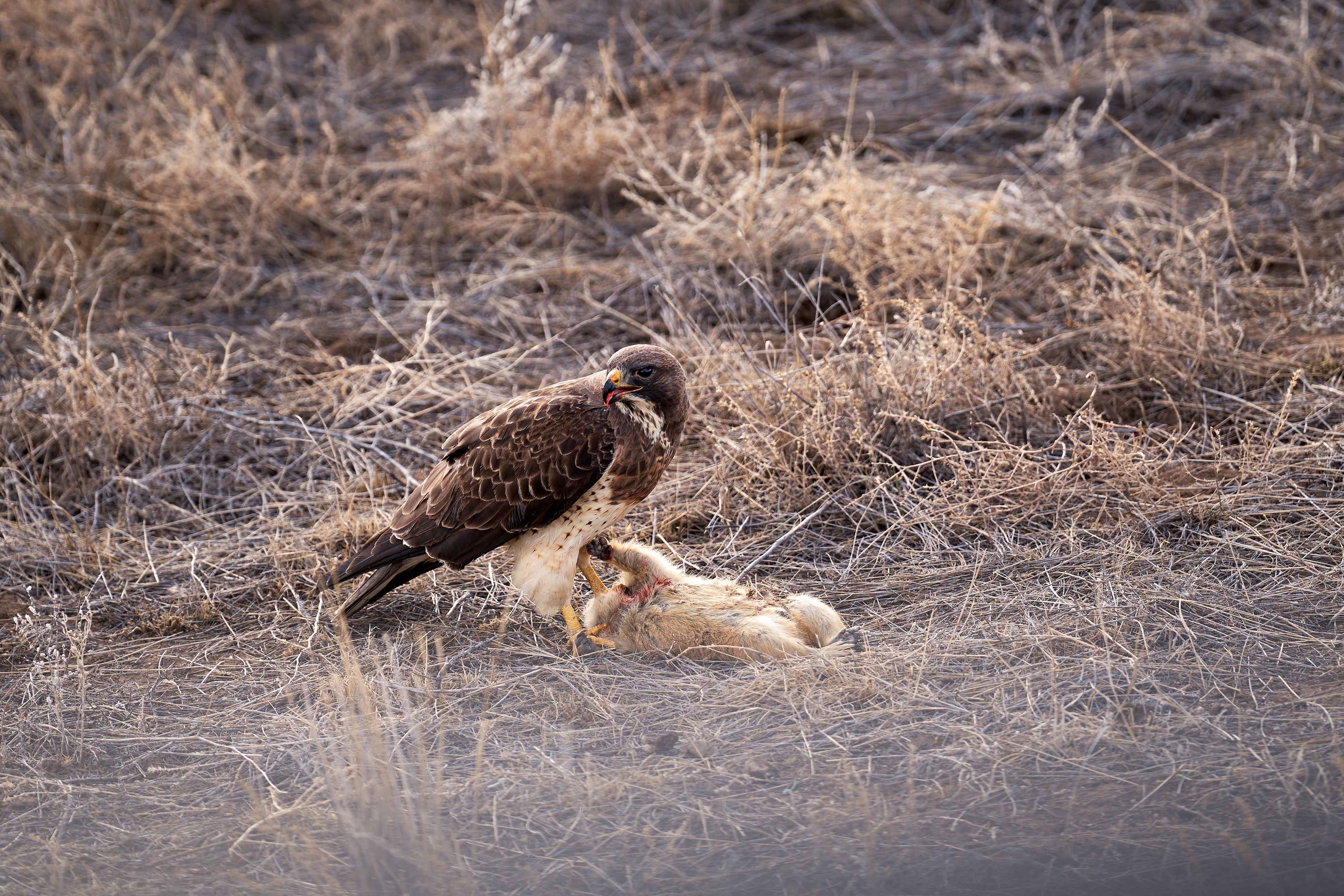
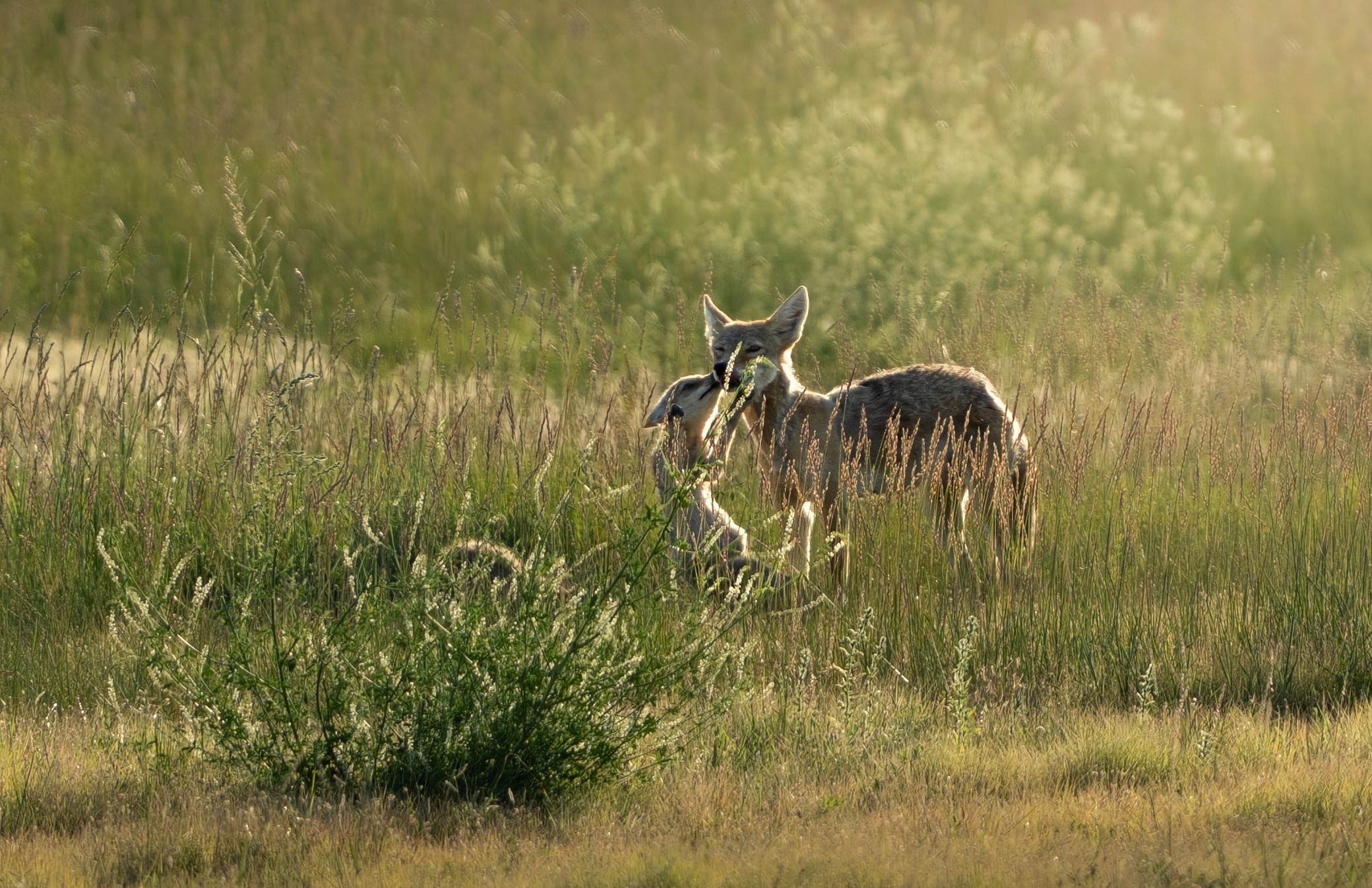
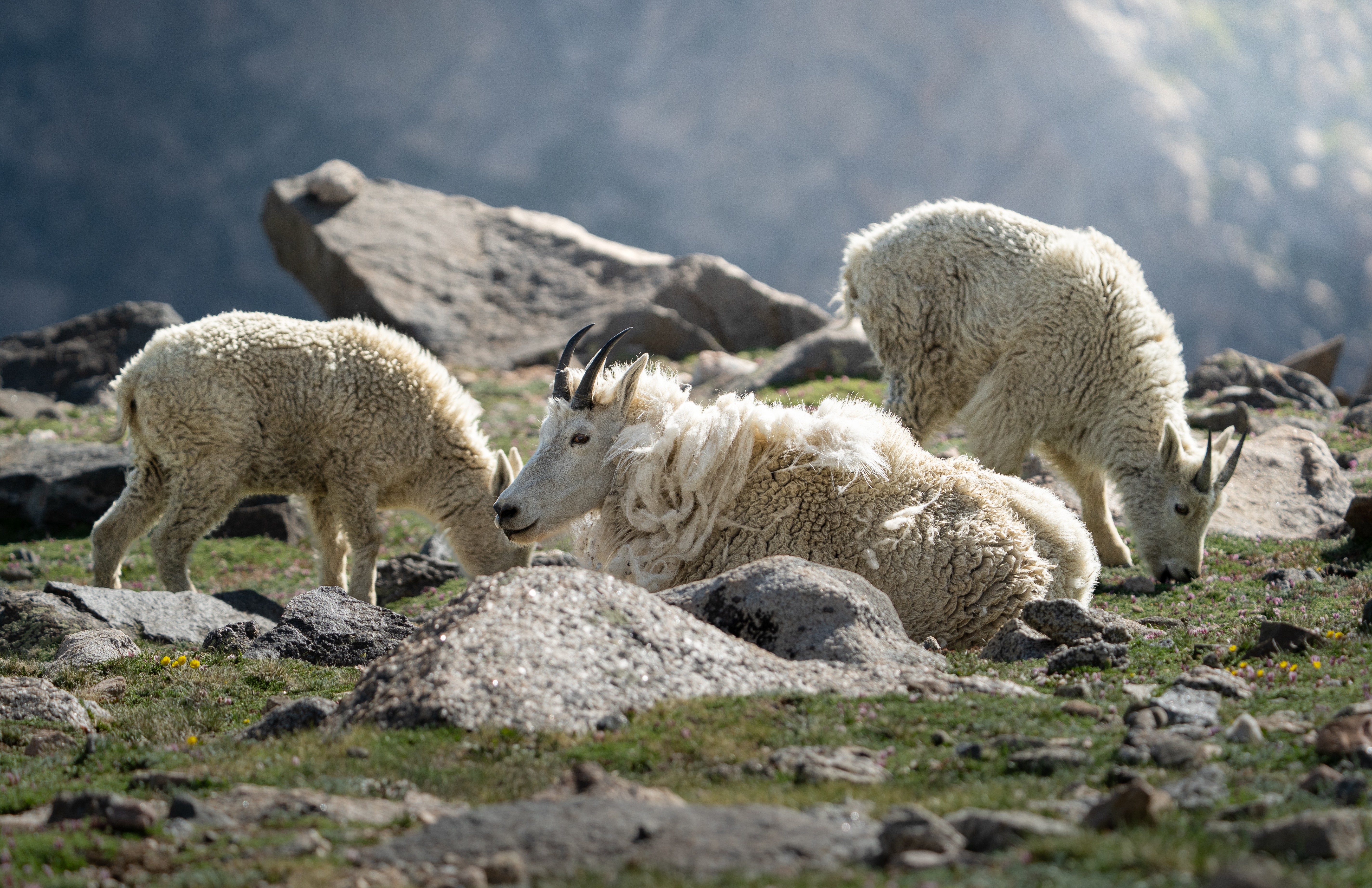
Hey yall, I’m Brittany. A local wildlife photographer.
I didn’t start out as a wildlife photographer — honestly, I started because I wanted cool photos of my cosplay outfits. I’m a huge nerd at heart. Video games, crafting, all of it. I was building costumes of my favorite characters and wanted professional photos to show them off. Since I didn’t know any photographers, I just decided to pick up a camera myself and figure it out.
I got my first serious camera, a Sony a6300, and jumped into the 52 Frames project in 2019 — a weekly photography challenge that pushed me to learn sides of the craft I never would have explored on my own. After that first year I was hooked, upgraded to a Sony a7 III, and started taking it seriously.
Then Covid hit, conventions shut down, and cosplay came to a halt. In December 2021 I made a big move — packed up and relocated to Colorado. That’s honestly where everything changed. I fell into hiking, off-roading, snowboarding, all of it. And then the wildlife found me.
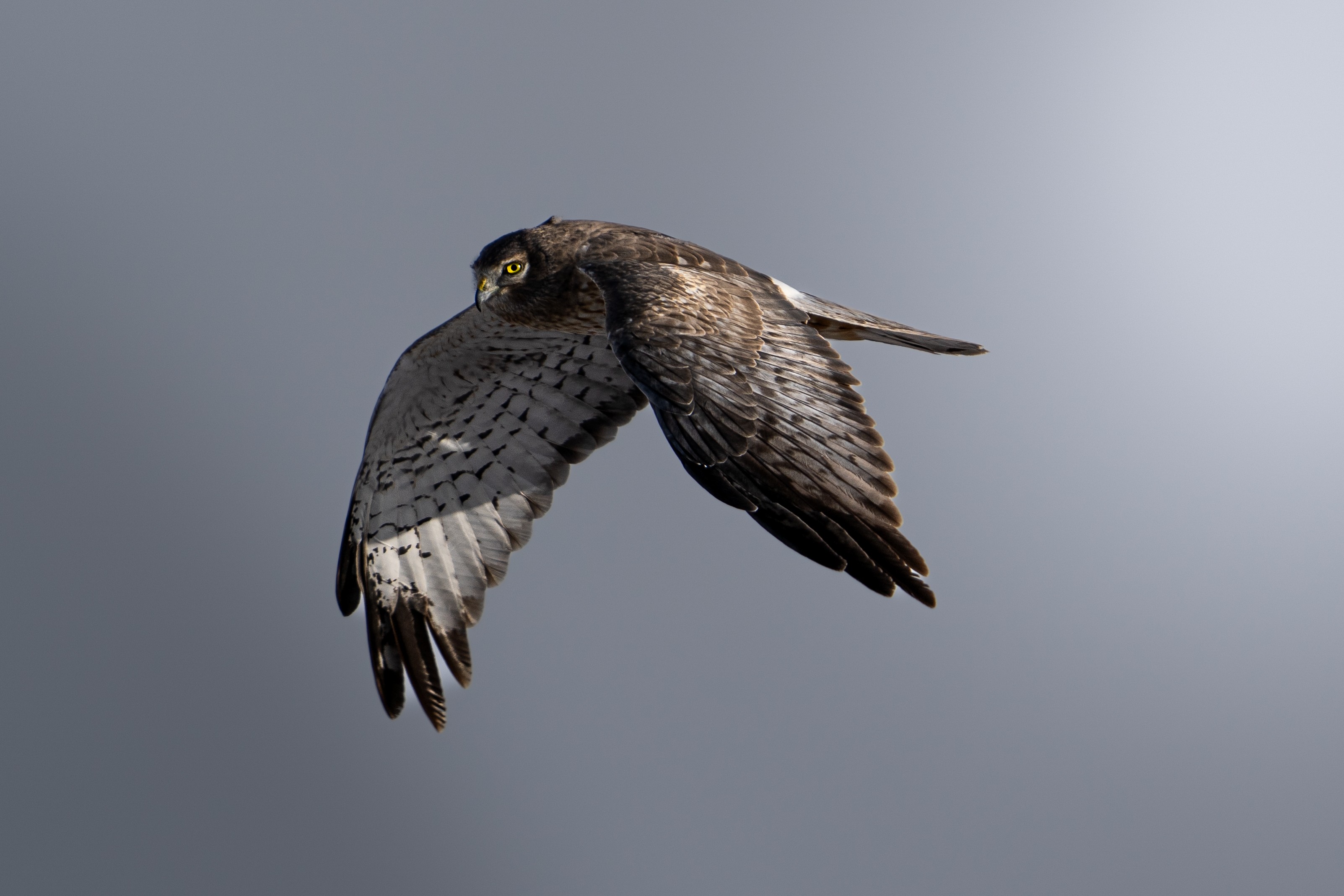
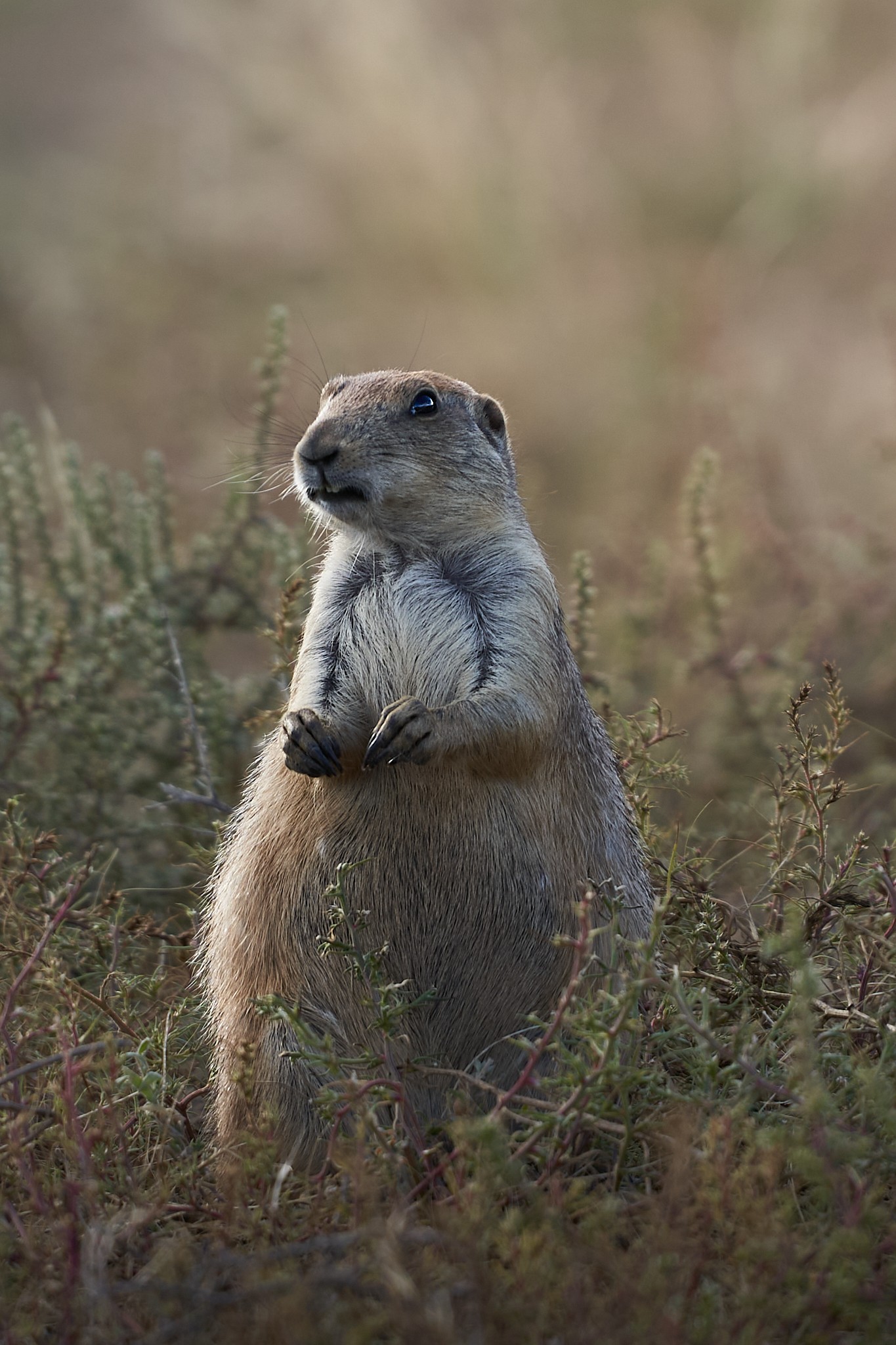
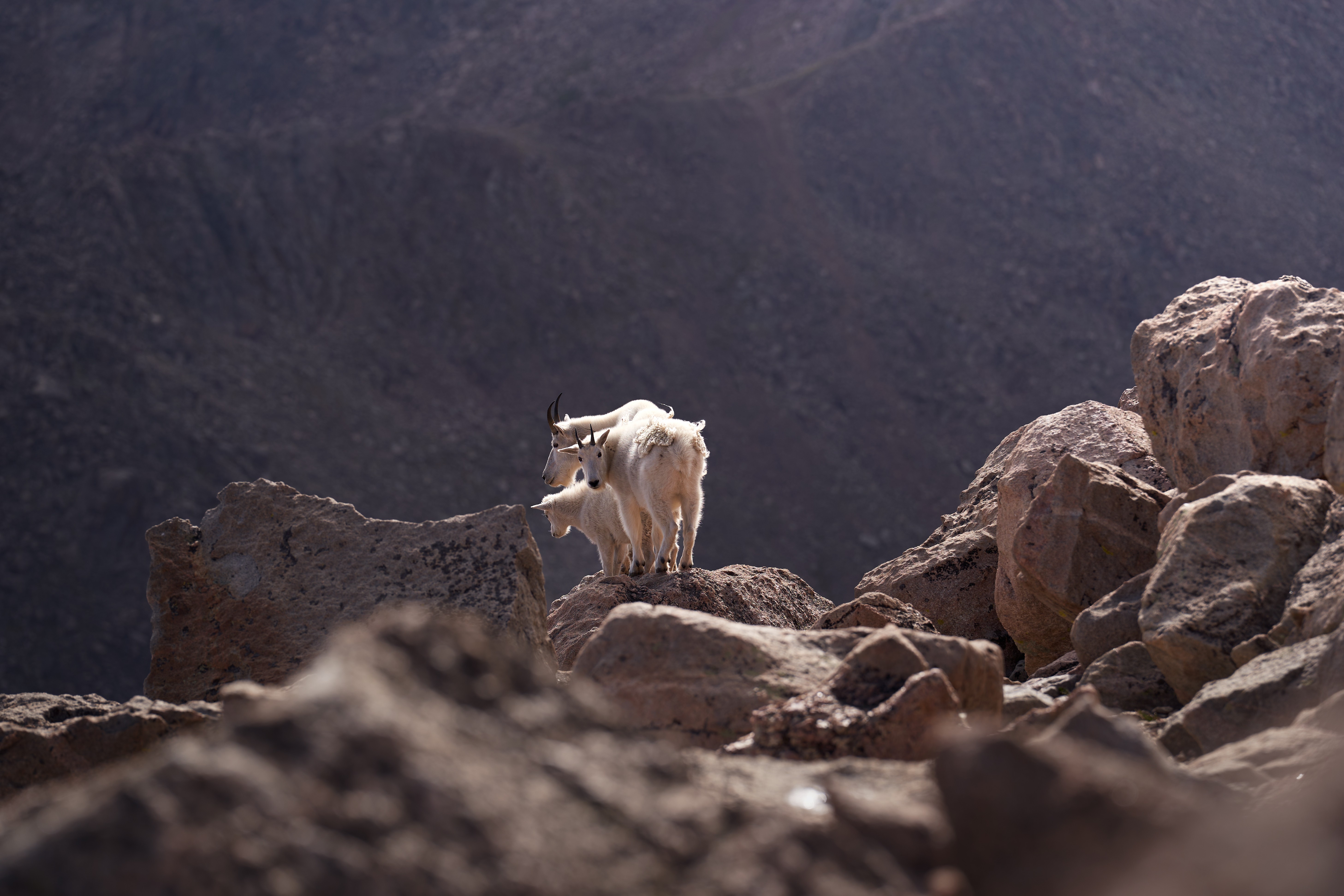
Looking back, it probably shouldn’t have surprised me. I’ve loved animals my whole life — I even wanted to be a veterinarian at one point. So when Colorado put these incredible creatures right in front of my lens, something just clicked. Wildlife photography stopped feeling like a hobby and started feeling like a purpose. These animals deserve to have their stories told, and photography gives me a way to do that.
That’s how a nerdy gamer who just wanted cosplay photos ended up knee-deep in the wilderness with a camera — and I wouldn’t change a thing.
We all face challenges, but looking back would you describe it as a relatively smooth road?
Honestly, it hasn’t been too bad overall. There’s always a learning curve with anything new, but nothing that made me want to quit.
That said, moving from Louisiana to Colorado was a bigger physical adjustment than I expected. The air up here is THIN. Learning to hike, breathe properly, and actually take care of my body was a whole thing on its own. And then add camera gear on top of that — it gets real heavy, real fast.
You already need to hike with the 10 essentials, and water alone is heavier than most people realize. Then throw in a camera body, a few lenses, and if you’re shooting wildlife, a big telephoto lens to keep a safe distance from the animals. In winter you’re also dealing with multiple layers and ice spikes. Your pack adds up quickly and your body definitely feels it.
So learning how to carry everything efficiently — the right pack, the right setup, the right balance — was a real challenge. Took a lot of trial and error to figure out what actually works.
Appreciate you sharing that. What else should we know about what you do?
By day I work in IT, and I genuinely love it. I’ve always been drawn to computers, tech, and figuring out how things work — that curiosity is just baked into who I am. But there’s another side of me that goes back just as far, and that’s my love for animals and wildlife.
As a kid I wanted to be a veterinarian. I eventually steered away from that path, but the passion for animals never left. Once I got to Colorado and started spending more time outdoors, I found myself asking how I could turn that time into something that actually gave back to wildlife. That question led me to conservation work, and it’s become one of the most meaningful parts of my life. I’m always looking for new opportunities to get more involved — this is something I’m deeply passionate about, and I genuinely believe we can all make a difference if we just show up.
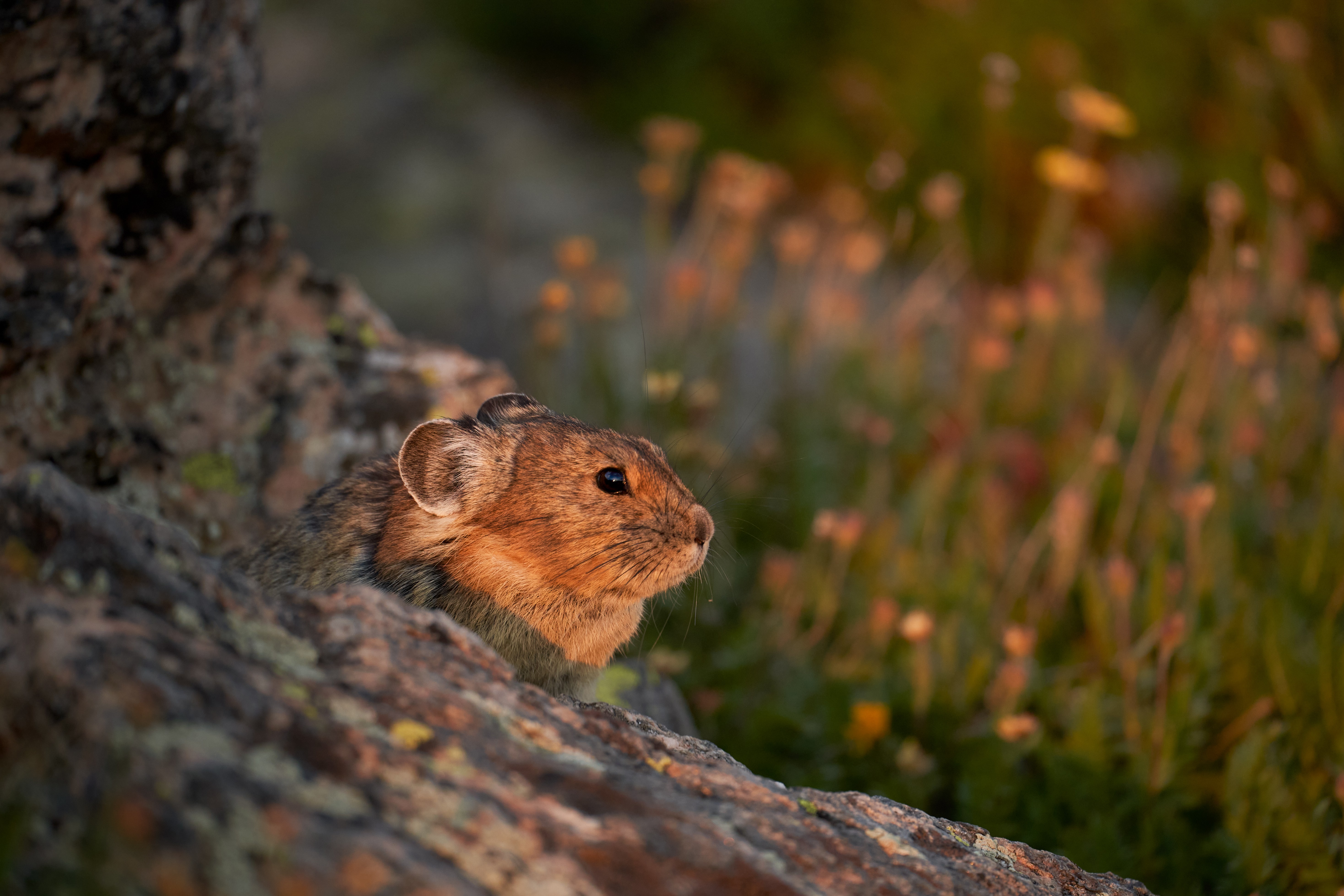
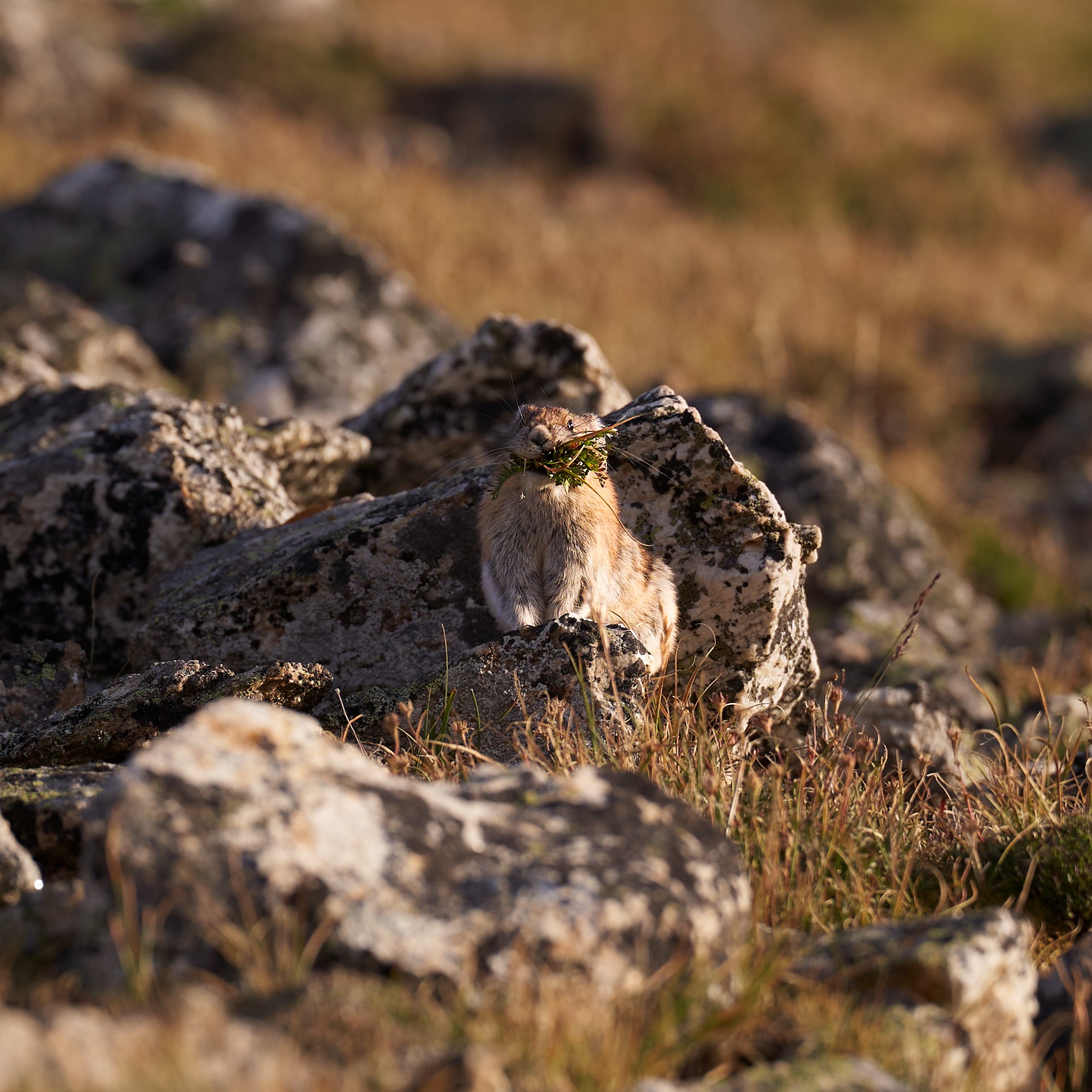
About three years ago I found my first answer — Pika Patrol, a citizen science volunteer program where volunteers collect data on pikas, small alpine mammals that are sensitive indicators of climate change. The work happens in summer once the snow melts enough to reach their high alpine habitat. Volunteers are trained to navigate designated sites and gather data that helps researchers track whether populations are at risk. I’m retraining this month and genuinely cannot wait to get back out there.
More recently, in May, I started volunteering with a local wildlife nonprofit, splitting my time between hands-on physical work and education shifts. I leave every single shift happier than when I arrived. It’s the kind of work that changes you a little bit each time — and I mean that in the best possible way. Right now I’m putting in at least 16 hours a month outside of my day job, and I’m hoping to grow that commitment over time.
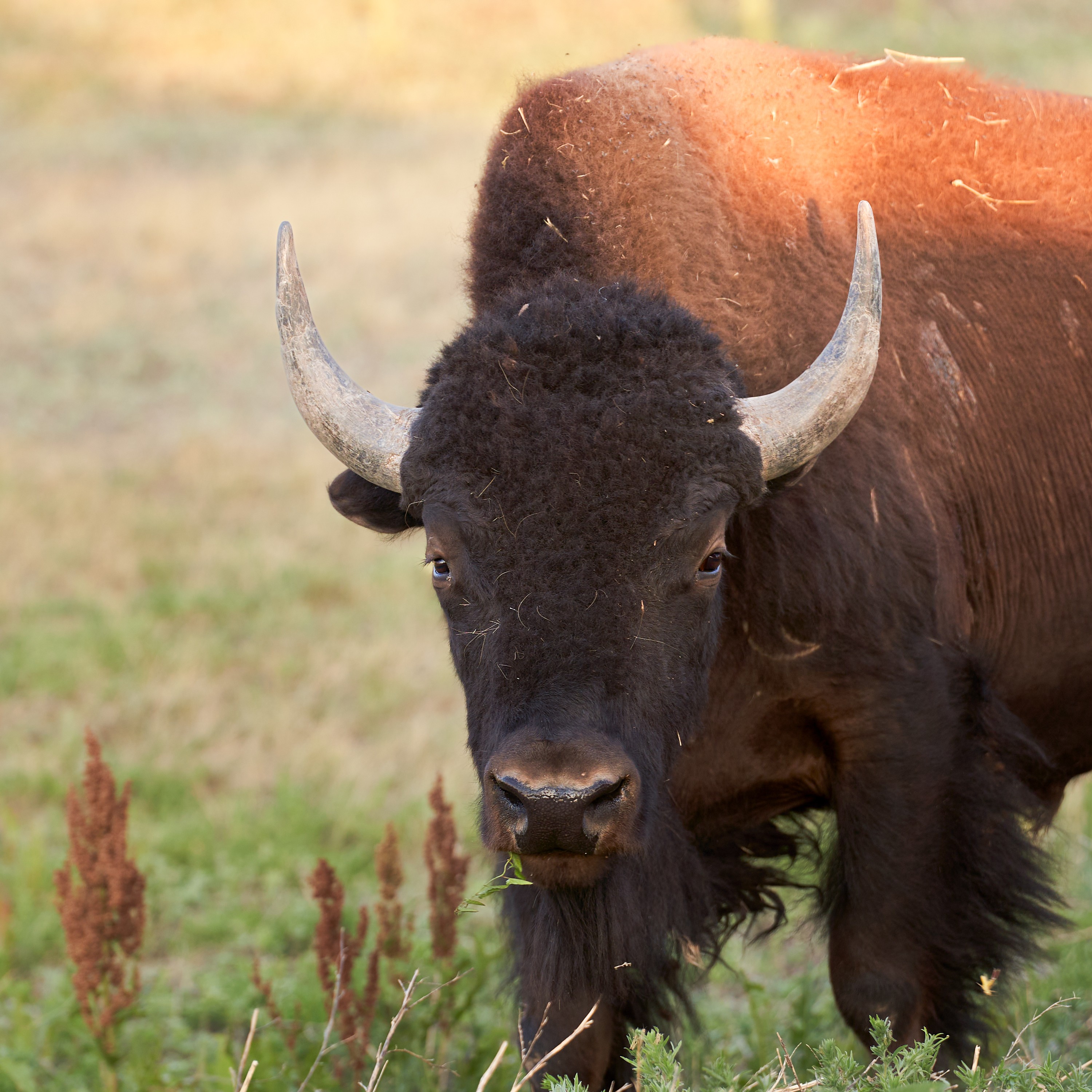
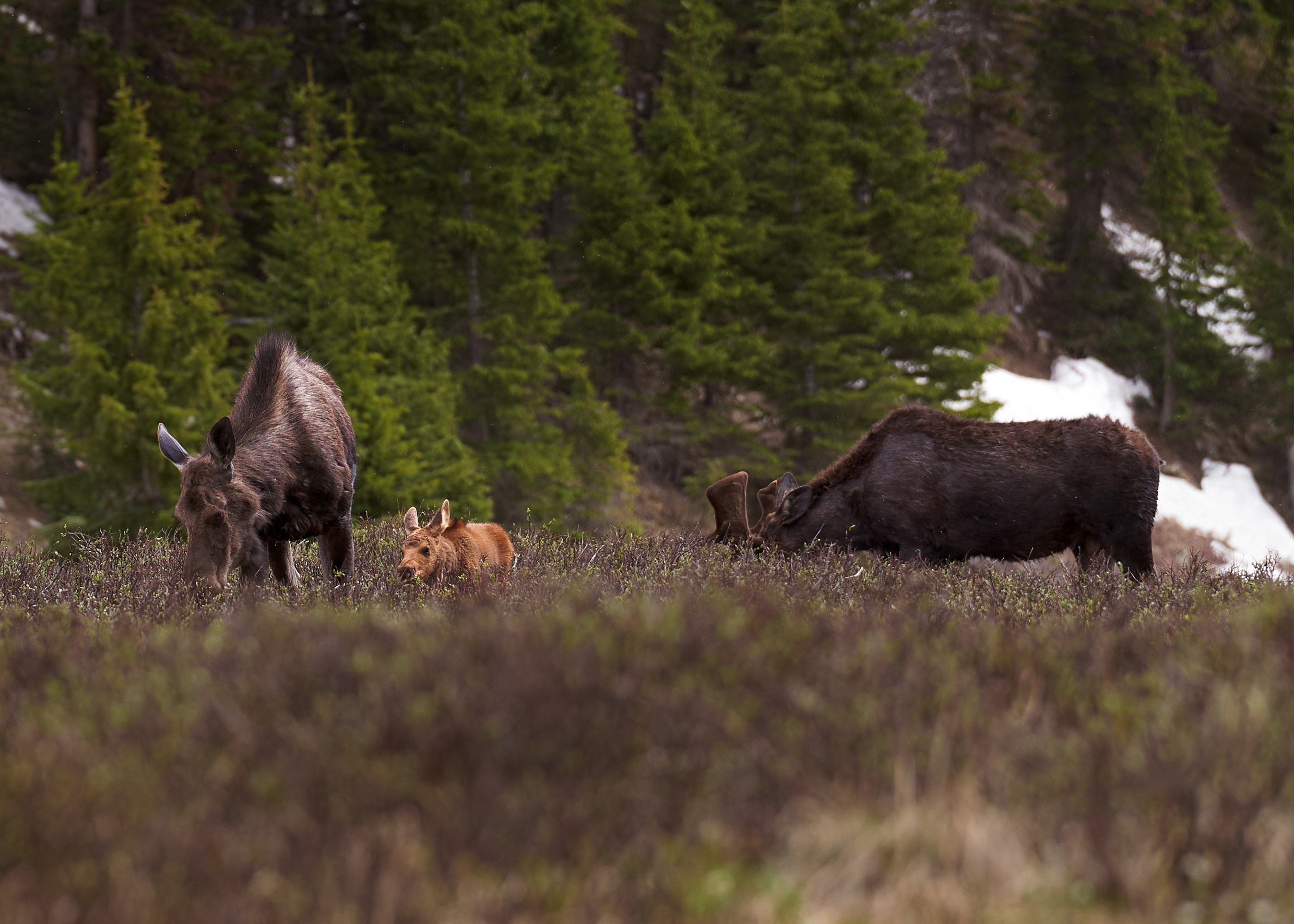
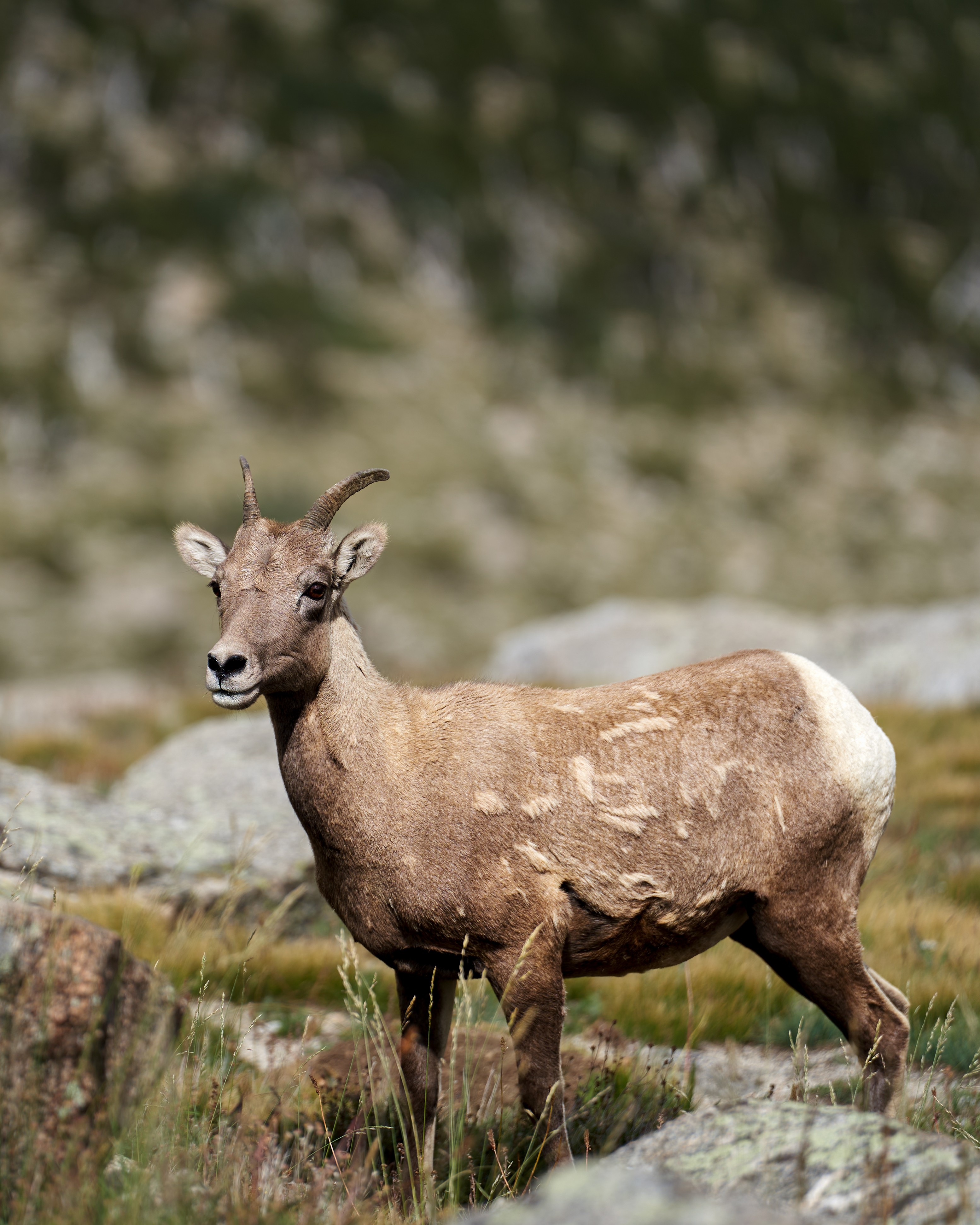
Wildlife photography ties it all together for me. When I’m out in the field I have my camera with me, and the photos I take help tell the story of these animals and why they matter. That’s really what drives me — using every tool I have, whether that’s technology, photography, or just showing up and putting in the hours, to advocate for wildlife and the wild places they call home.
Are there any apps, books, podcasts, blogs or other resources you think our readers should check out?
I am constantly trying to learn and grow, no matter where that comes from. On the photography side, I love watching other photographers on YouTube. Jen Ritchie Wildlife Conservation is a regular watch for me — she interviews someone new every week and I always walk away with something useful. I also browse the Sony Alpha Universe website from time to time, which has some great articles for Sony shooters.
One book that really stuck with me is Light, Space, and Time by David Duchemin. What hit me most was his perspective that telling the animal’s story is far more impactful than simply taking a great photo. That idea has genuinely changed how I approach my work, and it’s something I think about every time I’m out in the field. I’m actively trying to get better at it every single day.
Out in the field I rely on a handful of apps to make the most of my time outdoors. For navigation I use AllTrails, Gaia GPS, and COTrex depending on where I’m headed. And for bird identification, eBird is my go-to — it’s an incredible resource for birders and wildlife photographers alike.
Pricing:
- I sell prints current for $95
Contact Info:
- Website: https://www.brittanykruebbe.com/
- Instagram: https://www.instagram.com/brittanykruebbephoto
- Facebook: https://www.facebook.com/brittanykruebbephoto
- Twitter: https://x.com/BrittanyKruebbe
- Youtube: https://www.youtube.com/channel/UC0dtww683vPARKPLvhNy_qQ