

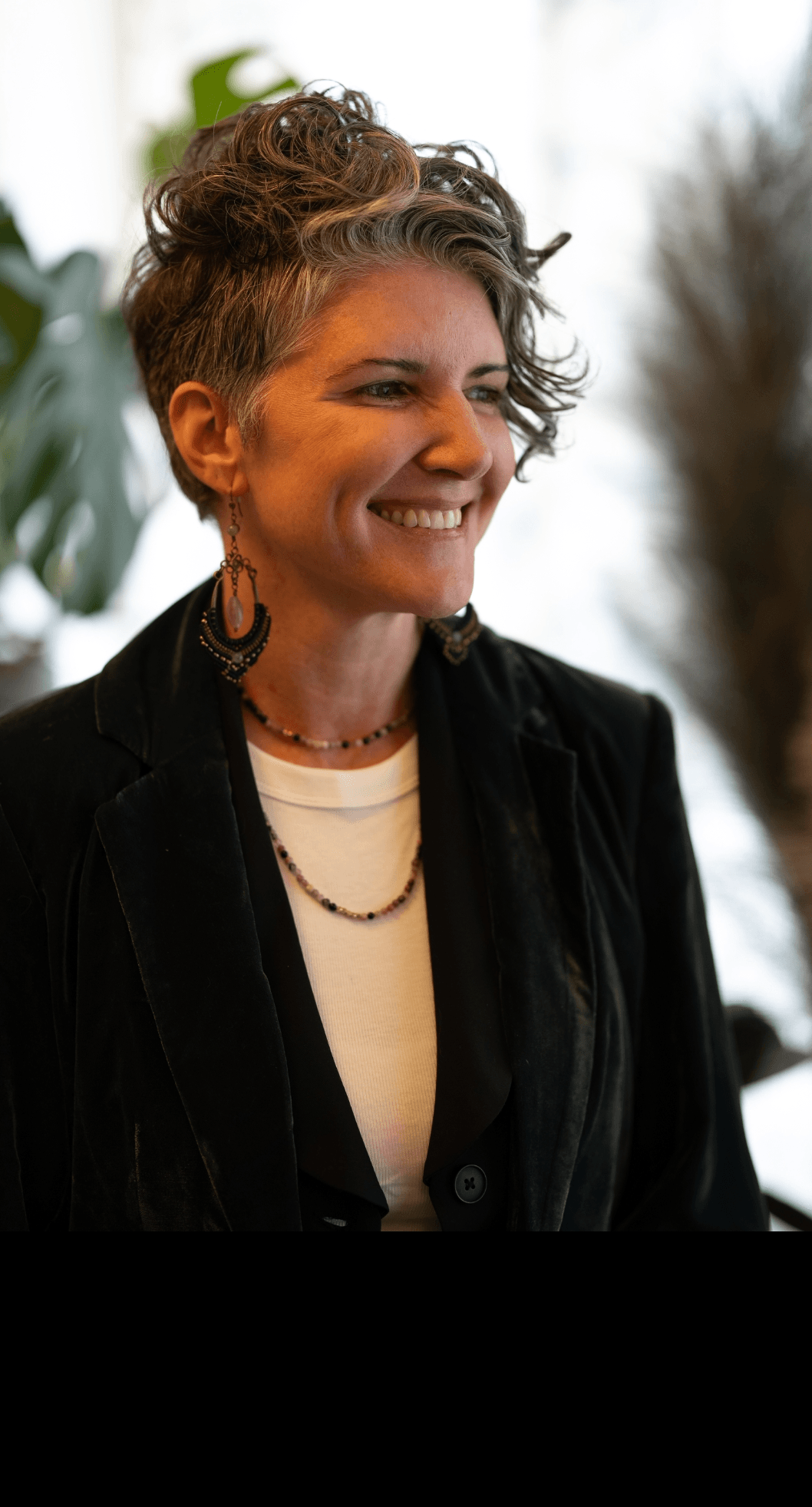
Today we’d like to introduce you to Cori Lemmon.
Hi Cori, thanks for sharing your story with us. To start, maybe you can tell our readers some of your backstory.
I’ve spent my adult life exploring the connections between the brain, nervous system, psychology, physiology, energy, and human health. My work began with a fascination for plants as medicine, which led me into herbalism, integrative medicine, and the remarkable ways the body responds to its environment. What started as curiosity became something of an obsession: understanding how our internal systems communicate, how patterns of electrical activity, physiology, and nervous system regulation influence our health and experience of life, and how we can intentionally shift those patterns through frequency-based feedback and technology.
As my work evolved, I became increasingly interested in the relationships between the brain and body, particularly how patterns of dysregulation can influence emotional well-being, learning, attention, physical health, and our ability to adapt to stress. I was drawn to the connections between challenges that are often treated separately, and to the possibility of working directly with the brain’s electrical activity to support meaningful change.
There is an extraordinary system of intelligence beneath our thoughts. We are constantly adapting to our environment, our experiences, and the demands placed on us. But sometimes those adaptations become deeply ingrained patterns that no longer serve us. We get stuck in states of stress, hypervigilance, exhaustion, pain, or overwhelm, and eventually those states can begin to feel like who we are.
My work is about helping people reconnect with their true nature, their natural capacity for regulation, coherence, stability, resilience, clarity, creativity, and vitality. Not simply managing symptoms, and not disconnecting feom the uncomfortable but cultivating greater flexibility and harmony within the brain and nervous system, expanding what’s possible in the way we feel, function, and experience ourselves.
Through my studies in neuroscience, psychology, functional medicine, and physiology, and more than a decade specializing in neurofeedback, I’ve developed a deep understanding of the relationships between brainwave activity, nervous system regulation, and physical and emotional well-being. I’ve reviewed thousands of quantitative EEG (qEEG) brain maps and drawn insights from thousands of clinical neurofeedback sessions. That experience has allowed me to recognize subtle relationships between conditions that are often treated as entirely separate problems.
Chronic stress, anxiety, OCD, ADHD, neurodivergence, autoimmune conditions, chronic pain, and nervous system dysregulation can involve overlapping physiological and neurological processes. Rather than viewing every challenge in isolation, I’m interested in how these systems interact and how changing patterns of brain activity may support greater flexibility throughout the nervous system.
At Thrive Neurofeedback Center in Boulder, Colorado, I’ve taken that understanding and developed a highly individualized approach to EEG brain mapping and neurofeedback training. I work with each person’s unique neurological makeup, designing and sequencing protocols that evolve as their brain responds. This often means thinking creatively, moving beyond standardized approaches, and integrating subtle observations that come from years of working directly with the brain.
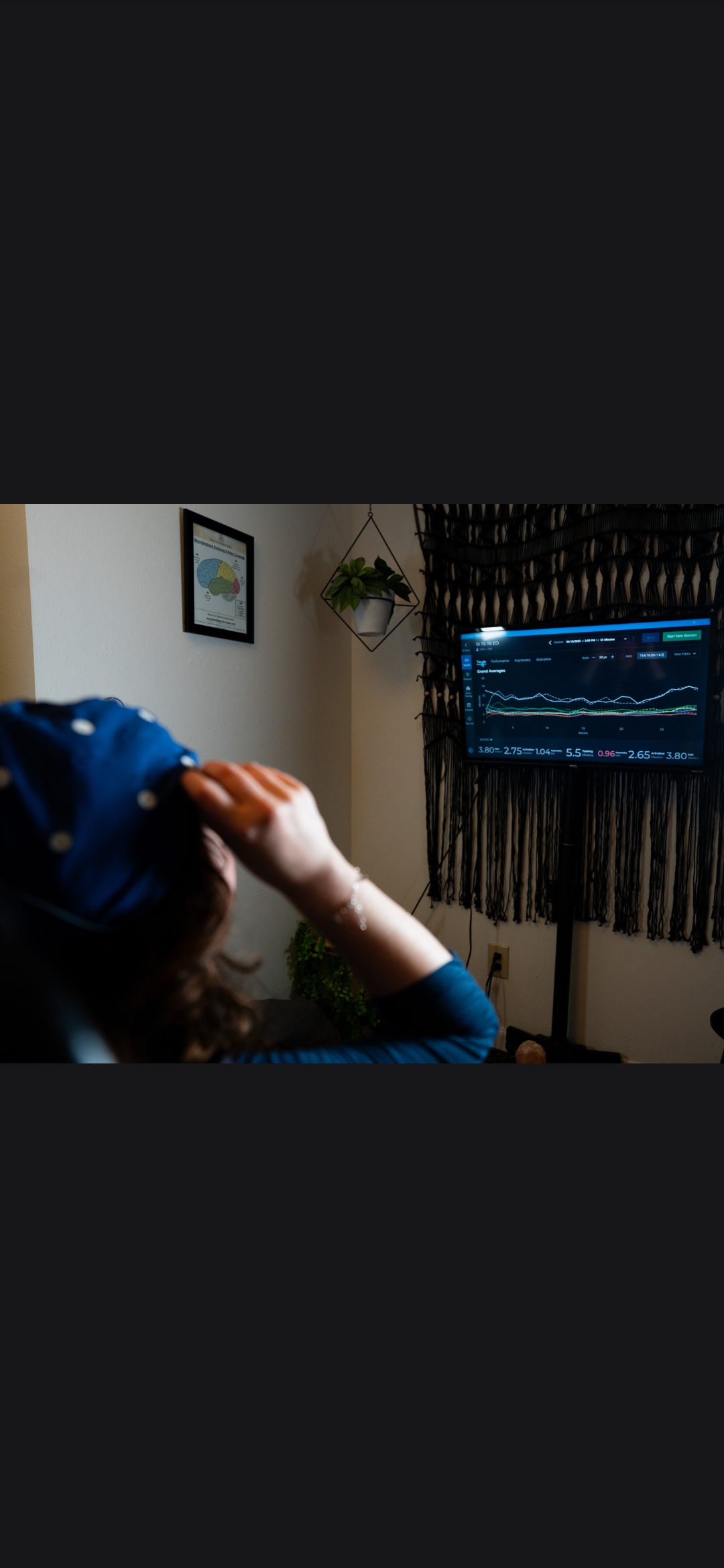
One of the most fascinating aspects of neurofeedback is that the brain learns through sensory feedback. We can use changes in sound, music, and visual stimulation to reflect brainwave activity back to the nervous system in real time. The brain begins to recognize and practice different patterns of activity, gradually developing greater flexibility and self-regulation.
I think of it musically. Rhythm, timing, frequency, and coherence all matter. When different systems begin working together more fluidly, the experience can be profound.
I’m especially interested in flow states: those moments when we’re fully present, engaged, creative, and effortlessly connected to what we’re doing. When the nervous system isn’t continually consumed by stress or protective responses, more of our capacity becomes available for attention, learning, connection, and creativity. We have more room to respond rather than react.
For me, this is where neurofeedback becomes especially exciting. It’s not just about addressing difficulties. It’s about expanding capacity, increasing resilience, and helping people feel deeply alive, safe and connected to themselves again.
The reality is we are electrical beings living in an electrical field with endless potential to shift, heal and grow towards safety and away from suffering.
Alright, so let’s dig a little deeper into the story – has it been an easy path overall and if not, what were the challenges you’ve had to overcome?
Obstacles & Challenges
One of the greatest challenges has been building a practice around an approach that doesn’t fit neatly into conventional medicine or even traditional holistic healthcare.
Brains are remarkably complex. Two people may both carry a diagnosis of ADHD, anxiety, OCD, or insomnia while having entirely different neurological patterns. I’ve learned that meaningful individualized care requires the ability to recognize relationships that aren’t always obvious, make sense of seemingly disconnected information, and move beyond cookie cutter protocols.
I put pieces together that medicine and the healing world often look at as separate problems. That’s become one of the most important aspects of my work, particularly with complex cases involving multiple diagnoses, chronic nervous system dysregulation, and symptoms that haven’t responded to conventional approaches.
Another challenge is that neurofeedback is still unfamiliar to many people, despite decades of scientific investigation and clinical use. People are often surprised to learn that professional neurofeedback uses real-time EEG technology to provide the brain with information about its own activity. It’s a noninvasive, medication-free form of tjerapy that can be remarkably simple and enjoyable for the person receiving it. And the results can be completely life changing.
It can be hard for people to grasp and even harder for people to belive that it could actually be so easy. People often seem to choose to stay in their pain than believe that frequency and technology could help them.
In our office, clients typically relax and watch a movie or listen to music while sensors monitor their brainwave activity. The feedback changes in response to what their brain is doing, creating opportunities for the nervous system to practice new patterns. There’s no need to consciously force the brain into a particular state.
The field itself is evolving rapidly. As awareness grows, consumers are encountering everything from simple wellness gadgets to sophisticated clinical EEG systems. While I welcome the growing interest in brain health, this range of technologies can make it difficult for people to understand the differences in equipment, assessment, practitioner expertise, and individualized care. The technology is only part of the equation. Knowing how to interpret the information, design effective training, and adjust protocols thoughtfully is where clinical experience becomes especially valuable.
Education has therefore become an important part of my work. I want people to understand their own brains, recognize the patterns influencing their experience, and feel more connected to their capacity for change. That understanding can replace some of the fear and confusion surrounding complex symptoms with greater clarity, confidence, and autonomy.
I also think one of the greatest challenges facing us today is the sheer demand being placed on the human nervous system. We’re living in an environment of constant stimulation, information, pressure, and uncertainty. More people are struggling with attention, sleep, emotional regulation, chronic stress, and exhaustion. Our nervous systems are continually being asked to adapt.
I believe we need to think beyond simply getting people back to baseline. We need to help people develop the flexibility and resilience to function well in the world we’re actually living in, while also rediscovering what it feels like to be calm, present, creative, and genuinely well.
That’s what continues to drive my work. I love making connections, recognizing patterns, and finding ways to translate complex neuroscience into something practical and transformative. And I believe the possibilities for how we understand and train the brain are still expanding.
What are your plans for the future?
Future Plans
I’m especially excited about where neurofeedback and brain-based technology are heading. After more than a decade of clinical work, I’m increasingly focused on how to bring the depth and sophistication of individualized neurofeedback to more people, without losing the expertise and personal attention that make it valuable.
At Thrive Neurofeedback Center, we’ve already developed an at-home neurofeedback training program that allows clients to continue their individualized training remotely, with professional guidance and oversight. I’m looking forward to expanding access to this program, particularly for people whose schedules, locations, or health challenges make regular office visits difficult.
I’m also moving further into teaching, mentoring, and training other practitioners in advanced clinical neurofeedback. There’s an enormous difference between learning to operate neurofeedback equipment and developing the ability to interpret complex neurological patterns, recognize relationships across systems, and design sophisticated, individualized training protocols. I’d love to help more practitioners develop that level of clinical understanding.
Another exciting part of my work involves collaborating with multiple technology startups exploring new approaches to brain health, nervous system regulation, and immersive therapeutic experiences. I’m particularly interested in the intersection of EEG, frequency, sound, sensory feedback, and emerging technologies that could make sophisticated brain-based training more accessible and engaging.
Ultimately, I see tremendous potential in moving beyond symptom management toward a more expansive understanding of human capacity. Greater coherence, adaptability, resilience, creativity, and access to flow states.
I happy to be part of shaping that future, bringing together clinical experience, innovative technology, and a deeper understanding of what the human brain and nervous system are capable of.
Contact Info:
- Website: https://Neurofeedback-Boulder.com
- Instagram: Thrive.neurofeedbackcenter
- Facebook: ThriveNeurofeedbackCenter