



Today we’d like to introduce you to Gabriel Posner
Hi Gabriel, so excited to have you on the platform. So before we get into questions about your work-life, maybe you can bring our readers up to speed on your story and how you got to where you are today?
I got into the work I do for two reasons. First, I’ve always been curious about people, their personalities and behaviors. I studied psychology, which I found utterly fascinating, but upon graduating with my bachelor’s degree, I went straight to massage school. I liked the idea of having an immediate positive impact on people’s lives through therapeutic touch. Also, from a young age, I found I enjoyed massaging people’s feet, hands, and shoulders. Secondly, in my early twenties, just as I was finishing massage school, I began to suffer chronic musculoskeletal pain. My neck would regularly spasm and my wrists and hands felt arthritic. You could blame it on playing saxophones most of my life or some childhood trauma that got me all wound up. But, either way, by the time I started my career as a massage therapist, I was spending most of the money I made on treatments to keep me functioning. I was 24, but I felt like I was 80.
Luckily a colleague suggested I check out the work of Thomas Hanna. I picked up his book, Somatics and it made a ton of sense. So, I started exploring the movement practices he described at the back of the book. This was the first thing I tried that fully delivered what it promised. I began to slowly but steadily unwind and reverse not just my musculoskeletal pain. Surprisingly, my digestion and asthma also got better. Turns out, I had been suffering from a chronic stress response. I had been stressed out for so long that I didn’t even notice it. Like the frog swimming in slowly boiling water, chronic tension and stress had become so normal to me that I was unaware of it. All these symptoms were popping up, but I didn’t know why until I started to unwind and relax.
So, I signed up for the Hanna Somatics practitioner training and since 2006 have been sharing this work with others. Along the way, I also went to grad school and earned a doctorate in Mind-Body Medicine so I could contribute to the research foundation for this work. I love working with clients, training new practitioners, and helping to develop and run research projects on this powerful somatic practice.
Alright, so let’s dig a little deeper into the story – has it been an easy path overall and if not, what were the challenges you’ve had to overcome?
I find that in the midst of this life it sometimes can be hard to know where I’m going and if I’m doing all the right things. But then, when I look back, it’s a straight, smooth road leading right to where I am. The challenges around what I do are simply that it is unfamiliar to most people. They haven’t heard of somatics and can’t imagine how it could be helpful for them. I get it. There are a million different wellness practitioners out there offering seemingly just as many types of treatments. If I can get people open to just check it out, the direct experience of this work is clarifying and significant changes can happen fairly quickly. So the struggle is just getting people to try it.
As you know, we’re big fans of Elevated Somatics. For our readers who might not be as familiar what can you tell them about the brand?
My primary business is a private practice for clinical somatic work. A lot of somatic work is done by psychotherapists, who will guide people to connect with their body to process and release stuck emotion and trauma. The type of somatic work I do can similarly help with emotional issues and unresolved trauma, but it’s even better for people with musculoskeletal conditions. Back spasms, tight necks, arthritic joints. Generally speaking, these are the aches and pains we typically associate with aging. Most people with joint and muscle pain don’t have any obvious pathology. They get MRIs and Xrays only to discover that their physical structures look okay. This means the issue is that they have become stiff and disconnected from their body. We unconsciously maintain stiffness corresponding with heightened resting muscle tension, meaning when we think we are at rest, our muscles are still working hard to maintain stiffness. This tends to intensify as we age, but it is absolutely avoidable and reversible. The clinical somatic movement practice I do is the best way I’ve found for myself and my clients to address these issues.
I really enjoy helping people regain mobility and rediscover a love of movement and physical activity. I’ve helped athletes recover quickly from injuries and retirees take the long hiking trips they’ve been dreaming about for so long. I’ve also helped people avoid unnecessary orthopedic procedures while guiding others to recognize that they probably do need a new hip.
I offer one-on-one sessions at my office in the Highlands, movement workshops, and a regular online group class. I’m currently the only practitioner offering this work in Denver and one of only three in Colorado.
Are there any important lessons you’ve learned that you can share with us?
The most important thing I’ve learned is that you’ll never feel like you’re completely ready to do something new. Instead, once you realize the path you need to take, just start in that direction. You can only get fully comfortable with a plan by doing it.
Pricing:
- Private Sessions – $100-140/hour
- Group Classes – $15/hour
Contact Info:
- Website: https://www.elevatedsomatics.com
- Instagram: https://www.instagram.com/elevated_somatics/
- Facebook: https://www.facebook.com/ElevatedSomatics/
- Youtube: https://www.youtube.com/@SomaticBodywork
- Yelp: https://www.yelp.com/biz/elevated-somatics-denver
- Other: https://www.tiktok.com/@soma_to_soma?is_from_webapp=1&sender_device=pc
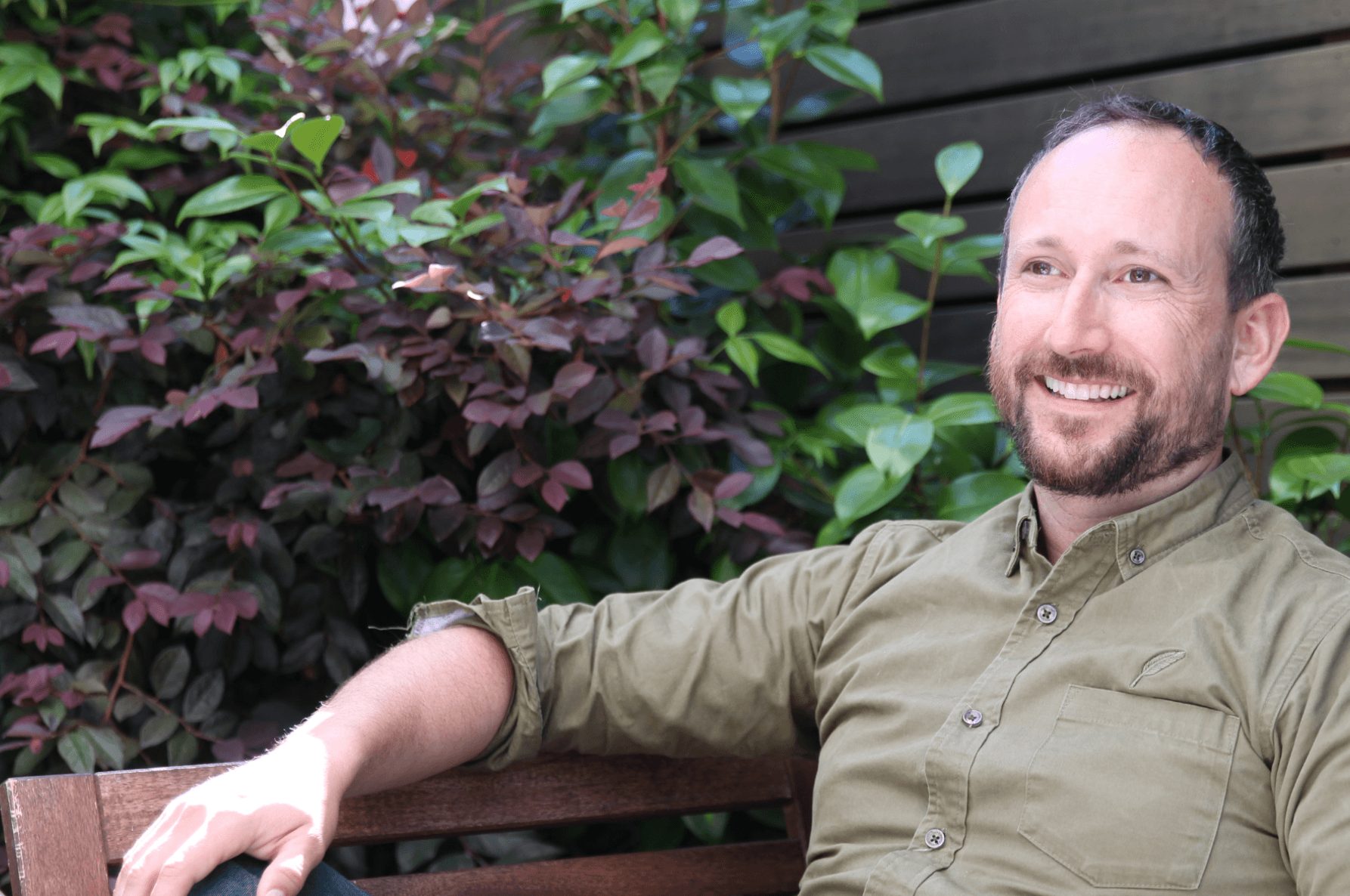
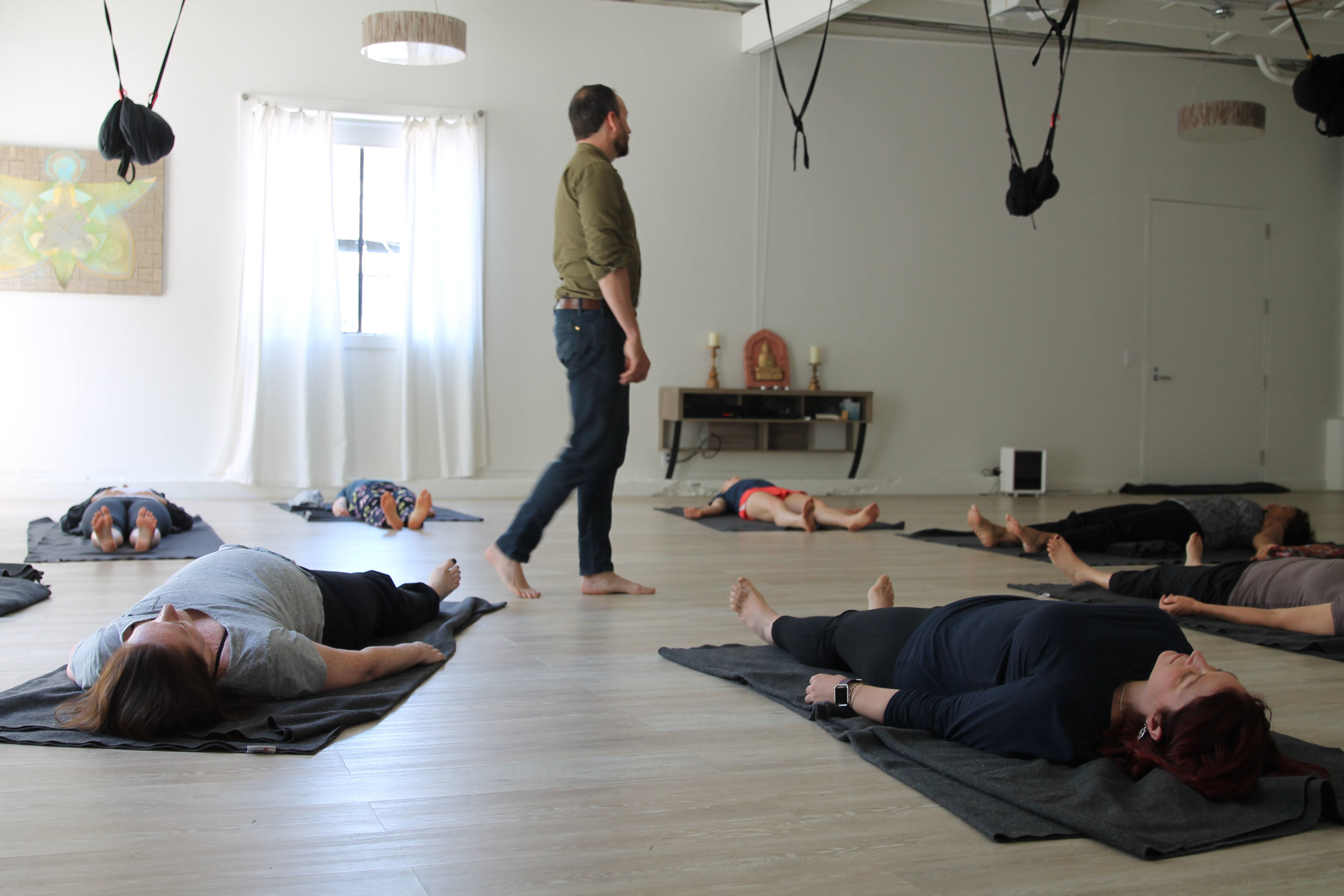
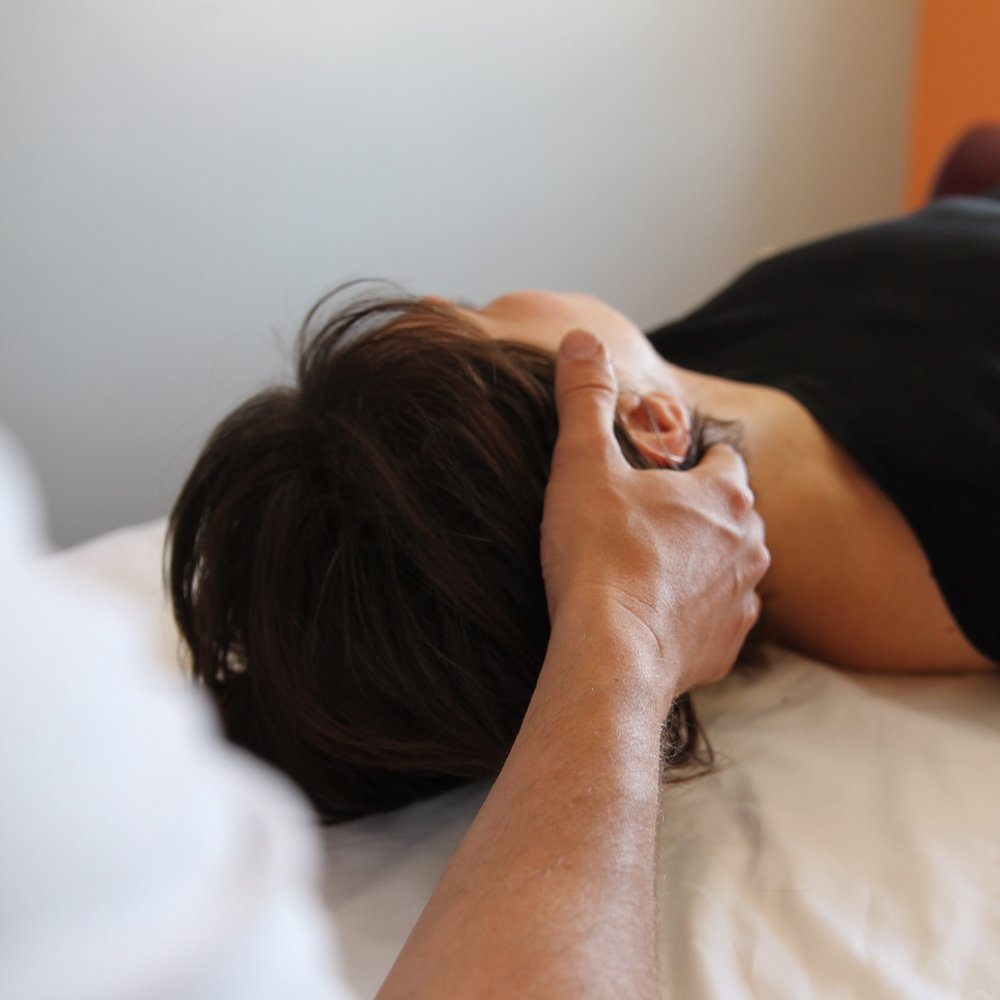

Image Credits
Kendra Adler
Popular
-

The Trailblazers: Rewriting the Narrative
-

Celebrating the Spotlight: Kaytee Shashore Turns Milestones Into Momentum
-

Humanity in the Machine: Alexander Raye Pimentel’s Cyborg Recall Questions the Cost of a Data‑Driven World
-

Raemi Anderson on Courage, Caution, and Answering the Call of the Landscape
-

Hidden Gems: Local Businesses & Creatives You Should Know


