



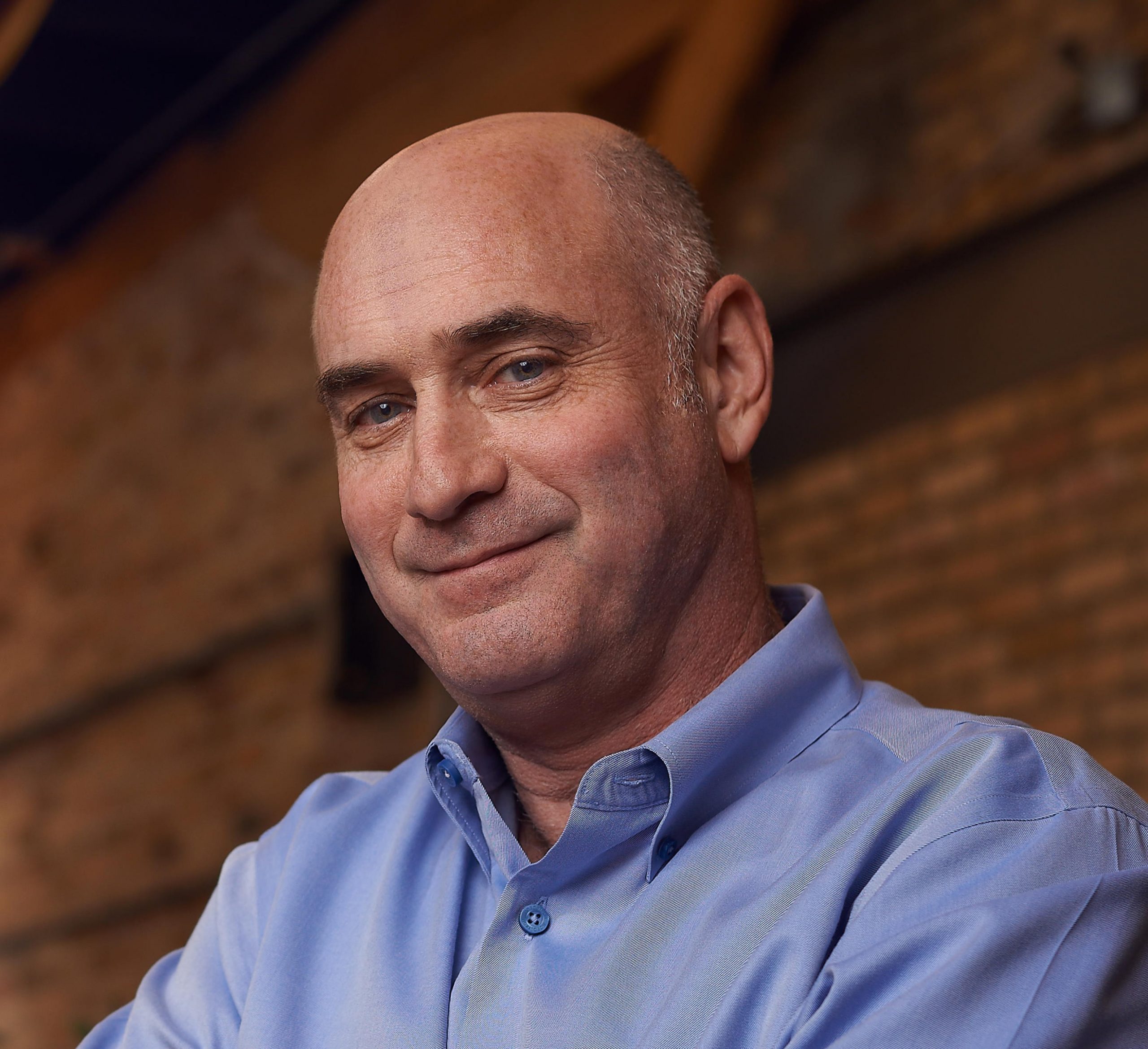
Today we’d like to introduce you to Nathan Kipnis
Hi Nathan, please kick things off for us with an introduction to yourself and your story.
I grew up in the northern suburbs of Chicago.
When I was a little kid, 6 years old, I knew I wanted to be an architect. In 4th grade my art teacher also told me I should be an architect.
When I was 12, in 1973, the energy crisis made me want to be involved with solar design. I had seen magazine covers from Popular Science and Popular Mechanics that showed (primative) solar homes and that convinced me that I wanted to be involved with that.
I went to undergrad college at CU Boulder from ’79 to ’83 where I obtained my Bachelors of Environmental Design. I designed my first solar home, in Boulder, when he was just 22 years old.
I then went to Arizona State University to get my Masters of Architecture with an emphasis in Energy Conscious Design. After working in Tempe for two years after graduation, I moved back to Chicago.
There wasn’t much interest in sustainable design at that time, so it took quite a while to begin implementing that into my work.
I started my own firm, Kipnis Architecture + Planning (KAP) in 1993, which is based in Evanston, IL. I entered the Green Homes for Chicago international design competition in 1999 and my design was one of five winning entries that were built.
I then was a consultant for the Green Bungalow Initiative in 2001. This program consisted of renovated five different vintage bungalows on the same block in Chicago, each with a different program and showcasing different sustainable technologies. After that we started getting more and more sustainable commissions.
In 2010, I was asked to be an original committee member of the AIA’s 2030 Commitment Working Group in Chicago as the small firm representative. The goal of the 2030 Commitment is to get all architects to design net zero buidings by 2030.
In 2014 I was asked to be on the AIA’s national 2030 Commitment Working Group in DC. In 2018 and 2019, I was the co-chair of that committee.
In 2019 I served on the AIA’s national Sustainability Leadership Group. From 2021-20 I was an inaugural member of the AIA’s national Committee on Climate Action and Design Excellence. That group helped work on the AIA’s Framework for Design Excellence. I am currently serving on the national executive committee for the AIA’s Small Firm Exchange, helping to get the word out about sustainable and resilient design to the AIA’s small firm members.
In 2020, I opened a branch office in Boulder, Colorado.
My firm’s focus is on high performance projects, primarily high end single family homes, along with multi-family projects, office, retail, restaurant and airport facility design.
The firm’s tagline is ‘High Design/Low Carbon™’. The firm was working on high levels of sustainable design long before it was in vogue. We have designed several LEED Platinum homes, and more recently we have completed three certified Passive Houses – two in Evanston, IL and one in Carbondale, CO.
One of the Passive House’s recently won a local design award, an Illinois AIA design award and an international ‘Built’ award.
I have lectured extensively throughout the country on sustainable design, resilient design and embodied carbon in construction. I have been the featured presenter on a number of national webinars as well as the AIA’s AIAU learning center.
Viewing the mission beyond my own practice of architecture, I was instrumental in helping to develop the idea of an offshore wind farm in Lake Michigan off Evanston’s shoreline. The work led to a Design Evanston Urban Design/Planning award, and the project is now on the DOE’s list of potential offshore wind farm sites.
My firm’s work is guided by the idea that architectural design excellence need not be sacrificed for principles of sustainability. Rather, we believe sustainable design expands the possibilities for innovative architectural forms, construction methods and the use of materials.
Stylistically, my firm’s designs are the creative synthesis of the client’s wishes and the site’s context. As such, we excel at a wide range of styles, including modern, transitional, and historic aesthetics.
Additionally, I have a part of the firm that is dedicated to taking sustainability, resilient design and wellness to very high end residential projects. NextHaus Alliance is a team of selected premier design and build firms in the Chicago area committed to incorporating sustainability and resilient design into beautiful homes. We may be opening that up to the Denver region in the future.
I’m sure it wasn’t obstacle-free, but would you say the journey has been fairly smooth so far?
The biggest struggle had been getting clients to understand sustainability and, in particular, resilient design. With the recent string in the news of climate change induced impacts to various communities, this has become less of an issue.
Alright, so let’s switch gears a bit and talk business. What should we know about your work?
In addition to the focus on sustainable, resilient and healthy design, which can be very technical and mainly hidden from view, I try to integrate these topics in the Architecture (with a capital ‘A’!) of the project. We have done a series of ‘birthday monuments’ that take a date that has significant meaning to a client, and have it reflected in the design of their home. This generally takes the form of a ‘solar monument’. For example, on one house in Boulder we have a long hallway that narrows down and its ceiling gets lower as it progresses to a rotunda at the end of the hall. Above that is a circular skylight. On the client’s birthday, the sun passes through the circular rotunda and, at noon, lands in a parabolic shaped arch.
For another home, on the client’s birthday, we have the line of the sun hit a certain tile joint in the floor.
Additionally, we have used design elements such as a ‘light shelf’ for both functional aspects as well as aesthetically. The light shelf is a horizontal element set above a series of windows, with additional transom windows above it. The light shelf is designed to block the high summer sun, while at the same time bouncing the sun up through the transom windows and up onto the ceiling, thereby providing daylighting deep into the space. In the winter, it still bounces light deep into the space (actually even deeper) while allowing the low winter sun to provide passive solar heat gain.
Between celebrating the sun and using it to provide additional daylight, we are skilled at taking advantage of what the site and the project’s program offers us.
Any advice for finding a mentor or networking in general?
I spent a lot of time marketing. I attend a number of events where I might run into potential clients. Realtors are also a very key part of our marketing, as they have access to people that are looking to either do significant renovations or additions, or want to build new homes.
We have used PR firms for the last seven or eight years now. Because of that, our PR firm knows that when weather related events occur, they promote me to the local media to provide expert advise and commentary on what is happening and what someone can do with their home.
We have also been an active promoter of Houzz and have found success on that particular platform.
Marketing is a long term play, so it takes patience and a strategy that you have to follow over time.
Contact Info:
- Website: https://www.kipnisarch.com
- Instagram: kipnisarch
- Facebook: https://www.facebook.com/kipnisarchitecture
- LinkedIn: https://www.linkedin.com/company/nathan-kipnis-architects-inc


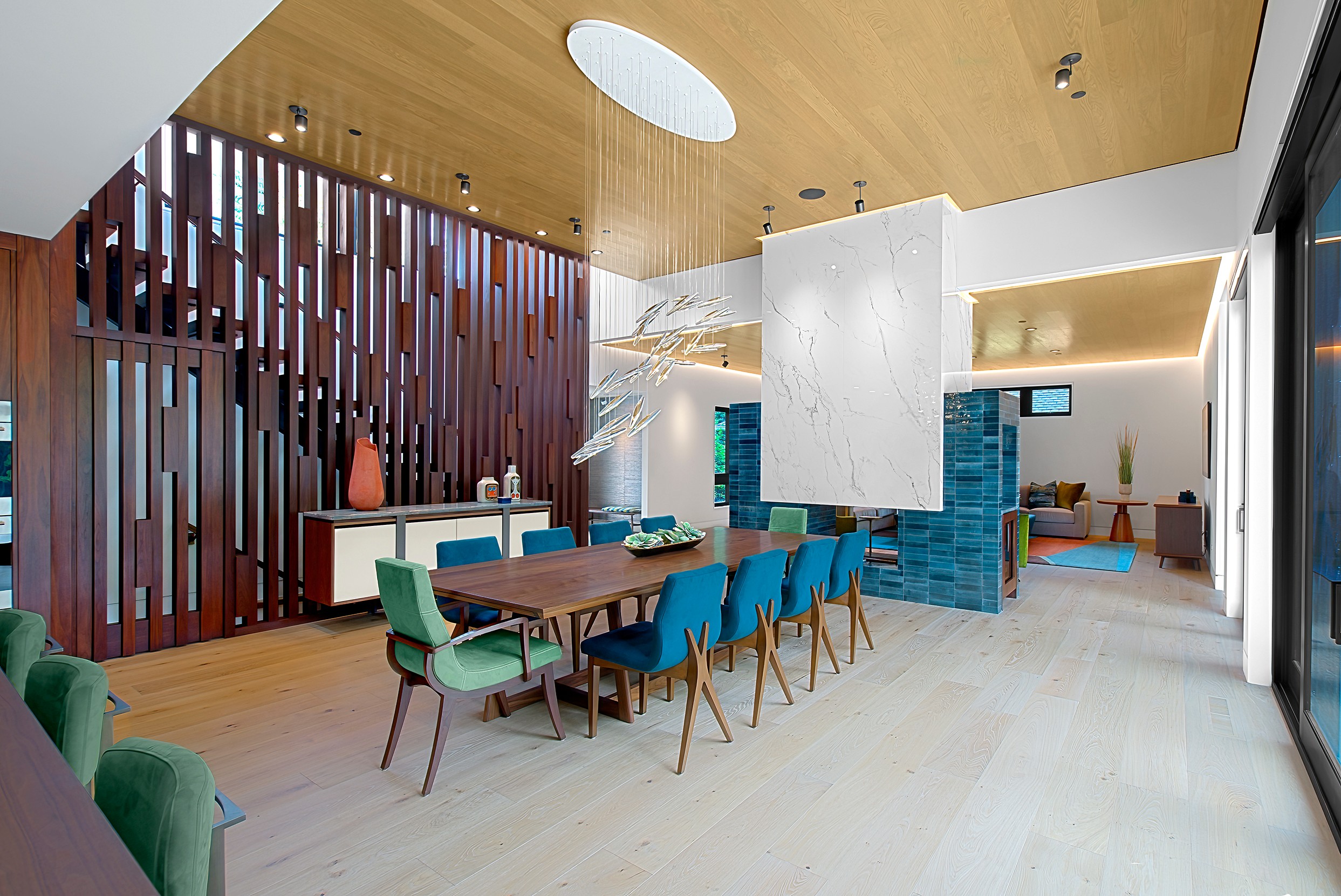
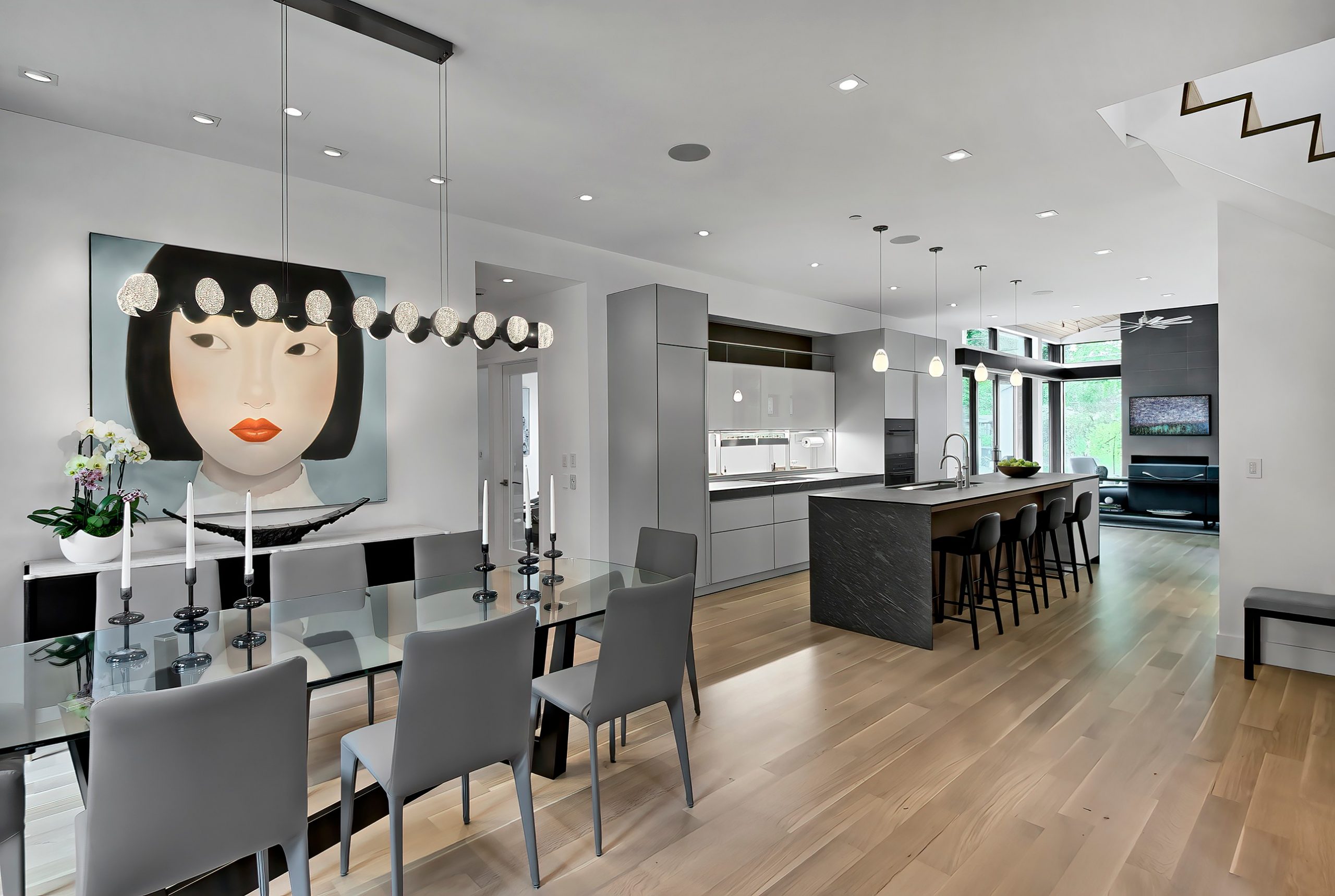


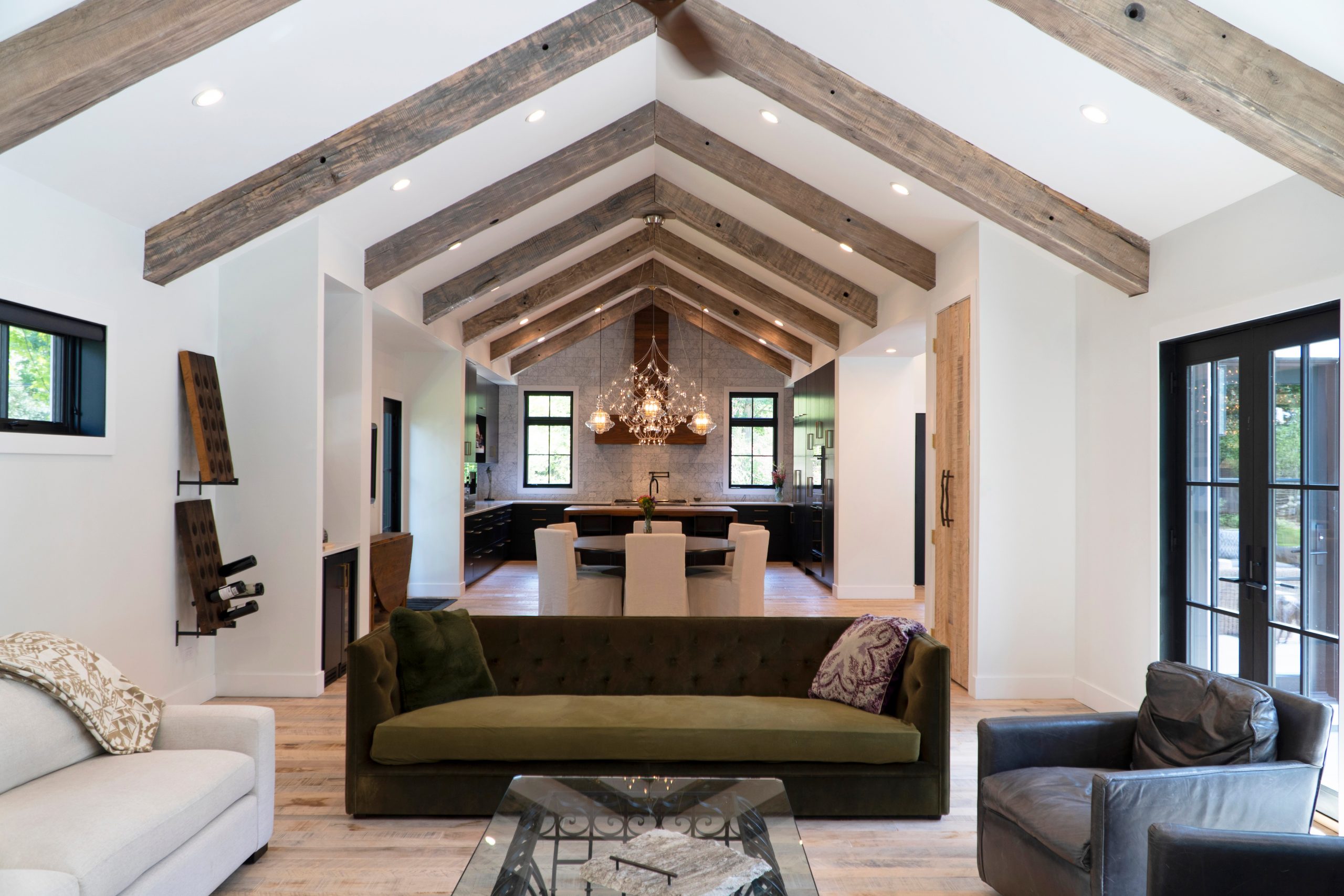
Image Credits
©2025 Norman Sizemore
©2025 AJ Brown Imaging
Popular
-

The Trailblazers: Rewriting the Narrative
-

Celebrating the Spotlight: Kaytee Shashore Turns Milestones Into Momentum
-

Humanity in the Machine: Alexander Raye Pimentel’s Cyborg Recall Questions the Cost of a Data‑Driven World
-

Raemi Anderson on Courage, Caution, and Answering the Call of the Landscape
-

Hidden Gems: Local Businesses & Creatives You Should Know


