



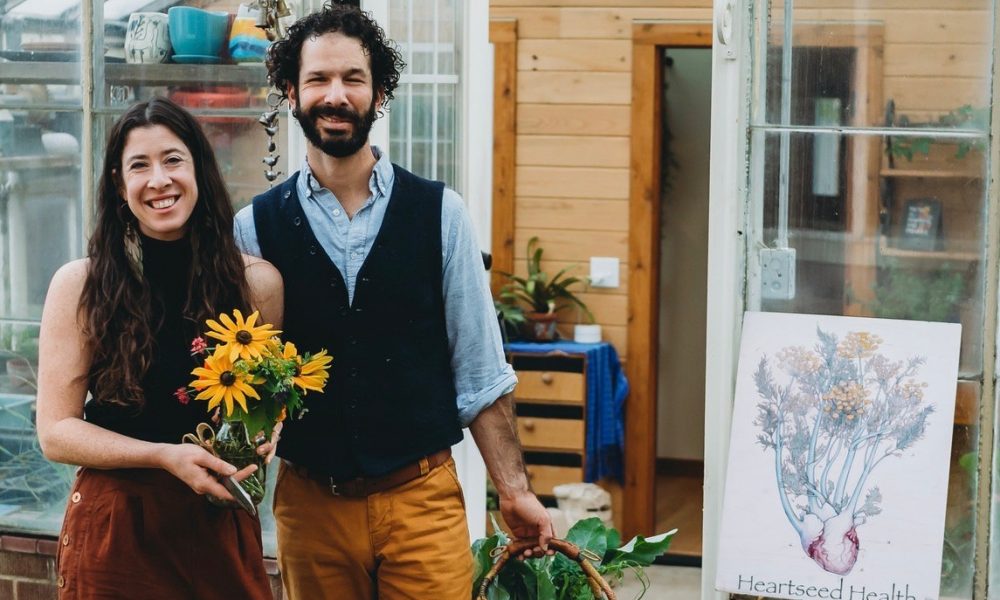
Today we’d like to introduce you to Noah Goldstein.
Hi Noah, thanks for sharing your story with us. To start, maybe you can tell our readers some of your backstory.
When Rachael and I first started dating, we dreamed of opening some sort of holistic health community center. This was before either of us had any training or understanding of what that would entail. We were just young bright-eyed eye bushy-tailed idealists with a dream.
In 2017, right as Rachael and I were preparing to welcome our second child into the family, we decided to create a practice together (we’d previously been working on our own). The vision was a bit simpler at this point, we’d offer therapy, acupuncture, coaching, and herbal medicine, and see where we could go from there. Tending to our children took a lot of our focus and energy so that youthful dream of a holistic healing community center was downsized to something more realistic for us.
We dreamed of what we would call this fledgling shared practice and came to delight in the name, Heartseed Health. As gardeners and animists, the seed felt like the perfect embodiment of the work we do – tucked in place to blossom and grow. And obviously, it’s the heart from which this growth blossoms.
The essence of our work is to connect people with themselves more deeply. And it’s also about helping them unkink the hose, so to speak so that things can flow more easily in their lives. I mean, the reality is that we all live in a kind of crazy world, and we’re juggling so much, and it’s easy to lose track of ourselves in it all, and to default to a way of living that’s just “meh” or “fine” or even sometimes a way of living that’s outright shitty but we can’t see a way out of it.
So, Rachael and I are all about finding a way back into a life that, while it may include challenges and pain because, let’s face it, real life does, also includes joy and connection, and when possible ease and grace.
Whether it’s acupuncture, coaching, therapy, or herbal medicine, we’re always focused on holding space and support in a way that makes tangible and meaningful changes in people’s lives. As our kids got older, I also expanded to offer men’s groups through the Council of Fathers and other workshops.
We all face challenges, but looking back, would you describe it as a relatively smooth road?
That depends on how you look at it. Boulder is a town with many great therapists and acupuncturists and we’re happy to have joined the ranks. But, starting and growing a practice, especially for me as an acupuncturist specializing in Mental Health, hasn’t been simple.
I think there are a few things at play. First, there’s just the noise of the world. It can be challenging to get the word out and across to people about the work you do when there are so many things vying for people’s attention. It also took me a while to get good at explaining what I do, and how it may be relevant to people.
But probably the biggest obstacle, which still exists, is finding and connecting with people who are ready willing, and able to make the time to care for themselves in this way. As a society we don’t prioritize slowing down, listening to our hearts, pausing from the shuffle, or making time for ourselves. And there are plenty of systemic reasons that make it difficult.
Those are the things that are sometimes required to make real changes in our lives. But change can also be scary or uncomfortable, and staying busy and a victim of our calendar can somehow feel easier. I mean, as a culture we also don’t support taking care of ourselves systemically in terms of the expectations we create for ourselves and each other at work and with the siloed lives the nuclear family system creates.
Also, Acupuncture and Therapy aren’t as shiny and exciting as say an ayahuasca retreat, not to say there’s anything wrong with that, but the shifts in people’s lives that occur from consistent and ongoing tending to themselves are more dramatic than what I’ve seen happen for people from a one-off peak experience.
So, building a practice takes time and is ongoing. People get better and no longer need support, which is what we want, and then we have to make new connections with new folks who can benefit from what we offer.
Thanks for sharing that. So, maybe next you can tell us a bit more about your business?
It wasn’t until a few years into our practice that I explicitly announced my acupuncture specialization in Mental Health. I utilize herbs, acupuncture, and coaching to support people with anxiety, depression, trauma, and complex trauma as well as people moving through major life transitions (out of college, into parenthood, into empty nest life, career shifts, death of a loved one, etc.).
Acupuncture supports the body and nervous system in a way that allows for deeper and easier psychological and emotional processing, which is supported by somatic coaching. Some people have even [likened it to psychedelic-supported therapy (https://heartseed.substack.com/p/20244274_is-acupuncture-psychedelic-medicine). In many cases, if it’s relevant, herbal medicine can serve as an alternative to psychiatric medications.
It’s a uniquely holistic and full-bodied approach and offers some special opportunities. One commonly addressed complaint is “triggers,” especially for parents of young children.
I can also work in tandem with a psychiatrist to help wean people off of their psychiatric medications using herbs and acupuncture to support that transition. People who are interested in psychedelic-assisted therapy but not ready to leap into trying psychedelics have found acupuncture with somatic coaching offers a unique bridge. People who are utilizing psychedelics and want support with the integration process, find acupuncture paired with somatic coaching to be an incredibly vital way of translating big insights into long-term embodied living.
Rachael works with people in a lot of similar situations as a therapist. She is a somatic therapist, which means she also incorporates a lot of awareness of and connection to the body. She also does a lot with nature, seeing clients by the pond or walking the land with them if that’s relevant, meaningful, or appropriate. Rachael includes a lot of rituals in her work as well as a way of helping people get grounded and centered or release and let go of things no longer serving.
Are there any important lessons you’ve learned that you can share with us?
I recently wrote [an article reflecting on a decade of practicing medicine (https://heartseed.substack.com/p/reflections-from-a-decade-practicing). In it, I share that my biggest lesson is the centrality of Love in healing and in the work we do.
It may be simple or even cliche, but I believe that the inclusion of love, and please call it compassion, empathy, big-hearted care if that works better for you, the inclusion of Love for the support we offer, whether it’s acupuncture, coaching, therapy, or herbal medicine, makes a vital impact on the healing process.
It’s such an honor to be able to hold people’s suffering in a dignified manner. We wish we saw it more in the medical and therapeutic worlds, but we are grateful to be able to include it in our work.
Pricing:
- We use an equity pricing model (more on our website: https://www.heartseedhealth.com/equity-pricing-model)
- Market Rate: $150 -$180
- Sustain Rate: $100-$149
- Redistribution Rate: $180 – $250
- Solidarity Rate: $75-$99
Contact Info:
- Website: https://www.heartseedhealth.com/
- Instagram: https://www.instagram.com/heartseed.health/
- Facebook: https://www.facebook.com/HeartseedHealth/
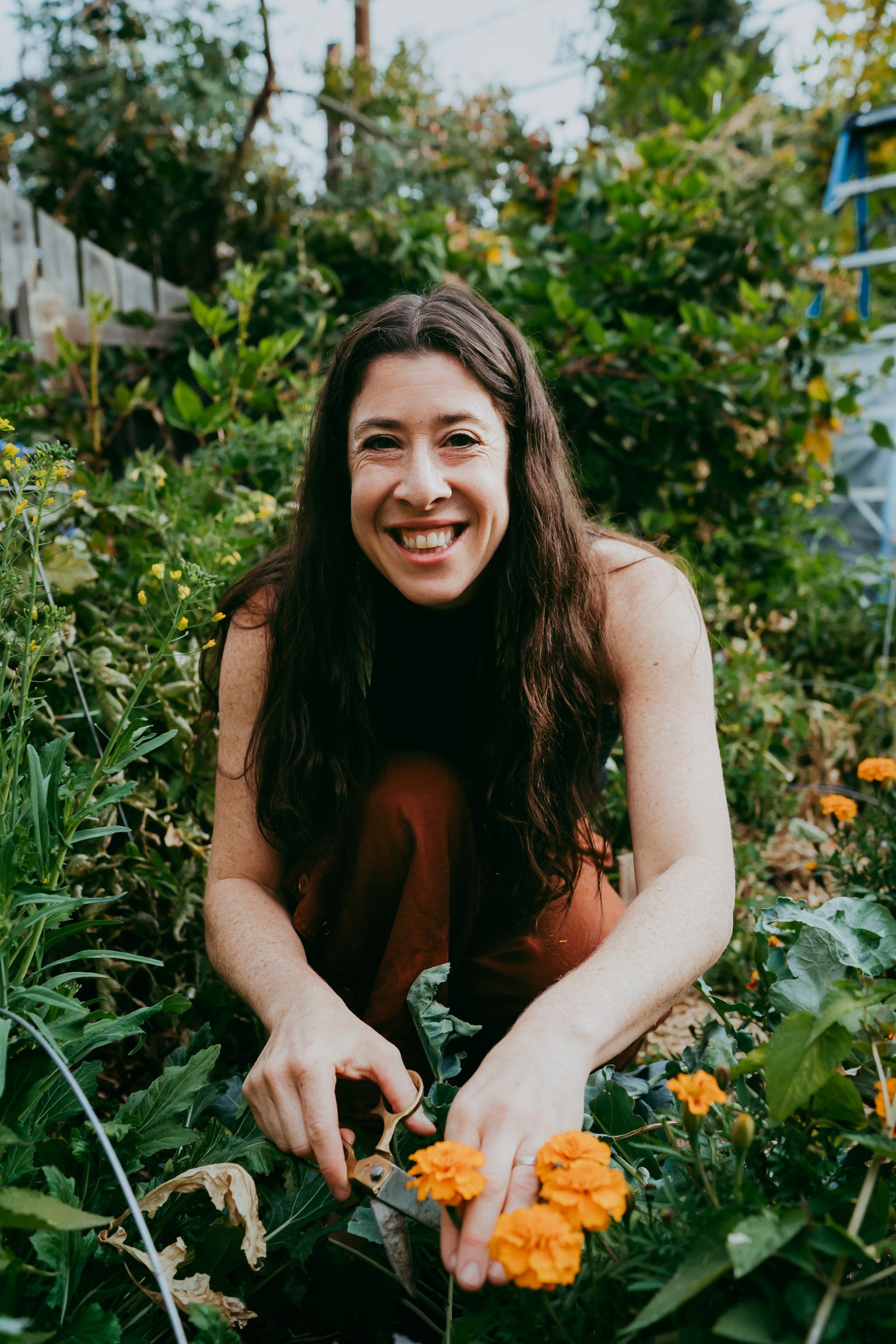

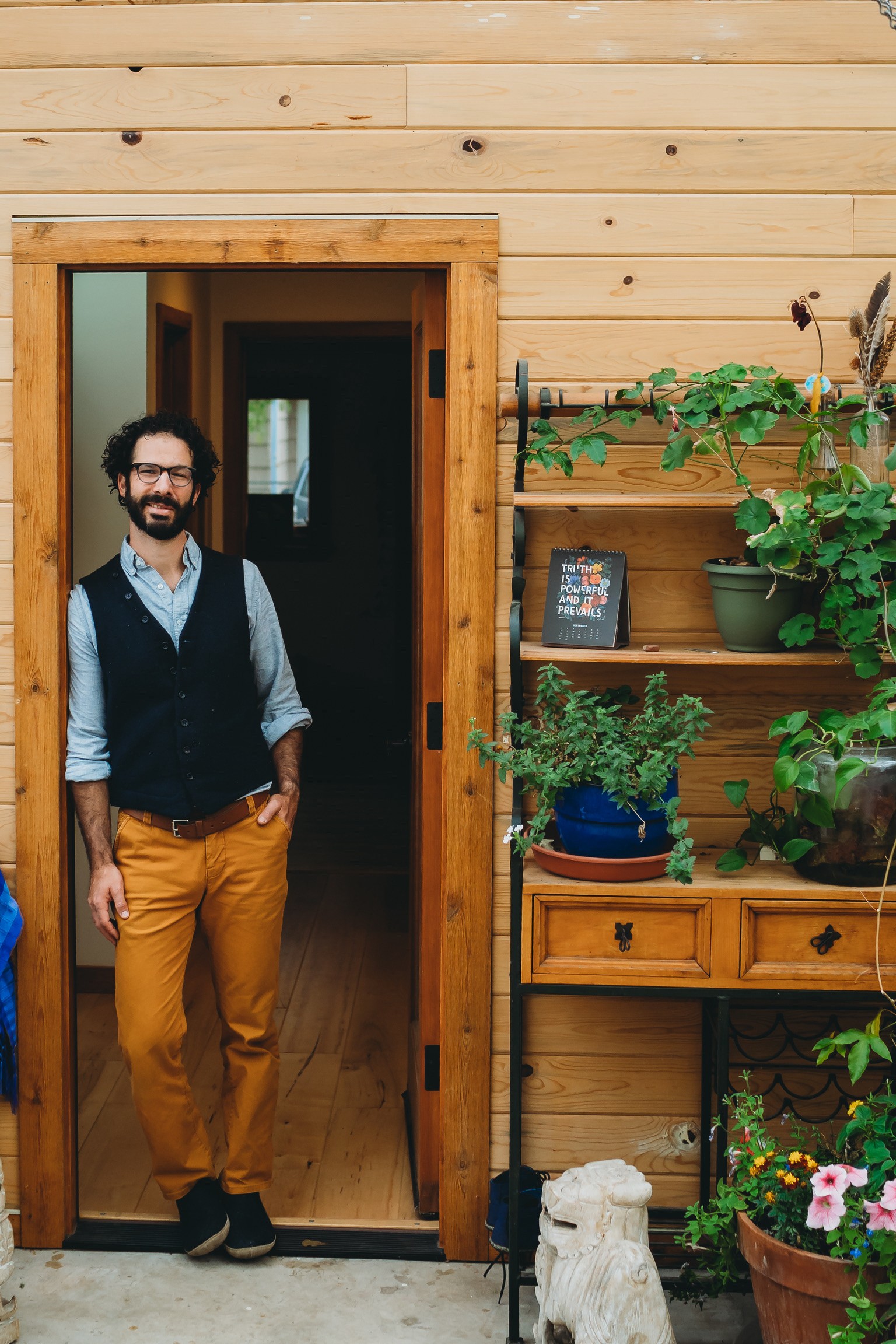

 Image Credits
Jewel Afferbaugh
Popular
-

The Trailblazers: Rewriting the Narrative
-

Celebrating the Spotlight: Kaytee Shashore Turns Milestones Into Momentum
-
Humanity in the Machine: Alexander Raye Pimentel’s Cyborg Recall Questions the Cost of a Data‑Driven World
-

Raemi Anderson on Courage, Caution, and Answering the Call of the Landscape
-

Hidden Gems: Local Businesses & Creatives You Should Know


