

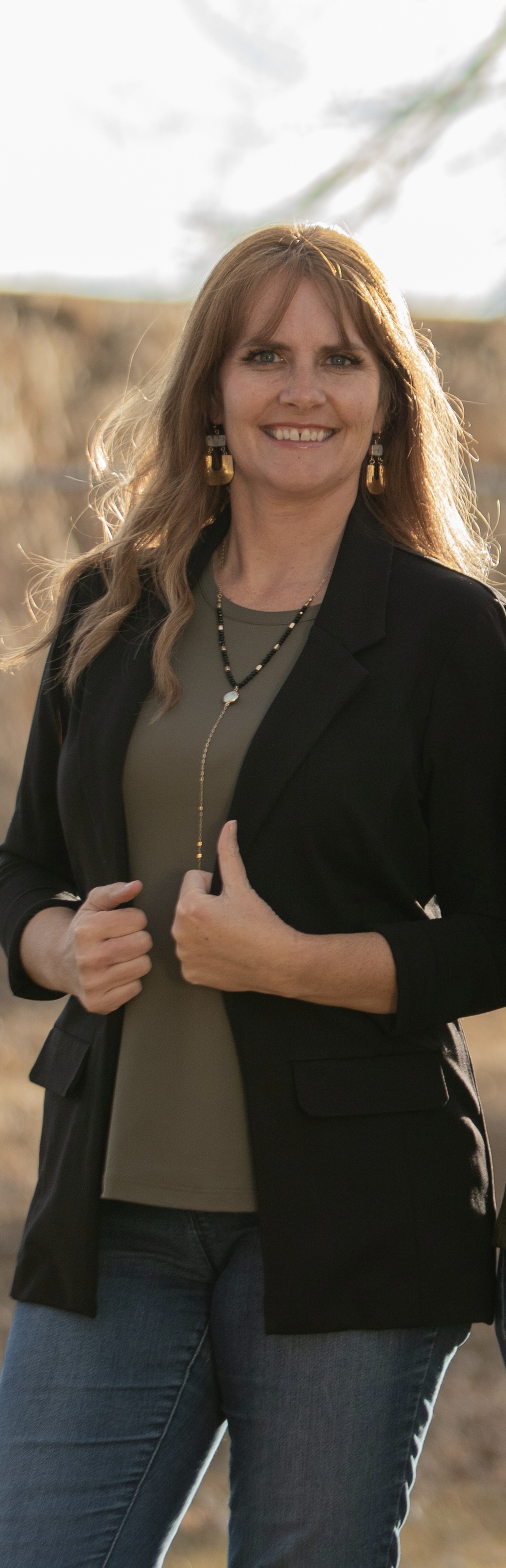
Today we’d like to introduce you to Tena Green.
Hi Tena, so excited to have you on the platform. So before we get into questions about your work-life, maybe you can bring our readers up to speed on your story and how you got to where you are today?
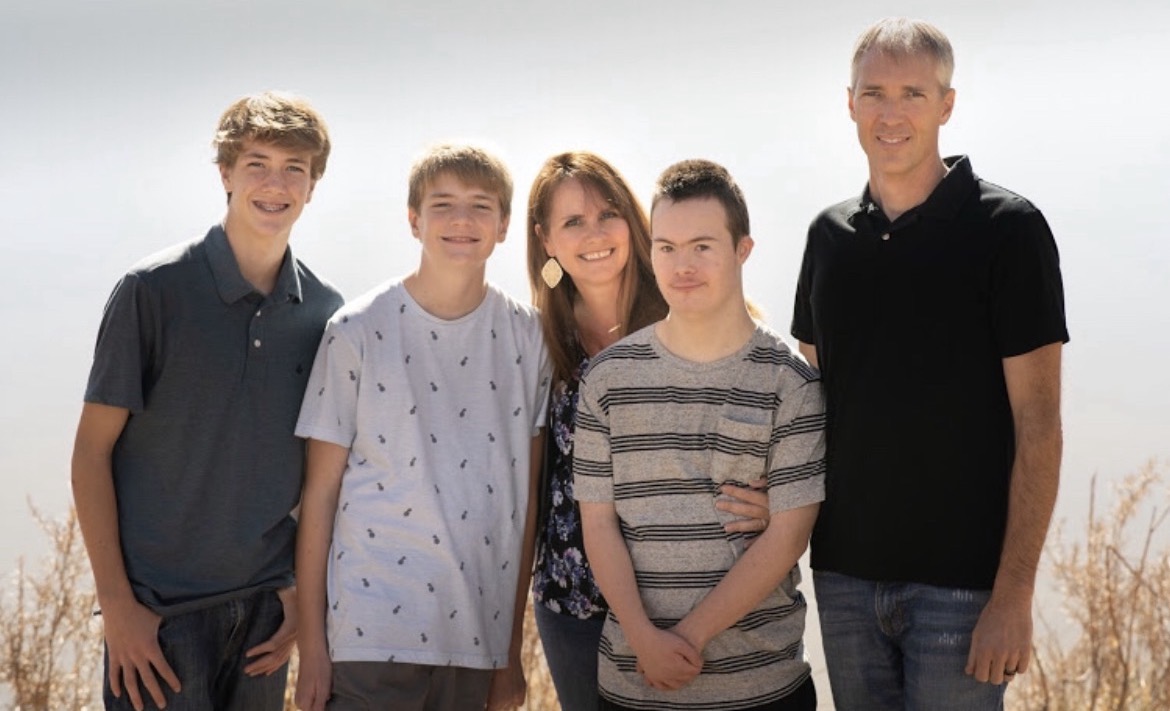
My journey into educational advocacy really began as a parent. I am the mom of three sons, and my oldest son, Brady, has Down syndrome. When Brady entered the school system, I quickly realized how much there was to learn about special education, IEPs, services, and supports—and how overwhelming that process can feel for families.
Like many parents, I didn’t start out knowing the language of special education or understanding all of the processes. I learned by asking questions, showing up, listening, and advocating for my son. Over time, I became increasingly passionate not only about making sure Brady had a meaningful and inclusive education, but also about helping other families feel more confident and supported as they navigated the same system.
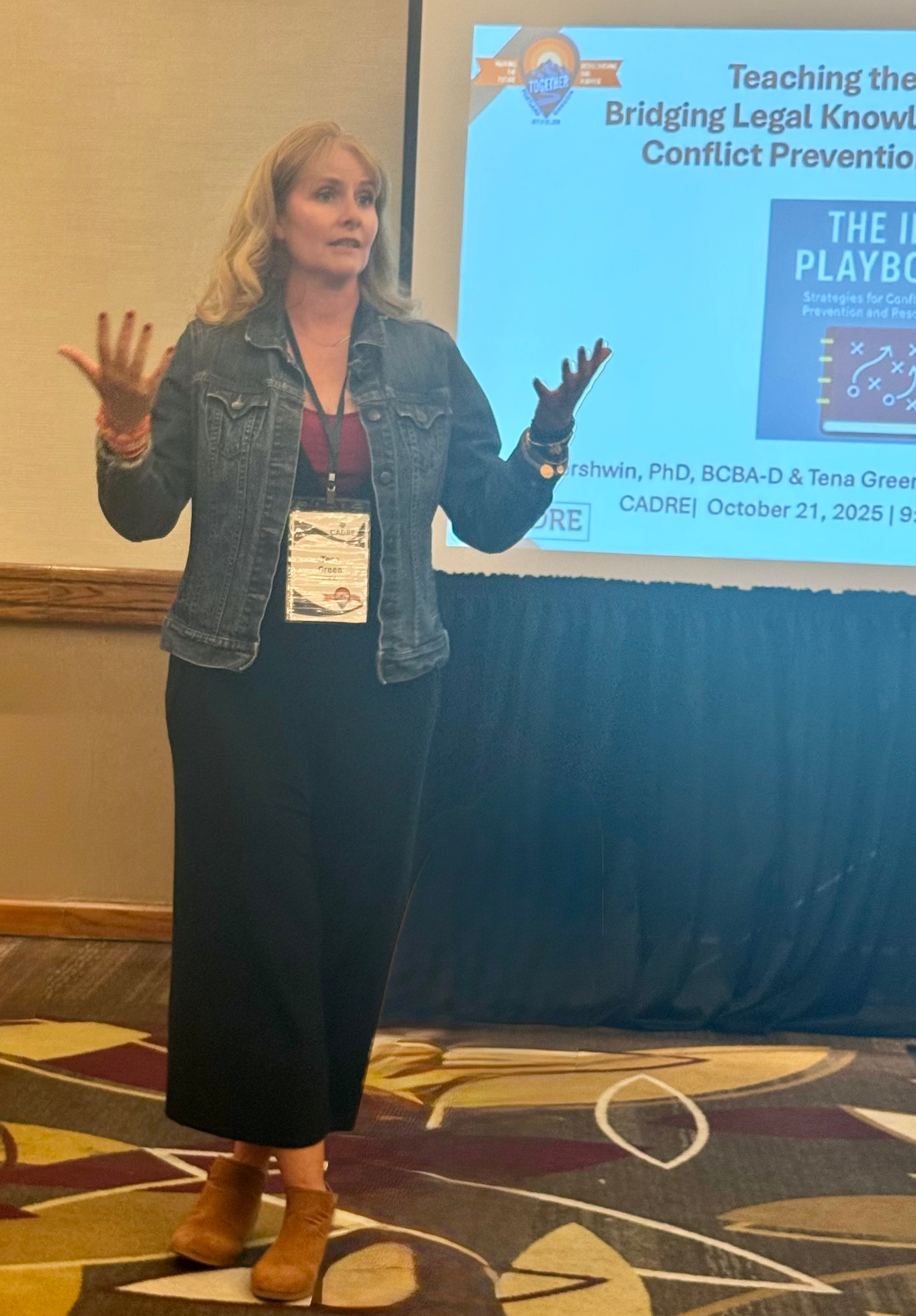
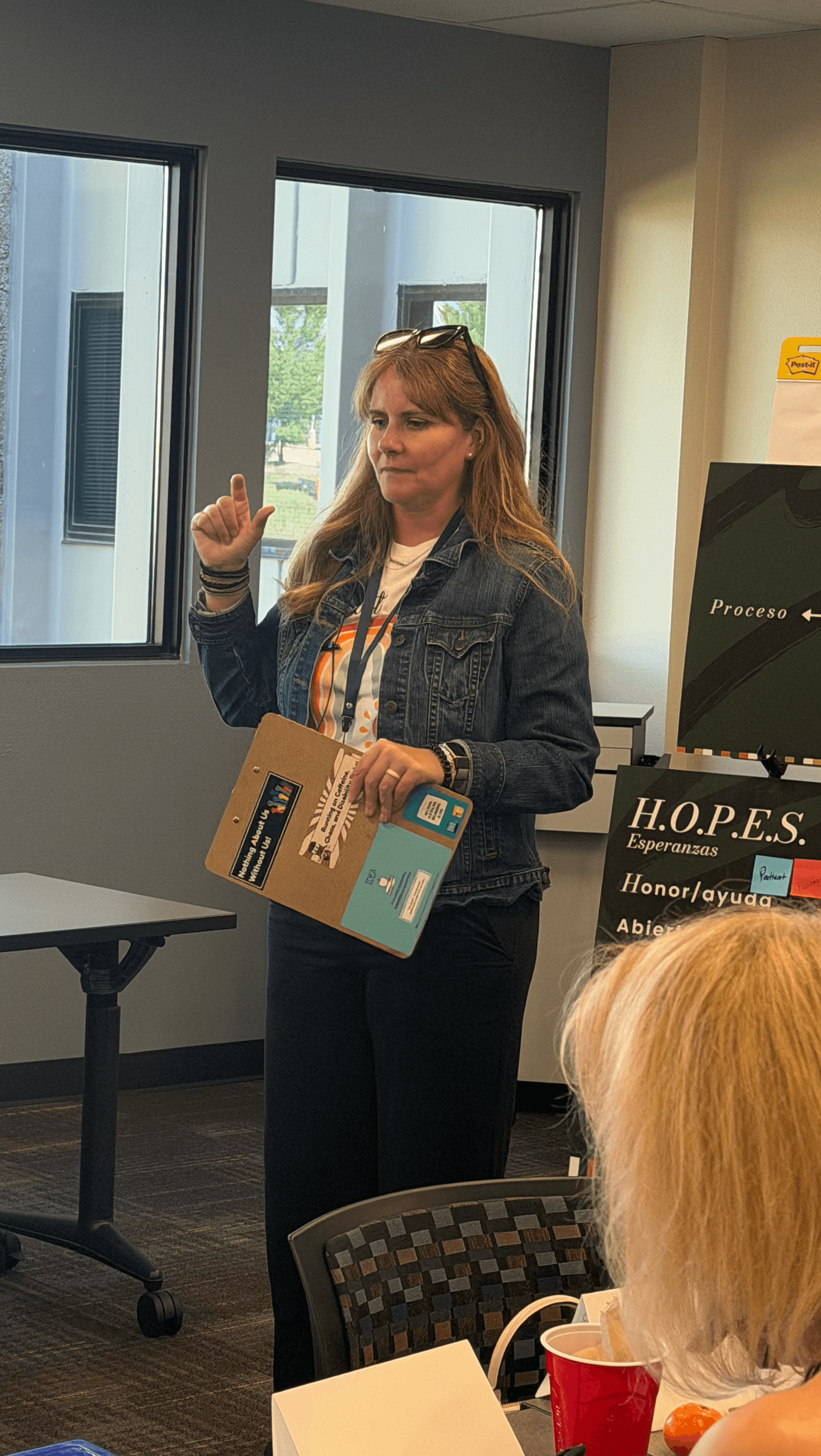
That passion eventually grew into professional work. I have had the opportunity to serve as an IEP Facilitator with the Colorado Department of Education, facilitate Family Leadership Training Institute (FLTI) programs in Larimer County, serve on the FLTI Colorado training team, teach as an adjunct professor at the University of Northern Colorado, facilitate restorative justice, and serve on the board of The Arc of Larimer County. Each of those experiences shaped how I approach advocacy today.
Eventually, I realized I wanted to take everything I had learned—as a parent, facilitator, educator, and advocate—and create something that could directly support families. That is how IDEA: Inclusion Dynamics Educational Advocacy was born.
Through IDEA, I support students and families as they navigate IEPs, 504 Plans, evaluations, school meetings, and sometimes very difficult situations. But for me, advocacy is about much more than paperwork or knowing special education law. It is about relationships. It is about helping families understand the process, ask meaningful questions, and make sure their child is truly at the center of the conversation.
One of the things I care most deeply about is helping families and school teams work together. I don’t believe advocacy has to be adversarial to be effective. Some of the most meaningful progress happens when we can bring people together, assume positive intent while still asking hard questions, and keep returning to the same question: What does this student need to be successful?
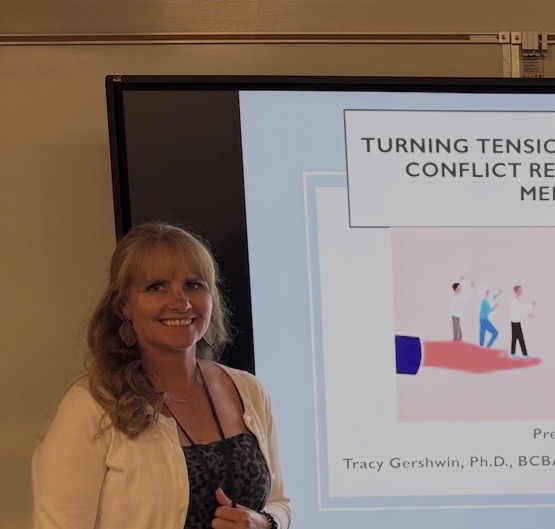
Today, IDEA has grown beyond what I initially imagined. In addition to working directly with families, I provide trainings, speak to parent and professional groups, collaborate with educators, and create resources designed to make special education more understandable and accessible. I have also had the opportunity to co-author The IEP Guidebook: A Practical Companion for Trust-Centered, Student-Focused IEPs with Dr. Tracy Gershwin, which feels like another natural extension of this work.
When I look back, I never could have mapped out this path from the beginning. It started with being a mom who wanted to make sure her son was seen, valued, included, and given opportunities to succeed. That same belief continues to guide my work today: every student deserves to be heard, respected, included, and at the center of their own educational journey.
Alright, so let’s dig a little deeper into the story – has it been an easy path overall and if not, what were the challenges you’ve had to overcome?
It definitely has not always been a smooth road, but I think many of the challenges along the way are what ultimately shaped me into the advocate I am today.
As a parent of a child with a disability, I learned early on that sometimes you have to fight harder than you should have to for your child to be included, understood, and given meaningful opportunities. There were meetings where I left feeling overwhelmed, frustrated, or wondering if I had asked the right questions. There were times when I had to learn how to speak up even when it was uncomfortable. Those experiences taught me how important it is for families to have someone beside them who understands both the process and the emotions that come with it.
Starting IDEA brought a different set of challenges. Building a business from the ground up while continuing to learn and grow professionally has required me to step outside of my comfort zone many times. I have had to learn the business side of advocacy while also figuring out what kind of advocate I wanted to be.
One of the biggest lessons I have learned is that effective advocacy does not always mean being the loudest person in the room. It means knowing when to ask another question, when to push back, when to listen, and sometimes when to sit in the silence and give people time to think. I try to approach even difficult conversations with curiosity and the belief that relationships matter.
There are also days when this work is heavy. Families often reach out when they are exhausted, scared, frustrated, or have lost trust in the process. I cannot always fix everything, and learning that has been part of my journey too. What I can do is help families understand their options, find their voice, and make sure the student does not get lost in the conflict.
The road has certainly had bumps, but I would not change the path. Every challenge has reinforced why I do this work and why IDEA’s philosophy is so important to me: advocacy can be strong and collaborative at the same time, and the student should always remain at the center.
Thanks – so what else should our readers know about IDEA-Individual Dynamics Educational Advocacy?
IDEA stands for Inclusion Dynamics Educational Advocacy. I provide educational advocacy and support for families navigating special education, including IEPs, 504 Plans, evaluations, accommodations, school meetings, and other challenges that can arise throughout a student’s educational journey.
Families often come to me because they know something is not working, but they aren’t sure what questions to ask or what options are available. Special education can feel like its own language, and my job is to help families understand the process, prepare for meetings, review documents, identify concerns, and feel confident participating as an equal member of their child’s educational team.
What I believe sets IDEA apart is my approach to advocacy. I am absolutely willing to ask hard questions and push when something isn’t working for a student, but I don’t believe advocacy has to begin from a place of conflict. I try to walk into every situation with curiosity, collaboration, and the assumption that everyone at the table wants the student to succeed. At the same time, collaboration doesn’t mean avoiding difficult conversations. Families deserve honest information, meaningful participation, and a voice in decisions about their child.
I also bring several different perspectives to this work. I am a parent who has sat on the family side of the IEP table for many years. I have also worked as an IEP Facilitator with the Colorado Department of Education, taught future educators as an adjunct professor, facilitated family leadership programs, and worked alongside both families and professionals. Those experiences have helped me understand that there are real people on every side of the table, and lasting solutions are often built through relationships.
Another important part of IDEA is keeping the student at the center. I care deeply about strengths-based and inclusive practices and about making sure we aren’t talking only about what a student struggles with. Who is this student? What are they good at? What matters to them? What do they want for their future? Their strengths, preferences, interests, and voice should be part of the conversation.
I am probably most proud that IDEA has grown while staying true to those values. In addition to individual advocacy, my work now includes parent education, professional training, speaking, community collaboration, and creating resources that help make special education more understandable. I have also had the opportunity to co-author The IEP Guidebook: A Practical Companion for Trust-Centered, Student-Focused IEPs with Dr. Tracy Gershwin, which really reflects so much of what I believe about this work.
If there is one thing I want people to know about IDEA, it is that families don’t have to navigate this process alone. My goal isn’t to take over a parent’s voice—it is to help them find and strengthen it. I want families to leave the process feeling more informed, more confident, and better equipped to continue advocating for their child long after our work together ends.
At the heart of everything I do is a simple belief: advocacy should keep the student at the center, and every student deserves to be heard, respected, and included.
What are your plans for the future?
I am really excited about what is ahead for IDEA. When I started this work, my focus was primarily on supporting individual families through IEP and 504 meetings. That will always be an important part of what I do because I love sitting alongside families and helping them feel more confident and informed. At the same time, I am beginning to think more about how I can expand the impact of this work beyond one meeting or one family at a time.
One of the things I am most excited about is continuing to grow the education and training side of IDEA. I want to provide more opportunities for parents, educators, and professionals to learn together. There is so much potential when we stop thinking of families and schools as being on opposite sides and instead give people practical tools for communication, collaboration, and keeping students at the center.
I am also incredibly excited about The IEP Guidebook: A Practical Companion for Trust-Centered, Student-Focused IEPs, which I co-authored with Dr. Tracy Gershwin. Seeing that project come together has been really meaningful, and I look forward to using it as another way to help families and educators approach the IEP process with greater understanding, trust, and purpose.
Speaking and training are also areas I hope to continue expanding. I love having conversations about inclusion, family engagement, student voice, and how we can make IEP meetings feel less like a procedural requirement and more like what they are supposed to be—a team of people coming together to create meaningful opportunities for a student.
I also want to continue creating accessible resources and using platforms like social media to make special education information easier to understand. Sometimes one simple piece of information or one question a parent hadn’t thought to ask can completely change how they walk into a meeting.
As IDEA grows, I don’t necessarily want “bigger” just for the sake of being bigger. I want the work to have a wider impact while still feeling personal and connected to the reason I started in the first place. Whether I am sitting beside one parent at an IEP meeting, speaking to a room full of educators, or creating a resource that reaches families I may never meet, I want the goal to remain the same: helping create educational spaces where students are heard, respected, included, and truly at the center.
Contact Info:
- Website: https://www.ideadvocacy.com
- Instagram: https://www.instagram.com/ideadvocates/
- Facebook: https://www.facebook.com/IDEAdvocates
- LinkedIn: https://www.linkedin.com/in/tena-green-252858304/?isSelfProfile=true
- Youtube: https://www.youtube.com/@AdvocacyWithTena