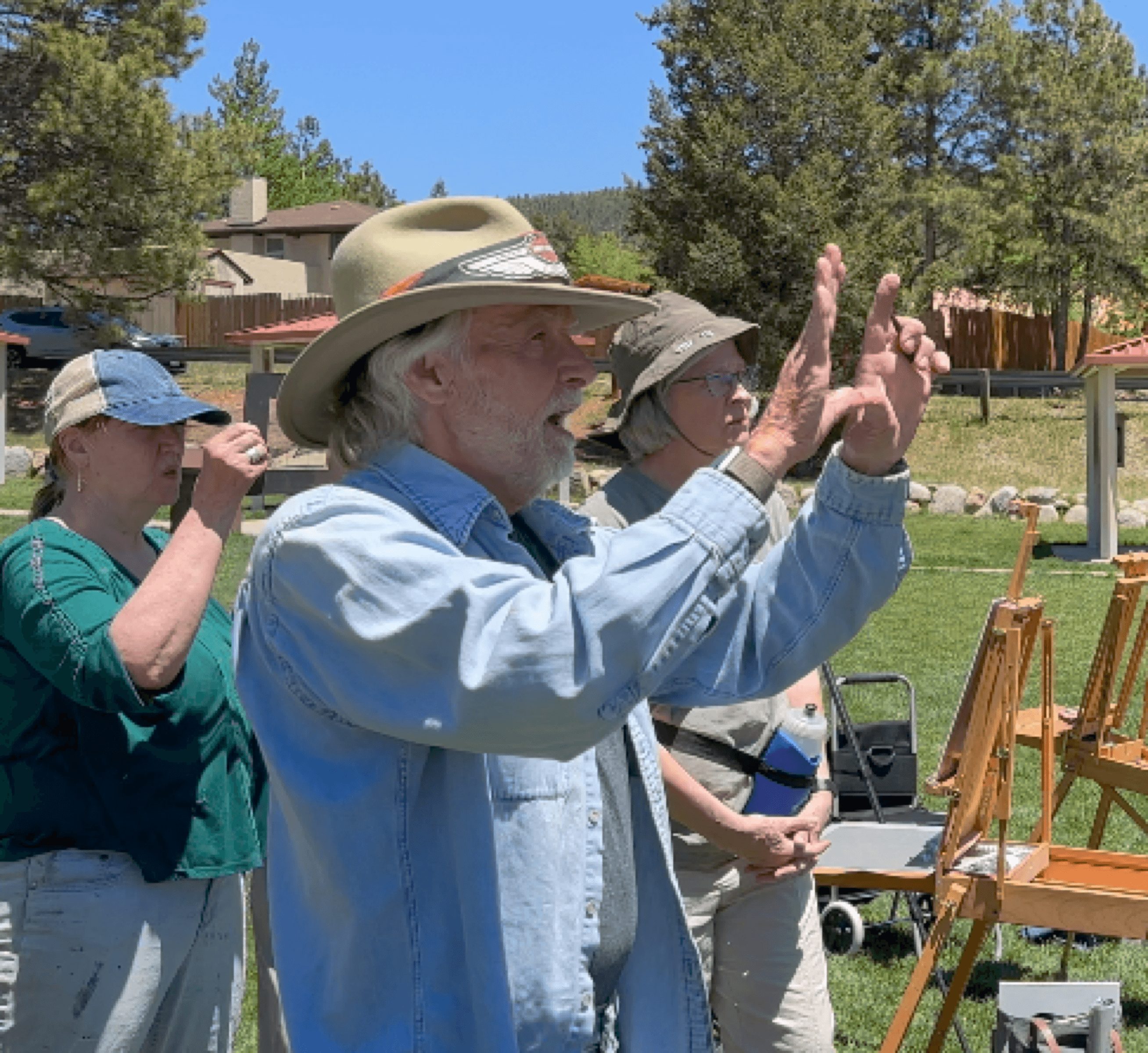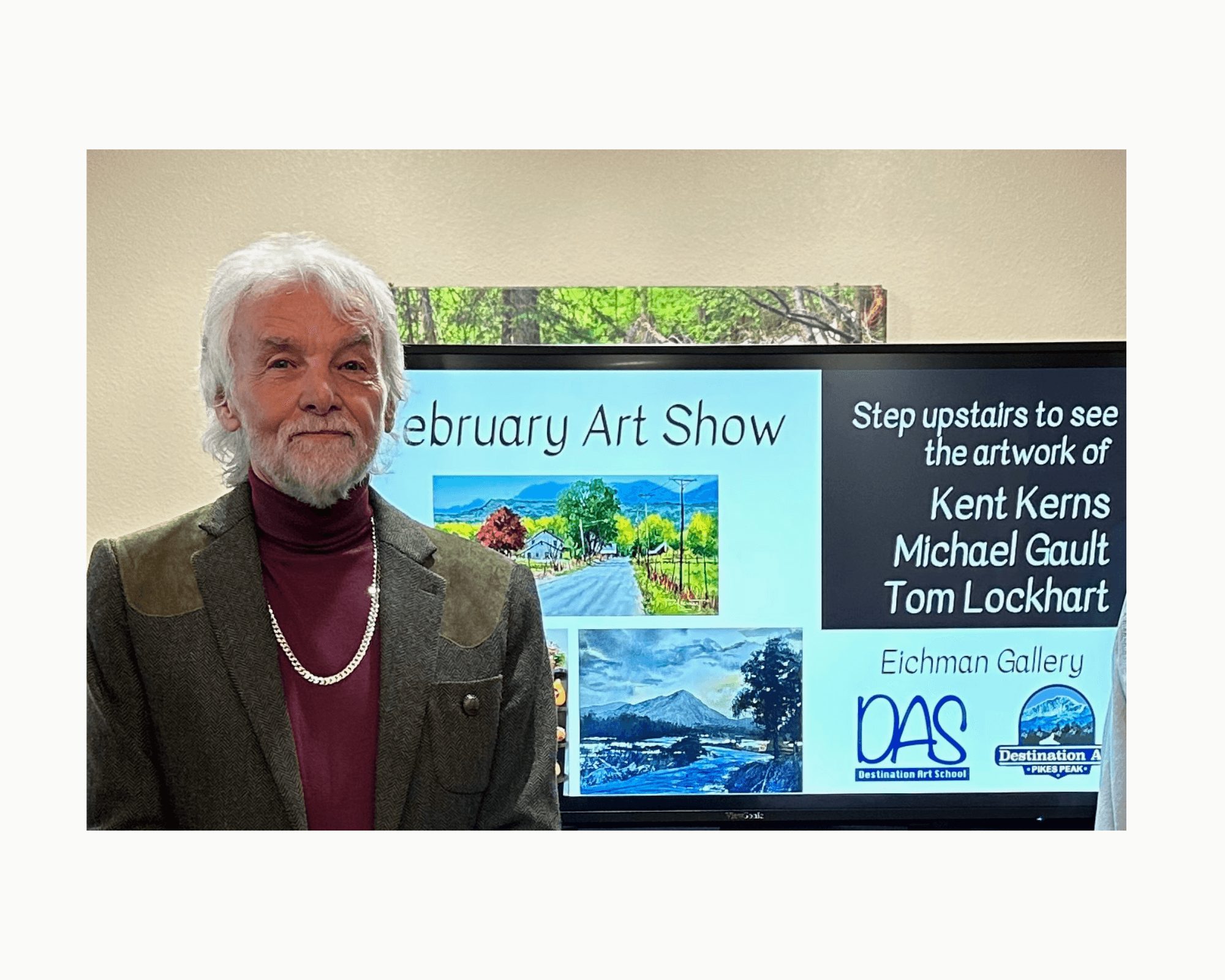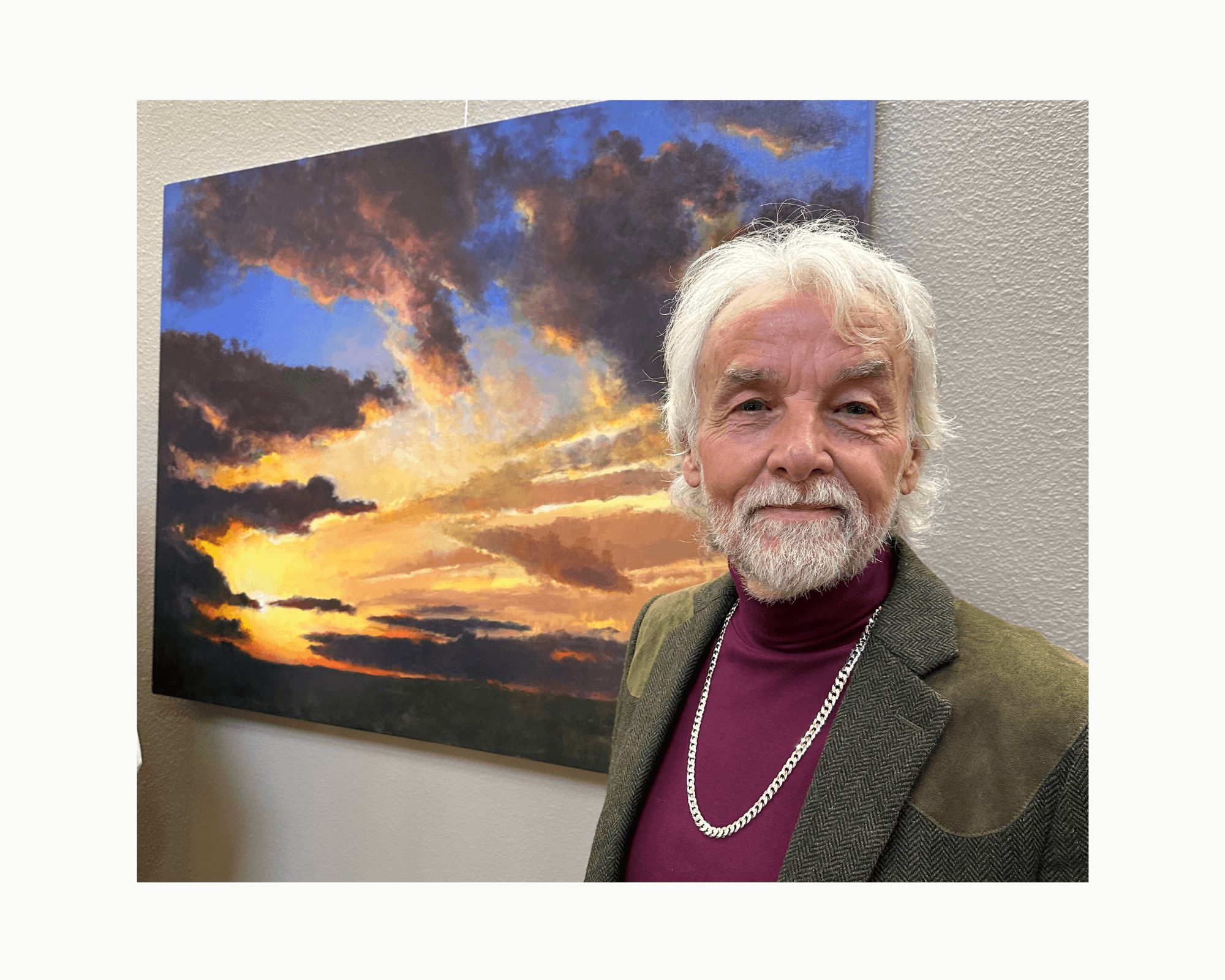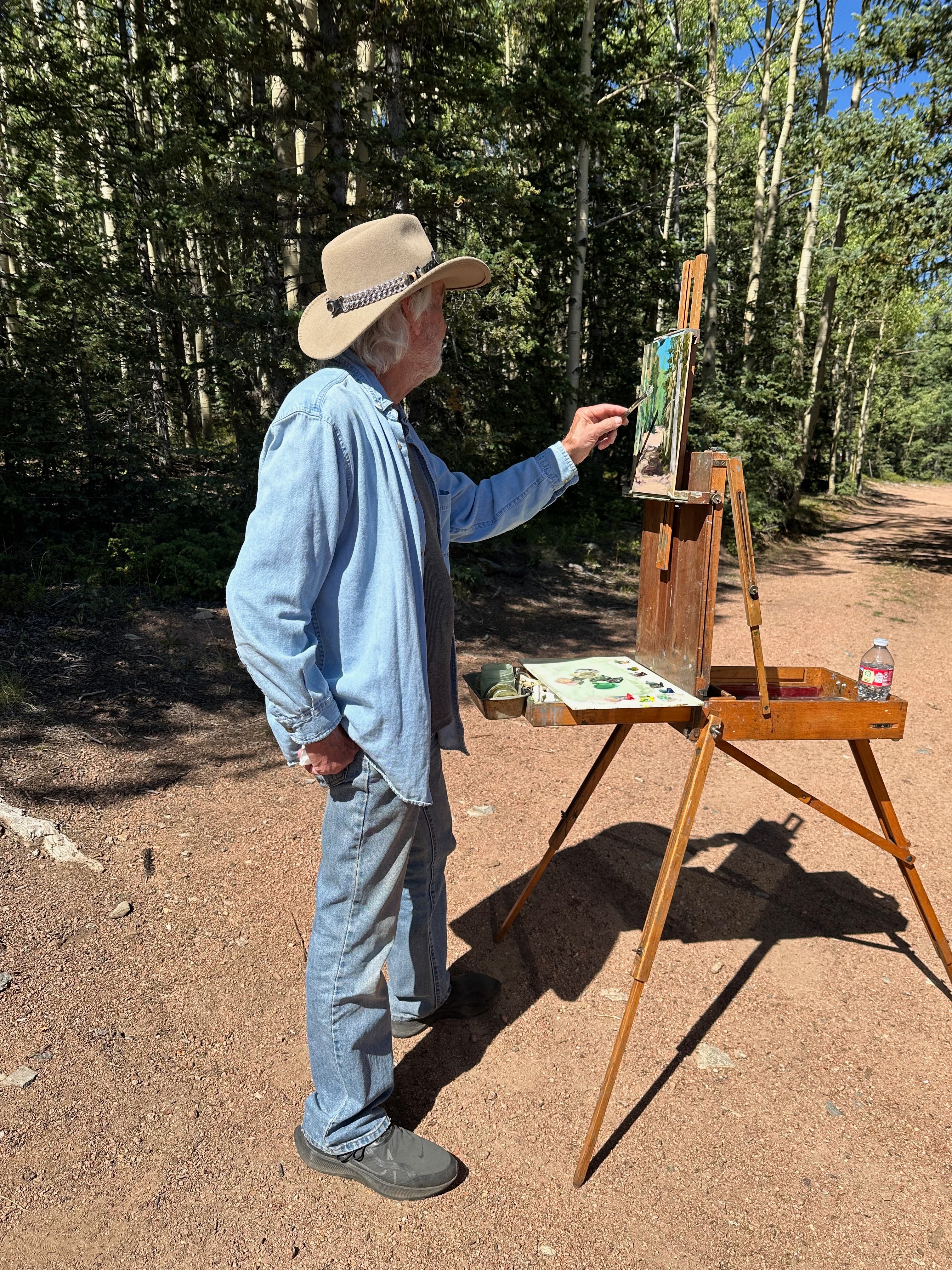


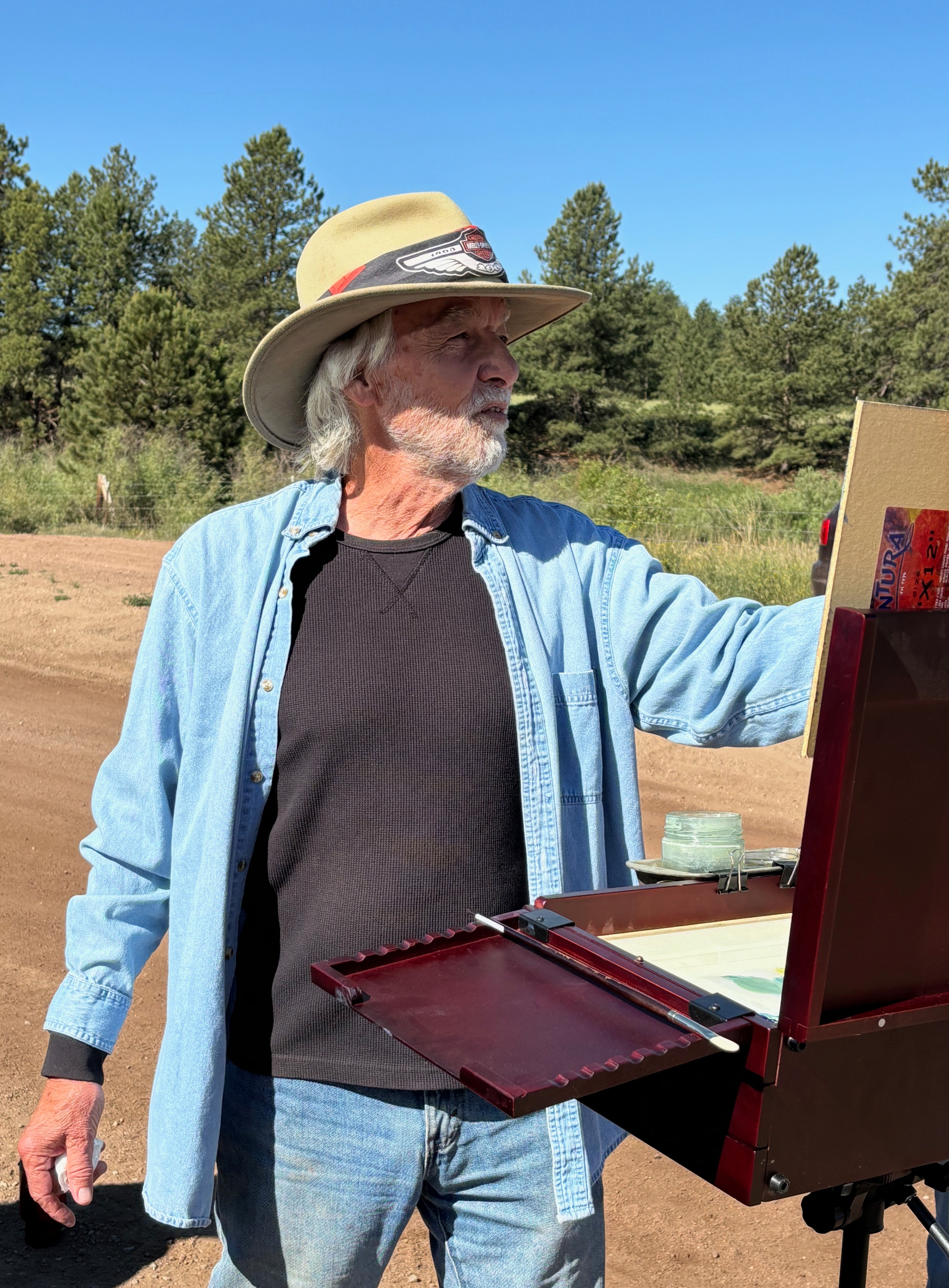
Michael Gault shared their story and experiences with us recently and you can find our conversation below.
Michael, we’re thrilled to have you with us today. Before we jump into your intro and the heart of the interview, let’s start with a bit of an ice breaker: What makes you lose track of time—and find yourself again?
When I get in the zone in the studio, time seems non-existent. I’ve been a professional artist for 50 years, so my regular job is to go into my studio. The best studio days are the days when I start a new painting or the follow-up days where I’m building the painting and not dealing with the business side of things. My schedule is to go into the studio in the morning after I’ve had my coffee and checked email and stuff, which usually occurs about 9:00 or 9:30, and I work until I’m done for the day. On a really productive day, I just start, and a few hours later I realize that three or four hours have passed in what seems like 30 minutes.
When I enter the studio, I do the same thing any small business owner does: I go around and turn on the lights and stereo, raise the blinds, and then the real work starts. If I’m ready to start a new painting, my work begins by going through resource material and figuring out what I want to paint, or sometimes I already have a concept in mind, and no resource is required. Then I get everything set up – pulling out a fresh canvas or panel, putting fresh paint out on my palette, grabbing the medium, solvent, brushes, and other accessories, and setting up my palette table and then the fun begins!
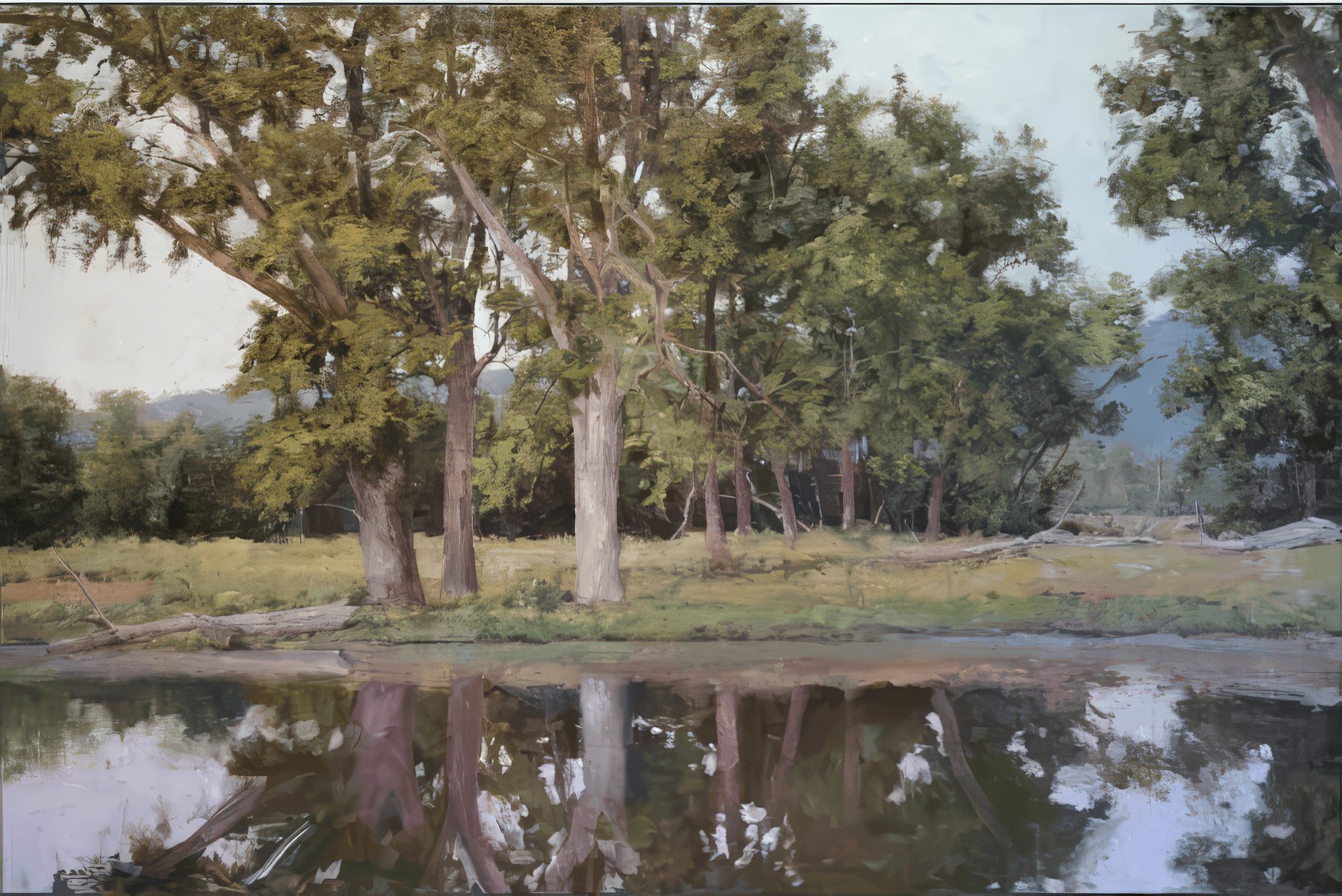
I typically start a new painting with a rough sketch or drawing to lay out areas for the painting’s block-in. This is a quick process for me; the sketch is not anywhere near being close to a detailed drawing. The sketch simply is a general layout, for a landscape, it will define the sky from the ground, if it contains a mountain as the backdrop, I’ll roughly sketch in the formation of the mountain, from there I’ll identify a large shape for a forest or rock formations. If there is a building to be included, I’ll draw the overall shape and place it in the landscape. Once the layout is sketched in, I’m ready to start the fun part – the painting.
The first painting session is the block-in, and this session is geared to cover the entire canvas with color. This is the base of the painting, and accuracy in color and space is vital. Utilization of brush strokes also begins to define the lines and shapes, and edges that will begin the creative construction of the art. It’s important to work this portion of the painting quickly and accurately. At this point, I typically keep the layers of color as thin and accurate as possible. I utilize the angular strokes off the brush to identify definition that will be detailed in future efforts. When I’m totally engaged in the block-in process, it will seem like I only spent minutes when, typically, it will take me anywhere from 45 minutes to an hour and a half. At this point, the paint has to dry before I can take the process further.
If I’m ready for the second or third, or even fourth, session of a painting, I begin to focus and build details. There is no road map for starting and finishing a painting. I focus on the painting process and never on thinking of the painting as a product or an income. I let the subject introduce itself to me, and I concentrate on bringing each area to life. When I’m best absorbed in the process and really grounded in the creative process, each area will talk to me, enticing me to imagine in my mind how the elements like line and edges and impasto will literally breathe life into this two-dimensional piece. This time with my imaginative self is typically my happy place. Letting my inner artist define how the foreground will lead the viewer’s eye into and through the middle-ground and back-ground is challenging and ethereal. And when I’ve worked the entire painting until the surface is again covered with wet paint, I know it’s time to quit for the day.
During my painting time, I do a lot of walking and looking. I make strokes on the canvas, and I take a few steps back to look at the overall design and effect. I’m constantly evaluating the color and collective color values, and the portrayal of light, as well as the design. I have a La-Z-Boy recliner situated strategically in my studio to allow me to step back from the easel, sit down, and ponder the current status of my work. I think back to the conception of this piece to evaluate the initial thoughts I had about what I wanted to communicate with this painting. During these evaluation periods, I’ll analyze the design and flow of the painting as well as the visual vocabulary I’ve utilized to communicate with the viewer. I literally ask myself, did I accomplish what I set out to do? But ultimately, it’s the creative time I spend at the easel and in the studio that grounds me and brings me peace. This process has defined the creative me and allowed me to find myself and understand that I am innovative and inspired, not just an artist who creates for commercial purposes, but a fine artist who creates primarily for aesthetic and conceptual values with freedom to choose subject and style.
Can you briefly introduce yourself and share what makes you or your brand unique?
I’m Michael Gault, a classically trained artist with a BFA from the Kansas City Art Institute and an MA from the University of Missouri-Kansas City. That formal training introduced me to all types of art and led to my all-consuming passion for art and my knowledge of art history, and my appreciation for all kinds of art. My education included art psychology, which was devised to develop our cognitive and emotional processes used to perceive and create art, making us think like a fine artist.
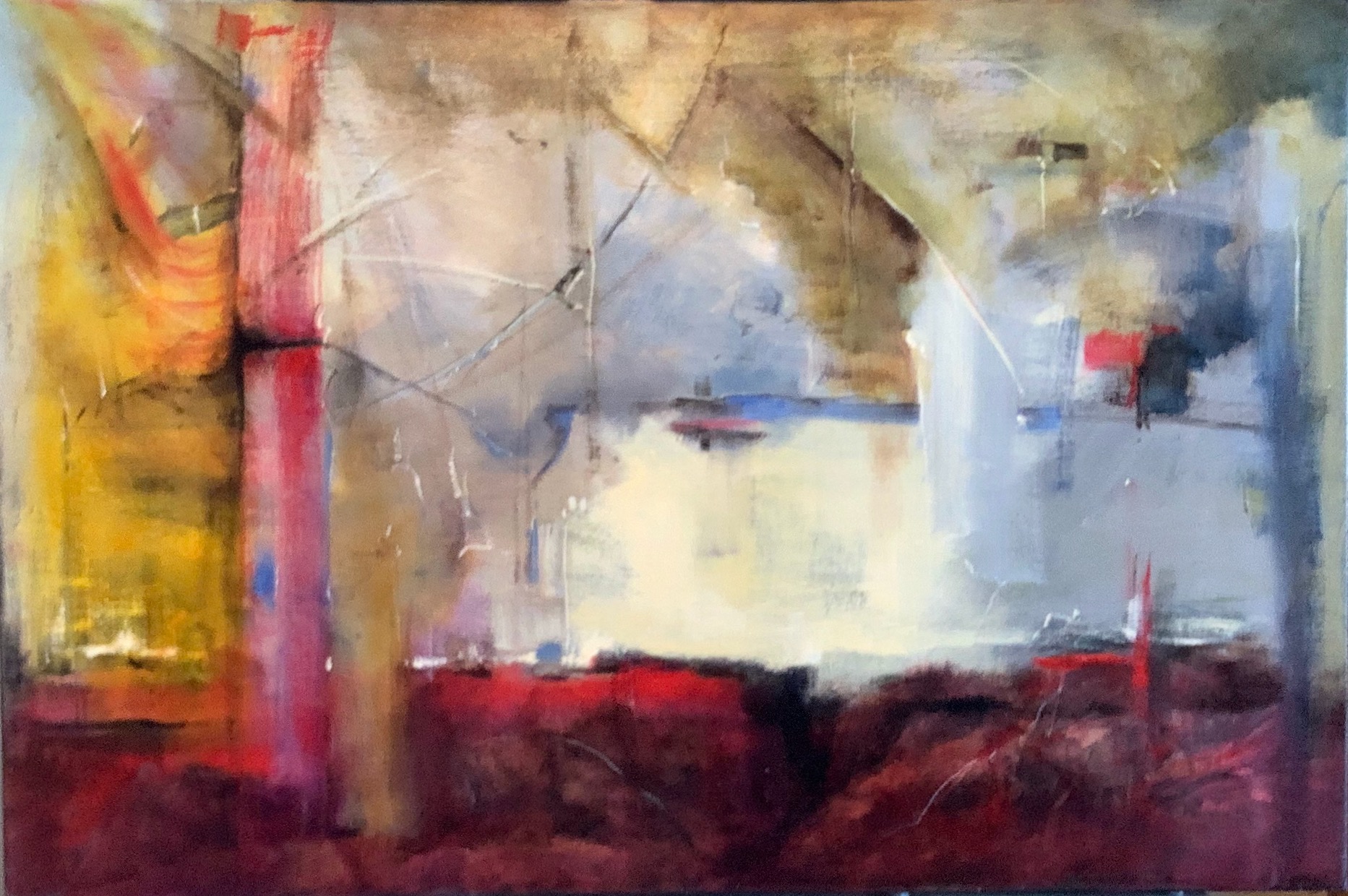
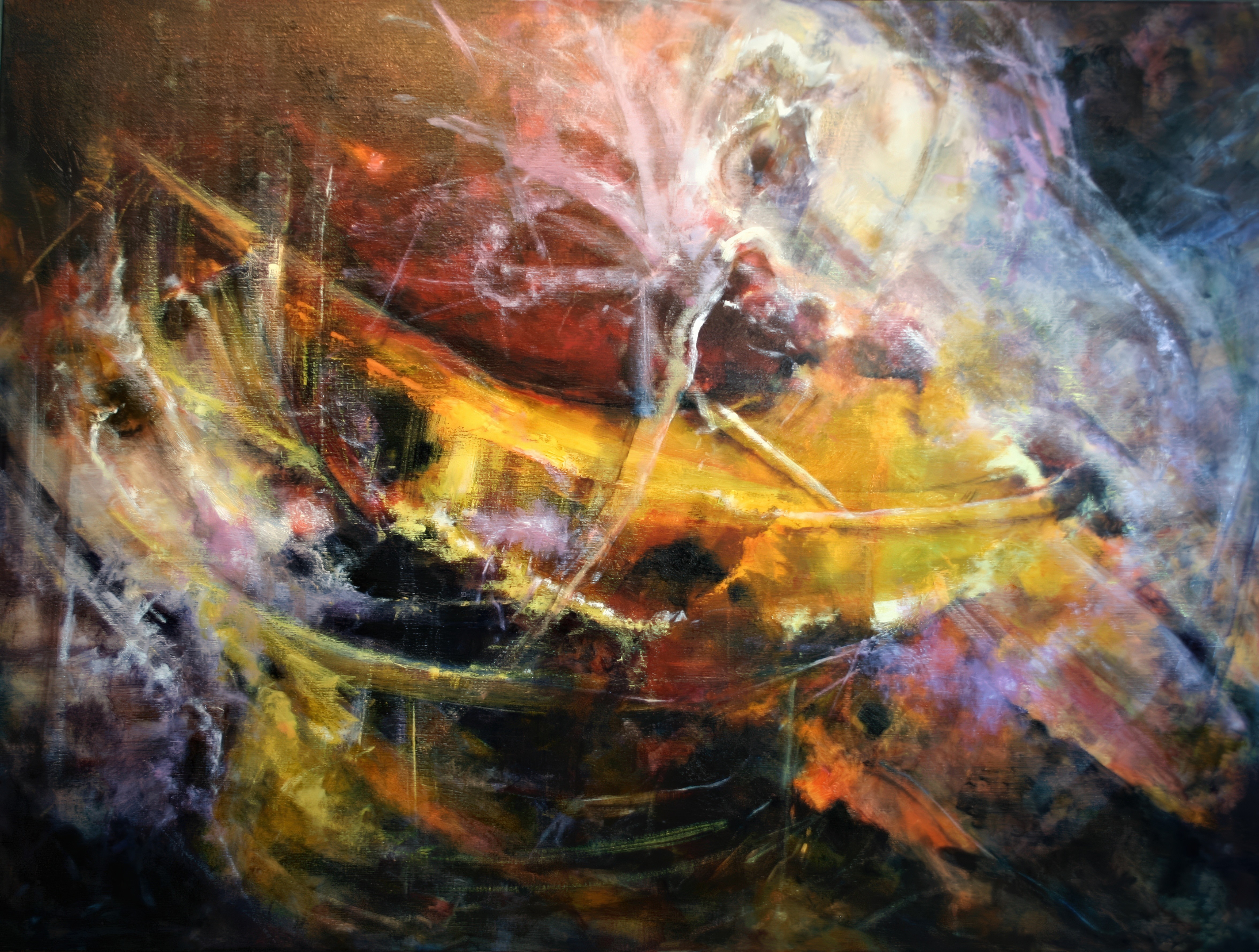
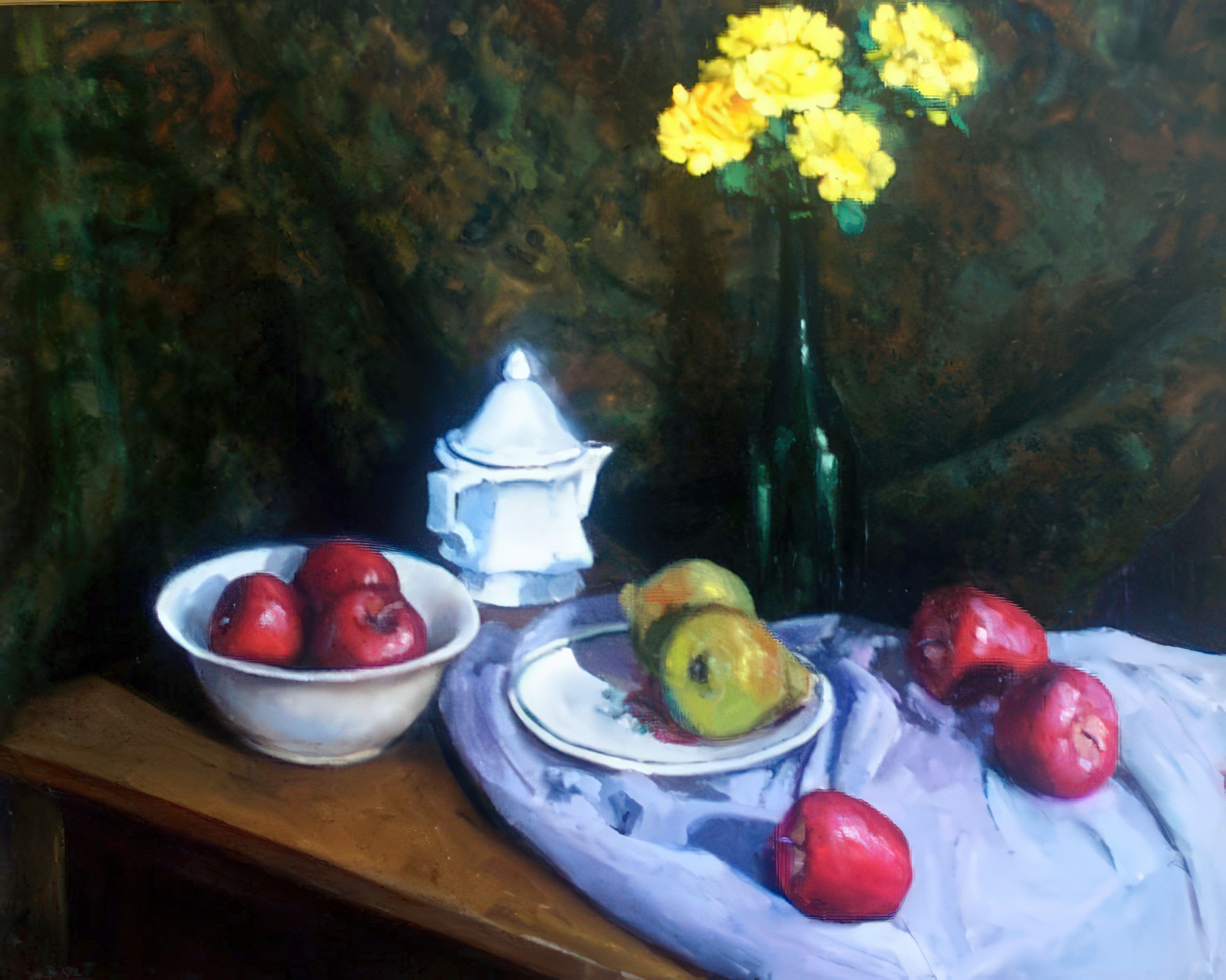
This dedication to all things art has enticed me to become not only a fine artist but to advance my pursuit of oil painting to a master level, which enabled me to consistently produce influential work in any style or genre while elevating the aesthetic experience. Artists typically are identified by their style, but my creativity with the master-influence allows me to be a representational painter of landscapes or still life paintings, and a painter of non-representational or abstract art, all while elevating the aesthetics and pushing creative boundaries.
My uniqueness as an artist comes from my identification as a process painter and my dedication to the process of making art. While I’ve won awards and sold paintings, I don’t think of what I am doing as making a product. I don’t think when I’m standing in front of the easel, “What painting can I make today that will sell?” When I stand at the easel, my thoughts are more “What do I want to communicate today?” If my process is true to who I am in my creative life, at the end of each trip to the easel, I do end up with a poignant painting. The more authentic I am to the process, the more elevated the quality of the painting is. I strive to be genuine, creative, innovative, and aesthetically pleasing. This is my purpose.
Appreciate your sharing that. Let’s talk about your life, growing up and some of topics and learnings around that. What was your earliest memory of feeling powerful?
At a very young age, I found my creative purpose. I didn’t know the word artist at the time, but I knew I wanted to make things. Some of my earliest memories that led me to an artistic lifestyle were painting my sandbox (much to my parents’ surprise) and making a painting of my hands in kindergarten as a gift for my Mom. Later, I learned how to make dioramas, and I spent all of my free time after school making them.
Later, when I was a pre-teen, I did a “Draw Me” thing out of a TV guide and my parents ended up purchasing an at-home drawing course. This particular event changed my life, and from that moment on, when asked what I wanted to be when I grew up, I would say, “I’m going to be an artist!”
If you could say one kind thing to your younger self, what would it be?
If you could say one kind thing to your younger self, what would it be?
Every artist I know has a story somewhere of discouragement. A parent who said, “How are you going to make a living doing that?” Or a teacher who said something along the lines of, “You don’t have any talent.” We have all experienced something along those lines, and they make us question ourselves and sometimes change the course of our lives, never meeting our potential or getting an opportunity to live the life we dreamed of.
I’ve had several of those occurrences in my life, and while I stayed the course, the comments scarred my soul. If I could go back to that young me, before that first humiliating comment was made to me, I would sit that young me down and tell him, “Your life can be what you make it creatively. Let no one discourage you from your true path, and there will be self-absorbed souls who will try to demean you.” I would confirm to myself that my destiny was mine to design and that talent is only a desire without pursuit.
Today, I would go back and tell that younger me who suffered one of those early transgressions that later in life he would be able to talk to the teacher who made that comment. I would say, “after you get your BFA from a prestigious art college and your MA in painting, you will get an opportunity to talk to that art teacher. You will re-introduce yourself, and you will stand proud before him with your successes, and you will condemn him for his statement to the young you. You will ridicule him and his commitment to teaching with his inferior attitude, and you will privately humiliate him and his ability as a mentor while challenging him to recognize his shortcomings and to improve his stance with future students.”
Next, maybe we can discuss some of your foundational philosophies and views? What’s a cultural value you protect at all costs?
The concept that art impacts everyone’s life.
Whether you realize it or not, everyone of our lives is impacted by art every day. When we think of art, we typically think of paintings or sculptures, but the reality is that everything we buy, whether clothes, cars, homes, furniture, even cleaning products and food, has been touched by an artist. Whether it is in the design of the product, like a shirt or a car, or the design of the packaging to draw our attention to the item, an artist has participated in the making, manufacturing, or designing of it in some way.
Once people realize this fact, they will actually take more time to look at art. They are empowered to express their opinion of like or dislike. They will invest more time in looking at or thinking about art. A large percentage of the time, individuals will even find they can discuss art without disqualifying their thoughts or beliefs.
Before we go, we’d love to hear your thoughts on some longer-run, legacy type questions. What is the story you hope people tell about you when you’re gone?
He was such an inspiring man.
He loved art and loved telling stories about the famous artists who came before him. His passion for art was so contagious, it was like art became more real and interesting. He reintroduced me to a part of myself that knew creativity as a child and somehow lost the delight and stimulation it brought to my life. I found my own creative outlet because he empowered me to imagine what I could do.
Contact Info:
- Website: https://www.MichaelGaultStudio.com
- Instagram: https://www.instagram.com/michaelgaultstudio/
- Linkedin: https://www.linkedin.com/in/michael-gault-29144166/
- Facebook: https://www.facebook.com/MichaelGaultStudio
- Youtube: https://www.youtube.com/MichaelGaultStudio