



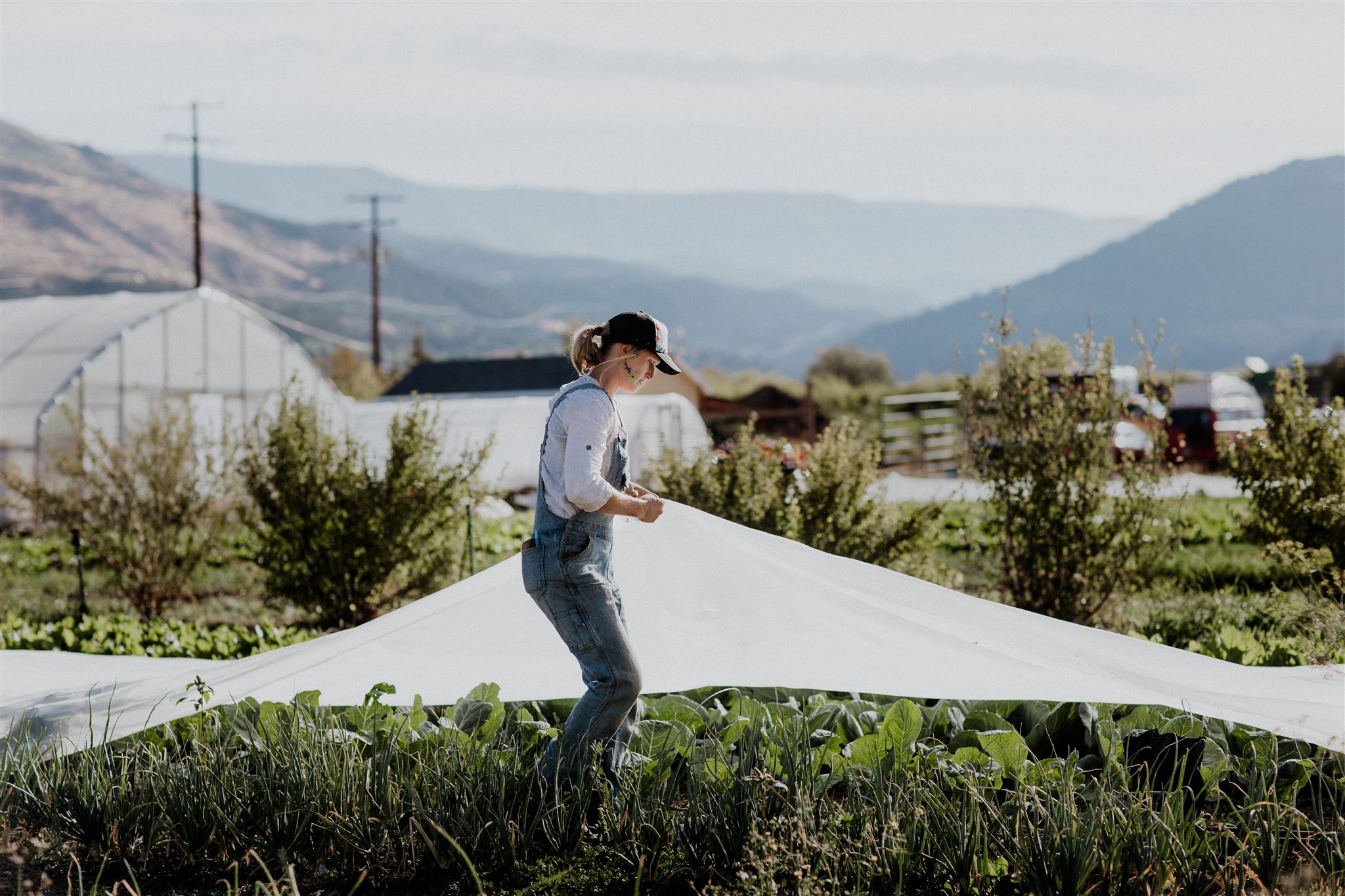
Today we’d like to introduce you to Harper Kaufman.
Hi Harper, we’d love for you to start by introducing yourself.
I didn’t set out with a grand plan to become a farmer, but after my first experiences with small scall agriculture at University of Montana’s PEAS farm, I dove pretty much headfirst. Jobs with Ocean Air Farm in California and Rock Bottom Ranch in Basalt got me on a path to see that regenerative farming could be a viable career. I started Two Roots Farm in 2012 on a leased plot at Spradley Farm in Missouri Heights with a few tools and a lot of enthusiasm. I fell in love with the rhythm of the work, the problem-solving, the seasons, and the feeling of growing real food for real people.
Over the years, the farm has evolved a lot. I moved onto a more permanent piece of leased land from Pitkin County and began building greenhouses, and infrastructure. We’re still a mostly human-powered farm, and I love that. My crew and I are fueled by the satisfaction of seeing something through from seed to harvest.
One constant has been the people around me. I’ve always had hardworking friends, fellow farmers, mentors, and community members who showed up when I needed them. And now I have an incredible crew that makes the day-to-day fun, supportive, and collaborative. They’re a huge part of why the farm looks the way it does today.
Thanks for sharing that. So, maybe next you can tell us a bit more about your work?
At Two Roots Farm, we grow organic vegetables and flowers on a small, human-powered farm. We rely on just good soil, compost, and a lot of intention to grow our produce and flowers without the use of chemicals or synthetic fertilizers. Our goal is to grow the healthiest food possible in a way that’s healthiest for the farmers, the soil, and the land.
We grow a wide diversity of vegetables for our CSA, our farm stand, and local restaurants. I love working with the seasons and figuring out how to keep a steady supply of fresh food nearly year-round, even in our high-altitude climate. The challenges of growing food in the mountains keeps the work exciting and creative.
I think what sets us apart is this combination of scale, values, and approach. We’re still mostly human-powered and really mindful about our energy use. It’s a slower, hands-on style of farming, but it allows us to focus on soil health, biodiversity, and quality in a way that feels really honest.
I’m especially proud of the relationships this farm has built. Our neighbors, community members, CSA members, and chefs who’ve supported us from the start have shaped this farm as much as I have. And my crew is a huge point of pride. Farming is hard, physical work, and the fact that we show up every day with heart, humor, and determination feels like a real accomplishment.
At the end of the day, I think people can taste the care we put into the food. Growing in a way that honors the land and feeds our community.
Where do you see things going in the next 5-10 years?
Over the next 5–10 years, I think we’ll see growing demand for local, sustainably grown food, but also a real need for more young farmers and small-scale operations. The average age of farmers is rising, and many farms are disappearing, which only makes it harder for new farmers to get started. I hope we see more support for diversified, chemical-free farms that work with the seasons and the land. I hope to see more programs the help farmers find affordable land access and start up help. I see sustainable agriculture as addressing more than food production. Small farms build resilient communities, protect soil and ecosystems, and keep farming accessible for the next generation.
Contact Info:
- Website: https://www.tworootsfarm.com
- Instagram: @tworootsfarm
- Facebook: https://www.facebook.com/tworootsfarm/about/
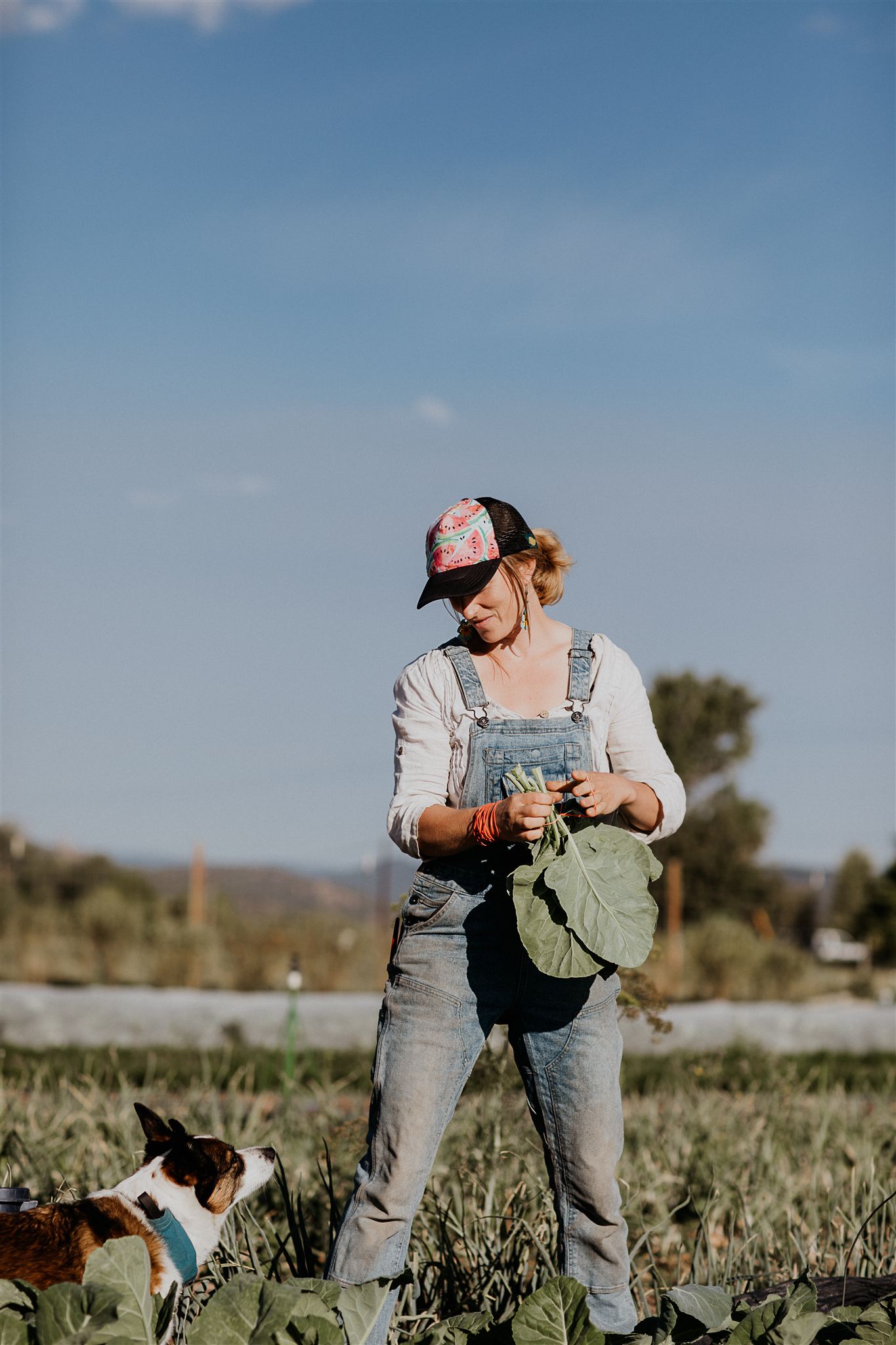


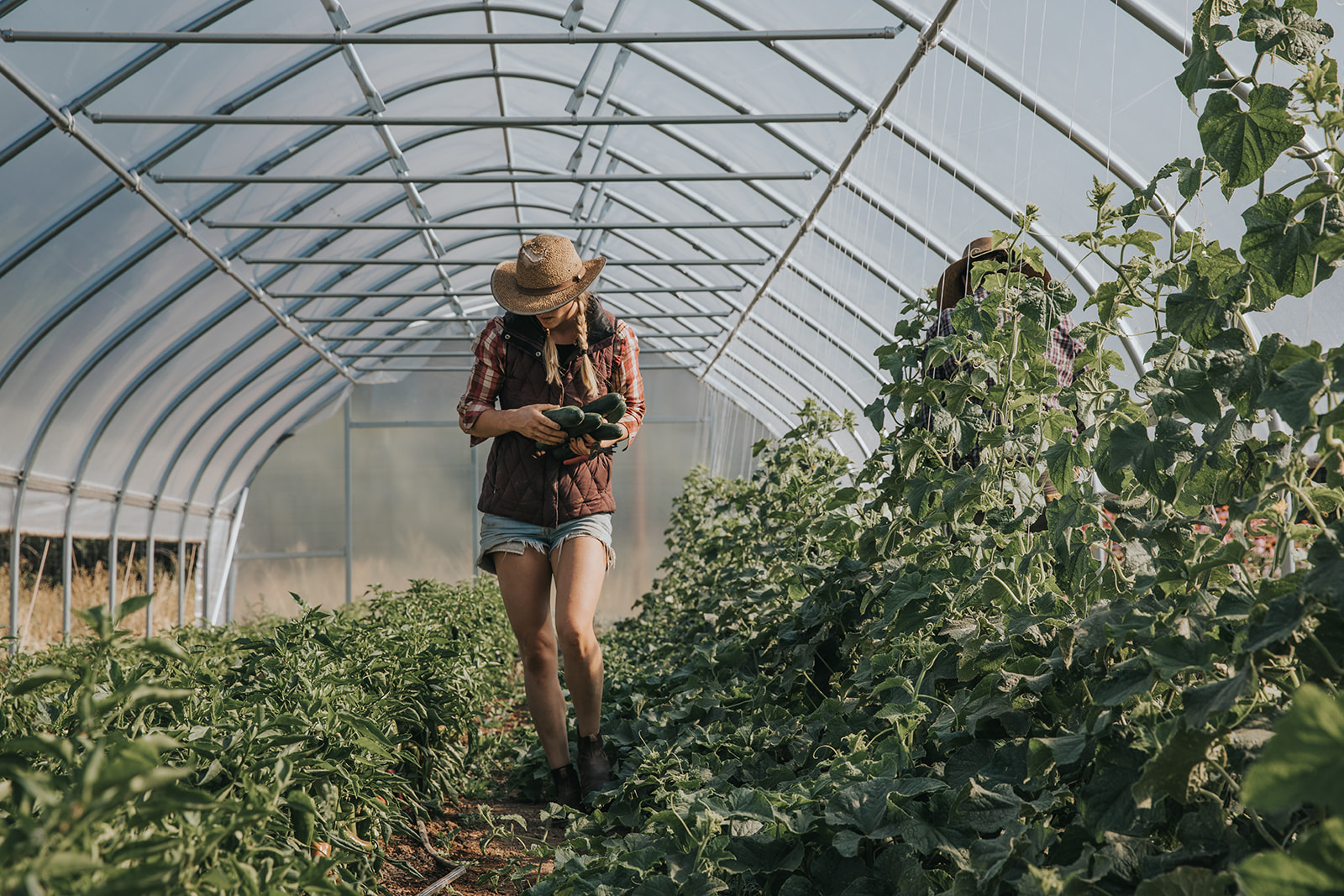

Image Credits
Chris Cohen Photography
Popular
-

The Trailblazers: Rewriting the Narrative
-

Celebrating the Spotlight: Kaytee Shashore Turns Milestones Into Momentum
-

Humanity in the Machine: Alexander Raye Pimentel’s Cyborg Recall Questions the Cost of a Data‑Driven World
-

Raemi Anderson on Courage, Caution, and Answering the Call of the Landscape
-

Hidden Gems: Local Businesses & Creatives You Should Know


