

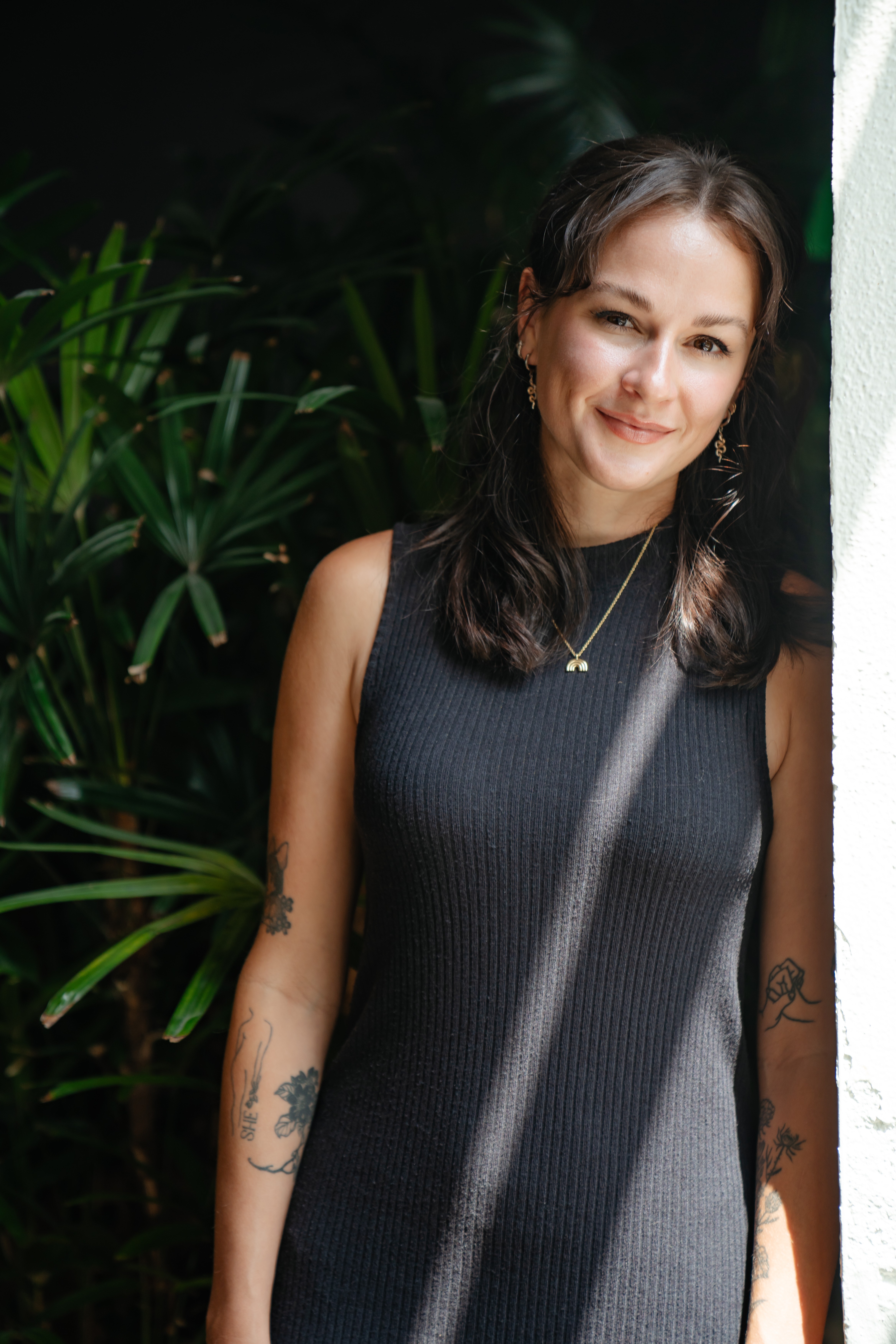
Emily Veak shared their story and experiences with us recently and you can find our conversation below.
Good morning Emily, we’re so happy to have you here with us and we’d love to explore your story and how you think about life and legacy and so much more. So let’s start with a question we often ask: What do you think is misunderstood about your business?
What’s most misunderstood about my business is how hypnosis functions as a therapeutic practice. People often imagine it as something mysterious, overly “woo-woo,” or a quick fix where someone else takes control—sometimes I even get asked if I’m going to control their mind. In reality, hypnosis is a collaborative process where clients are fully aware and in charge. My role is to help create a relaxed, supportive state where it’s easier to work with emotions, patterns, and experiences stored in the body.
Another common misconception is that healing should be dramatic or instant. While those moments can happen, real change is often subtle and unfolds over time—through feeling safe, supported, and learning to trust yourself again. My work isn’t about fixing people; it’s about helping them reconnect with their own inner resources and sense of wholeness.
Can you briefly introduce yourself and share what makes you or your brand unique?
I’m Emily, a certified hypnotist and the founder of Opalescent Hypnosis. My work focuses on subconscious healing—helping people gently rewire patterns shaped by early experiences, relationships, and moments when the nervous system learned to stay on high alert. I specialize in inner child work and trauma-informed hypnosis, where past experiences can be revisited safely and met with new support, perspective, and choice.
Hypnosis, as I practice it, is not about being “out of control” or having something done to you. It’s a collaborative, interactive process. Clients are in an awake, deeply relaxed state—present, aware, and able to talk—while accessing the subconscious mind. You are always in control, and I see my role as guiding and supporting while clients are given the reins to their own inner healing. We move at the pace your body sets. .
I work with people of all spiritual beliefs and backgrounds. The language and imagery we use are always flexible and tailored to what feels safest and most natural for you. For some, that might include spirit guides or symbolic helpers; for others, it may be inner wisdom, imagination, or felt sensations. What matters most is what helps the body feel safe and resourced in moments where it once didn’t.
My approach is deeply influenced by my training at the Alchemical Institute of Hypnosis, which views healing as an alchemical process—transforming old emotional material into insight, regulation, and self-trust rather than bypassing or erasing it. I don’t use hypnosis to override or fix people. Instead, I work with the intelligence of the subconscious, honoring protective parts and gently updating outdated survival responses.
Opalescent Hypnosis is built on the belief that deep healing happens when the subconscious is given what it needed at the time but didn’t receive. Right now, I’m focused on expanding my private practice, refining my nervous-system-informed and alchemical approach, and creating spaces where people can feel more at home in themselves—and more free to live authentically.
Appreciate your sharing that. Let’s talk about your life, growing up and some of topics and learnings around that. What did you believe about yourself as a child that you no longer believe?
As a child, I believed that being sensitive, quiet, and introverted meant there was something wrong with me—that I needed to be louder, more outgoing, or more “confident” to belong. I learned to see my sensitivity as a limitation rather than a strength. Over time, and through my own healing work, I came to understand that my quiet nature is actually where my intuition, depth, and attunement live. I no longer believe I need to override who I am to be accepted; instead, I trust that my way of being creates safety, insight, and meaningful connection.
If you could say one kind thing to your younger self, what would it be?
I would tell her: You don’t have to wait until you’re fearless to begin. It’s okay to try things while you’re scared, unsure, or still finding your footing. You can trust that quiet gut feeling inside you—it knows more than you think. And it’s okay to have big feelings; they don’t mean you’re doing something wrong. Courage isn’t the absence of fear—it’s moving gently forward while listening to yourself and holding your emotions with kindness.
Next, maybe we can discuss some of your foundational philosophies and views? How do you differentiate between fads and real foundational shifts?
I differentiate between fads and real foundational shifts by paying attention to what creates lasting integration rather than short-term relief or performance. Fads often promise fast results, bypass discomfort, or rely on external techniques to “fix” something. Foundational shifts, on the other hand, tend to be slower, quieter, and rooted in the nervous system—they show up as increased capacity, self-trust, and choice over time. If a change can be embodied, revisited under stress, and sustained without constant intervention, that’s usually a sign it’s real.
Okay, so before we go, let’s tackle one more area. When do you feel most at peace?
I feel most at peace in quiet, connected moments—spending unstructured time with my girlfriend and my cat, where nothing needs to be accomplished. I also feel deeply grounded when I’m in the mountains near water, wandering slowly, looking for small creatures, touching trees, and letting my nervous system settle into the rhythm of the natural world. At home, drawing, journaling, or playing the piano brings me into that same state of presence—where time softens and I feel most like myself.
Contact Info:
- Website: https://veakhypnosis.com
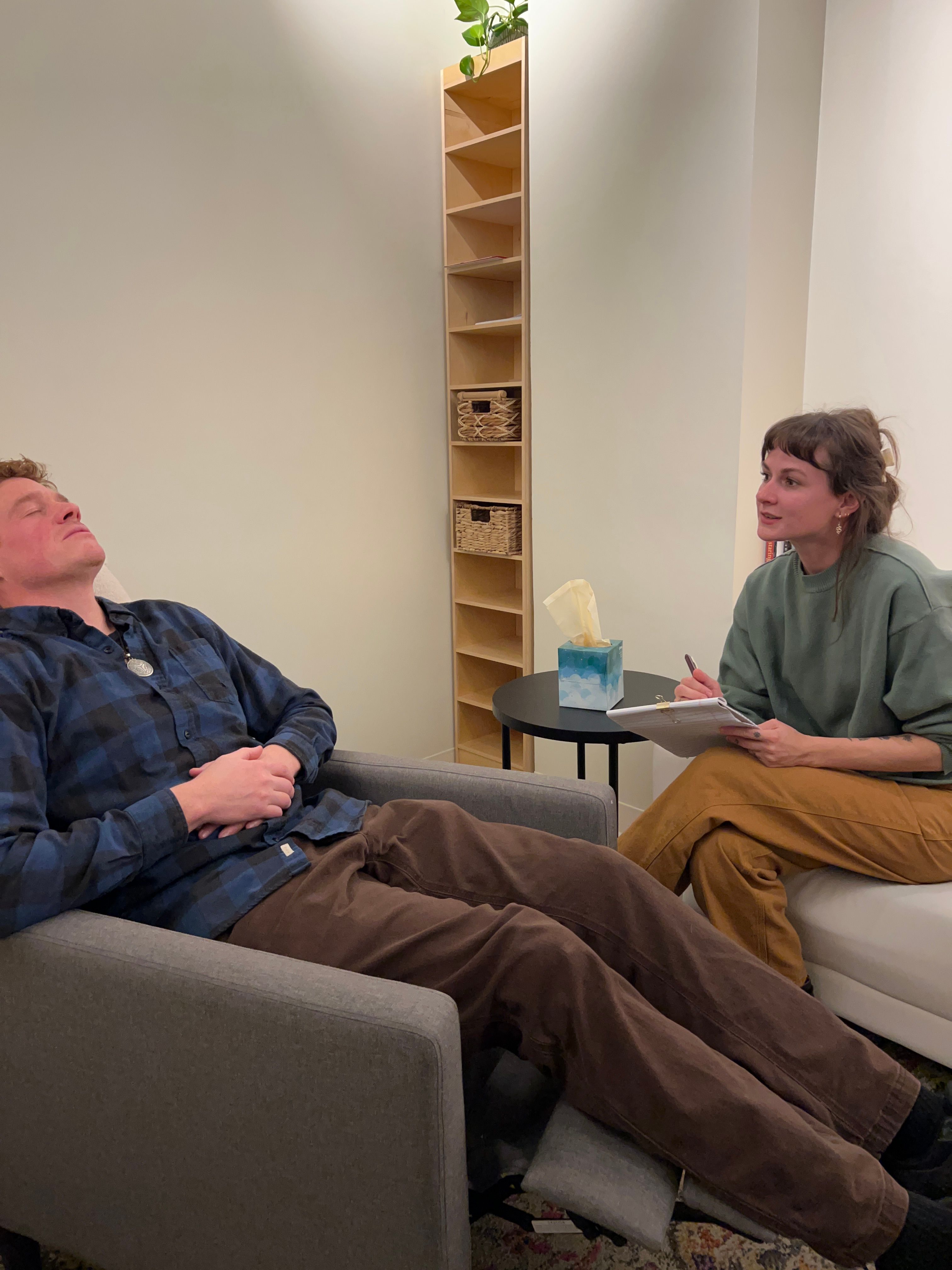
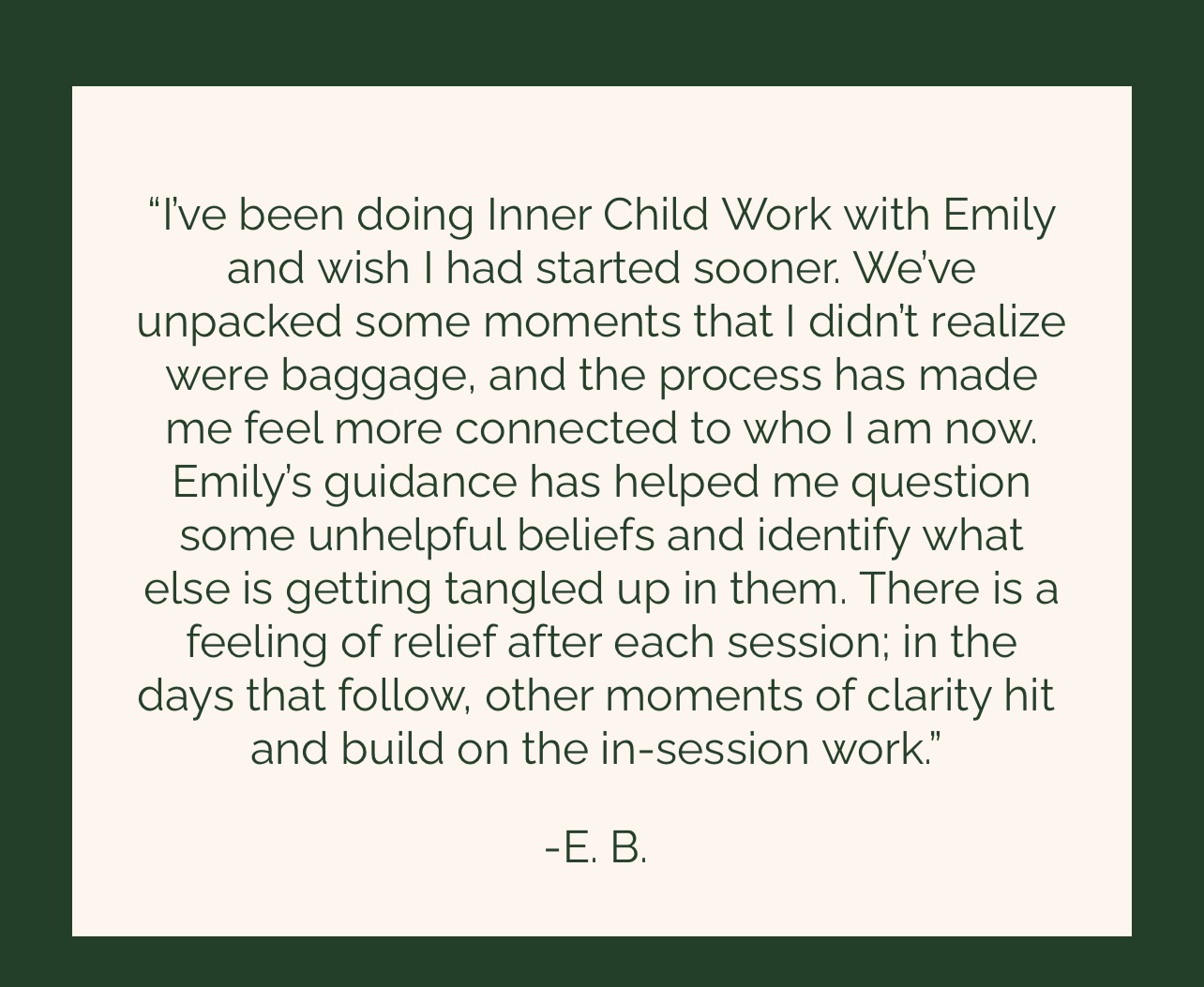
Image Credits
Nurture Wellcare