

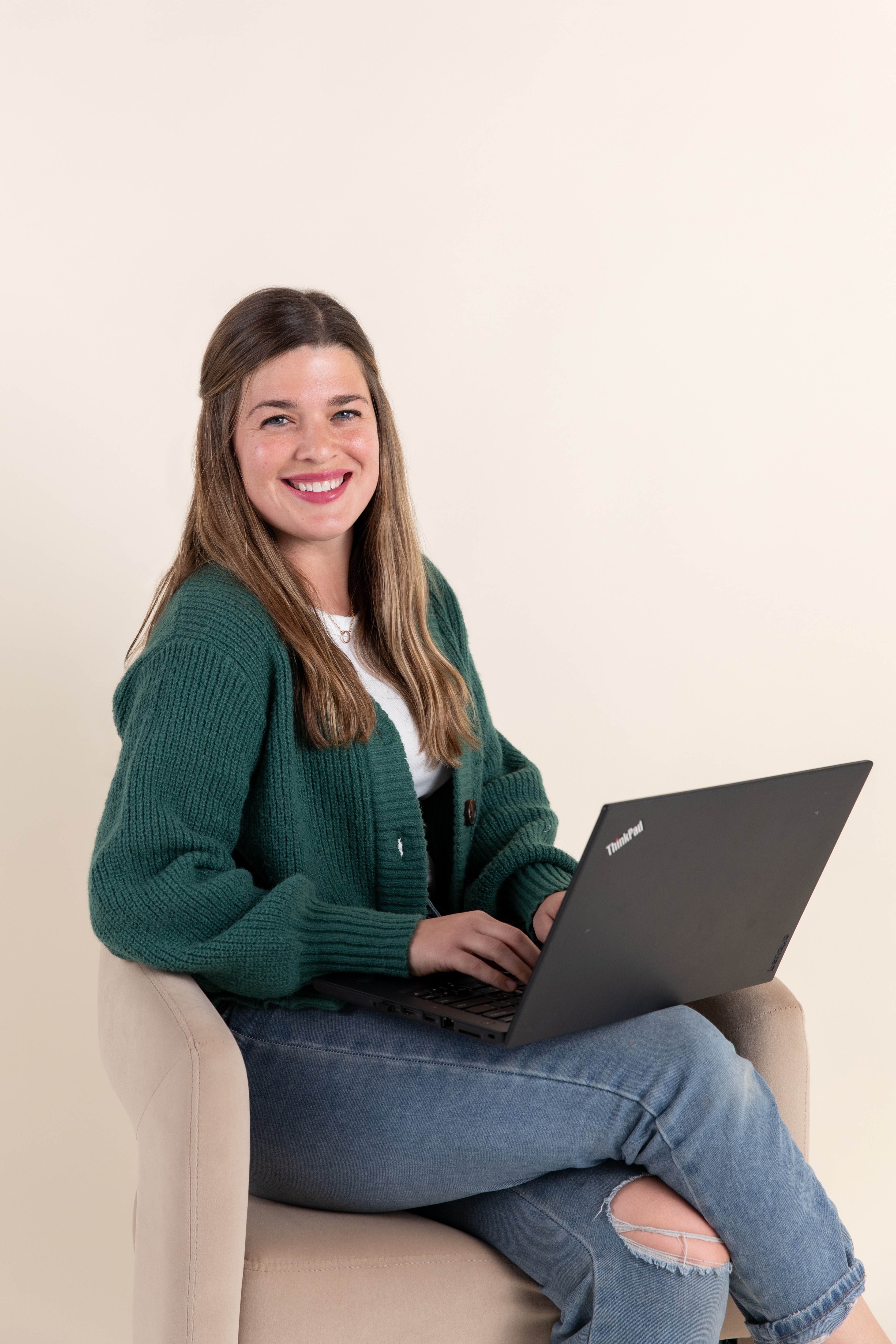
Nicole Magelssen shared their story and experiences with us recently and you can find our conversation below.
Nicole, we’re thrilled to have you with us today. Before we jump into your intro and the heart of the interview, let’s start with a bit of an ice breaker: Have you ever been glad you didn’t act fast?
There have been many moments in my career where acting quickly would have felt decisive, but pausing turned out to be the better choice. One that stands out happened during a season when my business was under real pressure. Revenue was tight and I was carrying the emotional weight of a team that depended on me.
My instinct as a leader is not to rush. I’m naturally deliberative. When something feels urgent, I slow down, gather context, and try to understand second- and third-order consequences before moving. In that moment, the “fast” option would have been to make abrupt cuts, shift responsibility onto others, or force changes just to feel back in control.
Instead, I chose to wait. I sat with the discomfort longer than was convenient. Longer than I liked. I reviewed the numbers carefully, talked with trusted advisors, and took time to listen to my team before making any decisions. I realized the problem was a need for better systems and clearer communication.
Because I didn’t act fast, I made decisions that were steadier, aligned with my values, were more humane, and ultimately more sustainable. We kept the trust of our team, stabilized the business, and came out stronger on the other side.
Being a deliberator has served me well because it allows me to lead with wisdom rather than panic. I’ve learned that speed can feel like strength, but clarity is what actually creates lasting impact.
Can you briefly introduce yourself and share what makes you or your brand unique?
I’m Nicole Magelssen, the founder and CEO of Alpine Virtual. I started the company after being laid off from what I thought was a “safe” job, during a season when life felt anything but stable. What began as me supporting a few leaders behind the scenes eventually grew into an agency that pairs busy founders and executives with exceptional, U.S.-based virtual assistants.
What makes Alpine Virtual different is that we are deeply people-first. I personally vet every assistant we bring on, hiring only a small fraction of applicants, and we build long-term partnerships rooted in trust, consistency, and care. Our goal isn’t just to help leaders get more done, but to help them lead better, live more fully, and stop carrying everything alone.
Alongside growing the business, I’m a wife, a mom of two boys, and avidly outdoorsy. I spend a lot of time thinking about leadership, responsibility, and what it means to build something meaningful without burning out the people involved. Right now, I’m focused on scaling Alpine Virtual sustainably while continuing to create systems that support both our clients and the humans doing the work.
Thanks for sharing that. Would love to go back in time and hear about how your past might have impacted who you are today. What’s a moment that really shaped how you see the world?
One of the moments that most shaped how I see the world was being laid off from a job I believed was secure. It happened during a season when I was doing everything “right,” working hard, being dependable. At that time I truly believed that stability comes from loyalty and effort. Losing that job forced me to confront how fragile the systems we trust can be and how much of our identity we often tie to roles that can disappear overnight.
That experience changed the way I see work, leadership, and people. I realized that certainty is often an illusion, but character, adaptability, and relationships last. It also personally felt how vulnerable people feel when their livelihood is threatened, and how much leadership matters in those moments.
When I later built my own company, that perspective shaped Alpine. I became intentional about creating a business that values people over productivity, clarity over urgency, and long-term trust over short-term wins. I lead more carefully, knowing that each decision impacts real lives.
Resilience isn’t about controlling outcomes. It’s about responding thoughtfully when the ground is shifting. That belief continues to guide how I build, lead, and show up.
If you could say one kind thing to your younger self, what would it be?
I’d tell her that she doesn’t need to become louder, faster, or more certain to earn her place as a leader. Over time, she will see that her strength in leadership is being strategic, deliberative, intentional, and deeply relational.
I would tell her to trust herself sooner. To rest without guilt. And to know that the very qualities she worried would hold her back would one day be the reason people felt safe working with her, following her, and building alongside her.
Alright, so if you are open to it, let’s explore some philosophical questions that touch on your values and worldview. What’s a belief or project you’re committed to, no matter how long it takes?
I’m committed to building work environments that honor people as humans, not resources. I believe it’s possible to create businesses that are both operationally excellent and genuinely humane, even if that path is slower and more complicated than chasing rapid growth.
In my own work, that means investing heavily in systems, clarity, and long-term relationships rather than shortcuts. It means choosing consistency over hype, trust over urgency, and sustainability over burnout. I’m willing to let things take longer if it means they’re built on solid ground.
This commitment shapes how I lead, who I partner with, and what opportunities I say no to. I’m not interested in fast wins that cost people their peace or dignity. I’m interested in building something that lasts, supports real lives, and proves that thoughtful people-first leadership can be both effective and enduring.
Okay, so before we go, let’s tackle one more area. When do you feel most at peace?
I feel most at peace when I’m fully present with the people I love and taking a mental break from a busy work day. That often looks very simple. Hiking outside with my family, making myself a really good cortado before the day starts, or being in nature where there’s nothing to optimize or manage.
Peace, for me, comes when I stop carrying responsibility for outcomes and allow myself to just be attentive. I’ve learned that my instinct is to hold things together for everyone around me, and true rest happens when I consciously release that role.
This isn’t to say that I don’t love strategy, optimizing, and problem-solving. But these moments are really important to me because they remind me that my worth isn’t tied to productivity or leadership. These moments really ground me, recalibrate my perspective, and inform how I show up in my work. When I protect those pockets of peace, everything else I build tends to be steadier and more intentional.
Contact Info:
- Website: https://www.alpinevirtual.com
- Instagram: https://www.instagram.com/alpinevirtual/
- Linkedin: https://www.linkedin.com/company/alpine-virtual-assistants/
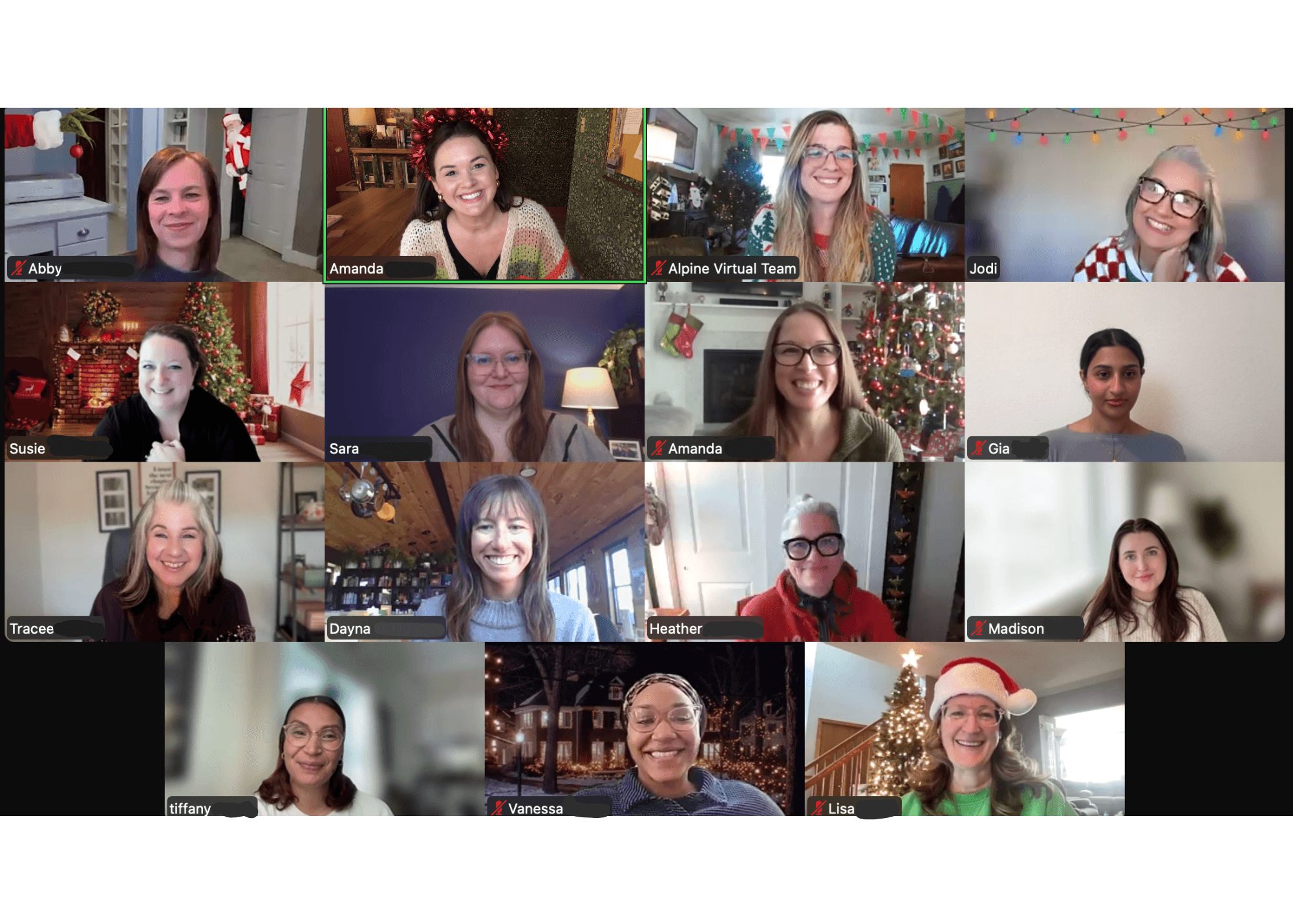
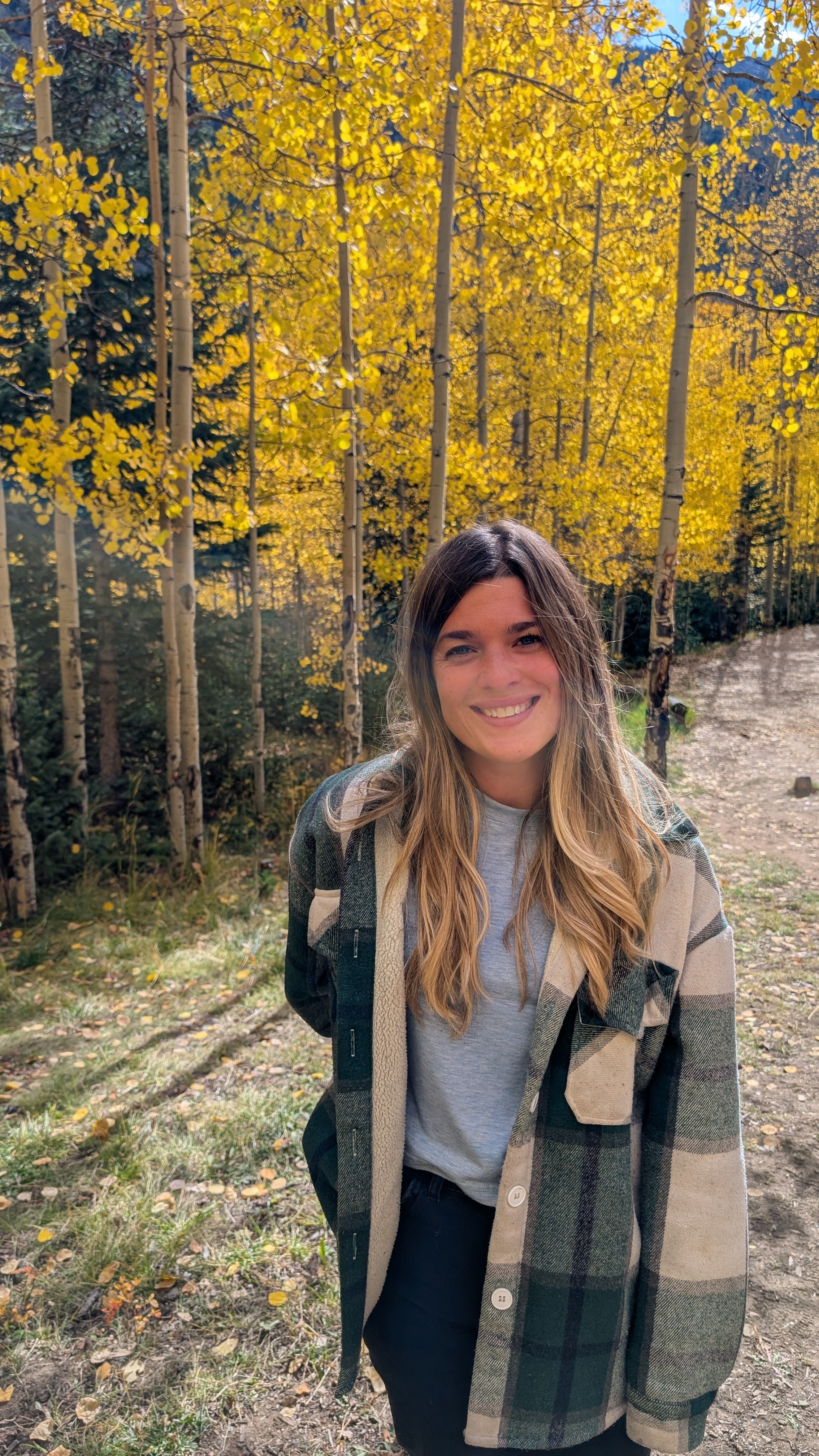
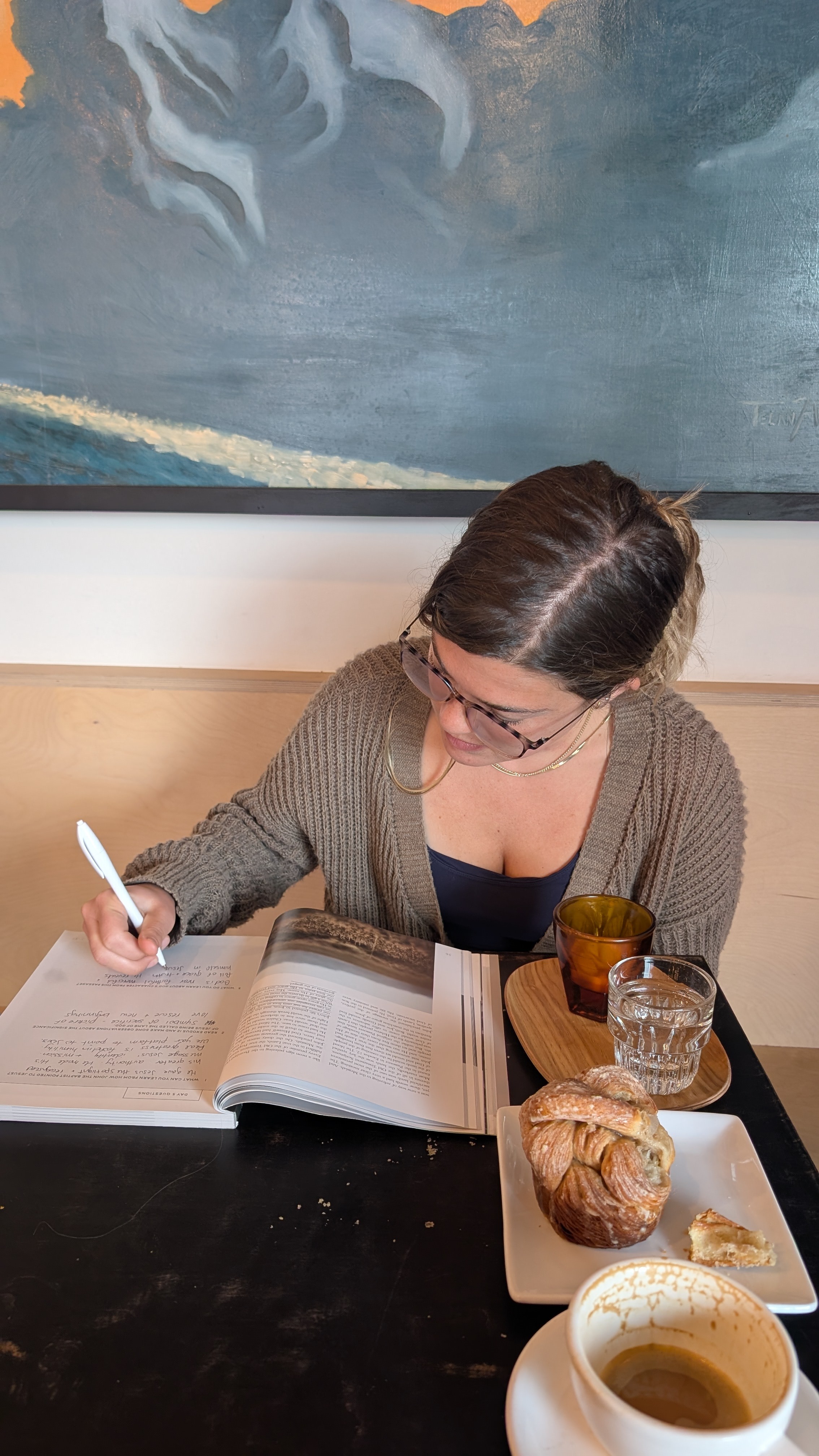
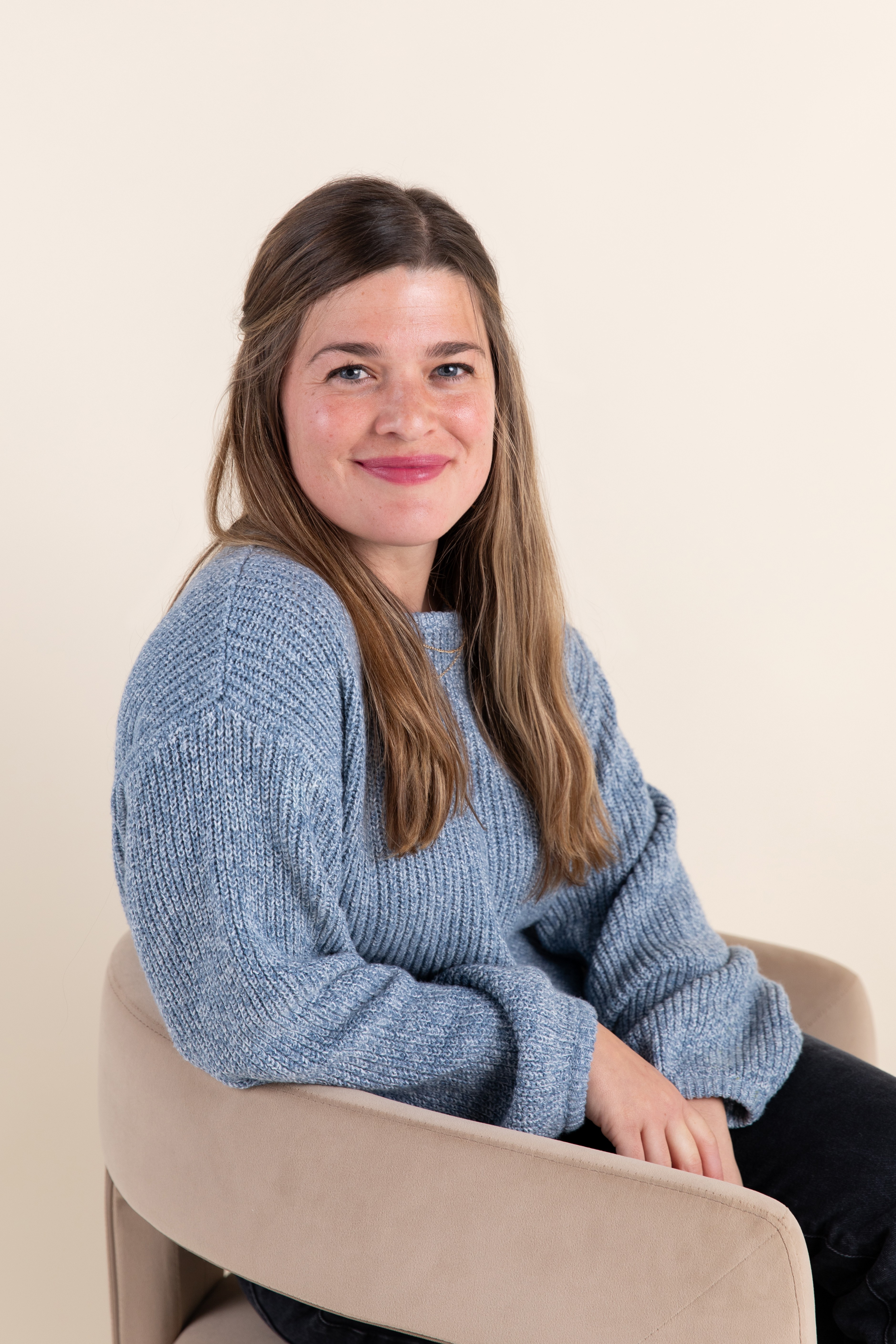
Image Credits
I have image rights.