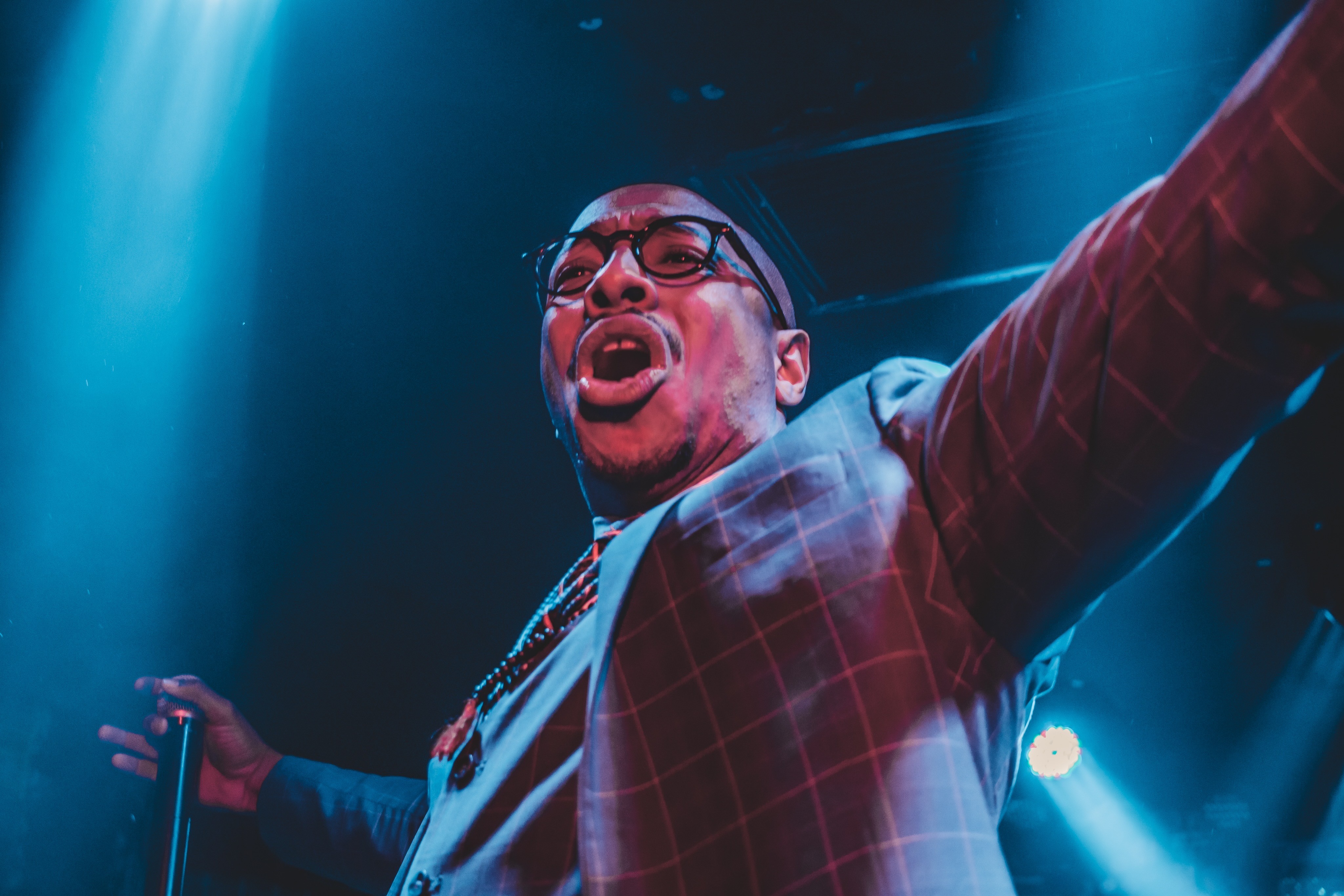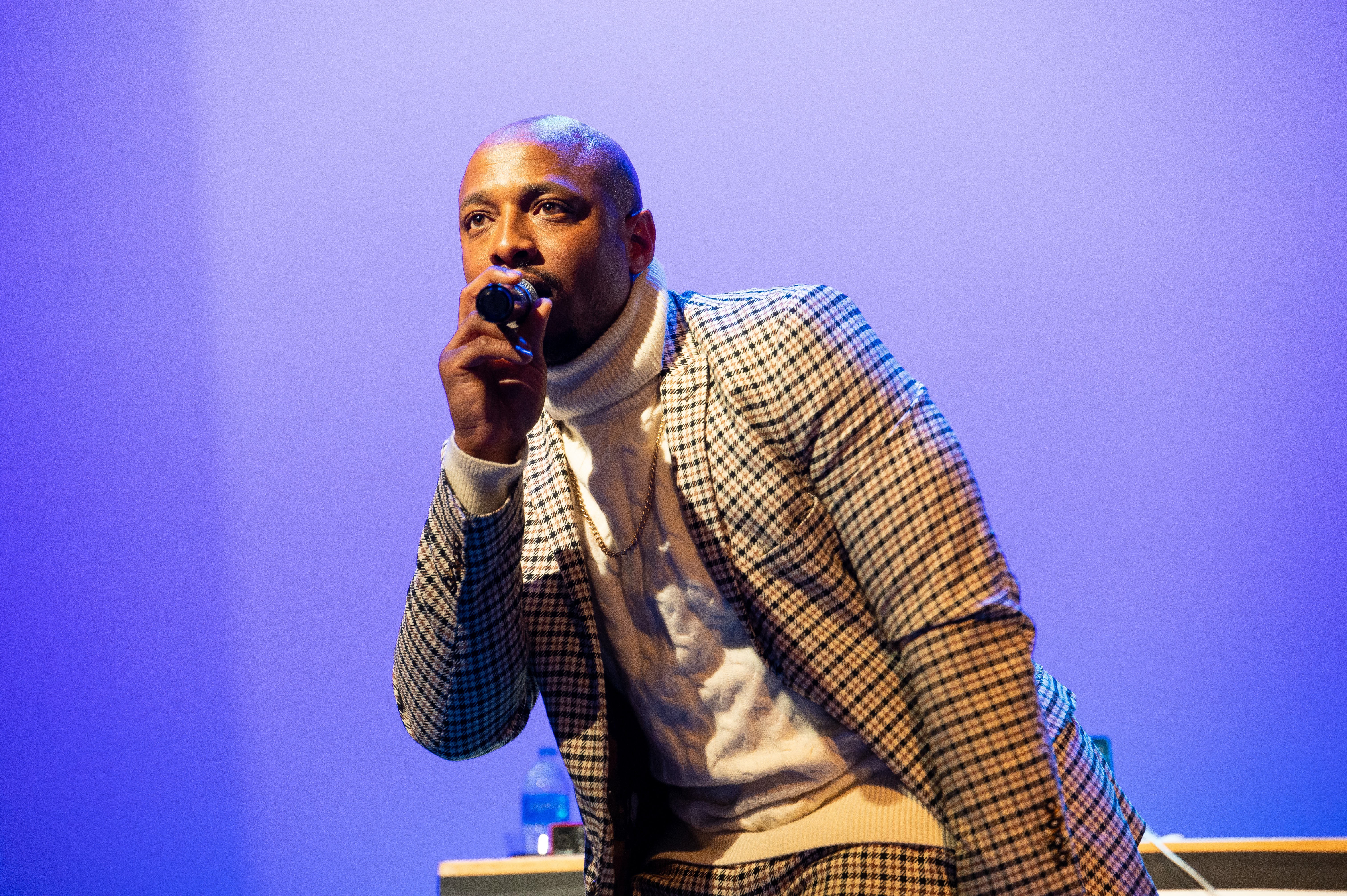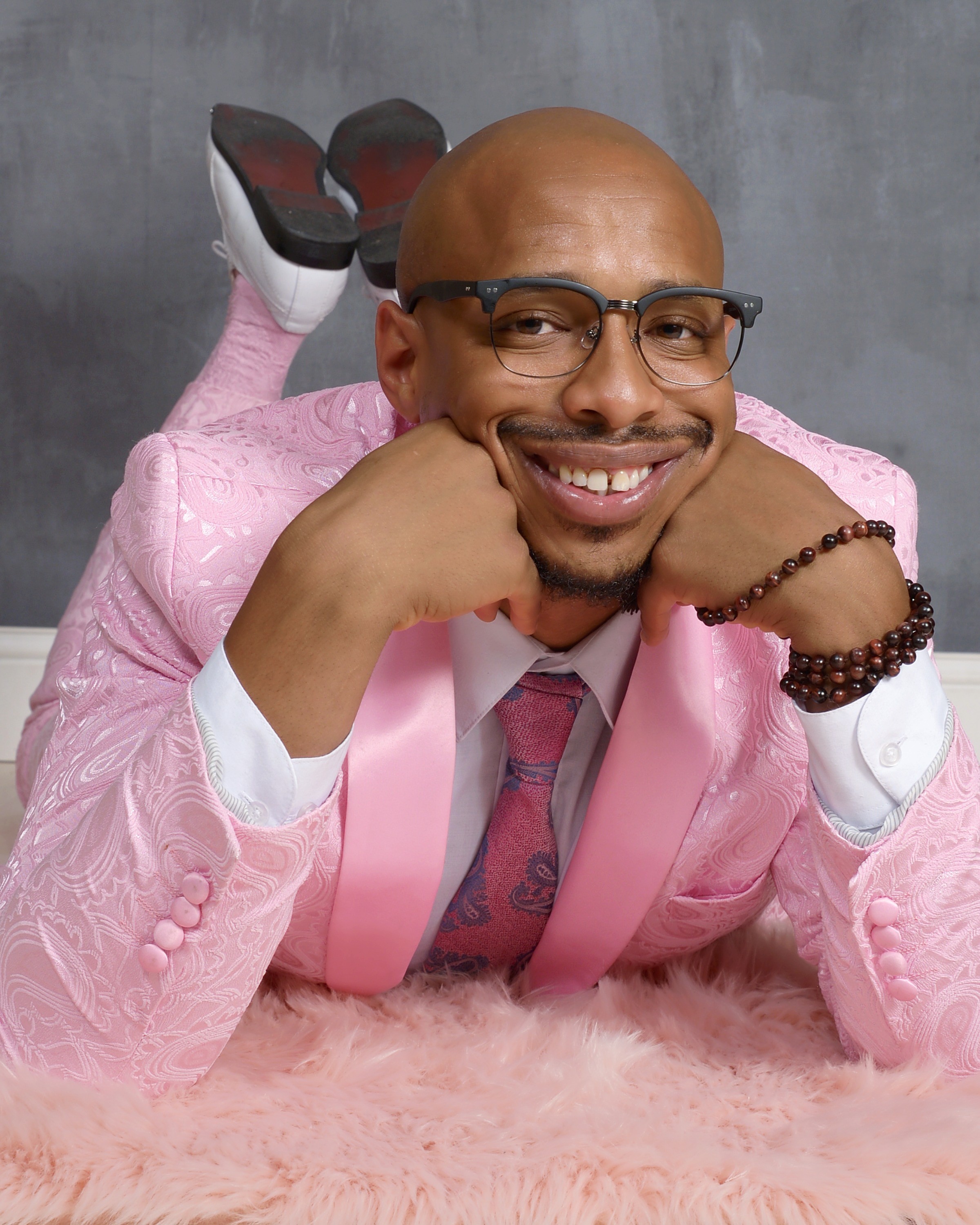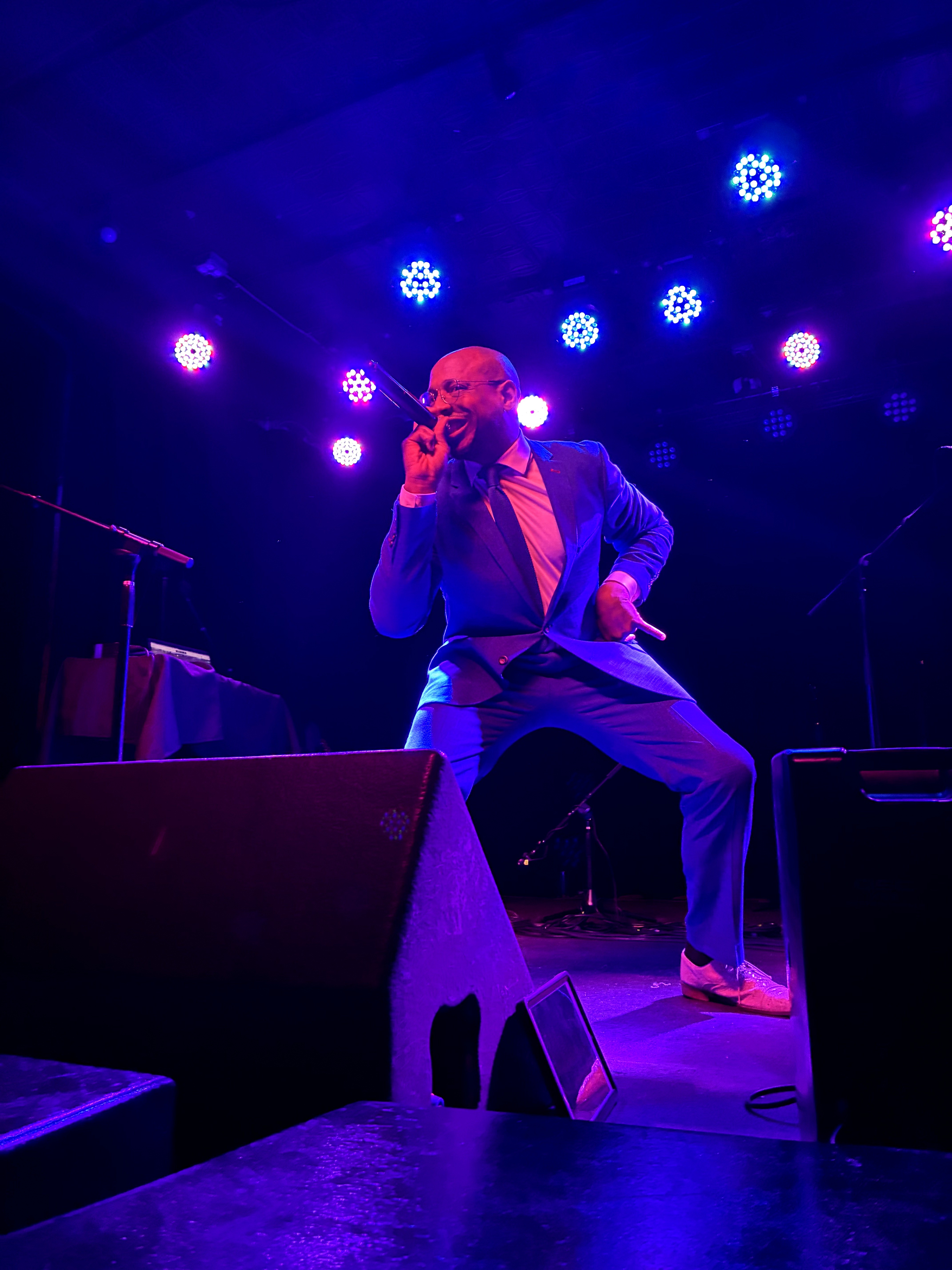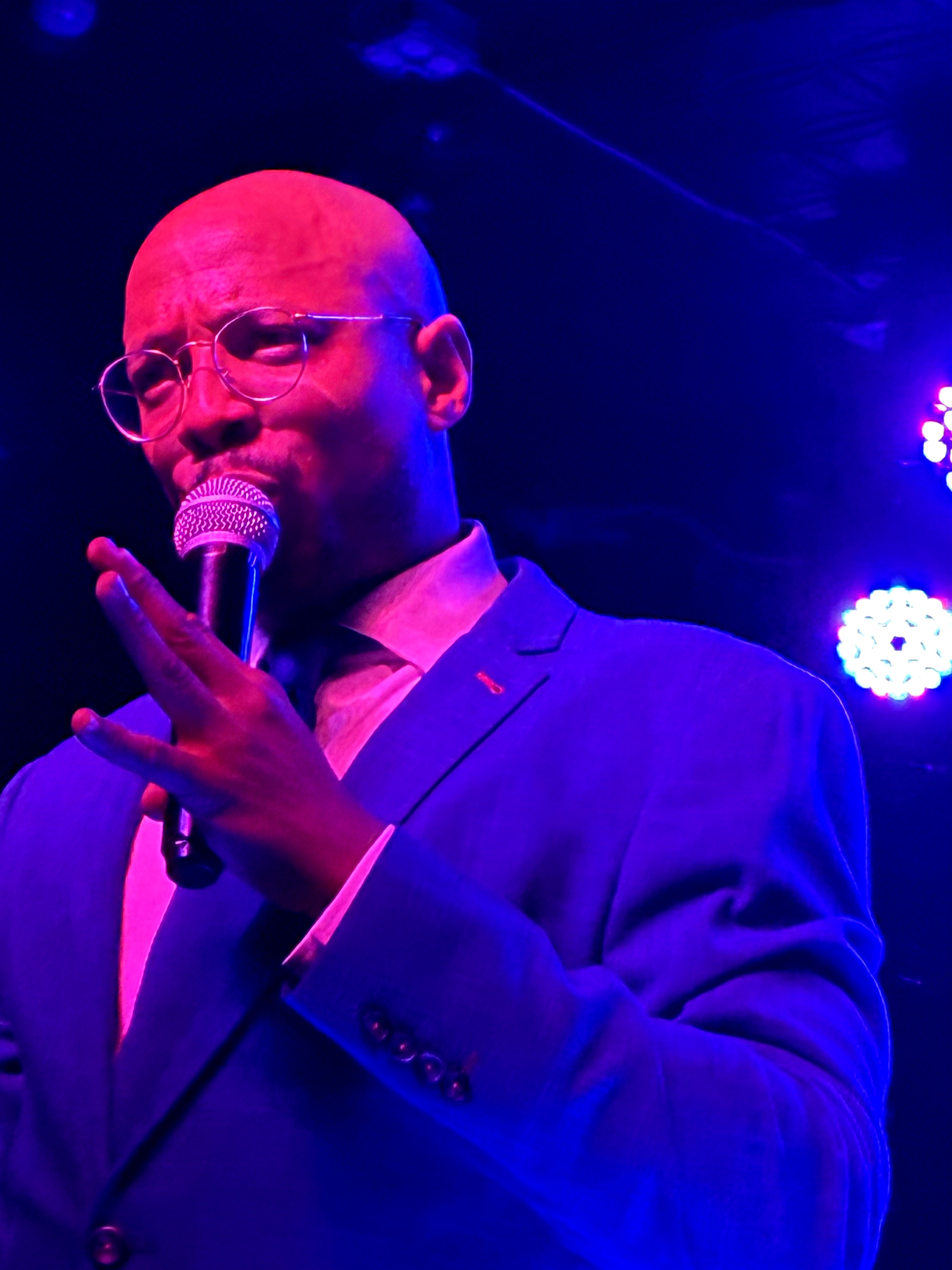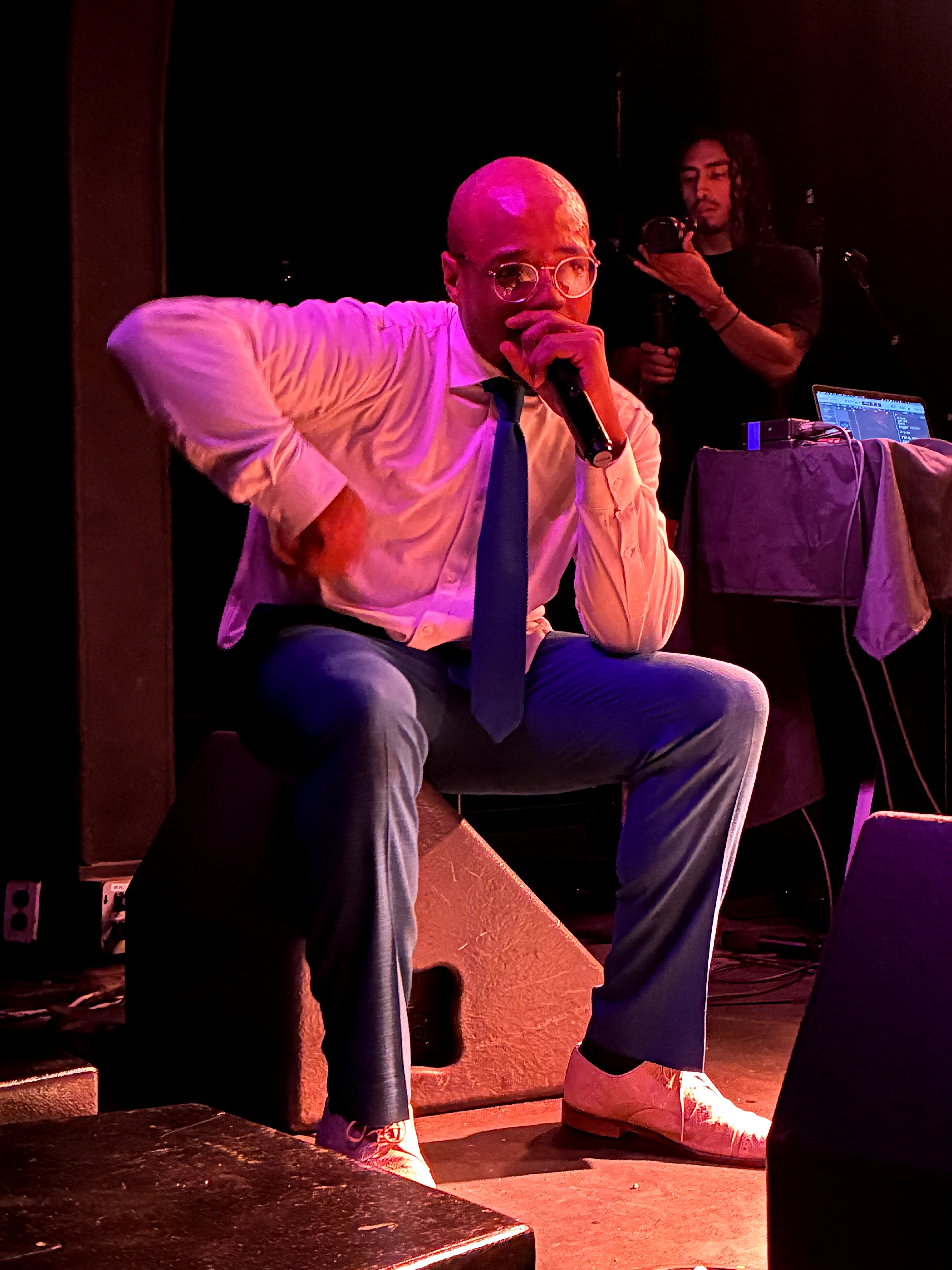


Saxon Kincy shared their story and experiences with us recently and you can find our conversation below.
Saxon, really appreciate you sharing your stories and insights with us. The world would have so much more understanding and empathy if we all were a bit more open about our stories and how they have helped shaped our journey and worldview. Let’s jump in with a fun one: What do you think is misunderstood about your business?
I think one big misunderstanding about the music business is that it always has to be a business first. For me, there’s always been this tension: the more you get pulled into the business side—handling the marketing, the social media presence, all that constant promotion—the more it can feel like you’re drifting away from just making music for its own sake. And that’s something I think a lot of people misunderstand. Yes, if you want to reach the most people, you do have to treat it like a business. But if you’re making music purely for the love of it, there’s still an audience out there who’ll appreciate it on that level—it just might not be as big or as easy to find.
Can you briefly introduce yourself and share what makes you or your brand unique?
So, I’m Old Man Saxon—a musician and educator. I launched a nonprofit called Healing Futures, where we go into schools and help kids reimagine their futures through hip-hop. What makes this program unique is that we’re using hip-hop as a tool to get kids to think about a positive, long-term vision for themselves—something that hip-hop doesn’t always focus on. I noticed this gap from my own experience growing up and then hearing kids say they couldn’t imagine themselves growing old. I really believe hip-hop can be a tool for change, but it’s often been caught in a cycle of glorifying early death rather than long life.
Alongside Healing Futures, I’m also doing an interview series with rappers over 40, because the average age of death for rappers is something like 35, and I want to highlight the ones who’ve made it past that and are thriving. I’ve talked to folks like A-Plus from Hieroglyphics, Denver artists like Big Rat and Don Blas, and others from New York and Louisiana. It’s a powerful thing to talk about these Black men who’ve navigated a genre that often glorifies dying young, and to celebrate their stories of resilience.
Appreciate your sharing that. Let’s talk about your life, growing up and some of topics and learnings around that. What’s a moment that really shaped how you see the world?
One moment that really shaped how I see the world happened back when I was a kid, just playing catch at Skyland Park. I remember the ball got away from me, and as I went to pick it up, there were these two teenagers in a car. One of them pointed a gun at me and then they just drove off. It really messed with my head, because it showed me how quickly things can change. Honestly, that made me want to stay inside a lot more, and even now I’m not that comfortable going out. It’s just one of those things that sticks with you.
What fear has held you back the most in your life?
I’d say the fear that’s held me back the most is definitely the fear of disappointing people. It’s one of those things that makes me want to do everything myself, because if I disappoint myself, I can handle that. But bringing someone else into something and feeling like I’ve added unnecessary stress to their life is a lot harder for me. So that fear of letting people down has definitely been a big one.
Alright, so if you are open to it, let’s explore some philosophical questions that touch on your values and worldview. What are the biggest lies your industry tells itself?
I think one of the biggest lies the hip-hop industry tells itself is about authenticity. We always say “be authentic,” but in reality, there’s a mold of what “authentic” is supposed to look like in hip-hop. And that mold is often a hardened, street-oriented caricature of what a rapper should be. If artists felt free to just be who they actually are, we’d see a lot more variety in the music and in the personalities that get to shine. But instead, there’s this unspoken rule that being “authentic” means fitting that predefined image of what a rapper is supposed to be.
Okay, so let’s keep going with one more question that means a lot to us: What are you doing today that won’t pay off for 7–10 years?
What I’m doing today that I believe will pay off years down the line is really centered around my nonprofit work and these interviews with older rappers. With the kids I work with, I know that sometimes the things we say to them now might not fully click until they’re much older. But my hope is that in seven, ten, or twenty years, something we’ve talked about will suddenly make sense and help them see their futures in a new way.
And with the older rappers, I think these interviews can also have a long-term impact. It’s almost like leaving behind a blueprint or a life review that shows that rappers can thrive and evolve well past the age of 40, whether they keep rapping or move into something else. And hopefully, hearing these stories will create a kind of generational shift for the listeners too.
Contact Info:
- Website: https://oldmansaxon.bandcamp.com/album/so-long
- Instagram: https://www.instagram.com/oldmansaxon/
- Twitter: https://x.com/OldManSaxon
- Facebook: https://www.facebook.com/oldmansax/
- Youtube: https://www.youtube.com/@oldmansaxon1
- Soundcloud: https://soundcloud.com/old-man-saxon