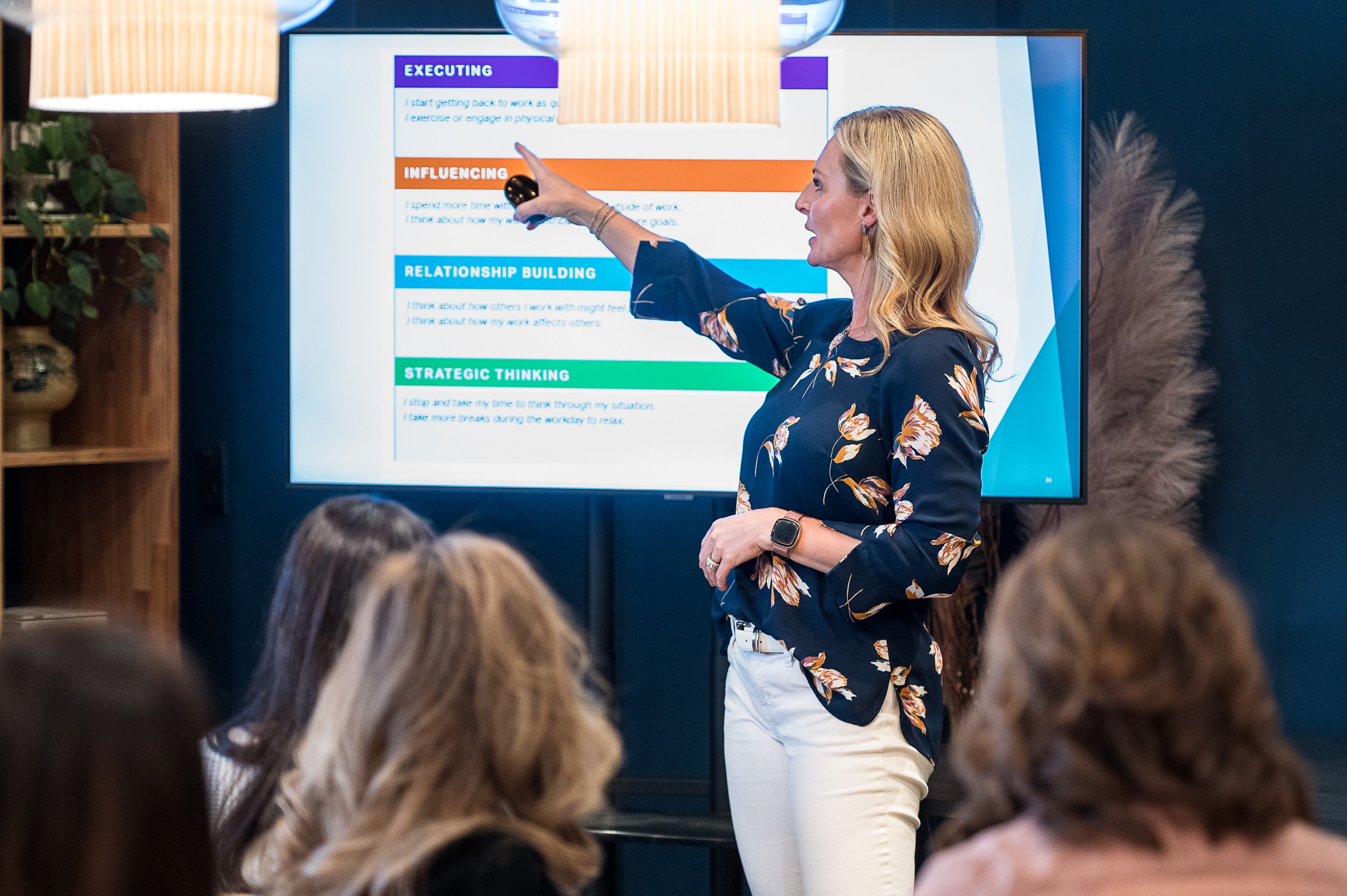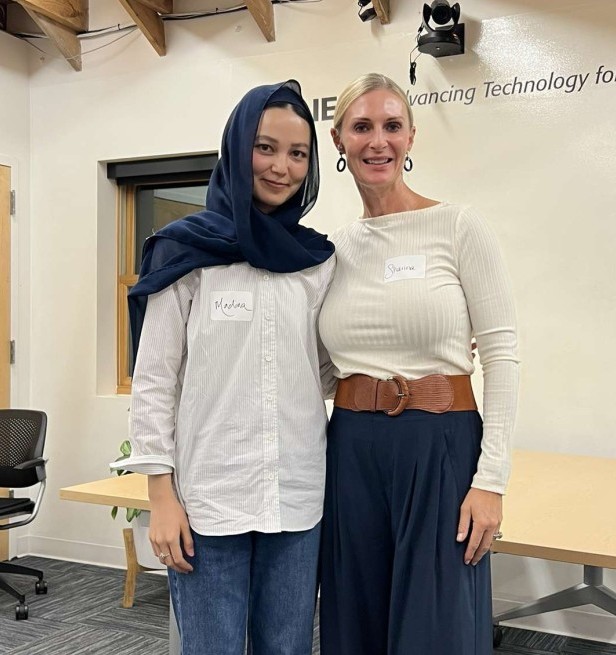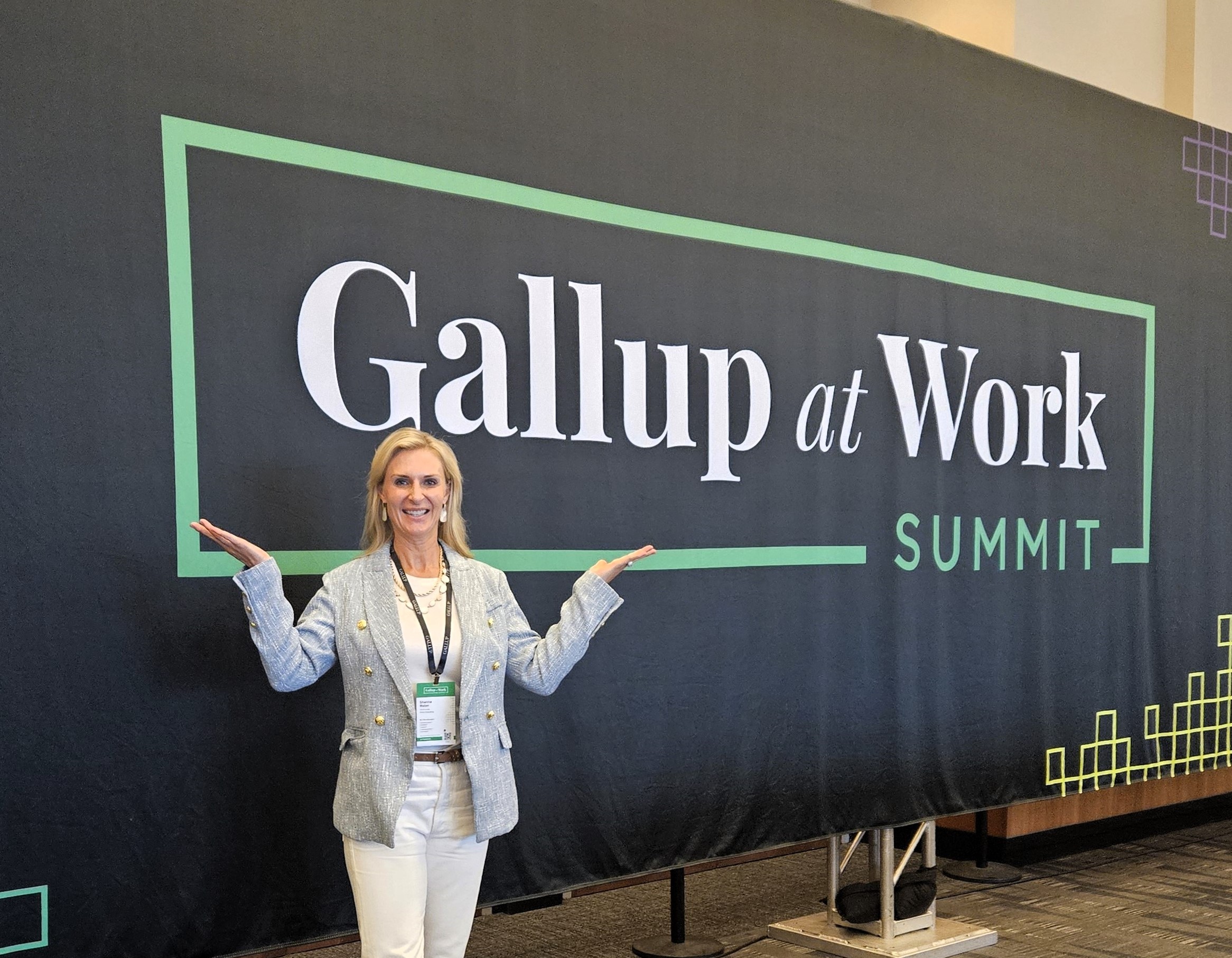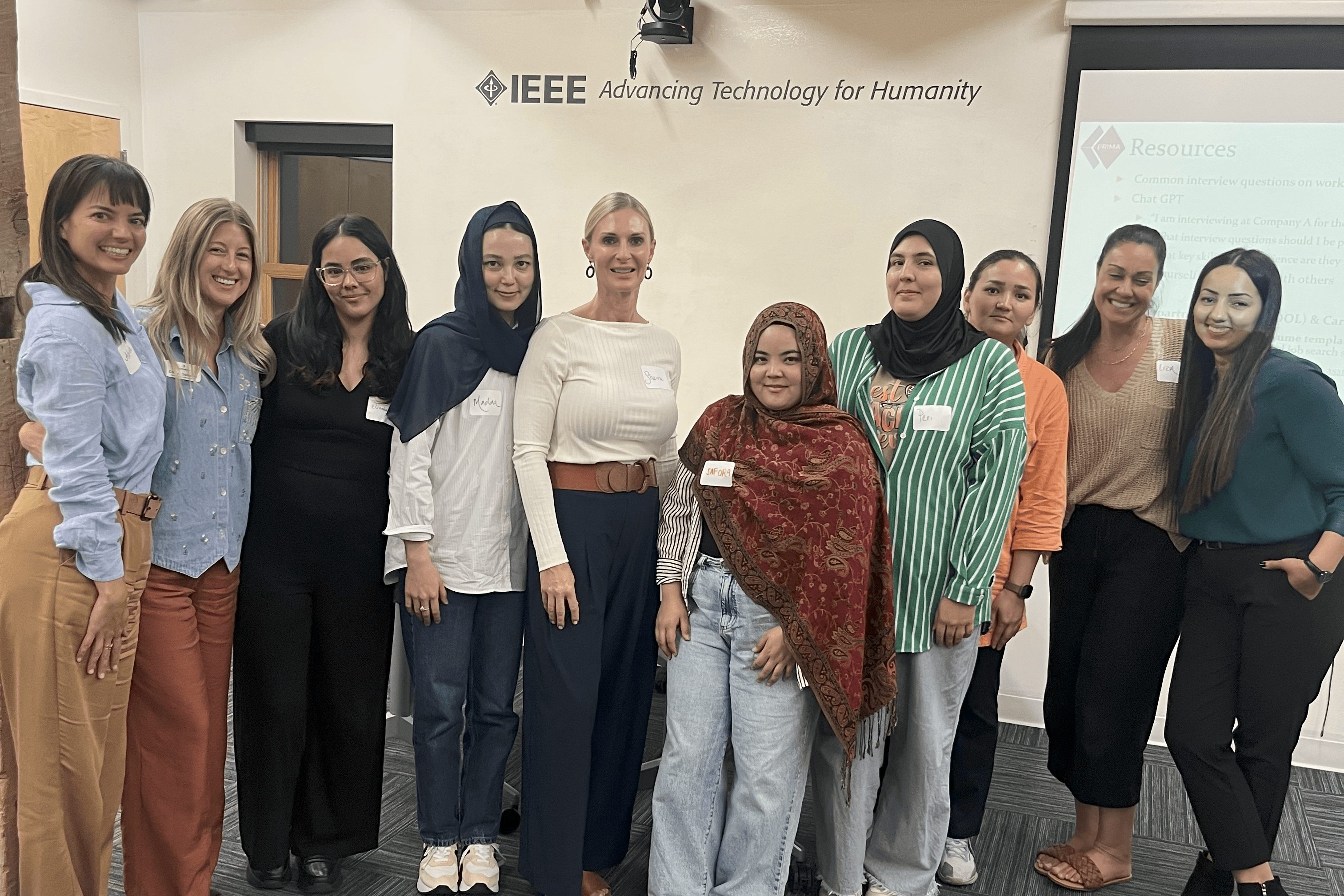


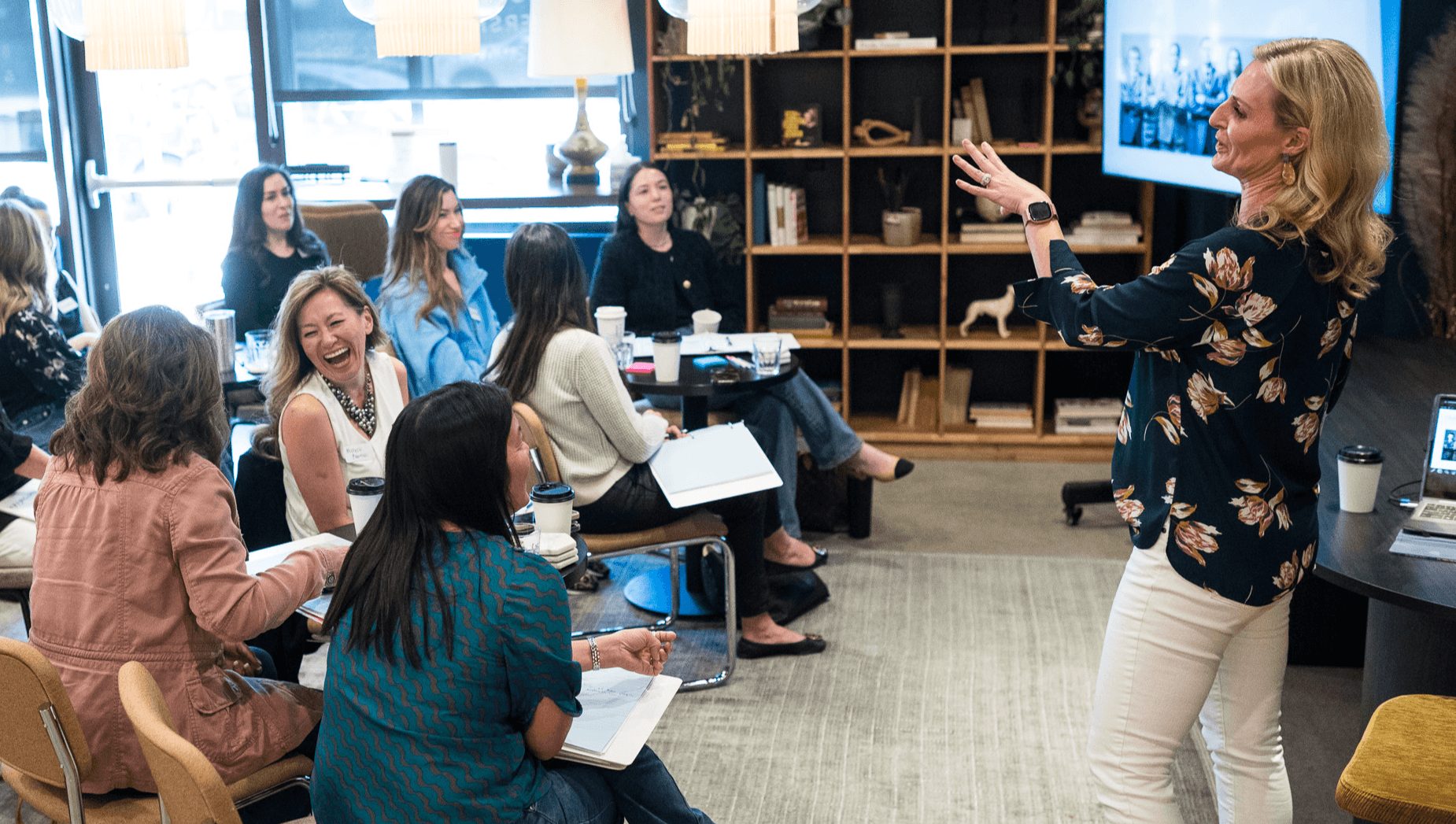
We recently had the chance to connect with Shanna Weber and have shared our conversation below.
Hi Shanna, thank you so much for joining us today. We’re thrilled to learn more about your journey, values and what you are currently working on. Let’s start with an ice breaker: What do you think is misunderstood about your business?
I think the biggest misconception about coaching is that it’s something anyone can just decide to do after reading a few articles on LinkedIn. Coaching isn’t about cheerleading or tossing out generic advice—it’s about helping people grow in very real, very messy, very human situations.
The truth is, a lot of coaches out there are very young, with little actual workforce experience. They might have the models and frameworks down, but you can’t shortcut lived experience. The best coaching comes from a mix of education and the hard-earned lessons of wins and failures.
That’s where Prima is different. My business isn’t “another coaching service.” It’s rooted in deep experience, expertise, research, and connection. I spent over 20 years in the finance industry, often as the only woman in the room, leading strategy, launching products, and building teams. Those achievements were great, but honestly? The moments that fueled me most were when I helped someone else advance their career—whether it was landing a promotion, stepping into leadership, or finding the confidence to speak up in a tough room. That’s when I knew coaching was my calling.
Research backs this up too. Gallup has shown again and again that employees who feel developed are far more engaged at work, and HBR highlights that “great coaches unlock not just performance, but potential.” That’s not something you learn in a weekend certification program. It takes time, failures, comebacks, and real-world perspective.
So yes, anyone can call themselves a coach. But being an impactful coach? That’s a whole different climb.
Can you briefly introduce yourself and share what makes you or your brand unique?
I’m Shanna Weber, the founder of Prima Consulting, and my passion is helping leaders on their climb.
A lot of leadership coaches focus only on executives at the very top—maybe because those leaders can pay more. But I’ve seen firsthand that the real impact on culture, engagement, and performance happens in the middle. Middle managers are the glue of every organization. They’re the ones translating strategy into action, developing talent, and holding teams together during change. Yet, they’re often the most overlooked when it comes to leadership development.
That’s why Prima is different. We build programs for leaders at every stage of the climb—not just those who have already “summited.” Our work blends the latest research (from Gallup’s engagement studies to Gene Twenge’s generational insights) with my 20+ years of leadership in the finance industry. And we make it practical.
But here’s the real difference: I’m not the kind of coach who just nods along and tells you how great you are. I ask tough questions. I push leaders to step outside their comfort zones. And I do it in a supportive way—like a guide on a mountain, encouraging you to take the next step but making sure you don’t fall off the cliff. Growth doesn’t come from staying comfortable, and my role is to help people get uncomfortable and confident at the same time.
What I love most is watching leaders who may not even see themselves as leaders yet discover their strengths, gain confidence, and realize they have the power to influence culture. That’s where the magic happens—and it’s why Prima isn’t just about leadership development. It’s about creating workplaces where people actually want to show up.
Appreciate your sharing that. Let’s talk about your life, growing up and some of topics and learnings around that. What did you believe about yourself as a child that you no longer believe?
Perfection. I believed I had to be perfect at everything. And for a long time, I worked really hard to be exactly what everyone else wanted me to be. Dancer. Cheerleader. Student body president. VP in my sorority. Consultant at a Big 5 firm. 4.0 student. Later, a Managing Director in corporate America. On paper, it all looked great—like I had nailed the “how to exceed expectations” playbook.
But here’s the catch: being perfect at everything came with a cost. About 12 years ago, a colleague told me that people thought I was stuck up and unapproachable. That feedback shocked me—and honestly, it scared me. In my effort to be what I thought everyone else wanted, I had become the one thing I never wanted to be: someone who seemed unkind and unrelatable.
So now, I call myself a recovering perfectionist. I still fall off the wagon from time to time (my inner overachiever is alive and well), but I’ve learned that being authentic, being myself, and even making mistakes is far more powerful than pretending to have it all together. In fact, research backs this up—Gallup has found that leaders who show vulnerability and authenticity actually build stronger trust and engagement with their teams. Turns out, people don’t connect with perfect. They connect with real.
And honestly? It’s a lot less exhausting to just be me. Besides, perfection is overrated—have you ever tried to keep a house spotless with a teenage son?
What did suffering teach you that success never could?
When I was about four, my dad left my mom and me. We struggled financially for years, and my mom worked multiple jobs to get us on our feet. It was hard. I learned early how to take care of myself and support my family—cooking my own meals, doing my laundry, and studying for my spelling tests solo. I also learned how to pitch in around the house to make things just a little easier for my mom.
That experience taught me grit. I learned how to work hard, solve problems, and fight for what I wanted. But I also learned something success alone could never teach me: the value of people who show up.
You might think being abandoned by my dad would make me not trust people. Quite the opposite. I learned to deeply trust those who proved they’d be there. My mom’s incredible circle of friends picked me up from school, brought meals (I’m still convinced most of the baked goods were really for me), and made sure we never felt alone. My grandparents gave my mom breathing room by taking me in for summers, and my cousins gave me the chance to just be a kid.
So yes, my success is a result of my suffering—but not because of the hardship itself. It’s because hardship taught me gratitude, resilience, and how much stronger we are when we support each other. And that lesson shapes everything I do today: leaders can’t just push for results, they have to show up for their people. That’s where real trust and engagement are built.
Sure, so let’s go deeper into your values and how you think. What’s a belief or project you’re committed to, no matter how long it takes?
Equity. And I don’t mean that in a political sense — I mean it in the “human sense.” I believe everyone deserves access to opportunity, growth, and a workplace where they can truly contribute.
My whole business is built on the idea that leadership isn’t just for people at the top of the org chart. Middle managers, new leaders, even those who don’t have a title but influence a team — they all deserve the coaching, resources, and support that help them grow.
Equity shows up in the generational work I do, too. A Gen Z employee just starting out doesn’t need the same kind of support as a Gen X manager juggling career and family. True leadership is about meeting people where they are, and making sure the path up the mountain is open — not blocked — for everyone.
I also live this belief through my volunteer work. With TechNation, I work to help immigrant women develop executive presence, confidence, and skills to succeed in their roles and careers. In 2016, I founded the Denver chapter of Women in ETFs to support women in the finance industry. And with the Ethnic College Counseling Center, I help bring financial literacy and empowerment to underserved communities. Those opportunities can change a person’s trajectory — and that ripple effect extends to families, organizations, and communities.
Gallup’s research shows that when people feel they belong, engagement and retention skyrocket. Additionally, Gen Z, in particular, is demanding equity and fairness at work — and they’re willing to leave employers who don’t deliver.
So for me, equity isn’t a buzzword or a side project. It’s a lifelong commitment. It’s about creating workplaces where every person has the chance to climb, contribute, and feel valued along the way.
Before we go, we’d love to hear your thoughts on some longer-run, legacy type questions. What is the story you hope people tell about you when you’re gone?
That I encouraged people to experience life.
Yes, I want people to say I helped them reach beyond what they thought was possible in their work — taking on challenges, trying new approaches, even stepping into new roles or companies where they could thrive. But I also hope they say I encouraged them to experience life outside of work.
For me, that means traveling to places like Bali, Costa Rica, and Thailand, eating new foods, laughing with friends halfway across the world, and chasing my goal of visiting all 50 states and all 7 continents. It also means raising my son to be adventurous — to try everything, whether that’s a new sport, a new dish, or a new perspective.
Sometimes experiencing life is big — like hopping a plane across the globe. And sometimes it’s small — like saying yes to a new project at work, or finding a workplace where you actually want to show up every day.
If the story people tell is that I helped them climb higher, live fuller, and say “yes” to more of life’s experiences — then that’s a story I’d be proud of.
Contact Info:
- Website: https://swprima.com
- Linkedin: https://www.linkedin.com/in/shanna-weber/
- Youtube: https://www.youtube.com/channel/UCUPMpC0dX4J0Cie4b9-PpFA