


We recently had the chance to connect with Tiffany Starrett and have shared our conversation below.
Hi Tiffany, thank you so much for taking time out of your busy day to share your story, experiences and insights with our readers. Let’s jump right in with an interesting one: What are you being called to do now, that you may have been afraid of before?
Honestly? To stop hiding behind other people’s brilliance and start owning mine. For years, I stood just offstage—cheering others on, supporting their stories, honoring their grief, and helping them shape how they show up in the world. I was the quiet, creative one behind the curtain, making sure everyone else felt taken care of. And I loved it. But somewhere along the way, I realized I was using that role as a very elegant form of avoidance.
Now, I’m being called to step forward. To let my own art, my own story, my own voice take up space. And yes, it’s terrifying. Vulnerability always is. But I’m learning that standing in front doesn’t mean I’m abandoning anyone—it means I’m modeling what it looks like to show up fully. To say, “This is mine. I made this. And I’m proud of it.”
It’s like going from stagehand to spotlight—but with wildflowers in my hair and a glue gun still in my hand.
Can you briefly introduce yourself and share what makes you or your brand unique?
Hi, I’m Tiffany Starrett—artist, memoirist, and creative entrepreneur based in Aurora, Colorado.
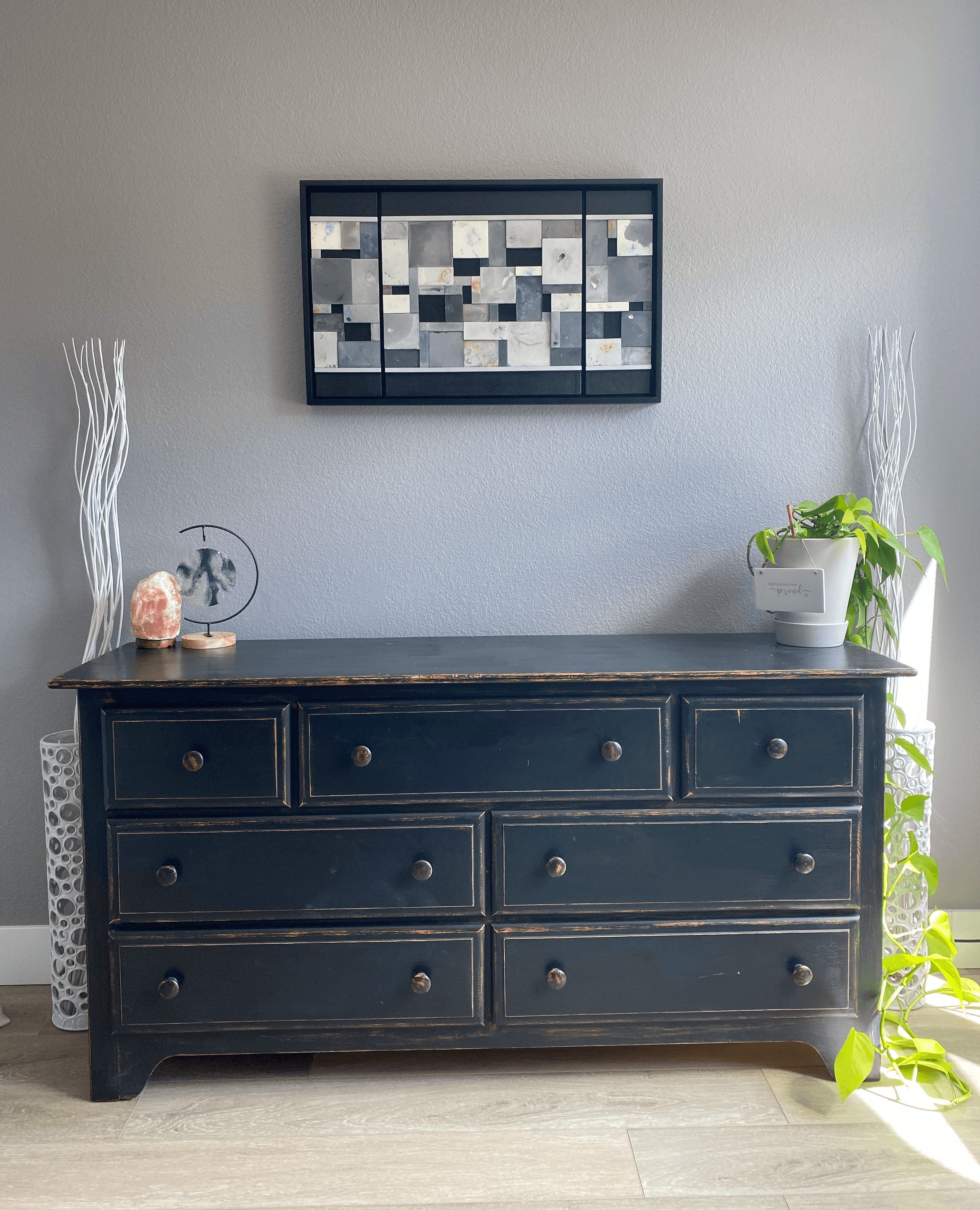
I create emotionally resonant art rooted in grief, transformation, and connection. My work spans mixed media—each piece is a tactile story, built from fragments and memory. I’m drawn to materials that carry weight, both literal and emotional. Whether it’s salvaged metal, found objects, or layered textures, I use what’s available to honor what’s been lost and what’s still becoming.
For years, I focused on supporting others—helping them share their stories, honoring their healing, and staying just behind the curtain. Now, I’m stepping forward with my own. My current series, Held Together, explores what it means to rebuild—not with perfection, but with intention. I’m also building a legacy archive that maps each piece to memory, season, and emotional rhythm.
What makes my brand unique? It’s quietly fierce. It’s resourceful, emotionally intelligent, and deeply human. I believe in showing up as myself—no glitz, no glam, just grit, grace, and a deep respect for the stories I carry.
Amazing, so let’s take a moment to go back in time. Who taught you the most about work?
My parents taught me how to work—each in their own way.
My dad worked six days a week as a mechanic—rain, shine, snow, didn’t matter. He showed up early, stayed late, and never called in sick. He was the kind of problem solver who didn’t flinch when things got messy—he just figured it out. No drama, no shortcuts, just steady, grounded effort.
My mom taught me personal responsibility. She handled the finances, kept things running, and knew how to make a team work—even when the team was tired, stretched thin, or emotionally spent. She modeled leadership that was quiet but firm, practical but deeply human.
Watching them taught me that work isn’t about flash—it’s about showing up. It’s about doing what needs to be done, even when it’s hard, even when no one’s watching. That’s the ethic I carry into my studio, my writing, and my business. I may not be turning wrenches or balancing a household budget, but I’m still solving problems with my hands, my heart, and materials chosen with care—each one layered with memory, meaning, and intention.
What have been the defining wounds of your life—and how have you healed them?
Losing my daughter Ally. That grief reshaped everything—how I create, how I connect, how I carry memory. It cracked something open in me that hasn’t fully closed, and maybe isn’t meant to. I didn’t know how to talk about it, so I started making things. Art became the language I didn’t have yet.
Healing hasn’t been tidy. It’s come in fragments—through storytelling, through making, through showing up even when I didn’t feel ready. I’ve learned to honor the mess, not just the meaning. To let the broken parts breathe. And to trust that transformation doesn’t always look like closure—it often looks like creation.
I still carry that wound. But now, it’s part of the work. It shapes the texture, the tone, the tenderness. It reminds me that beauty isn’t the absence of pain—it’s what we build in spite of it.
Alright, so if you are open to it, let’s explore some philosophical questions that touch on your values and worldview. Is the public version of you the real you?
Yes—and also, kind of a curated chaos version. My social media is full of ridiculous reels, quiet truths, and the occasional “what even is this day?” moment. I share the funny, the messy, the tender, and the real. I don’t do sparkle or polish. I do honesty, humor, and the kind of behind-the-scenes grit that doesn’t always make it into the caption.
I used to think I had to keep things profound or perfectly packaged to be taken seriously. But the truth is, my posts where I’m laughing at myself or showing the creative mess? That’s me. The captions that hold grief and humor in the same breath? Also me. I’m not performing—I’m processing. I’m connecting. I’m letting people in.
So yes, the public version of me is real. It’s just edited for clarity, not perfection. And if you’ve ever watched one of my reels and thought, “Same,” then we’re already in conversation.
Okay, so let’s keep going with one more question that means a lot to us: What do you understand deeply that most people don’t?
That legacy isn’t built in grand gestures. It’s shaped in the quiet choices—the ones that don’t get posted, praised, or even noticed. It’s in the way you keep going when things fall apart. The way you respond when no one’s clapping. The way you make meaning out of what’s hard.
I learned that from my dad. He showed up early, worked through every kind of weather, and never asked for applause. His legacy wasn’t loud—it was steady. And that taught me that consistency is its own kind of courage.
Now, I get to work alongside him—problem-solving, building, adapting. He brings the precision and practicality; I bring the symbolism and story. Together, we create pieces that carry both our fingerprints. That collaboration is part of my legacy too.
I’ve learned that legacy lives in the details: how a piece is signed, how a memory is honored, how a story is told with tenderness and truth. It’s not just what you leave behind—it’s how you live while you’re here. How you listen. How you adapt. How you keep creating even when it hurts.
Most people think legacy is about impact. I think it’s about intimacy. About mapping emotion to material. About leaving behind something that says, “I was here. I felt this. I made this. And it mattered.
Contact Info:
- Website: https://www.everlastingechoes.com
- Instagram: https://www.instagram.com/everlastingechoes
- Facebook: https://www.facebook.com/Everlastingechoesstudio
- Other: https://www.tiktok.com/@everlastingechoes