


Today we’d like to introduce you to Victoria Clarke-Jones.
Hi Victoria, it’s an honor to have you on the platform. Thanks for taking the time to share your story with us – to start maybe you can share some of your backstory with our readers?
I was born and raised in the Children of God cult. My dad was Australian, my mom was Hong Kong Chinese, and my stepdad was British. I was the second of seven kids and we grew up living in communes, homeschooled, and practicing a fundamentalist Christian lifestyle. We traveled around to different countries, preaching the imminent Second Coming of Christ and living apart from the secular world.
There have been many documentaries and books written about the cult so I won’t spend too much time talking about the beliefs, practices, and abuses that were a part of my every day life. Needless to say, I grew up with a lot of beliefs born out of trauma about myself, relationships, and the world around me that I carried into my adulthood. I finally decided that that life wasn’t for me so I left the cult when I was 17 and had to learn to stand on my own two feet pretty quickly.
When I became a parent at 21, I swore that my children would have a different childhood than what I experienced and I would be a different type of parent. On the surface, it looked like I was doing all the right things: my two boys got top grades in school, were bilingual in Chinese and English, and I made sure all their needs and wants were provided for. I was also doing well in my career as a schoolteacher and curriculum designer at an international private school. I had a big house, plenty of money for vacations and treats, and was advancing in my job.
My personal life, however, was suffering. I had been through a divorce at 20 after one year of marriage to my first husband. My kids’ dad and I were living in different cities and they only saw him once every few months. When we finally decided to go our separate ways, things got ugly and my kids were caught in the middle. I ended up losing my house and job as my world began to spiral downwards.
I still remember the conversation I had with both my boys when my oldest who was 10, told me that they both wanted to go and live with their dad. He told me that he didn’t feel close to me and that all I did was lecture, criticize and punish them. My oldest boy did end up going to live with his dad and my younger one stayed with me. It was one of the hardest times in my life I’ve gone through as I lost almost everything I knew in a very short space of time.
I ended up moving to the US soon after that. I was in a relationship with a man who had 3 kids and when we got married, I became a stepmom. I felt like I’d been given another chance at parenting only to realize that stepparenting was a completely different ballgame. We were all new to this and everyone was struggling with being thrown together as a new blended family. I realized that I was out of my depth again and wasn’t sure what I was doing.
I started studying stepfamily dynamics and childhood trauma, thinking that it would help my kids. It was only after a few months I realized that I’d never healed from my own childhood trauma and that I was being triggered by my past through my kids’ behavior.
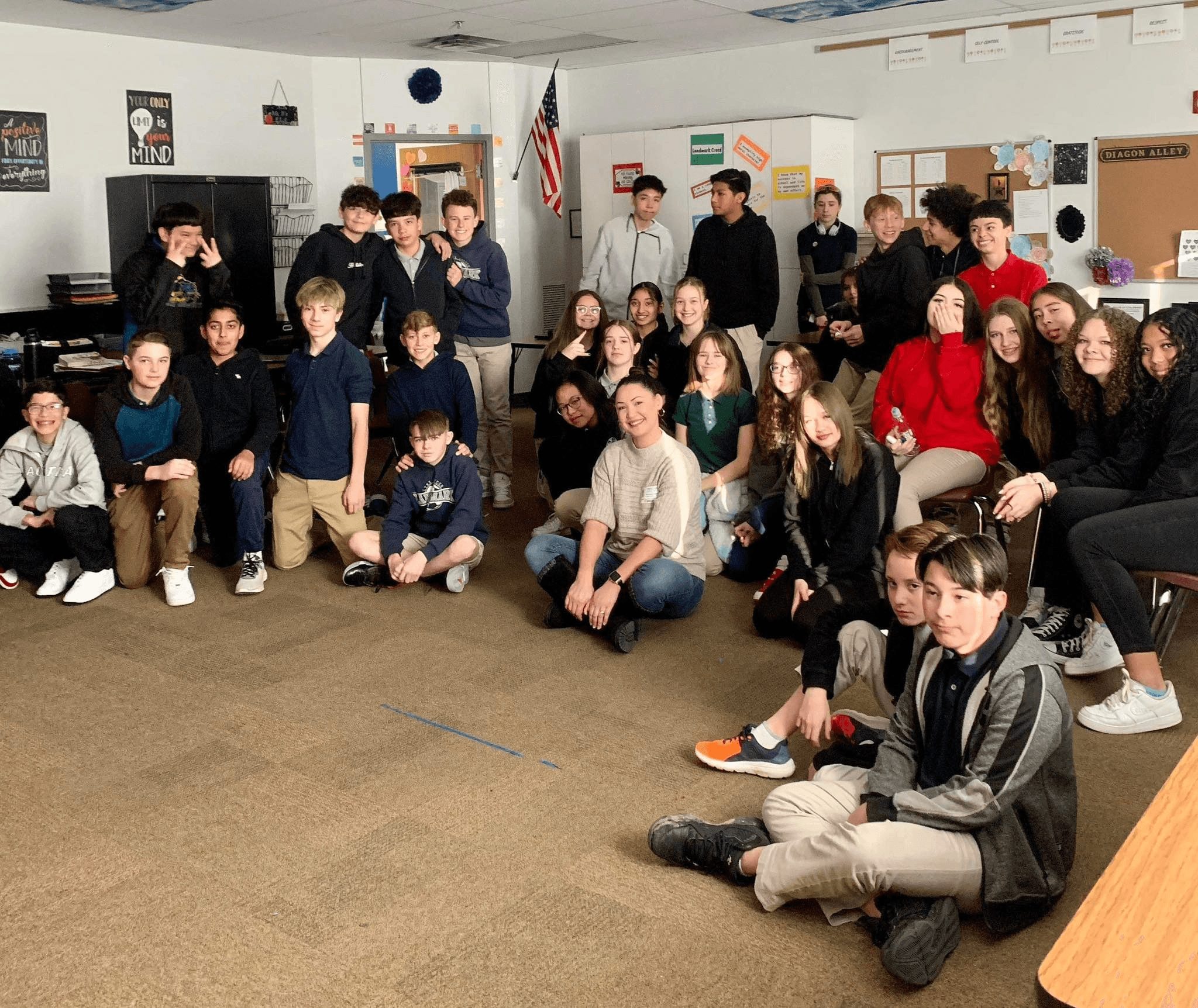
I started training in different modalities like counseling, cognitive behavioral therapy, and neurolinguistic programming. I began working with a therapist to begin to heal from my traumatic past and decided that I wanted to work with kids and teens, teaching them the skills and tools to help them understand their inner world better. The more I worked with this age group, the more I saw the desperate need for mental health support for kids focusing on emotional intelligence, especially once Covid hit and everyone was reeling from the changes.
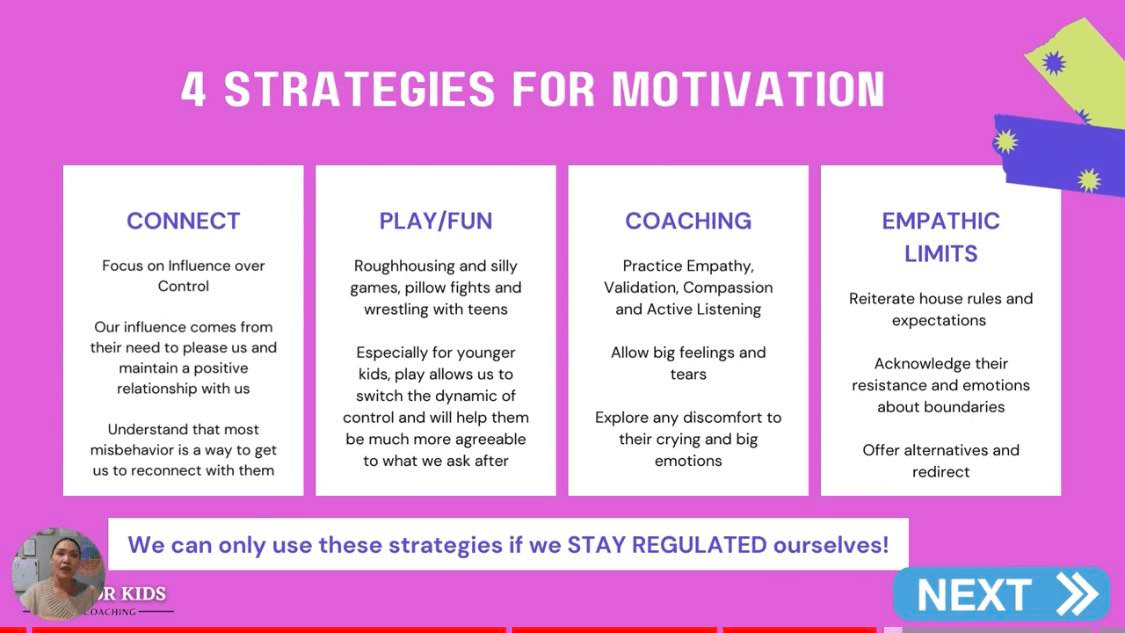
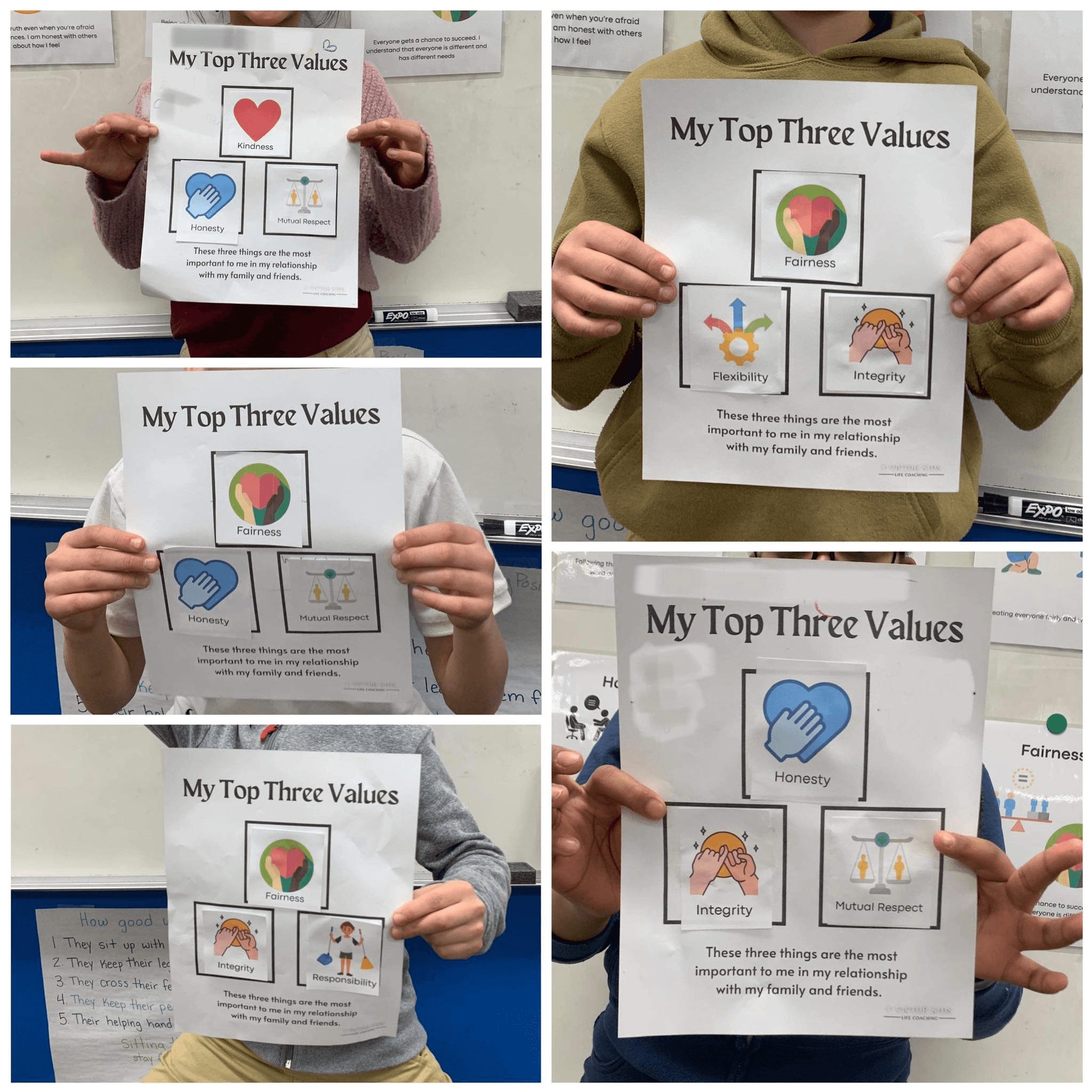
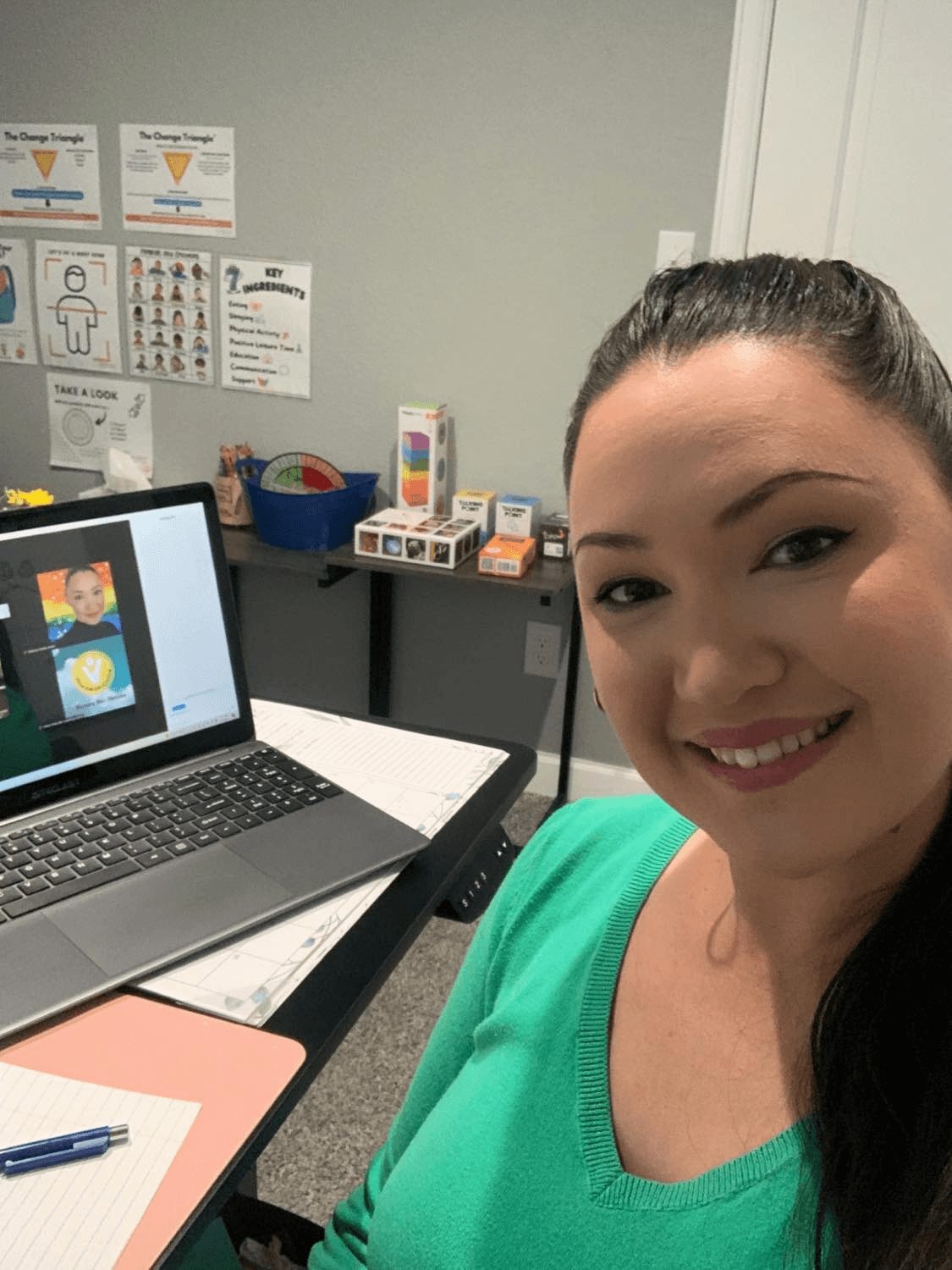
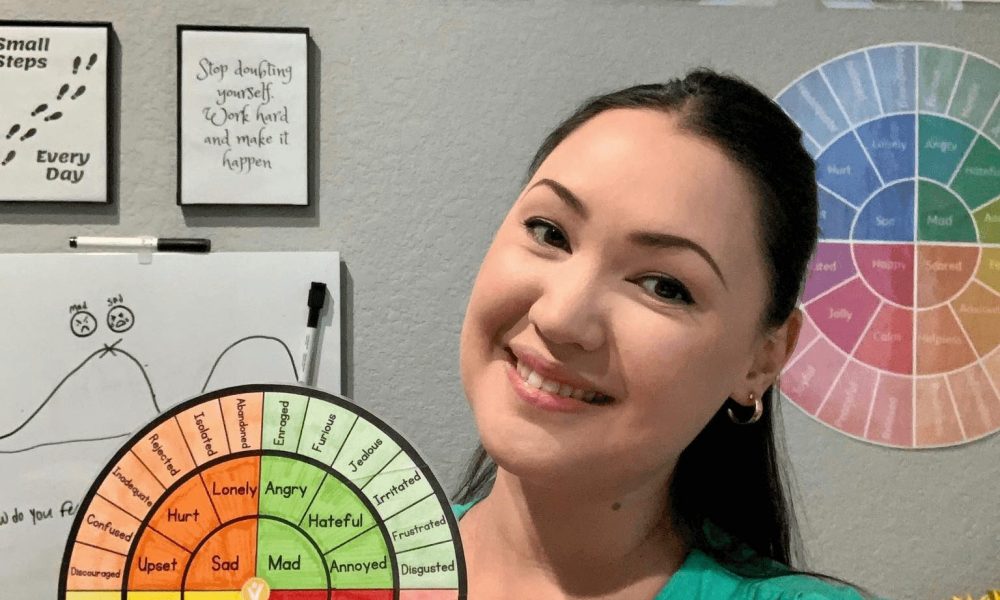
I started my coaching business, Victor Kids Life Coaching in 2021 and have been teaching kids and teens how to understand and manage their emotions, assertive communication, setting healthy boundaries, and more. I also became a Parent Educator to help parents and teachers understand the importance of co-regulation and reparenting themselves.
Alright, so let’s dig a little deeper into the story – has it been an easy path overall and if not, what were the challenges you’ve had to overcome?
Running a small business has not been easy. Having only had an 8th grade homeschool education and growing up in Asia, there’s been so much I’ve had to learn.
One of my biggest challenges was learning how to juggle being the mom my kids and family need with the pressures of wearing all the hats of a small business owner and coach. I felt I couldn’t authentically talk to parents about connecting with their kids while I spent all my time working and too busy to spend time with my own family.
I look at each challenge as fuel for my growth. All the daily struggles and frustrations in learning to run a business, the imposter syndrome and fear of being seen, the money mindset I grew up with, the stories my clients share with me that remind me of my own unhealed parts, all of those shine a spotlight on areas I still need growth or healing in.
Even though it’s been a tough and uncomfortable journey at times, I’ve really learned to value each new season I’m in because I’ve seen how far I’ve come and how excited I get for what’s still to come.
Appreciate you sharing that. What else should we know about what you do?
I chose artist and creative because I feel what I do is unique as a coach.
When I first started learning all about coaching, so many of the trainers taught top-down or brain-based approaches. I trained in CBT and NLP modalities to add to my list of tools that I used with my kid and teen clients. Many of the coaches that work with youth still use a top-down approach and a lot of what you’ll see out there is a ‘brain first, body second’ model. I saw that cognitive tools worked well with some kids while others completely rejected or felt judged by them. So, I started to research and experiment more with other approaches.
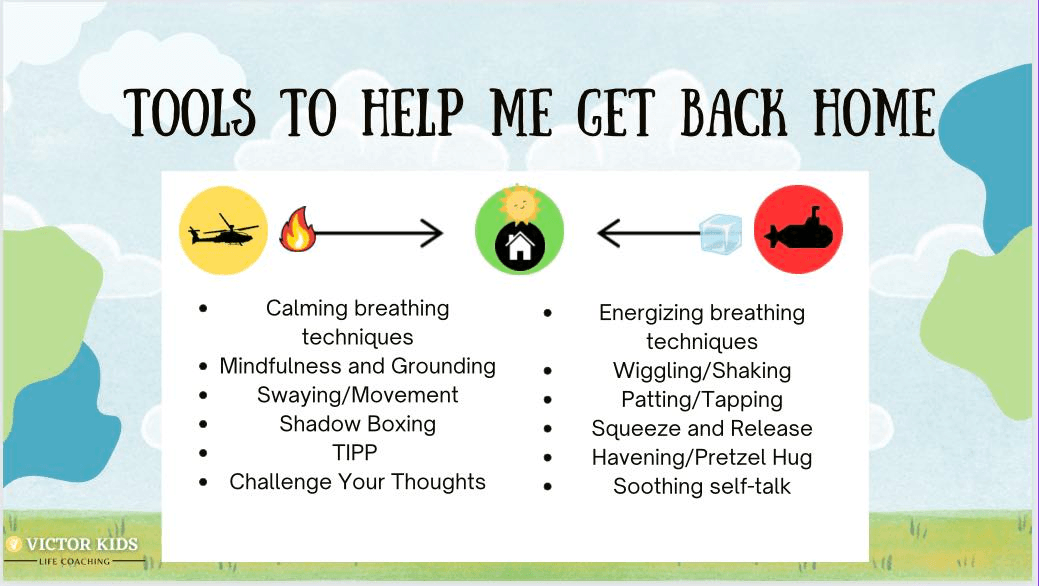
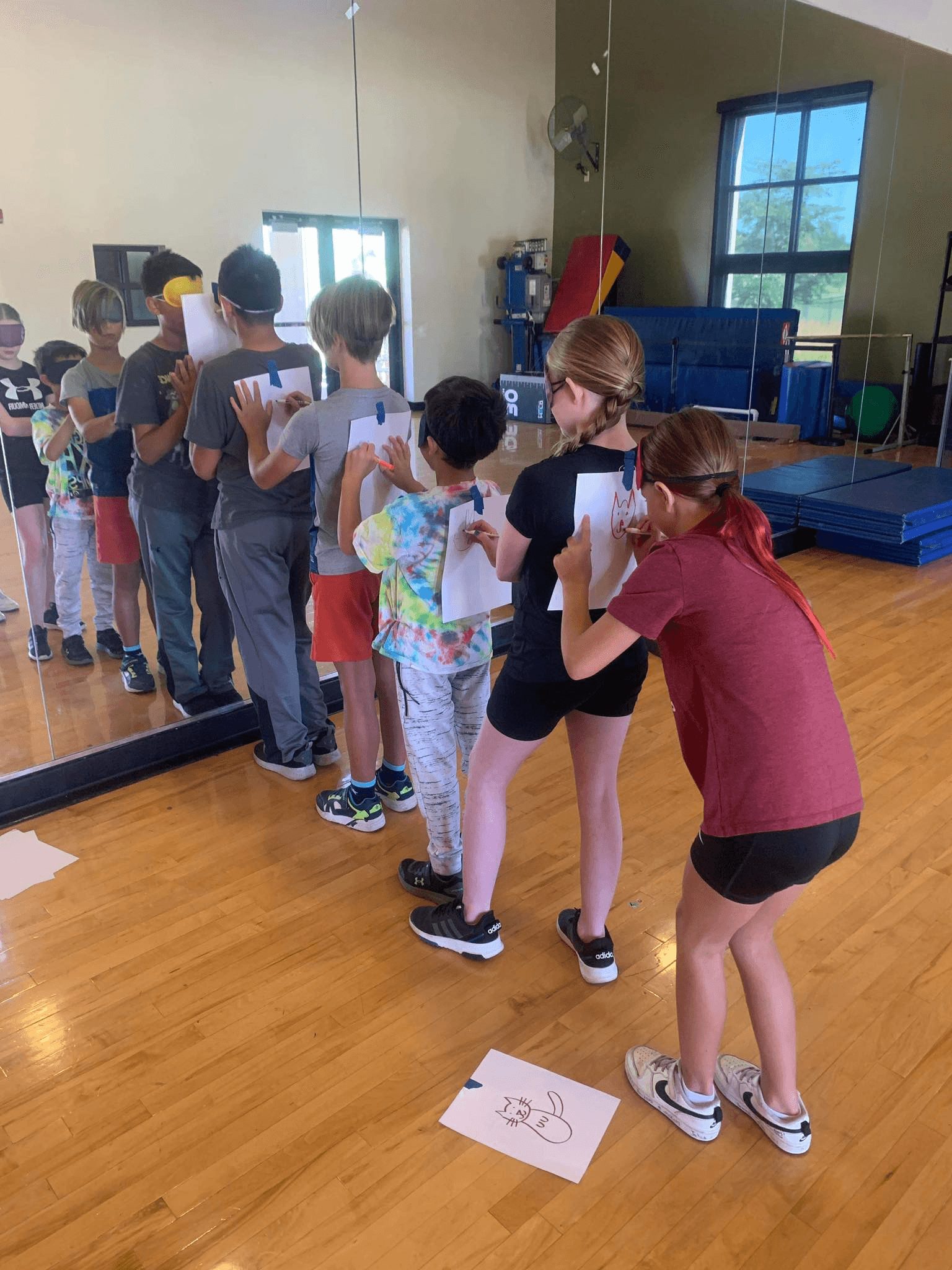
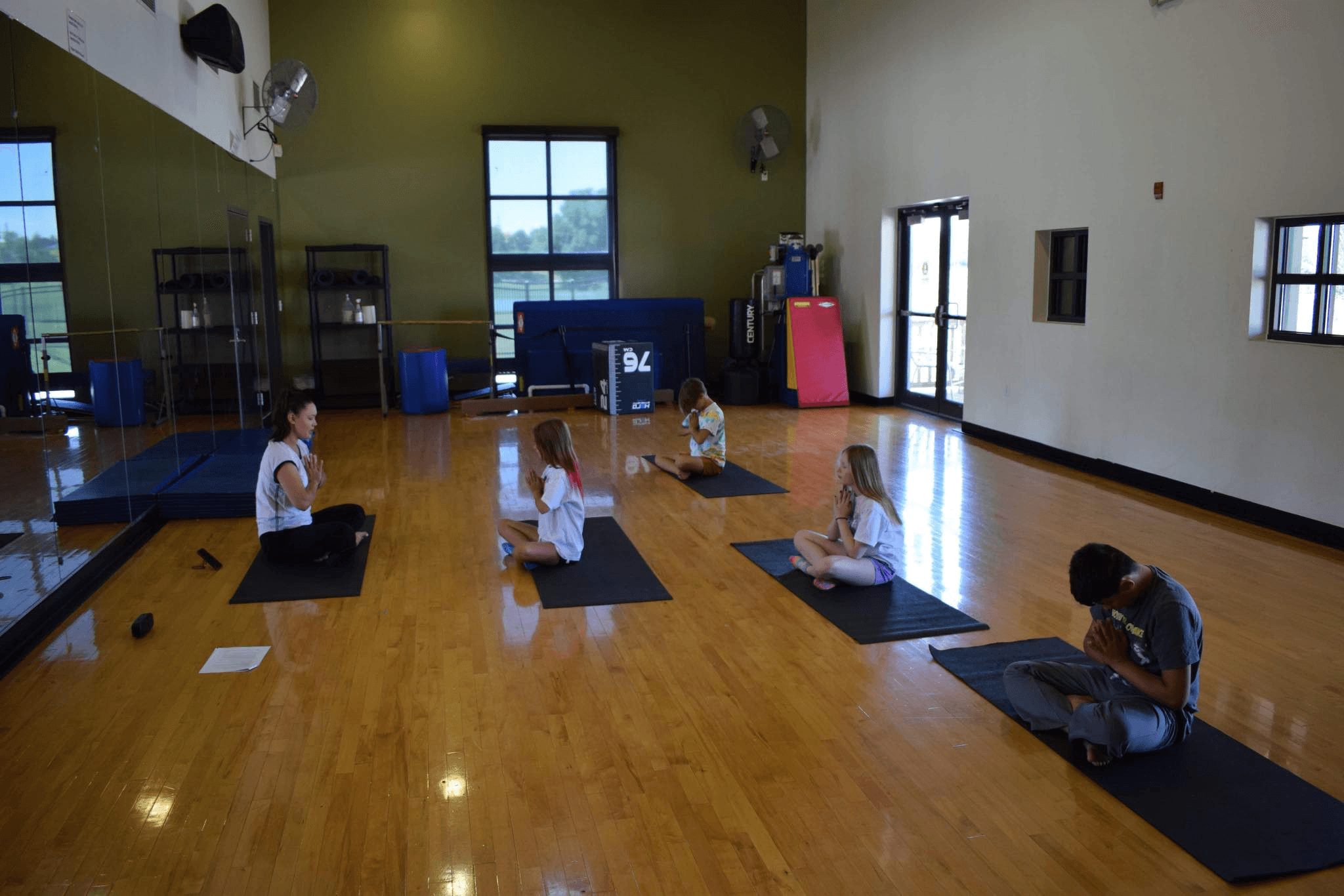
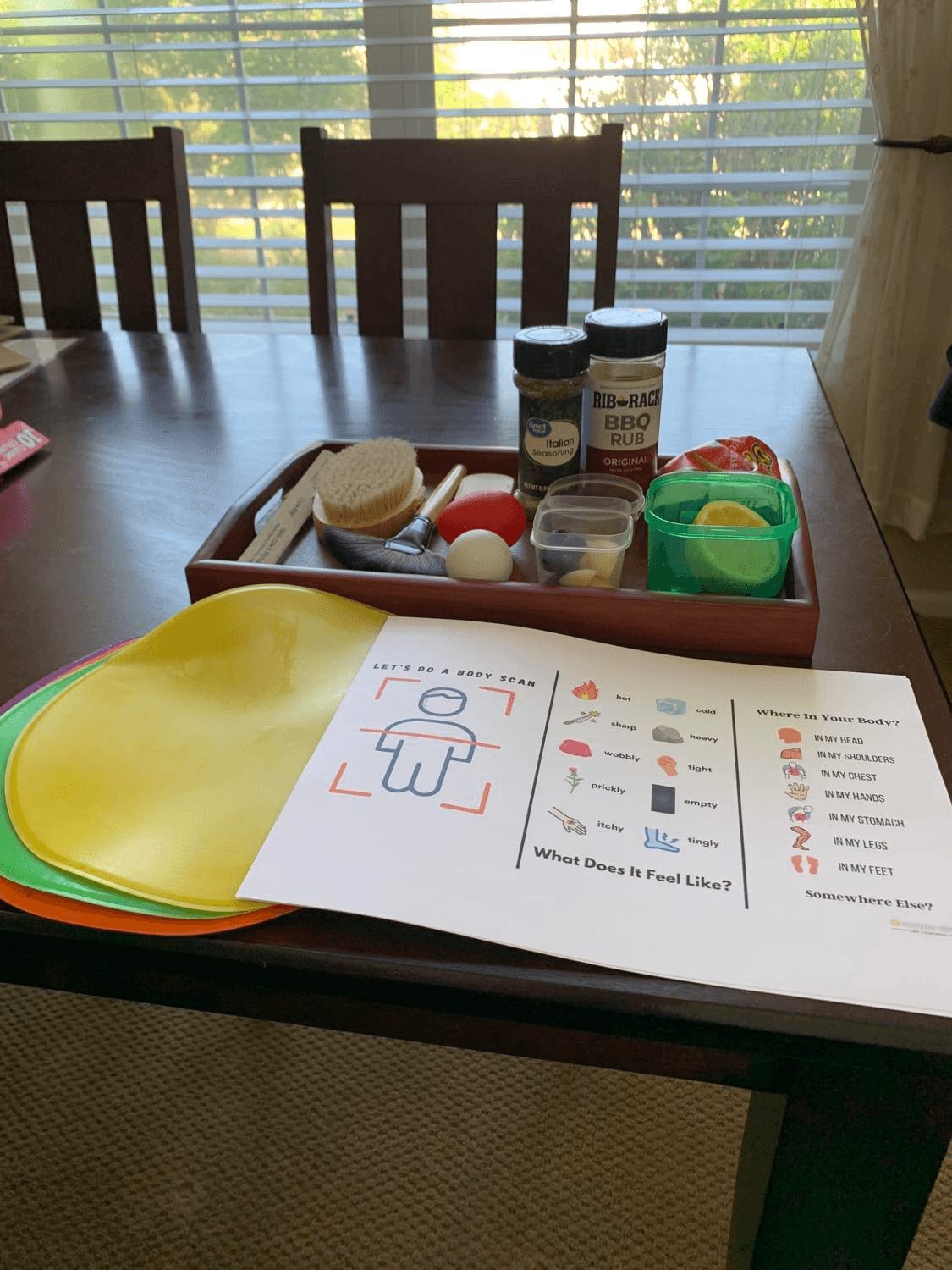
I realized that the practices that many of my clients responded to more positively were somatic or body-based tools, especially the younger kids. I continued to research and found that using a mixture of somatic practices and activities, like dance, creative movement, breathwork, mindfulness, yoga, art, clay, and roleplaying had better results and were easier for my clients to use in between our sessions. They’re also playful, free and fun, which is essentially what childhood is all about.
I still coach kids in building a positive mindset and practicing compassionate self-talk as that part is also very important for their developing brains. But by teaching them also how to listen to their bodies and interpret the messages, I believe that they’re getting a more holistic understanding of mental health.
In addition to working with kids and teens, I also teach parents and educators this approach in my trainings and workshops as well. I’ve found that lots of therapists and coaches work with either the parent or the child but rarely both. Through my own healing journey, I’ve realized that a lot of parenting challenges stem from unhealed childhood wounds that parents carry around and unknowingly pass the burden of onto their own children.
For parents who are willing to go deeper with me, we begin to shine a light on patterns and beliefs that are holding them back from being the parents they want to be. When they start to understand where these patterns came from and what purpose they’ve served in the past, they can begin to let go of them and create new ones with gratitude and self-compassion.
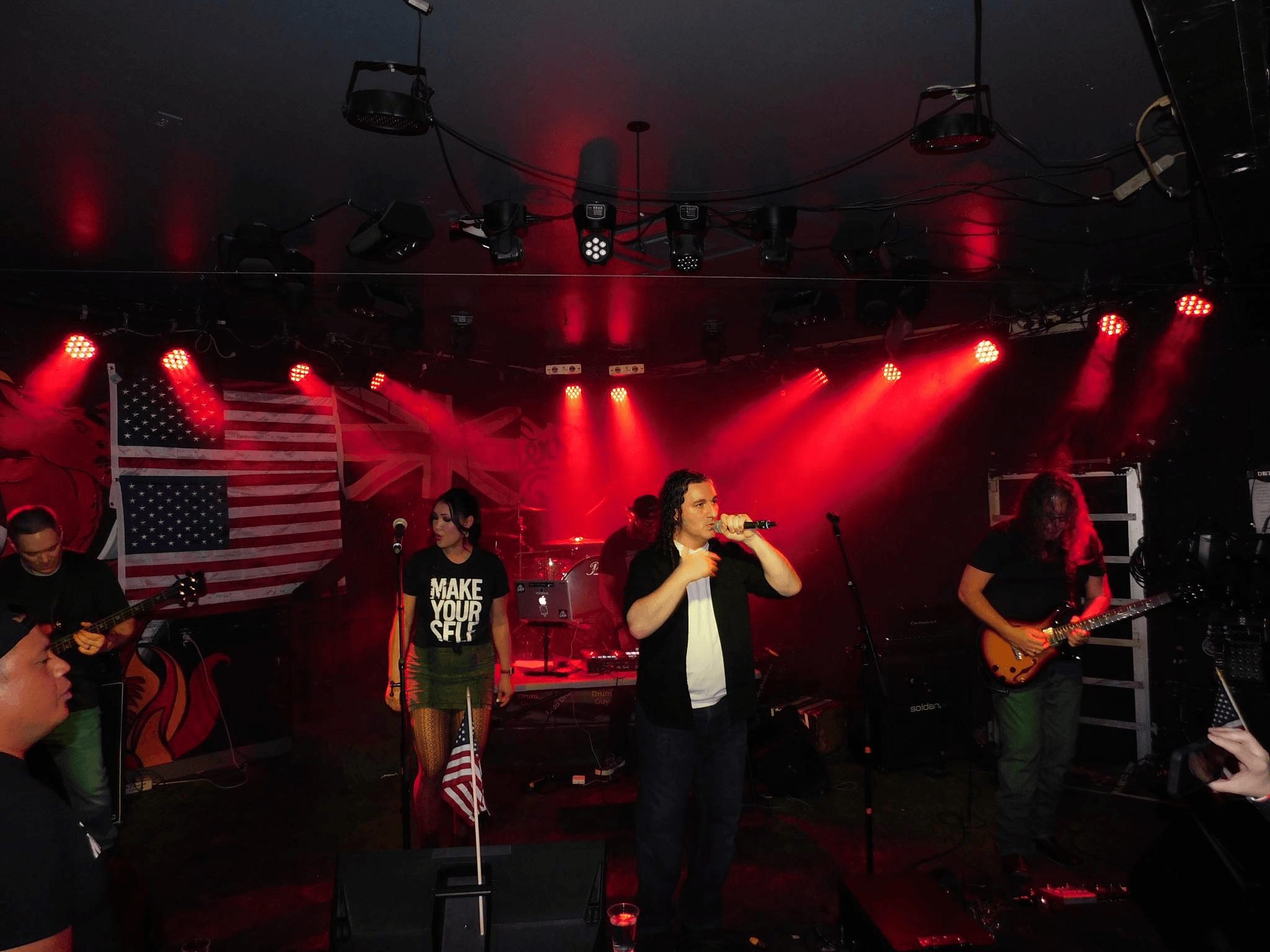
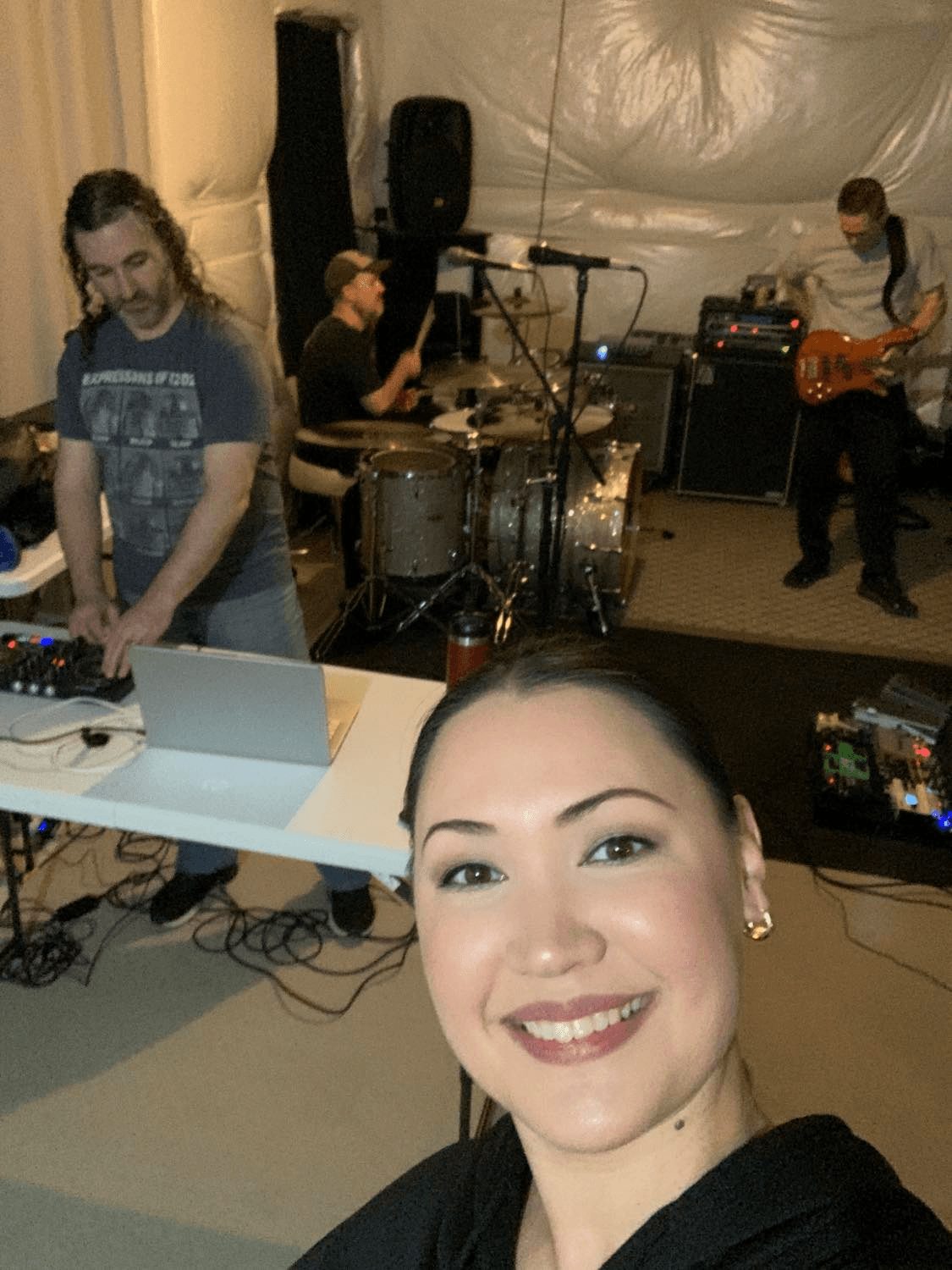
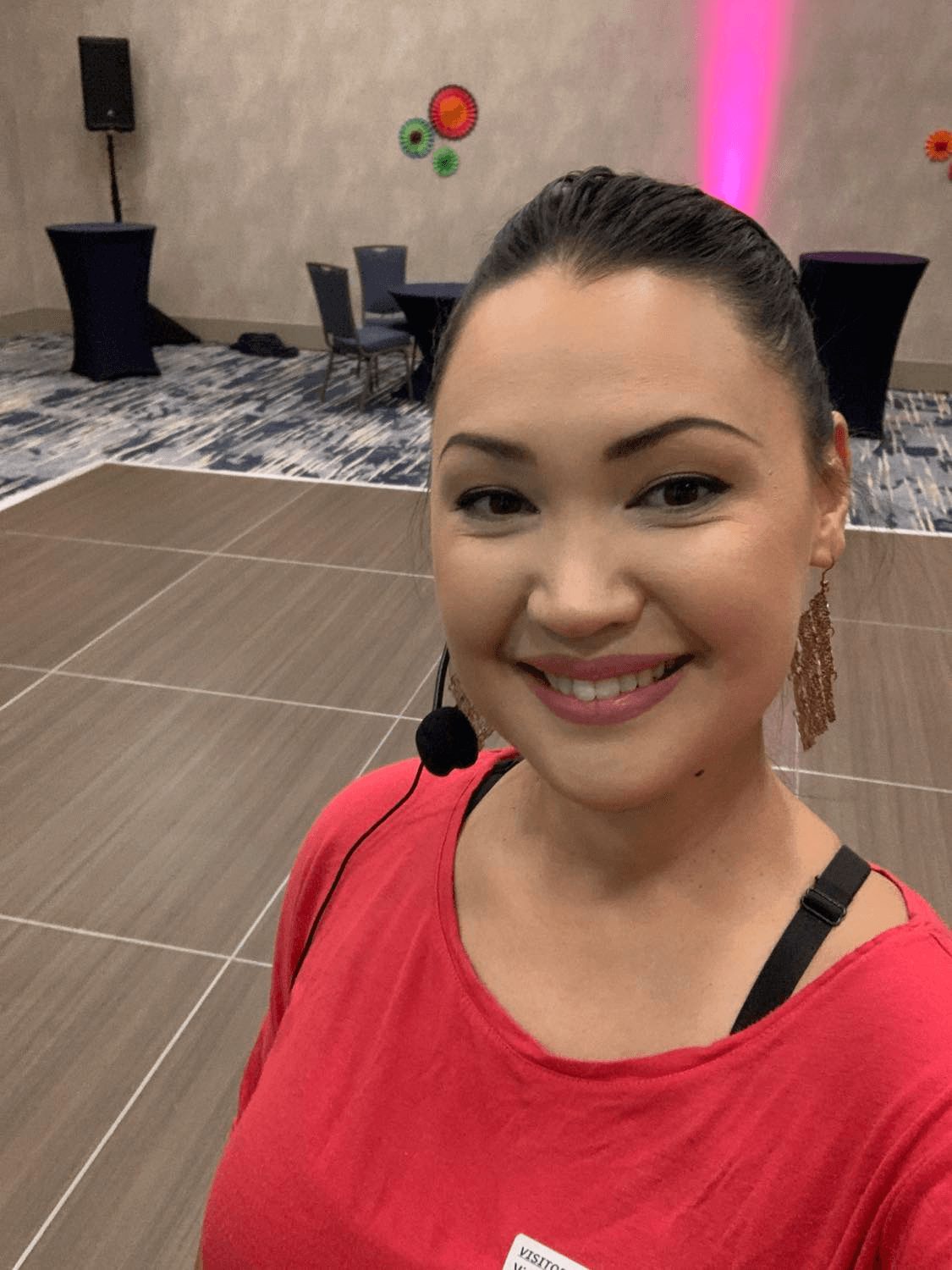
Another creative side of me is that I love music, dance and cooking. I teach dance fitness classes to women and during the summer, I run dance, cooking, and other life skill camps for kids and teens. I’m also a vocalist with my husband in a Denver tribute band to Incubus and 311 called Idiot Box.
What has been the most important lesson you’ve learned along your journey?
To enjoy the journey and that there is no timeline for success.
When I started this business, I had a very goal-oriented mindset. I wanted to succeed, make lots of money, gain accolades, and show everyone how competent I was.
I learned that I was an excellent student and was great at planning and setting goals but also incredibly afraid of making mistakes and failure. I also learned I have a huge heart for helping others, especially children, but felt a lot of responsibility for my clients to get results. Both those parts are valuable and important for the work I do but they also weren’t the part that should have been running the show.
Through some wonderful mentors, I learned that I needed to unlearn a lot of my thought processes and adopt an entrepreneur mindset, which embraces mistakes and ‘failures’ as data to learn from. I’m still learning to enjoy the process of experimentation and creativity, understanding that as I grow and change, my offers will as well. I’ve also learned to trust my own timeline and not when anyone else thinks I should be ‘there yet’.
I keep the quote from Ralph Waldo Emerson on my wall to remind me that success is not always what we’re told it is and sometimes “to find the best in others; to leave the world a bit better, whether by a healthy child, a garden patch or a redeemed social condition; to know even one life has breathed easier because you have lived. This is to have succeeded!”
Contact Info:
- Website: https://www.victorkidslifecoaching.com/
- Instagram: https://www.instagram.com/victorkidslifecoaching/
- Facebook: https://www.facebook.com/victoria.clarke.165
- Youtube: https://www.youtube.com/@VictorKidsLifeCoaching-23
- Other: https://www.tiktok.com/@victorkidslifecoaching/