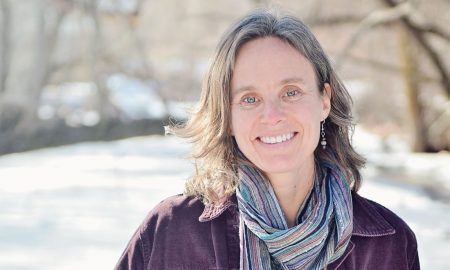


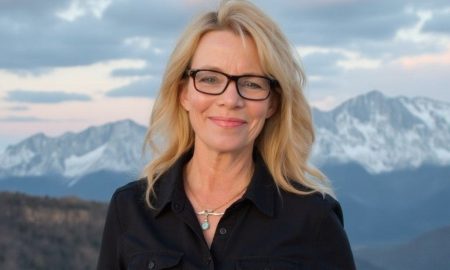
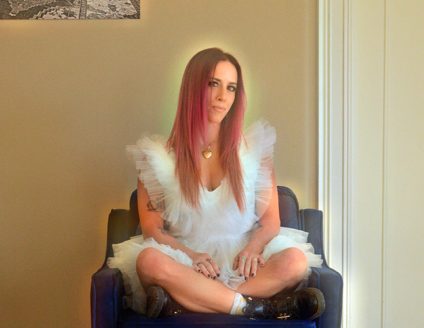
For Greta Hotmer, living a multi‑passionate life isn’t about doing everything at once — it’s about honoring what’s asking for attention in each season. From her cinematic music project ALTARVIOLET to her podcast Thought Experiment Called Life, martial arts training, herbalism, and teaching, Greta’s work is guided by curiosity, embodiment, and sustainability. Rooted in nature, community, and lived experience, this chapter is less about hustle and more about integration — weaving creativity, healing, and strength into a life that feels fully lived.
Hi Greta, thank you so much for joining us again! You are multipassionate — musician, podcaster, martial artist, herbalist. When did you first realize you didn’t want to choose just one path, and how have you learned to honor all those callings without burning out?
Thank you so much for having me again. I truly love how your team highlights small business owners and creative people in the area.
I didn’t necessarily consciously choose to live a multi-passionate life, but I think it became my path in my 30s, once I had mostly recovered from Lyme disease. I could barely do anything throughout my 20s and often felt like I was missing my own life. When I turned 30, I remember walking on the beach in Cape May and making a promise to myself: that I would have fun, that I would go after the things my heart was calling me toward, and that I would really live.
As the years have gone on, now at 43, it feels less like I’m chasing multiple things and more like I’m finally integrating parts of myself that have been building all along. The podcast, in particular, allows me to celebrate all of these facets as I interview people who reflect the different worlds I love. That might look like interviews with Fred Mascherino of Taking Back Sunday, John Whitman, president of Krav Maga, or Jacque Maldonado, founder of The Prana House, for instance. I also interview therapists, meditation teachers, and other healers, as that’s a huge part of my own path.
At the core of it, I see people as multifaceted. While not everyone is meant to live their life the way I do, I really encourage people to honor the parts of themselves that are asking for more love and attention.
I do have to be mindful not to burn myself out, so I try to go low and slow, build sustainably, and avoid saying yes to too many things at once. This definitely isn’t the fastest route, but it’s the one that allows me to weave my passions together in a way that feels authentic. I actually got a little snail tattoo this past year as a reminder of that. Slowing down helps me be more present with whatever I’m doing. I used to rush everything.
In a very practical, real-life sense, this looks like rotating through activities, which works well with my ADHD, neurospicy, Lyme-brain reality. I often need mental breaks, and switching tasks helps me avoid getting stuck in a distraction loop. Instead of burning out, I’m just shifting my state of mind and can return to the other task feeling refreshed.
Lastly, physical movement, play, and community are non-negotiable staples of my life. Most nights, I’m training BJJ or MMA with my gym family. While it’s incredibly challenging at times, it’s also playful and very fun. We have an amazing community at Mercs BJJ and MMA where you feel both supported and pushed, no matter where you’re at. It’s the one place I can put my phone down and completely forget about everything else. Since so much of my work happens on a screen, that kind of presence is essential.
Moving from Pennsylvania to Colorado Springs marked a new chapter for you. How has being closer to nature shaped your creativity, your health, and the way you approach both art and daily life?
It has meant everything to me to live closer to nature, and especially the mountains. I’m in awe of them whether I’m walking out of Costco or wandering through one of our local parks. There’s something grounding about having them always in view.
And when I do have to spend long stretches of time at my computer recording, editing, or creating, nothing recharges my spirit more than driving down Highway 24 into the mountains and getting a solid five-mile hike in. It’s the best way for me to reset and come back to myself.
Walking in nature isn’t just a hobby for me, it’s an essential part of how I stay creative, present, and well.
Your music project, ALTARVIOLET, feels deeply cinematic and personal. What does this project allow you to express that you couldn’t fully explore in your previous bands, and what does bringing it to the stage this year mean to you?
In my previous bands, I was the singer. I wrote the vocals and lyrics and did a bit of producing, but I always felt like a tiger pacing in her cage. Once I went out on my own, I really allowed myself to write whatever was channeling through me.
I grew up on Tori Amos, Indigo Girls, David Bowie, Nirvana, and Les Misérables… and then Thrice in my teen years, haha. So there’s always been this weird, angsty, dramatic, theatrical energy that wants to come out. Part folk singer, part unconventional song structures and lyrics, part I want to belt my face off, and part full-on theater kind of drama.
Last year, I leaned more into the electro-pop and witch house side of my music for my album Tired Wild Hearts. I felt really compelled to write those songs. They’re gritty, electronic, and honestly very far from the album I’m about to put out.
I don’t have an exact release date yet, but I’m aiming for late February or early March for my next album. It’s a return to my roots as a singer-songwriter. The songs are very stripped down, and that was intentional. They’re much easier to play live, which is what I really want to focus on this year.
I’m excited to bring this music into venues and just vibe together. No extra bells and whistles, no heavy samples. Just real human shit. I feel like in this age of AI, the most human thing I can do is sit down, play the piano or guitar, and sing.
Thought Experiment Called Life has become a space for curiosity, healing, and unconventional stories. What inspired you to start the podcast, and how has sharing your own experiences with Lyme disease, mental health, and resilience changed the way you connect with listeners?
The podcast is really an extension of me. I had wanted to start one for many years but kept finding reasons not to, mostly because everything I’m interested in can seem unrelated on the surface, and I didn’t know how to package it into a neat “niche.”
Over time, I’ve come to embrace the fact that there isn’t really a niche. You could say it’s an interview podcast, mostly. You could say I tend to bring things back to mindset. But honestly, it’s more like being a friend of mine. I’ll cheer you on, share any resource I think might be helpful, and introduce you to stories that could quietly influence how you choose to show up in your own life.
For me, it was the people who came before me, the ones who shared their perspectives and personal stories, who gave me hope and helped me learn how to look at my life differently. Getting so sick at such a young age and having to give up everything I loved made me feel incredibly hopeless, bitter, and angry at first. I was open to seeing things differently, but I didn’t yet have the tools.
Over the years, mentors, friends, and teachers showed up and helped me reframe things in ways that allowed me to love my life, even when the outward circumstances hadn’t changed. I’m existential to the hilt, and I really believe that endless curiosity is what carried me through.
Thought Experiment Called Life is my attempt to offer that same support to others. If it gives listeners even a fraction of what those conversations gave me, then it’s doing its job. This podcast is my way of paying it forward.
Martial arts clearly play a huge role in your life — not just physically, but emotionally and spiritually. What has jiu jitsu and self-defense taught you about self-care, confidence, and showing up fully in the world, especially for women?
I always say that self-defense is the ultimate form of self-care. I spent many years immersed in healing spaces while I was in the throes of Lyme disease. I became a Reiki Master, led meditation workshops with my sister, who is now a psychologist, and during that time I felt somewhat ashamed of my background in martial arts. I didn’t want to feel like I was contributing to the violence of the world.
What I came to realize later, when I found my way back to martial arts, is that it’s actually a powerful outlet and stress reliever, and quite literally a way to remember your strength. What could be more caring than knowing how to keep yourself safe?
What’s been really beautiful to witness is that more and more women, especially those in healing spaces, are training in something now. Whether it’s BJJ, Muay Thai, Krav Maga, or another discipline, women are craving a connection to their strength and power, and for the first time we truly have a culture and community that supports that.
That said, self-defense, especially for women, starts long before we ever punch or kick anything. I always recommend starting with The Gift of Fear by Gavin DeBecker. I do offer a warning for those who have experienced violent attacks, as the book opens with a recounting of one. That said, DeBecker does an incredible job emphasizing the importance of listening to our intuition, validating the female experience, and teaching what he calls “pre-incident indicators,” which is a more formal way of saying learning to recognize predatory verbal and nonverbal behavior in everyday life. Just understanding those cues can put you at a tremendous advantage when it comes to personal safety.
Another critical aspect of self-defense as self-care is relationships. For women, most attacks sadly come from a significant other, which means our relationships are one of the most important factors in our safety and well-being. Because of that, how we choose our partners matters deeply. A book I recommend constantly is Attached by Amir Levine. It was a complete game changer for me and helped me stop repeating emotionally abusive relationship patterns over and over again.
When you take this kind of awareness and fold it together with physical training, something powerful happens. No matter your gender, you begin to truly embody your self-worth, your power, and your warrior spirit. And there’s a common saying that tends to hold true: the most peaceful people are often those who are skilled in violence, because they understand its weight and gravity.
Your journey with herbalism and nutrition came from rebuilding your health after chronic illness. How did working with plant medicine transform your relationship with your body, and how do you now share that wisdom with others?
I always say that the plants “call” to you when I’m teaching about herbalism. I’ve always had a deep love and reverence for nature, so when I heard that call while I was sick with Lyme disease, I knew I needed to at least try to answer it. That decision ended up changing my life.
For me, that call showed up in a funny way. I thought the name of a plant called ashwagandha was amusing, which made me curious enough to read about it. That curiosity led me down a path, and it ultimately became one of the plants that helped bring me back to life as I was turning 30. I tend to relate to things through humor, so that’s how the doorway opened for me at that time.
However a plant catches your attention, I always encourage people to follow that thread. Read about it. Visit your local apothecary. Talk to an herbalist and ask questions. Not everyone loves tea, so it’s important to find a form you’ll actually use consistently. That might be a tincture, a capsule, or if it’s topical, a balm or oil. The key is choosing a modality that truly works for you so you can give the plant time to do its work.
We are part of nature, and the plants are part of us. While we don’t fully understand how every constituent in medicinal plants works, we do know that they work synergistically. It’s quite literally the wisdom of nature moving through both the plants and our bodies.
These days, my love for plants is expressed largely through teaching. I’m a teacher at heart, and this is one of the ways that shows up. On my podcast, I share episodes specifically focused on herbalism and nutrition for those who want to learn more. I also have a few ebooks available on my website, including Winter Wellness and All Things Detox. They’re comprehensive, but designed to be practical and easy to use in everyday life.
With so many creative and healing practices woven into your life, what advice would you give to someone who feels “too much” or “too scattered” for traditional paths, but knows deep down they’re meant to explore more than one passion?
I think taking time to write about all the things you care about is incredibly important, even if it starts as a simple brain dump. That process alone can help you sort through what’s really standing out for you and offer insights about yourself and your calling that you might not have had otherwise.
It does take discipline and some kind of structure to build in multiple areas of your life at the same time, but finding ways for each of those areas to feed the others is key. When your passions are in conversation with each other instead of competing, everything feels more sustainable.
Right now, I’m working with my friend and shaman, Eagle Skyfire, through clinical hypnosis. In each session, she asks me a series of questions that really get to the heart of my goals, my vision, and the practical steps I’m going to take next. That process alone has been incredibly powerful for me, and when you add in the hypnosis portion… it’s honestly been transformative.
If that resonates, I would absolutely recommend reaching out to her. But more broadly, anything you can do to clearly define your core values, your heart’s calling, and the tangible steps needed to keep building your vision is something I’d encourage for anyone wanting to live a multi-passionate life.
And lastly, community matters. Having people around you who also live this way makes a huge difference. You can problem-solve together, support each other through challenges, and celebrate your wins side by side.
Looking ahead, what feels most exciting right now — whether it’s new music, upcoming podcast conversations, teaching, or simply continuing to live curiously — and where can people best follow along with what you’re creating next?
This question is honestly stumping me, haha. I’m excited about all of it.
My baby right now is my album. It’s straight from the heart, my feelings put to music, so getting to play that live feels incredibly exciting and meaningful to me. The podcast also constantly lights me up. Every other week I get to interview someone new, be inspired by their story, and then share that inspiration with my audience. It really is a gift that keeps on giving.
When it comes to teaching, I’m currently expanding my offerings and stepping more fully into private training. That includes Brazilian Jiu-Jitsu and self-defense, as well as classes focused on longevity and recovery. This side of my work is continually evolving, and I’m genuinely curious and excited to see where it leads.
I’m on just about every platform except X. That one never really resonated with me. You can find me on YouTube, TikTok, Instagram, Facebook, and most significantly, Substack. Substack is my mailing list and a space where people can support my work for $5 a month if they choose. I share my work freely, but that support helps me continue creating in a sustainable way.
Links:
- Website: www.gretahotmer.com
- Substack: https://substack.com/@thoughtexperimentcalledlife
- Instagram: @thought_experiment_called_life / @altarviolet
- TikTok: @thoughtexperimentcalled / @altarvioletmusic
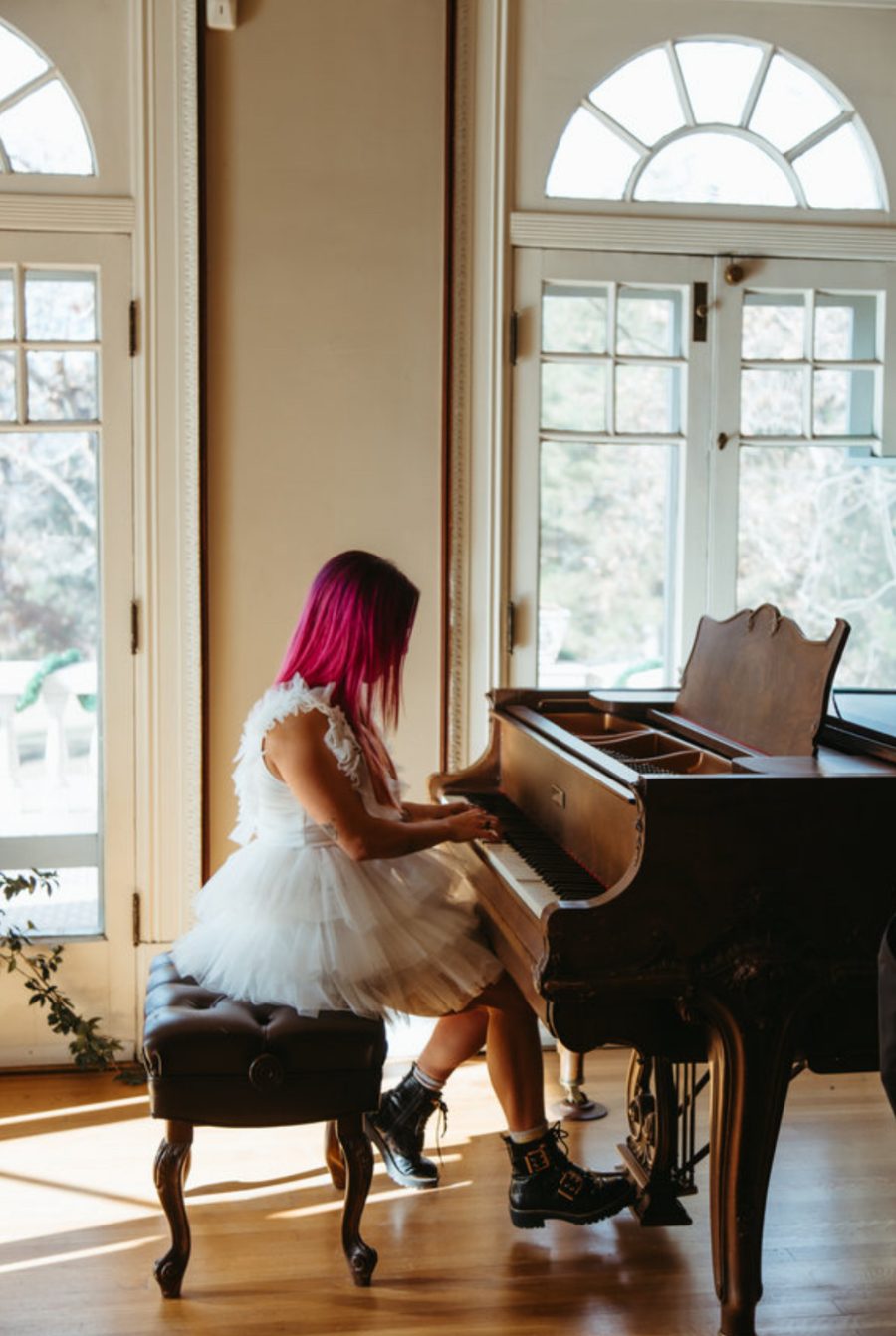
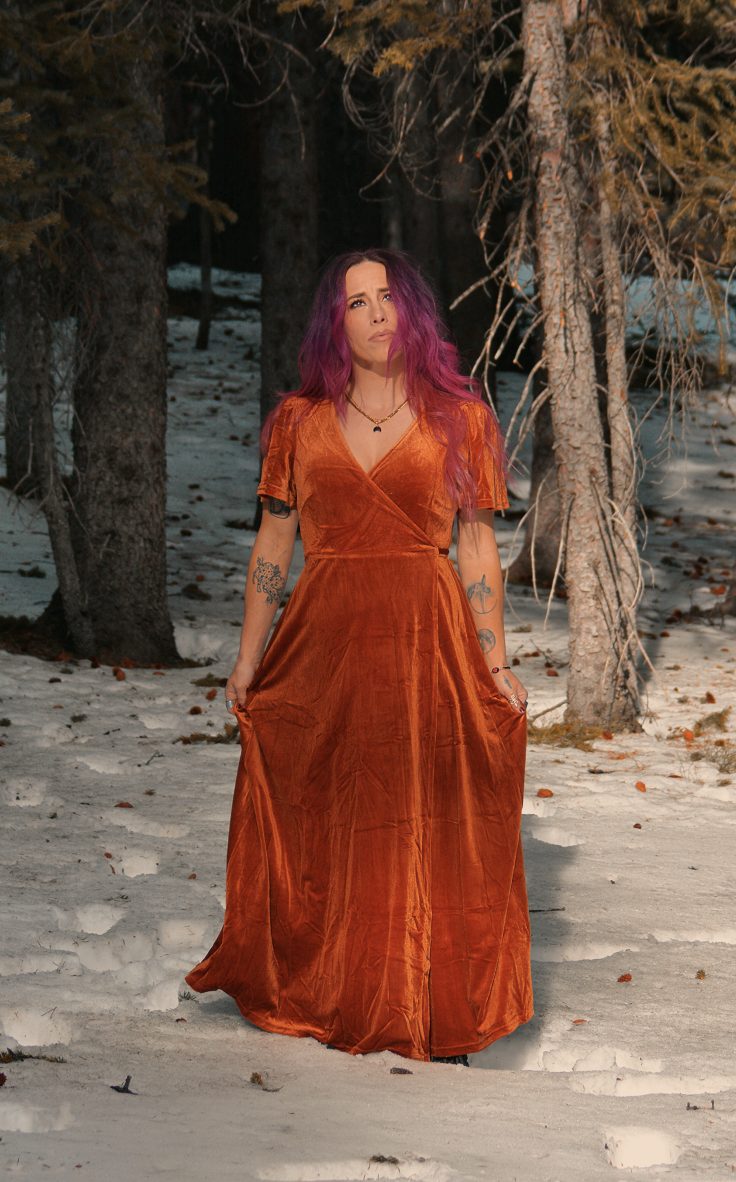
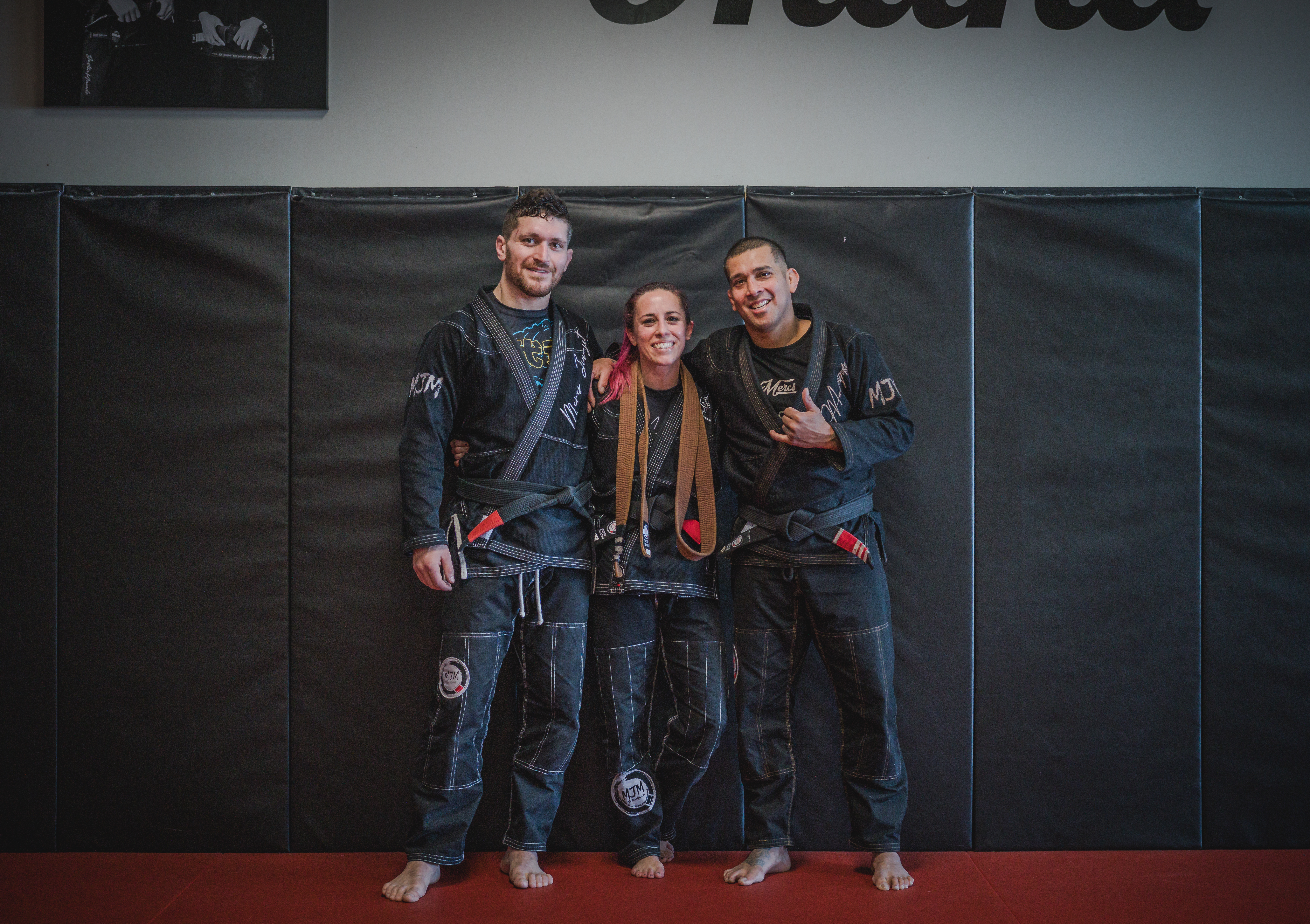
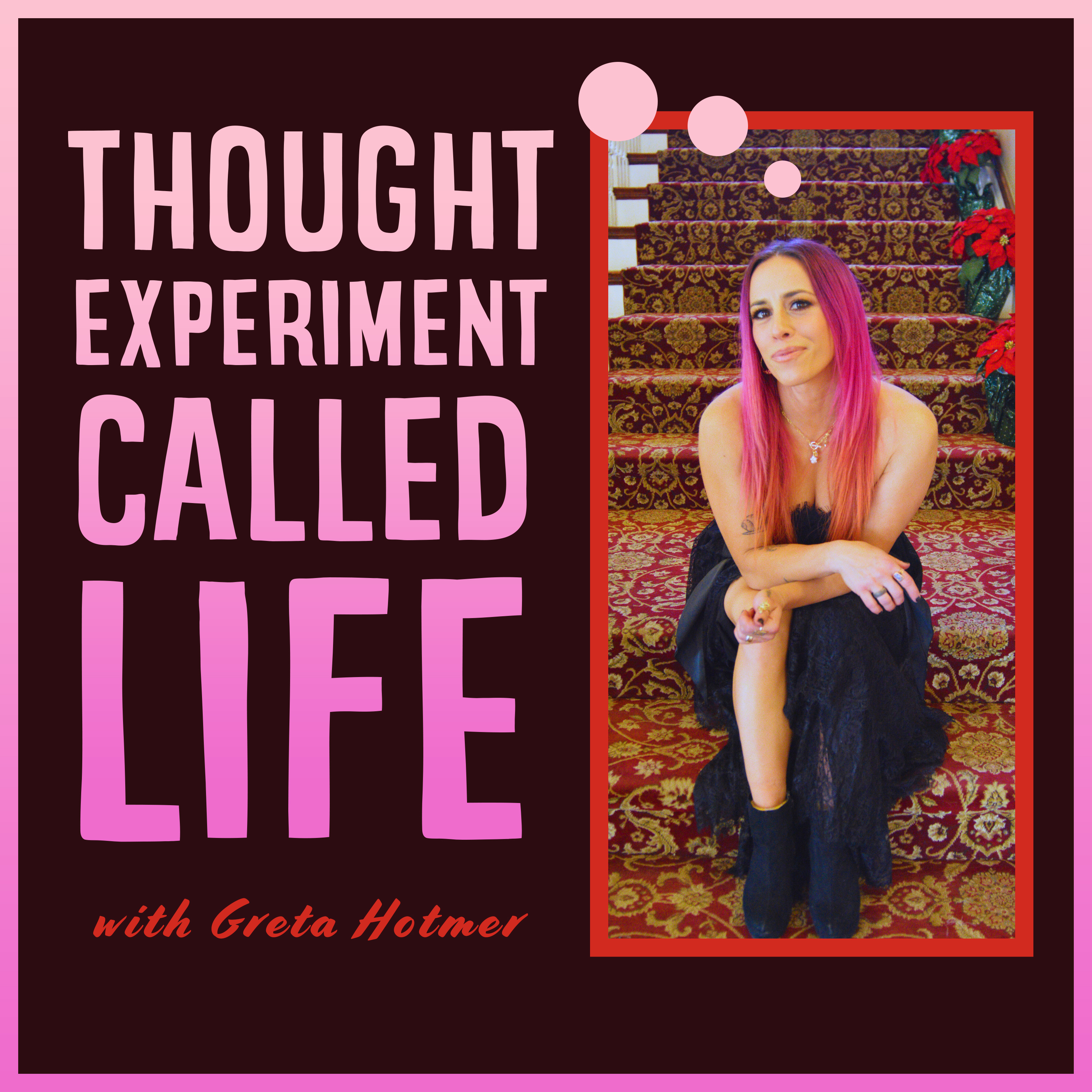
Image Credit:
Dylan Holes, Katie Puc